
Review · MOROCCO
Climb Toubkal: 2-Day Atlas Trek with Local Berber Guide
Mount Toubkal is not a gentle hill with a grand title. At 4,167 meters, it is North Africa’s highest peak, and the two-day route packs a serious climb into a short visit from Marrakesh. You begin in Imlil, walk to the Toubkal Refuge, start again in the dark, and return to the village after the summit.
I like the local Berber guide, especially Houssain, who explains village life and adjusts the pace to the group. I also like the practical support: local food, a mule for heavy bags, rental gear, and transport from Marrakesh. The catch is simple: day two is very hard, with an early start, a steep 1,000-meter climb, and a long descent that can total about 8.5 hours.
Key points
- The summit is 4,167 meters high, giving you a true high-altitude challenge rather than a scenic day walk.
- Houssain and the local guide team provide cultural context, encouragement, and help with pacing.
- The two-day schedule is compressed, with a refuge night followed by a pre-dawn summit attempt.
- A mule carries heavier luggage, leaving you with a daypack for the climb.
- Winter conditions can be severe, and crampons, warm clothes, and proper boots may be essential.
- At $193 per person, the price covers transport, guiding, meals, mule support, a refuge night, and summit assistance.
From Marrakesh to Imlil, the mountain begins quietly
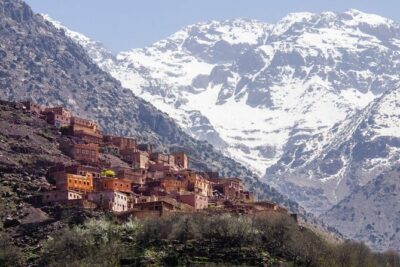
Your pickup starts in Marrakesh, with a private car or van taking you toward Imlil. The drive is about 90 minutes, and the change is striking. The city gives way to the Atlas foothills, then to a mountain village surrounded by terraced fields, valleys, and high peaks.
Imlil is the practical starting point, not just a place to pass through. Here you meet your local guide and mule team, sort your equipment, and leave larger luggage behind or arrange for it to be carried. If you need a sleeping bag, headlamp, trekking poles, or other equipment, local rental is available.
This is where the trip’s personal feel begins. The guide is not simply leading from the front with a flag. Houssain has helped groups with mixed abilities, dietary needs, rented headlamps for people who forgot them, and encouraged slower climbers to keep going. That sort of help matters more than polished sales language once the trail gets steep.
More Atlas Mountains Treks in Morocco:
- Mt Toubkal Ascent Express Trek 2 Days 1 Nights
★ 4.7 · 962 reviews - Marrakesh: 2-Day Mt. Toubkal Trek with 1-Night Stay & Meals
★ 4.7 · 795 reviews - Marrakech: 2-Day Atlas Mountains Trek with Village Stay
★ 4.8 · 717 reviews
Day one: Imlil to the Toubkal Refuge
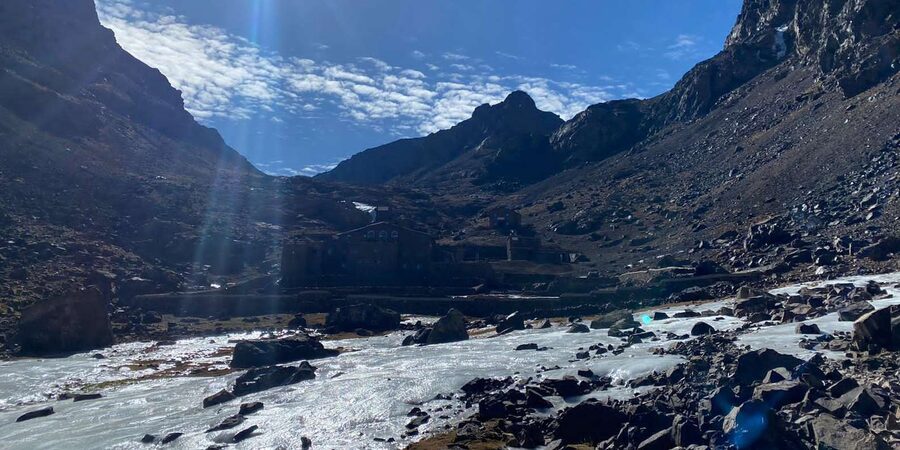
The first day takes you from Imlil to the Toubkal Refuge at about 3,200 meters. You walk through valleys, terraced farmland, and traditional stone Berber villages before the route becomes more rugged.
The village sections give the walk a human scale. You see how the Atlas mountains are lived in, not just photographed. Your guide can explain Berber customs and local traditions, adding meaning to the houses, fields, and trails around you.
A lunch stop breaks up the climb. Meals are described as local and substantial, with mint tea included in at least one detailed account. The food is not a minor perk. You need calories for the second day, and having meals arranged means you do not need to carry a full supply from Marrakesh.
After lunch, the path steepens and the surroundings become more severe. Green valley views give way to rock, open slopes, and bigger mountain walls. The walking is steady rather than technical in the information provided, but you should not confuse that with easy.
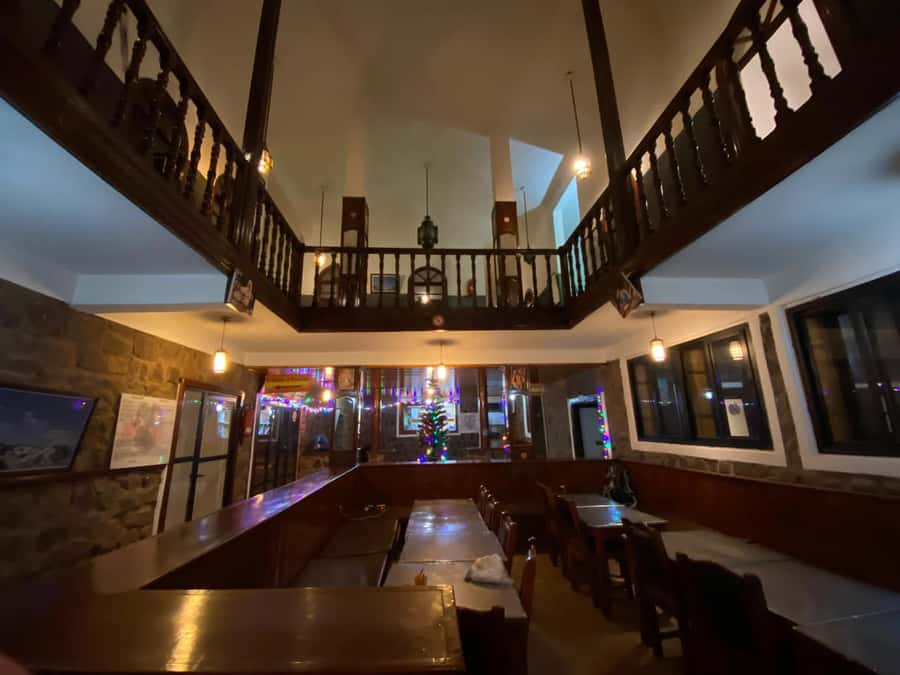
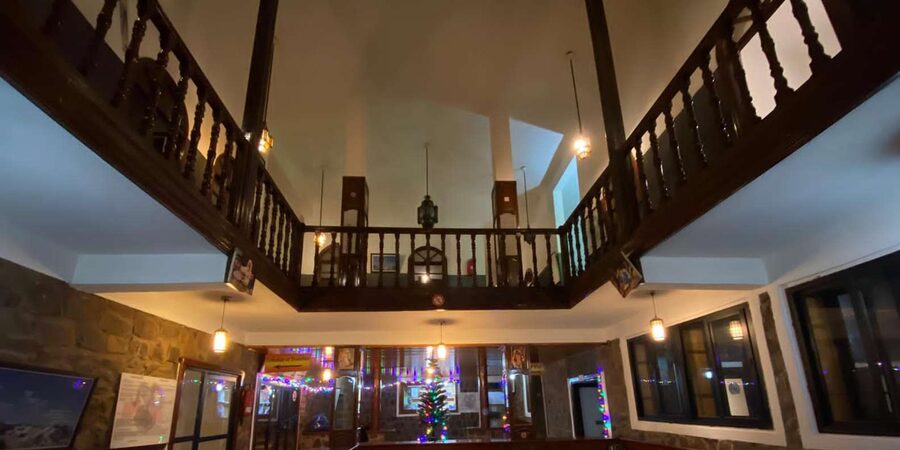
The refuge is a stone building with shared bunkrooms, basic facilities, meals, and the chance of a hot shower. It is useful mountain accommodation, not a quiet hotel. One detailed account warns that the refuge can be noisy, so pack earplugs if you hope to sleep.
That sleep may be short in any case. The summit start is around 3 or 4 in the morning, depending on the group and conditions. You will want to eat dinner, prepare your daypack, lay out warm layers, and get horizontal as soon as possible.
The pre-dawn climb to 4,167 meters
Summit morning begins early because the group needs several hours for the ascent and wants to make the most of the weather and daylight. You leave the refuge in darkness, using a headlamp. If you do not bring one, rental is available locally, but bringing your own is more convenient.
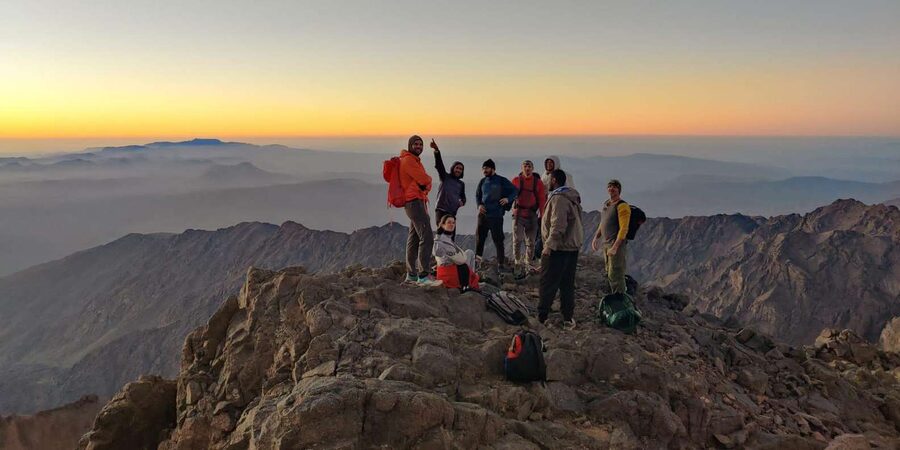
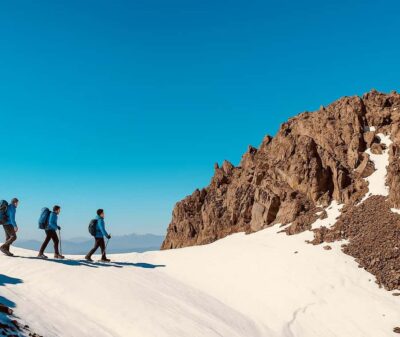
The route becomes rocky and steep as you climb above the refuge. In winter, snow and ice can cover the path, and crampons are required. Conditions can change quickly, so your guide’s judgment is important. The provided guidance is clear: listen to the local guide if the weather turns bad, and be ready for an alternate plan.
The physical demand comes from the combination of altitude, grade, cold, and limited sleep. One account recorded a wind chill of minus 30 degrees Celsius at the summit in late December. That is not a normal expectation for every departure, but it shows why warm clothing is essential even if Marrakesh feels mild.
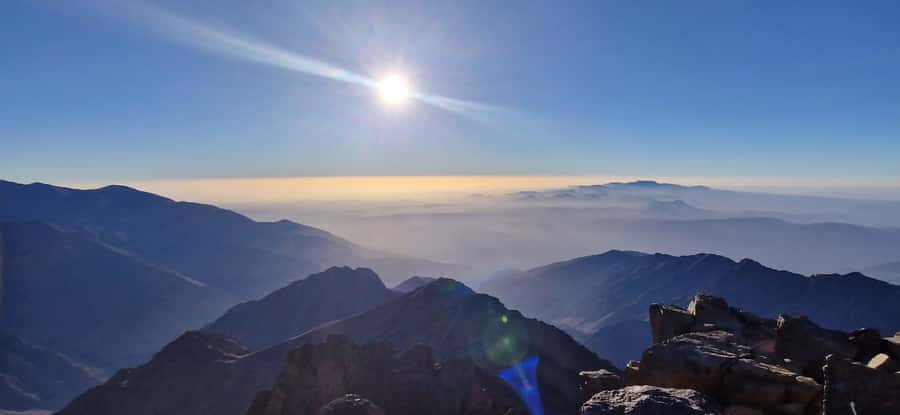
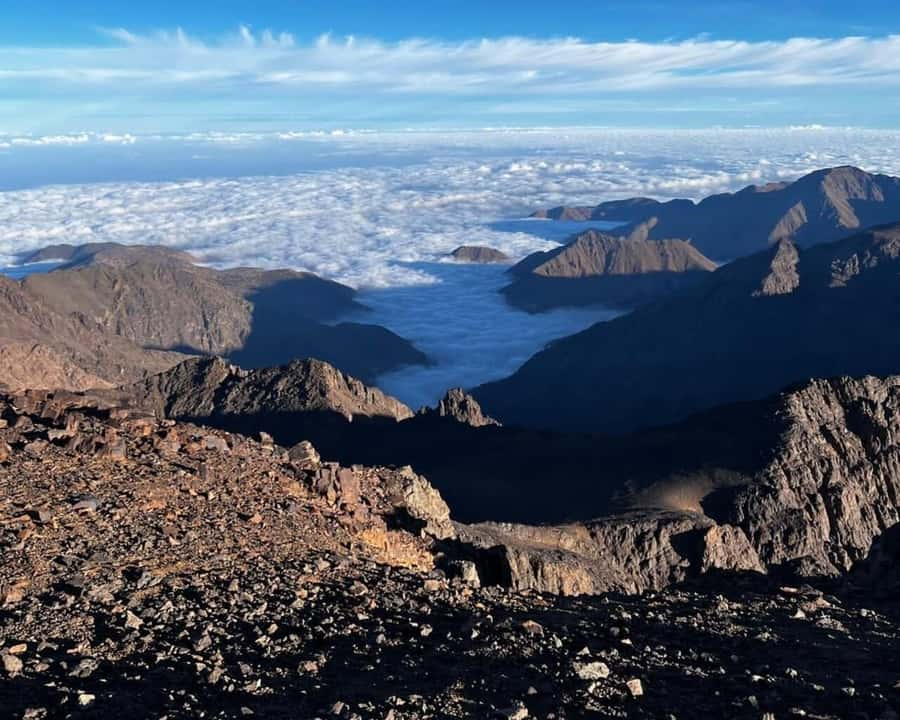
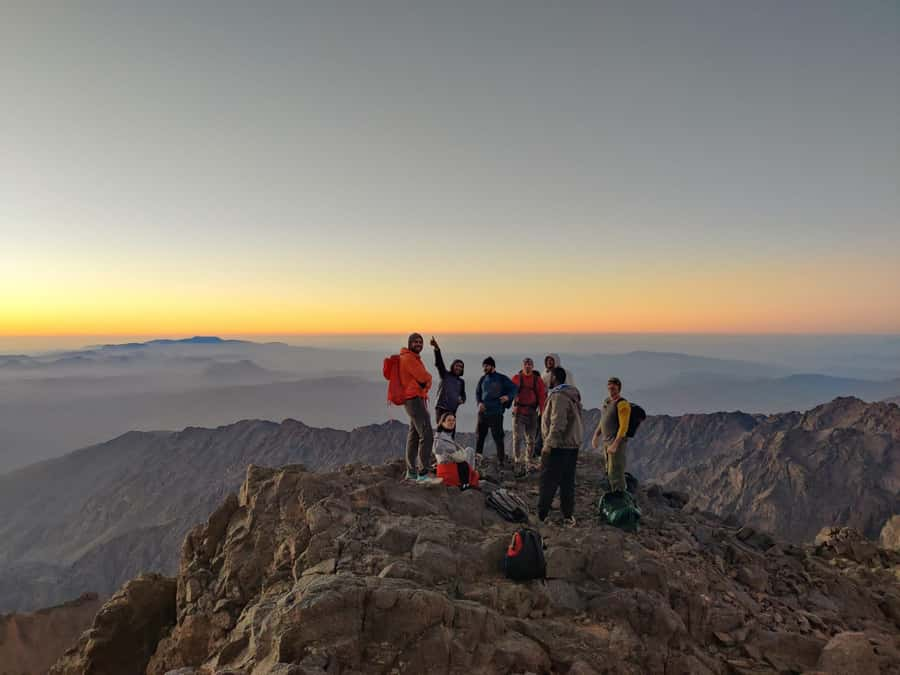
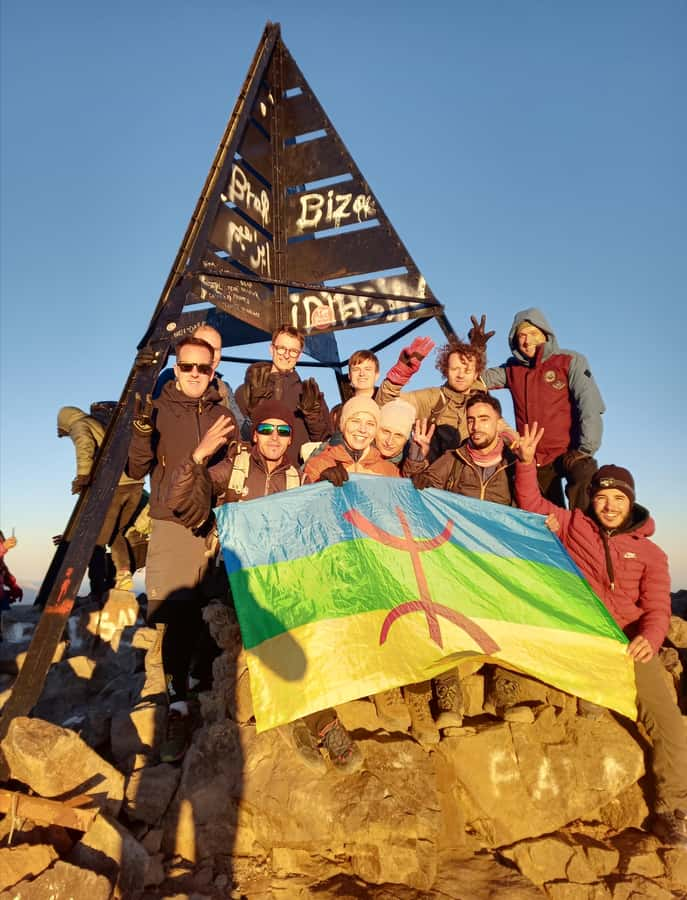
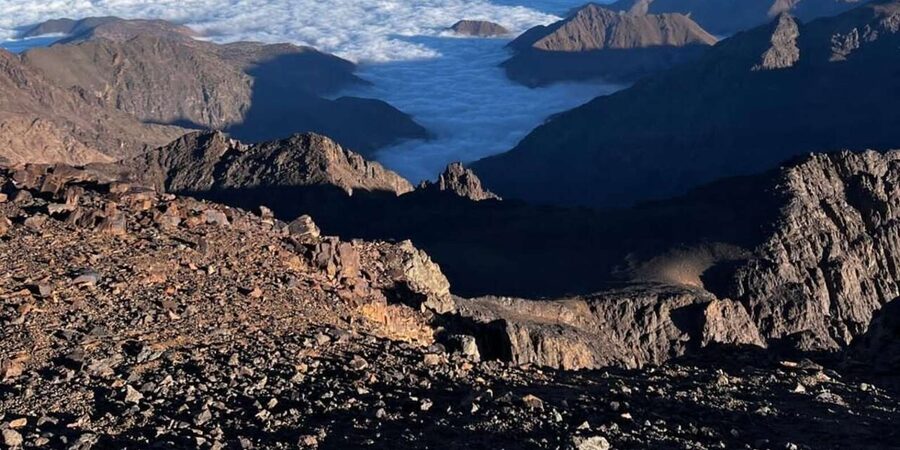
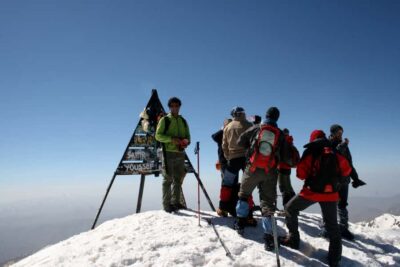
The summit payoff is the wide view across the Atlas Mountains and surrounding valleys. At 4,167 meters, Toubkal gives you the satisfaction of reaching the highest point in North Africa, not just a viewpoint beside a road.
You will have time for photographs and a short rest, but do not linger carelessly in cold or poor conditions. The summit is the halfway point in effort, not the end of the day.
The descent is where tired legs complain
After the summit, you descend to the refuge for lunch, then continue down toward Imlil. The same route feels very different on the way back. Loose, rocky ground can be hard on knees and ankles, especially after the morning climb.
The descent is long enough to take seriously. A detailed account describes about 2,500 meters of descent on the second day, with roughly 8.5 hours of total walking. Another account estimated around 40 kilometers of walking across the two days. Exact totals vary with the route and tracking method, but the message is consistent: reaching the top is only part of the job.
This is why I would not book Toubkal as a casual add-on after several tiring days in Marrakesh. You need enough fitness for long uphill and downhill walking, and you need to be comfortable with an early morning in cold mountain conditions.
The trip finishes in Imlil, followed by transport back to Marrakesh. The included vehicle pickup is valuable here. After the descent, you will appreciate not having to arrange your own way back from the mountain.
A few more treks around Morocco worth a look
- From Marrakesh: 2-Day Mount Toubkal Trek
★ 4.7 · 591 reviews - Toubkal Trekking 2 Days
★ 5.0 · 98 reviews - Toubkal trek – 2 days
★ 5.0 · 90 reviews - Marrakech: 2-Day Atlas Villages Trekking Tour
★ 4.5 · 76 reviews
What Houssain’s guiding adds
The strongest part of this experience is the guide relationship. Houssain is described as speaking good English and also guiding in French, Arabic, and Spanish through the wider team. That makes it easier to ask about pace, food, equipment, or changing weather.
His role goes beyond route finding. He explains Berber culture, talks about local traditions, and keeps the group moving without turning the walk into a race. That cultural side gives the trek more purpose. You are not simply collecting a summit photo. You are walking through villages and mountain communities with someone who understands the area.
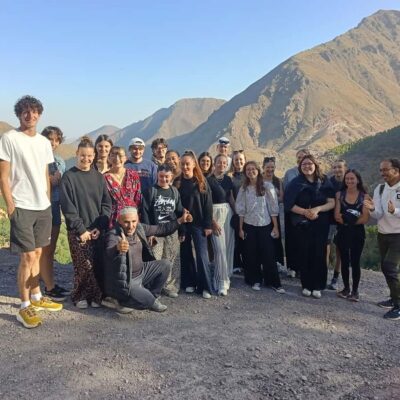
The group size can vary. One departure had ten people and two guides, while other groups were described as small and intimate. If group size matters to you, ask before booking. A small group usually makes it easier to set a shared pace, while a larger group can mean more company but longer waits.
The guide also helps bridge differences in fitness. Some people arrive prepared, some do not. One climber described being slow and still reaching the summit with patient support. That does not mean the guide can remove the physical challenge. It does mean you are not left to solve every problem alone.
Food, mule support, and the overnight stay
All meals are included, which is a real advantage on a two-day climb. The food is local, with hearty dishes and mint tea mentioned along the route. Dietary requirements can be accommodated when communicated in advance, and one climber received careful support with special food needs.
A mule carries heavier bags, but you should still bring a daypack. Keep water, warm layers, snacks, sun protection, personal medication, and anything needed during the climb close at hand. Do not assume the mule will be beside you every minute.
The refuge is basic but suited to the setting. Expect shared sleeping space rather than private rooms. Bring a sleeping bag, or arrange one through local rental. A hot shower may be available, but conditions are simple and can vary.
The mule, meals, and refuge night are what make the $193 price more useful than it first appears. You are also paying for Marrakesh transport, a local guide, summit support, and logistics that would be awkward to arrange independently.
Is $193 good value?
At $193 per person, this is a strong package if you need transport from Marrakesh and equipment support. Included services cover:
- Pickup from your Marrakesh hotel or riad
- Transport to and from Imlil
- A local guide
- All meals
- Mule support for bags
- Overnight accommodation at the refuge
- The summit attempt
- Help with equipment rental if needed
The value is strongest for first-time visitors to the Atlas Mountains. You do not need to work out how to reach Imlil, where to eat, how to get a mule, or how to coordinate the refuge and summit timetable.
Equipment is not included, so budget for rental if you lack suitable gear. The available list includes warm clothing, boots, sleeping bags, headlamps, trekking poles, and winter equipment. You should still bring personal basics such as sunscreen, sunglasses, a water bottle, snacks, and clothes that can get dirty.
Check the season carefully. Summer may offer less snow, but the route remains strenuous and exposed to sun. Winter can bring snow, ice, and bitter wind. A cheap pair of casual trainers is a false economy here.
Who should book this climb?
This trip suits you if you want a serious mountain challenge with local support and only have two days. It is also a good fit if you care about Berber culture, village life, local meals, and a guide who can explain the place rather than simply point toward the summit.
You should have a reasonable level of fitness. The activity is not suitable for children under seven, people with a low level of fitness, or people over 70. Those limits are sensible given the altitude and the long second day.
You do not need to arrive as an expert mountaineer based on the information provided, but you do need to be prepared to walk for many hours. If you dislike steep climbs, cold mornings, shared sleeping rooms, or long descents, this is not the right short excursion.
The trip can work for mixed-ability groups because the guide can adjust pace and offer encouragement. Still, the group must share the same broad schedule. Nobody gets a leisurely summit morning while others race ahead.
Practical preparation before leaving Marrakesh
Wear sturdy hiking boots, not soft city shoes. Pack warm layers even in warmer months, along with a sun hat, sunglasses, sunscreen, hiking trousers, and a daypack.
A sleeping bag is listed as essential personal gear, and a headlamp is especially useful for the pre-dawn start. Trekking poles can help on both the rocky ascent and the long descent. In winter, confirm crampon requirements before departure.
Bring water and snacks, even with meals included. The included meals cover the main food stops, but snacks are useful when your energy drops between the refuge and summit.
Keep your luggage light. Larger bags can be stored in Imlil or left with the mule for the trek. The goal is to carry what you need for the walking day, not your whole Marrakesh wardrobe.
Flexible cancellation up to 24 hours before departure and a reserve-now, pay-later option make the booking less rigid. Still, flexibility does not replace preparation. Check the weather and follow the guide’s advice if conditions become unsafe.
Should you book the two-day Toubkal trek?
Book it if you want the highest summit in North Africa, a local Berber guide, and a compact route that combines mountain scenery with village life. The price is fair for the transport, meals, mule, refuge, and guiding included.
Do not book it simply because Toubkal looks close to Marrakesh on a map. The second day can mean a dark start, 1,000 meters of climbing, a summit at extreme altitude, and a descent of roughly 2,500 meters. You need strong motivation and a decent fitness base.
For prepared walkers, this is a rewarding and personal way to meet the Atlas Mountains. For anyone seeking an easy scenic outing, choose a shorter Imlil valley walk instead.
FAQ
How high is Mount Toubkal?
Mount Toubkal is 4,167 meters high, or 13,671 feet. It is the highest mountain in North Africa.
Where does the trek begin?
The trek begins in Imlil, a Berber village about 90 minutes from Marrakesh. Pickup from your Marrakesh hotel or riad is included.
Where do I sleep on the first night?
You stay overnight at the Toubkal Refuge at about 3,200 meters. Sleeping space is in shared bunkrooms, and a sleeping bag is recommended.
Is equipment included?
Equipment is not included, but items are available to rent locally. This can include sleeping bags, headlamps, trekking poles, and winter gear. Crampons are required during winter when snow covers the summit route.
Are meals included?
Yes. All meals are included during the trek, with local food and mint tea provided along the route. Dietary requirements should be communicated in advance.
How difficult is the two-day trek?
It is a strenuous trek requiring a good level of fitness. The second day includes a pre-dawn summit climb and a long descent, with total walking time reported at about 8.5 hours on that day.
Just added around Morocco
- Essaouira Beach Horse Rides &Treks for All Levels★ 5.0 · 13 reviews
- 4 days tour and trek from Fez to Marrakech via Sahara Desert★ 5.0 · 3 reviews
- 2 days trekking from Chefchaouen to Akchour★ 5.0 · 12 reviews
- 4 days trekking in the Rif mountains★ 5.0 · 9 reviews
- 3-Day Trekking from Chefchaouen – Rif Mountains Adventure★ 5.0 · 16 reviews
- Trekking in Morocco / Atlas Mountains and Sahara Trek (5days)★ 5.0 · 8 reviews
- 8-Day Morocco Adventure: Imperial Cities & Sahara Desert Trek★ 5.0 · 37 reviews
- Paradise Valley Trekking★ 5.0 · 5 reviews
Atlas Mountains Treks, compared.
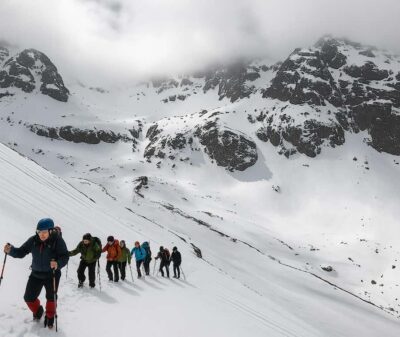
Mt Toubkal Ascent Express Trek 2 Days 1 Nights
Read our review →
2-Day Mt. Toubkal Trek with 1-Night Stay & Meals
Read our review →
Summiting and Hiking the Atlas Mountains Day Trek from Marrakech
Read our review →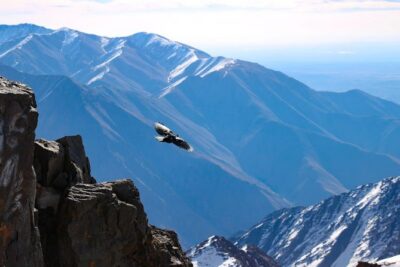
Browse the lists this trek appears in