
Review · ITALY
Ancona: Urban Trek Tour with Wine and Food Tasting
Ancona reveals its story best on foot, with the sea on one side and centuries of Greek, Roman, Jewish, and Christian history under your shoes. This 6 km route links cliff-top views, an old lighthouse, a Roman amphitheater, the cathedral, and the harbor in one long sweep.
I like the way the walk connects nature and history, rather than keeping you inside a string of churches and museums. I also like having a private guide, Ivonne Raffaeli, who can answer questions in English or Italian and adjust the pace. The main drawback is simple: four hours on foot over 6 km is a serious walk, and the advertised food and wine tasting costs extra.
Key points at a glance
- A 2,400-year story in 6 km: Greek origins, Roman monuments, medieval walls, and modern seaside views all fit into one route.
- Cliff-top Ancona: Passetto and Cardeto Park offer some of the strongest views, but the walk includes uneven outdoor ground and hills.
- Private guidance with Ivonne Raffaeli: You get a personal tour in English or Italian, rather than a large group moving on a fixed script.
- The food stop is optional and extra: Plan separately for stockfish with roast potatoes and a tasting of Marche wines.
- A good port-day option with limits: The tour begins at the war memorial, not your ship, and you must allow enough time to return onboard.
- Weather matters: Light rain may not stop the walk, but thunderstorms make it unsafe.
Ancona Begins with a Greek Elbow
Ancona sits on a promontory at the northern foot of Mount Conero. Its shape gave the city its name: Ankon, the Greek word for elbow. Greek settlers from Sicily founded the town in 387 BC because this bent peninsula offered a natural harbor.
That harbor still gives Ancona its character. The port is the city’s practical heart, while Colle Guasco rises above it, carrying the cathedral and wide views over the Gulf of Ancona. You are not simply ticking off monuments here. You are watching the city change with the ground beneath it, from seafront roads to hills, parks, walls, and old stone churches.
This tour is especially useful if you want a first orientation of Ancona. It shows you the city from several angles, including the sea-facing cliffs and the historic center. You will not spend much time inside individual monuments, so think of the experience as a guided city walk with major landmarks, not a museum tour.
A few more treks around Italy worth a look
- Catania: Mount Etna Sunset Trekking with Wine Tasting
★ 5.0 · 140 reviews - Vernazza: Panoramic Vineyard Trekking Tour w/ Wine Tasting
★ 4.9 · 126 reviews - From Siracusa: Etna Tour – Trek, Wine and Food
★ 4.8 · 50 reviews
Passetto Starts the Walk by the Sea
The route begins at Passetto, one of Ancona’s key seaside areas. The meeting point is in front of the war memorial in the center of the square. This is important for port visitors: hotel pickup and ship pickup are not included, so you must make your own way to the starting point.
Passetto gives you an immediate sense of Ancona’s unusual setting. The city is built above and around the water, with high ground providing views across the gulf. Starting here also means the tour opens with scenery rather than a long explanation in an enclosed square.
Bring comfortable shoes. This is not a gentle pavement-only stroll, and the full route takes three to four hours. The tour covers about 6 km, so even people who enjoy sightseeing should treat it as an active outing. Children under six are not accepted, and the experience is not suitable for wheelchair users or people over 95.
Cardeto Park Combines Cliffs and Difficult History
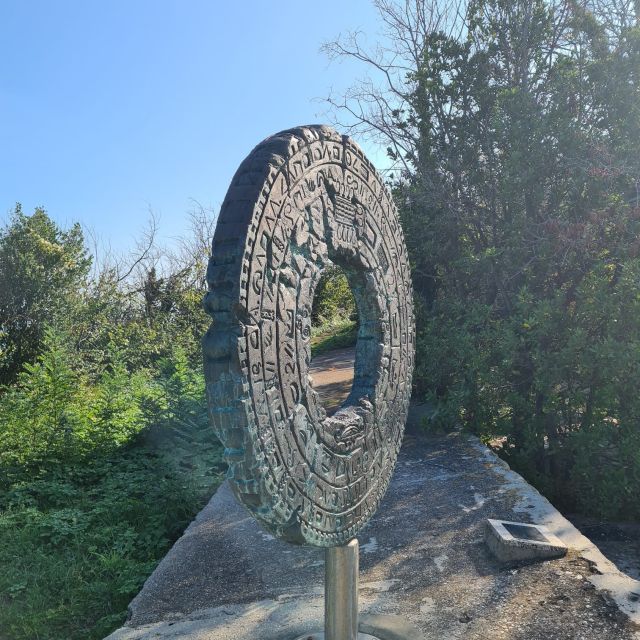
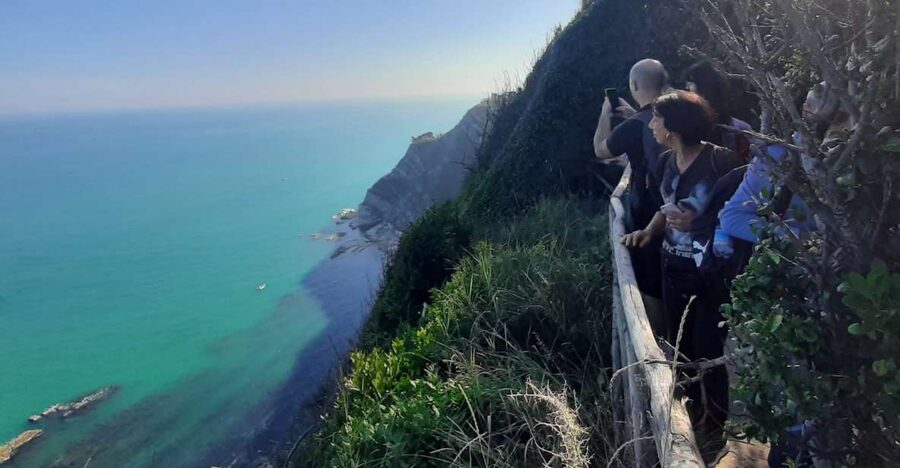
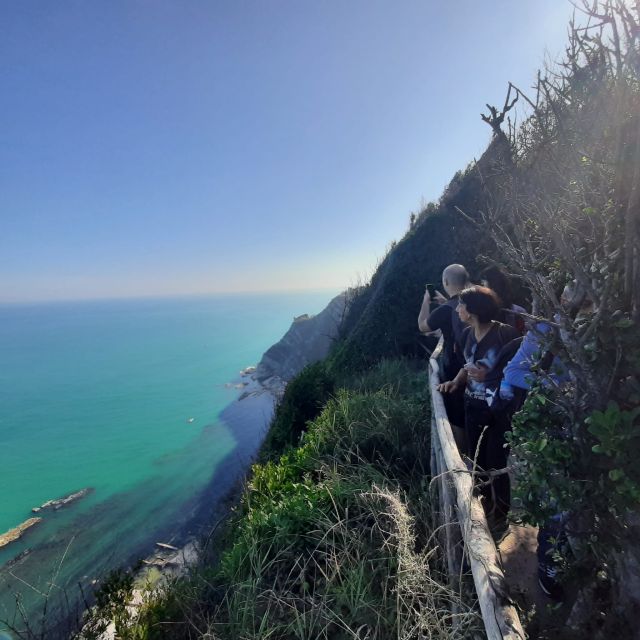
From Passetto, the walk crosses Parco del Cardeto, a park above Ancona’s cliffs. This section gives the tour much of its appeal because the setting is open and green, with the sea below and old city remains nearby.
Cardeto is not just a pleasant park. The route passes an old Jewish cemetery and sections of the former city wall. These details add a human layer to the city’s long past. You get a better idea of how communities lived, worshiped, and were separated within the old town.
The cliffs also make this part more physical. You should expect changes in level and outdoor paths. The exact pace can depend on the group and the guide, but a private format gives Ivonne Raffaeli room to respond to your energy and questions.
If you are visiting in light rain, the tour may continue with a raincoat or umbrella. Heavy rain may lead to another option, which you can decide to accept. A thunderstorm is different: the walk is considered unsafe and should not go ahead in those conditions.
The 1860 Lighthouse Adds a Seaside Marker
The old lighthouse from 1860 is another outdoor stop along the route. It helps explain Ancona as a port town, where navigation and the natural harbor shaped daily life and trade.
This is the sort of stop that can pass quickly if you only take a photograph. With Ivonne guiding, you can ask how the lighthouse fits into the city’s wider development and how the waterfront relates to the historic center. The tour description does not promise entry inside the lighthouse, so plan to see it as part of the walking route rather than an interior visit.
The lighthouse also breaks up the older Roman and religious sights. Ancona is not presented as a city frozen in antiquity. Its story includes Greek settlement, Roman engineering, medieval defenses, nineteenth-century maritime infrastructure, and modern life around the port.
Same trailhead, a different route:
- Mount Etna: Trek to 3000m with cable car and 4×4
★ 4.6 · 3,823 reviews - Mount Etna: Summit Crater Trek with Cable Car
★ 4.8 · 1,875 reviews - Etna: summit craters trekking with volcano guide 3350mt
★ 4.7 · 1,712 reviews - Catania: Mount Etna Trekking Tour Beyond the Tourist Trails
★ 4.9 · 1,596 reviews
The Roman Amphitheater Shows Ancona’s Imperial Side
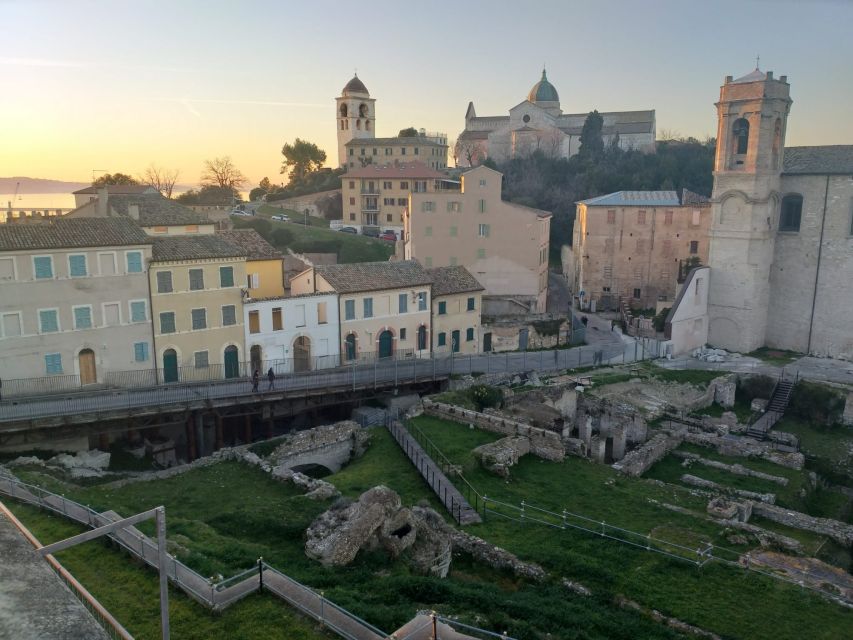
The Roman amphitheater dates to the first century BC. Its presence is easy to underestimate because it is one stop among several, but it gives the tour a strong connection to Roman Ancona.
A Roman amphitheater tells you that the town was not merely a small harbor settlement. It had enough importance and population to support major public buildings. The site also helps you picture how the city grew around the port and its elevated ground.
Do not expect a long archaeological visit with extensive time inside the ruins. The walk includes the amphitheater as part of a larger circuit. That is a strength if you want an efficient overview, but a limitation if Roman archaeology is your main reason for visiting Ancona.
Cathedral of Saint Ciriacus Rises Above the Port
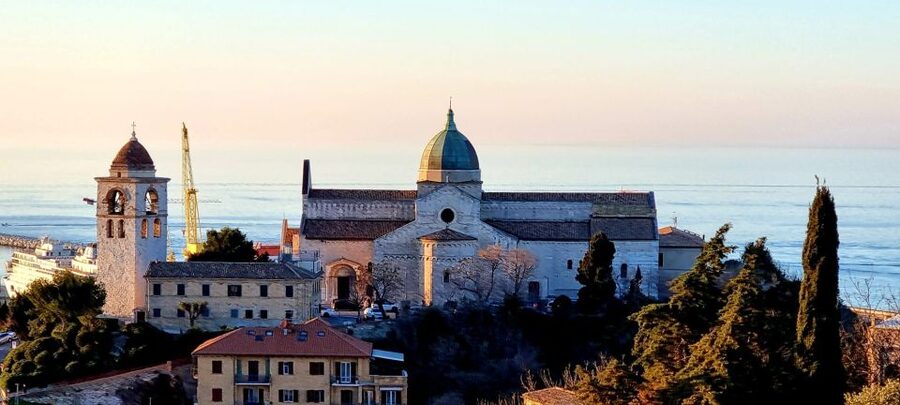
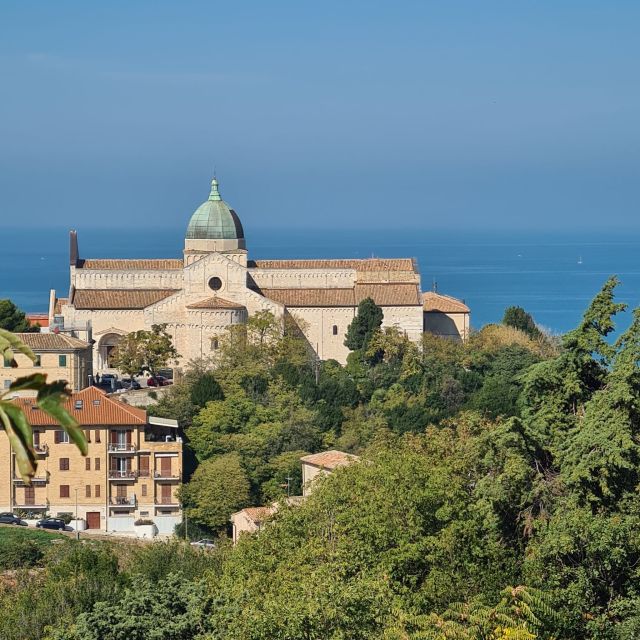
The cathedral is dedicated to Saint Ciriacus, Ancona’s patron saint, and is described as one of the area’s finest examples of Romanesque architecture. It sits on Colle Guasco above the port, giving the church both religious importance and a powerful position in the city.
This is likely to be one of the tour’s most rewarding stops. The cathedral ties together Ancona’s identity as a Christian city and its physical connection to the harbor. From the hill, you can look back toward the route you have walked and understand why Colle Guasco became such a central point.
The climb is part of the trade-off. The elevated position creates the views, but it also adds effort to an already active walk. Comfortable footwear matters more here than fashionable shoes. You should also be prepared for the possibility that the visit focuses on exterior architecture and setting rather than a long indoor explanation, since no interior access details are specified.
The Arch of Trajan Connects Rome to the Harbor
The Arch of Trajan dates to AD 115 and was built during the Roman Empire. It is a triumphal arch, but in Ancona it also points directly to the city’s importance as a maritime center.
Roman monuments can feel disconnected from the present when seen in isolation. The arch makes more sense when you remember that Ancona’s harbor was the reason the city mattered in the first place. Its position along the port helps you connect imperial power with ships, trade, roads, and military movement.
This is another stop where a guide adds real value. Ivonne Raffaeli can place the arch within the city’s Greek and Roman timeline, then link it to the later cathedral and medieval walls. The tour’s central promise is not a single spectacular sight. It is the way these pieces fit together over roughly 2,400 years.
Ivonne Raffaeli Gives the Walk a Personal Scale
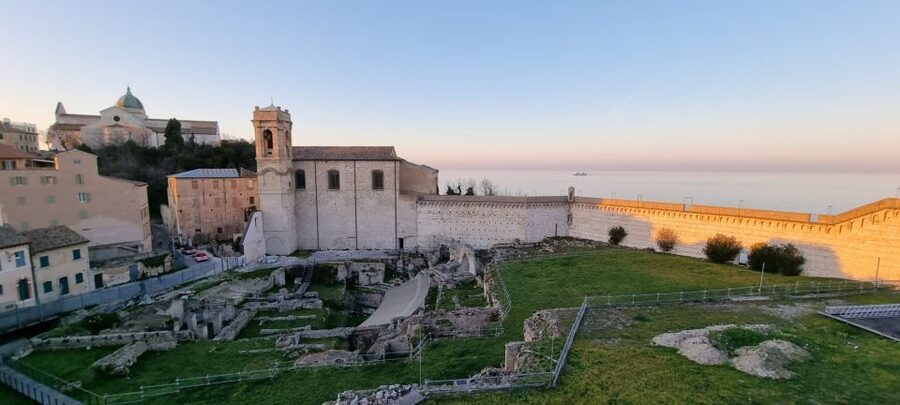
A private tour changes the feel of a city walk. You are not waiting for a large group to cross a road or listening from the back of a crowd. You can ask questions as they come up, slow down for a view, or spend a little longer on a monument that interests you.
Ivonne Raffaeli leads the experience in English or Italian. One booking had less than two hours available because of a slow disembarkation from a ship and a separate onboard appointment. Ivonne adjusted the visit to the time available and answered questions despite the participant’s limited English. That detail is useful for cruise passengers: the guide can adapt, but lost time cannot be recovered magically.
A shorter version will not cover the full route or include the planned food and wine portion. If you have a ship departure or an onboard appointment, tell the guide your firm return time before you begin. The meeting point is in town, and the walk does not include transport back to your ship.
Food and Wine Finish with a Marche Flavor
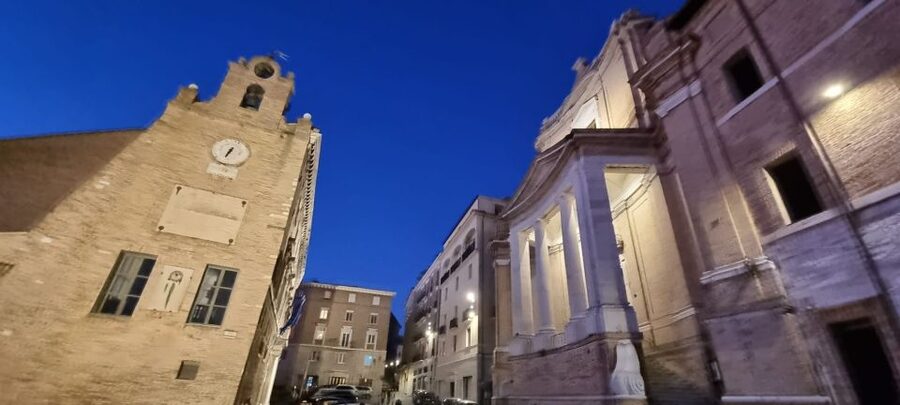
The walk is supposed to finish with local food and wine, but these are not included in the $235 price. The suggested dish is stockfish with roast potatoes, a hearty local preparation that suits the maritime setting. Wine choices include Rosso Conero or Lacrima di Morro d’Alba for red, and Verdicchio dei Castelli di Jesi, Matelica, or Pecorino Offida for white.
This is a useful chance to taste the Marche rather than ending with monuments alone. The wine list covers several recognizable local styles, and the food gives you a regional dish tied to the Adriatic coast.
Still, read the wording carefully when comparing the tour with other options. The tasting is an extra expense, not a built-in part of the $235. Ask for the current food and wine cost when booking if this matters to your budget. Also allow enough time for it. A four-hour walk plus a leisurely meal can be too much for a tight port schedule.
If you prefer to spend the entire four hours on sights, confirm how the tasting is handled. The listed tour includes the walking itinerary, while the meal and wine are separate.
Is $235 Good Value for One Private Group?
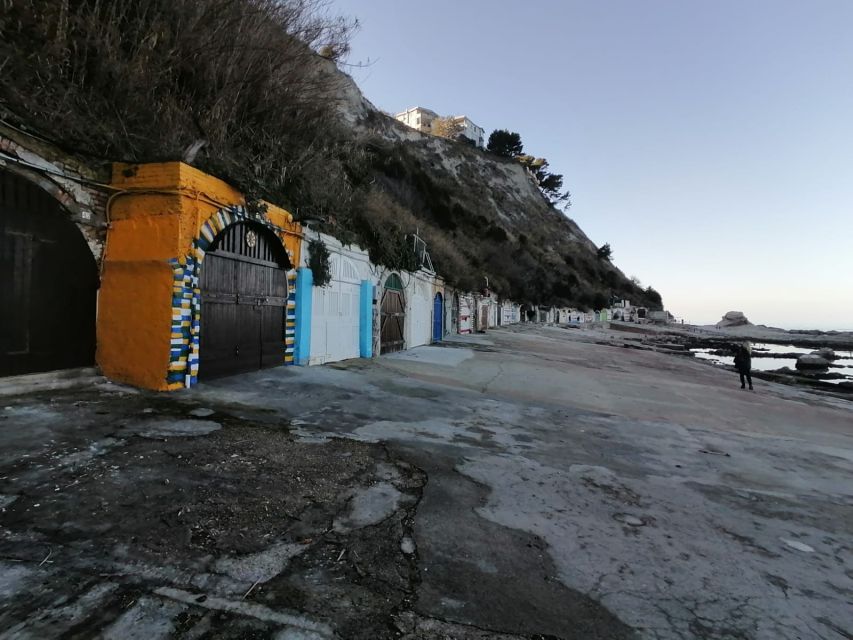
The stated price is $235 per group up to one participant. That wording is unusual, so I would confirm the final price and group arrangement before paying, especially if you are booking for more than one person. The experience is private, and the value depends heavily on how much you want personal guiding.
For a solo visitor who wants direct access to a local guide, the price may make sense. You are paying for a four-hour route rather than a short port orientation, and the itinerary covers several distinct parts of Ancona. The guide’s ability to use English or Italian and respond to your questions also matters.
The value is weaker if you mainly want a quick photograph at the cathedral and Arch of Trajan. You can expect to walk 6 km, spend time outdoors, and pay extra for the food and wine. This is best viewed as an extended private introduction to Ancona, not a low-cost snack tour.
Who Will Enjoy This Ancona Walk?
I would choose this tour if you want a broad first look at Ancona and enjoy learning how a city’s pieces connect. It suits active adults, history fans who like Roman and medieval remains, and anyone who prefers a local guide to a large scheduled group.
It is also a good fit if sea views matter as much as monuments. Passetto and Cardeto Park give the outing a different mood from a standard historic-center walk. You get cliffs, a park, cemetery, walls, lighthouse, harbor, and hilltop church in one outing.
I would think twice if you dislike hills, cannot comfortably walk 6 km, or need step-free access. The tour is not suitable for wheelchair users, children under six, or people over 95. Shorts are not allowed, so dress with the cathedral and religious setting in mind.
The weather policy is practical but important. Light rain may be manageable with suitable clothing. Heavy rain can bring a proposed alternative, while thunderstorms make the outdoor route unsafe. Check the forecast and bring a raincoat or umbrella if conditions look uncertain.
Should You Book the Ancona Urban Trek?
Book it if you want Ancona explained as a whole, from its Greek foundation and Roman port to its cathedral, cliffs, and later city walls. The private format, English or Italian guiding, and flexible conversation are strong reasons to choose it, especially with Ivonne Raffaeli leading.
Skip it if you want a short, flat walk, included refreshments, or a guaranteed indoor program. The food and wine cost extra, hotel and port transfers are not provided, and the route demands comfortable walking shoes and a sensible time buffer.
For a cruise visit, the key decision is your schedule. With enough time ashore, this gives you a thoughtful four-hour look at a city many people pass through without seeing properly. With less than two hours, it becomes a shortened history walk and the tasting may disappear. Book with that limitation in mind, and you will know exactly what kind of Ancona day you are buying.
FAQ
How long does the Ancona Urban Trek Tour last?
The tour lasts about four hours, with a total walking distance of approximately 6 km.
Where does the tour meet?
The guide waits in front of the war memorial in the center of the square.
Is hotel or cruise-ship pickup included?
No. Hotel pickup and drop-off are not included, and the meeting point is in town.
Which languages does the guide speak?
The tour is available in English and Italian.
Is this a private tour?
Yes. It is offered as a private group experience.
Are food and wine included in the price?
No. Food and wine are not included. The suggested food is stockfish with roast potatoes, with local red and white wines available separately.
What should I bring?
Wear comfortable shoes and bring a passport or ID card. A copy of the document is accepted.
Can the tour operate in rain?
The walk can take place in light rain if you bring a raincoat or umbrella. Heavy rain may lead to another option, while thunderstorms make the route unsafe.
More Food in Italy
- Arequipa: Colca Canyon Trekking 2 days and 1 night + food
★ 4.8 · 3 reviews - 2-Day SAPA Trekking – Villages-Homestay-Ethnic-Local Food-Market
★ 5.0 · 2 reviews
Just added around Italy
- Wild Walk – Discovering the hidden paths★ 5.0 · 31 reviews
- Wine Hiking Sip & Trek★ 5.0 · 3 reviews
- Innerkofler-De Luca via ferrata to Monte Paterno★ 4.0 · 4 reviews
- Dolomites Trekking Experience★ 4.5 · 3 reviews
- Trekking an Island of Palmaria★ 4.5 · 6 reviews
- BarCa Winery Cinqueterre Trekking & Wine Tasting & Pesto Class★ 5.0 · 48 reviews
- Mount Etna Advanced Trekking: Private Full-Day Tour from Catania★ 5.0 · 21 reviews
- Trekking in the morning on Mount Etna★ 5.0 · 2 reviews
Wine Tours, compared.
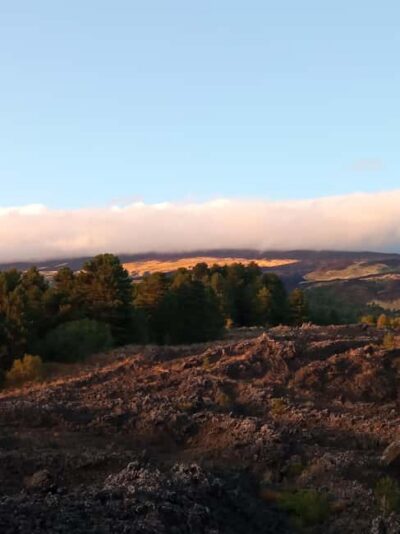
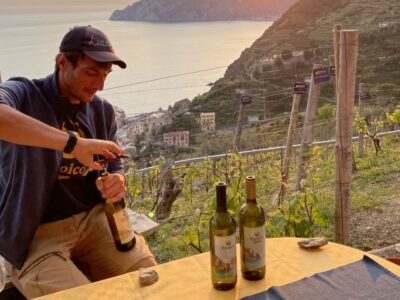
Vernazza: Panoramic Vineyard Trekking Tour w/ Wine Tasting
Read our review →
BarCa Winery Cinqueterre Trekking & Wine Tasting & Pesto Class
Read our review →
Camino Private Package wine experience PICKUP from CAPE TOWN
Read our review →
Genoa: Columbus Trail Urban Trekking with Wine & Local Tastings
Read our review →
Browse the lists this trek appears in