
Review · PERU
Huchuy Qosqo Trek To Machu Picchu
Huchuy Qosqo gives you a quieter way to reach Machu Picchu, with Andean villages, high mountain scenery, and an Inca site folded into one three-day trip. You begin at Tambomachay, walk past Qoricocha Lake, share dinner with the Patabamba community, and reach Huchuy Qosqo before continuing by train to Aguas Calientes.
I like the local welcome in Patabamba, where you spend the night and eat a traditional meal, and I like the variety of the route. You get open views, a lake, a canyon, Inca terraces, and a guided visit to Machu Picchu rather than three days of scenery alone. The guide Jhordy has received especially warm praise for his friendly manner and many useful facts.
The catch is simple: this is a physically demanding route. The price is $490 per person, which is not cheap, and the schedule moves quickly from a mountain hike to trains and a full Machu Picchu visit. You should be comfortable with long uphill and downhill walks before booking.
Key points to know before you book
- A 2-hour climb starts at Tambomachay, followed by a descent toward Qoricocha Lake and Patabamba.
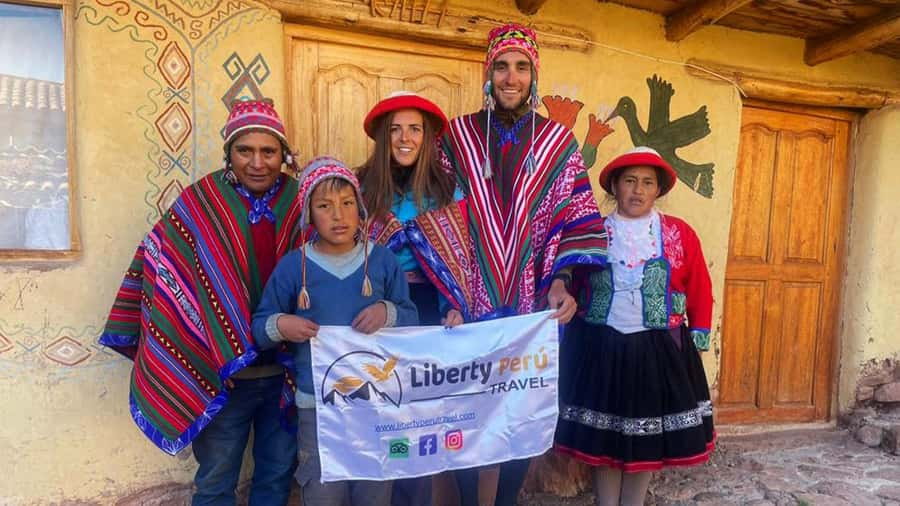
- Patabamba is the human highlight, with local customs, dinner, and a night under the stars.
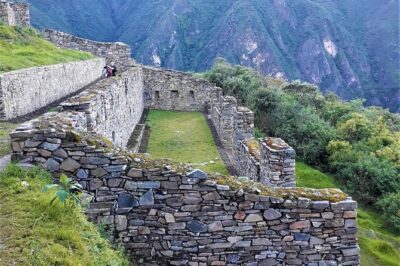
- Huchuy Qosqo is more than a viewpoint, offering Inca terraces, temples, and an impressive water system.
- The trek reaches Machu Picchu without camping there, with one night in a local lodge and one hotel night in Aguas Calientes.
- Meals are included on the first two days, including vegetarian options at no extra cost.
- The $490 cost covers major expenses, including permits, guide, trains, buses, lodging, meals, and emergency support.
Why this route is different from a standard Machu Picchu trip
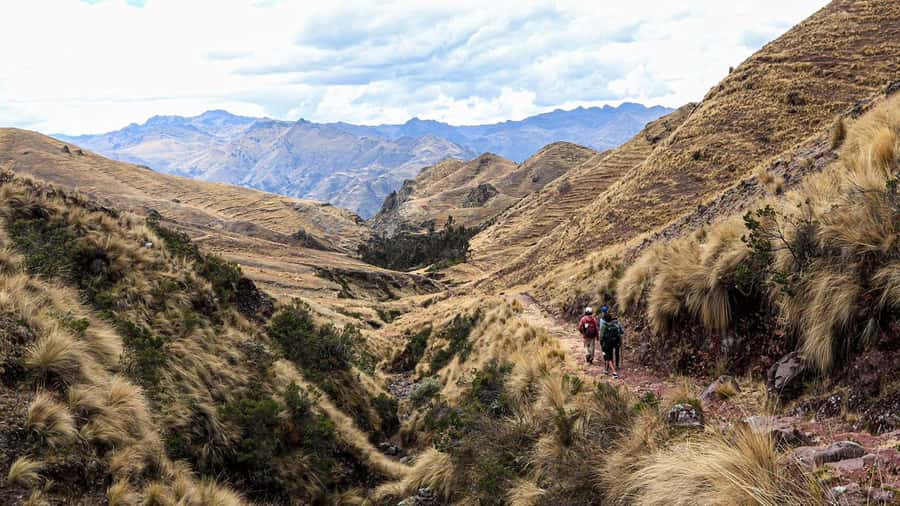
Many Machu Picchu packages focus on transport, a short walk, and the citadel. This one makes the approach part of the experience. You start near Tambomachay in the Cusco area and cross rural Andean terrain before reaching Huchuy Qosqo, an Inca site whose name means Little Cusco.
That change matters. You are not simply being taken from Cusco to Aguas Calientes. You spend time walking between small communities, watching the scenery change, and learning how Inca construction worked. The route also gives you a night in Patabamba, where local residents welcome you with food and customs.
The trip is best for you if you want Machu Picchu plus a real walking route. It is less suitable if your main goal is a relaxed visit with plenty of free time. The two hiking days include several hours on foot, and the second day combines the most important archaeological visit with transport to the train station.
More Inca Trail Treks in Peru:
- Cusco: 4-Day Inca Trail to Machu Picchu with Accommodation
★ 4.8 · 432 reviews - Cusco: Machu Picchu 2-Day Inca Trail with Panoramic Train
★ 4.9 · 260 reviews - From Cusco: 2-Day Inca Trail to Machu Picchu
★ 4.2 · 244 reviews
Day one: Tambomachay, Qoricocha Lake, and Patabamba
Hotel pickup in Cusco is scheduled for 7:00 AM. You travel to Tambomachay, an archaeological center and the starting point of the trek. From here, the first climb takes about two hours.
The opening section gives you a useful test of the route. You gain elevation toward the first high point, where you have time to look back toward Cusco. That pause is welcome because the early climb is not just a gentle warm-up. Take it steadily, drink water, and do not rush to match someone else’s pace.
After the high point, the trail descends toward Quesser Grande, a small local town. The change from open mountain walking to a settled valley area helps make the route feel like a journey through inhabited countryside rather than a marked path built only for tourists.
You then continue toward Qoricocha Lake. Lunch is served in this area, and the lake provides a natural place to rest before the afternoon section. You walk along the shore, then continue for about two more hours to Patabamba.
This is a long first day, even though the times are divided into manageable sections. You have an uphill stretch, a descent, a lake walk, and another two hours before dinner. Good hiking shoes, hiking trousers, sunscreen, and personal medication are practical essentials. Sunglasses and a camera also belong in your day bag.
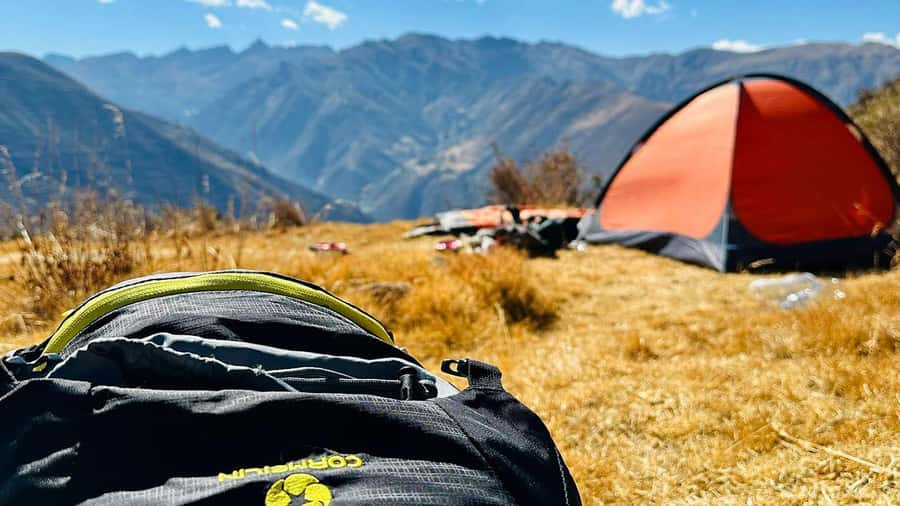
Patabamba is the part of day one that gives the trek its character. You are welcomed by residents, share their customs, and eat dinner prepared in the community. The overnight stay is described as a cozy local lodge, with the chance to spend the night under the stars.
That setting is valuable because it connects the route to present-day Andean life. Huchuy Qosqo and Machu Picchu are archaeological sites, but Patabamba reminds you that the Andes are also home to working communities with their own traditions and food.
The accommodation is not presented as a luxury hotel. You should expect a simple, local stay rather than polished resort service. That is part of the point, but it is worth knowing if you prefer private rooms and hotel comforts every night.
Day two: Pukamarca, Puma Punku, and Huchuy Qosqo
After breakfast, you start walking again. The route passes through small places and rural scenery before reaching Pukamarca, where lunch is served.
The itinerary gives less detail about exact walking times in this section, so ask your guide for the day’s pace and remaining distance. You already know that the route requires significant physical effort. A good breakfast, water, and a sensible pace will matter more than trying to finish quickly.
After lunch, the trail continues toward the Puma Punku canyon. The Quechua name means the door of the puma, a memorable piece of context that your guide can connect to the route. From here, an Inca trail leads to Huchuy Qosqo.
Huchuy Qosqo is the archaeological center that gives the trek its name. Its terraces show how the Inca used steep ground for agriculture, while its hydraulic system points to the careful movement and control of water. You also see sacred temples and other Inca structures.
I would give this visit your full attention. It is easy to treat Huchuy Qosqo as a smaller stop before the famous citadel, but the site offers a different kind of experience. At Machu Picchu, the scale and setting can dominate your attention. At Huchuy Qosqo, the terraces, waterworks, and building methods are easier to consider as practical parts of an Inca settlement.
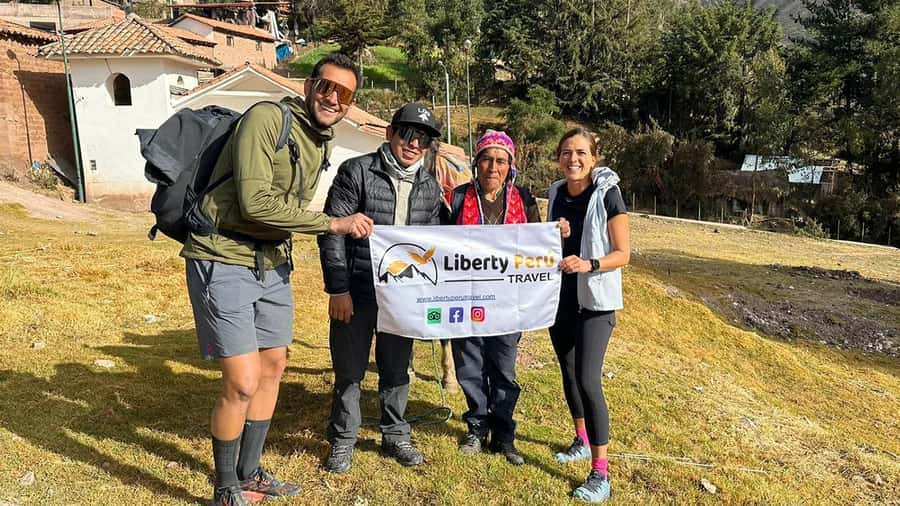
Your bilingual guide is important here. English and Spanish guiding is included, and the guide explains the history and purpose of the structures. Jhordy, the named guide associated with this departure, was praised for being kind and sharing many curious details. That is exactly the sort of guide you want at a site where a wall or channel can look simple until someone explains how it worked.
After the visit, you walk downhill for about two hours to Lamay. This descent may feel easier than the morning climb, but downhill walking can be tough on knees and ankles. Trekking poles are available to rent from the agency office, and they could be useful here, especially if you are not used to uneven trails.
In Lamay, tourist transportation takes you to Ollantaytambo train station. You then take the train to Aguas Calientes, a trip of about two hours. This is a major shift in the day: from a mountain trail and Inca ruins to a fixed train schedule and a town built around access to Machu Picchu.
You spend the night in a hotel in Aguas Calientes. That hotel night is a welcome change after Patabamba and puts you close to the next morning’s visit. The day is still busy, though. You will have walked, explored an archaeological site, descended to Lamay, and taken ground transport and a train.
Day three: Machu Picchu with a guide
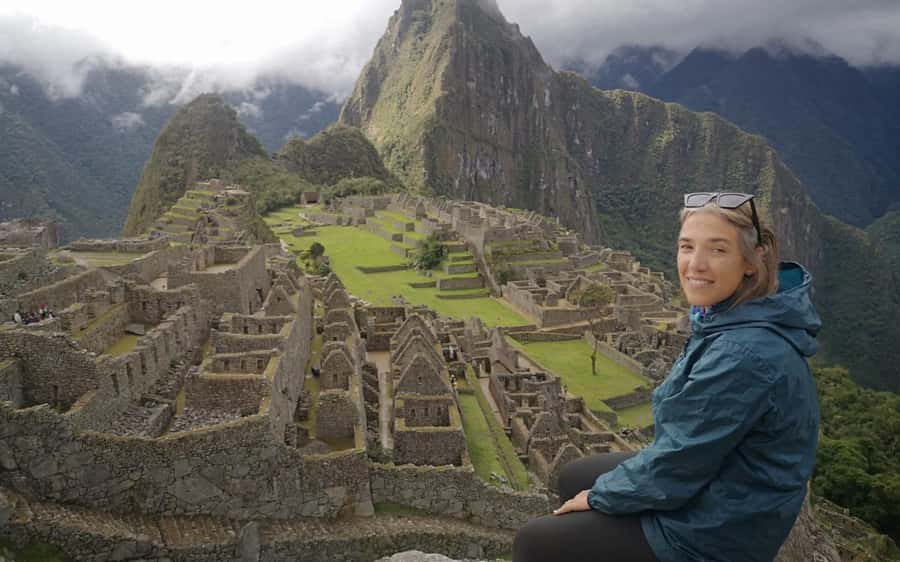
At the time set by your guide, you walk to the bus station in Aguas Calientes. The bus ride to the Machu Picchu Sanctuary takes about 30 minutes.
The entry ticket is included, as is the bus up and down. Once inside the citadel, your guide leads the visit and explains major areas including the Temple of the Sun, Intiwatana, the Sacred Plaza, the Temple of the Three Windows, and the Temple of the Condor.
A guided tour is useful at Machu Picchu because the site contains more than dramatic stonework. The guide helps you connect the buildings, plazas, religious spaces, and agricultural areas. You also get historical context instead of spending the whole visit trying to work out what each structure might have been.
The schedule provides a guided visit followed by free time in Aguas Calientes. It does not promise a long independent period inside Machu Picchu, so you should follow the guide’s instructions closely and keep track of the return arrangements.
After returning to Aguas Calientes, you have free time before the train back to Ollantaytambo. Agency staff meet you at the station and arrange the tourist transport to Cusco. The return includes the train and transfer, but keep your passport or official identification available because it is listed among the required items.
A few more treks around Peru worth a look
- From Arequipa: Sillar Route Trek
★ 4.2 · 461 reviews - From Cusco: 7 Lakes Ausangate Trek with Breakfast and Lunch
★ 4.8 · 360 reviews - From Arequipa: 2-Day Colca Canyon Trekking Tour
★ 4.8 · 243 reviews - Cusco: Full-Day Rainbow Mountain & Red Valley Trekking Tour
★ 4.5 · 121 reviews
What the $490 price covers
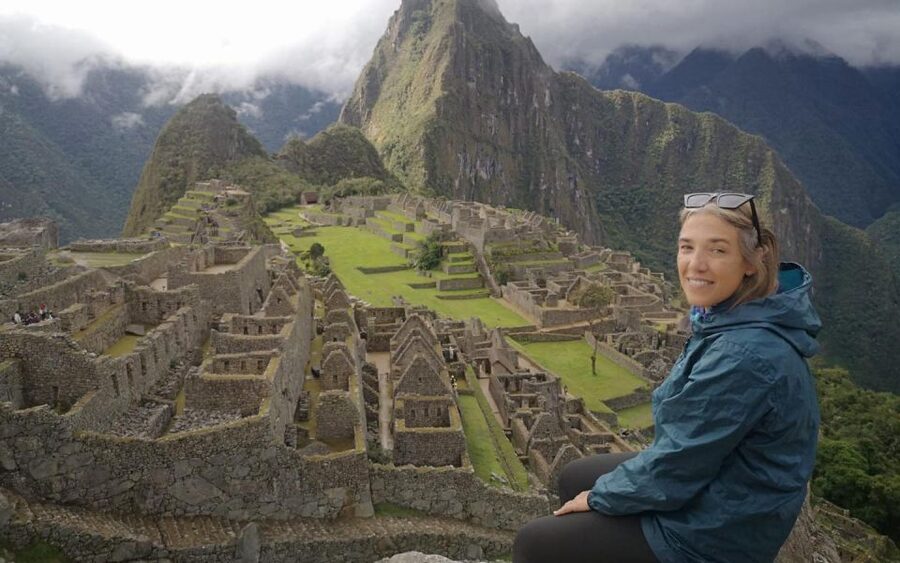
At $490 per person, this is a substantial purchase. The value becomes clearer when you add up the separate parts included in the package:
- Professional bilingual guide
- Hotel pickup and transport to the trailhead
- Huchuy Qosqo and Machu Picchu entrance tickets
- Two breakfasts, two lunches, and two dinners
- Vegetarian meals at no extra cost
- One night in a lodge
- One hotel night in Aguas Calientes
- Train travel between Ollantaytambo and the Machu Picchu area
- Tourist transport to and from the station
- Bus tickets between Aguas Calientes and Machu Picchu
- Emergency horse
- Emergency oxygen
- First aid kit
You still pay separately for breakfast on day one and lunch on day three. A sleeping bag and trekking poles are also extra if you rent them through the agency. Pack your own snacks and cash for the uncovered meals and small personal purchases.
The strongest value comes from the combination of archaeological tickets, lodging, meals, trains, and transport. Booking each part separately could take time and create timing problems, especially after a demanding hike. On the other hand, the package costs more than a simple transport-and-entry Machu Picchu visit. You are paying for the trek, guide, local overnight experience, and support as much as for the famous ruins.
One useful service detail is luggage help. The agency has allowed a participant to store bags for four days, which can make this trip easier if you are traveling with more than you want to carry. Confirm this arrangement before relying on it, since the included services specifically list the trek equipment and transport, not long-term luggage storage.
Physical effort, equipment, and practical limits
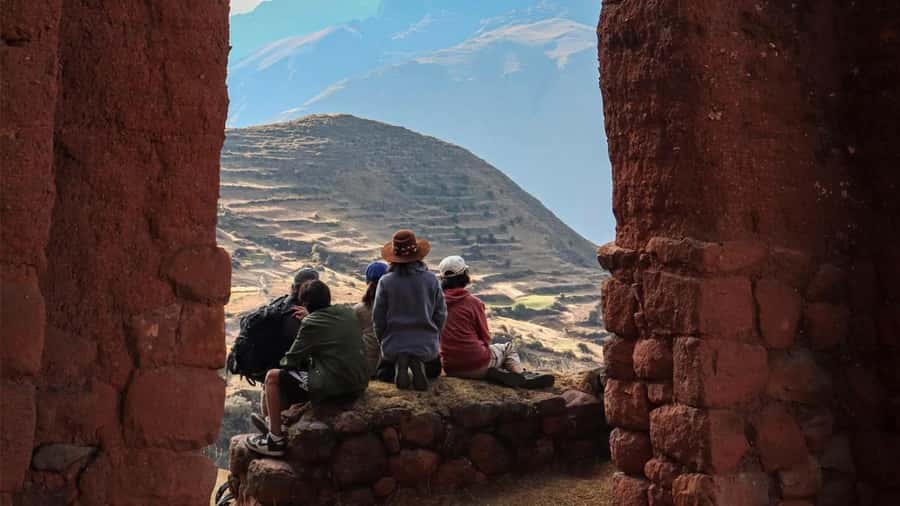
The route runs every day of the year, but that does not make it easy in every season. The stated guidance is clear: the route requires great physical effort. You should be ready for uphill walking, long sections on foot, and a two-hour descent from Huchuy Qosqo to Lamay.
Bring:
- Hiking shoes
- Hiking pants
- Sunglasses
- Sunscreen
- Camera
- Cash
- Personal medication
- Medical statement
- Passport or identification
- Trekking gear
A sleeping bag and trekking poles can be rented through the agency office. One horse is available for emergencies, and the group carries emergency oxygen and a first aid kit. These provisions are reassuring, but they are not a substitute for fitness or preparation.
Alcohol and drugs are not allowed. Pickup is at your Cusco hotel, and you should wait at reception five minutes before the scheduled time. The guide will call you by name.
The tour offers free cancellation up to 24 hours in advance and allows you to reserve without paying immediately. Check the current start time and availability when booking, since the listed pickup time applies to the stated itinerary and arrangements can be confirmed at that stage.
Who should choose this trek?
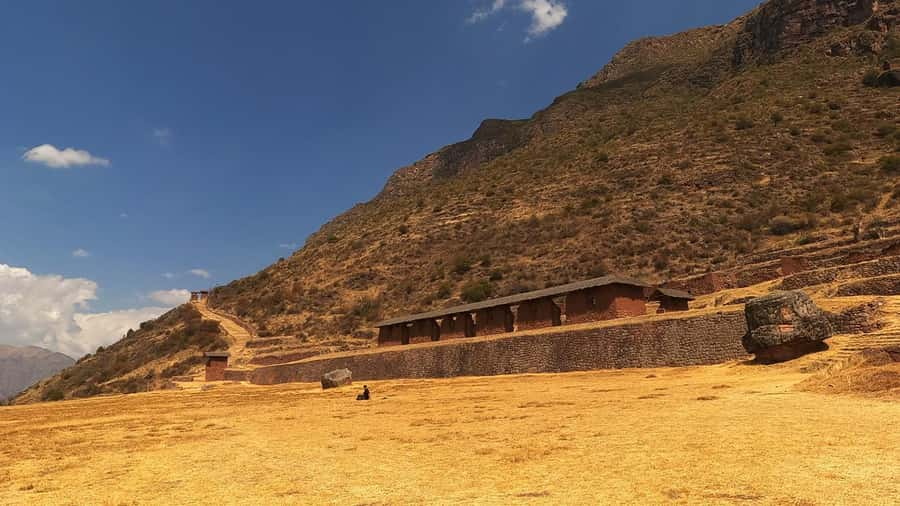
Choose it if you want:
- A three-day route that combines hiking and Machu Picchu
- A local community overnight stay
- Inca archaeology beyond the main citadel
- Meals and transport arranged in one booking
- A guide explaining the sites in English or Spanish
- A challenging route rather than a simple sightseeing transfer
Think twice if you want:
- A slow schedule with lots of free time
- Hotel accommodation every night
- A short, easy walk
- A trip focused only on Machu Picchu
- To avoid long downhill sections and early starts
The experience suits an active visitor who values local contact and archaeological context. It also suits someone who wants the practical pieces handled together, from trailhead transport to train tickets.
Should you book the Huchuy Qosqo Trek?
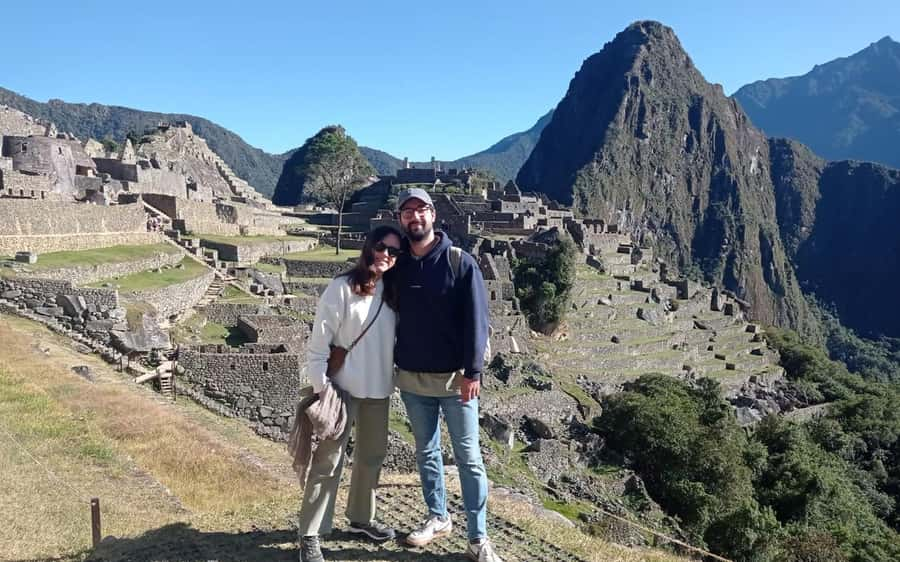
Book this trek if the extra route is the reason you are going to Machu Picchu. Patabamba, Qoricocha Lake, Puma Punku, and Huchuy Qosqo give the trip a strong sense of place, while the included guide, meals, trains, and tickets remove much of the planning work.
Do not book it simply because it is a cheaper or easier way to reach Machu Picchu. At $490, it is not a bargain package, and the walking is demanding. But if you can handle the effort and want a local meal, a night under the stars, Inca terraces, and a properly guided visit to the citadel, the price is easier to justify.
FAQ
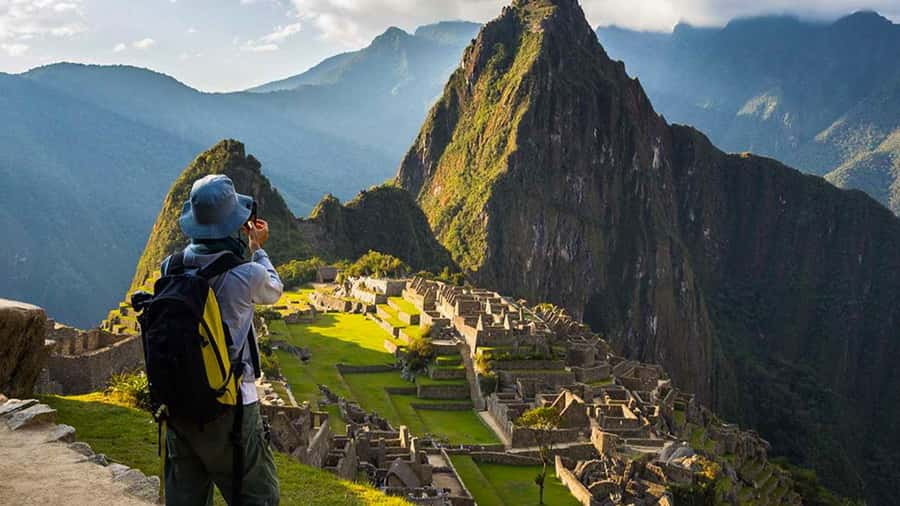
How long is the Huchuy Qosqo Trek to Machu Picchu?
The experience lasts three days.
Where does the trek begin?
The trek begins at the archaeological center of Tambomachay, after pickup from your hotel in Cusco.
Is a guide included?
Yes. A professional bilingual guide leads the tour in English or Spanish.
Where do you sleep during the trek?
You spend one night in a lodge in the Patabamba community and one night in a hotel in Aguas Calientes.
Are meals included?
Two breakfasts, two lunches, and two dinners are included. Breakfast on the first day and lunch on the third day are not included. Vegetarian meals are available at no extra cost.
Are Machu Picchu and Huchuy Qosqo entrance tickets included?
Yes. Entrance tickets to both archaeological sites are included.
Is transport to Machu Picchu included?
Yes. Bus tickets between Aguas Calientes and Machu Picchu are included, along with train travel and tourist transport connected with the itinerary.
Can you rent trekking equipment?
Yes. Sleeping bags and trekking poles can be rented through the agency office.
Just added around Peru
- Classic Choquequirao Trek – 5 Days / 4 Nights★ 5.0 · 52 reviews
- Short Inca Trail 2 Day Hike to Machu Picchu with Permits & Train★ 5.0 · 51 reviews
- 2 Day Tour Throughout the Short Inca Trail to Machu Picchu★ 5.0 · 36 reviews
- Small Group: 4-Day Inca Trail Trek to Machu Picchu★ 5.0 · 33 reviews
- 5-Day: Salkantay Trek to Machupicchu and Humantay Lake★ 5.0 · 42 reviews
- 2 Day – Short Inca Trail to Machu Picchu – Group Service★ 5.0 · 30 reviews
- 5 Day – Salkantay trek to Machu Picchu – Group Service★ 4.5 · 27 reviews
- Salkantay Trek Standard 5D/4N★ 5.0 · 48 reviews
Machu Picchu & Inca Trail Treks, compared.
4-Day Inca Trail to Machu Picchu with Accommodation
Read our review →
Machu Picchu 2-Day Inca Trail with Panoramic Train
Read our review →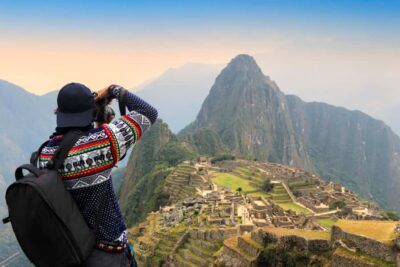
Machu Picchu: Inca Trail 2-Day Overnight Guided Tour
Read our review →
Short Inca trail to MachuPicchu || 2days – 1nigth ||
Read our review →
Machu Picchu: 5-Day Salkantay Trek with Panoramic Train
Read our review →Browse the lists this trek appears in