
Review · CUSCO
From Cusco: Salkantay Trek to Machu Picchu 5D/4N or 4D/3N
The Salkantay Trek gives you a big mountain crossing, a turquoise glacial lake, changing climates, and Machu Picchu in one demanding trip. You begin with an early drive from Cusco, climb to 4,630 meters at Salkantay Pass, then descend through warmer country toward Aguas Calientes.
I like the useful support: a horse carries up to 6 kilos of your gear, a chef prepares the meals, and cabins replace several nights under canvas. I also like the route’s variety, from icy high country to banana and avocado plantations. The main catch is price clarity. The advertised fare is only $50, but Machu Picchu admission, buses, Humantay Lake, hot springs, equipment rental, and some transport cost extra.
Key points to know before booking
- Salkantay Pass reaches 4,630 meters: The second day is the toughest, with a long climb followed by a major descent.
- Humantay Lake sits at 4,200 meters: Its turquoise water is memorable, but the short hike is steep and comes early in the trip.
- You choose four or five days: The longer version adds a night and more time around Lucmabamba and Cocalmayo hot springs.
- A 6-kilo duffel is included: A horse carries it, though your personal daypack still needs to hold water, rain gear, and warm layers.
- Machu Picchu circuit matters: Circuit 2A or 2B offers the broadest visit, while Circuits 1B and 3B cover less of the site.
- Aguas Calientes is included for one night: You can walk to Machu Picchu early or pay for the uphill bus.
The Salkantay route in plain terms
This is not a gentle sightseeing walk. You spend several hours on foot each day, often on uneven trails, and the altitude changes quickly. Yet the route is rewarding because no single view has to carry the whole trip. The scenery keeps shifting.
The five-day plan gives you four nights away from Cusco: three nights in cabins and one night in a hotel at Aguas Calientes. The four-day option removes one night and shortens the final approach. Both versions include a guided visit to Machu Picchu.
Your trip begins with a briefing at 6:00 p.m. the day before departure. That meeting matters. You’ll confirm Machu Picchu ticket arrangements, hand over passport details if needed, receive the duffel, and ask exactly which circuit has been secured.
More Inca Trail Treks in Cusco
- Cusco: 4-Day Inca Trail to Machu Picchu with Accommodation
★ 4.8 · 432 reviews - Cusco: Machu Picchu 2-Day Inca Trail with Panoramic Train
★ 4.9 · 260 reviews - From Cusco: 2-Day Inca Trail to Machu Picchu
★ 4.2 · 244 reviews
Day one: Cusco to Humantay Lake and Soraypampa
Pickup begins around 4:30 a.m. from a hotel or Airbnb in Cusco’s historic center. The early start is rough, but it lets you reach the trail before the day gets too hot. A private vehicle carries you toward Mollepata, with a breakfast stop along the way.
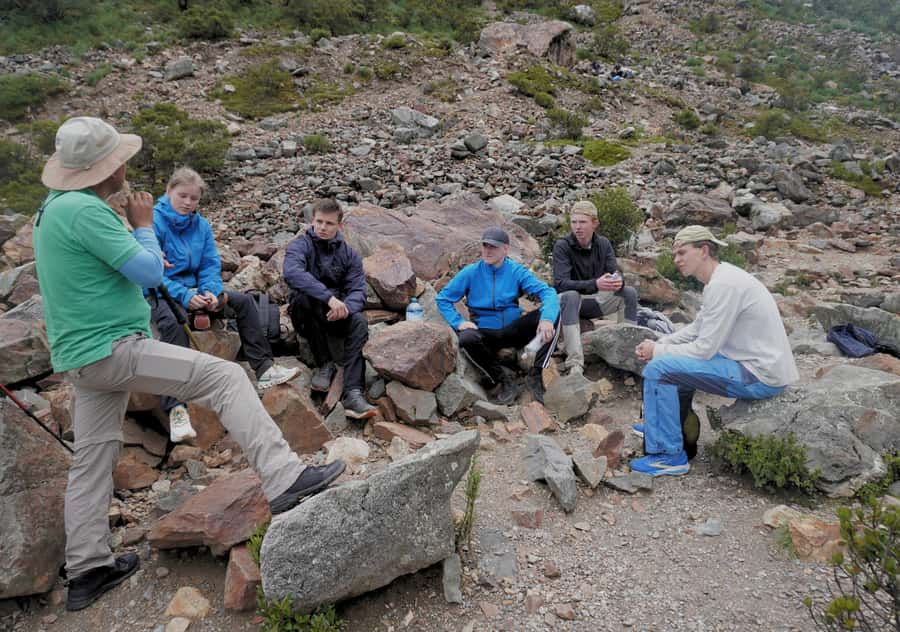
The first walking section takes about three hours toward Soraypampa at roughly 3,800 meters. This is your first real test of altitude. Even fit walkers can feel the thin air, so keep your pace steady and avoid trying to prove anything on the opening morning.
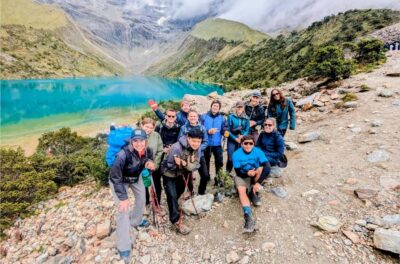
After lunch, you hike for about two hours to Humantay Lake at 4,200 meters. The lake is the visual prize of the day, with bright turquoise water below steep mountain slopes. The trail is shorter than the next day’s climb, but the altitude makes it feel serious.
After visiting the lake, you continue for about two hours to camp. Expect dinner, hot coca tea, and a night under a cold, clear sky if conditions cooperate. Coca tea is offered in the morning as well, but it is not a substitute for water, food, or time to adjust.
The first day combines driving and hiking, so it feels longer than the mileage suggests. Pack your rain shell and warm layer in your daypack. Your duffel may be on a horse, but you will not want to open it every time the weather changes.
Day two: Salkantay Pass at 4,630 meters
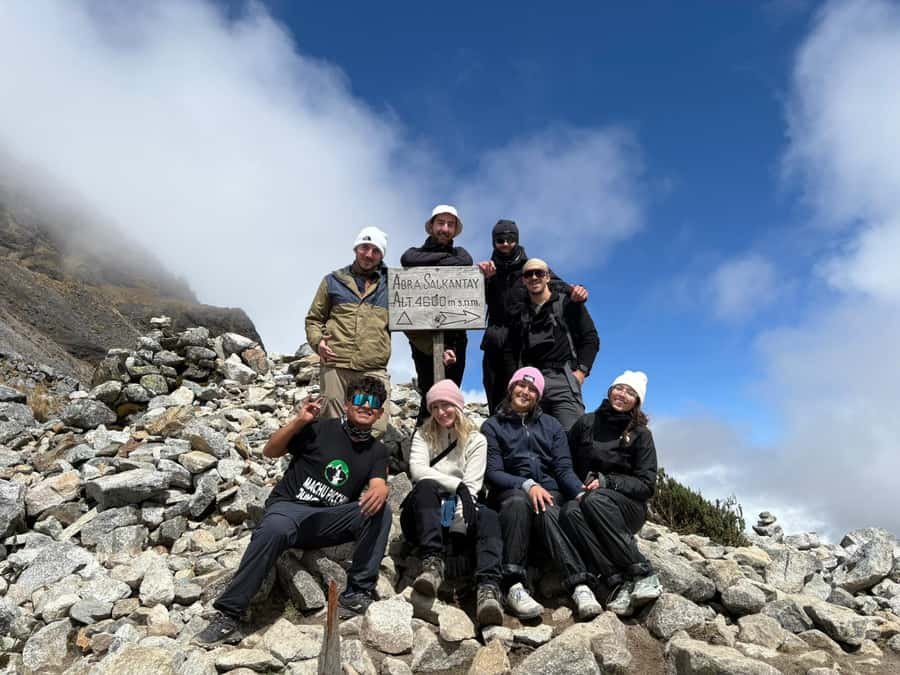
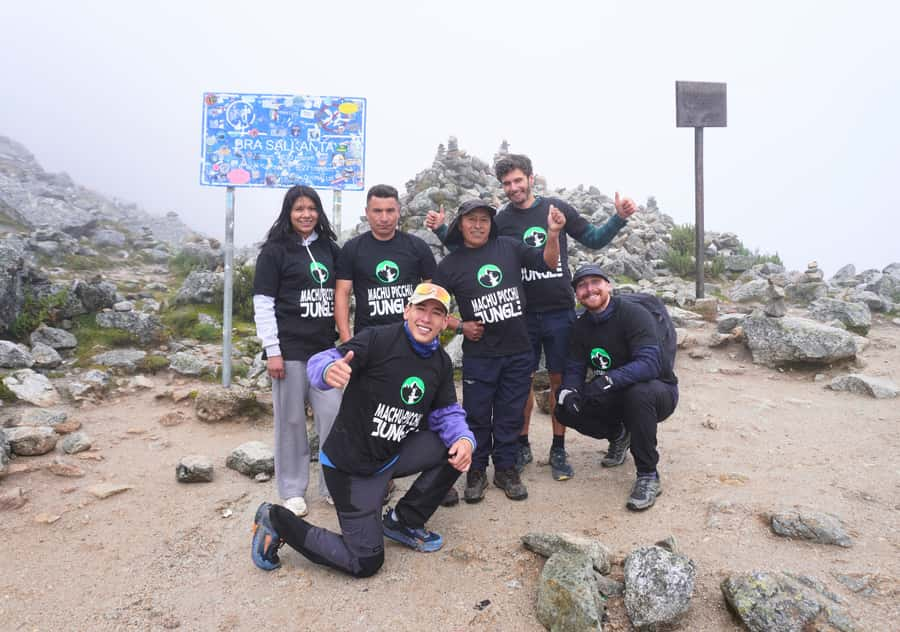
Day two is the physical center of the trek. You wake with coffee or coca tea, then climb for about three hours toward Salkantay Pass, the highest point of the route at 4,630 meters.
The pass gives you wide mountain views and a nearby lake. This is where the route feels most remote and most demanding. The trail may be cold and exposed, and breathing takes work at this height. Take short steps, drink often, and listen to your guide if the pace needs to slow.
The descent lasts about three hours to Wayracmachay, where lunch is served. Do not underestimate this part. A long downhill on rough ground can tire knees and ankles just as much as the climb tires your lungs.
After lunch, you continue downward for another three hours toward Chayllay or Collpapampa, around 2,770 meters. The air grows warmer as the route drops, and the surroundings change from high mountain country to a more temperate setting near local villages.
This is a long day, likely the one that determines how much you enjoy the trek. Trekking poles are useful, but they are not included. Rental is listed at $10 for the full trip. A sleeping bag costs another $15, also for the full trip.
Day three: Plantations, bridges, and Cocalmayo
The third day is easier on the lungs because you are lower. After breakfast, you walk through the Santa Teresa area, crossing wooden bridges and passing waterfalls and plantations of bananas, passion fruit, and avocados.
You reach La Playa for a buffet lunch. If you choose the four-day trek, this is where you say goodbye to the longer route and continue by vehicle toward Hidroeléctrica. Transportation from La Playa is an extra cost, based on how many people use it.
The five-day plan continues toward Lucmabamba. It includes time for Cocalmayo hot springs, a good reward after the high pass. Entry costs PEN 10, and transport to the springs is extra. You can also skip the bath and rest at camp.
The evening includes dinner and a group bonfire. That sounds simple, but it is useful after two demanding days. The cabins, included on the five-day plan, give you a more comfortable night than a basic tent camp. Still, ask at the briefing about room arrangements and what bedding is supplied.
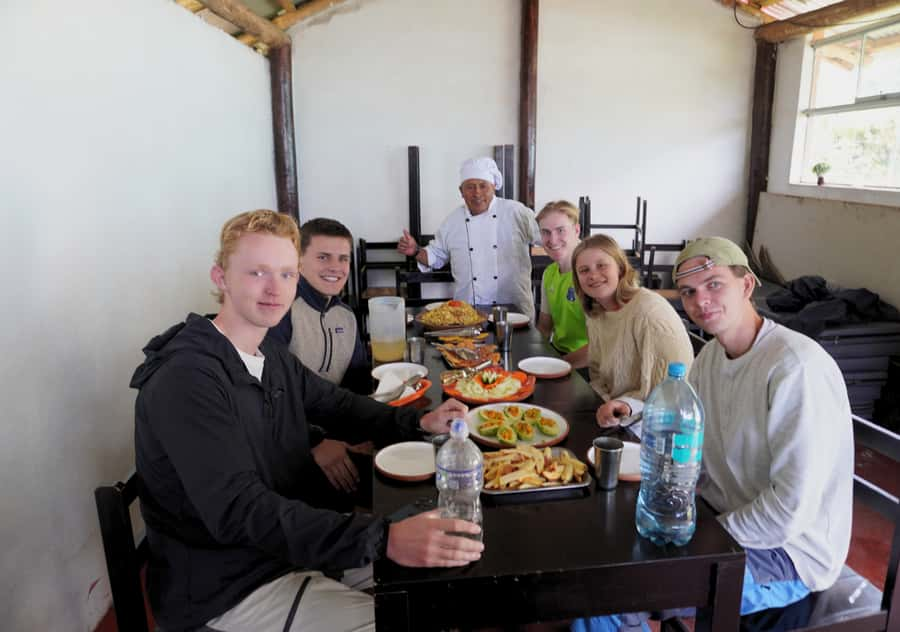
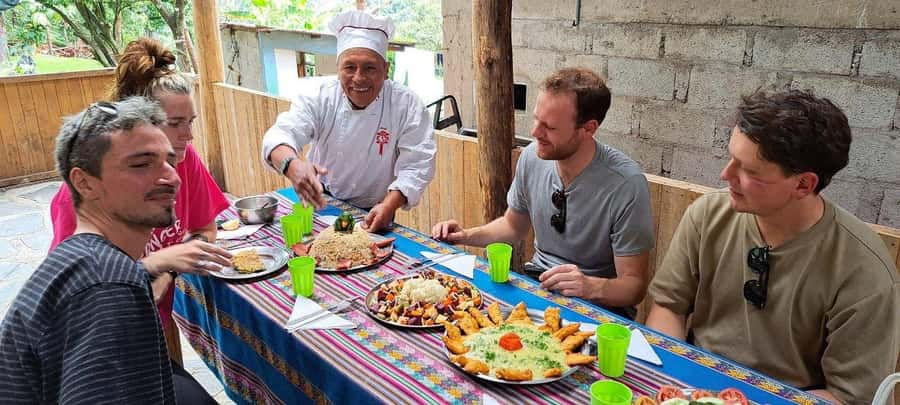
Food is one of the stronger practical features here. A professional chef and cooking equipment are included, along with afternoon tea time featuring popcorn, cookies, chocolate, and coffee. Vegetarian and vegan meals are available at no extra charge. If you have another dietary need, ask before departure rather than hoping the kitchen can adjust on the trail.
Same trailhead, a different route:
- From Cusco: 7 Lakes Ausangate Trek with Breakfast and Lunch
★ 4.8 · 360 reviews - Machu Picchu: Inca Trail 2-Day Overnight Guided Tour
★ 4.9 · 203 reviews - Cusco: Full-Day Rainbow Mountain & Red Valley Trekking Tour
★ 4.5 · 121 reviews - Short Inca trail to MachuPicchu || 2days – 1nigth ||
★ 5.0 · 103 reviews
Day four: Llactapata and the walk to Aguas Calientes
On the five-day schedule, you begin with a climb from Lucmabamba toward Llactapata. The ascent takes about two hours and follows part of the original Inca Trail.
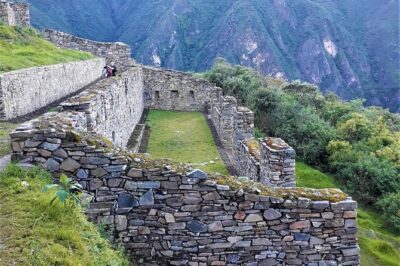
Llactapata sits at about 2,700 meters and looks toward Machu Picchu. It is not a replacement for the citadel, but it gives you a valuable preview from across the valley. You see the destination before reaching it, which helps the final approach feel earned rather than simply delivered by train.
From Llactapata, you descend for about two hours to Hidroeléctrica, where lunch is served. Then you walk along the route toward Aguas Calientes. The path is much lower than the pass, but the total distance can still leave you tired.
Your duffel can be transported by car from Lucmabamba to Aguas Calientes, or you can carry it yourself. The transfer is not included, so confirm the current price and arrangement at the briefing. I would carry only a small daypack and send the duffel ahead unless you specifically want the extra load.
At Aguas Calientes, you check into a hotel and eat dinner with the group at around 7:00 p.m. This overnight is important. It avoids forcing the Machu Picchu visit into the same day as the long approach from the mountains.
Day five: Machu Picchu before the crowds build
The final morning begins early. After breakfast, you can climb the stairs for roughly an hour to Machu Picchu’s main gate, arriving around 6:30 a.m. The uphill walk saves the $12 bus fare, but it adds effort after four days on foot.
The bus costs $12 each way, so riding up and down adds $24 per person. You can take the bus in one direction and walk in the other, depending on energy and timing. The return bus is not included.
Inside Machu Picchu, you receive a guided visit. The supplied information describes the tour as lasting about 2.5 hours, while the included entry window is listed as 6:00 to 7:00 a.m. Confirm the exact meeting time and route during the briefing, because the circuit system controls where you can go and how long you may remain.
Circuit 2A or 2B is the best match for a first visit if available. It gives you the broadest visit and the classic views. Circuit 3B focuses on lower sections, a middle viewpoint, and sacred temples. Circuit 1B mainly offers the upper terrace and classic photo area.
This is not a minor detail. You cannot simply wander across every sector once inside. Ask the provider to confirm your circuit before paying, and check what is available through the Peruvian government booking system.
Returning to Cusco by car or train
You have two basic return choices.
If you return by car, you walk back to Hidroeléctrica, where transport waits. The listed departure window is from 6:00 a.m. to no later than 9:00 a.m. Confirm the exact departure time, because the walk from Machu Picchu to Aguas Calientes or Hidroeléctrica requires planning.
If you prefer the train, you can buy a departure time from Aguas Calientes to Ollantaytambo. From there, a local vehicle takes you back to Cusco. Train tickets are not included, and the cost depends on the departure you choose.
The car option usually keeps the package closer to its advertised low price, but it involves more walking and a long road return. The train is easier after the ruins, but it can change the total cost considerably.
What the $50 price really means
At $50 per person, the headline price looks unusually low for a multi-day trek with food, cabins, transport, and Machu Picchu support. Treat it as a starting price, not the final amount.
The listed package includes private transport to the trailhead, a guide in English, Spanish, or Portuguese, meals, cabins, a hotel night in Aguas Calientes, a cooking team, a horse for 6 kilos, and Machu Picchu guidance. That is useful value if all the listed services are provided for your date.
But you must budget for several additions:
- Machu Picchu admission is listed at USD 60, or PEN 152 in the booking instructions. The information also says to bring PEN 152 or USD 40 if tickets are unavailable online, so confirm the current amount at the briefing.
- Humantay Lake entry costs PEN 20.
- The bus to Machu Picchu costs $12 each way.
- Sleeping bag rental is $15.
- Trekking pole rental is $10.
- Five-day hikers pay for Cocalmayo entry and transport.
- Four-day hikers pay for transport from La Playa to Hidroeléctrica.
- First breakfast, last lunch, and dinner are not included.
- Duffel transfer from Lucmabamba to Aguas Calientes costs extra.
The biggest financial risk is Machu Picchu availability. The provider recommends booking two to four months ahead. If no sanctuary ticket is available, you may need to add days in Aguas Calientes to buy one in person with your passport. Those extra days do not include meals or lodging.
Send passport information early if the provider requests it for reservations. Do not assume that paying the tour fare alone guarantees your preferred Machu Picchu circuit.
Who will enjoy this trek most
I would choose this route if you want Machu Picchu to be part of a physical journey rather than a stand-alone ruin visit. It suits hikers who can manage several hours on uneven trails, a major altitude gain, and long downhill sections.
The five-day plan is the better choice if you want a slower pace, hot springs, and a night at Lucmabamba. It also gives you more time to recover before Machu Picchu.
The four-day plan suits someone with less time who still wants the Salkantay crossing. It removes some of the slower rainforest portion, but you should expect the route to feel more compressed.
This is not the best pick if you want a relaxed holiday, dislike early starts, or need every cost fixed in advance. It also demands careful ticket planning. Machu Picchu is the final goal, but the trek itself requires attention to altitude, weather, and gear.
The team can make a large difference. One highly rated booking specifically praised guide Fernandez for patience and experience, chef Edgar for tasty, healthy food, and Eulogio for being ready to help. Those names may not be assigned to every departure, so ask who will lead your group. The provider lists private groups, but confirm the actual size and whether the group includes both four-day and five-day hikers.
What to pack for five days
Bring your passport, comfortable hiking shoes, a hat, sunscreen, water, rain gear, warm clothing, and a camera. I would keep waterproof layers close at hand because the route moves between cold high country and warmer rainforest.
Your daypack should hold water, snacks, sun protection, a rain jacket, a warm layer, and personal medication. The 6-kilo duffel is useful for spare clothes and larger items, but you may not have immediate access to it during the day.
A sleeping bag and trekking poles are optional rentals, not included equipment. If you already own reliable versions, bring them. Otherwise, include the rental charges when comparing the total price with other Salkantay trips.
Should you book the four-day or five-day version?
Book the five-day trek if you want the fuller route, Cocalmayo hot springs, a night near Lucmabamba, and a little more breathing room. The extra day adds cost, but it also makes the trip less rushed and gives you another chance to enjoy the lower country.
Choose four days if your schedule is tight and you are comfortable with a faster transition from the mountains to Aguas Calientes. In both cases, secure Machu Picchu tickets first, confirm your circuit, and ask for a complete list of extra charges.
I would book this trek for an active visitor who values mountain scenery, local food, practical support, and a gradual approach to Machu Picchu. I would not book it on the strength of the $50 headline alone. Price the entrance tickets, bus or train, hot springs, equipment, and extra transport first. Once those numbers are clear, the route offers a strong mix of high-altitude challenge and warm-country walking, with Machu Picchu as a fitting finish.
FAQ
How long is the Salkantay Trek to Machu Picchu?
You can choose a four-day, three-night version or a five-day, four-night version. The five-day plan includes three nights in cabins and one night in a hotel at Aguas Calientes.
What altitude does the trek reach?
Salkantay Pass reaches 4,630 meters. Humantay Lake is at about 4,200 meters, and the first camp area around Soraypampa is about 3,800 meters.
Is Machu Picchu admission included?
The package includes the reservation process, but the entrance payment is listed separately. The instructions say to bring PEN 152 or USD 40 if tickets are unavailable through the government website. Confirm the current amount and circuit during the briefing.
Which Machu Picchu circuit should I request?
Circuit 2A or 2B offers the broadest visit and is described as the most popular choice. Circuit 3B covers lower sections, a middle viewpoint, and sacred temples. Circuit 1B focuses on the upper terrace and classic photo area.
Are meals included?
The five-day option includes four breakfasts, four lunches, and four dinners. The four-day option includes three of each. The first breakfast, last lunch, and last dinner are not included, and vegetarian and vegan meals are available without an added charge.
Can I take a bus to Machu Picchu?
Yes. The bus from Aguas Calientes to Machu Picchu costs $12 each way and is not included. You can also walk uphill to the entrance, which takes about an hour according to the tour information.
Just added around Cusco
- Classic Choquequirao Trek – 5 Days / 4 Nights★ 5.0 · 52 reviews
- Short Inca Trail 2 Day Hike to Machu Picchu with Permits & Train★ 5.0 · 51 reviews
- 2 Day Tour Throughout the Short Inca Trail to Machu Picchu★ 5.0 · 36 reviews
- Small Group: 4-Day Inca Trail Trek to Machu Picchu★ 5.0 · 33 reviews
- 5-Day: Salkantay Trek to Machupicchu and Humantay Lake★ 5.0 · 42 reviews
- 2 Day – Short Inca Trail to Machu Picchu – Group Service★ 5.0 · 30 reviews
- 5 Day – Salkantay trek to Machu Picchu – Group Service★ 4.5 · 27 reviews
- Salkantay Trek Standard 5D/4N★ 5.0 · 48 reviews
Machu Picchu & Inca Trail Treks, compared.
4-Day Inca Trail to Machu Picchu with Accommodation
Read our review →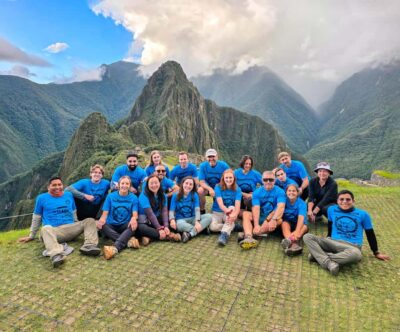
Machu Picchu 2-Day Inca Trail with Panoramic Train
Read our review →
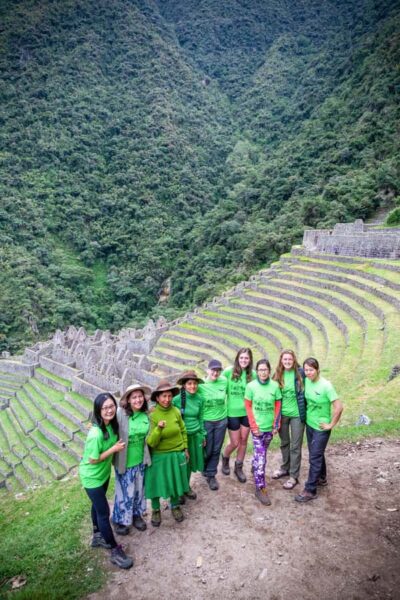
Machu Picchu: Inca Trail 2-Day Overnight Guided Tour
Read our review →
Short Inca trail to MachuPicchu || 2days – 1nigth ||
Read our review →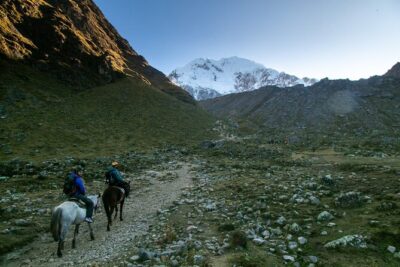
Machu Picchu: 5-Day Salkantay Trek with Panoramic Train
Read our review →Browse the lists this trek appears in