
Review · BALI
From Bali: Private Mount Ijen Crater Volcano Midnight Trek
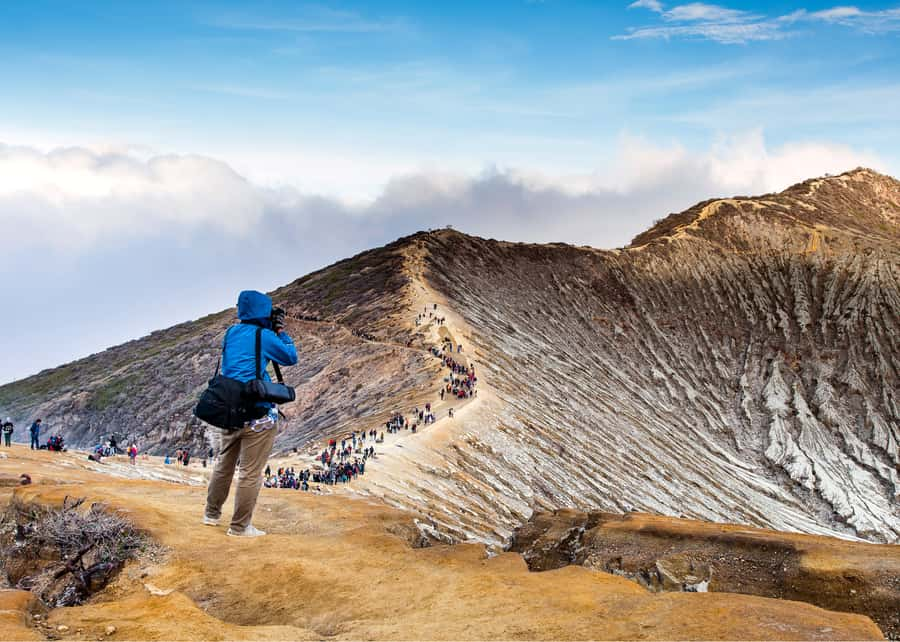
Mount Ijen is the kind of mountain that asks for a full day and a full night in return for one extraordinary view. You leave Bali in darkness, cross to Java by ferry, and climb by torchlight toward a crater lake that appears as the sky turns pale. The reward is less a polished sightseeing stop than a hard-earned moment on a volcanic rim.
I like the small group of up to five, since that gives the guide room to set a sensible pace and help with photos. I also like the combination of a local guide, private hotel pickup, ferry crossing, entry fees, and a simple breakfast, all for $139 per person. The catch is the schedule: a late pickup or vehicle trouble can damage the whole plan, and this is a tiring 24-hour outing rather than a neat day trip.
Key points before you book
- A midnight climb to Mount Ijen: The main uphill walk takes about two hours, followed by another 40 minutes toward the crater.
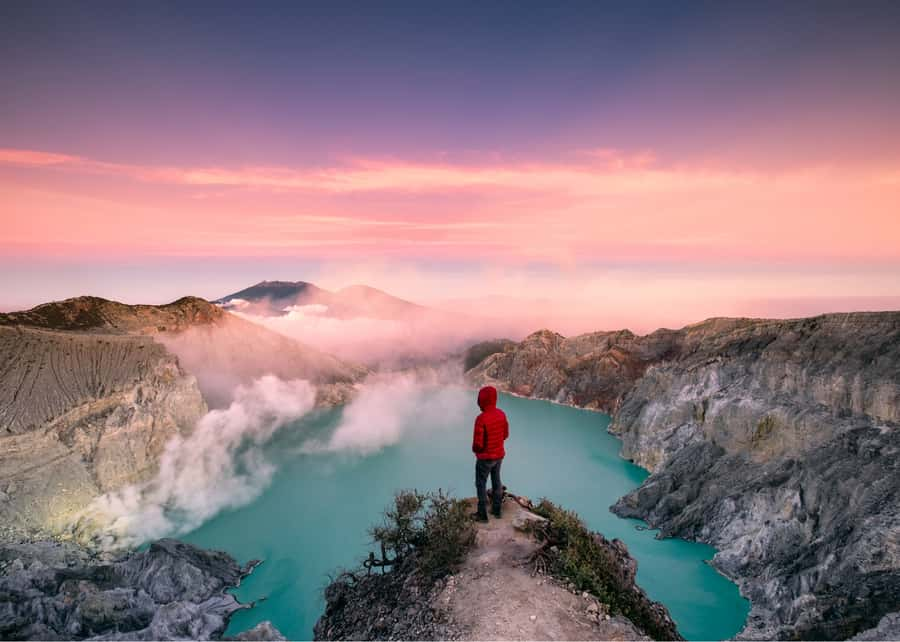
- Sunrise from the crater rim: You return to the rim as daylight arrives, with views of the sulphur lake and surrounding scenery.
- A real Bali to Java crossing: The journey includes a long drive to Gilimanuk, a ferry to Ketapang, and a return crossing.
- Helpful local guiding: Guides have included Dewa and former mine worker guides who can add useful context and help with photographs.
- A very small group: The maximum group size is five, a useful advantage on a steep, dark trail.
- Blue flames are not guaranteed: Some outings have seen them, while another booking specifically missed them, so do not book on that promise alone.
Why Mount Ijen is worth the long night
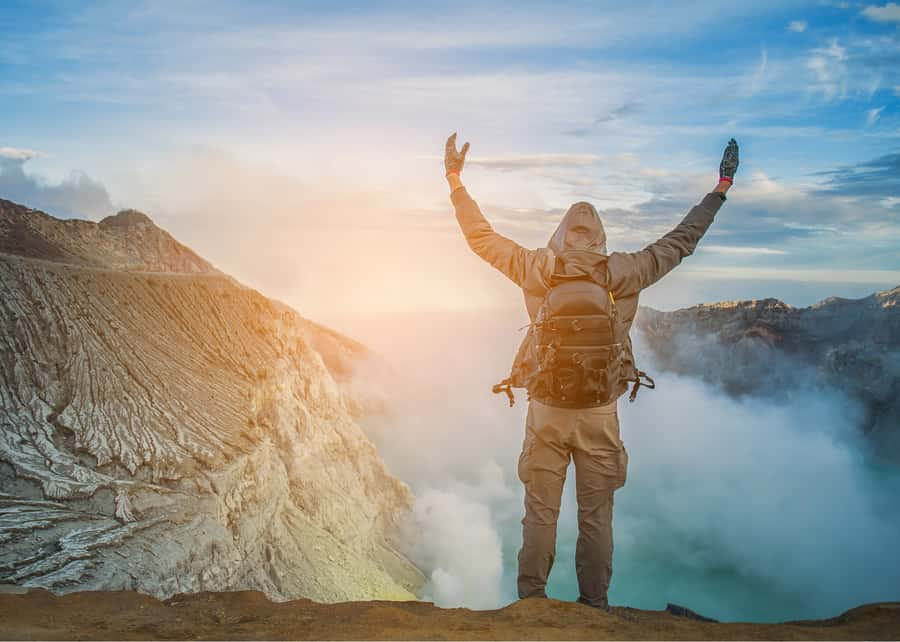
Mount Ijen is not a quick mountain viewpoint. From Bali, you spend hours on the road and ferry before the hike even begins. Yet the setting gives the experience a sense of occasion: Java, a volcano, a night climb, a star-filled stop, and sunrise over a sulphur lake.
I like that the tour does not reduce Ijen to a single photograph. You get the ferry crossing, the night sky, the uphill effort, the crater, and a local breakfast afterward. Each part helps you understand the distance and work involved in reaching the volcano.
The main attraction is the crater rim at first light. In darkness, you know the crater is below you, but you cannot see its full shape. As the sun rises, the lake and volcanic walls gradually appear. That slow change is more memorable than arriving at a viewpoint in broad daylight.
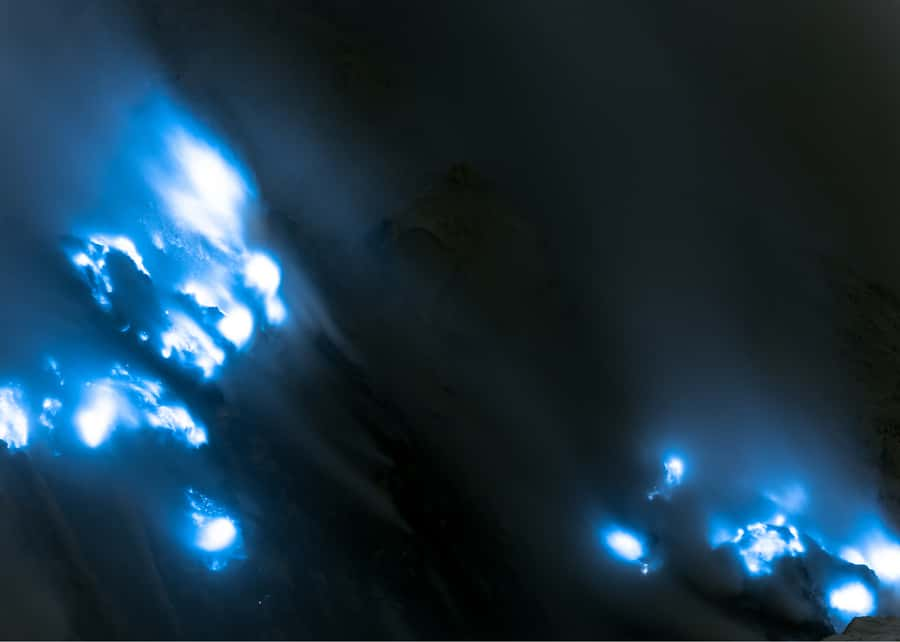
There is also a chance of seeing Ijen’s famous blue flames. The supplied experience details do not promise them, and the practical record is mixed. One booking saw them and described the sight as breathtaking, while another arrived too late after a delayed pickup and missed both the planned sunrise and the blue fire. Treat blue flames as a possible bonus, not the reason to pay for the trip.
More Volcano Treks in Indonesia
- 2D1N Senaru Crater Rim Trekking
★ 5.0 · 178 reviews - Mount Rinjani 2-Day Trek to Senaru Crater Rim
★ 4.8 · 89 reviews - Mt Rinjani Trekking 2 Days 1 Night (Senaru Crater Rim)
★ 5.0 · 85 reviews
The long road from Bali to Gilimanuk
Your pickup begins at your Bali hotel. The first major leg is a drive of about four hours to Gilimanuk Harbour on Bali’s western tip. This is a serious amount of time in a vehicle, especially since the hike will take place after dinner and around midnight.
The driver matters here. Yadnya received especially strong praise for looking after the group from pickup through the return journey. That kind of care is important on a trip with several moving parts, though you should remember that drivers can vary.
The harbour itself is mainly a transfer point. You pass through Gilimanuk rather than take a sightseeing stop there, then board the ferry for Ketapang in Java. The crossing is part of the adventure, but it also adds uncertainty to a tightly timed night. Delays on the road, at the port, or during the crossing can affect the climb.
One practical warning is worth taking seriously: pickup time may not always match the advertised schedule. A very late pickup was reported on one outing, shifting the start from the planned early morning timing to a much later hike. Since sunrise is fixed, lost time cannot easily be recovered.
Dinner in Kalipuro before the climb
After arriving in Java, the group stops in Kalipuro for dinner, with about an hour set aside. This is your chance to eat properly before the physical part of the outing.
Dinner is not included in the stated price, so keep money available. The same applies to personal expenses during the trip. I would choose filling food and avoid treating this as a rushed snack stop. You will soon be walking uphill in the dark, and breakfast is still hours away.
The schedule lists about another hour and a half before reaching the mountain base. That means the evening is not finished after dinner. You cross the island, eat, continue by vehicle, and then begin the hike around midnight. Pace yourself from the start.
The midnight hike takes real effort
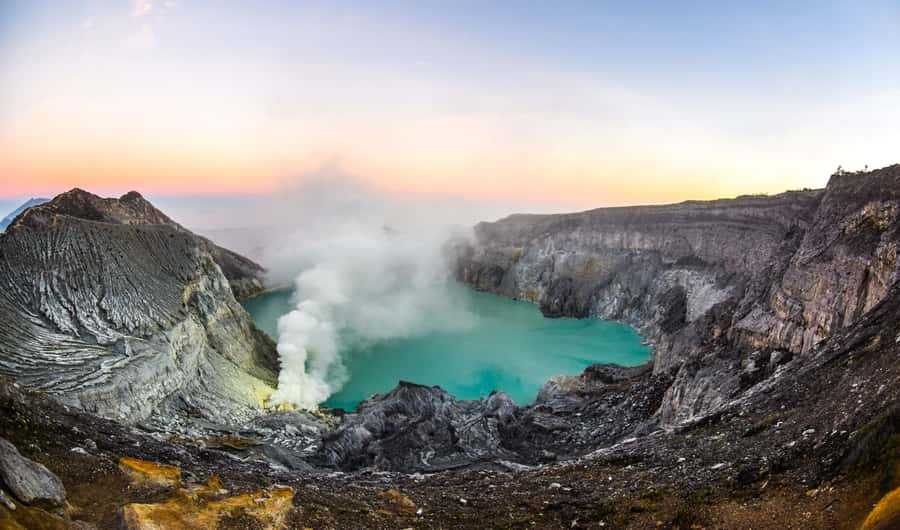
The trek to the summit is listed at about two hours. In practical terms, this means a steady uphill walk on a dark trail, often in cold conditions near the top. You need hiking shoes, long trousers, warm layers, a flashlight, and rain protection.
The tour is not suitable for people with mobility limitations, heart problems, respiratory problems, back problems, or for wheelchair users. Pregnant women should not take it. That is not a minor footnote. The combination of exertion, darkness, cold, and a long day makes fitness and health important.
You do not need to approach the hike as a race. A small group gives the local guide more room to adjust the pace, and the guides have been praised for being attentive and friendly. Dewa, in particular, was remembered as cheerful and careful, while other guides have helped with photos and allowed time for the views.
The trail begins in near-total darkness. Your flashlight shows only the ground immediately ahead, while the wider surroundings remain hidden. That limited view can make the walk feel more dramatic, but it also means you should watch your footing and stay close to the group.
Warm clothing is essential. Even if Bali feels hot when you leave your hotel, the upper mountain can be cold. Rain gear is also sensible because the weather may change, and the trip continues even when conditions are less than perfect.
More Volcano Treks in Bali:
- Mount Etna: Trek to 3000m with cable car and 4×4
★ 4.6 · 3,823 reviews - Mount Etna: Summit Crater Trek with Cable Car
★ 4.8 · 1,875 reviews - La Palma: Tajogaite Volcano Guided Trek
★ 4.8 · 1,810 reviews - Etna: summit craters trekking with volcano guide 3350mt
★ 4.7 · 1,712 reviews
A stop for stars before the crater
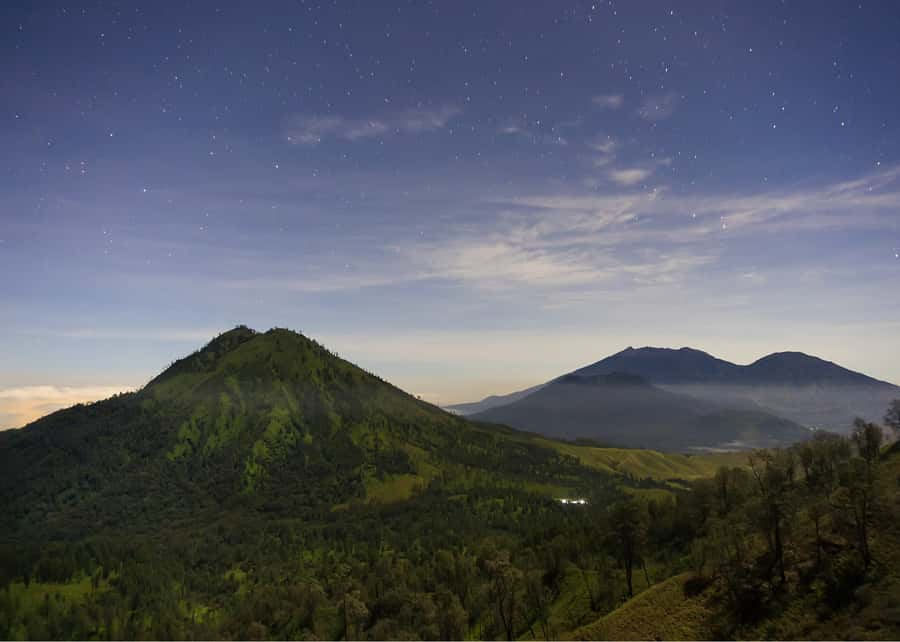
At the first stop, you pause to look at the night sky. A photographer is scheduled to show you how to take photographs of the stars. This is a nice touch because it turns waiting into part of the experience rather than treating the climb as a simple march upward.
Do not expect a full photography workshop. The useful point is that the guide can help you make better use of the darkness, your camera, and the available view. Bring a phone or camera if you want to try, but keep your flashlight ready for the trail.
The star stop also gives you a breathing break. After the first section of uphill walking, that pause can help you regain energy before continuing. You may find the sky clearer than anything you see from a city or a busy resort area, though the exact view depends on weather and cloud.
Down toward the Ijen crater
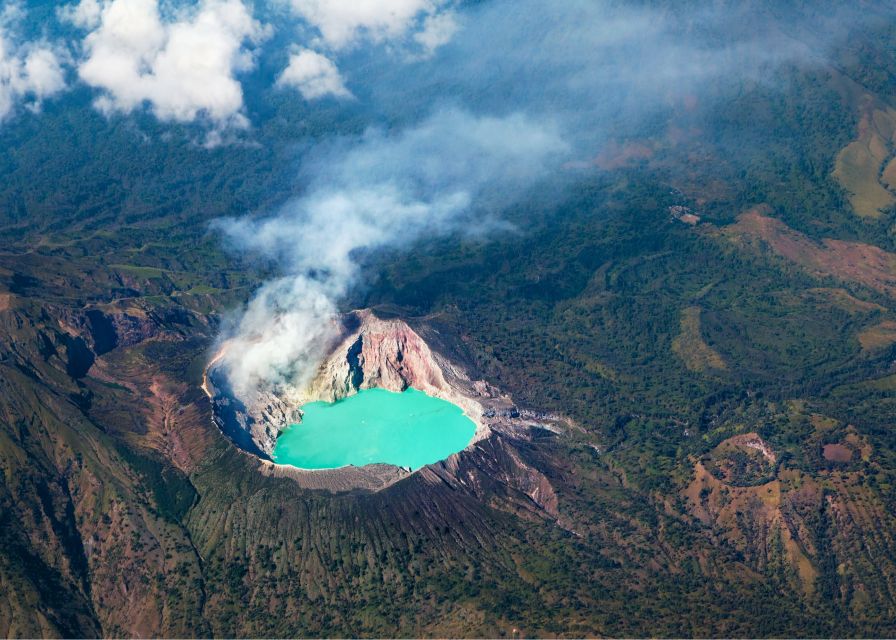
After reaching the higher point, the route continues down toward the Ijen Crater. This section takes about 40 minutes. It may sound easier than the climb, but walking downhill on uneven ground in darkness can still demand care.
The crater is the emotional center of the outing. You are not simply looking at a lake from a roadside platform. You have spent the night crossing water, riding through Java, and climbing a volcano before reaching it. That effort changes how the view feels.
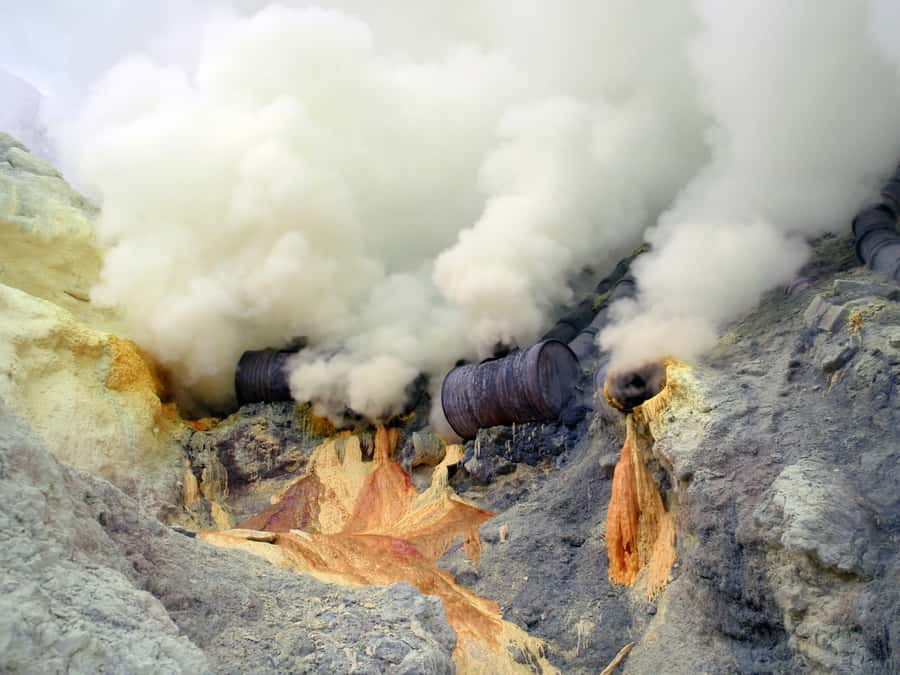
Ijen is known for sulphur mining, and one guide had previously worked in the mine. A guide with that background can give the place a human dimension, helping you understand that the crater is also a workplace, not only a dramatic natural sight. The available information does not promise a formal mining presentation, so consider any such explanation an advantage of the individual guide.
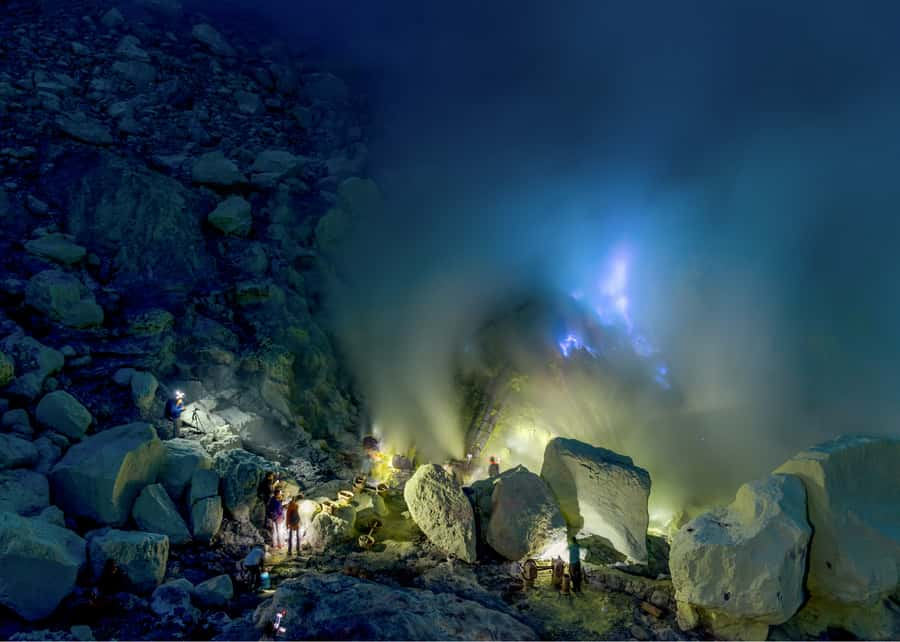
Blue flames may be visible in the crater area under suitable conditions and with the right timing. However, the outing does not guarantee this sight. A delayed start can make it impossible, and the schedule depends on transport, trail progress, conditions, and the guide’s decisions. Book for the crater and sunrise first.
Sunrise from the rim
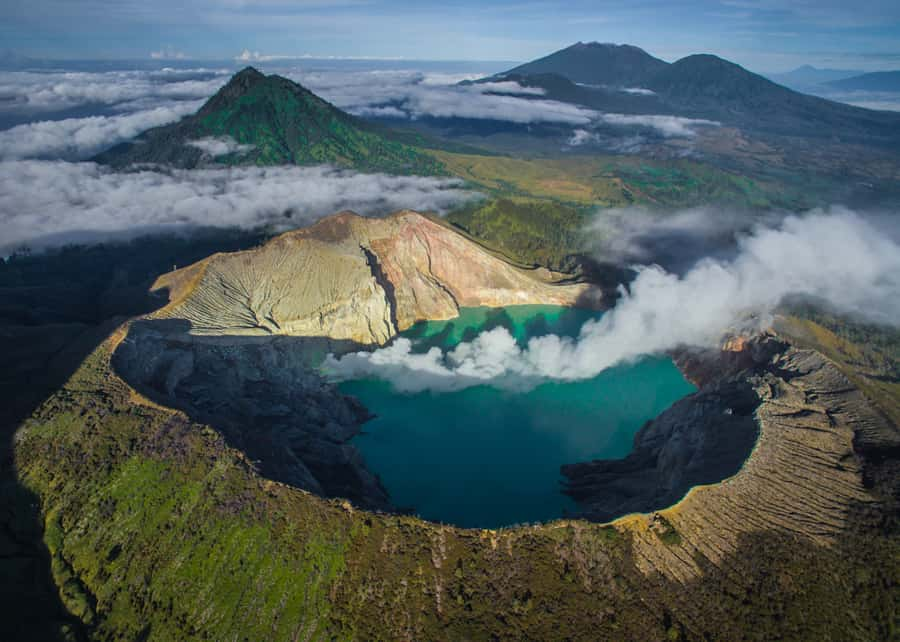
The route then brings you back to the crater rim for sunrise. This is where the trip earns its long travel time. As daylight spreads, you can see the sulphur lake and the surrounding volcanic scenery in a way that is impossible during the first part of the walk.
The views are broad rather than carefully staged. You may see changing light, steep volcanic sides, and the lake below. Weather controls the quality of the view, so no tour can guarantee clear conditions. Still, the timing gives you a chance to watch the scene appear gradually instead of arriving after the best light has passed.
One booking that began late missed the planned sunrise, which shows how important punctual pickup is. If the timing is crucial to you, contact the provider before booking and confirm the expected pickup time, ferry plan, and target arrival at the mountain.
Once the sunrise stop is finished, you hike down from the mountain. The return can feel harder than expected because you have been awake all night. The descent also puts pressure on tired knees, so good shoes and a measured pace matter.
Breakfast at a local warung
The trek ends at a local warung for breakfast. This is included, but do not expect a large hotel buffet. A warung is a simple local eating place, and the meal is best viewed as practical fuel after the hike.
The quality of the meal has not been consistent. One account described breakfast as very poor, with a small serving of dry rice and chicken arriving much later in the day after the group had been awake all night. That is a fair reason to carry a small personal snack, provided it fits your own needs and the tour rules.
The breakfast stop still has value. After a strenuous night, sitting down for food in a local setting is more fitting than being rushed straight into a vehicle. Just keep expectations modest, and remember that dinner is not included either.
What the $139 price really covers
At $139 per person, the price is reasonable if you want a private, organized connection between Bali and Ijen. Hotel pickup and drop-off, transport, entry and toll fees, a local guide, and breakfast are included. Arranging the same pieces independently could take time, especially when you factor in the ferry and the need to reach the mountain at night.
The price does not cover all meals or personal spending. Dinner in Kalipuro is your responsibility, and you should budget for drinks or extra food during the long return journey.
The small group limit of five adds value. A crowded group can be awkward on a dark uphill trail, while a smaller group makes communication easier and gives the guide more ability to help with pacing and photos.
The weak point is operational support. One highly positive outing ran into car trouble after leaving Ijen, and the driver had difficulty getting help from the operator. That does not mean every trip will have a problem, but it shows why a complex cross-island trip carries more risk than a short local activity.
What to pack for the cold hours
Pack for two climates, not one. Bali may be warm at pickup, but Ijen can feel cold near the rim, especially while you wait for sunrise.
Bring:
- Warm clothing and extra layers
- Long pants
- Hiking shoes with a secure grip
- Rain gear
- A flashlight
- Basic trekking gear
- Water and a small personal snack
The stated requirements specifically include warm clothing, hiking shoes, rain gear, long pants, trekking gear, and a flashlight. Take every item seriously. A phone light is not an ideal replacement for a proper flashlight on a dark trail.
You should also keep your belongings compact. You will be walking uphill, changing vehicles, using a ferry, and eating at simple stops. A small bag is easier to manage than a large suitcase.
Who will enjoy this most
I would recommend this outing to you if you are fit, comfortable with a hard overnight schedule, and eager to see a volcano rather than spend a relaxed day in Bali. It suits people who value unusual transport and local guiding as much as the final photograph.
It is also a good fit if you want a small group. The group limit makes the experience more personal, and guides have been praised for kindness, humor, photography help, and care during the hike.
I would think twice if you need a guaranteed sunrise, a dependable blue-flame viewing window, a generous breakfast, or a tightly controlled schedule. The route has too many separate stages for that level of certainty. A delayed pickup or vehicle issue can affect the whole night.
The trip is not suitable for pregnant women, wheelchair users, or people with back, heart, respiratory, or mobility problems. If you have any doubt about the physical demands, choose a less strenuous activity.
Should you book the Mount Ijen trip from Bali?
Book it if you see the ferry crossing, midnight hike, sulphur lake, and sunrise as one connected adventure. The best parts are specific and memorable: a small group, attentive local guides, star photography, and a sunrise view reached through genuine effort.
Do not book it solely for blue flames or a perfectly timed sunrise. Those elements can be missed, and the transport plan has shown signs of inconsistency. For $139, the tour offers fair value when the pickup, ferry, guide, and return all run as planned, but you should arrive prepared for a long, tiring day with limited control over delays.
FAQ
How long does the Mount Ijen experience take?
It is described as a one-day, 24-hour adventure. The schedule includes about four hours from your Bali hotel to Gilimanuk, a ferry to Java, dinner, transport to the mountain, the overnight hike, breakfast, and the return journey.
Is hotel pickup and drop-off in Bali included?
Yes. Pickup and drop-off from hotels in Bali are included, with pickup available from the listed Bali locations.
How large is the group?
The experience is limited to five participants, making it a small-group outing.
What language does the guide speak?
The live tour guide speaks English.
Is the blue fire included or guaranteed?
No. The supplied details do not guarantee blue flames. Some outings have seen them, while another missed them after a delayed start.
What should I bring?
Bring warm clothing, hiking shoes, rain gear, long pants, trekking gear, and a flashlight. These are important because the hike begins at night and can be cold near the crater rim.
Just added around Bali
- Mount Agung Sunrise Trekking Private Tours★ 5.0 · 11 reviews
- From Ubud: 3-Hour Tropical Trek and Taro Village Tour★ 5.0 · 2 reviews
- Bali’s Mystical Jungle Trek & Hidden Waterfall Adventure★ 4.3 · 3 reviews
- Bali/Mount Agung: Sunrise Trekking Adventure With Transfers★ 4.6 · 55 reviews
- Bali: Sambangan Waterfalls Trekking, Sliding, & Jumping Trip★ 5.0 · 31 reviews
- Bali: Twin Lakes, Handara Gates, and Forest Trekking Tour★ 3.9 · 11 reviews
- Bali: Mount Batur Sunrise Trek & Lake Batur Canoe Tour★ 5.0 · 3 reviews
- Jungle Trekking at Mt. Batukaru, scenic Waterfall & village life★ 5.0 · 5 reviews
Volcano Treks, compared.
Mount Etna: Trek to 3000m with cable car and 4×4
Read our review →
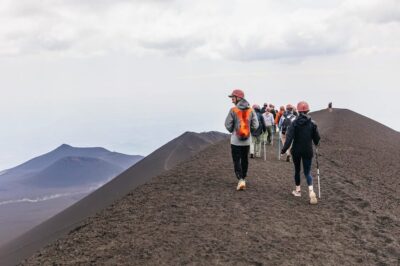
Mount Etna: Summit Crater Trek with Cable Car
Read our review →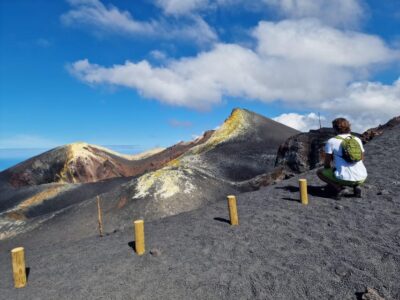
Etna: summit craters trekking with volcano guide 3350mt
Read our review →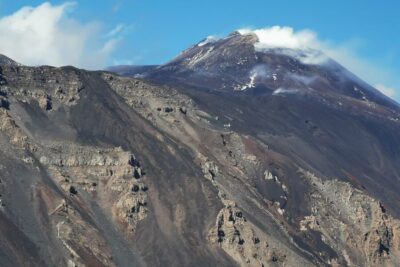
Mount Etna Trekking Tour Beyond the Tourist Trails
Read our review →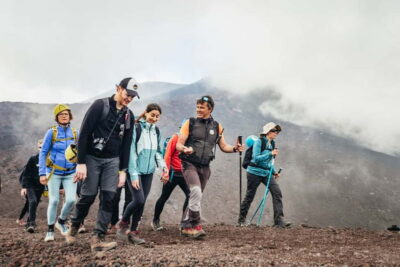
Mount Etna: Guided Trek 3,000 Meters to the Summit
Read our review →
Etna Sunset Tour: Volcano trek, Cave & tasting from Catania
Read our review →
Browse the lists this trek appears in