
Review · AREQUIPA
From Arequipa: Sillar Route Trek
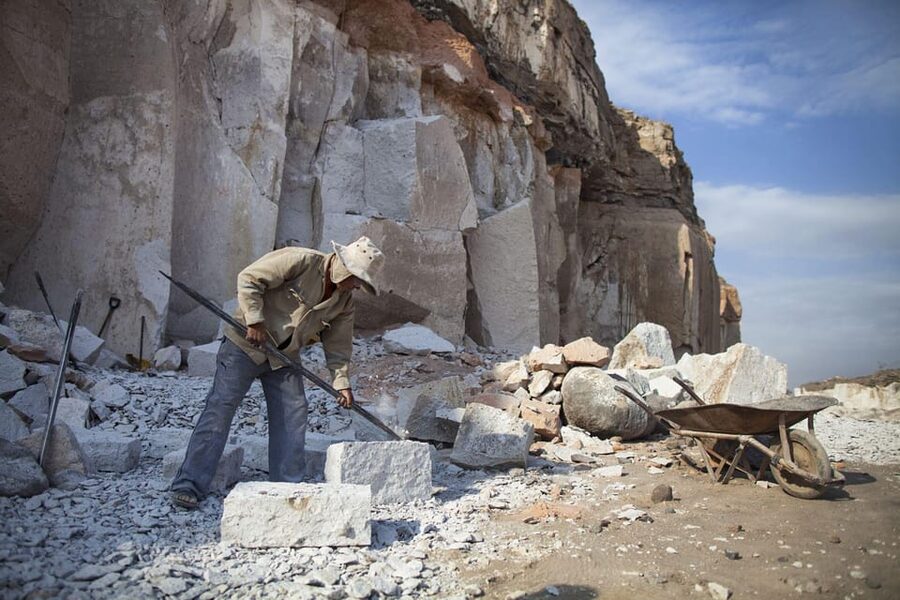
The striking thing here is that Arequipa’s famous white buildings begin as rough volcanic stone. At Añashuayco Quarry, you see the cliffs cut by hand and meet the stonemasons who shape the pale ashlar blocks used across the city. I like the direct link between the quarry and Arequipa’s churches, and I like the short walk through Culebrillas Canyon to ancient Wari petroglyphs.
The tour is a very good use of half a day for $12, but it is not a quiet, slow-paced archaeological outing. Stops can feel busy, some time may go to viewpoints or photo areas, and you need close shoes, sunscreen, water, and insect repellent. The canyon walk is easy for many people, but it still requires steady footing.
Key points to know before you go
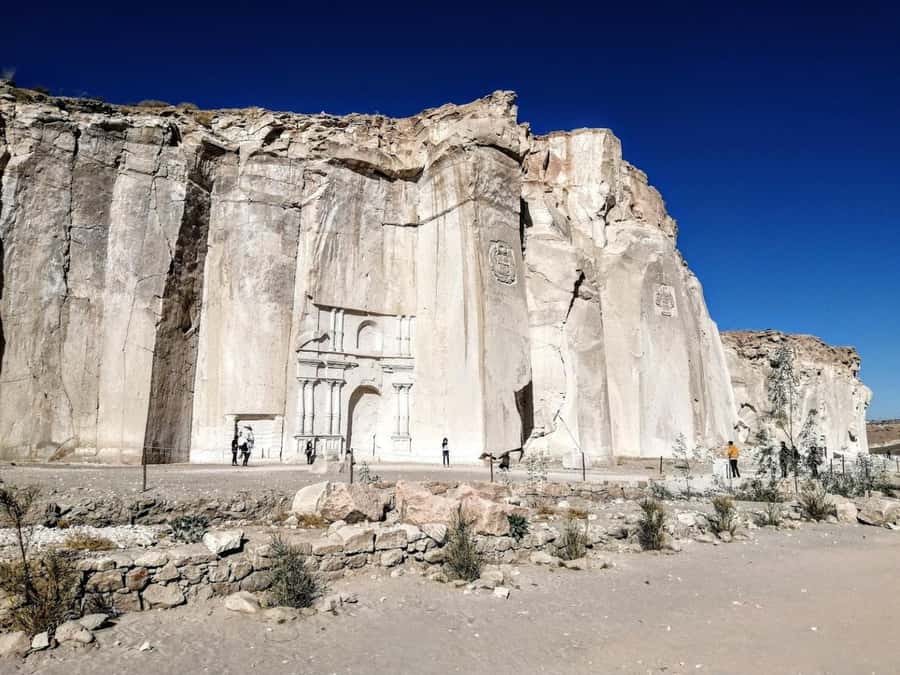
- See ashlar at its source: Añashuayco is an active quarry where stonemasons cut the white volcanic stone used in Arequipa’s grand buildings.
- Try the stonework yourself: A quarry worker may show you the process and let you try cutting a block.
- Walk into Culebrillas Canyon: The narrow canyon has walls up to 15 to 20 meters high and Wari petroglyphs at the end.
- Choose your light: The 2:00 PM departure can bring warm evening color to the rock walls and volcano views.
- Expect a practical group tour: Transportation and a bilingual guide are included, while the 18 soles entry fee is paid separately.
- Bring small cash: Purchases and entrance fees require soles, and there is no cash machine during the outing.
Why Arequipa’s white stone matters
Arequipa is famous for its pale colonial buildings, but the city’s white character is not just a design choice. Much of it comes from sillar, a light-colored volcanic stone formed from ash and material linked to eruptions in the region.
The Sillar Route lets you see this material before it becomes a church doorway, courtyard wall, or carved facade. That connection gives the tour more substance than a simple countryside photo stop. You are looking at the source of a building material that helped shape Arequipa’s appearance and local craft traditions.
The route also presents sillar as living work. The quarry is still operating, and stonemasons begin their work early. Your guide explains how the blocks are produced, how they have been used, and what daily quarry work involves. The quality of this explanation depends on the guide, but the strongest guides, including English-speaking guides such as Mike, Jose, Julia, Alexandra, and Roni, have been praised for making the subject easy to follow.
The tour is offered in English and Spanish. On mixed-language outings, the guide may switch between both languages, so explanations can take a little longer. Guides such as Alexandra and Roni have adjusted well when only one or two people needed English.
A few more treks around Peru worth a look
- From Cusco: 7 Lakes Ausangate Trek with Breakfast and Lunch
★ 4.8 · 360 reviews - From Arequipa: 2-Day Colca Canyon Trekking Tour
★ 4.8 · 243 reviews - Cusco: Full-Day Rainbow Mountain & Red Valley Trekking Tour
★ 4.5 · 121 reviews
Setting out from central Arequipa
The meeting point is the main office at C. Álvarez Thomas 115, near the corner at coordinates -16.4003911, -71.5370347. Your name is checked there before the group receives basic instructions and boards the vehicle.
The drive out takes roughly an hour in total, with the route broken up by the different stops. Some descriptions place the volcano viewpoint early, while the route may also visit it after the canyon. The order can change with the season, traffic, and the guide’s attempt to reduce crowding.
Transport is included, which matters at this price. The vehicle has been described as comfortable and clean, though at least one departure used a bus without air conditioning. Another departure used an open-top bus, so the exact vehicle can vary. Group size may be fairly large. One outing had about 25 people, while other departures may feel smaller.
This is not a luxury transfer. It is a safe, basic way to reach sites that are awkward to visit independently in a short morning. City traffic can slow the return, especially after the afternoon departure.
The Añashuayco Quarry and its stone walls
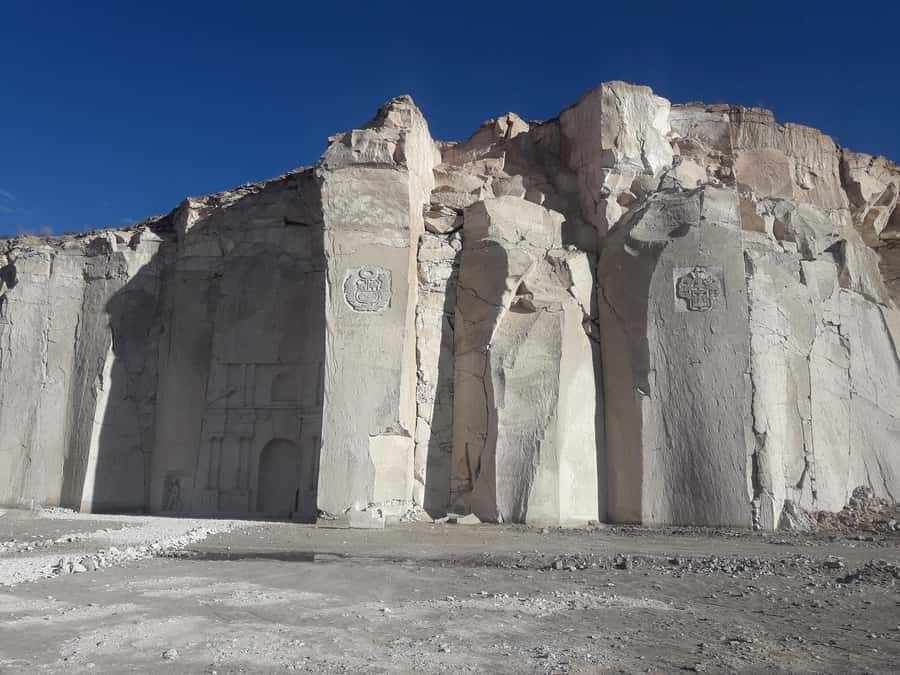
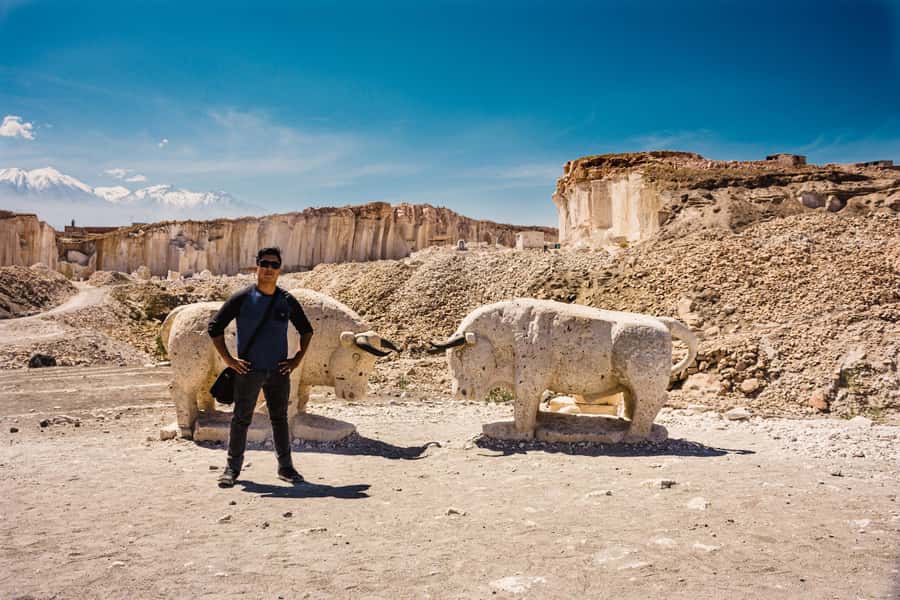
Añashuayco Quarry is the main stop for understanding the Sillar Route. After about 45 minutes at the quarry, you have time to look at the immense walls created as stone has been removed. These are not natural canyon walls in the usual sense. They are tall ignimbrite cliffs shaped by quarrying.
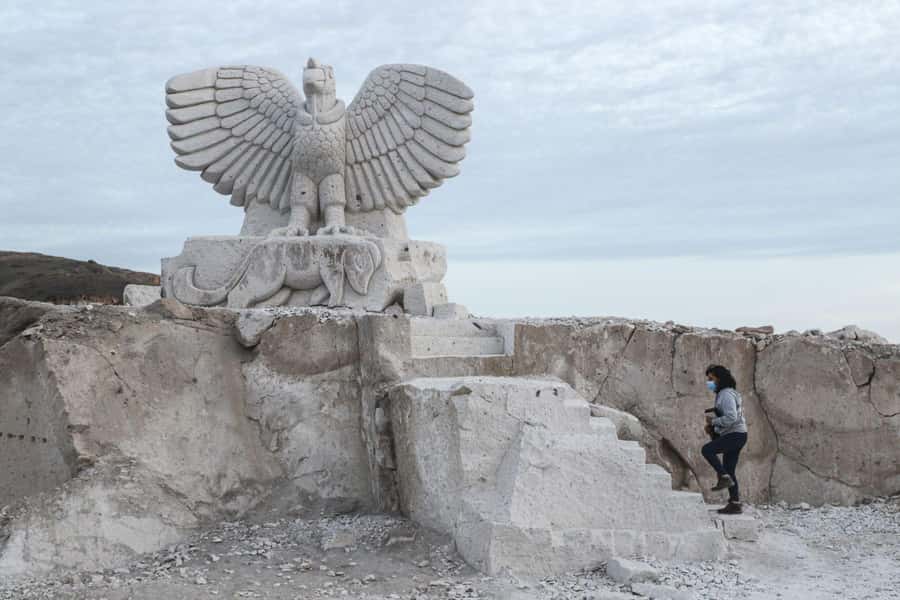
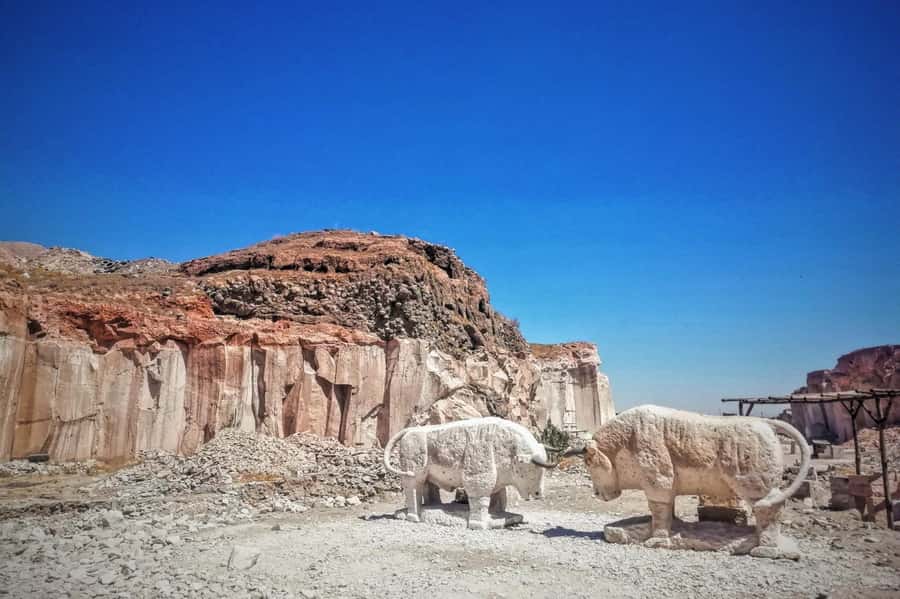
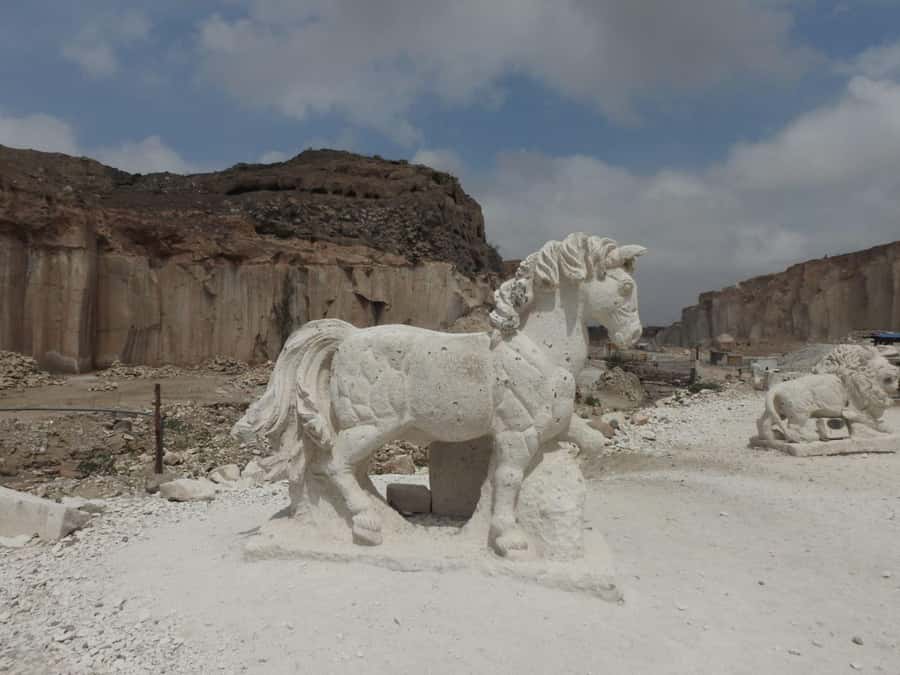
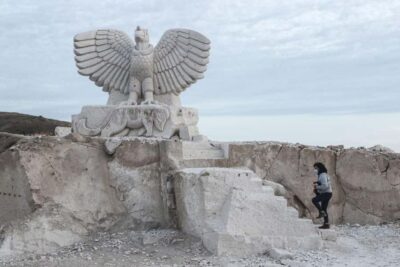
The scale is impressive, though the stop has a practical, working feel rather than a polished museum atmosphere. You see cut stone, quarry surfaces, carved figures, and the broad pale walls. Some people may find the modern photo sculptures less interesting than the working quarry itself. If you prefer traditional craft and geology, focus your attention on the quarry faces and the stonemasons.
One of the most memorable features is the large carving of the Church of the Company of Jesus. Local stonemasons made it as a tribute to Arequipa’s stonework. It helps you understand the detail possible in sillar, even though the quarry around it remains rough and active.
A visit to a stonemason can add real value. The worker explains the daily process, and you may get to try cutting one of the blocks yourself. Do not expect a long workshop. It is a brief hands-on moment, but it turns an abstract explanation into something physical. You feel how much skill is needed to produce a clean block.
The stop can also feel rushed if people spend a long time lining up for photographs. One useful tactic is to listen to the explanation first, then take your photos promptly. The group normally has enough time to see the quarry and the carvings, but not enough time for an unhurried exploration of every corner.
The 20-minute walk through Culebrillas
From Añashuayco, the vehicle continues for about 20 to 30 minutes to Quebrada de Culebrillas. This is the part I would prioritize if you prefer natural scenery and ancient traces over staged photo opportunities.
The walk into the canyon takes about 20 to 25 minutes. Water carved the narrow passage, and the walls rise from roughly 15 meters to 20 meters as you go farther in. The enclosed route feels cooler and more sheltered than the open quarry, and the changing height of the walls gives the walk a clear sense of progress.
The path is not described as strenuous, but it is still a walk over uneven ground. Wear sturdy, closed shoes. Anyone with walking problems may find the canyon difficult, particularly if the ground is rough or crowded. You should also bring insect repellent. Several departures have found it useful, along with sunscreen and a hat.
At the far end, the guide points out petroglyphs associated with the Wari culture, more than a thousand years old. They are a valuable counterpoint to the modern quarry. In one short visit, you see both ancient marks on stone and present-day stone cutting.
Crowds can affect this stop. Culebrillas is narrow, and several groups arriving together can make the walk feel less peaceful. Guides sometimes reverse the order and visit the canyon first to avoid the largest groups. Roni did this on one departure, giving the group a quieter start before continuing to the quarry.
Same trailhead, a different route:
- Cusco: 4-Day Inca Trail to Machu Picchu with Accommodation
★ 4.8 · 432 reviews - Cusco: Machu Picchu 2-Day Inca Trail with Panoramic Train
★ 4.9 · 260 reviews - From Cusco: 2-Day Inca Trail to Machu Picchu
★ 4.2 · 244 reviews - Machu Picchu: Inca Trail 2-Day Overnight Guided Tour
★ 4.9 · 203 reviews
Apachetas and the meaning of stacked stones
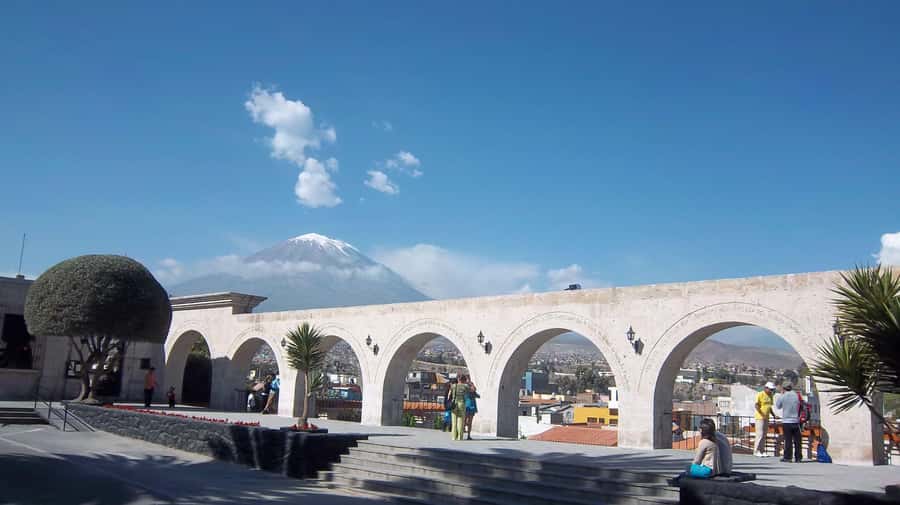
Near the canyon, you see apachetas, small piles of stones placed one above another. They are presented as symbols of gratitude toward nature and as good-luck markers. Your guide can explain the local meaning and why people continue to add stones.
The piles create a memorable visual detail, but you should treat them respectfully. This is not simply a place to build a personal tower for a photograph. The practice carries a spiritual meaning connected with nature and gratitude.
This brief stop works best when you listen to the explanation rather than rushing past it. It adds a cultural layer to a route that could otherwise feel like a quarry and canyon excursion.
Volcanoes, Andenerias, and the final viewpoint
The volcano and Andenerias viewpoint provides a broad look toward Arequipa’s surrounding peaks and the Chilina Valley. The exact viewpoint can change with the season. Guides may use a traditional viewpoint at the beginning, or visit Mirador de los Volcanes later in the route.
This is generally a photo stop rather than a long walk. You get time to look, take pictures, and hear about the area from the guide. The view helps place the quarry in its wider setting, with dry mountain terrain, volcanic forms, and agricultural terraces known as andenerias.
The viewpoint is also the least essential part for some people. If you have already visited a city viewpoint in Yanahuara, the stop may feel familiar. If this is your first broad look beyond Arequipa, it gives useful context and helps explain why volcanic material is so central to the city.
The afternoon departure at 2:00 PM has a clear advantage here. The lower sun can warm the rock and create better color in the quarry and canyon. The return may be slower because of traffic, and you may arrive back later than the morning group. For photography, I would choose the afternoon. For a firm schedule, the morning is safer.
How much time do you really get?
The full experience lasts about four hours. A typical morning begins around 9:15 AM and returns to central Arequipa near 1:30 PM. The stated route includes vehicle time, about 45 minutes at Añashuayco, a 20 to 25 minute canyon walk, and roughly 25 minutes at the volcano viewpoint.
That timing is enough to understand the route, but it is not generous. If several people stop for photos, the group can lose time waiting. Some departures have felt well paced, with enough time for explanations and pictures. Others have felt rushed at the quarry after an extra viewpoint or city stop used part of the day.
You should think of this as organized transport with guided interpretation, not a private tour with complete control over every minute. The advantage is efficiency. You see three distinct places without arranging a vehicle, finding the quarry road, or working out how to connect the canyon and viewpoint yourself.
The guide makes a large difference. Jose has been praised for explaining stonework, volcano names, local food, and the meaning of stacked stones. Mike has offered clear English and useful restaurant suggestions. Julia and Alexandra have also led English and Spanish groups effectively. Still, the language balance can vary, so tell the guide early if you need English explanations.
Price, entry fees, and overall value
The advertised price is $12 per person, which is unusually low for four hours of transport, a guide, and three separate stops. An additional 18 soles covers entrance fees to the places visited. That fee is not included, so carry soles in small denominations.
At this total cost, I see the tour as strong value if you want a quick introduction to the Sillar Route. A private vehicle would give you more control, but it would cost far more. Independent transport may also be awkward, particularly if you want to combine Añashuayco, Culebrillas, and the viewpoints in one half day.
The low price also explains the compromises. You may share the vehicle with a sizable group, spend time waiting for photo stops, and have a basic bus rather than a comfortable touring coach. The quarry can feel commercial or overly focused on modern stone sculptures if you expected a completely raw cultural experience.
Free cancellation is available up to 24 hours before departure, and you can reserve without paying immediately. Those terms are useful if your Arequipa plans may change, but the practical points matter more on the day: bring cash, arrive at the stated office, and allow extra time for the afternoon return.
What to pack for the route
Keep your daypack light, but include the basics. You will be outside at quarry and canyon sites with little shelter.
- Closed, steady walking shoes
- Sunscreen and a hat
- Insect repellent
- Water
- Small-denomination soles for the 18 soles entry fee and purchases
- A phone or camera for the stone walls, carvings, canyon, and volcano views
The dry surroundings can look bright and pale, so sun protection matters even on a cooler day. The canyon walk is short, but sandals are a poor choice on uneven ground.
Who will enjoy this half-day outing?
I would recommend it to anyone with limited time in Arequipa who wants more than colonial streets and a city viewpoint. It is especially useful early in a visit because it explains the material behind the city’s white architecture and gives you a quick look at the surrounding volcanic country.
Families and casual sightseers may appreciate the short duration and the hands-on stone demonstration. Photography-minded visitors should consider the afternoon departure, when the light can be softer. People interested in archaeology will value the Wari petroglyphs, though this is not a dedicated archaeological tour.
I would hesitate if you dislike group transport, commercial photo areas, or fixed timing. The quarry is interesting but not everyone will care for the modern sculptures, and the canyon may be busy when several groups arrive together. Anyone with limited mobility should ask careful questions before booking because the Culebrillas walk requires some walking over uneven ground.
Should you book the Sillar Route Trek?
Yes, if you want an affordable and efficient half day outside Arequipa. The best reasons are the working quarry, the chance to handle the stone, and the Culebrillas walk with its old petroglyphs. Those elements give the outing more meaning than a simple scenic drive.
Choose the morning for a predictable return and the afternoon for warmer light. Bring cash, good shoes, repellent, and modest expectations about group-tour pacing. If you can accept those limits, $12 plus 18 soles buys a useful look at the stone, craft, canyon, and volcanic setting that define Arequipa.
FAQ
How long does the Sillar Route Trek last?
The tour lasts about four hours. The morning departure begins around 9:15 AM and returns to central Arequipa at about 1:30 PM. An afternoon departure is also available at 2:00 PM.
Where is the meeting point?
The meeting point is the main office at C. Álvarez Thomas 115 in Arequipa. Your name is checked there before the group receives instructions and begins the tour.
What places does the tour visit?
The tour visits Añashuayco Quarry, Quebrada de Culebrillas, and a volcano viewpoint. The route may also include a traditional viewpoint with views toward the volcanoes and Chilina Valley.
Is transportation included?
Yes. Transportation from the meeting point to the sites and back toward central Arequipa is included.
Is a guide included?
Yes. A live guide accompanies the tour. Guiding is available in English and Spanish.
How much are the entrance fees?
The entrance fees total 18 soles per person. This amount is not included in the advertised tour price.
Can I pay the entrance fees with a card?
The tour information specifies that the entrance fees require cash in soles. There is no cash withdrawal machine during the tour, so bring the required amount before departure.
How much walking is involved?
You walk for about 20 to 25 minutes inside Culebrillas Canyon, along with walking around the quarry and viewpoints. Closed shoes are recommended.
Is the tour suitable for someone with walking problems?
The canyon walk may be difficult for anyone with walking problems. The route is short but can involve uneven ground, so consider your mobility before booking.
Can I cancel the booking?
You can cancel up to 24 hours before departure for a full refund. You can also reserve now and pay later, which keeps your plans flexible.
Just added around Peru
- Classic Choquequirao Trek – 5 Days / 4 Nights★ 5.0 · 52 reviews
- Short Inca Trail 2 Day Hike to Machu Picchu with Permits & Train★ 5.0 · 51 reviews
- 2 Day Tour Throughout the Short Inca Trail to Machu Picchu★ 5.0 · 36 reviews
- Small Group: 4-Day Inca Trail Trek to Machu Picchu★ 5.0 · 33 reviews
- 2 Day – Short Inca Trail to Machu Picchu – Group Service★ 5.0 · 30 reviews
- 5-Day: Salkantay Trek to Machupicchu and Humantay Lake★ 5.0 · 42 reviews
- 5 Day – Salkantay trek to Machu Picchu – Group Service★ 4.5 · 27 reviews
- Salkantay Trek Standard 5D/4N★ 5.0 · 48 reviews
Arequipa Trekking Tours, compared.
4 hours Tour: Route of Sillar with Trek in Culebrillas
Read our review →
Private 3 Day Colca Canyon Trekking tour (superior Service)
Read our review →
2 Day Trek Including Transfer to Puno / Colca Canyon
Read our review →
Browse the lists this trek appears in