
Review · CUSCO
Small Group: 4-Day Inca Trail Trek to Machu Picchu
The best part of this 4-day Inca Trail trek is the way Machu Picchu becomes the finish line of a long mountain journey, not simply a place reached by bus. You walk from Km 82, cross Dead Woman’s Pass at 13,828 feet, sleep in mountain camps, and enter through the Sun Gate.
I like the small group size, advertised at no more than 10 people, and the strong local support team. I also like that a chef, porters, camping equipment, meals, and the return train are included, so you can focus on walking rather than carrying a kitchen on your back.
The main consideration is the physical demand. Four days of steep climbs, stone steps, high altitude, rain, cold, and simple camps require real preparation. The inclusion details give a maximum of 12 in one place, so confirm the exact group size before booking.
Key points to know before you book
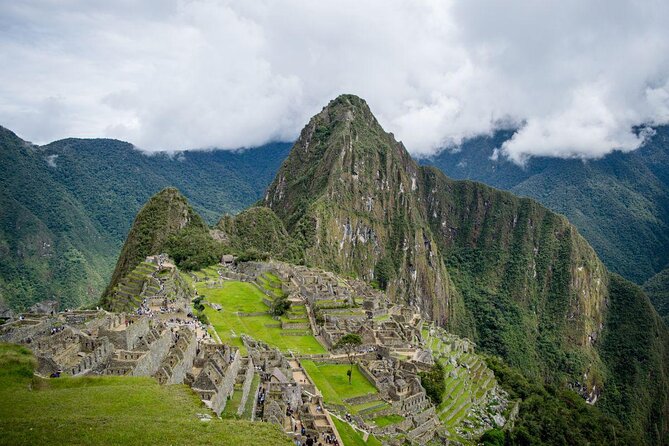
- Reach Machu Picchu through the Sun Gate: You enter the citadel after walking the final section of the original Inca Trail.
- Cross Dead Woman’s Pass: Day 2 reaches 4,215 meters, or 13,828 feet, the trek’s toughest major climb.
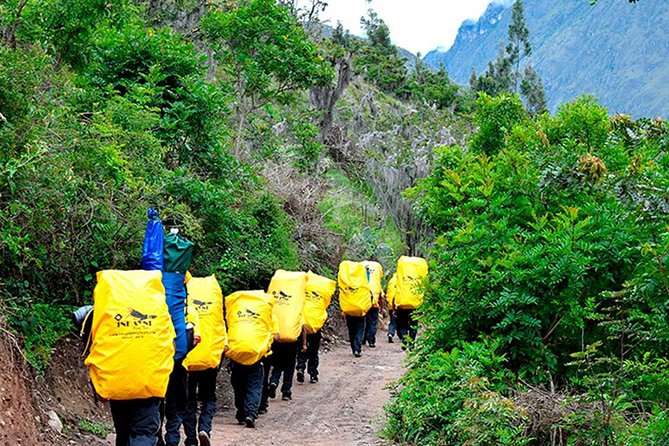
- Travel with a full support team: A chef prepares three breakfasts, three lunches, and three dinners, while porters carry camp equipment and 5 kg of your gear.
- Sleep at three trail camps: Wayllabamba, Pacaymayo, and Wiñayhuayna provide basic mountain accommodation in shared two-person tents.
- Use a permit-limited route: Only 500 people per day, including guides, cooks, and porters, may begin the Inca Trail.
- Return by train and van: After Machu Picchu and time in Aguas Calientes, you travel by train to Ollantaytambo and continue to Cusco by private van.
Why this Inca Trail route feels different
Machu Picchu is easy to visit by train, but the Inca Trail gives the place a sense of earned arrival. You see ruins before the citadel, pass through several climate zones, and spend four days watching the route change from dry mountain country to cloud forest.
The walking is not a gentle sightseeing stroll. One trekker counted roughly 71,000 steps over the four days and reached about 4,280 meters. Weather can change quickly, too. Rain, hail, cold, sun, and wet clothing are all possible, so your waterproof layer matters as much as your hiking boots.
The small group helps in practical ways. You can hear your guide more easily, stop for breaks without managing a large crowd, and get a better sense of the people walking with you. Guides named Freddy, Edwin, Herlin, Ronald, Paul, and Yoyo have led groups on this route, and the strongest praise centers on guides who combine Inca history, local culture, humor, and careful pacing.
More Inca Trail Treks in Cusco
- Cusco: 4-Day Inca Trail to Machu Picchu with Accommodation
★ 4.8 · 432 reviews - Cusco: Machu Picchu 2-Day Inca Trail with Panoramic Train
★ 4.9 · 260 reviews - From Cusco: 2-Day Inca Trail to Machu Picchu
★ 4.2 · 244 reviews
Day 1: Km 82 to Wayllabamba
Your pickup begins around 5:00 a.m. in central Cusco. A private bus heads through Chinchero, Urubamba, and Ollantaytambo before reaching Km 82 after about two and a half hours.
The early drive matters because this is not just a transfer. You get your first look at the Sacred Valley and the high country ahead. Bring breakfast, since the first morning meal is not included, and remember that you must carry your own water for the first four hours of the trek.
The hike starts with an ascent toward Wilka Rakay. From the trail, you look across to Patallacta and the Kusichaca Valley. Ancient stonework and Andean plants accompany you as the path gains height.
The first day lasts about five hours, making it the gentlest walking day of the four. You finish at Wayllabamba, at about 3,000 meters, where the crew sets up camp and prepares dinner. Your tent is shared by two people, and the listed four-person tent gives you more room than a tight two-person shelter.
The camp is basic. You should not expect showers, private rooms, or hotel comforts. You do get an inflatable mattress, a dining tent with tables and chairs, hot water each morning, and a team that carries cooking and camping equipment. Those small comforts matter after a full day on your feet.
Day 2: Dead Woman’s Pass at 4,215 meters
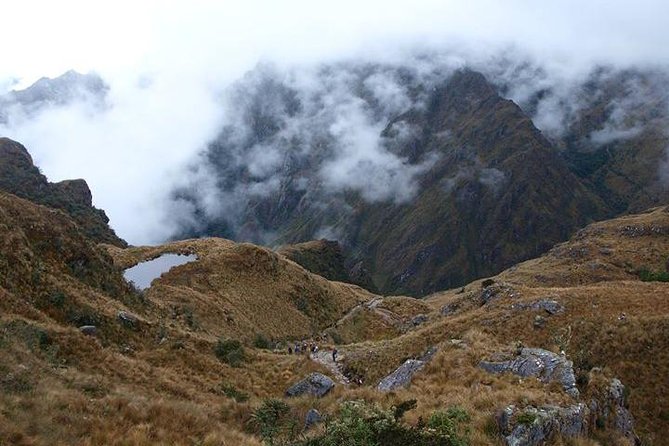
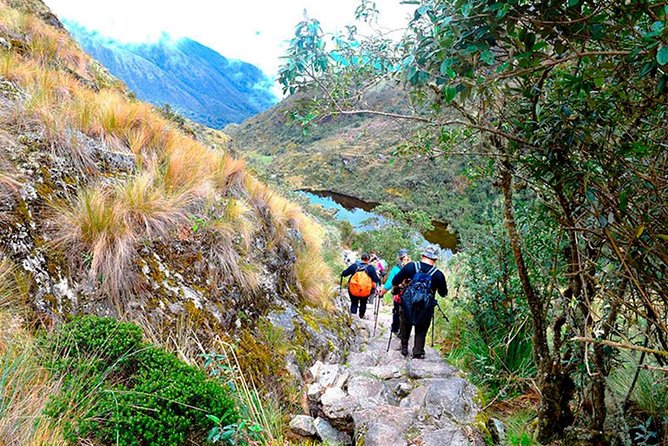
Day 2 is the test. After breakfast, you climb for about an hour to Tres Piedras, then continue through cloud forest toward Warmihuañusca, better known as Dead Woman’s Pass.
At 4,215 meters, this is the highest point on the planned route. The air is thin, and the climb can feel slow even for fit hikers. Your guide’s pacing is important here. Take short, steady steps, drink often, and stop before you feel spent rather than after.
At the pass, wide views open across the steep Andean country. The reward is real, but so is the descent. You drop sharply to Pacaymayo, at 3,600 meters, where you spend the night.
This day takes about seven hours. It is also the point where a moderate fitness level becomes more than a phrase. The tour is not recommended for people with back problems, heart disease, or other serious medical conditions. If you are unsure about altitude or long uphill walking, speak with a medical professional before committing.
The meal service earns its keep here. Chefs such as Sabino, Herminios, Mario, and Nazario have prepared filling multi-course meals in camp, including varied vegetarian food. You still need to tell the company about dietary requests before the trek. A warm dinner cannot remove the climb, but it can make the next morning feel much more manageable.
Day 3: Runkurakay, Sayacmarca, and Wiñayhuayna
Day 3 is the longest, at about eight hours, but it may be the most rewarding day for ruins and scenery.
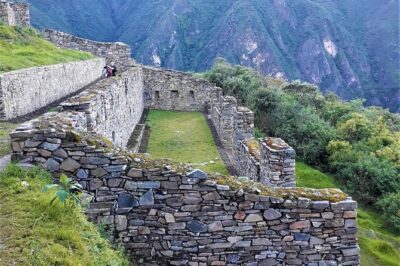
You start with a 45-minute climb to Runkurakay, an old Inca resting place. Another 45 minutes brings you to Runkurakay Pass at 4,000 meters. From there, the path descends to Sayacmarca, a dramatic site built on a steep mountainside.
Your guide can add real value here. The stonework is impressive on its own, but the route makes more sense when you understand how rest points, terraces, ceremonial areas, and paths fit together. Guides such as Freddy and Paul have been praised for adding local stories and spiritual context without turning the walk into a classroom lecture.
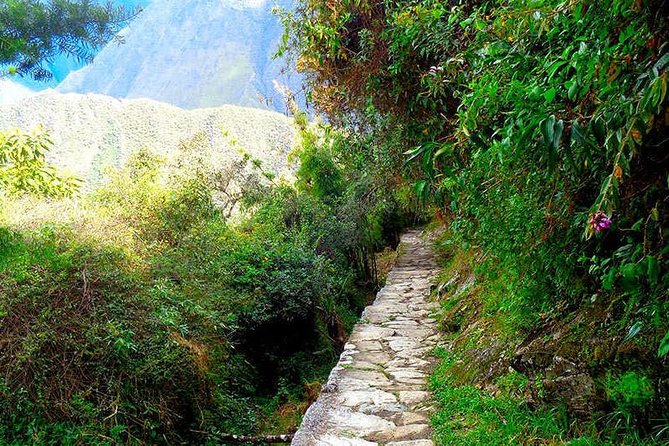
After Sayacmarca, you follow a well-preserved stone path to Chaquicocha for lunch. Then the route enters high Andean cloud forest, with thicker plants and a different feel from the open slopes of Day 2.
A narrow ridge leads toward Phuyupatamarca Pass. Views reach toward the Sacred Valley, distant peaks, and, in the right conditions, Machu Picchu. The day ends at Wiñayhuayna, the final campsite before the citadel.
Wiñayhuayna is a fitting last camp because the route feels increasingly connected to the final destination. You pass ceremonial places and agricultural terraces, then settle down knowing the Sun Gate is only a morning away. Fatigue will be significant by now, so use the evening to organize your daypack and dry clothing rather than staying up late.
Same trailhead, a different route:
- From Cusco: 7 Lakes Ausangate Trek with Breakfast and Lunch
★ 4.8 · 360 reviews - Machu Picchu: Inca Trail 2-Day Overnight Guided Tour
★ 4.9 · 203 reviews - Cusco: Full-Day Rainbow Mountain & Red Valley Trekking Tour
★ 4.5 · 121 reviews - Short Inca trail to MachuPicchu || 2days – 1nigth ||
★ 5.0 · 103 reviews
Day 4: The Sun Gate and Machu Picchu
You rise early for the last stretch to Inti Punku, the Sun Gate. This final section is relatively easy compared with the previous days and takes about an hour.
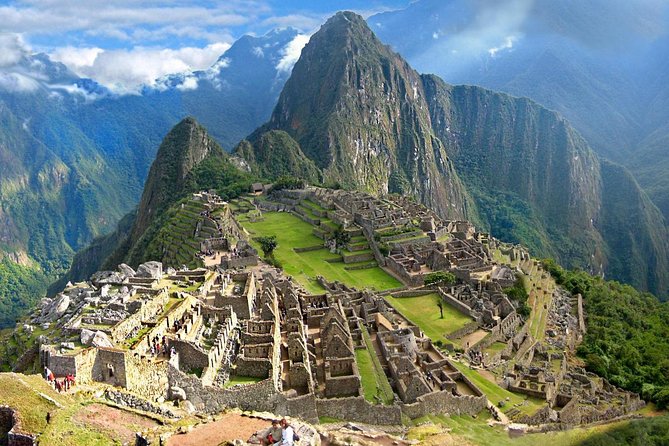
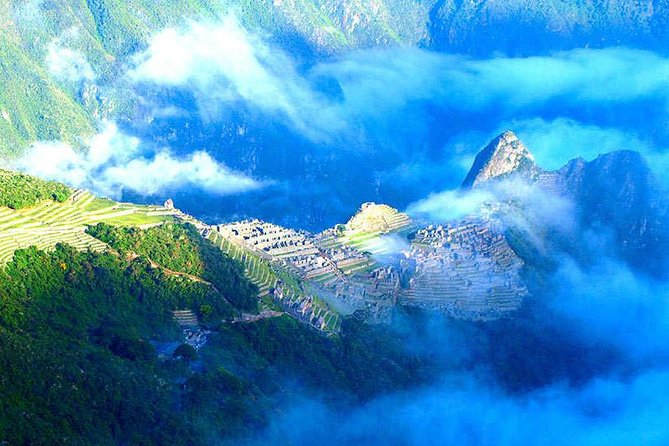
The first view of Machu Picchu comes from above. If the weather cooperates, sunrise over the Andes adds another layer to the arrival. It is one of the best reasons to choose the full trail rather than reaching Machu Picchu by train and joining the site later in the morning.
From Inti Punku, you descend for about 45 minutes to the upper terraces. This is the classic photo position, but do not rush through it. After three days of walking, the view carries more weight than a quick stop for pictures.
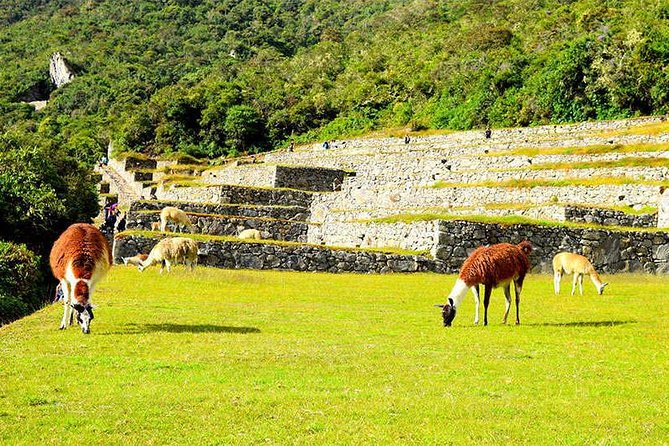
Your guide then leads you through the Inca citadel, including temples, ceremonial spaces, terraces, and storage buildings. The supplied details say an extra ticket for re-entry may be needed if you want to go back inside after leaving, so ask about the current entry arrangement during the pre-trek briefing.
Huayna Picchu and Machu Picchu Mountain are optional and cost extra. You must reserve those permits in advance. They are not casual add-ons to decide on at the gate, and the additional climbs should be considered carefully after four demanding days.
After visiting Machu Picchu, you take the bus down to Aguas Calientes. Lunch and dinner on Day 4 are not included, so budget for both. The return train runs to Ollantaytambo, followed by a private van to Cusco. The full day lasts about nine hours, so do not schedule an important late-night connection without allowing room for delays and fatigue.
What the $850 price really covers
At $850 per person, the price is not simply paying for a guide and a Machu Picchu entry. It bundles the permit, transport from central Cusco, the bus to Km 82, camping equipment, a chef, porters, a personal porter for 5 kg of gear, meals on the first three days, water after the opening section, the Machu Picchu bus, the return train, and the van back to Cusco.
That is a strong package for a four-day route. The personal porter allowance is especially useful because you can keep your daypack lighter. You still carry your own pillow, clothing layers, rain gear, medication, camera, sunscreen, insect repellent, toiletries, and other personal items.
You need to rent or bring a sleeping bag. The sleeping bag is not included, although the local operator can rent one. Travel insurance is also your responsibility, and it is strongly recommended.
The biggest value comes from the labor behind the scenes. Porters carry cooking and camping equipment, and the cooking team prepares meals at altitude with limited facilities. Treat that work with respect, pack thoughtfully, and do not assume the 5 kg allowance means you can bring everything from home.
Group size, permits, and preparation
The Inca Trail has been regulated in Peru since 2000. The daily limit of 500 people includes hikers, guides, porters, and cooks, which explains why permits can disappear months ahead. Booking at least five months before your preferred date is strongly advised.
The tour uses a small group, but the supplied information gives two different limits: 10 in the activity details and 12 in the inclusions. I would ask for the confirmed maximum before paying, especially if group size is a deciding factor for you.
You receive a briefing one or two days before departure. Use it well. Confirm pickup, food needs, sleeping bag rental, porter arrangements, passport requirements, and any flight information. A current passport is required on the trek, and an ISIC card is needed if you want to claim a student discount.
Pack for changeable conditions:
- Walking boots with reliable grip
- Waterproof jacket or rain poncho
- Warm jacket, hat, and gloves
- Comfortable trousers and spare shirts
- Sunscreen of factor 35 or higher
- Insect repellent and hand sanitizer
- Personal medication
- Torch with spare batteries
- A small daypack
- Your own water for the first four hours
The minimum age is six, but the altitude and long walking days matter more than the age rule. A young participant needs to cope with steep climbs, early starts, cold nights, and limited comfort.
The human side of the trek
The best part of the support system is not just convenience. Local guides and porters give the route a human connection. Freddy, Ronald, Herlin, Paul, Edwin, and Yoyo are all associated with groups on this route, with praise for their humor, care, cultural insight, and ability to keep a group moving without making the trek feel like a race.
The porters, sometimes called chaskis, carry the heavy work of the camp. You will see how much effort goes into making a dining tent, hot water, mattresses, tents, and cooked meals appear along a remote trail.
Food is another major strength. Expect hearty camp cooking rather than packaged trail snacks. Dishes have included local flavors, varied plates, and generous portions, including vegetarian meals. You should still bring a few personal snacks if you know you need food between scheduled meals.
Should you book this Inca Trail trek?
Book it if you want the journey to matter as much as Machu Picchu, can handle high altitude and long days, and value a local team that takes care of meals, camp, transport, and part of your luggage. The route offers ruins, mountain passes, cloud forest, and the special arrival through Inti Punku.
Think twice if you want comfortable lodging, flexible timing, or a light walking holiday. The camps are rustic, Day 2 is hard, Day 3 is long, and weather can turn a beautiful path into a wet and tiring one.
For an active visitor who prepares properly, the $850 package offers solid value. Book well ahead, confirm the group-size limit, arrange a sleeping bag, bring your original passport, and use the pre-trek briefing to settle every practical detail.
FAQ
How long is the Inca Trail trek?
The trek lasts four days, with approximately five hours of walking on Day 1, seven hours on Day 2, eight hours on Day 3, and nine hours on Day 4 including the Machu Picchu visit and return transport.
Where does the trek begin?
The walking route begins at Km 82, reached by private bus from Cusco after a scenic drive through Chinchero, Urubamba, and Ollantaytambo.
What is the highest point on the route?
The highest planned point is Dead Woman’s Pass, or Abra de Warmihuañusca, at 4,215 meters, or 13,828 feet.
Is food included?
Breakfast, lunch, and dinner are included for the first three days. Breakfast on Day 1 and lunch and dinner on Day 4 are not included.
Is a sleeping bag included?
No. You can rent one from the local tour operator or bring your own.
How much luggage can the personal porter carry?
The included personal porter carries up to 5 kg of your gear. You still need to carry your daypack and personal items.
Is transportation included after Machu Picchu?
Yes. The package includes the bus from Machu Picchu to Aguas Calientes, the train to Ollantaytambo, and a private van from Ollantaytambo to Cusco.
Can I hike Huayna Picchu or Machu Picchu Mountain?
Yes, but either hike requires a separate ticket and advance booking. The entrance fee is not included in the tour price.
What documents do I need?
You need your original, valid passport on the day of the trek. Bring an ISIC card as well if you want to qualify for a student discount.
More 4-Day Experiences in Cusco
- Choquequirao Trek 4 days and 3 nights
★ 5.0 · 81 reviews - Ancascocha Trek To Machu Picchu 4 Days And 3 Nights
★ 5.0 · 77 reviews - 4 Day Inca Trail Trek to Machu Picchu Multi day tour
★ 5.0 · 70 reviews - Classic Inca Trail 4 Days to Machu Picchu
★ 5.0 · 69 reviews
Just added around Cusco
- Classic Choquequirao Trek – 5 Days / 4 Nights★ 5.0 · 52 reviews
- Short Inca Trail 2 Day Hike to Machu Picchu with Permits & Train★ 5.0 · 51 reviews
- 2 Day Tour Throughout the Short Inca Trail to Machu Picchu★ 5.0 · 36 reviews
- 5-Day: Salkantay Trek to Machupicchu and Humantay Lake★ 5.0 · 42 reviews
- 2 Day – Short Inca Trail to Machu Picchu – Group Service★ 5.0 · 30 reviews
- 5 Day – Salkantay trek to Machu Picchu – Group Service★ 4.5 · 27 reviews
- Salkantay Trek Standard 5D/4N★ 5.0 · 48 reviews
- Short Inca Trail To Machu Picchu★ 5.0 · 35 reviews
Machu Picchu & Inca Trail Treks, compared.
4-Day Inca Trail to Machu Picchu with Accommodation
Read our review →
Machu Picchu 2-Day Inca Trail with Panoramic Train
Read our review →
Machu Picchu: Inca Trail 2-Day Overnight Guided Tour
Read our review →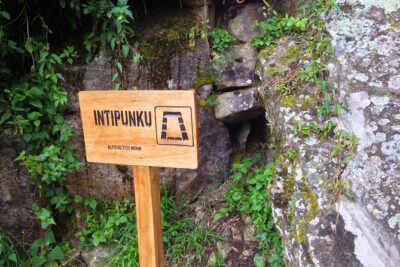
Short Inca trail to MachuPicchu || 2days – 1nigth ||
Read our review →
Machu Picchu: 5-Day Salkantay Trek with Panoramic Train
Read our review →Browse the lists this trek appears in