
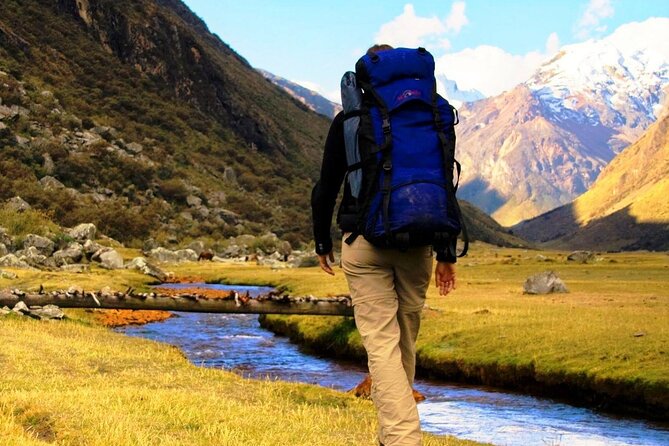
Review · CUSCO
Salkantay Trek Standard 5D/4N
The Salkantay Trek gives you a full Andean journey in five days, from the turquoise waters of Humantay Lake and the icy Salkantay Pass to coffee country, Llactapata, and Machu Picchu. It is a demanding route, but the scenery changes almost by the hour.
I like the small maximum group of 15, which should make meals, trail pacing, and questions easier to manage. I also like that the practical work is covered: a bilingual guide, cook, assistants, camping gear transport by horse, meals, camps, one hotel night, and the train back toward Cusco are included. The main caution is altitude and effort. You reach 4,600 meters on Day 2, walk for about eight hours, and still need to pay extra for the Machu Picchu bus, sleeping bag, walking poles, and optional activities.
Key points to know before booking
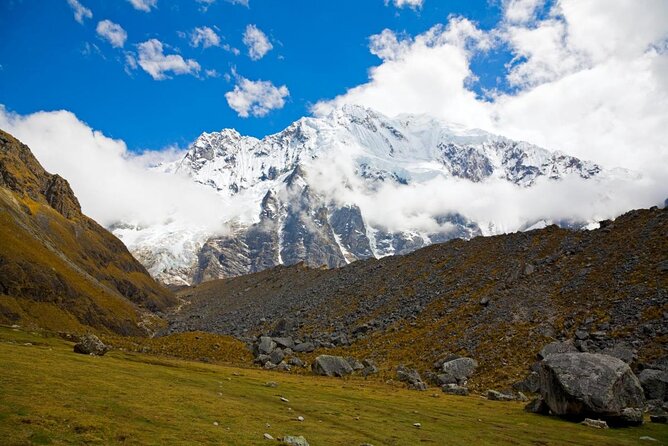
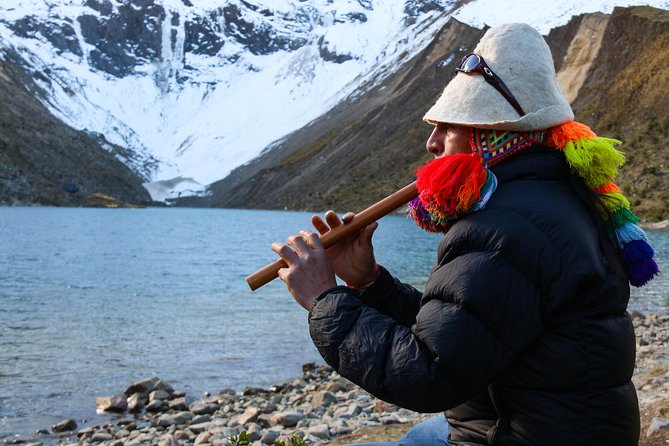
- Humantay Lake comes first: You hike to 4,200 meters on Day 1, before the main Salkantay Pass crossing.
- The highest point is 4,600 meters: Day 2 is the toughest day, with a long climb followed by a major descent.
- Three nights are spent camping: A roomy dining tent, kitchen, tables, chairs, cook, and assistants are provided.
- Lucmabamba adds variety: You move from high mountain scenery into cloud forest, coffee plantations, and optional ziplining.
- Machu Picchu is the grand finish: You sleep in Aguas Calientes on Day 4, then take an early bus up for a guided visit.
- Budget for extras: The buses to and from Machu Picchu, sleeping bag, walking poles, zipline, and Huayna Picchu or Machu Picchu Mountain are not included.
Why this route works so well
The Salkantay route is a good choice if you want more than a quick trip to Machu Picchu. You get a five-day walk through several distinct zones: dry mountain country, glacial peaks, high passes, cloud forest, coffee-growing land, and the rail valley near Aguas Calientes.
That variety is the route’s great strength. One morning you are looking at snow-covered Salkantay, and later you are walking below trees covered in bromeliads and orchids. The route does not feel like five repeated days of mountain walking.
You also avoid planning a complicated trip on your own. Transport from Cusco begins the journey, meals are arranged, the support crew carries camping equipment, and your final train and road transfers are set up. For a first multi-day trek in Peru, that can be worth a lot.
Still, this is not a gentle sightseeing holiday. The altitude is serious, the trail days are long, and the first two days ask a lot from your legs and lungs. The tour is designed for most participants, but you should be comfortable with sustained hiking and prepare for high-altitude conditions.
More Inca Trail Treks in Cusco
- Cusco: 4-Day Inca Trail to Machu Picchu with Accommodation
★ 4.8 · 432 reviews - Cusco: Machu Picchu 2-Day Inca Trail with Panoramic Train
★ 4.9 · 260 reviews - From Cusco: 2-Day Inca Trail to Machu Picchu
★ 4.2 · 244 reviews
Day 1: Mollepata, Humantay Lake, and Salkantaypampa
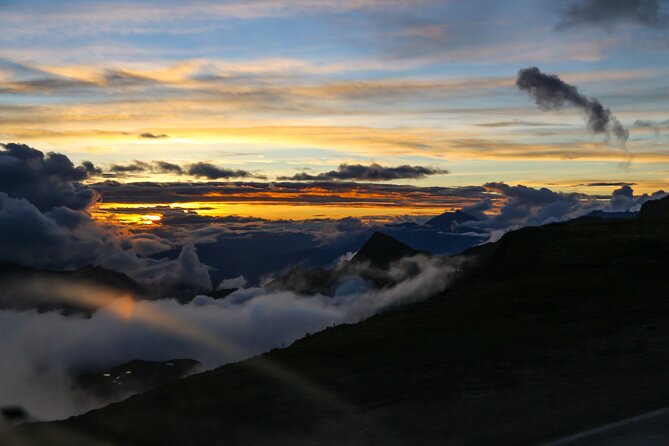
The day begins at 4:00 am at Portal de Comercio 145 in Cusco. You are transferred to Mollepata, where breakfast is provided before the trek starts at Soraypampa, at about 3,900 meters.
That early start has a purpose. It gets you to the trail and Humantay Lake before the day becomes too far advanced. You meet the horsemen and horses at Soraypampa, and they carry the camping equipment. You carry your own day items, so pack a small bag with water, layers, rain protection, and anything you need during the walk.
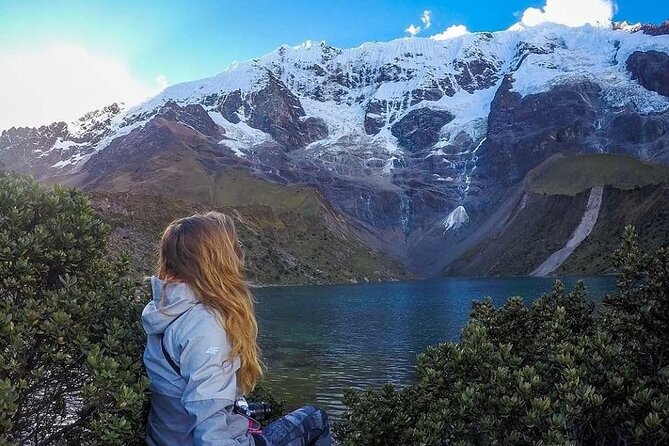
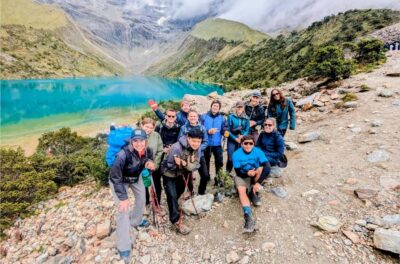
The climb to Humantay Lake reaches about 4,200 meters. The lake is one of the visual highlights of the route, set below the Humantay peak. It is also an immediate test of how your body handles altitude. The distance is not the only issue. At this height, a short uphill section can feel far harder than expected.
After visiting the lake, you return to Soraypampa for lunch. The route then continues to the Salkantaypampa base camp, where you can look toward the snowy Salkantay peak. Afternoon tea and dinner are served at camp.
I like the order of this day because you get a striking sight early, then settle into the trekking routine. The drawback is that you are already hiking at high altitude before you have fully found your rhythm. If you are coming straight from lower elevations, take the pace seriously and tell your guide if you feel unwell.
Day 2: The 4,600-meter Salkantay Pass
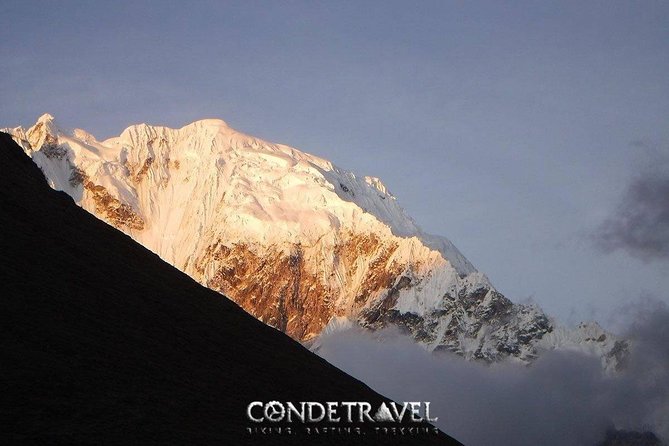
Day 2 is the hardest and most dramatic day of the trek. You wake with coca tea, eat breakfast with mountain views, and climb for about three hours to the Salkantay Pass at 4,600 meters.
This is the point where the tour’s physical demands become clear. The pass is high enough that cold, wind, thin air, and steep walking can all play a part. The route description gives this day about eight hours in total, so you should not think of the pass as the end of the work. It is the high point, not the finish line.
From the pass, you walk toward Wayrac Machaq for lunch. After that, the scenery begins to shift as you descend toward the high jungle. The change is one of the best features of the Salkantay route. Large trees stretch over streams, with bromeliads and orchids attached to their branches.
You continue downhill to the second campsite. The descent may feel easier on your breathing, but it can be tiring on your knees and feet. Walking poles are not included, so bring your own if you use them. You can also rent or buy them separately, but that needs to be arranged outside the listed inclusions.
The support setup matters on a day like this. A cook prepares meals, assistants help with camp, and the horse team carries camping equipment. You still need personal stamina, but you are not carrying the full load required for an independent trek.
Day 3: Cloud forest, coffee, and Lucmabamba
Day 3 brings another major change in scenery. After breakfast, you walk for about three hours through cloud forest, with rivers and waterfalls along the route. Lunch divides the day, followed by another three hours of hiking to Lucmabamba.
This is a more varied walking day than the high pass section. The forest gives you shade and a closer look at plant life, while the rivers and waterfalls add sound and movement to the trail. The route is still active, but the lower altitude can feel more comfortable after the previous day.
Lucmabamba is also where the trip gains a useful local connection through coffee. You can take part in activities at coffee plantations and see how coffee is processed. That makes this stop more than a place to sleep. It gives you a look at the working countryside along the route.
Ziplining is available if you book it in advance. It is not part of the basic package, so treat it as an optional add-on rather than a planned feature of the trek.
You can also ask about Cocalmayo hot springs. They are about 30 minutes from the campsite, but transportation and entrance fees are extra. This option could be appealing after three demanding days, though you should confirm the timing and cost with the operator before counting on it.
The main issue on Day 3 is energy. Six hours of hiking after the pass may sound moderate, but accumulated fatigue changes the experience. Use the lunch stop well, keep drinking water, and save enough energy to enjoy Lucmabamba rather than arriving with nothing left.
Same trailhead, a different route:
- From Cusco: 7 Lakes Ausangate Trek with Breakfast and Lunch
★ 4.8 · 360 reviews - Machu Picchu: Inca Trail 2-Day Overnight Guided Tour
★ 4.9 · 203 reviews - Cusco: Full-Day Rainbow Mountain & Red Valley Trekking Tour
★ 4.5 · 121 reviews - Short Inca trail to MachuPicchu || 2days – 1nigth ||
★ 5.0 · 103 reviews
Day 4: Llactapata, Hydroelectric, and Aguas Calientes
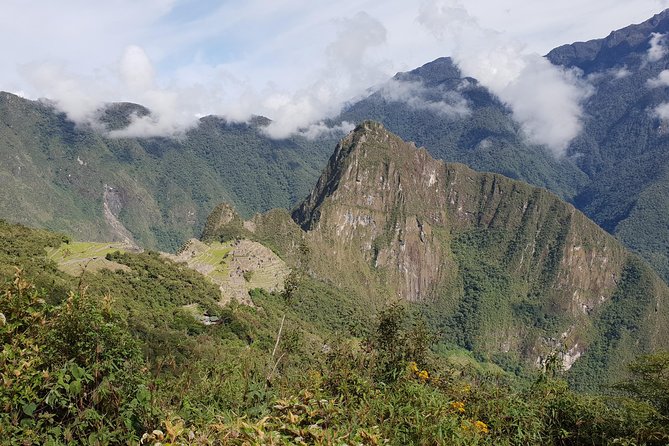
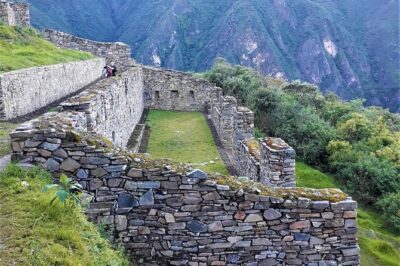
After breakfast, you start toward Llactapata. The reward is a view across the surrounding mountains toward Machu Picchu. This is an important point in the route because you begin seeing the famous site from a distance before visiting it directly.
You then walk downhill to Hydroelectric for lunch. The descent gives your body a break from climbing, but downhill walking can be hard on your knees. Good shoes matter here, and a steady pace is more useful than rushing.
After lunch, you continue for about three hours to Aguas Calientes. This is the final long walking section before the archaeological site. The route ends with a hotel night rather than another camp, which is welcome after three nights outdoors.
One of the practical strengths of this plan is the transition from trail to town. You get time to wash, sleep in a bed, and prepare for the early visit to Machu Picchu. The tradeoff is that Day 4 remains a full walking day. You do not simply arrive in Aguas Calientes by train and rest before the ruins.
Your night in Aguas Calientes is included. The train is also included for the return journey from Aguas Calientes to Ollantaytambo, followed by transport to Cusco. The listed plan does not include the bus from Aguas Calientes to Machu Picchu, so set aside money for that ride in the morning and the return trip if you do not want to walk.
Day 5: Machu Picchu at sunrise
The final morning starts early. After breakfast, you take the first buses up to Machu Picchu for sunrise. The early departure is useful because it gives you the best chance of entering near the start of the day and leaves time for a guided visit.
A professional bilingual guide accompanies you through Machu Picchu. The information provided describes this as a private tour guide experience, so clarify the exact group arrangement when booking, since the trek itself can include up to 15 people.
The entrance to Machu Picchu is included. Special mountain tickets are not. Huayna Picchu and Machu Picchu Mountain require separate entrance arrangements, and the standard tour does not include them.
After the visit, you return by train and bus toward Cusco. The included train runs from Aguas Calientes to Ollantaytambo, and transport continues from Ollantaytambo to the original meeting point in Cusco.
The route’s ending is efficient, but it is a long travel day. You are not simply leaving the ruins and settling into a hotel nearby. The included train and road transfer save you from arranging separate transport, but expect the day to continue well after your Machu Picchu visit.
Camping, meals, and support
You spend three nights camping. The setup includes a roomy dining tent and kitchen, along with tables and chairs. That small comfort matters after a wet or tiring day. A proper place to eat is much better than balancing a meal on your knees outside a small tent.
A cook and assistants prepare four breakfasts, four lunches, and four dinners. Afternoon tea is also provided on the first day, and coca tea is served when you wake on Day 2.
The camping package does not include a sleeping bag. This is an easy expense to miss, so make arrangements before departure. Walking poles are also excluded. You may not need them, but the long descents and high-altitude trail make them useful for many people.
A first aid kit is included. That is reassuring, but it does not replace personal medication or preparation for altitude. You should speak with a medical professional about altitude concerns before booking if you have a relevant health condition.
Group size, timing, and value
The group is capped at 15 people. That is small enough for a more personal feel without making the price as high as a fully private trek. A guide can usually keep better track of a group this size, and meals and camp routines should be easier to organize.
The value comes from the number of moving parts covered in one booking. You receive transportation from Cusco to Mollepata, Machu Picchu admission, a bilingual guide, cook, assistants, three camping nights, one hostel night, meals, the return train, and the transfer from Ollantaytambo to Cusco.
You still pay separately for several important items. The buses up to Machu Picchu are the most obvious. Add the cost of a sleeping bag and walking poles if needed. Ziplining, Cocalmayo hot springs, and the special mountain entrances are also extra.
Because no tour price is provided here, I cannot judge it against a precise figure. My value test is simple: compare the total booking price after adding those extras with the cost of arranging four nights of accommodation, meals, guides, transfers, Machu Picchu entry, and the train yourself. The package is most useful if you want one company handling the route and do not want to coordinate each section separately.
Cancellation and safety considerations
The experience is non-refundable and cannot be changed for any reason. That rule deserves attention before you pay. A past booking dispute also shows why you should check current conditions and cancellation terms carefully if strikes, transport problems, or civil unrest are possible.
The provider states that if the minimum number of participants is not reached and the tour is canceled, you will be offered another date or experience, or a full refund. That is different from canceling on your own, so read the terms before committing.
The route is considered suitable for most participants, but that should not be confused with easy. You climb to 4,200 meters on Day 1, reach 4,600 meters on Day 2, and walk up to eight hours that day. The trip suits you best if you already handle long walks and are ready for steep ground, cold mornings, and changing weather.
Who should book this Salkantay itinerary?
I would choose this trek if you want a physically active route to Machu Picchu and like the idea of seeing several parts of the Andes in one trip. It is especially useful if you want meals, camp support, transport, and the train organized for you.
It is a good fit for people who prefer a small group to a large coach tour, but do not need a fully private itinerary. The combination of mountain passes, forest, coffee plantations, hot-spring possibilities, and Machu Picchu gives you much more variety than a direct visit to the ruins.
I would think twice if you dislike early starts, camping, long downhill walks, or high altitude. You should also add up the excluded costs before deciding. The advertised package is not the final expense once buses, equipment, optional activities, and special mountain tickets are considered.
Should you book it?
Book this Salkantay Trek if the journey matters as much to you as Machu Picchu itself. The strongest reasons are the changing scenery, the 4,600-meter pass, the small group size, and the amount of practical support included.
Choose another plan if you want a relaxed route, guaranteed flexibility, or a short approach to Machu Picchu. This is a serious five-day hike with a fixed, non-refundable booking policy. For prepared walkers who want a well-supported mountain route ending at Peru’s most famous ruins, it offers a strong blend of adventure and convenience.
FAQ
How long does the Salkantay Trek Standard 5D/4N last?
The experience lasts five days and four nights. You spend three nights camping and one night in a hostel or hotel in Aguas Calientes.
Where does the tour start?
The meeting point is Portal de Comercio 145 in Cusco. The listed start time is 4:00 am.
What is the highest point on the trek?
The highest point is Salkantay Pass, at approximately 4,600 meters above sea level. It is reached on Day 2 after about three hours of uphill walking.
Are meals included?
Yes. The package includes four breakfasts, four lunches, and four dinners. A cook prepares the meals, and the tour also provides a dining tent, kitchen, tables, and chairs.
Is the bus to Machu Picchu included?
No. The bus from Aguas Calientes to Machu Picchu is not included, either up or down. You should budget separately for those rides.
Can I cancel the tour and receive a refund?
The experience is non-refundable and cannot be changed for any reason. If the provider cancels because the minimum number of participants is not reached, you will be offered another date or experience, or a full refund.
Just added around Cusco
- Classic Choquequirao Trek – 5 Days / 4 Nights★ 5.0 · 52 reviews
- Short Inca Trail 2 Day Hike to Machu Picchu with Permits & Train★ 5.0 · 51 reviews
- 2 Day Tour Throughout the Short Inca Trail to Machu Picchu★ 5.0 · 36 reviews
- Small Group: 4-Day Inca Trail Trek to Machu Picchu★ 5.0 · 33 reviews
- 5-Day: Salkantay Trek to Machupicchu and Humantay Lake★ 5.0 · 42 reviews
- 2 Day – Short Inca Trail to Machu Picchu – Group Service★ 5.0 · 30 reviews
- 5 Day – Salkantay trek to Machu Picchu – Group Service★ 4.5 · 27 reviews
- Short Inca Trail To Machu Picchu★ 5.0 · 35 reviews
Machu Picchu & Inca Trail Treks, compared.
4-Day Inca Trail to Machu Picchu with Accommodation
Read our review →
Machu Picchu 2-Day Inca Trail with Panoramic Train
Read our review →
Machu Picchu: Inca Trail 2-Day Overnight Guided Tour
Read our review →
Short Inca trail to MachuPicchu || 2days – 1nigth ||
Read our review →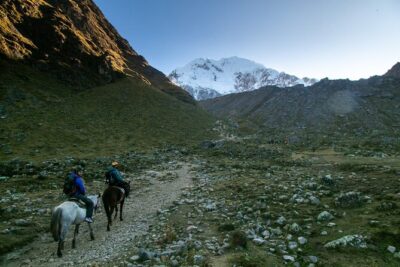
Machu Picchu: 5-Day Salkantay Trek with Panoramic Train
Read our review →Browse the lists this trek appears in