
Review · CUSCO
Inca Trail to Machu Picchu 4 Days – Small Group / Reservations 2026
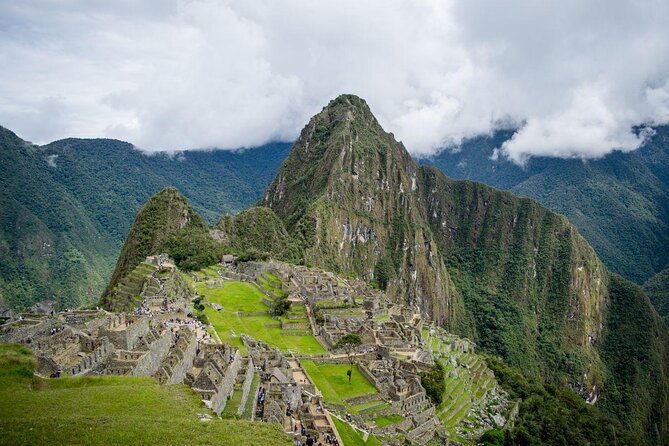
The real prize here is not simply reaching Machu Picchu. It is walking into the citadel by the old stone road, through cloud forest and Inca ruins, with the Sun Gate as your first broad view of the sanctuary. This four-day route gives you the full classic trail, including Dead Woman’s Pass, Runkuracay, Sayacmarca, Phuyupatamarca, and Wiñay Wayna.
I like the small maximum group of eight, which should make meals, walking breaks, and questions for your guide much easier. I also like the practical support: cooks, porters, a personal luggage allowance of up to 7 kilos, a Therm-a-Rest mat, and a four-person tent shared by only two people.
The catch is simple: this is a serious mountain trek, not a long sightseeing walk. Day two reaches 4,200 meters at Dead Woman’s Pass, and day four runs from a 4:00 am wake-up to a return to Cusco around 10:00 pm. You need decent fitness, good pacing, and patience with early starts.
Key points to know before you reserve
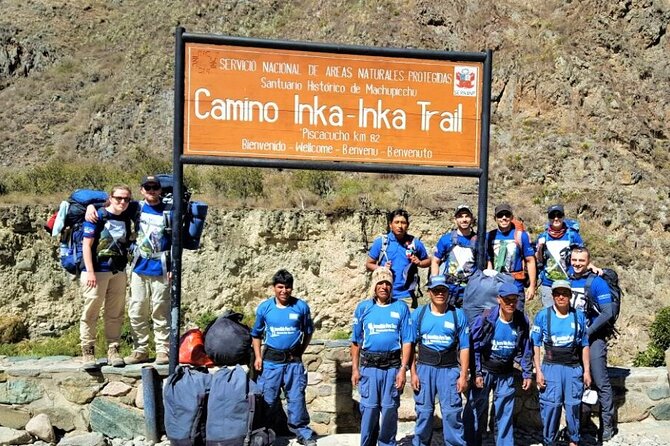
- The classic Km 82 route: You begin at Piscacucho and follow the original Inca Trail toward Machu Picchu.
- Dead Woman’s Pass is the hard day: The second day includes roughly four hours of climbing before a long descent to Pacaymayo.
- Small groups matter: The maximum is eight people, with a bilingual professional guide.
- Strong camping support: Porters carry tents, food, tables, chairs, and cooking equipment, while a personal porter can carry up to 7 kilos of your belongings.
- Meals are part of the package: You receive three breakfasts, four lunches, three dinners, and three tea times, with vegetarian, vegan, and special diets available on request.
- Huayna Picchu costs extra: The optional mountain ticket is $70 per person and must be requested ahead of time.
What $860 buys you on the Inca Trail
At $860 per person, this is not a bare-bones trek. The price covers the Inca Trail permit, Machu Picchu entry, transport from Cusco to Km 82, the return train to Ollantaytambo, onward transport to your hotel, a guide, cooks, porters, meals, camping equipment, and a personal porter allowance.
That bundle matters because the Inca Trail is a controlled route. You cannot treat it like an independent day hike and arrange every part at the last minute. The permits, train seats, campsite arrangements, and staffing all need to line up.
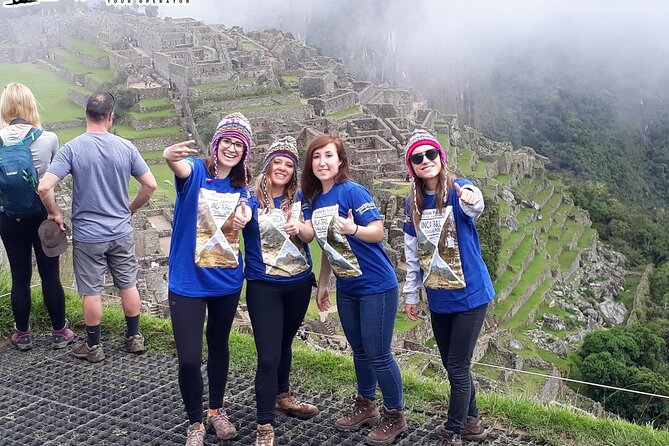
You also get a few useful extras that can reduce packing. The operator supplies a travel pillow, an inflatable Therm-a-Rest mat, a rain poncho, and an Inca Trail shirt. You still need your own backpack, clothing, shoes, and other personal items. Sleeping bags and walking sticks can be rented from the Cusco office, but they are not included.
The value is strongest if you want a supported trek rather than a self-organized camping trip. You are paying for a small team that moves the kitchen and camp equipment, prepares meals, serves food, and helps keep the trip running. If you already own all your equipment and prefer to carry it yourself, the price may feel less attractive. If you want to focus on walking and scenery, the support is worth serious consideration.
More Inca Trail Treks in Cusco
- Cusco: 4-Day Inca Trail to Machu Picchu with Accommodation
★ 4.8 · 432 reviews - Cusco: Machu Picchu 2-Day Inca Trail with Panoramic Train
★ 4.9 · 260 reviews - From Cusco: 2-Day Inca Trail to Machu Picchu
★ 4.2 · 244 reviews
Day one: From Cusco to Patallacta and Wayllabamba
Pickup begins at 6:00 am from your hotel in Cusco. Pickup is also available from a hotel in the Sacred Valley, which can save you from returning to Cusco before the trek. Bring your original passport. If you are using a student discount or student entry, bring your valid student identification as well.
The bus ride to Km 82 takes about three and a half hours. It follows the Sacred Valley, with views of the Urubamba River, Andean villages, and the Inca fortress of Ollantaytambo. Ollantaytambo is the last practical stop for toilets and small purchases, so use it. Once you reach Piscacucho, you meet the guide, porters, cook, and the rest of the group.
At the first control post, staff check your passport, permits, and trail entry. This is one reason your original passport is essential. After crossing a suspension bridge over the Urubamba River, you begin with a relatively gentle section.
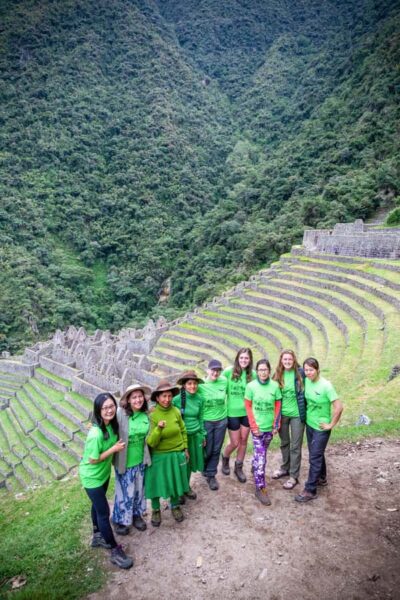
The first walking stretch follows the river toward Miskay and takes about two hours. Lunch is prepared by the cook and served at roughly 1:00 pm. From there, the trail reaches Patallacta, an old Inca settlement marked by broad agricultural terraces. This is an excellent early introduction to the route because you see a substantial archaeological site before the hardest climbs begin.
The afternoon continues for about two hours toward Wayllabamba, at around 3,000 meters. Along the way, you may see the snowy peak of Veronica, also called Wakay Willka, and the Urubamba mountain range. The route is not flat all day, but it is a sensible first stage. You arrive at camp around 5:00 pm, with tea, snacks, dinner, and a sleeping tent waiting.
The first night is a useful test of your setup. Organize your headlamp, warm layers, water, and toiletries before dinner. You will not want to hunt through a large bag after dark.
Day two: Dead Woman’s Pass at 4,200 meters
Day two is the physical test. Staff bring coca tea to your tent before breakfast, and the walk begins around 7:00 am. The route climbs from Wayllabamba through cloud forest and high grassland toward Llulluchapampa.
The first two hours are uphill. You may see hummingbirds, hawks, and eagles, along with native queñua trees. The guide encourages you to walk at your own speed, which is exactly the right approach. At this altitude, rushing only spends energy you will need later.
Llulluchapampa sits at about 3,600 meters. There is a small stream where you can cool off and refill water bottles. From there, you face another two hours of climbing to Warmiwañusca, or Dead Woman’s Pass.
At 4,200 meters, this is the highest point on the trek. The final climb is not just a matter of strength. Cold, thin air and a steady incline can make each step feel slow. Keep a coat and hat accessible, since temperatures can drop quickly at the pass.
The reward is a wide view of the Andes and the satisfaction of finishing the route’s highest climb. After a short rest and photos, the trail descends for about two hours to Pacaymayo Valley, where lunch and camp are located at around 3,600 meters.
The descent is easier on your breathing but can be hard on your knees. Walking poles are not included, so rent them if you find them useful. At camp, you get time to rest, tea and snacks around 5:00 pm, and dinner in the evening.
This is the day when the porters and guide support matter most. The team carries the group’s tents, food, tables, chairs, and kitchen equipment, while your personal porter can carry up to 7 kilos of your belongings. You should still keep your water, rain gear, warm layer, camera, and medications with you.
Day three: Runkuracay, Sayacmarca, and the cloud forest
Day three begins with tea around 6:00 am and departure at about 7:00 am. The trail climbs from Pacaymayo toward the second pass, with a stop at Runkuracay, a small circular Inca site at about 3,800 meters.
Your guide explains the site before you continue to Runkuracay Pass at approximately 4,000 meters. Two small lagoons appear along the route, then the trail descends toward Sayacmarca.
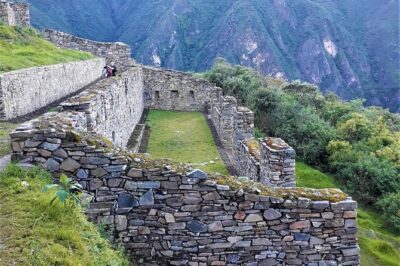
Sayacmarca means Inaccessible Town, a fitting name for an Inca settlement set among steep rocky slopes. This is one of the places where a guide adds real value. The stones, terraces, stairways, and position make more sense when someone explains how the site fits into the trail system.
After about 30 minutes more walking, you reach Chaquicocha at approximately 3,600 meters for lunch and a rest. Restrooms are available here. The afternoon section changes character as you enter cloud forest, with orchids, mosses, bromeliads, and ferns along the stone path.
You also pass through a tunnel cut into the mountain before climbing to the third pass at about 3,700 meters. The route offers views toward snowy peaks and the Urubamba River. From there, the trail drops to Phuyupatamarca, or Village Above the Clouds, another fine place for your guide to explain Inca construction and water management.
The day continues down stone stairs toward Intipata, known for its terraces and water channels. At around 2,800 meters, it feels lower and warmer than the previous camps. You then descend to Wiñay Wayna, the final camp, arriving around 5:00 pm.
Wiñay Wayna, meaning Young Forever, is one of the most anticipated stops on the route because it is close to Machu Picchu and packed with terraces and stonework. Tea, milk chocolate, coffee, cookies, and popcorn are served at camp. The guide also explains the next morning’s schedule and Machu Picchu entry process.
The final dinner includes a small ceremony and an introduction to the porters and staff. That moment gives you a chance to recognize the people who have been carrying and preparing the camp while you walk. Go to sleep early. The next morning starts before dawn.
Same trailhead, a different route:
- From Cusco: 7 Lakes Ausangate Trek with Breakfast and Lunch
★ 4.8 · 360 reviews - Machu Picchu: Inca Trail 2-Day Overnight Guided Tour
★ 4.9 · 203 reviews - Cusco: Full-Day Rainbow Mountain & Red Valley Trekking Tour
★ 4.5 · 121 reviews - Short Inca trail to MachuPicchu || 2days – 1nigth ||
★ 5.0 · 103 reviews
Day four: The Sun Gate and Machu Picchu
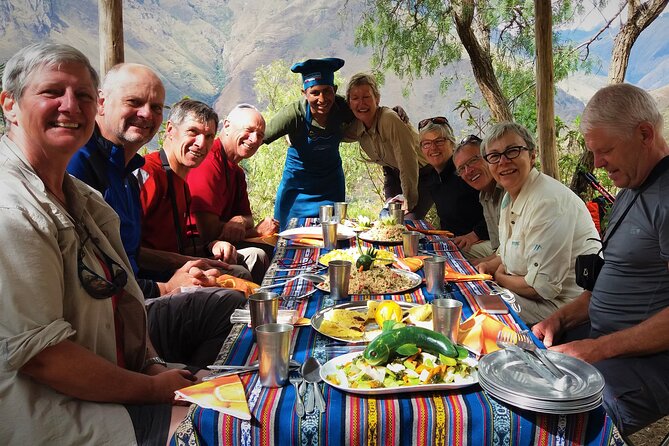
Wake-up is around 4:00 am, with breakfast at 4:30. After saying goodbye to the cook and porters, you wait at the control point for the gates to open at 5:30 am.
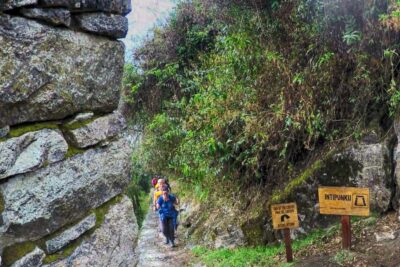
The final trail section takes about two hours. Much of it is fairly level through cloud forest, with giant ferns and a narrow route. Near Inti Punku, the Sun Gate, you climb roughly 50 steep steps.
You reach the Sun Gate around 7:00 am. This is a memorable arrival because Machu Picchu appears from above and at a distance, framed by mountains. You have time for photos before descending for about 40 minutes to the citadel.
Entry and the guided visit begin around 8:00 am. The Machu Picchu tour lasts about two hours and uses Circuits 1 and 3. These routes provide the classic citadel experience, though your exact movement inside the site follows the access rules in force for your visit.
After the guided portion, you have free time for photos and further exploration within the permitted route. Keep your expectations realistic: this is not unlimited wandering. The site is managed through fixed circuits and entry controls.
Adding Huayna Picchu
The plan includes an opportunity to climb Huayna Picchu, but the mountain ticket is not included in the $860 price. It costs $70 per person and must be requested in advance.
The climb takes about an hour each way, with time at the top for views over Machu Picchu and the surrounding mountains. Adding it makes day four much more demanding, especially after the early start and the trail into the citadel. I would choose it only if you are comfortable with steep mountain walking and have enough energy left after the main trek.
If you prefer a calmer finish, skip Huayna Picchu and use the available time for the main citadel experience. The classic trail and Machu Picchu already make for a long final day.
Lunch, train, and the long return to Cusco
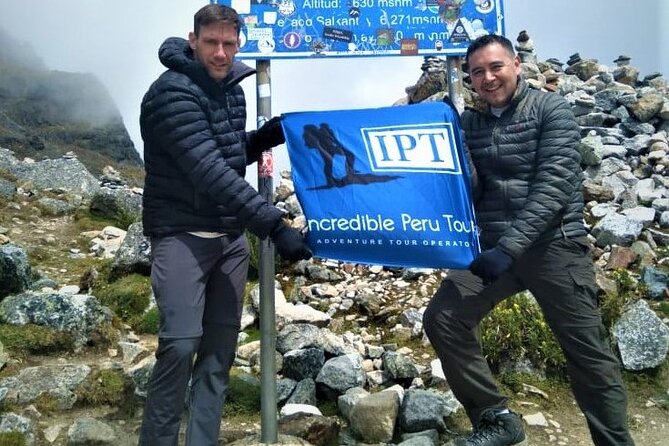
After Machu Picchu, you take the bus to Aguas Calientes and have lunch at a restaurant. You may have time to walk around town or visit the thermal baths before the return train.
The train is scheduled around 6:00 pm to Ollantaytambo, arriving around 7:40 or 7:50 pm. A staff member meets you there and transfers you by tourist bus to Cusco, with hotel drop-off around 10:00 pm. Sacred Valley hotel drop-off is also available.
This is useful door-to-door service, but it is a very long day. Do not schedule an early flight or a major activity the next morning unless you are comfortable with limited rest.
Food, camping, and the small-group setup
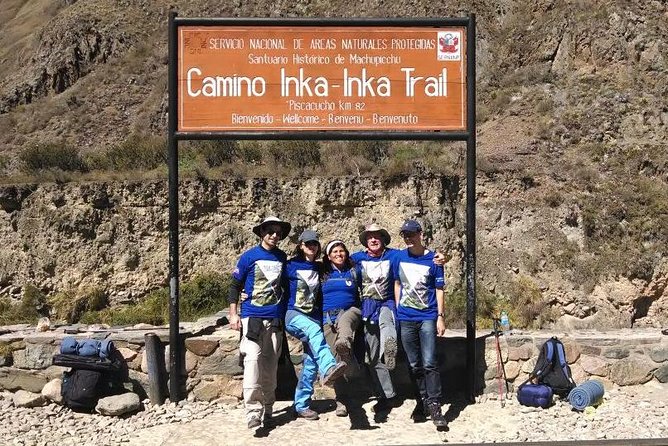
Meals are a major part of the practical value here. You receive three breakfasts, four lunches, three dinners, and three tea times. The cook and kitchen assistant prepare the food, and vegetarian, vegan, and special diets can be arranged if requested ahead of time.
Boiled water is provided each morning for refilling your bottle. Bring enough capacity for the walking sections, since water access on the trail is not the same as having a tap beside you.
The four-person sleeping tents are used by only two people. That gives you more room than a tightly packed shared tent, and the supplied inflatable mat and travel pillow reduce the amount of bulky gear you need to bring.
The dining tent has field tables, portable chairs, and a gas lamp. A separate kitchen tent allows the cooking team to work while the group eats. These are basic mountain facilities, but they make a big difference after a long climb.
The group size is capped at eight. If Paul is assigned as your guide, the experience may benefit from his clear explanations and attentive support. The wider team includes cooks and porters such as Timoteo, Julián, Nicolás, Pedro, and José Luis, who have been specifically recognized for their helpful attitude and care with food and luggage. Staffing can vary, so treat these names as examples rather than a guarantee.
Who should book this four-day trek?
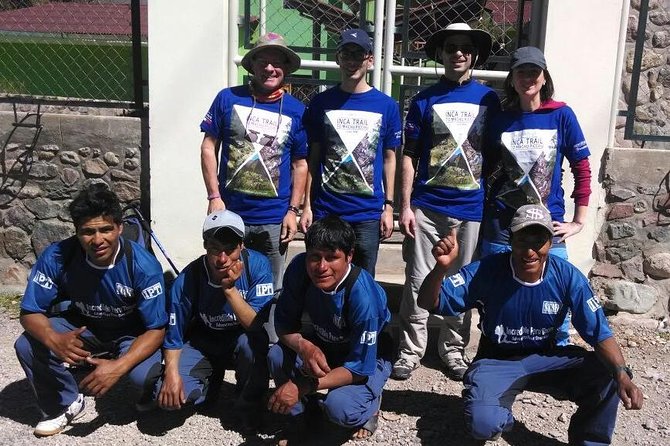
This trip suits you if you want the full historic trail rather than a short visit to Machu Picchu by train. It is also a good fit if you value a small group, organized camp support, included meals, and a guide who can explain the archaeological sites along the way.
You should be comfortable with long walking days, steep climbs, stone stairs, changing temperatures, and basic camping. A moderate fitness level is required, but you do not need to race. Slow, steady pacing is the smart way to handle altitude.
This may not suit you if you dislike early mornings, shared camping, long transfers, or a fixed schedule. The return to Cusco on day four is especially late, and Huayna Picchu adds another strenuous climb.
The operator has a 98 percent recommendation rate from 47 ratings, with an overall score of 4.8. The strongest praise centers on the guide, food, luggage help, and the attitude of the support crew. That matches the structure of the trip: its success depends as much on the staff as on the ruins.
Booking details worth checking
Reservations are often made about 57 days ahead. That is a useful signal to book early, especially since Inca Trail permits are limited and the trip runs only when space is available.
Confirmation is normally provided at booking. If you reserve within two days of departure, confirmation can take up to 48 hours and depends on availability.
You can cancel for a full refund up to three full days before the local start time. Cancellations or changes made later are not accepted for a refund.
Should you book it?
Book this trek if you want the classic Inca Trail with a small group and a well-supported camping system. The price is fair for the permits, transport, meals, porters, camping equipment, and Machu Picchu entry included.
Before paying, make three decisions: confirm your passport and student documentation, decide if you need to rent a sleeping bag and poles, and request Huayna Picchu well in advance if you want the extra climb. If you can handle Dead Woman’s Pass and the 4:00 am finale, this trip gives you the most rewarding way to arrive at Machu Picchu.
FAQ
What time does pickup begin?
Pickup begins at 6:00 am from hotels in Cusco. Pickup is also available from hotels in the Sacred Valley.
How large is the group?
The group has a maximum of eight people.
Is the Inca Trail permit included?
Yes. The package includes the Inca Trail ticket and entry to the Machu Picchu citadel.
Are meals included?
Yes. The package includes three breakfasts, four lunches, three dinners, and three tea times. Vegetarian, vegan, and special diet meals can be requested.
Can a porter carry my personal belongings?
Yes. A personal porter can carry up to 7 kilos of your personal luggage. The team also carries the tents, food, tables, chairs, and kitchen equipment.
Is Huayna Picchu included?
No. The Huayna Picchu ticket costs $70 per person and must be requested in advance.
More 4-Day Experiences in Cusco
- Choquequirao Trek 4 days and 3 nights
★ 5.0 · 81 reviews - Ancascocha Trek To Machu Picchu 4 Days And 3 Nights
★ 5.0 · 77 reviews - 4 Day Inca Trail Trek to Machu Picchu Multi day tour
★ 5.0 · 70 reviews - Classic Inca Trail 4 Days to Machu Picchu
★ 5.0 · 69 reviews
Just added around Cusco
- Classic Choquequirao Trek – 5 Days / 4 Nights★ 5.0 · 52 reviews
- Short Inca Trail 2 Day Hike to Machu Picchu with Permits & Train★ 5.0 · 51 reviews
- 2 Day Tour Throughout the Short Inca Trail to Machu Picchu★ 5.0 · 36 reviews
- Small Group: 4-Day Inca Trail Trek to Machu Picchu★ 5.0 · 33 reviews
- 5-Day: Salkantay Trek to Machupicchu and Humantay Lake★ 5.0 · 42 reviews
- 2 Day – Short Inca Trail to Machu Picchu – Group Service★ 5.0 · 30 reviews
- 5 Day – Salkantay trek to Machu Picchu – Group Service★ 4.5 · 27 reviews
- Salkantay Trek Standard 5D/4N★ 5.0 · 48 reviews
Machu Picchu & Inca Trail Treks, compared.
4-Day Inca Trail to Machu Picchu with Accommodation
Read our review →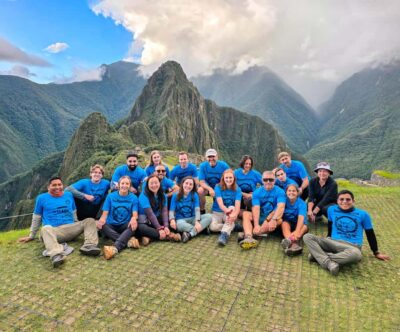
Machu Picchu 2-Day Inca Trail with Panoramic Train
Read our review →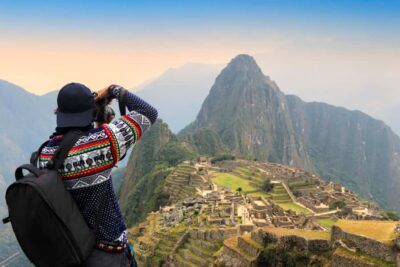
Machu Picchu: Inca Trail 2-Day Overnight Guided Tour
Read our review →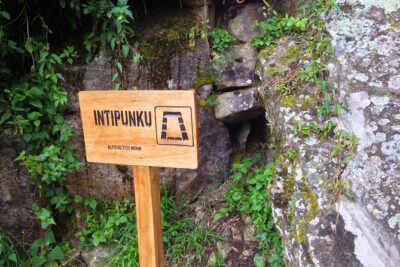
Short Inca trail to MachuPicchu || 2days – 1nigth ||
Read our review →
Machu Picchu: 5-Day Salkantay Trek with Panoramic Train
Read our review →Browse the lists this trek appears in