
Review · CUSCO
4 Days Inca Trail To Machu Picchu
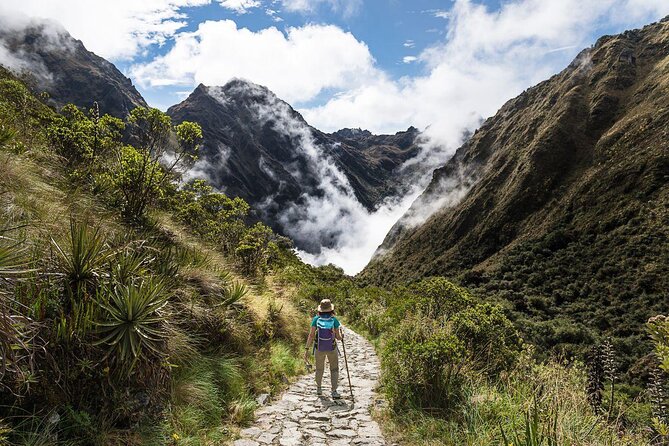
The best part of this four-day Inca Trail is the arrival at Machu Picchu on foot. After three days of stone paths, mountain passes, and Inca sites, you reach the Sun Gate and look down toward the citadel instead of arriving by bus with everyone else. That final approach gives the trip a clear sense of purpose.
I like two things right away: meals and camping equipment are included, and the package covers permits, Machu Picchu entry, buses, trains, and transfers from Cusco. The small maximum group size of 15 also gives the guide a better chance to keep an eye on everyone. The catch is simple: this is a hard hike, especially on Day 2, and camp facilities are basic.
Key points to know before booking
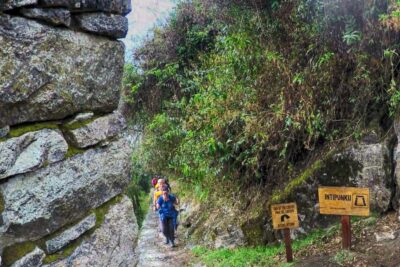
- The Sun Gate finish: You enter Machu Picchu through Inti Punku, the Sun Gate, after hiking the trail rather than taking the usual bus route.
- The 13,779-foot high point: Warmiwañusca, or Dead Woman’s Pass, is the toughest section and the physical test of the trip.
- Three nights under canvas: A tent for two and a foam mattress are supplied, but sleeping bags and walking sticks cost extra.
- Food is a major part of the package: Three breakfasts, three dinners, four lunches, and three snacks are included.
- A full transport package: Cusco pickup, trail permits, Machu Picchu admission, buses, train travel, and the return drive are covered.
- A small group, not a private trek: The maximum is 15 people, with guides, porters, cooks, and assistants supporting the group.
Why the four-day route is worth the effort
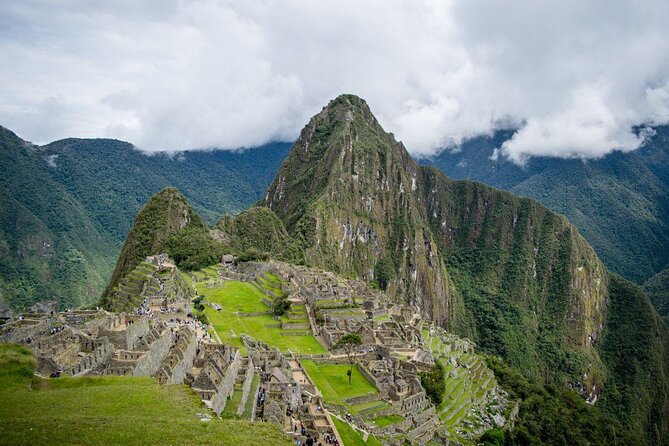
The Inca Trail is not simply a long walk to an archaeological site. It is a four-day progression, with each day changing the rhythm of the trip. You begin on a relatively manageable path, face the steepest climb on Day 2, pass several important Inca sites on Day 3, and reach Machu Picchu before most day visitors.
That progression matters. You have time to adjust to the altitude, settle into the group, and see the trail as more than a route between two points. The reward comes gradually, not all at once.
The cost is $725.20 per person. That is a serious sum, but it includes several expenses that add up quickly on an Inca Trail trip: the trail permit, Machu Picchu ticket, camping gear, porters, cooks, meals, bus tickets, train travel, hotel pickup, and the return transfer to Cusco. You still pay for a sleeping bag, walking sticks if needed, unlisted meals, and optional tips.
The permit system also affects planning. This tour is booked about 99 days ahead on average, and one review advises reserving roughly four months in advance. If your dates are fixed, I would not wait until the last minute.
More Inca Trail Treks in Cusco
- Cusco: 4-Day Inca Trail to Machu Picchu with Accommodation
★ 4.8 · 432 reviews - Cusco: Machu Picchu 2-Day Inca Trail with Panoramic Train
★ 4.9 · 260 reviews - From Cusco: 2-Day Inca Trail to Machu Picchu
★ 4.2 · 244 reviews
Day 1: Cusco to kilometer 82 and Huayllabamba
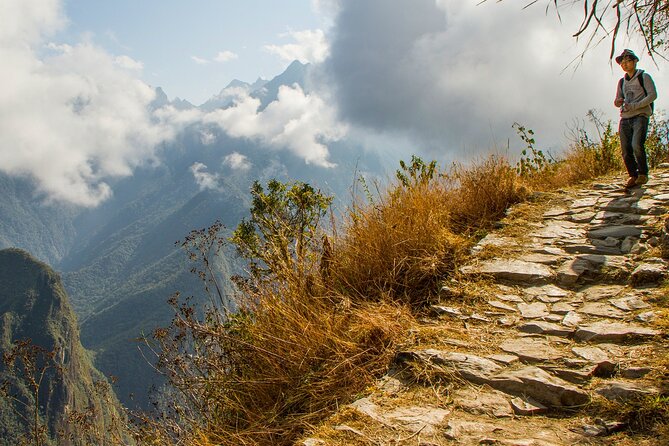
Your day begins very early, with hotel pickup around 4:20 a.m. That early start is not glamorous, but it allows the group to reach kilometer 82, the trail checkpoint, and begin hiking without wasting much of the morning.
Bring your passport. You must show it at the checkpoint before entering the trail.
The first walk lasts about two hours and leads toward Patallacta, where you meet the porters and support team and stop for lunch. The route then continues to Huayllabamba camp for dinner and your first night in a tent.
Day 1 is described as the easier opening day, though it is still a real hike after a pre-dawn departure from Cusco. The main challenge is the combination of travel, altitude, and a full walking day. I would use this day to find a comfortable pace rather than trying to impress anyone.
The support system is an important part of the experience. The package includes a tent shared by two people and a foam mattress for each person. Porters and cooks handle much of the camp work, allowing you to focus on walking, eating, and resting.
Day 2: Dead Woman’s Pass at 13,779 feet
Day 2 is the physical heart of the trip. After breakfast, you climb toward Warmiwañusca, known in English as Dead Woman’s Pass. The ascent takes about three hours and reaches 13,779 feet.
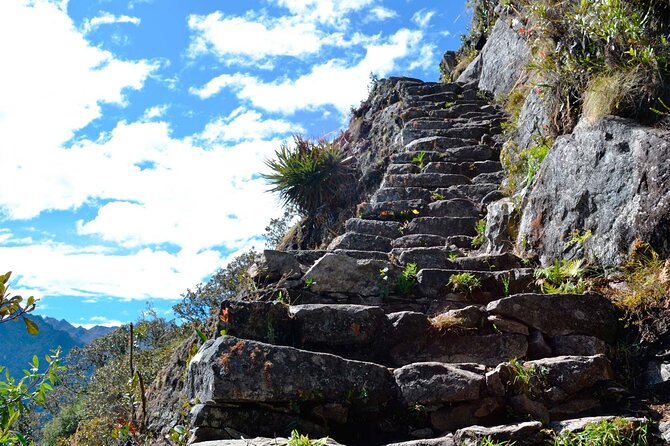
This is where the tour stops feeling like an ordinary sightseeing program. The trail rises through long sections of stone steps, and there is little point in rushing. Take short breaks, drink water, and keep your own pace. The goal is to reach the pass with enough strength left for the descent.
Reaching the top brings a strong sense of achievement, but the day is not finished. After lunch, you descend toward Pacaymayo, where dinner and the second night’s camp await.
The descent can be kinder to your lungs but harder on your knees. Walking poles are not included, although they can be rented from the operator. If you know your knees dislike long downhill sections, this is the day when poles may prove useful.
The high altitude also makes preparation important. The tour asks for a moderate fitness level, but I would treat that as a minimum, not a guarantee of comfort. Anyone planning this route should be ready for consecutive days of hiking, uneven stone steps, steep climbs, and basic camping.
Day 3: Runcurakay, Chaquicocha, and Phuyupatamarca
Day 3 covers about 15 kilometers and shifts the focus from one major climb to a long series of archaeological and scenic highlights. The route passes Runcurakay and Chaquicocha, with lunch at Chaquicocha before continuing toward Phuyupatamarca.
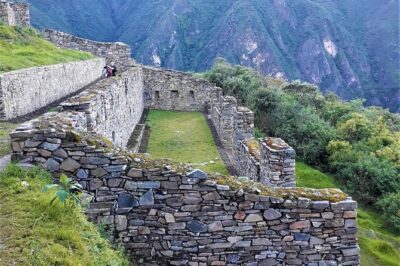
Phuyupatamarca translates as City Above the Clouds, and the name tells you what kind of setting to expect. It is an impressive Inca site on the high route, followed by the continued walk to Wiñaywayna.
Wiñaywayna is one of the most memorable stops before Machu Picchu. Here, you finish the day with dinner and spend the final night at camp. The next morning, you will already be close to the Sun Gate.
Day 3 can be deceptive. It may not have the single famous climb of Day 2, but 15 kilometers after two days on foot still takes energy. I would avoid treating it as an easy sightseeing day. The archaeological sites make it rewarding, yet your legs will know you are still on a trek.
Camp conditions are part of the bargain. Facilities are basic, and some camps have bathrooms and showers, but you should not expect electricity or hotel-style comfort. This is an outdoor trip with meals and support, not a soft adventure with a bed waiting each night.
Same trailhead, a different route:
- From Cusco: 7 Lakes Ausangate Trek with Breakfast and Lunch
★ 4.8 · 360 reviews - Machu Picchu: Inca Trail 2-Day Overnight Guided Tour
★ 4.9 · 203 reviews - Cusco: Full-Day Rainbow Mountain & Red Valley Trekking Tour
★ 4.5 · 121 reviews - Short Inca trail to MachuPicchu || 2days – 1nigth ||
★ 5.0 · 103 reviews
Day 4: Entering Machu Picchu through the Sun Gate
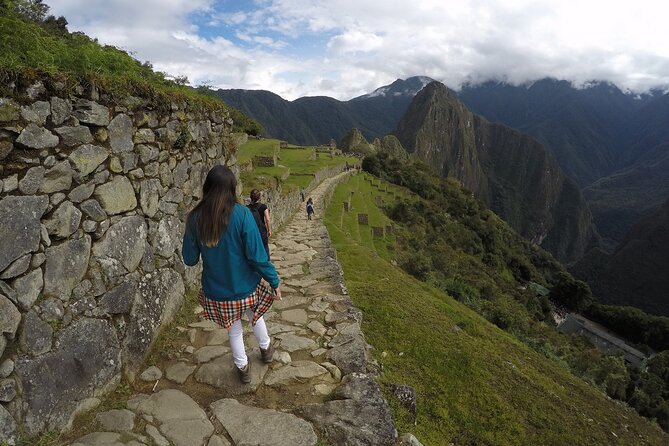
The final morning begins with the walk to Inti Punku, the Sun Gate. From there, you continue down toward Machu Picchu, at about 7,970 feet.
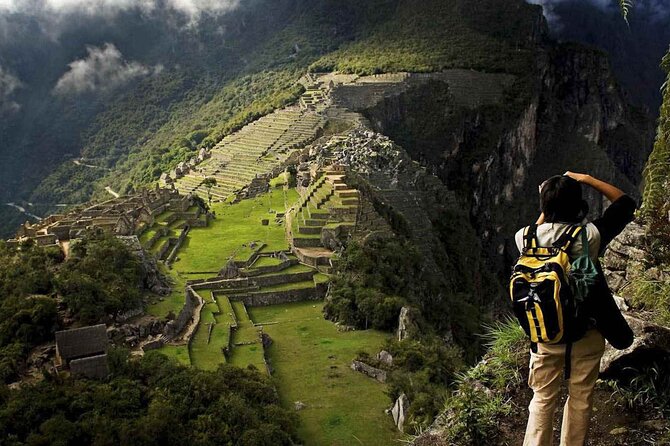
This entrance is the emotional payoff of the route. You have seen mountain passes and smaller Inca sites, but the view toward the citadel gives the entire trek its meaning. From the Sun Gate, the trail leads into the Machu Picchu area, where you show your entry ticket and begin the guided visit.
The guided tour lasts about two and a half hours. Afterward, you have free time to take photos and explore on your own. The broader stop is listed as about three hours, so you should expect a structured visit rather than unlimited time inside the sanctuary.
The tour includes both the Inca Trail entrance and Machu Picchu admission, subject to availability. If you want to add Huayna Picchu or Machu Picchu Mountain, make that request early. An added mountain climb is not listed as part of the standard package and requires advance reservation.
Lunch in Aguas Calientes and the return to Cusco
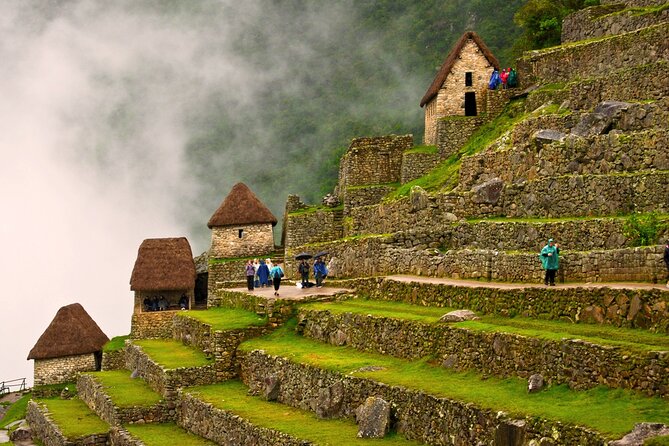
After your time at Machu Picchu, you go down to Aguas Calientes for lunch. The town is the practical gateway below the citadel, and this stop gives you a chance to eat before the return journey.
The transport details are useful to understand before you book. The package includes a round train ticket between Ollantaytambo and Aguas Calientes, plus the bus ticket between Aguas Calientes and Machu Picchu. The itinerary describes the return train from Aguas Calientes to Ollantaytambo after lunch.
At Ollantaytambo station, a MachuPicchu Journey representative is scheduled to meet you with a sign showing your name. You then ride back to Cusco and are taken to your hotel.
This is a long final day. You finish a demanding hike, visit Machu Picchu, eat lunch, board a train, transfer at Ollantaytambo, and continue by road to Cusco. I would avoid booking an important evening flight or another fixed activity on the same day.
What the food and camp support add
Food is one of the strongest practical features of this trip. The package lists three breakfasts, four lunches, three dinners, and three snacks. The cooking team is also praised for serving large portions and multi-course meals, including food described as restaurant quality.
That matters more than it may sound. A hard trek is easier when you know a hot meal is waiting at camp. You do not need to carry four days of food, and the porters and cooks take care of much of the work behind the scenes.
The exact menu is not specified, so you should ask the operator about dietary requirements before departure. The package does not include meals that are not listed, including your lunch in Aguas Calientes unless the operator confirms otherwise.
Tipping is optional for the guide, porters, and chef. Still, remember that the support team is central to the trip. You may want to plan ahead for tips rather than making a rushed decision at the end.
Guides, group size, and the human side of the hike
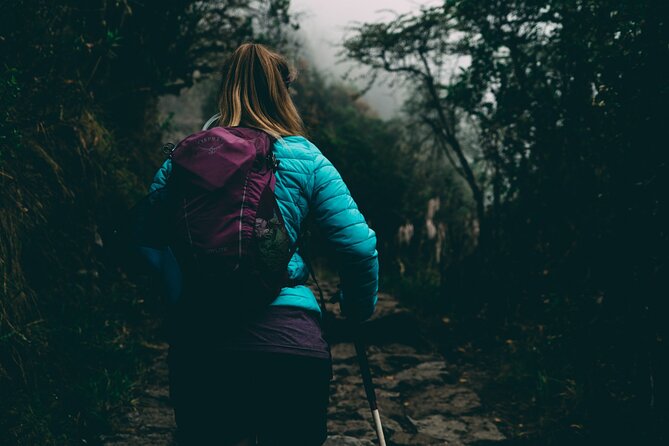
The experience is limited to a maximum of 15 people. That is small enough to feel more personal than a large trekking departure, but it is not a private trip. You will need to share the pace, camp schedule, and guide’s attention with the rest of the group.
The named guides associated with this experience include Alexsandro, Julio, Marcial, and Dante in different roles. Reports describe fluent English, positive attitudes, strong organization, and patient support from the guide, cooks, porters, and assistants. Dante is specifically associated with the cooking team.
You should still ask who will lead your departure, since staff assignments can change. What matters most is that your guide can explain the Inca sites, manage the group safely, and communicate clearly in English if that is important to you.
The camp team is not just background help. Porters carry equipment, cooks prepare meals, and assistants help keep the four-day operation moving. The package price reflects that labor, so compare the full list of inclusions rather than looking only at the headline cost.
The main drawbacks to consider
The biggest drawback is the physical demand. The second day includes the highest pass, and the third day covers about 15 kilometers after the hardest climb. Moderate fitness is required, but you should prepare specifically for hills, stairs, descents, and several walking days in a row.
The second drawback is comfort. Tents and foam mattresses are supplied, but facilities are basic. Some camps have bathrooms and showers, while electricity is not something to count on. If you need a private room, regular hot showers, or reliable charging, this is the wrong format.
The third consideration is time at Machu Picchu. You receive a guided visit of about two and a half hours and some free time, but the schedule continues to Aguas Calientes and the train afterward. If you want a slower visit, consider arranging an extra night in Aguas Calientes. That also gives you more time to rest after the hike.
Finally, availability is not automatic. The Inca Trail and Machu Picchu tickets are subject to availability, and the strong advance-booking pattern suggests that fixed dates should be planned early.
Who should book this Inca Trail trip?
I would choose this tour if you want the classic trail, prefer a supported trek over independent camping, and care about reaching Machu Picchu through the Sun Gate. It is also a good fit if you value having permits, meals, trains, buses, tents, and Cusco transfers handled in one package.
I would not choose it if you dislike early starts, steep hiking, shared camping, or a tight final-day schedule. A shorter route or a hotel-based visit would be more comfortable, though it would not provide the same four-day trail experience.
The 5-star rating from 32 reviews and 100 percent recommendation rate suggest a strong record, especially for organization, food, guides, and support staff. Even so, those positives do not change the basic reality: this is a demanding trek with simple facilities.
Should you book it?
Book this tour if the idea of earning your first view of Machu Picchu appeals to you more than arriving fresh by bus. The package offers solid value because it combines the permit, entrance tickets, food, camping, porters, trains, buses, and transfers for $725.20.
Before paying, confirm ticket availability, ask about your assigned guide, and decide if you need to rent a sleeping bag or walking sticks. Train for the climbs, reserve well ahead, and consider adding a night in Aguas Calientes if you want recovery time. For a fit hiker who wants the full classic route, this is a well-rounded way to do it.
FAQ
How long is the Inca Trail tour?
The tour lasts four days and includes three nights of tent camping before the return to Cusco.
What time is hotel pickup in Cusco?
Pickup is scheduled for around 4:20 a.m. on Day 1.
Where does the hike begin?
The group travels to kilometer 82, where you show your passport at the checkpoint and begin the Inca Trail.
How high is the highest point?
Warmiwañusca, also called Dead Woman’s Pass, reaches 13,779 feet.
How difficult is the hike?
A moderate level of physical fitness is required. Day 2 is described as the hardest section because of the long climb to the pass.
Are meals included?
Yes. The package includes three breakfasts, four lunches, three dinners, and three snacks. Other meals are not included.
Is camping equipment provided?
A tent shared by two people and one foam mattress per person are included. Sleeping bags and walking sticks are not included, but they can be rented from the operator.
Is Machu Picchu admission included?
Yes. The Inca Trail and Machu Picchu entrance tickets are included, subject to availability.
How long is the guided visit at Machu Picchu?
The guided tour lasts about two and a half hours, followed by free time for photos and independent exploration.
How do you return to Cusco?
After lunch in Aguas Calientes, you take the train to Ollantaytambo. A MachuPicchu Journey representative then meets you at the station and takes you by vehicle to your Cusco hotel.
More 4-Day Experiences in Cusco
- Choquequirao Trek 4 days and 3 nights
★ 5.0 · 81 reviews - Ancascocha Trek To Machu Picchu 4 Days And 3 Nights
★ 5.0 · 77 reviews - 4 Day Inca Trail Trek to Machu Picchu Multi day tour
★ 5.0 · 70 reviews - Classic Inca Trail 4 Days to Machu Picchu
★ 5.0 · 69 reviews
Just added around Cusco
- Classic Choquequirao Trek – 5 Days / 4 Nights★ 5.0 · 52 reviews
- Short Inca Trail 2 Day Hike to Machu Picchu with Permits & Train★ 5.0 · 51 reviews
- 2 Day Tour Throughout the Short Inca Trail to Machu Picchu★ 5.0 · 36 reviews
- Small Group: 4-Day Inca Trail Trek to Machu Picchu★ 5.0 · 33 reviews
- 5-Day: Salkantay Trek to Machupicchu and Humantay Lake★ 5.0 · 42 reviews
- 2 Day – Short Inca Trail to Machu Picchu – Group Service★ 5.0 · 30 reviews
- 5 Day – Salkantay trek to Machu Picchu – Group Service★ 4.5 · 27 reviews
- Salkantay Trek Standard 5D/4N★ 5.0 · 48 reviews
Machu Picchu & Inca Trail Treks, compared.
4-Day Inca Trail to Machu Picchu with Accommodation
Read our review →
Machu Picchu 2-Day Inca Trail with Panoramic Train
Read our review →
Machu Picchu: Inca Trail 2-Day Overnight Guided Tour
Read our review →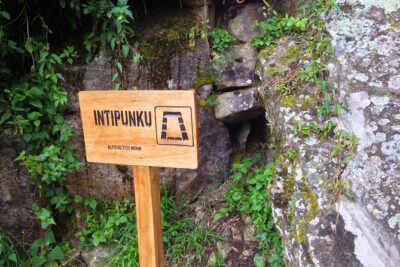
Short Inca trail to MachuPicchu || 2days – 1nigth ||
Read our review →
Machu Picchu: 5-Day Salkantay Trek with Panoramic Train
Read our review →Browse the lists this trek appears in