
Review · CUSCO
Choquequirao Trek 4 days and 3 nights
Choquequirao is the kind of Inca site you reach by earning it. The four-day route drops into the Apurimac Canyon, climbs through changing vegetation, and brings you to a vast stone citadel that sees far fewer people than Machu Picchu. The solitude is the real prize.
I like the practical setup: your guide, chef, and porter handle the hard work around camp, while you carry only a small personal load. I also like the small-group format, with a maximum of 16 people, and the reported limit of about 12 on many departures. The main drawback is simple: this is a demanding trek with long uphill and downhill sections, very early starts, and some confusing details in the published day-by-day schedule that you should confirm before booking.
Key points at a glance
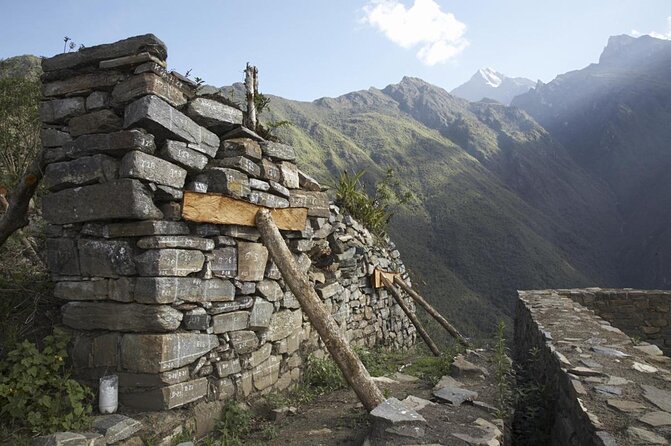
- A quiet route to a major Inca site: Choquequirao often feels wonderfully empty compared with Machu Picchu.
- Big canyon views: The first day brings wide views into the Apurimac Canyon, followed by changing scenery from high Andean country to cloud-forest vegetation.
- Strong camp support: A chef prepares four breakfasts, four lunches, and three dinners, while a porter carries up to 7 kilograms of your personal gear.
- A serious physical challenge: Expect steep descents, long climbs, and roughly six to eight hours of walking on the main days.
- A useful final stop: The return journey includes Saywite, an unusual carved stone site, before you reach your Cusco hotel around 5 p.m.
- Good value for a supported trek: At $698, the price covers transport, guides, meals, camping support, and the porter service.
Why Choquequirao is worth the hard work
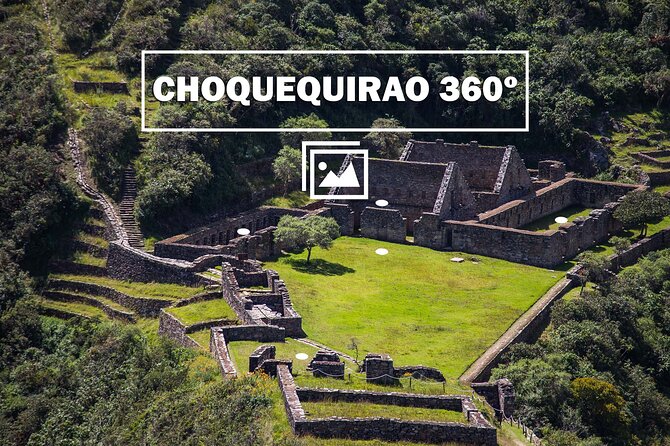
I would choose this trek for the destination and the sense of space. Choquequirao is often called a lost city of the Incas, though the ruins are not truly lost. They sit high above the Apurimac River, reached by a route that keeps casual sightseers away.
That remoteness changes the mood. You are not simply stepping off a bus, taking a quick photograph, and moving on. You spend days walking toward the ruins, with the canyon opening below you and the mountains shifting around you. When you finally reach the citadel, the setting feels like part of the reward.
The trade-off is that Choquequirao is not an easy substitute for Machu Picchu. You do not get a train, a short bus ride, or a gentle path. You get sustained climbs and descents, basic camping, and a schedule that begins before dawn. I would recommend it only if you already know that several hours of mountain walking suits you.
The listed package price of $698 per person is reasonable for a supported four-day trek. It includes round-trip transport, professional English-speaking guides, a cook, a porter for up to 7 kilograms, meals, and the archaeological admissions indicated for the route. You are not paying only for a guide and a walk. You are paying for a small moving camp and the staff needed to keep it running.
More Inca Trail Treks in Cusco
- Cusco: 4-Day Inca Trail to Machu Picchu with Accommodation
★ 4.8 · 432 reviews - Cusco: Machu Picchu 2-Day Inca Trail with Panoramic Train
★ 4.9 · 260 reviews - From Cusco: 2-Day Inca Trail to Machu Picchu
★ 4.2 · 244 reviews
The early departure from Cusco
The day begins between 4:30 and 5 a.m. with pickup from your Cusco hotel, or from the airport if arranged as part of your transfer. The drive heads across the Andes toward Capuliyoc, with arrival expected around 8:30 a.m.
That early start matters. You need to be ready before most of Cusco is awake, and the drive itself is part of the first day. A pre-departure briefing takes place at 6 p.m. the night before, so use it to confirm pickup time, packing arrangements, food needs, and any equipment you plan to rent.
You should also have your passport details ready when booking. The required information includes your full name, passport number, expiry date, and country. A valid passport is required on the day of the trek.
Day 1: Capuliyoc to Santa Rosa
The trek starts at Capuliyoc, at about 2,911 meters, or 9,550 feet. After breakfast, you begin with a long descent to Chiquiska, where lunch is served after roughly four hours of walking.
This first section gives you the Apurimac Canyon views that make the route special. The scenery shifts as you lose altitude, moving from the high country toward denser vegetation. It is a fine introduction to the route, but do not mistake downhill for easy. A four-hour descent can be hard on your knees, especially on uneven ground.
After lunch, you continue downhill for about two more hours to Santa Rosa, where the first camp is set at approximately 1,478 meters. The published distance is 10.8 kilometers, or 6.7 miles, with about six hours of hiking.
I like the way this day gives you a clear sense of the terrain. You begin high, then drop into the canyon, and camp far below your starting point. The catch is that the next stages require you to regain much of that lost height, so save some energy and do not race the first descent.
Day 2: The climb toward Marampata and Choquequirao
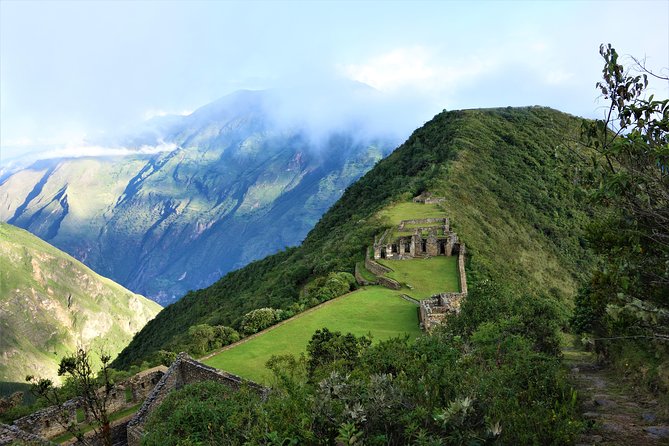
The second day is meant to take you from the lower camp toward Marampata and then on to the Choquequirao area. This is where you should ask the operator to clarify the exact route and camp plan before departure.
The supplied schedule repeats the first day’s Capuliyoc to Santa Rosa description under the second day. That appears to be a publishing error, because the day heading refers to Marampata and Choquequirao. The published material does not give a dependable distance, walking time, or overnight location for this section.
That is not a reason to reject the trek. It is a reason to confirm the details in writing. Ask how long you will walk on day two, whether you visit the citadel that afternoon or the next morning, and where you sleep that night. A good pre-departure briefing should settle these points.
The climb toward Marampata is a major part of the physical challenge. You are working back up from the canyon, so expect a steady uphill effort rather than a relaxed approach. The reward is a more commanding view across the valley and a closer sense that you are reaching the ruins under your own power.
Same trailhead, a different route:
- From Cusco: 7 Lakes Ausangate Trek with Breakfast and Lunch
★ 4.8 · 360 reviews - Machu Picchu: Inca Trail 2-Day Overnight Guided Tour
★ 4.9 · 203 reviews - Cusco: Full-Day Rainbow Mountain & Red Valley Trekking Tour
★ 4.5 · 121 reviews - Short Inca trail to MachuPicchu || 2days – 1nigth ||
★ 5.0 · 103 reviews
Choquequirao Citadel: time to explore
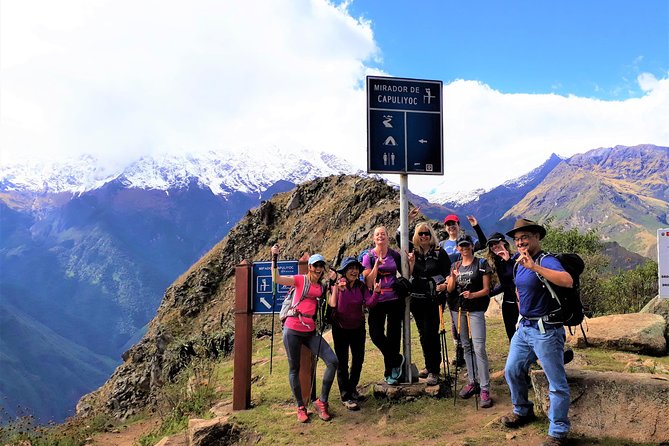
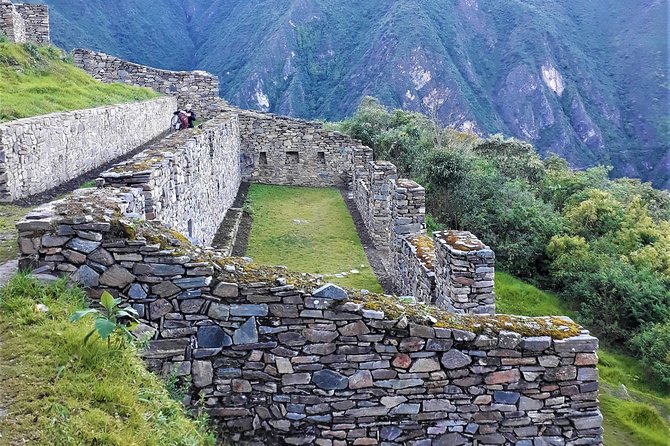
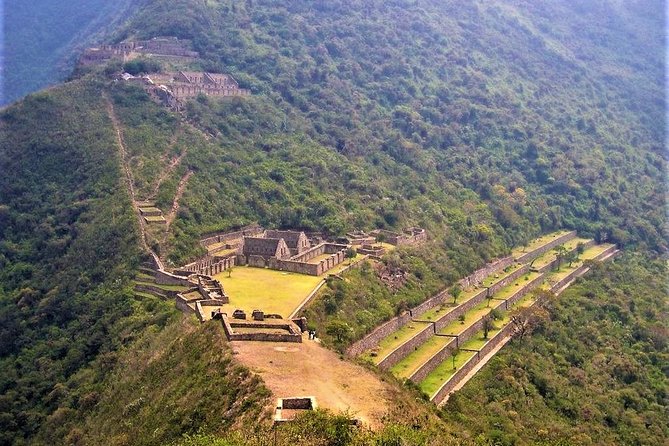
The citadel is the main event, and you should allow time to appreciate more than the headline view. Choquequirao is a large archaeological site spread across steep terrain, so the experience is not limited to one plaza or one lookout.
The most appealing feature is the quiet. The route attracts far fewer people than the classic Inca Trail, and the site can feel remarkably open. That gives you room to stop, look closely, and listen to your guide without the constant movement found at Peru’s busiest attractions.
Guiding quality matters here. Past departures have included guides such as Elias, Sebastian, Gary, Sergio, Abelardo, Alexis, Pepe, and Eddie. The most useful guide is not simply someone who points out stones. You want someone who can explain the Inca setting, connect the ruins to the surrounding terrain, pace the group sensibly, and help when the steep sections become tiring.
The information provided for day three begins with time around Choquequirao, including a sunrise at this remarkable mountain site. It then describes a descent toward Santa Rosa, followed by more downhill walking and a climb to camp near Chiquiska. The distances and elevations given for this day do not fully agree with one another, so I would again confirm the actual plan locally.
Day 3: Flowers, waterfalls, and a long return
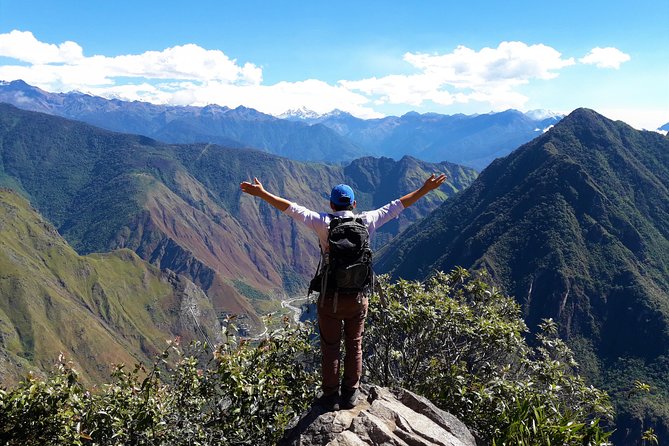
The third day is described as about eight hours of walking. It includes a long descent to a lunch stop, another downhill section, and then an uphill climb to the next camp. That pattern is typical of canyon trekking: down, down, then up again when the trail crosses a side valley.
The natural scenery is one of the pleasures of this day. The route passes many types of flowers, birdlife, and distant waterfalls. You are not walking through the same setting all day. Vegetation changes with altitude, and the canyon keeps opening new views.
Still, eight hours is a long day, especially after the earlier climbs. Carry water, use trekking poles if you benefit from them, and keep your pace steady. Poles are not included, but the operator offers guidance about optional rental equipment. A sleeping bag and mattress are also optional extras, so confirm what you need before leaving Cusco.
The camp elevations in the published details vary, and one distance is listed inconsistently. Treat the precise figures as approximate rather than fixed. The important point is that this day is demanding, with both downhill and uphill work after the citadel visit.
Day 4: The final climb and Saywite
The last day starts with breakfast and a final uphill walk to Capuliyoc. The stated climb takes about four hours, followed by lunch and a farewell to the support team.
After lunch, private transport takes you to Saywite, an archaeological site known for its unusual carved stone. It is a welcome change after several days of walking. You get time to explore the site before the return to your hotel, expected around 5 p.m.
The day is described in one place as eight hours, although the walking portion is also presented as a four-hour climb followed by transport and sightseeing. Ask the guide to confirm the timing. Either way, you should expect tired legs, and the Saywite visit may feel either like a fascinating final chapter or one stop too many, depending on your energy.
I like having Saywite included because it gives the return journey a purpose. You are not simply driven back to Cusco after the trek. You get one more archaeological stop, this time without another major mountain crossing.
Food, porters, and camp support
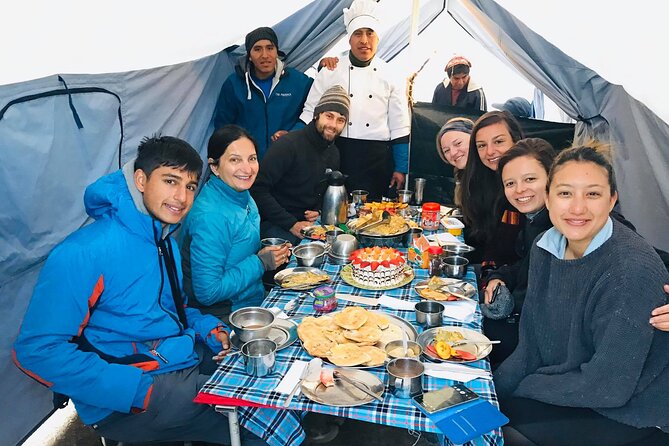
The food service is one of the strongest parts of this package. Four breakfasts, four lunches, and three dinners are included, with a chef preparing meals in camp. Names associated with past departures include Leandro, Balbino, Julio Cesar, Juvenal, Lucio, and Oscar.
You should not expect restaurant service in the mountains, but the meals are intended to be varied, filling, and prepared around dietary needs. Past menus have included different dishes rather than the same meal repeated each day. Vegetarian food is available, and you should state any dietary requirements when booking.
A personal porter carries up to 7 kilograms of your personal gear. That makes a real difference on steep trails. You still need a daypack with essentials, but you do not need to carry every item needed for camp.
The support team can include a mule master or porter crew, depending on the departure. Names such as Boris and Santos have been associated with especially attentive service. Remember that the porter is carrying your personal items, not every object you own. Pack thoughtfully and confirm the luggage arrangements at the briefing.
How hard is this four-day trek?
The official level is moderate, but that word needs context. You should be comfortable walking for six to eight hours, handling repeated elevation changes, and spending several days outdoors with limited comfort.
The hardest feature is not one famous pass. It is the repeated cycle of descending into the canyon and climbing back out. Downhill walking can punish your knees, while the uphill sections demand steady cardiovascular effort.
I would train with long walks that include hills rather than relying only on flat-city exercise. Break in your footwear before Cusco, and bring layers because the route moves between cooler high elevations and warmer lower areas. The guide can adjust the pace, but nobody can remove the mountains from the route.
Children must be accompanied by an adult. The operator advises a moderate fitness level, which is a useful minimum rather than a guarantee that the trek will feel easy.
What your $698 includes
The package covers:
- Transport from the beginning of the trek through the return to Cusco
- Pickup from your hotel, with airport pickup noted as an option
- Professional English-speaking guides
- A pre-departure briefing at 6 p.m. the night before
- Four breakfasts, four lunches, and three dinners
- A chef and camp cooking support
- A personal porter for up to 7 kilograms
- Archaeological admissions indicated for the route
Mattress, sleeping bag, and trekking poles are not included. That is normal for a supported trek, but it affects the final cost if you do not already have suitable equipment.
For $698, I see solid value if you want a guided experience rather than arranging transport, food, camping, and local support on your own. The price is less attractive if you want a short, easy visit to ruins. This is a full mountain expedition, not a standard sightseeing day.
Group size, timing, and practical concerns
The stated maximum is 16 people, while the main description refers to groups of about 12. Either size is manageable, and both are more personal than a large coach tour. A smaller group also makes it easier for the guide to monitor walking pace and food needs.
The early departure is fixed at about 4:30 a.m. You should stay near your pickup point the night before and keep your belongings organized. The required briefing at 6 p.m. gives you a chance to resolve questions before departure.
The cancellation terms are generous if your plans change early: cancel at least 24 hours before the start for a full refund. Changes made within 24 hours are not accepted, and late cancellations are not refunded. Poor weather or failure to reach the minimum group size can lead to a new date, an alternative experience, or a full refund.
Should you book the Choquequirao Trek?
Book it if you want a quiet Inca site, serious scenery, and a supported mountain challenge. The combination of a small group, good meal service, porter support, and an English-speaking guide makes the route more manageable than going independently.
I would not book it if your main goal is comfort, flexible timing, or an easy archaeological visit. The steep trail and early starts are central to the experience, not minor inconveniences.
Before paying, ask TreXperience to confirm the day-two route, the exact campsite sequence, the true walking distances, and what equipment is available to rent. With those details cleared up, this is a strong choice for fit hikers who want Choquequirao without the crowds and with a capable support team around them.
FAQ
How long is the Choquequirao Trek?
The experience lasts four days and three nights, with approximately six to eight hours of hiking on the main walking days.
What time does pickup begin?
Pickup begins between 4:30 and 5 a.m. The listed meeting time is 4:30 a.m.
Where does the trek start?
The walking route starts at Capuliyoc, reached by transport from Cusco.
Is transportation included?
Yes. Transportation is included from the beginning of the experience through the return, with pickup from your hotel and airport pickup noted as an option.
Are meals included?
Yes. The package includes four breakfasts, four lunches, and three dinners prepared by a chef.
How much personal luggage can the porter carry?
The personal porter can carry up to 7 kilograms of your personal items.
Are sleeping bags and trekking poles included?
No. A mattress, sleeping bag, and trekking poles are optional extras. The operator can provide guidance about them.
Can I request vegetarian food?
Yes. Vegetarian meals are available, but you should advise the operator when booking. You should also provide details of any other dietary requirements.
What happens if bad weather cancels the trek?
If poor weather causes cancellation, you can choose another date or receive a full refund.
More 4-Day Experiences in Cusco
- Ancascocha Trek To Machu Picchu 4 Days And 3 Nights
★ 5.0 · 77 reviews - 4 Day Inca Trail Trek to Machu Picchu Multi day tour
★ 5.0 · 70 reviews - Classic Inca Trail 4 Days to Machu Picchu
★ 5.0 · 69 reviews - 4 Day Inca Trail To Machu Picchu – Private Service
★ 5.0 · 68 reviews
Just added around Cusco
- Classic Choquequirao Trek – 5 Days / 4 Nights★ 5.0 · 52 reviews
- Short Inca Trail 2 Day Hike to Machu Picchu with Permits & Train★ 5.0 · 51 reviews
- 2 Day Tour Throughout the Short Inca Trail to Machu Picchu★ 5.0 · 36 reviews
- Small Group: 4-Day Inca Trail Trek to Machu Picchu★ 5.0 · 33 reviews
- 5-Day: Salkantay Trek to Machupicchu and Humantay Lake★ 5.0 · 42 reviews
- 2 Day – Short Inca Trail to Machu Picchu – Group Service★ 5.0 · 30 reviews
- 5 Day – Salkantay trek to Machu Picchu – Group Service★ 4.5 · 27 reviews
- Salkantay Trek Standard 5D/4N★ 5.0 · 48 reviews
Machu Picchu & Inca Trail Treks, compared.
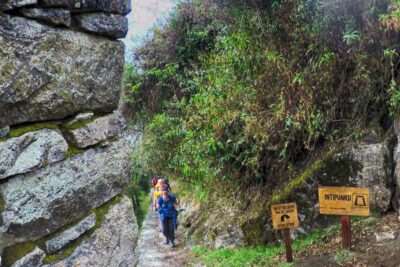
4-Day Inca Trail to Machu Picchu with Accommodation
Read our review →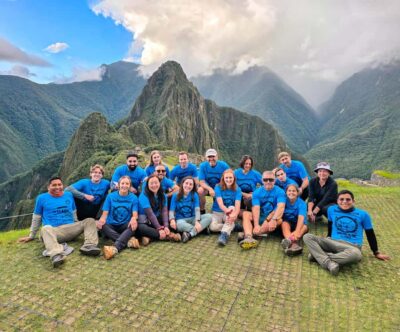
Machu Picchu 2-Day Inca Trail with Panoramic Train
Read our review →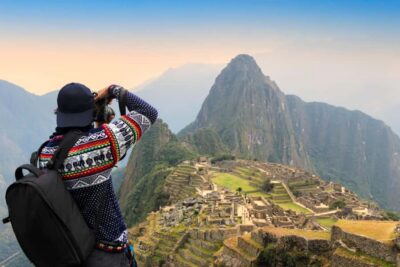
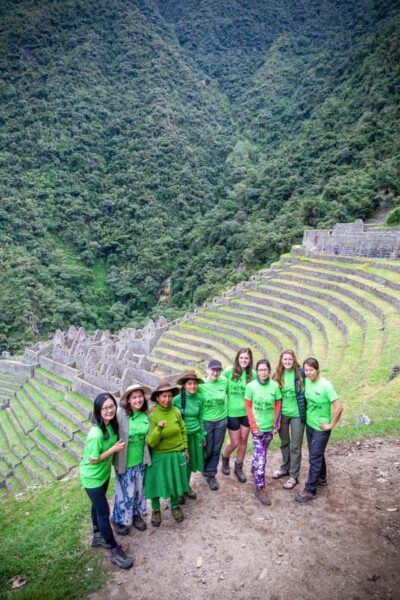
Machu Picchu: Inca Trail 2-Day Overnight Guided Tour
Read our review →
Short Inca trail to MachuPicchu || 2days – 1nigth ||
Read our review →
Machu Picchu: 5-Day Salkantay Trek with Panoramic Train
Read our review →
Browse the lists this trek appears in