
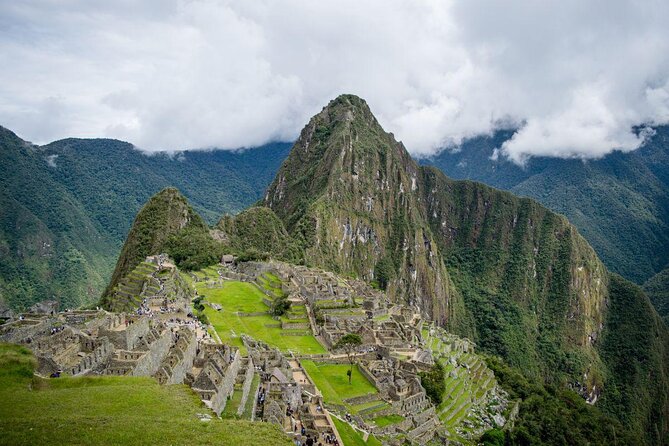
Review · CUSCO
Salkantay Trek 4 Days to Machu Picchu by Glamping Sky Lodge Dome
The big draw here is the sharp change in scenery. In four days, you move from cold high-altitude peaks and possible snow to warm jungle valleys, waterfalls, tropical plants, and finally Machu Picchu. I especially like the Sky Lodge domes, which give you a proper bed and hot water instead of a basic tent, and the excellent support team, with guides such as Fernando and Nildo praised for patience, humor, history lessons, and care on the hardest climbs.
The trade-off is serious altitude and effort. You reach 4,650 meters on Day 2, walk for up to six hours on several days, and start before dawn. The $761.91 price is not cheap, but it covers lodging, meals, guides, porters, the Machu Picchu entrance, and the return train, so it can be good value if you want the main logistics handled.
Key points to know before booking
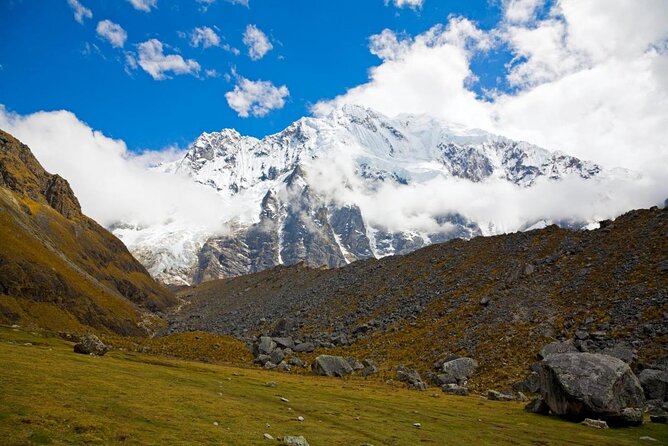
- 4,650-meter Salkantay Pass: The highest point comes early on Day 2, with possible snow and huge views of Salkantay and Tucarhuay.
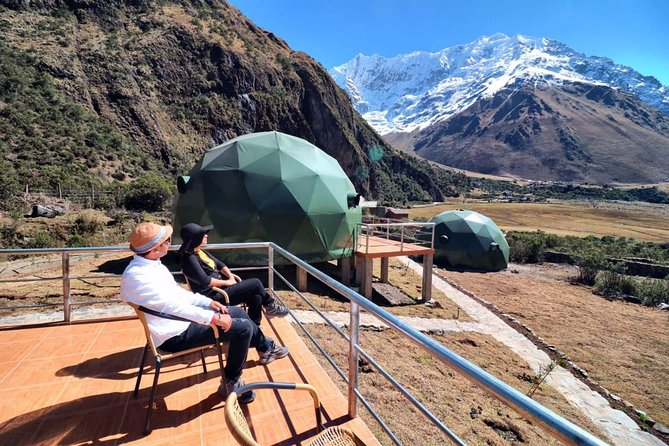
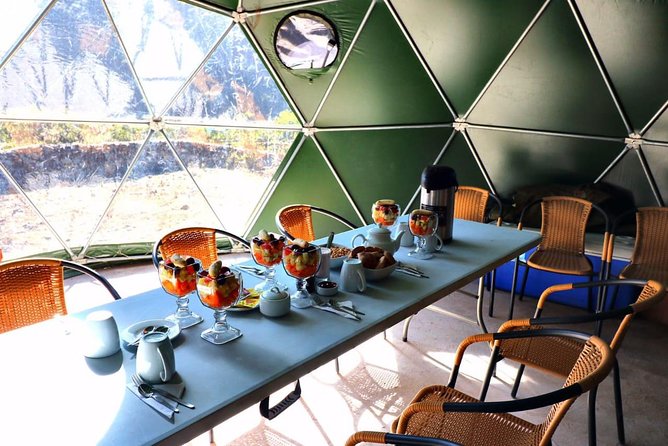
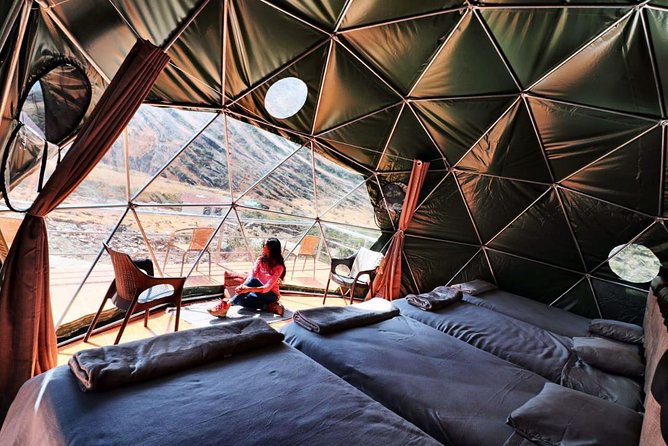
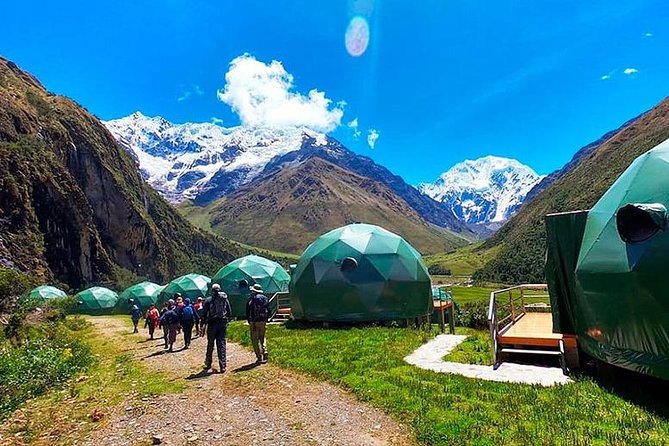
- Two Sky Lodge Dome nights: You sleep in domes at highland and coffee-growing camps, with hot water noted as an advantage.
- A full range of climates: Expect cold nights near Soraypampa, cloud forest on the descent, and warmer jungle conditions later.
- Machu Picchu before the crowds build: You can walk up from Aguas Calientes or take the first bus at 5:30 a.m.
- Strong guiding and food: Fernando, Nildo, Jose, Steven, and Adela are among the guides associated with this departure, while the cooks prepare hot soups, hearty meals, fresh vegetables, and desserts.
- Small-group format: The maximum group size is 19 people, with an assistant guide for groups larger than eight.
Why this four-day route is so rewarding
The Salkantay route gives you a stronger sense of movement than a direct trip to Machu Picchu. You are not simply walking toward one famous monument. You cross a high mountain pass, descend through changing plant life, follow rivers and streams, and end in the warm gateway town of Aguas Calientes.
That variety is the route’s great strength. The first two days are physically demanding, but the scenery is dramatic. The later days are lower and warmer, though still long. By the time you reach Machu Picchu, the early alarm and sore legs feel tied to the place you have just crossed.
The group size matters. A maximum of 19 people is not a private trip, but it is small enough for a guide to check on you. Groups larger than eight receive an assistant guide, which is useful when fitness levels vary. One person may move quickly while another needs more time at altitude.
Guide quality is also important here. Fernando is especially associated with encouraging tired walkers, explaining Inca culture and mountain traditions, and keeping spirits up with humor. Nildo has been noted for careful attention to detail and one-on-one support. Jose, Steven, and Adela have also led groups along the route. You cannot request that one particular guide will lead your departure unless the operator confirms it, but the guiding team is clearly a major part of the experience.
More Inca Trail Treks in Cusco
- Cusco: 4-Day Inca Trail to Machu Picchu with Accommodation
★ 4.8 · 432 reviews - Cusco: Machu Picchu 2-Day Inca Trail with Panoramic Train
★ 4.9 · 260 reviews - From Cusco: 2-Day Inca Trail to Machu Picchu
★ 4.2 · 244 reviews
Day 1: Mollepata, Cruzpata, and a cold night at Soraypampa
The day begins early, with pickup around 4:30 a.m. from your hotel in Cusco. A roughly three-hour drive takes you toward Mollepata, where breakfast is available before the walking begins. Breakfast on Day 1 is not included in the price, so plan for that expense.
While you eat, the cook and horseman organize camping and cooking equipment. Horses or porters carry food, camp supplies, and up to 7 kilograms of your personal belongings in a duffel bag. That is a useful arrangement because you only need to carry your daypack on the trail.
The first three hours climb toward Cruzpata. This is not the warm-up stroll some first-time hikers expect. Cusco is already high, and the route gains more altitude quickly. You should arrive with a reasonable level of fitness and some time spent acclimatizing in the region.
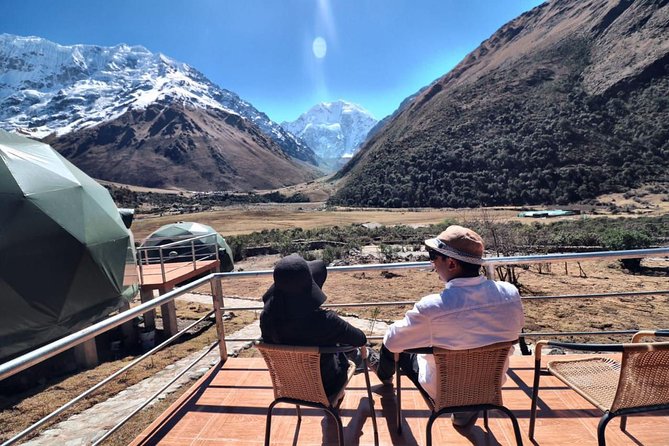
Lunch comes with wide views of the snow-capped Humantay and Salkantay mountains. Humantay reaches about 4,120 meters, while Salkantay rises to 6,271 meters. These peaks give the first day its visual punch, especially when the air is clear.
After lunch, you continue toward Soraypampa at about 3,800 meters. This is the highest and coldest campsite of the trip. The Sky Lodge Dome is a real advantage here. You still need warm clothing and a sleeping bag rated to about minus 11 Celsius, but a dome with a bed and hot water is a much easier night than sleeping directly on the ground in a tent.
The cold deserves respect. Pack gloves, a fleece hat, warm socks, a fleece layer, and proper rain protection. Temperatures and weather can change quickly at altitude. The included rain poncho is useful, but your own waterproof shell and rain pants add comfort.
Day 2: The 4,650-meter pass and the turn toward the jungle
Day 2 is the hardest and most important walking day. Breakfast comes early, followed by a start around 5:30 a.m. The first four hours climb toward the Salkantay Pass, the highest point of the route at approximately 4,650 meters.
At the pass, Salkantay is on one side and Tucarhuay on the other. Snow is possible, and the cold can be intense. This is where your fitness, pacing, and preparation matter most. Walk slowly, drink water, use walking poles, and tell your guide if you feel unwell. Guides carry a first-aid kit and emergency oxygen, but oxygen is not a substitute for taking altitude symptoms seriously.
The pass is a powerful moment because the route suddenly opens around you. The two great snow peaks make the climb feel worthwhile. You may need to pause often, and that is normal. The goal is to arrive safely, not to race.
After a rest, the route turns downhill through cloud forest toward Huayracpunku. The descent changes the mood of the trek. The air gradually warms, vegetation thickens, and the severe highland setting gives way to softer, wetter surroundings. Lunch comes at Huayracpunku.
After lunch, you continue toward the beginning of the jungle zone and reach Chaullay. From there, local transportation takes you for about an hour to the Loreta La Playa coffee campsite. This vehicle transfer breaks up the long day, but Day 2 remains demanding because of the early start and the pass.
The second Sky Lodge setting is part of what makes this trip different from a standard camping trek. You get a more comfortable base while still sleeping close to the route. Hot water is a welcome detail after a long descent, though you should not expect resort service in a remote mountain camp.
Day 3: Six hours through coffee country and waterfalls
Day 3 begins around 6:30 a.m. After breakfast, you walk through the upper jungle, crossing the Lluskamayo River and smaller streams. The route takes about six hours and feels very different from the barren high country of Day 1.
This is the day for close-up scenery. You pass waterfalls, tropical fruit, thick plant growth, valleys, and coffee-growing country. The route is less about one giant viewpoint and more about watching the environment change around you.
You should carry a rain layer even if the morning begins dry. The jungle section can be wet, and muddy or slippery ground is possible in any mountain route with streams and rain. Good, broken-in trekking boots are essential. Do not bring brand-new footwear for this trip.
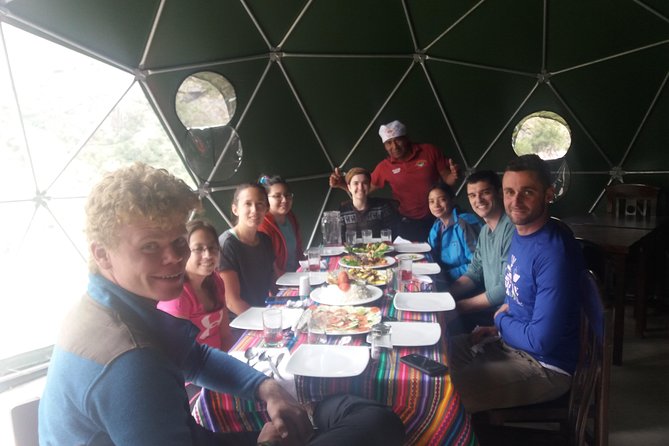
The food is another strong feature. The cooks prepare three breakfasts, three lunches, three dinners, and three afternoon hot teas. Vegetarian meals are available at no extra charge. The menu described by the guiding team includes hot soups, hearty main dishes, fresh vegetables, and desserts. That matters more than it may sound. After several hours of uphill or uneven walking, a warm meal is part of the day’s recovery.
The trek also has a human side that is easy to overlook. Horsemen carry equipment and help move the camp from place to place. The cook and support staff begin work early and operate away from normal kitchen facilities. Tipping is not listed as included, so bring money if you want to recognize their work.
Same trailhead, a different route:
- From Cusco: 7 Lakes Ausangate Trek with Breakfast and Lunch
★ 4.8 · 360 reviews - Machu Picchu: Inca Trail 2-Day Overnight Guided Tour
★ 4.9 · 203 reviews - Cusco: Full-Day Rainbow Mountain & Red Valley Trekking Tour
★ 4.5 · 121 reviews - Short Inca trail to MachuPicchu || 2days – 1nigth ||
★ 5.0 · 103 reviews
Day 4: A pre-dawn arrival at Machu Picchu
The final morning begins around 4 a.m. Breakfast is scheduled for about 4:30, followed by the walk to Machu Picchu. The uphill route takes about an hour and a half.
You also have the option of taking the first bus at 5:30 a.m., which takes about 25 minutes. This is worth considering if you want to save energy for the ruins, if your legs are worn out, or if you want to reach the entrance in a more controlled way. The bus option costs extra unless the operator confirms otherwise, so check the details at the briefing.
Once inside Machu Picchu, your guide leads a walking tour of about two hours. After that, you can explore on your own. The early timing is one of the best parts of the plan because morning light can make the citadel feel especially striking, and an early entry gives you more time for the site before the day becomes busy.
Lunch on Day 4 is not included. Plan ahead, especially if you have a scheduled train later in the day. The package does include the expedition train from Aguas Calientes to Ollantaytambo and a bus back to Cusco, along with the Machu Picchu entrance fee.
The train is important to the value calculation. A long hike ending at Machu Picchu can become complicated if you must arrange your own return transportation. Here, the major final connections are bundled into the price.
What the $761.91 price really covers
At $761.91 per person, this is a substantial purchase. The value comes from how much is included:
- Hotel pickup and transport connected with the trek
- Two nights in Sky Lodge domes
- One hotel night in Aguas Calientes with a private bathroom and shower
- Three breakfasts, lunches, dinners, and afternoon hot teas
- English and Spanish guiding
- A cook, cooking equipment, horsemen, horses, or porters
- A 7-kilogram duffel allowance
- Rain ponchos and a first-aid kit with emergency oxygen
- Machu Picchu entrance
- Expedition train and return bus to Cusco
- A briefing before departure
You still pay for breakfast on Day 1, lunch on Day 4, and the Salkantay and Humantay entrance fee of 20 soles per person. You may also need to budget for bottled water, tips, personal gear, and optional porter help for your own belongings.
If you already own trekking equipment and are comfortable arranging transport, a cheaper independent plan may be possible. But the package is easier to justify if you want a guide, cooks, support animals or porters, dome lodging, Machu Picchu entry, and the train handled together.
What to pack for comfort and safety
You do not need unusual technical equipment, but quality basics matter. Bring used trekking boots, four pairs of wool or synthetic socks, rain pants, a waterproof jacket or poncho, warm layers, gloves, a sunhat, sunglasses, sunscreen, insect repellent, and a headlamp.
A sleeping bag rated to minus 11 Celsius is recommended. Even with a dome, the high camp can be cold. Pack a water bottle, sterilizing tablets, personal medicine, toilet paper, toiletries, and lip balm with sun protection.
Walking poles are strongly useful on the long climbs and descents. A small daypack lets you carry water, rainwear, snacks, and layers while the support team handles the larger duffel.
There are places to buy bottled water along the route, but ask your guide about availability and cost. Do not rely on those stops as your only water plan.
Who should choose this trek
This route suits you if you want Machu Picchu combined with a real mountain challenge. It is a good fit for hikers who like changing scenery, early starts, simple but comfortable camps, and the structure of a guided group.
It is not the right choice if you want a relaxed holiday or struggle with high altitude. The 4,650-meter pass is the key test, and the route includes long walking days. You should have strong physical fitness and allow time to adjust to altitude before starting.
Solo walkers can fit into the group, and one solo woman described feeling safe and well supported during the trip. Still, the experience is social by design. The group can include different fitness levels, so patience helps. Guides are expected to support slower walkers, but everyone should be ready for a shared pace at times.
Should you book the Salkantay Trek with Sky Lodge domes?
I would choose this trip if you want the classic Salkantay scenery without giving up a bed, hot water, a hotel night, and organized transport. The strongest reasons are the striking change from snow peaks to jungle, the early Machu Picchu arrival, and the caring guide and cooking teams associated with the departures.
I would hesitate only if you dislike cold nights, high altitude, or long days on foot. Read the cancellation terms carefully before paying because the booking is non-refundable and cannot be changed. If you are fit, prepared, and comfortable with the early mornings, this is a well-supported way to reach Machu Picchu by a route that feels earned.
FAQ
How long is the Salkantay Trek to Machu Picchu?
The trek lasts approximately four days.
What time does pickup begin?
Hotel pickup is scheduled for about 4:30 a.m., with a listed start time of 5:00 a.m.
What is the highest point of the trek?
The highest point is the Salkantay Pass at approximately 4,650 meters, or 15,200 feet.
How cold is the highest campsite?
Soraypampa is the highest and coldest campsite, at about 3,800 meters. A sleeping bag rated to minus 11 Celsius is recommended.
How many nights do you sleep in the Sky Lodge domes?
The package includes two nights in Sky Lodge domes, based on two-bed, three-bed, or four-bed rooms upon request.
Is a hotel night included?
Yes. One night in Aguas Calientes is included, with a private shower and bathroom.
Are meals included?
Three breakfasts, three lunches, three dinners, and three afternoon hot teas are included. Breakfast on Day 1 and lunch on Day 4 are not included. Vegetarian meals are available at no extra cost.
Can I take a bus to Machu Picchu?
Yes. You can walk from Aguas Calientes, which takes about an hour and a half, or take the first bus at 5:30 a.m., which takes about 25 minutes.
Is the Machu Picchu entrance included?
Yes. The Machu Picchu entrance fee is included. The Salkantay and Humantay entrance charge of 20 soles per person is not included.
What transportation is included after Machu Picchu?
The package includes an expedition train from Aguas Calientes to Ollantaytambo and a bus back to Cusco.
More 4-Day Experiences in Cusco
- Choquequirao Trek 4 days and 3 nights
★ 5.0 · 81 reviews - Ancascocha Trek To Machu Picchu 4 Days And 3 Nights
★ 5.0 · 77 reviews - 4 Day Inca Trail Trek to Machu Picchu Multi day tour
★ 5.0 · 70 reviews - Classic Inca Trail 4 Days to Machu Picchu
★ 5.0 · 69 reviews
Just added around Cusco
- Classic Choquequirao Trek – 5 Days / 4 Nights★ 5.0 · 52 reviews
- Short Inca Trail 2 Day Hike to Machu Picchu with Permits & Train★ 5.0 · 51 reviews
- 2 Day Tour Throughout the Short Inca Trail to Machu Picchu★ 5.0 · 36 reviews
- Small Group: 4-Day Inca Trail Trek to Machu Picchu★ 5.0 · 33 reviews
- 5-Day: Salkantay Trek to Machupicchu and Humantay Lake★ 5.0 · 42 reviews
- 2 Day – Short Inca Trail to Machu Picchu – Group Service★ 5.0 · 30 reviews
- Salkantay Trek Standard 5D/4N★ 5.0 · 48 reviews
- Short Inca Trail To Machu Picchu★ 5.0 · 35 reviews
Machu Picchu & Inca Trail Treks, compared.
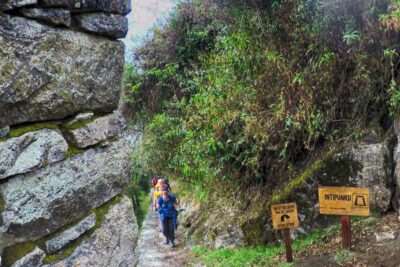
4-Day Inca Trail to Machu Picchu with Accommodation
Read our review →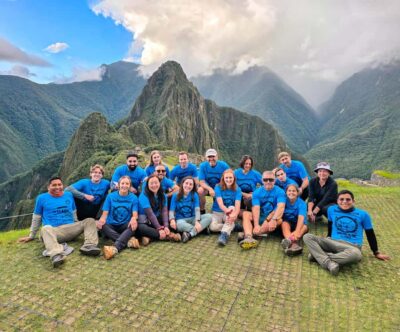
Machu Picchu 2-Day Inca Trail with Panoramic Train
Read our review →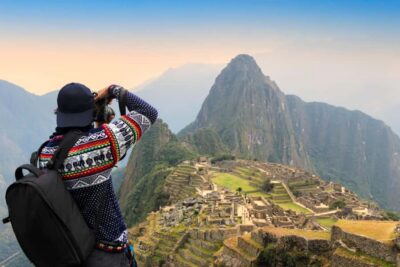
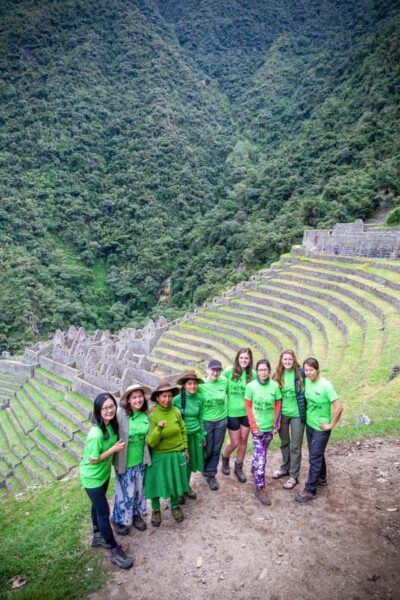
Machu Picchu: Inca Trail 2-Day Overnight Guided Tour
Read our review →
Short Inca trail to MachuPicchu || 2days – 1nigth ||
Read our review →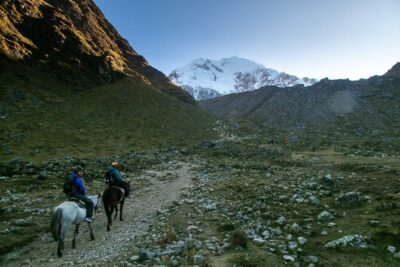
Machu Picchu: 5-Day Salkantay Trek with Panoramic Train
Read our review →Browse the lists this trek appears in