
Review · CUSCO
Classic Inca Trail 4 days to Machu Picchu
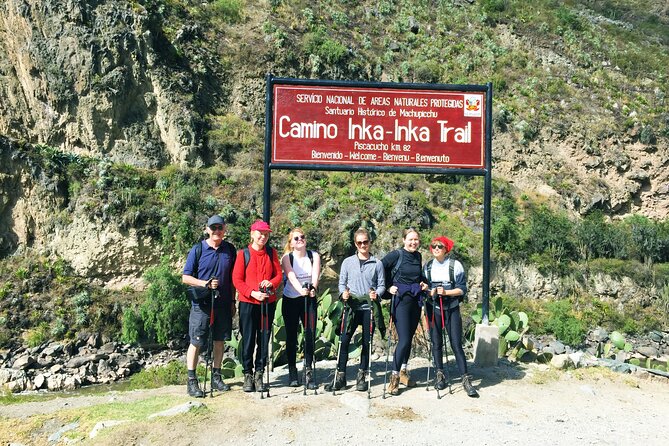
The Classic Inca Trail gives you the grand approach to Machu Picchu, not just a ride to the ruins. Over four days, you hike through changing scenery, pass Incan sites, sleep in tents, and reach the famous Sun Gate before entering the citadel. I like that permits, camping gear, meals, porters, and the return train are covered. I also like the small maximum group of 16, which should make the long days easier to manage.
The main concern is not the trail itself but company organization. Guide Freddy, cook Armando, and the porters have drawn strong praise for their work, yet the operator has also been criticized for unclear arrangements at Machu Picchu, no treated drinking water, and poor toilet provisions. You need to ask sharp questions before paying.
Key points to know before booking
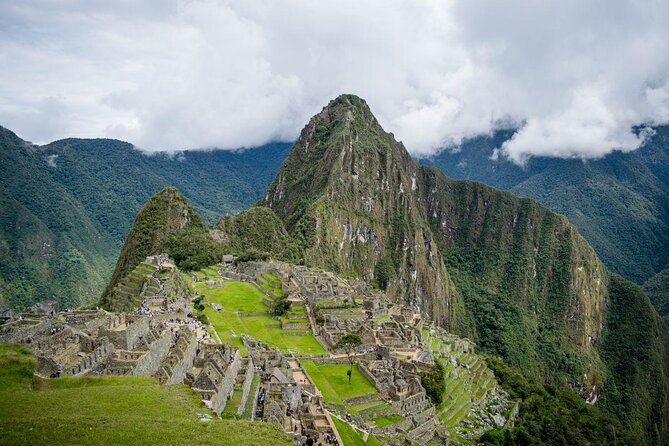
- Reach Machu Picchu through the Sun Gate: This is the classic finish, with the ruins appearing at the end of the trail rather than at the start of a bus ride.
- Four days of camping: Tents, air mats, cooking tents, tables, and chairs are supplied, with porters carrying camp equipment and food.
- A full support crew: A professional guide, cooks, and porters handle much of the work while you focus on walking.
- Meals cover most of the route: Four breakfasts, four lunches, and three dinners are included, with vegetarian meals available at no extra cost.
- Return transport is arranged: The Expedition train runs from Aguas Calientes to Ollantaytambo, followed by a bus to Cusco.
- Come prepared for hard walking: Strong fitness, used trekking boots, warm layers, rain gear, a sleeping bag rated to minus 11 C, and water treatment supplies are required.
Why the Classic Inca Trail still earns its reputation
The appeal here is simple: you arrive at Machu Picchu on foot through the Sun Gate. That final approach gives the trip a sense of arrival that a direct train and bus visit cannot match.
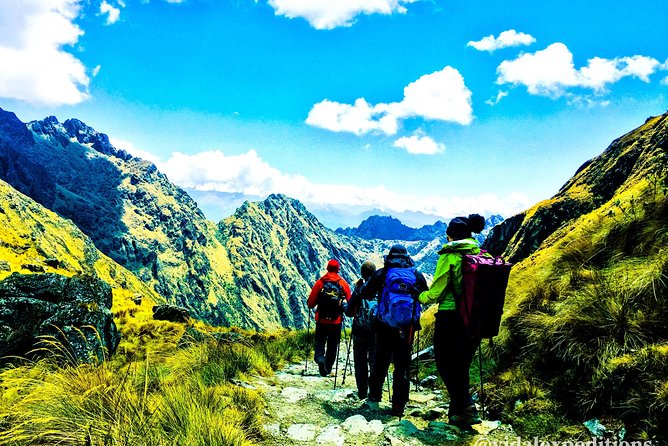
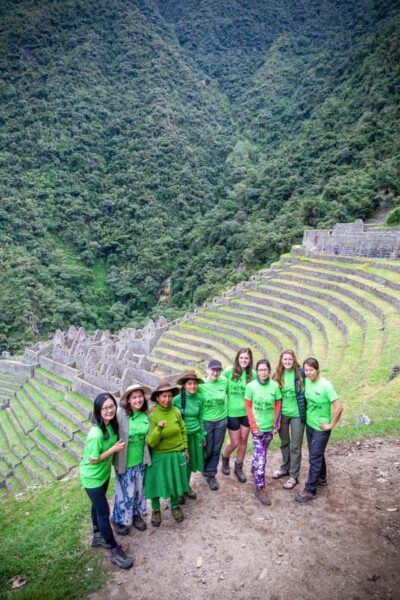
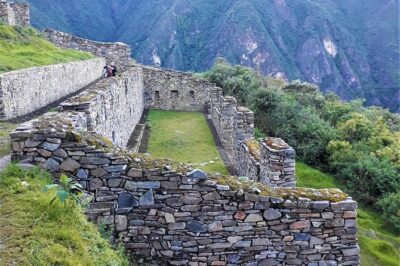
The route is known for its Incan sites, changing scenery, and jungle sections. The supplied description does not name every archaeological stop, so I would not book this expecting a fixed list of ruins beyond the stated Inca sites and Machu Picchu itself. Still, the four-day format gives you time to experience the trail as a journey, not merely as a transfer.
You should also know that this is a demanding outing. The operator asks for a strong physical fitness level, and the packing list makes the point clearly. You need proper boots, warm clothing, rain protection, a headlamp, water bottles, poles, and a sleeping bag rated to minus 11 C, or 12 F.
At $1,050 per person, this is not a budget walk. The price includes major costs that can quickly add up on a self-arranged trek: the Inca Trail permit, Machu Picchu ticket, camping equipment, food, porters, the guide, transport to the trailhead, and the return train. The value is strongest if you want a single booking that handles the moving parts.
The price feels less convincing if you expect polished service at every stage. A published score of 4.8 from 65 ratings, with 95 percent recommending the trip, suggests that many people find the overall package worthwhile. Still, the specific complaints about drinking water, toilets, and the final transfer deserve attention before you commit.
More Inca Trail Treks in Cusco
- Cusco: 4-Day Inca Trail to Machu Picchu with Accommodation
★ 4.8 · 432 reviews - Cusco: Machu Picchu 2-Day Inca Trail with Panoramic Train
★ 4.9 · 260 reviews - From Cusco: 2-Day Inca Trail to Machu Picchu
★ 4.2 · 244 reviews
Day 1: From your Cusco hotel to kilometer 82
The trip begins with pickup from your Cusco hotel and a transfer to kilometer 82, the trailhead. Breakfast on this first day is not included, and lunch on the fourth day is also excluded, so plan around those gaps.
Day 1 is where the practical side of the trip begins. Your porters carry the camping equipment and food, while the camp crew handles tents, air mats, cooking tents, tables, and chairs. That matters. You still carry a daypack, but you are not expected to haul the full camp on your back.
The guide is meant to lead the group and explain the route, Incan sites, and local culture along the way. One guide named Freddy has received especially strong praise for his explanations of Quechua history and culture. Because guide assignments can change, I would confirm who is leading your group before departure rather than assume Freddy will be your guide.
The first day is also your chance to learn how the group operates. Ask where drinking water comes from, how much water you should carry, when bags will be available, and what happens if someone needs help. Clear answers at the start can prevent confusion later.
Day 2: The toughest walking deserves proper preparation
The supplied plan does not provide a stop-by-stop schedule for the second day, so you should ask the operator for the exact walking distance, elevation gain, camp location, and estimated hours. The general description makes clear that this is a serious four-day trek, not a gentle stroll between scenic viewpoints.
This is the day when your gear matters most. Use trekking boots that are already broken in. New boots are a poor gamble on a multi-day trail. Pack a rain poncho or rain jacket, wind and rain pants, a fleece layer, gloves, a warm hat, and two pairs of wool or synthetic socks.
You also need protection from the sun and insects. The required list includes sunglasses with good ultraviolet protection, sunblock, lip balm with SPF 16, and insect repellent. A headlamp is preferable to a basic torch, especially around camp.
Two walking poles are recommended. They can help with balance and reduce strain on long descents, though the operator does not state whether poles are supplied. Bring your own unless you receive clear confirmation otherwise.
The food service is one of the strongest parts of this trip. Four breakfasts, four lunches, and three dinners are included. Armando, one named cook, has been praised for preparing restaurant-quality meals with camp equipment. That is a meaningful benefit after a hard walking day. Vegetarian meals are available at no extra cost, but you should state your needs when booking.
Day 3: Jungle scenery, camp routines, and the water question
The third day continues through the trail’s changing scenery, including dense jungle sections. This is one reason the route feels more rewarding than a simple approach to Machu Picchu. You are not only walking toward one destination. You are moving through a series of different settings before the final arrival.
Your camp routine will likely depend on the support crew and the group schedule. Tents, air mats, cooking tents, chairs, and tables are included, with porters carrying the main camping load. The arrangement gives you a supported camping trip rather than a fully independent trek.
There is an important gap here: treated or filtered water is not listed among the included services. One group had to use its own water filter because no treated water was supplied. Do not assume that the cook or guide will provide safe drinking water. Bring a filter or Micropur water sterilizing tablets, both of which appear on the recommended packing list, and ask exactly how refills work.
The toilet setup also deserves a direct question. The operator does not include a clean portable toilet in the stated package, and basic facilities along the Inca Trail may be unpleasant. If campsite sanitation matters to you, ask what toilet arrangements will be used before booking. This is not a small comfort issue on a four-day trek.
The porters are a major part of the trip’s value. They carry the food and camping equipment, allowing you to keep your personal load manageable. The named porters have been praised for being capable, helpful, and kind. Pack light, but do not ask them to carry every personal item. Your daypack should hold the things you need while walking.
Same trailhead, a different route:
- From Cusco: 7 Lakes Ausangate Trek with Breakfast and Lunch
★ 4.8 · 360 reviews - Machu Picchu: Inca Trail 2-Day Overnight Guided Tour
★ 4.9 · 203 reviews - Cusco: Full-Day Rainbow Mountain & Red Valley Trekking Tour
★ 4.5 · 121 reviews - Short Inca trail to MachuPicchu || 2days – 1nigth ||
★ 5.0 · 103 reviews
Day 4: Entering Machu Picchu through the Sun Gate
The final day brings the main prize: Machu Picchu. The route reaches the site through the Sun Gate, the most memorable finish promised by this trip. You see the famous ruins as the destination of a long walk, which gives the visit a different emotional weight from arriving by bus.
The plan excludes lunch on Day 4, so carry food or confirm where and when you can buy it. The exact sightseeing schedule at Machu Picchu is not supplied, so ask how much time you will have inside the ruins, what time your group leaves, and who will handle the transition to Aguas Calientes.
This final transfer is the trip’s biggest organizational concern. One group learned late that the guide was scheduled to leave at Machu Picchu, leaving the group to obtain bus tickets, locate equipment left in Machu Picchu Pueblo, and find its own way to the train. The guide stayed to help in that case, but you should not rely on a last-minute favor.
Ask these questions before departure:
- Does the guide remain with the group from the Sun Gate through Machu Picchu?
- Who gets the bus tickets to Aguas Calientes?
- Where will the porters leave your equipment?
- Who takes you to the train?
- What happens if the group is delayed?
The included return transport is the Expedition train from Aguas Calientes to Ollantaytambo, followed by a bus back to Cusco. That coverage is useful, but the handoffs matter. A train ticket alone does not solve the problem if you are unsure where to go after leaving the ruins.
What the $1,050 price really covers
The cost includes a long list of expensive essentials:
- Pickup from your Cusco hotel
- Transfer to kilometer 82
- Professional guide
- Inca Trail and Machu Picchu permits and tickets
- Tents, air mats, cooking tents, chairs, and tables
- Porters for food and camping equipment
- Four breakfasts, four lunches, and three dinners
- Vegetarian meal service at no extra cost
- Expedition train to Ollantaytambo
- Bus transport back to Cusco
For a first-time trekker, this is convenient. You do not need to arrange the permit, find a campsite, hire a cook, organize porters, or piece together the return journey. The four-day format also gives you a clear schedule.
The value drops if you expect all water, toilet facilities, and final transfers to be handled without questions. Those are exactly the details that separate a well-run trek from a merely permitted one.
The group maximum is 16 people. That is large enough to share costs but small enough to avoid the feel of a mass procession. Ask how many people are actually booked for your date, since the maximum is not the same as the expected group size.
Packing for cold, wet, and long days
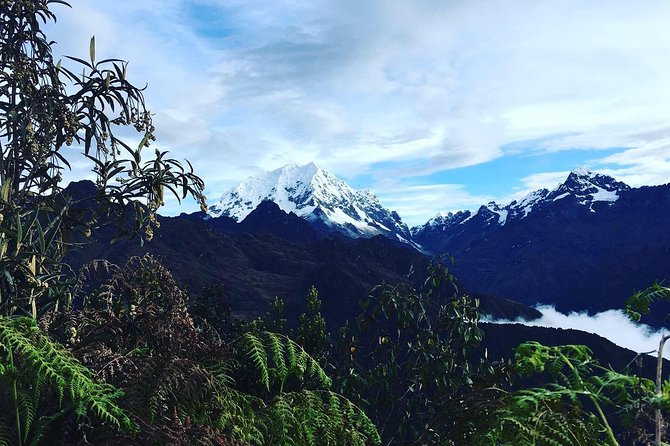
The packing list is serious, and you should treat it as a working checklist rather than a suggestion. You need warm and flexible layers: a fleece or wind-stopper jacket, a light sweater, two or three T-shirts, a long-sleeved shirt if wanted, lightweight pants, fleece pants, gloves, and a wool or fleece hat.
Rain gear is just as important. Bring a poncho or rain jacket and wind or rain pants. The operator specifically recommends used trekking boots, which is good advice. Comfort and grip matter more than appearance.
Your daypack should hold water, sun protection, rain gear, a camera, spare batteries, personal medicines, toilet paper, toiletries, and a towel. Bring a water bottle and your own treatment tablets or filter. The operator also recommends a sleeping bag rated to minus 11 C, but does not state that one is supplied, so ask before booking.
A camera, extra memory cards, spare battery, and binoculars are listed. At minimum, protect your phone or camera from rain and carry a backup power source if you have one. The supplied information does not confirm access to charging facilities.
Who will enjoy this trek most
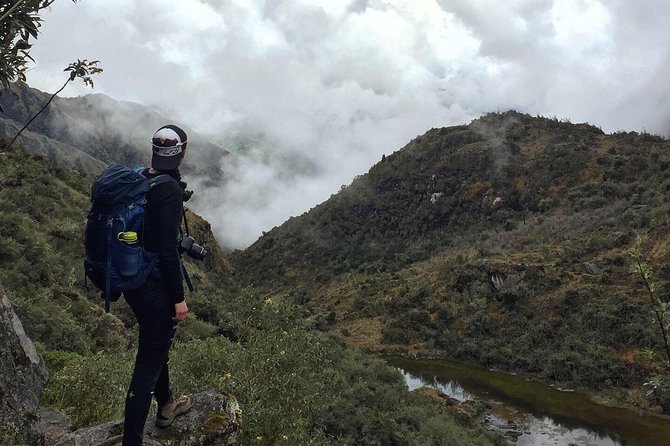
I would recommend this trip to you if you want the full walking approach to Machu Picchu and are comfortable with basic camping. It suits people who value the route, the scenery, the Incan sites, and the sense of earning the final view.
It also suits a vegetarian trekker, since vegetarian meals are available without an added charge. A small group, porters, a cook, and a guide make the outing more manageable than carrying and preparing everything yourself.
I would hesitate if you want a highly polished, tightly managed holiday. The organizational problems at Machu Picchu are serious enough that you should not ignore them. I would also hesitate if you are not in strong physical condition or if you dislike sleeping outdoors, using basic toilets, and managing your own drinking-water system.
The tour operates from November 21, 2025, through January 31, 2027, with listed hours from 9 a.m. to 8 p.m. daily. Confirmation is received at booking. The booking is non-refundable and cannot be changed for any reason, so check your dates, fitness, equipment, and travel plans carefully first.
Should you book the Classic Inca Trail?
Book it if the Sun Gate arrival, four-day trek, camp support, and included permits matter more to you than perfect service. The guide, cook, and porters can make this a memorable and well-fed walk, and the return train and bus remove much of the usual planning work.
Before paying, get written answers about treated water, toilets, the guide’s schedule on Day 4, your bus ticket to Aguas Calientes, the location of your stored equipment, and the connection to the train. If those answers are clear, the $1,050 package can be fair value. If the answers are vague, choose a different operator or a more clearly managed version of the Inca Trail.
FAQ
How long is the Classic Inca Trail tour?
The tour lasts approximately four days.
Where does the tour begin?
Pickup is provided from your hotel in Cusco, followed by transport to kilometer 82, the trailhead.
Does the tour include the Inca Trail permit?
Yes. The Inca Trail permit and Machu Picchu ticket are included.
Are meals included?
Yes. The package includes four breakfasts, four lunches, and three dinners. Breakfast on Day 1 and lunch on Day 4 are not included.
Is a vegetarian meal available?
Yes. Vegetarian meals are available at no extra cost.
Is camping equipment provided?
Yes. Tents, air mats, cooking tents, portable chairs, and tables are included.
Are porters included?
Yes. Porters carry the camping equipment and food.
Is the return train included?
Yes. The Expedition train from Aguas Calientes to Ollantaytambo and the bus from Ollantaytambo to Cusco are included.
How many people can join the group?
The maximum group size is 16 people.
More 4-Day Experiences in Cusco
- Choquequirao Trek 4 days and 3 nights
★ 5.0 · 81 reviews - Ancascocha Trek To Machu Picchu 4 Days And 3 Nights
★ 5.0 · 77 reviews - 4 Day Inca Trail Trek to Machu Picchu Multi day tour
★ 5.0 · 70 reviews - Classic Inca Trail 4 Days to Machu Picchu
★ 5.0 · 69 reviews
Just added around Cusco
- Classic Choquequirao Trek – 5 Days / 4 Nights★ 5.0 · 52 reviews
- Short Inca Trail 2 Day Hike to Machu Picchu with Permits & Train★ 5.0 · 51 reviews
- 2 Day Tour Throughout the Short Inca Trail to Machu Picchu★ 5.0 · 36 reviews
- Small Group: 4-Day Inca Trail Trek to Machu Picchu★ 5.0 · 33 reviews
- 5-Day: Salkantay Trek to Machupicchu and Humantay Lake★ 5.0 · 42 reviews
- 2 Day – Short Inca Trail to Machu Picchu – Group Service★ 5.0 · 30 reviews
- Salkantay Trek Standard 5D/4N★ 5.0 · 48 reviews
- Short Inca Trail To Machu Picchu★ 5.0 · 35 reviews
Machu Picchu & Inca Trail Treks, compared.
4-Day Inca Trail to Machu Picchu with Accommodation
Read our review →
Machu Picchu 2-Day Inca Trail with Panoramic Train
Read our review →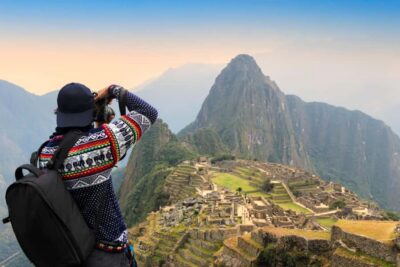
Machu Picchu: Inca Trail 2-Day Overnight Guided Tour
Read our review →
Short Inca trail to MachuPicchu || 2days – 1nigth ||
Read our review →
Machu Picchu: 5-Day Salkantay Trek with Panoramic Train
Read our review →Browse the lists this trek appears in