
Review · CUSCO
4 Day Inca Trail Trek to Machu Picchu Multi day tour
The best part of this four-day Inca Trail trek is the way Machu Picchu arrives at the end of a real journey, not as a quick stop reached by train. You walk an ancient stone route from Km 82, pass Inca sites and high mountain passes, then enter through the Sun Gate with the citadel spread below.
I like the practical setup: porters carry up to 7 kilograms of your belongings, and a chef prepares three breakfasts, lunches, and dinners in camp. I also like the small maximum group of 16 and the guides named in the feedback, including Nico, César, Plinio, and Josias. The main catch is simple: this is a hard high-altitude hike, and the 4:30 a.m. start plus camping will not suit everyone.
Key points to know before booking
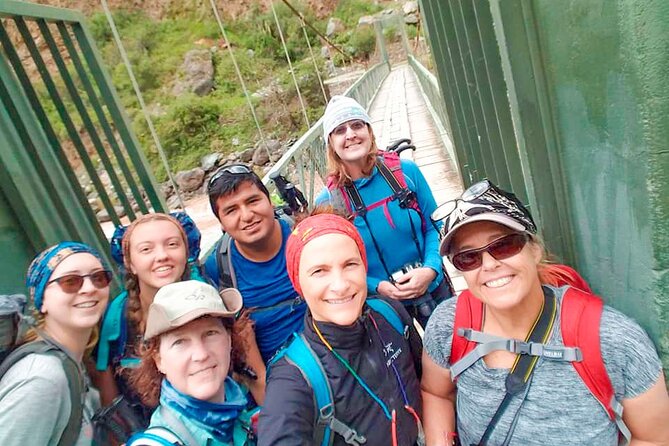
- Dead Woman’s Pass reaches 4,215 meters, making day two the toughest test.
- The Sun Gate gives you your first view of Machu Picchu after walking in on foot.
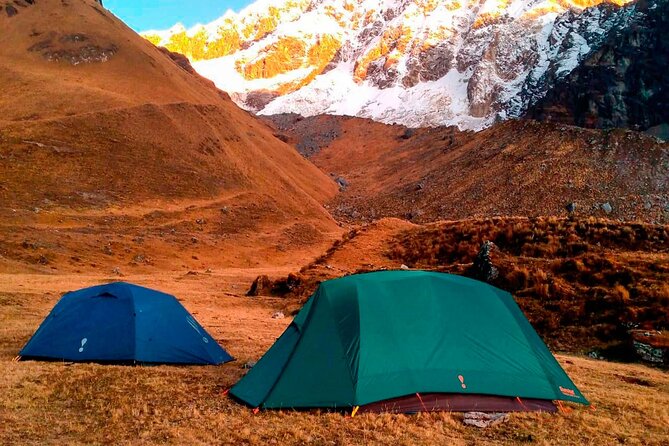
- Three nights of camping include tents, mattresses, a dining tent, kitchen tent, toilet tent, and water at each campsite.
- Porters handle the heavy work, with a personal duffel allowance of up to 7 kilograms.
- Food receives unusually strong praise, including meals described as restaurant quality and even cake baked on the trail.
- The $930 price includes major costs, such as permits, entrance fees, guides, porters, meals, camps, and return transport.
From Cusco to Km 82: the long-awaited first step
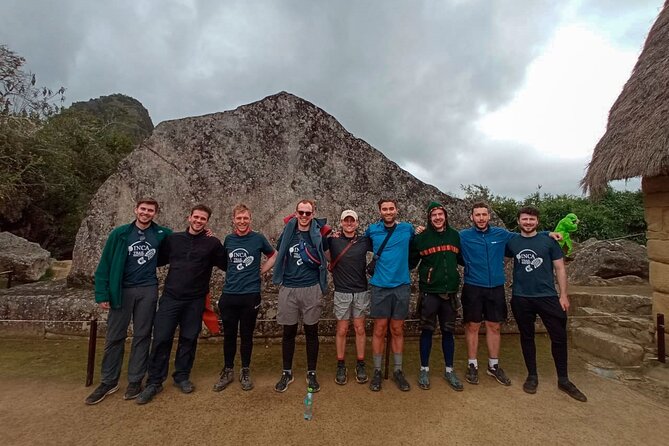
Your day begins with pickup in Cusco at about 4:30 a.m. From there, tourist transport carries you through the Urubamba Valley to Km 82, the traditional starting point of the Inca Trail. After crossing the Vilcanota River, you begin walking beside one of the most famous routes in South America.
The first day covers about 12 kilometers, or 7.5 miles, in roughly eight hours. It is described as moderate, but do not read that as easy. You are still adjusting to altitude, early mornings, and the feel of a loaded daypack.
The trail follows the Urubamba River, with mountain and valley views along the way. You pass through Huayllabamba, where you may have a chance to interact with local people. This gives the opening day a human touch before the route turns more firmly toward high mountain country.
The first day is useful because it lets you settle into the group and learn your guide’s pace. Guides such as Nico Raul, César, and Plinio are repeatedly praised for watching the group closely, answering questions, and adjusting the walking plan to suit different abilities. That matters on a trek where one person may be eager to push ahead while another needs more time.
Your crew carries the food, cooking gear, and camping equipment. A personal super porter carries your duffel, up to the stated limit of 7 kilograms. You still need a daypack with the things you want while walking, so pack carefully. Keep water, rain protection, warm layers, snacks, sunscreen, and personal medicine within easy reach.
More Inca Trail Treks in Cusco
- Cusco: 4-Day Inca Trail to Machu Picchu with Accommodation
★ 4.8 · 432 reviews - Cusco: Machu Picchu 2-Day Inca Trail with Panoramic Train
★ 4.9 · 260 reviews - From Cusco: 2-Day Inca Trail to Machu Picchu
★ 4.2 · 244 reviews
Day two and Dead Woman’s Pass at 4,215 meters
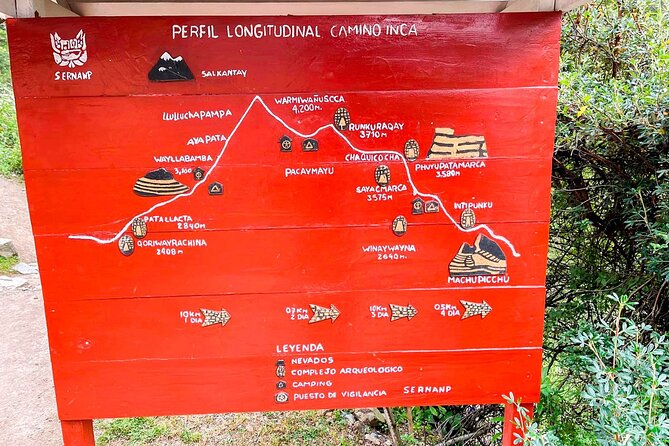
Day two is the day to respect. You wake early, eat breakfast, and begin the long climb toward Warmiwañusca, better known as Dead Woman’s Pass. At 4,215 meters, or 13,828 feet, it is the highest point on the route.
The ascent is demanding because the air is thin and the trail climbs steadily. The reward is a wide view over the surrounding Andes, but the pass is not a place to rush. I would treat this as a slow, steady day, using the guide’s pace rather than trying to prove anything to the group.
After the pass comes a descent into the Pacaymayo Valley, where you camp for the night. Downhill walking can be just as tiring as the climb, especially on knees and thighs that have already worked hard. Good footwear and trekking poles are worth considering. Poles are not included, though they can be rented for $20.
The scenery changes as you move from high-altitude grasslands toward cloud forest. Orchids and bromeliads appear along the route, adding color and texture to a day that begins in stark, exposed mountain country.
The campsite is basic by design. You sleep in camping tents, with two people using each four-person Eureka tent. That arrangement gives more room than packing four people into one tent and leaves space for luggage. A comfort sleeping-roll mattress is included, but a sleeping bag costs an additional $25, and an inflatable rest mattress costs $20.
Water is provided at each campsite by the chef. Meals included on this day are breakfast, lunch, and dinner. The cooking team is one of the strongest parts of the experience. The food is described as plentiful and unusually good for a remote trek, with one account even noting cake prepared in the Andes. That does not remove the physical challenge, but a hot meal makes a cold campsite much easier to face.
Day three, ruins, cloud forest, and Wiñay Wayna
Day three covers about six hours and may be the most varied day for scenery and archaeology. You climb again toward Runkurakay, the second pass, at 3,970 meters. From there, the trail drops through cloud forest to Sayacmarca, an Inca site at about 3,624 meters.
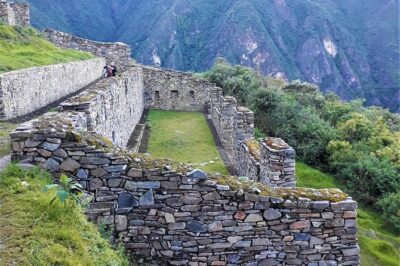
Sayacmarca is one of the places where a good guide adds real value. The remains sit in a dramatic position above the route, and a guide can connect the stonework, terraces, and setting to the wider Inca road system. Guides César, Nico, and Plinio are praised for making the route’s history easy to follow rather than simply pointing at ruins and naming them.
The trail continues through forest and past smaller archaeological remains before reaching Phuyupatamarca, the third pass, at about 3,670 meters. The route then descends toward Wiñay Wayna, one of the most memorable sites on the trek.
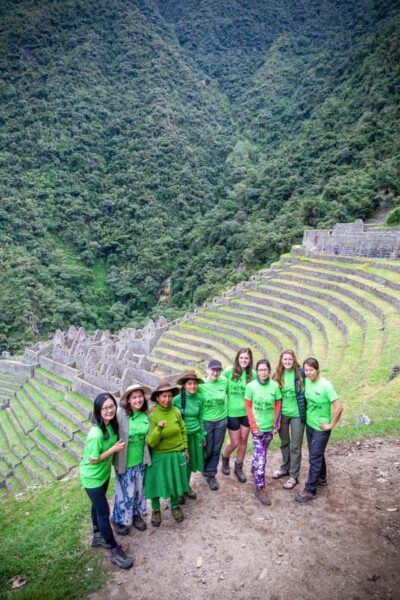
Wiñay Wayna is known for its agricultural terraces and ritual baths. It is also the final camping area, at roughly 2,650 meters. After the high passes, the lower elevation can feel like a relief, though the descent includes plenty of steps and can be hard on tired legs.
This is also the night when the end feels close. The next morning begins the final walk to Machu Picchu, so the camp has a natural sense of anticipation. You still have an early start ahead, and I would not count on a long lie-in simply because the hardest pass is behind you.
Day four and the first view from the Sun Gate
The final day begins early with breakfast and a walk to the checkpoint for the last stretch of the Inca Trail. The destination is Inti Punku, the Sun Gate, where you get your first panoramic view of Machu Picchu.
This entrance matters because you reach the citadel from the trail above, after four days of walking. The view is not just another photo stop. It ties the route, the ruins, the mountain passes, and the effort together in one arrival.
From the Sun Gate, you continue to Machu Picchu for a guided visit. The tour includes the entrance fee and a guide-led visit to the citadel. Hiram Bingham’s 1911 rediscovery is part of the modern story of the site, though the ruins themselves are the reason to pay attention: terraces, stone structures, and the surrounding peaks make the final visit unlike any ordinary city tour.
The fourth day lasts about six hours. After the visit, a shuttle bus carries you down to Aguas Calientes. Lunch there is not included, so budget for your own meal before the return journey. You then take the tourist train to Ollantaytambo and a tourist bus back to Cusco.
That return transport is important when you compare prices. You are not simply paying for four days of walking and three nights in a tent. The package also covers the train, bus, Machu Picchu admission, Inca Trail permit, guide, porters, chef, camping equipment, and meals during the trek.
Same trailhead, a different route:
- From Cusco: 7 Lakes Ausangate Trek with Breakfast and Lunch
★ 4.8 · 360 reviews - Machu Picchu: Inca Trail 2-Day Overnight Guided Tour
★ 4.9 · 203 reviews - Cusco: Full-Day Rainbow Mountain & Red Valley Trekking Tour
★ 4.5 · 121 reviews - Short Inca trail to MachuPicchu || 2days – 1nigth ||
★ 5.0 · 103 reviews
What the $930 price really covers
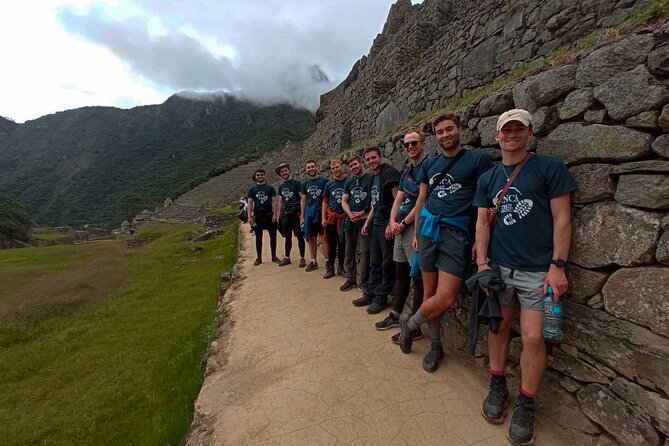
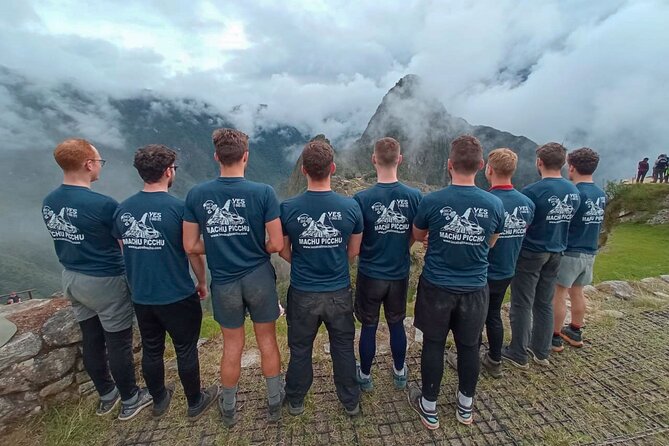
At $930 per person, this is a major purchase, but the included services are extensive. The price covers a pre-trek briefing, transport to Km 82, three camping nights, the Inca Trail permit, Machu Picchu admission, an experienced guide, a professional trekking chef, and porters.
The camping arrangement is more comfortable than carrying and setting up your own equipment. The company supplies Eureka tents, a kitchen tent, dining tent, tables, chairs, cooking gear, a gas bottle, a toilet tent, and sleeping-roll mattresses. Water is supplied at campsites, and a first-aid kit with emergency oxygen is carried.
Meals include three breakfasts, three lunches, and three dinners. Your first breakfast and final lunch in Aguas Calientes are not included. The package also includes a rain poncho, a commemorative T-shirt, taxes, fees, and the chance to sponsor native-tree planting.
The porters are a major part of the value, but they also raise an ethical point. The service means you do not carry all your camping gear, yet you should pack within the 7-kilogram personal limit and treat the porter system with respect. Keep your own daypack light and bring only what you need.
The price does not include travel insurance, sleeping bags, trekking poles, the optional inflatable rest mattress, tips, or souvenirs. Add those costs before deciding if the total fits your budget.
The people who make the trek work
The strongest praise goes to the staff. Nico Raul is repeatedly singled out for care, encouragement, and clear explanations. César is praised for reading the group’s abilities and managing the walking plan. Plinio, also called Pinyo or Pepe in the feedback, is described as attentive and helpful, including on groups with older walkers.
Josias is also praised for historical explanations and steady support. The names may vary by departure, so you should not assume a particular guide will lead your group, but the pattern is clear: the guide has a large effect on the experience.
The chef and porters are not background details. They determine how comfortable the camp feels after a hard day. Meals receive some of the most enthusiastic praise, while porters are credited with making the camp run smoothly. A good guide also helps with pacing, weather changes, and the small decisions that matter when people tire.
The maximum group size is 16. That is large enough for a social atmosphere but small enough for a guide to keep an eye on the group. It is also useful for solo bookers, since you can join a shared group rather than arranging a private trek.
The hard parts you should take seriously
You need a strong level of physical fitness for this trek. The route includes long uphill sections, high passes, steep descents, changing weather, and several early starts. The second day is the clearest physical hurdle, but day three can also hurt because of repeated climbs and descents.
Altitude is another concern. Dead Woman’s Pass reaches 4,215 meters, and the itinerary begins in Cusco, which is itself high. The supplied information does not promise an acclimatization program, so you should take your own preparation seriously and discuss altitude concerns with a medical professional before booking.
Camping adds its own demands. You will sleep outdoors for three nights, use a toilet tent, and live by the group’s early schedule. The rain poncho helps with wet weather, but changing conditions are part of the route. One account describes torrential rain forcing a change of plan, so flexibility matters.
The tour is non-refundable and cannot be changed after booking. That makes insurance especially important, since travel insurance is not included. Do not book until you are confident in your dates, fitness, and ability to manage the cost if your plans change.
Who should book this four-day route
I would recommend it to someone who wants the classic Inca Trail experience rather than the quickest visit to Machu Picchu. You should enjoy walking for several hours a day, accept basic camping, and see physical effort as part of the reward.
It also suits people who want support without carrying a full expedition load. The chef, porters, guide, tents, meals, and transport remove much of the logistical burden. Older walkers have completed the trek, but age is less important than conditioning, health, and an honest view of your ability.
This is not the right choice if you want a relaxed holiday, private hotel rooms, flexible mornings, or a short walk to the ruins. The altitude, 4:30 a.m. start, and fixed non-refundable booking require commitment.
Should you book it?
Book this trek if the idea of earning your first view of Machu Picchu appeals to you, and if you are ready for Dead Woman’s Pass, three nights in camp, and long days on uneven ground. The $930 cost is defensible because it includes the permits, entrance fees, staff, meals, camps, porters, and return transport that can otherwise add up quickly.
I would give the most weight to the guide and crew arrangements. Names such as Nico, César, Plinio, and Josias are associated with attentive pacing and strong historical explanations, while the chefs and porters receive equally warm praise. Confirm the details, prepare for altitude, add insurance and optional equipment to your budget, and book only when your dates are firm.
FAQ
How long is the Inca Trail trek?
The trek lasts four days and covers approximately 42 kilometers, or 26 miles.
Where does the hike begin?
The route begins at Km 82 after transport from Cusco through the Urubamba Valley.
What time does pickup begin?
The stated start time is 4:30 a.m.
How high is Dead Woman’s Pass?
Dead Woman’s Pass, or Warmiwañusca, reaches 4,215 meters, or 13,828 feet.
How many nights do you camp?
The tour includes three nights of camping.
What meals are included?
Three breakfasts, three lunches, and three dinners are included during the trek. Your first breakfast and final lunch in Aguas Calientes are not included.
Is a sleeping bag included?
No. A sleeping bag is available for an additional $25.
Are trekking poles included?
No. Trekking poles are listed as an additional $20 item.
How much luggage can the personal porter carry?
The personal super porter carries a duffel with personal belongings up to 7 kilograms, or 11 pounds.
How do you return to Cusco after Machu Picchu?
A shuttle bus takes you to Aguas Calientes, followed by a tourist train to Ollantaytambo and a tourist bus to Cusco.
More 4-Day Experiences in Cusco
- Choquequirao Trek 4 days and 3 nights
★ 5.0 · 81 reviews - Ancascocha Trek To Machu Picchu 4 Days And 3 Nights
★ 5.0 · 77 reviews - Classic Inca Trail 4 Days to Machu Picchu
★ 5.0 · 69 reviews - Salkantay Trek 4 Days to Machu Picchu by Glamping Sky Lodge Dome
★ 5.0 · 68 reviews
Just added around Cusco
- Classic Choquequirao Trek – 5 Days / 4 Nights★ 5.0 · 52 reviews
- Short Inca Trail 2 Day Hike to Machu Picchu with Permits & Train★ 5.0 · 51 reviews
- 2 Day Tour Throughout the Short Inca Trail to Machu Picchu★ 5.0 · 36 reviews
- Small Group: 4-Day Inca Trail Trek to Machu Picchu★ 5.0 · 33 reviews
- 5-Day: Salkantay Trek to Machupicchu and Humantay Lake★ 5.0 · 42 reviews
- 2 Day – Short Inca Trail to Machu Picchu – Group Service★ 5.0 · 30 reviews
- Salkantay Trek Standard 5D/4N★ 5.0 · 48 reviews
- Short Inca Trail To Machu Picchu★ 5.0 · 35 reviews
Machu Picchu & Inca Trail Treks, compared.
4-Day Inca Trail to Machu Picchu with Accommodation
Read our review →
Machu Picchu 2-Day Inca Trail with Panoramic Train
Read our review →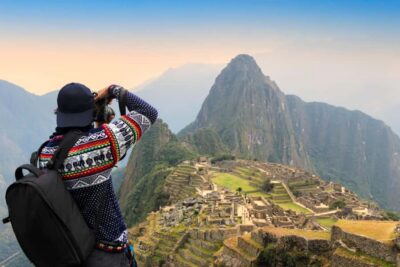
Machu Picchu: Inca Trail 2-Day Overnight Guided Tour
Read our review →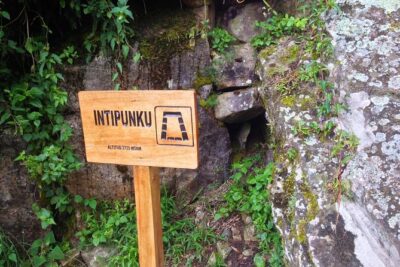
Short Inca trail to MachuPicchu || 2days – 1nigth ||
Read our review →
Machu Picchu: 5-Day Salkantay Trek with Panoramic Train
Read our review →Browse the lists this trek appears in