
Review · CHIANG MAI
3-Day Chiang Dao Mountain Trek
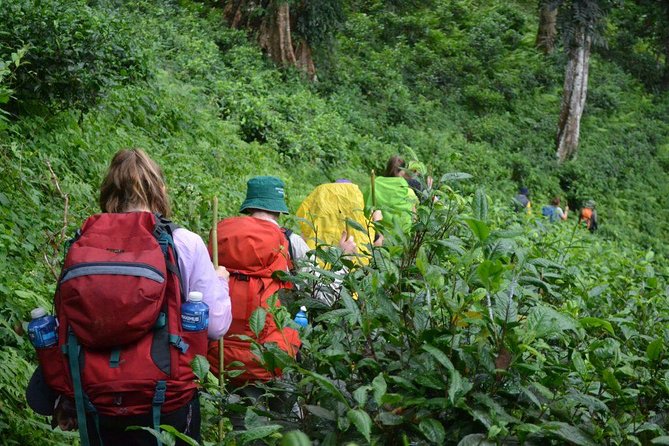
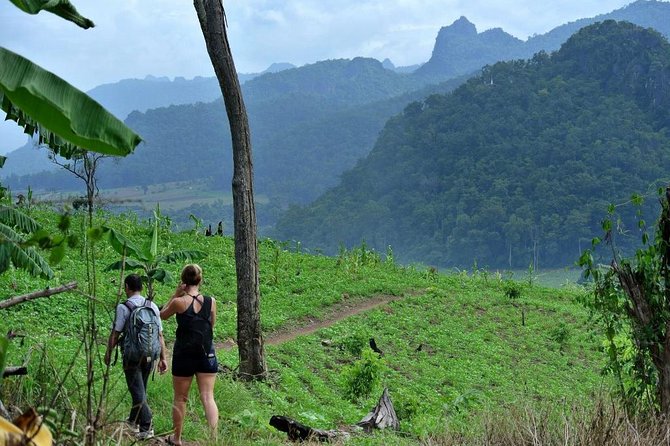
Chiang Dao’s best scenery is earned on foot. This three-day route leads through bamboo forest, jungle trails, mountain ridges, farms, and hill villages far from Chiang Mai’s city traffic. It is a real trek, not a gentle nature walk, with five to six hours of hiking on some days and a particularly demanding second day.
I like the small-group format, which keeps the pace more personal and gives guides such as Tan and Sap room to explain local plants, wildlife, farming, and village life. I also like the homestay meals and accommodation. Your guide may cook Thai dishes over a mountain fire, and the simple village setting gives you a far more direct connection to northern Thailand than a resort stay.
The main drawback is the physical demand and uneven daily schedule. One day can involve up to nine hours of climbing and descending, while another may be much shorter. Village dogs, roosters, and other nighttime sounds can also make earplugs a smart addition to your pack.
What makes this Chiang Dao trek worth considering
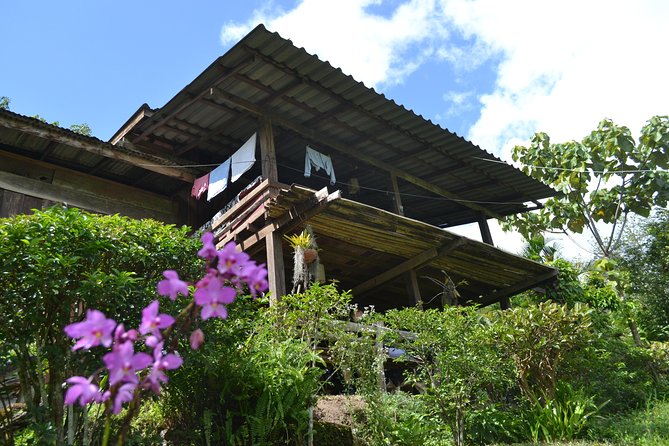
- Mountain ridges and jungle paths: The route moves through bamboo forest, steep hills, farms, and remote trails with broad views over northern Thailand.
- Guides who know the forest: Tan and Sap are praised for identifying plants, explaining local customs, and adjusting the pace to the group.
- Two village homestays: You sleep simply, often with mountain views, solar electricity, fires, dogs, and roosters as part of village life.
- Meals cooked along the way: Breakfast, lunch, and dinner are included for all three days, with food prepared by the guide or trekking team.
- A genuine small-group experience: The tour is designed for no more than 10 people, though the supplied details also list a maximum of 12, so confirm the number when booking.
- Transport from Chiang Mai: Hotel pickup and the return drive are included, making this easier than arranging separate transport into the mountains.
Leaving Chiang Mai for the Chiang Dao highlands
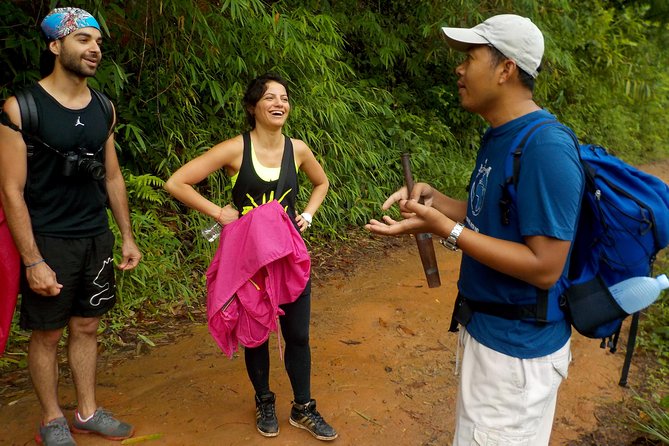
The experience begins with pickup in Chiang Mai, within the second ring road area. The published schedule refers to pickup around 8:30 a.m., while the meeting information lists a 9 a.m. start, so I would confirm the exact pickup time before the day begins.
The meeting point is Le Dta’ Wan Food Market in Chang Khlan. From there, the drive heads north toward the Chiang Dao area. This transfer matters because the trek starts well away from Chiang Mai’s urban center. You avoid the trouble of finding a remote trailhead, and the drive gives you time to leave the city behind before the walking starts.
A stop at a local market adds a useful touch. Your guide can introduce the ingredients used for meals during the trek, helping you understand what will later appear in the cooking pot. It is a small detail, but it connects the food to the place rather than treating meals as anonymous tour catering.
The first day includes roughly four hours of walking according to the detailed trip feedback, though the exact time can change with trail conditions and the chosen route. Expect undulating ground rather than a flat path. You may walk through bamboo, forest, farmland, and village areas as the route moves toward the first overnight stop.
A few more treks around Chiang Mai worth a look
- Chiang Mai: 3-Day Karen Hill Tribe Immersion with Trekking
★ 5.0 · 11 reviews - Chiang Mai: 3Days Nature&Cultural Trek in Doi Inthanon Area
★ 5.0 · 2 reviews - Sapa 3 Days 2 Nights Trekking Tour (1 Night In Ta Van Village, 1 Night In Hotel)
★ 5.0 · 699 reviews
Day one, bamboo forest and the first homestay
The opening day eases you into the mountains, but it still requires a reasonable level of fitness. You carry your own belongings, and the operator asks you to limit personal effects to a 45-liter backpack. That is a good rule for this kind of trip. A heavy bag becomes tiresome quickly on steep ground.
The first night is often the favorite part of the accommodation. The setting is described as peaceful, with mountain views and a chance to watch the sun rise or set. A fire may be built in the evening, adding warmth and a social center to an otherwise simple homestay.
Do not expect hotel comforts. The accommodation is basic but considered clean and workable. Solar power may provide electricity, but this remains village lodging, not a polished mountain resort. You may hear dogs, roosters, or other village sounds, especially at the second homestay. Bring earplugs if you sleep lightly.
The food is one of the strongest parts of the trip. Your guide may also serve as cook, and Tan in particular is praised for preparing satisfying Thai meals. Breakfast, lunch, and dinner are included across the three days, but drinks at the homestays and restaurants are extra. Vegetarians can be accommodated, but you need to request this when booking.
Day two, the hardest walking of the trip
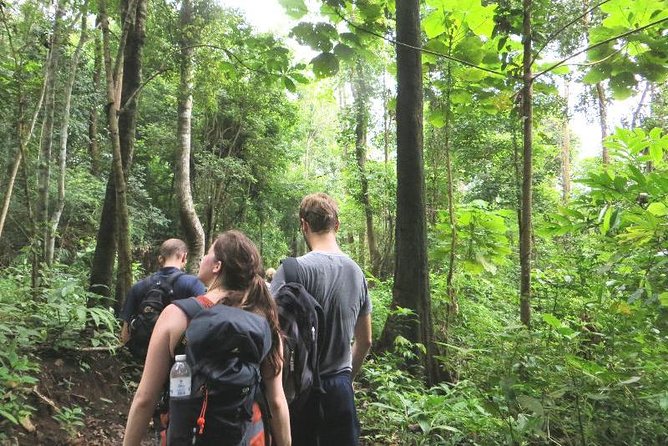
Day two is where you should expect the greatest effort. The route follows mountain ridges and crosses a variety of jungle paths, with repeated climbing and descending. Some sections may feel rough or overgrown. One account describes the guide cutting through vegetation to reopen the way, which gives you a sense of the route’s wild character.
The distance is not the only issue. On mountain trails, a short section can take time when the ground is steep, slippery, or uneven. Going downhill can be hard on your knees, so trekking poles may be useful if you already use them, although the supplied equipment details do not confirm that poles are provided.
This is also the day when your guide’s skill matters most. Tan has more than 30 years of trekking experience and is known for reading the group’s pace well. Sap is praised for explaining plants and animals and for looking after people when the going gets tough. Guides may let you taste safe local plants along the trail, but you should only eat anything after receiving clear direction from them.
The route passes through remote parts of the Maetang River valley and nearby hill communities. The attraction here is not a staged cultural show. You see working villages, farms, and daily routines as part of the walk. That can be more meaningful than a quick photo stop, but it also calls for respectful behavior. Follow your guide’s lead around homes, people, and farmland.
Some schedules describe this day as lasting around nine hours. That makes the trip a poor choice if you want a relaxed stroll between comfortable lodgings. You should be ready to walk for much of the day, with breaks set by the guide and conditions on the trail.
Cooking, village life, and simple overnight stays
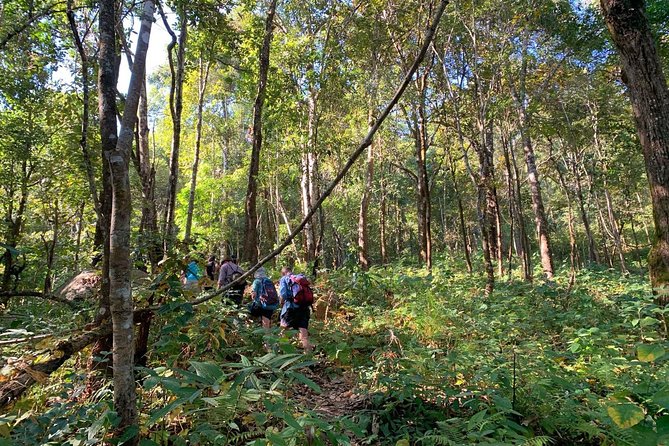
The homestays are central to the experience, not just a place to sleep. You stay in local communities, eat food prepared for the group, and see a side of northern Thailand that is easy to miss from Chiang Mai.
The accommodation may include mountain views, basic electricity from solar power, and a peaceful setting. It may also include barking dogs and crowing roosters before sunrise. Those sounds are not a service failure. They are part of staying in a working village, though they can be inconvenient if you need quiet to sleep.
Meals are another practical advantage. Since breakfast, three lunches, and two dinners are included, you do not need to plan restaurant stops during the trek. Carry some personal snacks if you like, but keep the bag light. Drinks and personal purchases are not included, so bring enough money for those costs.
The cooking also gives the guide a second role. Along with leading the walk, the guide may prepare meals and help organize fires or camp-style arrangements. That can make the trip feel personal, but it also means the pace and meal setup may be less polished than on a large commercial tour.
Same trailhead, a different route:
- 3-in-1: Doi Inthanon Tour, Elephant Sanctuary, and Trekking Trail
★ 5.0 · 1,087 reviews - Chiang Mai: Doi Inthanon Trip with Pha Dok Siew Guided Trek
★ 4.6 · 910 reviews - Chiang Mai: 2-Day Jungle Trek with Elephant Farm & Raft Ride
★ 4.7 · 881 reviews - Chiang Mai: Doi Inthanon Park and Pha Dok Siew Trail Trek
★ 4.6 · 752 reviews
Day three, descending to the Maetang River valley
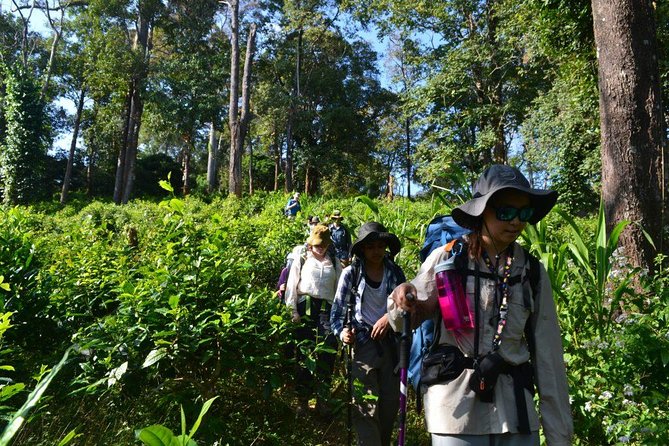
The final morning begins with breakfast in the mountains. The route then makes a roughly three-hour descent toward the Maetang River valley. After two days of ridge walking and jungle trails, the change in scenery should be noticeable as you move down toward the valley.
A waterfall stop provides a natural break. The plan includes lunch beside the river in a quiet setting, followed by the drive back toward Chiang Mai. Some accounts describe day three as only two to three hours of walking, so the overall effort is not evenly divided across the schedule.
That uneven pattern is worth understanding before booking. You may enjoy having a shorter final day, especially after the demanding middle section. On the other hand, the itinerary can feel lopsided if you expect three similar days of walking. The mountain terrain, rather than a fixed mileage target, determines the daily schedule.
Round-trip transport is included, and the activity ends back at the meeting point. Confirm your onward plans before booking a late evening train, flight, or fixed appointment, since the return time is not specified.
How hard is the trek?
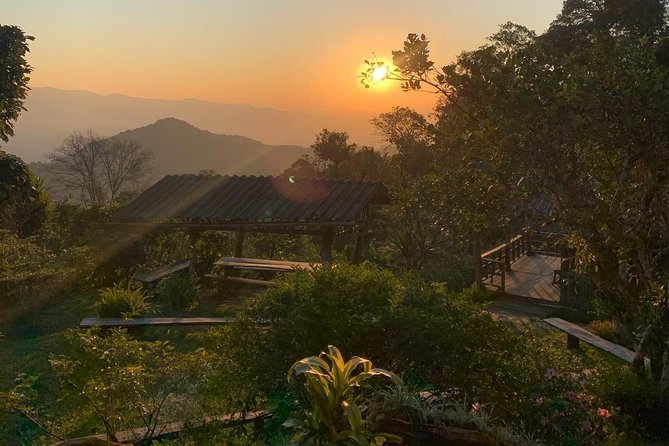
You should have moderate physical fitness and be able to hike for five to six hours over undulating ground. That is the minimum useful benchmark, but it does not fully describe day two. The route includes steep climbs, descents, jungle paths, and sections that can be physically demanding.
The trek is not suitable for children under 10 unless they are already used to several hours of hiking. Older children and adults should be judged by hiking ability rather than age alone. A mixed-age group has completed the route successfully, but the guide still needs to manage different speeds and energy levels.
Wear hiking boots or sturdy runners, along with clothing suitable for outdoor conditions. The operator provides a seasonal kit list, so use it. Keep your pack to 45 liters or less and carry only what you truly need. A change of clothes, rain protection according to the season, toiletries, personal medication, and earplugs are sensible priorities.
The physical challenge is a major part of the value. If you want a demanding northern Thailand walk with real village stays, the effort gives the trip its character. If you mainly want mountain views with little exertion, choose a shorter day hike instead.
Guides Tan, Sap, and the value of local knowledge
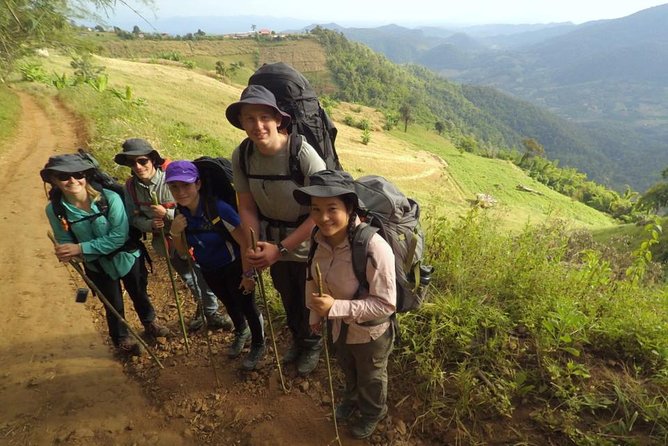
The guide can make or break a remote trek, and this experience has several names worth knowing. Tan is praised for his long experience, good humor, cooking, plant knowledge, and ability to judge the group’s pace. Sap is described as calm, kind, and well informed about plants, wildlife, and local life.
Other guides and assistants may be assigned, including Tri, Mac, or Room, depending on the departure. Their roles can include guiding, cooking, driving, and helping with campfires. Since the exact guide is not guaranteed, treat the names as examples of the team rather than a promise that one particular person will lead your trip.
The best guide behavior here is practical. You need someone who can keep the group together, explain the surroundings without turning the walk into a lecture, prepare food, and respond when the trail becomes difficult. The supplied feedback repeatedly highlights those qualities, especially the guides’ patience and care on hard sections.
Communication before the trip has not always been perfect, so confirm key details directly. Ask about pickup time, group size, food preferences, the current route, and what to bring.
Is $256 a fair price?
At $256, the tour costs more than a simple one-day hike from Chiang Mai, but you are paying for three days of guiding, transport, six included meals, two nights of homestay accommodation, and route planning in remote mountains.
The price also covers the practical work behind the scenes. Someone must arrange village stays, carry or source cooking supplies, navigate changing trail conditions, and move the group from Chiang Mai to the mountains and back. For a small group, those costs are spread across fewer people than on a large coach excursion.
Value depends on what you want. You get good value if you would otherwise need to arrange transport, food, lodging, and a local guide separately. The price is less appealing if you dislike basic accommodation or would not enjoy spending most of a day on steep trails.
Group discounts are available, and the tour is designed to remain small. Confirm the exact group limit because the information gives both 10 and 12 as the maximum. A smaller group usually means more direct guidance and less waiting on the trail.
Who should book this trek?
I would choose this trip if you want a serious mountain walk with an authentic village setting and you are comfortable giving up hotel comforts for a few nights. It suits active adults, experienced hikers, and families with older children who already handle long walks well.
You should think twice if you have knee problems, dislike steep descents, need a predictable sleep environment, or want a tightly timed itinerary. The dogs and roosters are part of the setting, and the second day can be long.
The tour does not include elephant attractions or mass entertainment. Its appeal is the forest, the ridge views, local food, village life, and the chance to walk through areas where the trail may feel genuinely remote.
Practical details before you reserve
Pickup is offered from Chiang Mai city within the second ring road area, with the listed meeting point at Le Dta’ Wan Food Market. The exact start time should be confirmed because the information gives both 8:30 a.m. pickup and a 9 a.m. start.
Confirmation is issued within 48 hours, subject to availability. The experience requires a minimum number of participants and good weather. If the operator cancels for either reason, you are offered another date or a full refund.
You can cancel for a full refund up to three full days before the start time. Changes or cancellations made later are not accepted for a refund. Since this is a weather-sensitive trek, avoid building an unchangeable schedule around the return.
Should you book the Chiang Dao Mountain Trek?
Book it if you want the most demanding and local-feeling option in this price range: long days on mountain trails, guides who explain the forest, home-cooked Thai food, and village homestays instead of polished tourist facilities.
Skip it if you want an easy walk, quiet nights, or equal walking time each day. For the right person, the hard second day and basic accommodation are not flaws to hide. They are the cost of getting beyond the usual Chiang Mai day-trip circuit.
FAQ
Where does the Chiang Dao Mountain Trek start?
The meeting point is Le Dta’ Wan Food Market in Chang Khlan Sub-district, Chiang Mai. Pickup is offered from accommodations within Chiang Mai’s second ring road area.
How long is the trek?
The experience lasts approximately three days. Hiking time varies by day, with roughly four hours on day one, a longer and harder day two, and about three hours of descent on day three.
What meals are included?
Two breakfasts, three lunches, and two dinners are included. Beverages at homestays and restaurants, along with personal spending, are not included.
Where do you sleep?
You stay in basic local homestays for two nights. The accommodation may have mountain views and solar electricity, but village sounds such as dogs and roosters can be part of the experience.
How fit do I need to be?
You should have moderate physical fitness and be able to hike five to six hours over undulating ground. The trek includes steep climbs and descents, especially on the second day.
Can children join the trek?
Children under 10 are not considered suitable unless they are used to several hours of hiking. The tour is better suited to children and adults with a solid walking base.
Can vegetarian meals be provided?
Yes, vegetarian meals can be planned, but you must advise the operator when making the reservation.
Just added around Chiang Mai
- Trek to a Jungle Waterfall★ 5.0 · 14 reviews
- Trekking at the Monk Trail and Doi Suthep Temple Private Tour★ 5.0 · 3 reviews
- Small Group : Trekking Trip in Chiang Mai (Doi Suthep Area) with Market Tour★ 5.0 · 4 reviews
- Full-Day Trekking and Sightseeing Tour in Mae Kampong★ 5.0 · 46 reviews
- 11km Scred Mountain Hike★ 5.0 · 2 reviews
- Private Tour 2 Difference Trails Trekking at Doi Inthanon National Park★ 5.0 · 19 reviews
- 8KM White Water Rafting and 3HRS Jungle Trekking Adventure★ 5.0 · 9 reviews
- One day Doi Inthanon National Park & Trekking on Kew Mae Pan★ 5.0 · 12 reviews
Chiang Mai Trekking Tours, compared.
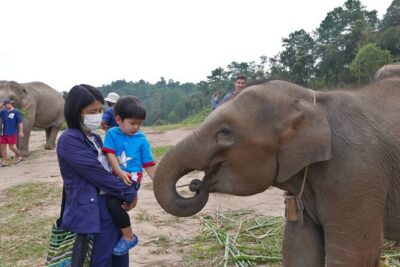
3-in-1: Doi Inthanon Tour, Elephant Sanctuary, and Trekking Trail
Read our review →
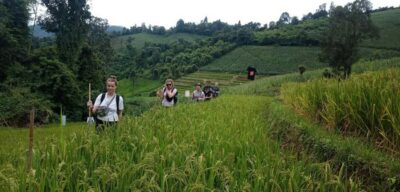
2-Day Jungle Trek with Elephant Farm & Raft Ride
Read our review →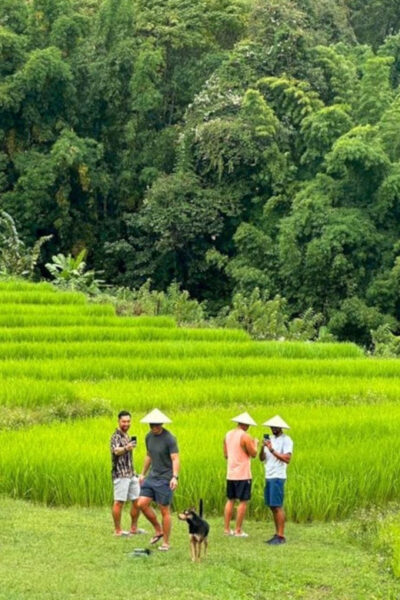
Doi Inthanon Private Tour with Trek & Lunch from Chiang Mai
Read our review →
Doi Inthanon National Park and Pha Dok Siew Trek
Read our review →
Gibbons, Trekking & Mae Kampong Small Group Tour
Read our review →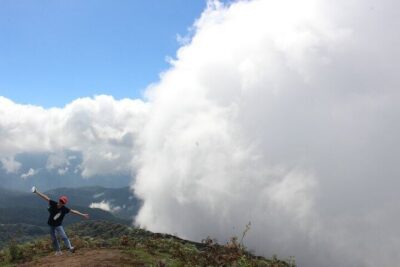
Doi inthanon National Park + 2Hour Fantastic Trekking with Lunch
Read our review →Browse the lists this trek appears in