
Review · CHIANG MAI
Chiang Mai: 3-Day Karen Hill Tribe Immersion with Trekking
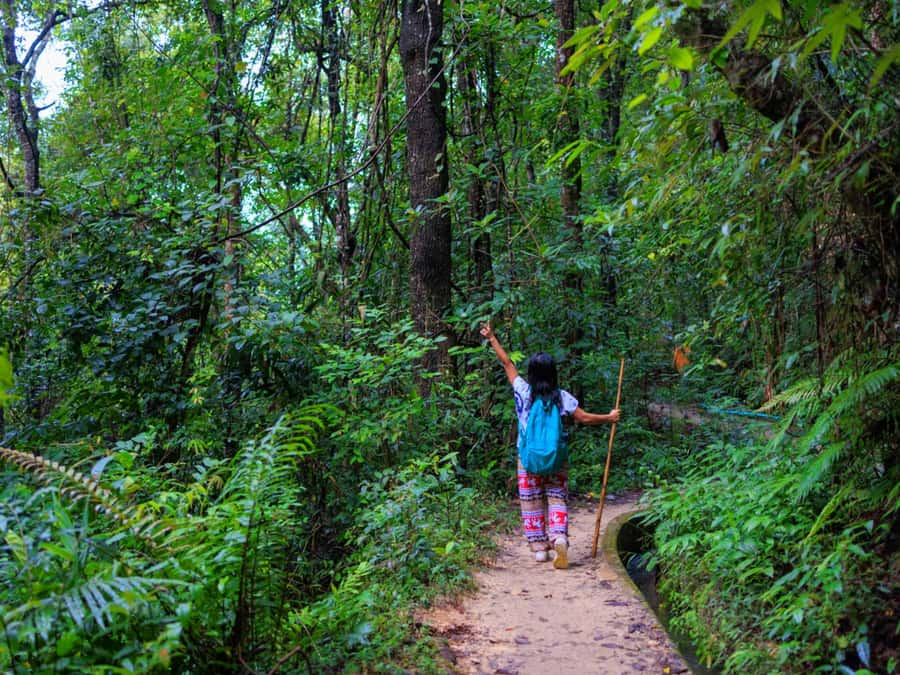
Doi Inthanon reveals itself slowly on this three-day Karen trek. You walk through forest, bamboo groves, farms, and rice paddies, then sleep in remote village camps run by a local Karen family. This is not a quick photo stop. You share meals, learn plant uses, and sit by the fire with people who live on this land.
I like the small-group feel, with space for guides such as Pepe, Bobo, or Jungle Boy to point out fruit, herbs, spiders, and other details you would miss alone. I also like the waterfalls: up to five on the final day, with time to swim. The catch is simple: five to seven hours of walking each day, steep sections, cold showers, basic beds, and little phone service.
Key details at a glance
- Karen-owned trails and camps: Walk on community land that is not part of a standard sightseeing circuit.
- Three days, two village stays: Sleep in two different Karen camps and share local meals from Day 1 lunch through Day 3 lunch.
- A real physical challenge: Expect uneven paths and roughly five to seven hours of trekking per day.
- Waterfall swimming: The route includes a jungle waterfall on Day 1 and up to five more on Day 3.
- Local guides with sharp eyes: Pepe, Bobo, and Jungle Boy have been praised for spotting plants, fruit, insects, and animals along the trail.
- A true unplugged trip: Electricity may be available at the village stays, but internet and mobile service are limited, and the forest camp is very basic.
What $158 buys you in Doi Inthanon
At $158 per person, this is good value if you want more than a guided walk. The price covers hotel pickup and return in Chiang Mai, three days of guiding, two nights, seven meals, cultural activities, cooking sessions, and accident insurance during the trek.
The important value is access. The trails, campsites, and waterfalls are community-owned, so your money supports a Karen family and local village land rather than only paying for transport to a popular viewpoint. You also get a guide who can explain how plants are used and help you understand daily life in the villages.
The price does not cover drinks. Bring cash for water and other purchases, since village sellers may not accept cards. Pack snacks too, especially if you prefer something between the included meals.
This is not a luxury bargain. You sleep on basic bedding, and one night may be at a simple forest camp near a waterfall. Beds can feel hard, showers are cold, and facilities are limited. If you measure value by comfort, you may prefer a hotel-based day trek. If you measure it by time on the trail and contact with local families, the price is fair.
A few more treks around Chiang Mai worth a look
- 3-Day Chiang Dao Mountain Trek
★ 5.0 · 36 reviews - Chiang Mai: 3Days Nature&Cultural Trek in Doi Inthanon Area
★ 5.0 · 2 reviews - Sapa 3 Days 2 Nights Trekking Tour (1 Night In Ta Van Village, 1 Night In Hotel)
★ 5.0 · 699 reviews
The early pickup and road into the hills
Pickup starts early from Chiang Mai. Central hotels are generally collected between 7:00 and 7:10 AM, mid-range areas between 7:00 and 7:30, and outer areas between 7:30 and 8:00. Wait in the lobby from ten minutes before your scheduled time.
The first stop is a local market. This is a useful start rather than a grand attraction. You can see the kind of food and produce used in the area before heading into the hills, and it gives you time to meet the group and guide.
The drive continues to a mountain village connected to the host family. From there, the walking begins. A group of up to 15 people is possible, though the actual number may be smaller. That matters on narrow paths, especially when the group needs to stop for water, food, or a plant lesson.
Day 1: steep forest paths and a waterfall camp
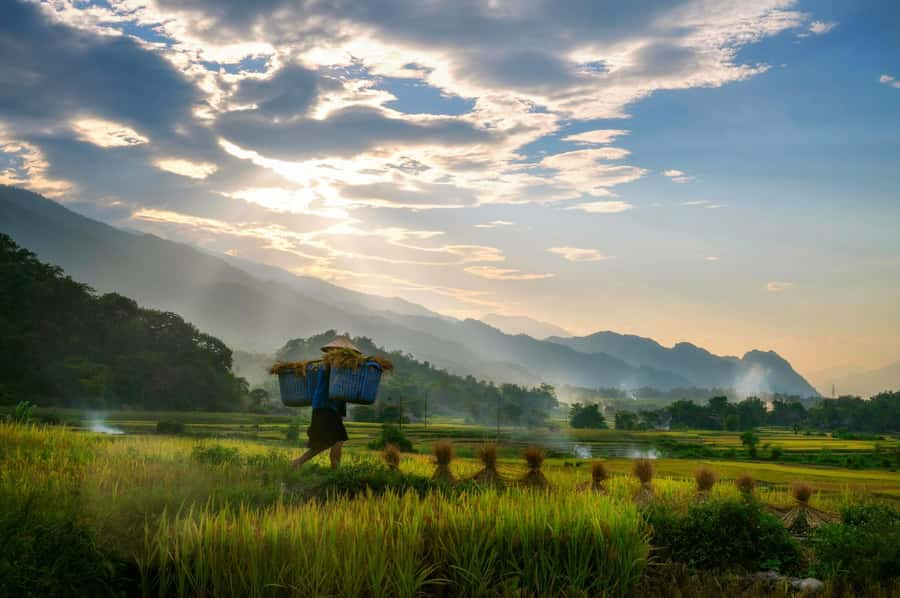
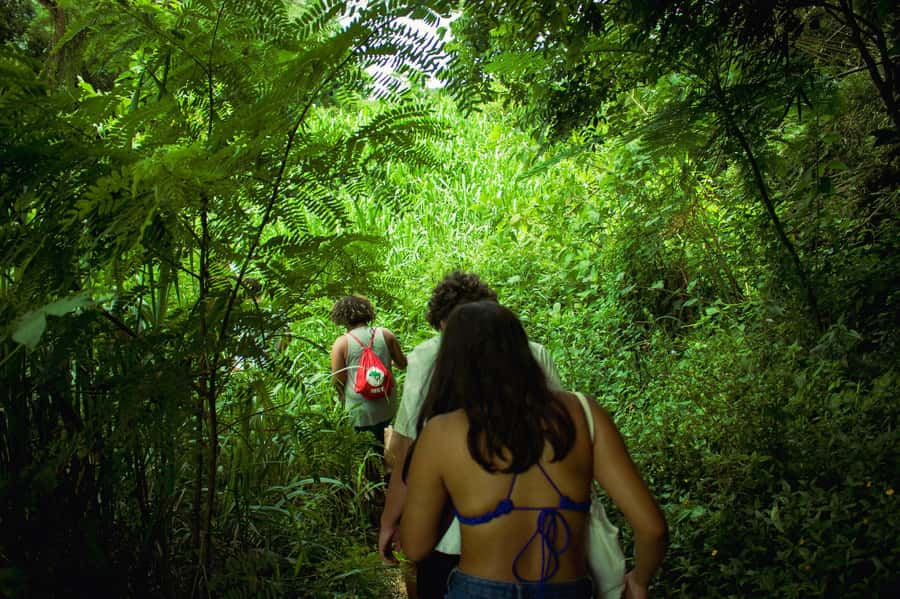
The opening trek crosses private farmland, rice paddies, bamboo groves, and dense forest. Your guide explains native plants and Karen traditions as you go. This is where a local guide earns the fee: the forest can look like a wall of green until someone shows you what can be eaten, brewed, or used.
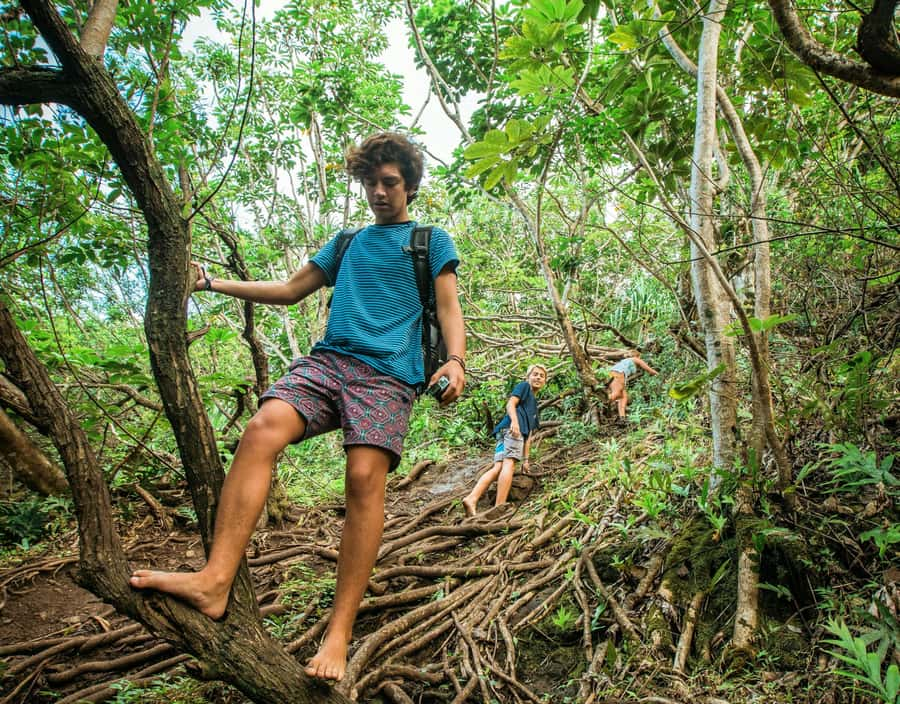
Expect the first day to feel like the hardest. A steep climb is part of the route, and one detailed account put the daily distance at about 11 kilometers. The advertised five to seven hours of trekking is a better guide than the distance alone, since uneven ground and climbs slow the pace.
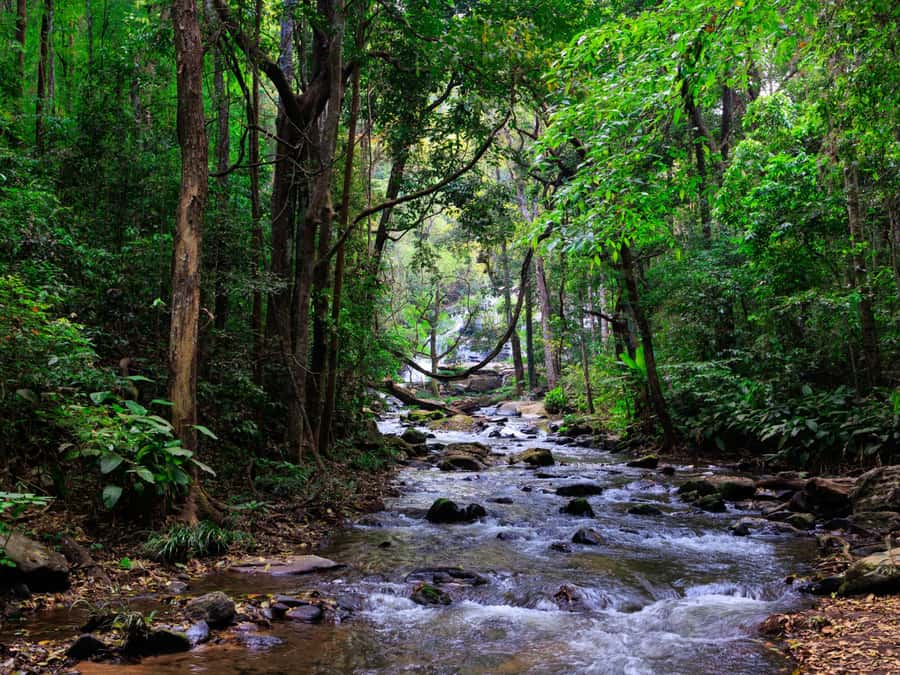
Lunch is prepared near a waterfall and wrapped in banana leaves. It is a practical meal, but also one of the pleasant details that makes this trek different from a restaurant-based tour. You eat beside the water, then continue through the forest toward camp.
The first overnight stop is near a remote waterfall. You help prepare dinner with hand-picked herbs, then sit around a fire under the night sky. There is no need to force conversation here. The setting does the work, and the shared meal usually gives the group an easy way to get acquainted.
The camp is basic. Bedding is provided, but comfort is limited, and you should not expect a private hotel room, reliable internet, or strong mobile service. Bring dry clothes for sleeping, a towel, toiletries, and toilet paper. A headlamp is not listed among the required items, so ask the operator about lighting before departure if that matters to you.
Day 2: forest wildlife and two Karen villages
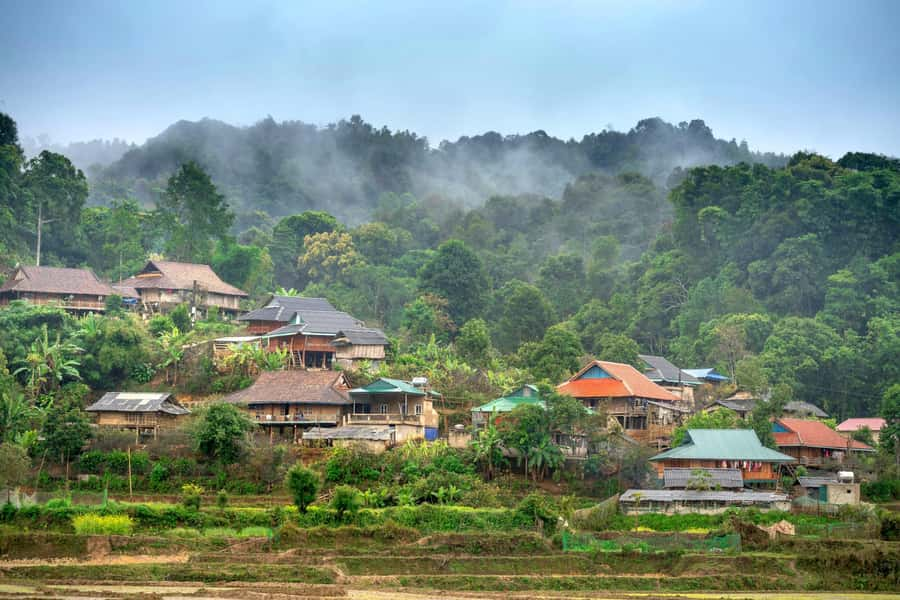
After a simple breakfast, you set out through forest that can shelter gibbons, macaques, and Asiatic black bears. That does not mean you will see these animals. The reward is the chance to walk through habitat where a local guide can explain what you are seeing.
Guides have been especially good at finding small things: fruit, herbs, spiders, scorpions, and other forest life. Jungle Boy is one guide name associated with this style of walk, while Pepe and Bobo have also led groups. The point is not a wildlife checklist. It is learning to notice what is already around you.
The first section takes about three hours to a Karen village, where you stop for lunch and cultural exchange. After that, the walk continues for about four hours to a second village. Day 2 is not a gentle cultural add-on. It combines a long hike with time in the village, so you need to keep enough energy for both.
The second overnight stay is the strongest cultural part of the trip. You learn about traditional clothing, cooking methods, and daily routines. Hosts may include members of the guide’s own family, such as parents or siblings. That family connection can make the visit feel more personal, but you still need to behave as a respectful visitor, not as if the village were a staged performance.
Dress modestly in the villages. Ask before photographing people, clothing, homes, or ceremonies. A little care goes a long way, especially when the experience depends on trust and access to privately owned land.
Dinner brings another fireside evening. The food is simple, fresh, and plentiful according to the details provided about the trip. Dietary needs can be handled with advance notice, so tell the operator before you go rather than hoping the kitchen can adjust at the last minute.
Same trailhead, a different route:
- 3-in-1: Doi Inthanon Tour, Elephant Sanctuary, and Trekking Trail
★ 5.0 · 1,087 reviews - Chiang Mai: Doi Inthanon Trip with Pha Dok Siew Guided Trek
★ 4.6 · 910 reviews - Chiang Mai: 2-Day Jungle Trek with Elephant Farm & Raft Ride
★ 4.7 · 881 reviews - Chiang Mai: Doi Inthanon Park and Pha Dok Siew Trail Trek
★ 4.6 · 752 reviews
Day 3: farms, cloud forest, and several waterfalls
The final day covers six to seven hours across farmland, rough paths, cloud forest, and local farms. The route is described as mostly downhill by one detailed account, but downhill does not mean easy. Long descents can be tiring on knees and ankles, and wet ground may make the footing uncertain.
The payoff is water. You may visit as many as five natural waterfalls, and the stops are suitable for swimming. Bring swimwear, a towel, sandals, and a change of clothes in a waterproof bag. You will enjoy the water far more if your dry clothes remain dry.
The waterfalls also give the day a natural rhythm. After a stretch of walking, you can stop, cool off, and take in the forest without rushing to the next scheduled attraction. Still, the number of waterfall stops may vary, so treat five as an upper limit rather than a promise.
A final meal is served by the water before pickup returns you to Chiang Mai. It is a calm ending after two nights away from town. You come back with muddy shoes, damp swimwear, and a better sense of how much work it takes to move through these hills on foot.
The food, sleeping arrangements, and daily comfort
Seven meals are included, beginning with lunch on Day 1 and ending with lunch on Day 3. Food uses fresh local ingredients and is cooked during the trip, including hands-on sessions with the guides and village hosts.
The meals are not designed for culinary luxury. They are part of the setting: banana-leaf-wrapped lunch, herbs gathered near camp, and shared dinners prepared in a village environment. Bring snacks if you get hungry between meals, and carry water each day.
The camps are simple but comfortable enough for an outdoor trip. Bedding is supplied, and mosquito nets are available at some sleeping areas. Electricity has been present at both village stays for some departures, but the trip information also warns of no electricity at camps, so do not plan on charging devices or relying on lights.
Showers are cold. That can be refreshing after a hot climb, but it is still cold. A small towel, soap, toothbrush, and dry sleeping clothes will make the evening much easier.
How demanding is the trekking?
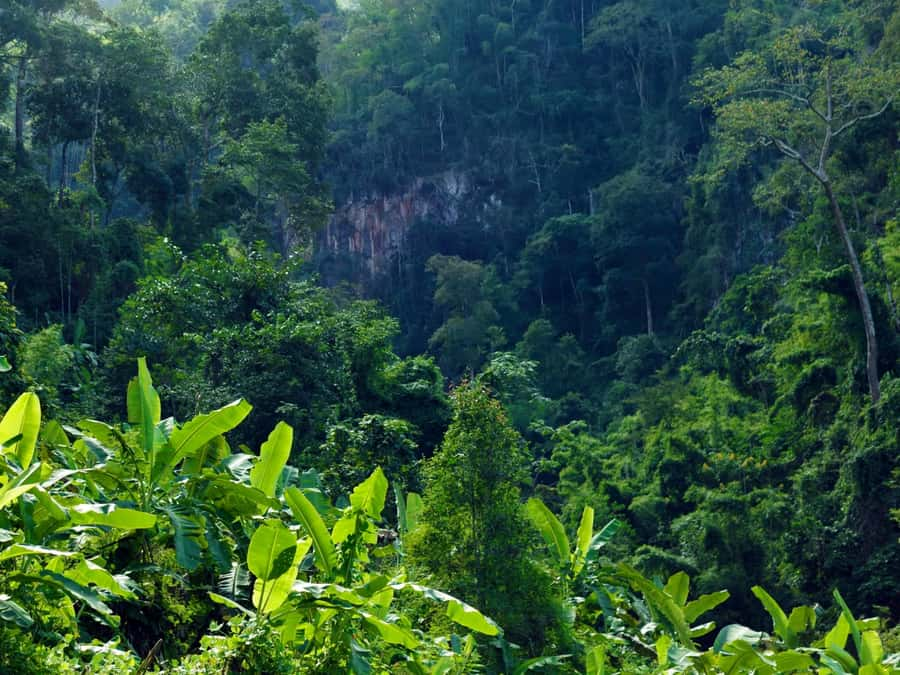
You need a moderate fitness level. Plan for five to seven hours of walking per day on uneven jungle paths, with steep climbs, descents, mud, rocks, and possible changes in weather.
The first day is often the toughest because of the climb. Day 2 combines a three-hour walk to one village and roughly four more hours to the next. Day 3 is longer in total time but includes waterfall breaks and, in places, more downhill walking.
Good hiking shoes matter. Sandals are useful around waterfalls, but they are not a substitute for trail footwear. Carry a small backpack rather than a loose shoulder bag. You must carry your own clothes, swim gear, toiletries, medication, snacks, and water.
This trip is not suitable for children under 12, people with back problems, mobility impairments, or heart problems. If you are unsure about your fitness, ask the operator for a current description of the steepest sections before booking.
What to pack for a comfortable three days
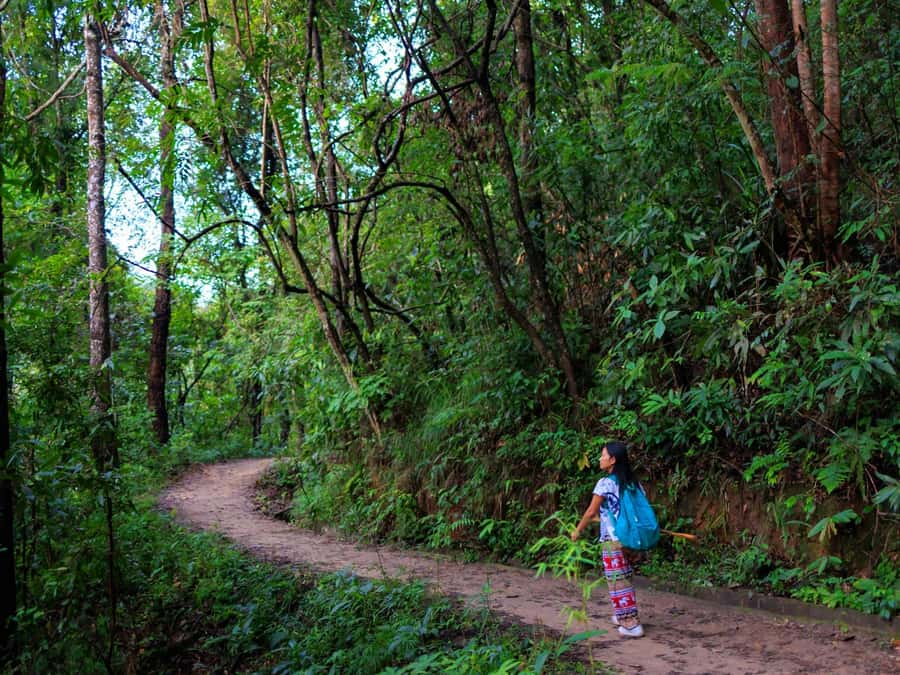
Pack light, but do not leave out the items that solve real problems. I would bring:
- Hiking shoes, sandals, socks, and long pants
- Swimwear, towel, and a full change of clothes
- Long-sleeved shirt, T-shirts, jacket, and rain protection in wet weather
- Sunscreen, insect repellent, hat, and sunglasses
- Water, snacks, toiletries, toilet paper, and personal medication
- A small daypack and a camera
- Cash for drinks and village purchases
A jacket and warm layers matter in winter, while a rain jacket matters in the wet season. Keep electronics and dry clothes in waterproof bags. Smoking, alcohol, drugs, and intoxication are not allowed.
The best packing rule is to bring fewer clothes, but make sure every item can handle mud, rain, sweat, and a cold shower. You do not need an outfit for each day.
Respecting Karen community land
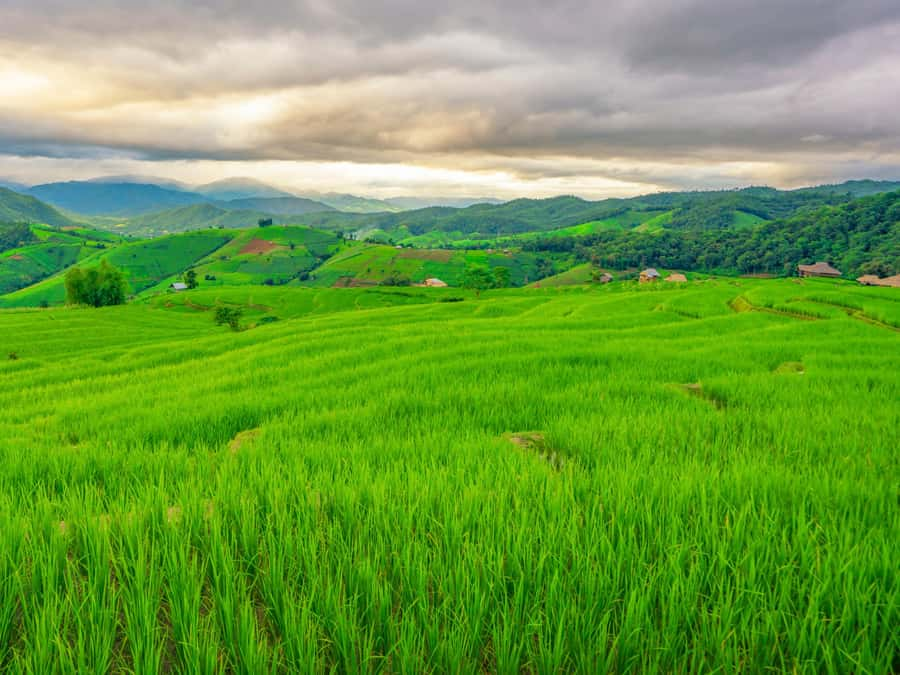
The best part of this trip depends on responsible behavior. You are walking through land owned and managed by local communities, not through a theme park. Stay on the marked paths, carry out your rubbish, avoid single-use plastics, and ask before taking photographs.
The cultural activities are valuable because they connect you with real households and working villages. That also means you should accept that daily life may not run on a tourist schedule. Be patient around meals, sleeping arrangements, and village routines.
An English-speaking guide leads the trip, with Thai also available. The guide is your link to the forest and the community. Ask questions, but listen carefully too. The best moments may come from a short explanation about a plant or a quiet exchange around dinner rather than from a formal activity.
Who should book this trek?
I would choose this trip if you want long walks, local food, cold waterfalls, simple village stays, and time away from your phone. It suits people who enjoy nature and do not need polished facilities at the end of the day.
It also works well for couples, friends, and solo visitors who like meeting a small international group around a shared fire. The guides are part of the appeal, especially if you want help spotting forest life and understanding Karen traditions.
I would not choose it if you want a relaxed pace, dependable hot showers, comfortable mattresses, or short walks. The trip is more strenuous than the word immersion might suggest, particularly on Day 1. The 11-kilometer daily distances reported for one departure give you a useful warning: prepare for a proper trek, not a casual stroll.
Free cancellation is available up to 24 hours before departure, and you can reserve without paying immediately. Pickup and drop-off cover Chiang Mai city hotels, which keeps the practical side simple.
Should you book Maewin and Family Trekking Tour?
Book it if your idea of value is three full days in the hills, local guidance, shared cooking, waterfall swims, and direct contact with Karen village life. The strongest features are the family-run approach, the community-owned routes, the generous meals, and guides who pay attention to small details in the forest.
Skip it if basic camps or seven hours of walking would make you miserable. This is a rewarding trip, but it asks you to carry your own gear, accept cold showers, sleep simply, and keep moving for much of the day. Pack sensibly, bring cash, protect your dry clothes, and arrive ready for a real mountain experience.
FAQ
How long is the Karen hill tribe trek?
The experience lasts three days and two nights, with trekking for about five to seven hours each day.
Where does the trek take place?
It takes place in Doi Inthanon, in Chiang Mai Province, across Karen community-owned trails, farmland, forests, villages, and waterfall areas.
Are hotel transfers included?
Yes. Pickup and drop-off are included from hotels in Chiang Mai city.
What meals are included?
Seven freshly prepared meals are included, from lunch on Day 1 through lunch on Day 3.
Are the overnight stays comfortable?
The camps are basic, with bedding provided. Electricity and mobile service can be limited, and showers are cold. Some village stays may have electricity.
Can I swim during the trek?
Yes. The route includes a waterfall on Day 1 and may include up to five natural waterfalls on Day 3, all described as suitable for swimming.
Is this trek suitable for children?
No. It is not suitable for children under 12, or for people with back problems, mobility impairments, or heart problems.
Just added around Chiang Mai
- Trek to a Jungle Waterfall★ 5.0 · 14 reviews
- Trekking at the Monk Trail and Doi Suthep Temple Private Tour★ 5.0 · 3 reviews
- Small Group : Trekking Trip in Chiang Mai (Doi Suthep Area) with Market Tour★ 5.0 · 4 reviews
- Full-Day Trekking and Sightseeing Tour in Mae Kampong★ 5.0 · 46 reviews
- 11km Scred Mountain Hike★ 5.0 · 2 reviews
- One day Doi Inthanon National Park & Trekking on Kew Mae Pan★ 5.0 · 12 reviews
- Private Tour 2 Difference Trails Trekking at Doi Inthanon National Park★ 5.0 · 19 reviews
- 8KM White Water Rafting and 3HRS Jungle Trekking Adventure★ 5.0 · 9 reviews
Chiang Mai Trekking Tours, compared.
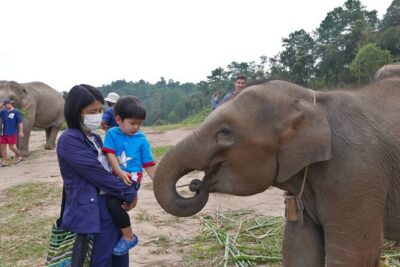
3-in-1: Doi Inthanon Tour, Elephant Sanctuary, and Trekking Trail
Read our review →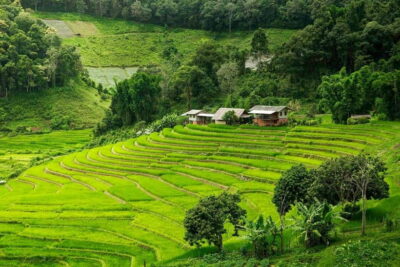
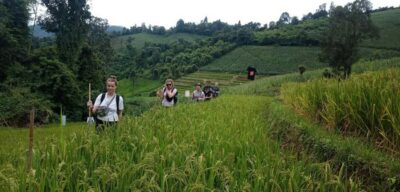
2-Day Jungle Trek with Elephant Farm & Raft Ride
Read our review →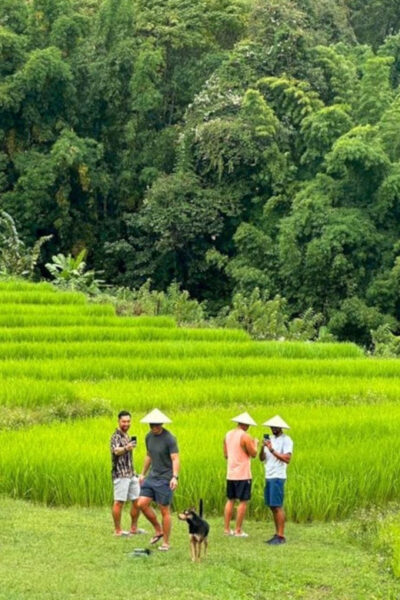
Doi Inthanon Private Tour with Trek & Lunch from Chiang Mai
Read our review →
Doi Inthanon National Park and Pha Dok Siew Trek
Read our review →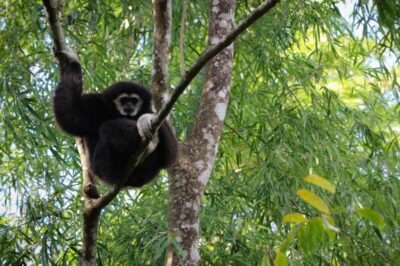
Gibbons, Trekking & Mae Kampong Small Group Tour
Read our review →
Doi inthanon National Park + 2Hour Fantastic Trekking with Lunch
Read our review →Browse the lists this trek appears in