
Review · SAPA
Sapa: Ta Phin Village Trek & Red Dao Herbal Bath
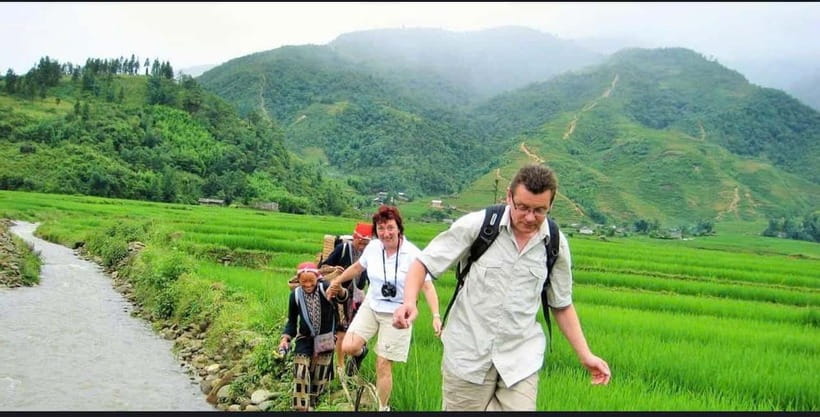
The best part of this Sapa day trip is the finish: after walking through Black H’mong and Red Dao villages, you settle into a hot wooden tub packed with fragrant herbs. The route links rice terraces, pine forests, and farm paths with a close look at daily village life, rather than keeping you on Sapa’s busy streets.
I like the small groups of up to 10 people, which leave more room for questions, and I like the guides’ personal approach. Su is especially good at explaining farming, food, family life, and local customs, while Gao has also led the walk. The main drawback is distance: 12 to 14 kilometers is easy to moderate, but it still calls for decent fitness, sturdy shoes, and energy for several hours on foot.
Key points to know before booking
- Three villages in one day: Walk through Suoi Ho, Ma Tra, and Ta Phin, each linked with Black H’mong or Red Dao culture.
- The herbal bath is the finale: A hot soak in a wooden tub gives tired legs a welcome break before the drive back to Sapa.
- A useful cultural guide: Su speaks strong English and can explain farming, crafts, food, family life, and village customs.
- A local meal is included: Lunch may be a picnic or a meal at a homestay or family restaurant, with Vietnamese dishes and some vegetarian choices.
- The route is quieter than Sapa’s center: You spend much of the day among farms, terraces, and village paths rather than in crowded streets.
- Good value at $26: The price covers the guide, lunch, bath, and return transport, making this a strong choice for a full day outside town.
Why this route works well for a day outside Sapa
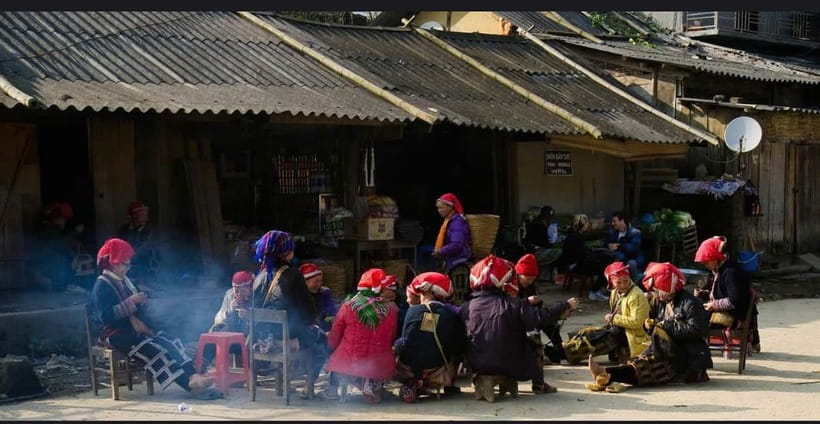
Sapa is famous for mountain scenery, but the town itself can feel busy and commercial. This trip takes you into the nearby countryside, where the focus shifts to crops, animals, houses, schools, embroidery, and family life.
You are not simply walking to a viewpoint, taking a photo, and heading back. The guide helps explain what you are seeing. At Suoi Ho, you learn about the Black H’mong way of life, including traditional farming and animal husbandry. At Ta Phin, the Red Dao connection to embroidery and herbal medicine gives the day a different focus.
The route covers about 12 to 14 kilometers over roughly six hours. The walking is described as easy to moderate, and several people found it comfortable rather than strenuous. Still, you should not treat this as a casual stroll. The length matters, especially if the ground is wet or you are not used to walking for most of a day.
The group limit of 10 is another practical advantage. A small group makes it easier to hear the guide and ask questions. It also feels less intrusive when you pass through working villages.
More Homestay Treks in Sapa
- Number one top rated ethical cultural trekking and homestay by ETHOS
★ 5.0 · 456 reviews - Sa Pa: 2-Day Trekking Trip with Ethnic Minority Homestay
★ 4.7 · 145 reviews - Sapa : 2-Day Trek & Heartwarming Homestay with an Ethnic Family
★ 5.0 · 143 reviews
9:00 at Sapa Stone Church, then toward Suoi Ho
The day begins at Sapa’s main church, Nhà Thờ Đá Sapa, at 9:00 a.m. You meet the local guide there and start with a short walk toward Suoi Ho Village.
This opening section gives you time to settle into the pace. Sapa sits at a high elevation, and the first part of a walking day can feel more tiring than expected. Start with water in your daypack and avoid treating the first hour as a race.
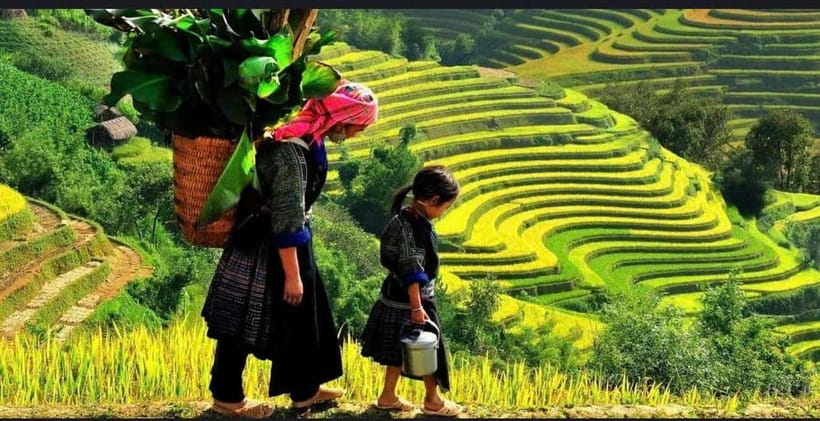
Suoi Ho is home to the Black H’mong people. The interest here is not one single monument or attraction. It is the chance to see how a rural community works: farming, keeping animals, and managing everyday tasks in a mountain setting.
This is where a good guide makes a real difference. Su, who led many of the highly praised outings, explains local customs in clear English and is happy to answer questions about food, family life, and village routines. One useful sign of a strong guide is the range of questions he can handle without turning the walk into a rehearsed lecture.
You may also find that the cultural explanation changes how you view the fields. Rice terraces are attractive, but they are also working farmland. Crops need to be planted, tended, and harvested. That simple context makes the scenery more meaningful.
10:30 through Ma Tra Village
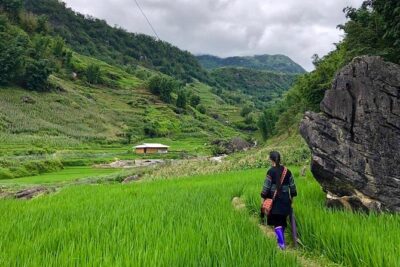
Around 10:30, the walk continues to Ma Tra Village. The route passes through green countryside, rice terraces, and pine forest. The scenery is a major reason to book, but the walking surface and weather can affect the experience.
The route is not described as difficult, yet comfortable shoes are essential. Bring shoes with a good grip rather than thin sandals. Insect repellent, water, weather-appropriate clothing, and a small daypack are also sensible choices.
Ma Tra adds another chance to see local life without rushing from one photo stop to the next. The planned visit may include a local school or conversations with villagers, depending on the day. You learn about customs and crafts, and you have time to ask how people live and work in the area.
That flexibility is useful, but it also means the exact rhythm can vary. You should expect a guided village walk, not a fixed museum visit with a guaranteed display at every stop.
One of the pleasures of this section is the quieter setting. Sapa’s center has shops and plenty of activity. Here, the route is more about paths, fields, and homes. It is a better fit if you want to see the rural outskirts without arranging a multi-day trek.
Lunch with a mountain view
Lunch arrives around 11:30, either as a picnic or at a local homestay or family restaurant. The exact arrangement can vary, but the meal is part of the tour rather than an extra cost.
Past meals have included Vietnamese specialties, a fresh sturgeon hotpot, and tasty dishes served at a family-run place with mountain views. Vegetarian choices are available at the local restaurant used on some outings. Food quality can be less consistent than the scenery, so keep your expectations practical rather than expecting a polished restaurant meal.
The setting is part of the value. A meal at a homestay or family restaurant gives you a pause in the middle of the walk and keeps money in the local community. It also gives you another natural opening to ask the guide about ingredients, farming, and local food.
If you prefer a quiet lunch, tell the guide early. The tour is designed around a shared meal or picnic, so you should expect a social break rather than complete privacy.
More Homestay Treks in Sa Pa:
- Sapa Valley Trek and Homestay – 3D2N
★ 5.0 · 105 reviews - 2 days authentic trekking tour in Sapa ( Homestay – Less touristy )
★ 5.0 · 68 reviews - From Sapa: 2 Days 1 Night Trek Over Night At Homestay
★ 5.0 · 68 reviews - Private Hoang Lien National Park & Tribal Village Trek
★ 4.7 · 30 reviews
12:30 toward Ta Phin and the Red Dao
After lunch, the trek continues to Ta Phin Village, home to the Red Dao people. The village is the cultural high point of the route because it brings together several themes introduced earlier: traditional clothing, embroidery, and plant-based remedies.
The Red Dao are especially known here for embroidery work and herbal medicine traditions. Your guide can help you understand the meaning behind what you see instead of leaving you to treat it as decoration.
This part of the walk is also a useful contrast with Suoi Ho and Ma Tra. The tour introduces both Black H’mong and Red Dao communities, but it does not suggest that all northern Vietnamese hill communities live in exactly the same way. Their crafts and traditions have their own character.
You should approach village visits with respect. Ask before photographing people, homes, or school activities, and listen when the guide explains local customs. The trip works best when you treat the villages as living communities, not as a stage set.
The route is often praised for feeling less touristy than other Sapa outings. That does not mean you will have the villages entirely to yourself, and it does not mean every moment will be remote. It does mean the day gives more attention to ordinary rural life than a quick viewpoint stop would.
2:00 and the Red Dao herbal bath
At around 2:00 p.m., the walking portion gives way to the experience many people book this trip for: a traditional Red Dao herbal bath.
You sit in a wooden tub filled with hot water and aromatic medicinal herbs. The bath is believed to ease muscle pain and improve circulation. After several hours on mountain paths, that timing makes good sense. The hot soak is not a decorative add-on. It is a practical way to rest your legs before returning to Sapa.
The bath is generally described as very hot and deeply relaxing. If you do not handle heat well, ask for the temperature to be adjusted before getting in. Bring a calm attitude and allow yourself time to enjoy the pause. This is not a rushed photo stop.
The setting can include mountain views, adding to the sense of rest. Still, the bath should be understood as a traditional wellness practice, not a medical treatment. The claims about pain relief and circulation are beliefs associated with the bath, and you should use your own judgment if you have health concerns.
For many people, this is the feature that makes the trip more memorable than an ordinary village trek. You get the physical effort of walking, then a distinctly local way to recover.
The return to Sapa by car
After the bath, you return to Sapa by car, with the day ending around 3:30 p.m. That transport matters. Walking 12 to 14 kilometers is manageable for many people, but adding a long walk back to town would make the day much harder.
The schedule leaves the evening free for dinner or rest. You can use the afternoon to recover rather than spending the rest of the day finding transport from a remote village.
The return car is included, as are the guide, lunch, and herbal bath. Personal expenses are not included, so bring money if you want to buy something or pay for an extra item.
What $26 gets you
At $26 per person, this is strong value for a six-hour outing. You are paying for a local guide, a full walking route, lunch, a traditional bath, and the ride back to Sapa. Booking these pieces separately could take more time and make the day less smooth.
The value is strongest if you want context, not just scenery. A self-guided walk may show you the same terraces and forests, but it will not necessarily explain Black H’mong farming, Red Dao embroidery, or herbal traditions. The guide is the part that connects the views with local life.
The price also works well for a short stay. If you have only a day or two in Sapa, this trip gives you countryside, village culture, food, and a bath in one compact outing.
There are limits. This is not a luxury tour, and lunch may be simple. The schedule may adjust around village visits and meal arrangements. If you want a private guide, a demanding mountain route, or a carefully staged food experience, this is probably not the right product.
How difficult is the walk?
The trek is rated easy to moderate and suits most fitness levels. Several outings have found the walking comfortable, but one practical warning remains: good physical condition helps.
The total distance is the key issue. A route can be technically easy and still feel tiring after four or five hours. Wear comfortable walking shoes, carry water, and dress for the weather. Layers are useful in Sapa because conditions can change during the day.
The tour is not suitable for children under six or people with mobility impairments. It is a poor fit if you need fully accessible paths or frequent vehicle transfers. The walk is the main event, not a short stroll added to a driving tour.
If you regularly walk for several hours, you should find the pace reasonable. If you rarely walk, consider how you will feel after 12 kilometers before booking.
Who should book this Sapa experience?
I would choose this tour if you want a quieter day beyond Sapa, care about local culture, and like the idea of ending an active outing with a hot bath. It is especially suited to couples, small groups, and solo visitors who want a guide but do not want a large coach tour.
It also suits anyone who felt that independent walking gave them scenery but not enough context. Su and Gao are able to explain the villages, answer questions, and connect the route to real life.
You may want to skip it if you dislike long walks, hot baths, or shared meals. It is also not the best match for very young children or anyone with limited mobility.
Free cancellation up to 24 hours before departure and the reserve-now, pay-later option give you some planning flexibility. Starting times should still be checked when booking.
Should you book the Ta Phin trek and herbal bath?
Yes, if you want a well-priced day that combines walking and cultural learning rather than scenery alone. The strongest reasons are the small group size, the thoughtful local guides, the quieter village route, and the herbal bath at the end.
I would book it early in a Sapa stay, before your legs become tired from other hikes. Bring proper shoes, water, insect repellent, and a little patience for a flexible village schedule. For $26, it offers a lot: three rural communities, a local meal, a 12 to 14 kilometer walk, and a relaxing Red Dao bath before the ride home.
FAQ
Where does the tour start?
The tour starts at Nhà Thờ Đá Sapa, also called Sapa Main Church, at 9:00 a.m.
How long is the trek?
The full experience lasts about six hours, with the day ending around 3:30 p.m. The walking distance is approximately 12 to 14 kilometers.
Which villages does the route visit?
The route includes Suoi Ho, Ma Tra, and Ta Phin. Suoi Ho is associated with the Black H’mong people, while Ta Phin is home to the Red Dao community.
Is lunch included?
Yes. Lunch is included and may be a picnic or a meal at a local homestay or family restaurant. Traditional Vietnamese dishes and vegetarian choices may be available.
What languages does the guide speak?
The live guide service is available in English and Vietnamese. Guides who lead the outing include Su and Gao.
Is the herbal bath included?
Yes. A traditional Red Dao herbal bath in a wooden tub is included, followed by transportation back to Sapa.
Just added around Sa Pa
- Sapa: Private The Most Beautiful Terraced Fields Trekking★ 4.8 · 42 reviews
- Soob Sapa Trekking Tour★ 4.3 · 3 reviews
- Sapa Trekking – Waterfalls And H’mong Villages★ 5.0 · 2 reviews
- Sapa3D2N TrekkingAdventures,Valleys,Bambooforest,Waterfall★ 4.8 · 24 reviews
- Sapa: Trekking Through Terraced Rice Fields & Valley 1 Day★ 4.8 · 4 reviews
- Sapa: Trekking Sapa One Day With Group Tour★ 4.7 · 55 reviews
- Sapa Trekking Private Tour With Ethnic Female Tour Guide★ 4.9 · 24 reviews
- Sapa: Y Linh Ho – Lao Chai, and Ta Van Trekking Day Tour★ 5.0 · 25 reviews
Homestay & Village Treks, compared.
Number one top rated ethical cultural trekking and homestay by ETHOS
Read our review →
2-Day Sa Pa Ethnic Homestay Tour & Trek with Limousine Bus
Read our review →
Sapa 3 Day 2 Night Trekking With Hotel & Homestay
Read our review →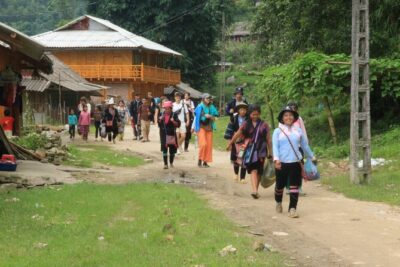
Sapa 2 Days 1 Night Overnight At Local Homestay
Read our review →
2-Day Trekking Trip with Ethnic Minority Homestay
Read our review →
2-Day Trek & Heartwarming Homestay with an Ethnic Family
Read our review →Browse the lists this trek appears in