
Review · AREQUIPA
Arequipa: Colca Canyon Trekking 2 days and 1 night + food
Colca Canyon is best seen on foot, and this trip takes you from Cruz del Condor down into the canyon, across small villages, and into warm Sangalle Oasis. You get two memorable experiences in one: condors circling above you and a hard, rewarding trek beside the Colca River. I especially like the stop at the Sangalle pools and the return route through wetlands filled with birds, alpacas, llamas, and vicuñas.
The guides are another strong point. Alix has helped tired walkers find practical solutions, while Carlos and Alex have been praised for steady support and clear explanations. The trade-off is plain: this is a tough hike, not a gentle country walk, and the shared lodge is basic. One stay included mold and an unreliable toilet, so keep your expectations firmly rustic.
Key points to know before booking
- Cruz del Condor comes first: Begin with one of the Colca region’s best-known viewpoints before walking into the canyon.
- The first day is mostly downhill: Expect about four hours to San Juan de Chucho, lunch there, then another three hours to Sangalle.
- Day two is a serious climb: The ascent from Sangalle to Cabanaconde takes about three hours and starts around 5:00am.
- Sangalle means simple comfort: Shared rooms, limited solar electricity, no internet, and no reliable phone charging.
- The price covers useful basics: Transport, guide, two breakfasts, one lunch, one dinner, and the lodge are included for $150.
- The return trip adds variety: Hot springs, volcano viewpoints, Tocra wetlands, and vicuña country break up the long ride back to Arequipa.
Why this Colca Canyon route is worth the effort
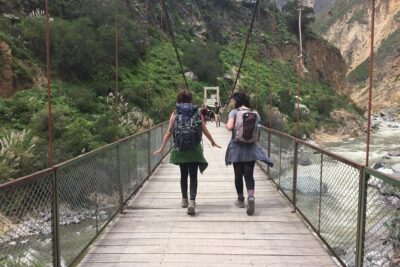
The Colca Canyon is not a place you understand from a bus window. From the rim, it can look like a grand cut in the earth. On foot, you feel the change in height, see villages tucked into the slopes, and notice how much work it takes to connect the settlements below.
This two-day plan gives you that close view without requiring a longer expedition. You start high, walk down through the canyon on the first day, spend the night near the river, then climb back out before breakfast on the second. That shape makes sense geographically, but it also makes the trip physically demanding.
I like the balance of nature and local life. The walk passes through San Juan de Chucho, Cosñirhua, and Malata, rather than keeping you on a single isolated trail. There is also a small museum at Malata. These stops give the hike some human scale, even when your legs are focused on the next bend.
The big visual moments are spread across both days. Condors provide the dramatic opening. Sangalle gives you a warm, green-looking oasis and pools in the canyon interior. The trip home then shifts to broad highland scenery, where you can watch for camelids and wild birds.
A few more treks around Peru worth a look
- Etna Sunset Tour: Volcano trek, Cave & tasting from Catania
★ 4.8 · 1,290 reviews - From Catania: trek on Mount Etna, Lava Cave & tasting Tour
★ 4.8 · 563 reviews - Catania: Mount Etna Sunset Trekking with Wine Tasting
★ 5.0 · 140 reviews
The 3:00am start and the road to Cruz del Condor
Pickup from hotels near Arequipa’s main square is scheduled between 3:00 and 3:30am. That is early even by Peru excursion standards, so prepare your clothes, water, documents, and cash the night before.
The ride to Chivay takes about three hours. Breakfast is scheduled at around 6:00am in a tourist restaurant, followed by another hour of driving to Cruz del Condor. The long approach is not glamorous, but it lets the transport handle the high-altitude road while you save your legs for the trek.
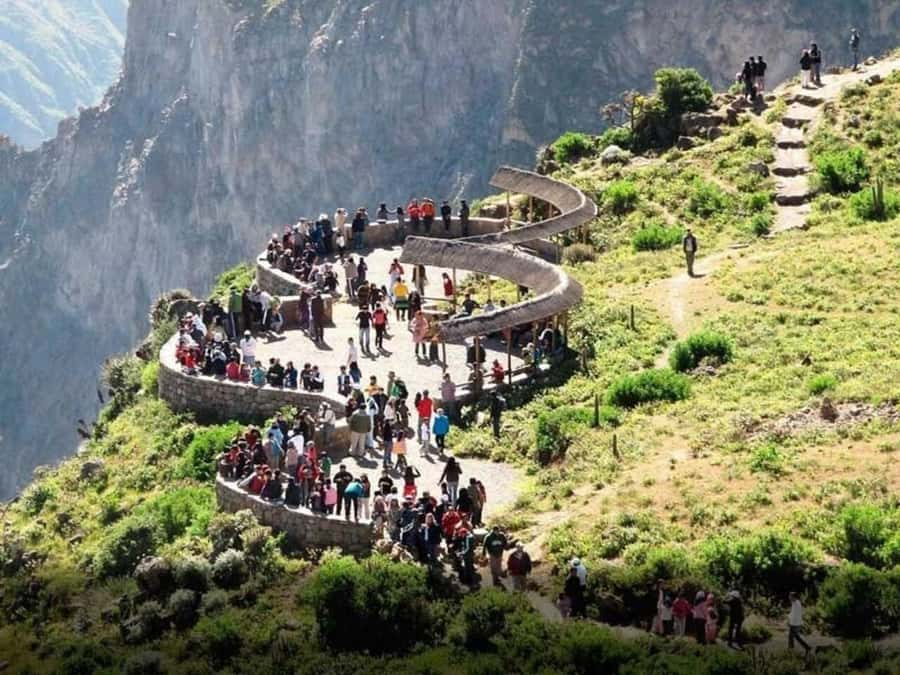
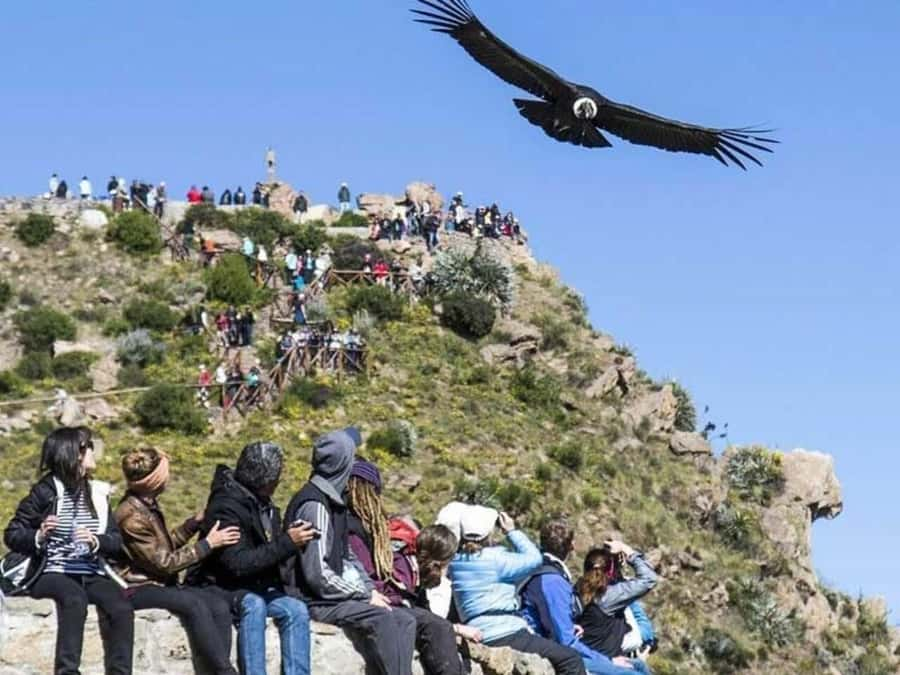
At Cruz del Condor, you look into the canyon and wait for the large Andean condors to appear. The viewpoint is valuable for two reasons. First, it gives you a sense of the canyon’s scale before you enter it. Second, the birds make the geography feel alive. Their flight is usually the moment when the day’s early start begins to make sense.
Do not treat this as a slow morning outing. The entire first day combines several hours of driving with roughly seven hours of walking, including the route to Sangalle. Breakfast helps, but you should still carry cash and personal snacks if you need food between scheduled meals.
From Cabanaconde into the canyon
After Cruz del Condor, the vehicle passes Cabanaconde and reaches La Pampa de San Miguel. This is where the hike begins. The route takes you into the canyon, with views toward the villages visited along the way.
The first walking section lasts about four hours and ends at San Juan de Chucho. That is a useful place for the included first-day lunch. It also divides the day into two clear parts, which matters when you are managing your pace.
The descent is not automatically easy. Downhill walking can be hard on knees and feet, especially on uneven mountain ground. Comfortable shoes are essential, and proper hiking shoes are strongly advised. Walking poles are not listed as included, so bring your own if you normally use them.
From San Juan de Chucho, you continue for about three hours toward Sangalle. The route passes Cosñirhua and Malata, with a small museum at Malata. You are not simply racing toward the lodge. These villages and the views into the canyon help explain how the area is lived in, farmed, and connected.
Your guide matters here. Alix has been especially good at giving useful explanations and finding solutions when people have struggled to complete the route. Carlos and Alex have also provided patient support, including arranging a mule taxi for a person who could not continue the second-day climb. That option should not be treated as a guarantee, but it shows why a capable guide can make a real difference on a demanding route.
Sangalle Oasis and a night without screens
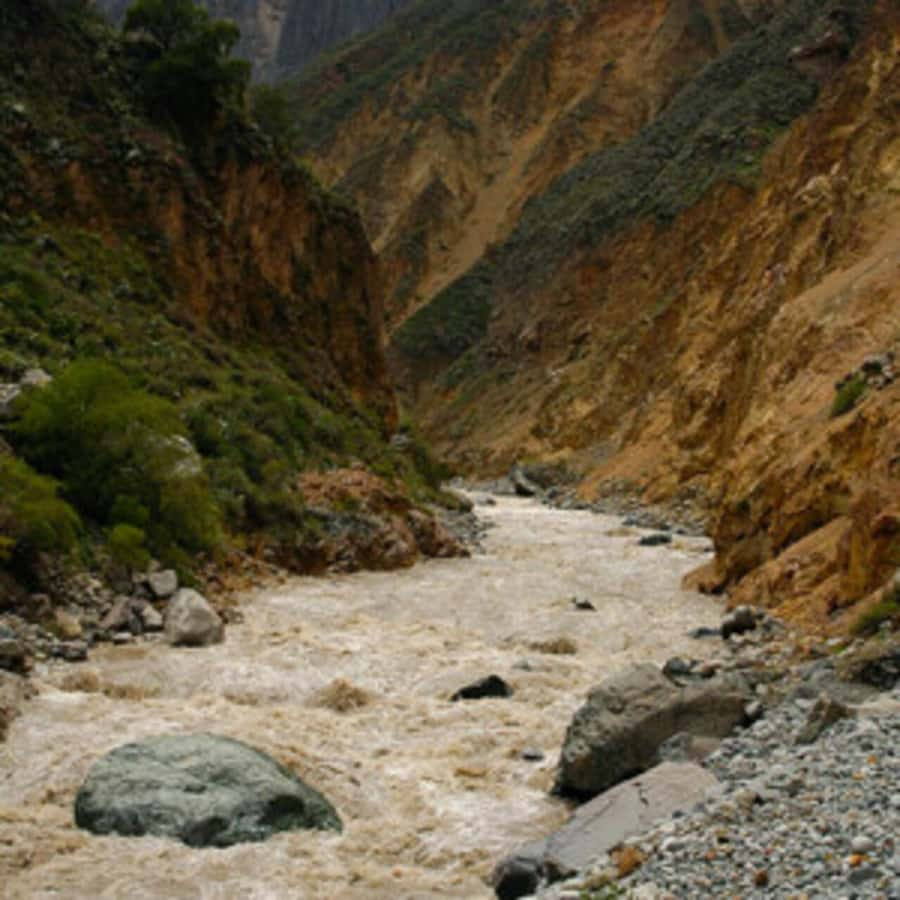
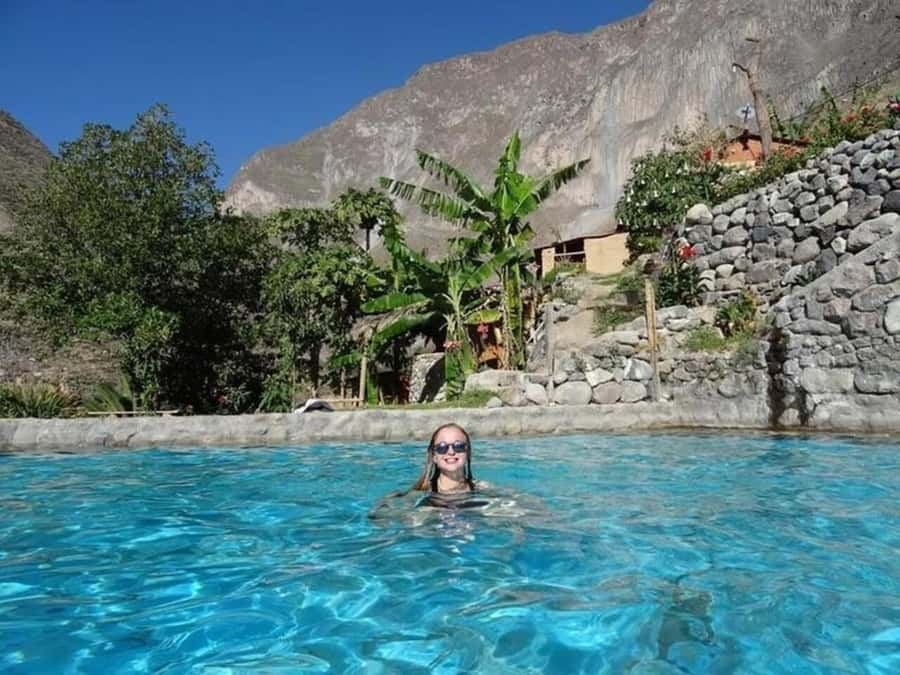
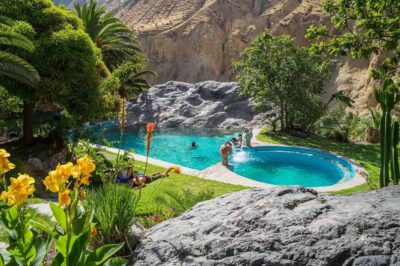
Sangalle sits in the canyon near the Colca River. The setting is the reward for the long descent. Once you arrive, you can use the pools, eat dinner, and settle into the lodge rather than facing another road transfer.
The accommodation is a rustic refuge with simple shared rooms. Solar panels provide limited electricity, and lights are available for only a couple of hours after dark. There is no internet, and you should not expect to charge your phone. Bring your phone fully charged, then use it for photos rather than counting on it as a power source.
This night can be a genuine highlight if you accept the conditions. The canyon is quiet, and the lack of connectivity gives you a chance to rest under the stars. It is also the part of the trip most likely to disappoint anyone expecting a standard hotel. One stay had mold in the room and a toilet that worked only sometimes, so pack with a basic lodge in mind.
A private room may be available for an extra charge, but the standard arrangement is shared. Ask about the extra cost when booking if privacy matters to you. Bring sandals, swimwear, a towel, and a change of clothes for the pools. You will also want dry clothing for the next morning.
Same trailhead, a different route:
- From Arequipa: Sillar Route Trek
★ 4.2 · 461 reviews - Cusco: 4-Day Inca Trail to Machu Picchu with Accommodation
★ 4.8 · 432 reviews - From Cusco: 7 Lakes Ausangate Trek with Breakfast and Lunch
★ 4.8 · 360 reviews - Cusco: Machu Picchu 2-Day Inca Trail with Panoramic Train
★ 4.9 · 260 reviews
The 5:00am climb to Cabanaconde
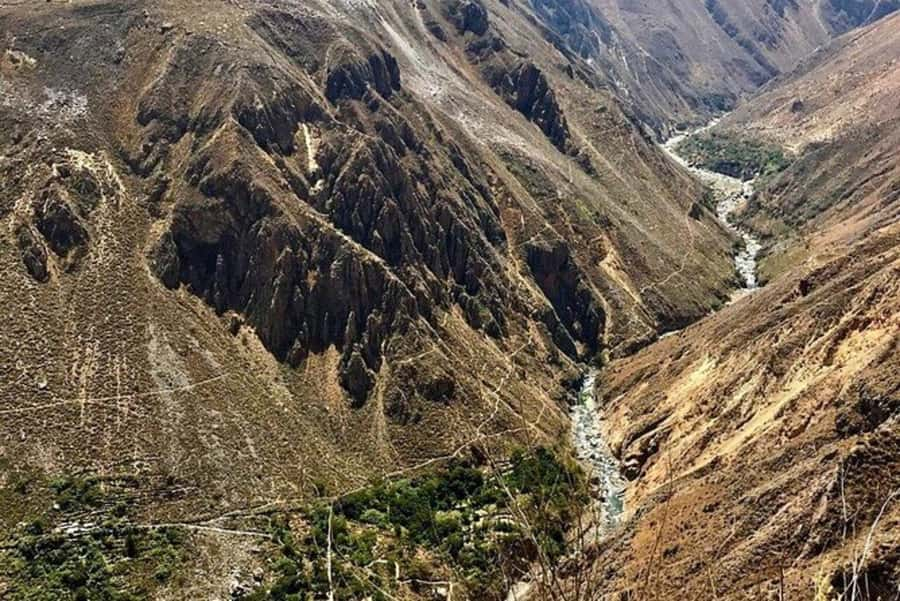
The second day begins at about 5:00am. From Sangalle, you climb for roughly three hours to Cabanaconde. This is the crucial test of the tour.
The ascent is steady and takes place at altitude. The activity notes hikes of up to six hours per day in mountain terrain above 3,000 meters, and the route is not suitable for people with a low fitness level, mobility problems, back problems, or altitude sickness. People over 70 are also advised not to take it.
You should take the warning seriously. One person accustomed to easy walks could not complete the second day and needed a mule taxi arranged by the guide. That does not make the tour a failure, but it shows that the climb can exceed expectations.
Start slowly. Keep your pace controlled, drink water, and tell the guide early if you are struggling. Waiting until you are exhausted makes the climb harder for everyone. If your knees, breathing, or balance are already a concern, choose a less demanding Colca outing instead.
At Cabanaconde, breakfast is served, followed by time to wait for the transport. This pause is welcome. After the early climb, you can eat, recover, and shift from hiking mode to sightseeing mode.
Hot springs, volcano country, and the ride back
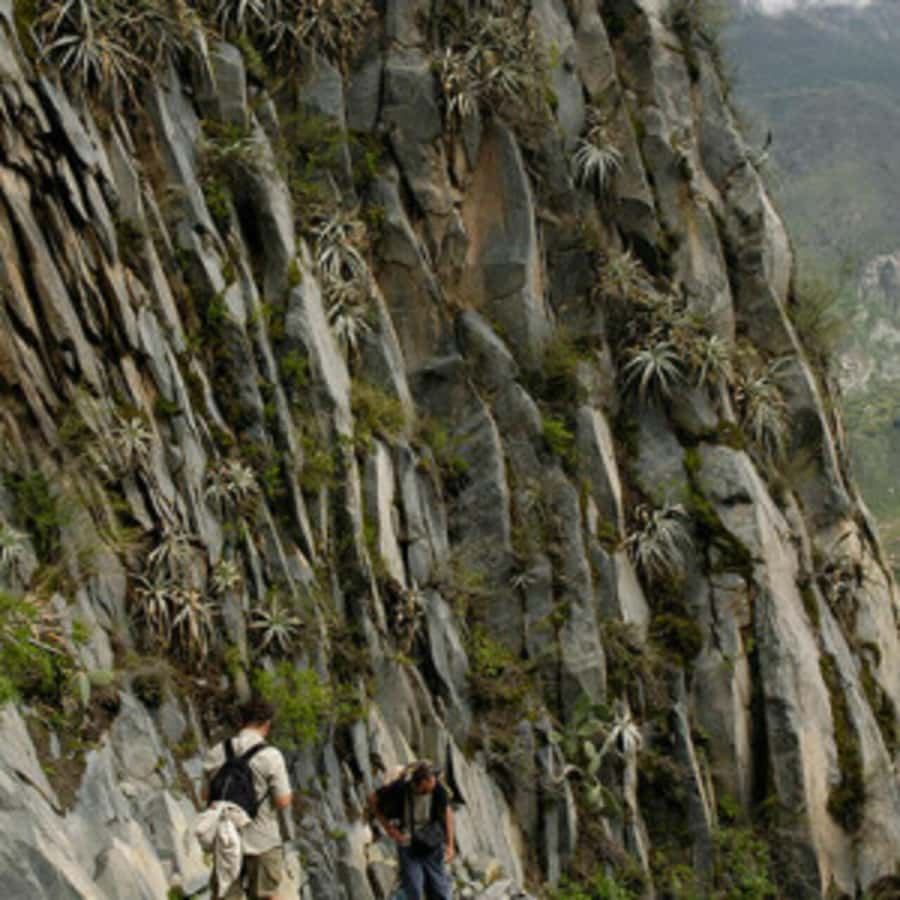
The return vehicle heads toward Chivay, with stops at points of interest along the way. Around 11:30am, the group goes to the thermal baths. Entry costs S/. 15 in cash and is not included.
The hot springs are a practical finish to the trek. Bring swimwear, a towel, and sandals, as listed in the packing advice. You will have to pay for the visit yourself, so keep small cash separate from the rest of your money.
Lunch in Chivay is scheduled for about 12:30pm and is also at your own expense. The tour includes the first-day lunch, but not this one. Budget for both the thermal baths and your second-day meal when judging the total cost.
The return to Arequipa begins around 1:30pm. The route stops at the volcano viewpoint, reaching a high point of about 4,910 meters above sea level. That height can feel very different after a strenuous hike, so move slowly and follow your guide’s instructions.
At the Tocra wetlands, you can look for wild birds and see herds of alpacas and llamas. Later, at Pampa Cañahuas within the Aguada Blanca and Salinas National Reserve, the focus shifts to vicuñas. These wild South American camelids are known for their fine fiber, and seeing them in open highland country adds something different from the enclosed canyon scenery.
Arrival in Arequipa is expected around 5:30pm. It is a long final day: an early climb, breakfast, road stops, hot springs, lunch, and several more hours of transport. Do not schedule an important evening activity immediately afterward.
What $150 really covers
At $150 per person, the package offers solid value if you want the full two-day route and do not want to arrange each part separately. It includes hotel pickup near Arequipa’s main square, round-trip transport, an English or Spanish speaking high-mountain guide, two breakfasts, the first-day lunch, the first-day dinner, and one night at the Sangalle lodge.
The cost does not include everything. Plan for these additional payments:
- Colca tourist ticket: S/. 20 for nationals, S/. 5 for national students, S/. 40 for Latin Americans, or S/. 70 for foreign visitors
- Thermal baths: S/. 15
- Second-day lunch
- Any service not specifically listed
That makes the final cost higher than $150, particularly for foreign visitors. Even so, the package includes the expensive and complicated parts: the long transfers, the guide, meals during the main trek, and the lodge. The value is strongest for a fit person who wants a structured route with support.
The main value risk is the accommodation. You are paying for access to a remote oasis, not for hotel comfort. If a clean private room, dependable plumbing, electricity, or Wi-Fi is important to you, this may not feel like a bargain.
How to prepare for two hard days
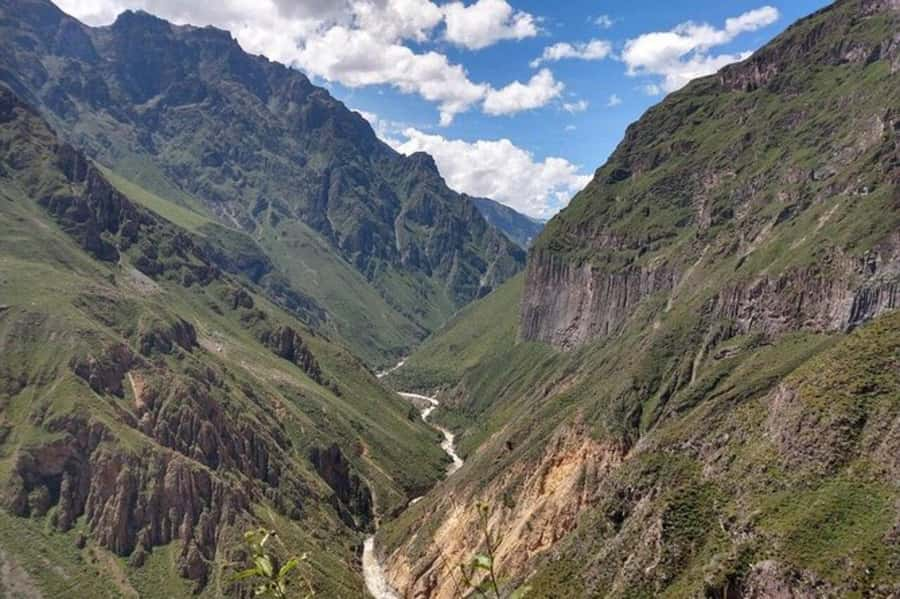
Pack light, but do not leave out the basics. You need comfortable clothes, hiking shoes, sunscreen, sunglasses, a hat, swimwear, a towel, sandals, a change of clothes, cash, and a charged smartphone. Carry your passport or identity card.
Your footwear deserves special attention. The route includes mountain terrain and long hours on foot. Fashionable trainers may be fine for some outings, but proper hiking shoes give you better support and confidence on the descent and climb.
Altitude is another concern. The itinerary reaches more than 3,000 meters and includes a high point near 4,910 meters on the return drive. Anyone with a history of altitude sickness should not book this route. The tour also excludes alcohol and drugs, for good reason on a demanding high-altitude hike.
The activity allows free cancellation up to 24 hours before departure, and you can reserve now and pay later. Those policies offer flexibility, but they do not make the physical demands any smaller. Use the time before departure to judge your fitness honestly.
Is this the right Colca Canyon tour for you?
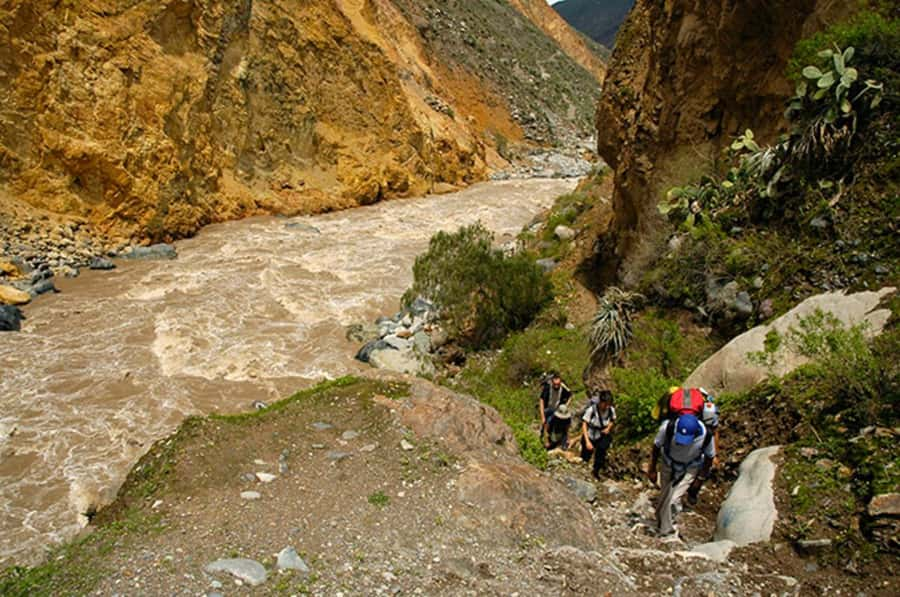
Book it if you want to walk into the canyon rather than simply view it from the road. You should be comfortable with up to six hours of hiking per day, an early start, a long uphill climb, shared rustic accommodation, and limited electricity.
The tour suits fit hikers who value scenery, village stops, condors, and the feeling of reaching Sangalle under their own power. The guides are a major advantage, especially if you need clear direction or help adjusting your plans on the trail.
Skip it if you want an easy sightseeing trip, dependable hotel facilities, or a relaxed timetable. For the right person, $150 buys a demanding but memorable slice of Colca Canyon, with condors at the start, a night beside the river, and a rewarding return through Peru’s high-altitude wildlife country.
FAQ
How long does the Colca Canyon trek last?
The activity lasts two days and one night, with the night spent at the Sangalle lodge.
What time is pickup in Arequipa?
Hotel pickup near Arequipa’s main square is scheduled between 3:00 and 3:30am on the first day.
How many hours do I hike each day?
The tour includes hikes of up to six hours per day in mountainous terrain. The first day includes about four hours to San Juan de Chucho and about three more hours to Sangalle. The second-day ascent to Cabanaconde takes about three hours.
Is the tour suitable for beginners?
The tour requires good physical condition. It is not suitable for people with a low fitness level, mobility impairments, back problems, or altitude sickness.
What is the accommodation like in Sangalle?
The lodge has simple shared rooms. Electricity comes from solar panels, lights operate for only a couple of hours after dark, and there is no internet. Phones cannot be charged there.
Are meals included?
Two breakfasts, one first-day lunch, and one first-day dinner are included. Lunch on the second day is not included.
Do I have to pay for the Colca tourist ticket?
Yes. The ticket is paid in cash, with the price depending on nationality and student status. Rates listed are S/. 20 for nationals, S/. 5 for national students, S/. 40 for Latin Americans, and S/. 70 for foreign visitors.
Are the thermal baths included?
No. The thermal baths cost S/. 15 in cash. Bring swimwear, a towel, and sandals.
What languages do the guides speak?
The live guide service is available in Spanish and English.
More 2-Day Experiences in Peru
- From Cusco: 2-Day Inca Trail to Machu Picchu
★ 4.2 · 244 reviews - From Arequipa: 2-Day Colca Canyon Trekking Tour
★ 4.8 · 243 reviews - Machu Picchu: Inca Trail 2-Day Overnight Guided Tour
★ 4.9 · 203 reviews - Short Inca trail to MachuPicchu || 2days – 1nigth ||
★ 5.0 · 103 reviews
More Evening Experiences in Peru
- 2 Day 1 Night Trek / Colca Canyon
★ 4.5 · 92 reviews - From Cusco: 5-Night Trip with Salkantay Trek & Machu Picchu
★ 4.7 · 6 reviews - PARACAS|| Sunset trekking in the Paracas National Reserve
★ 3.3 · 3 reviews - 2 day 1 night trek / Colca Canyon
★ 3.0 · 3 reviews
Just added around Peru
- Classic Choquequirao Trek – 5 Days / 4 Nights★ 5.0 · 52 reviews
- Short Inca Trail 2 Day Hike to Machu Picchu with Permits & Train★ 5.0 · 51 reviews
- 2 Day Tour Throughout the Short Inca Trail to Machu Picchu★ 5.0 · 36 reviews
- Small Group: 4-Day Inca Trail Trek to Machu Picchu★ 5.0 · 33 reviews
- 5-Day: Salkantay Trek to Machupicchu and Humantay Lake★ 5.0 · 42 reviews
- 2 Day – Short Inca Trail to Machu Picchu – Group Service★ 5.0 · 30 reviews
- Salkantay Trek Standard 5D/4N★ 5.0 · 48 reviews
- Short Inca Trail To Machu Picchu★ 5.0 · 35 reviews
Arequipa Trekking Tours, compared.
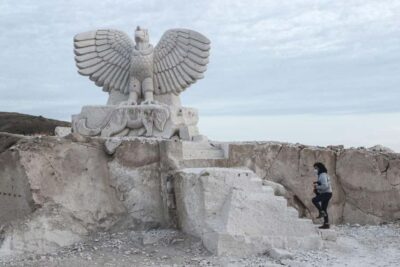
4 hours Tour: Route of Sillar with Trek in Culebrillas
Read our review →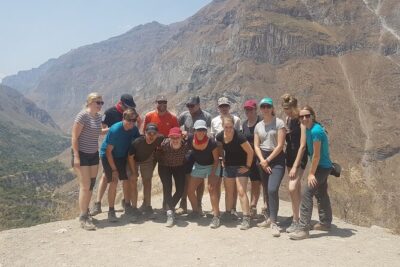
Private 3 Day Colca Canyon Trekking tour (superior Service)
Read our review →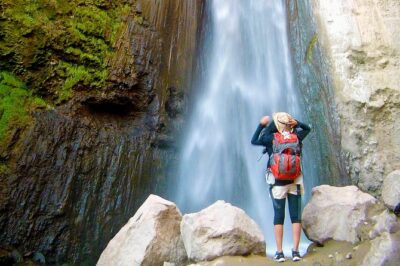
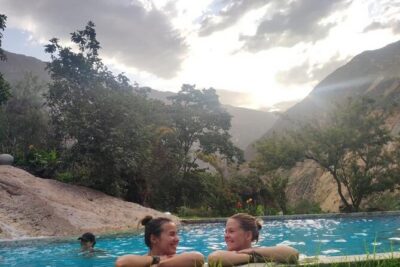
2 Day Trek Including Transfer to Puno / Colca Canyon
Read our review →Browse the lists this trek appears in