
Review · MOUNT ETNA
Mount Etna: Craters of the 2002 Eruption Trekking Experience
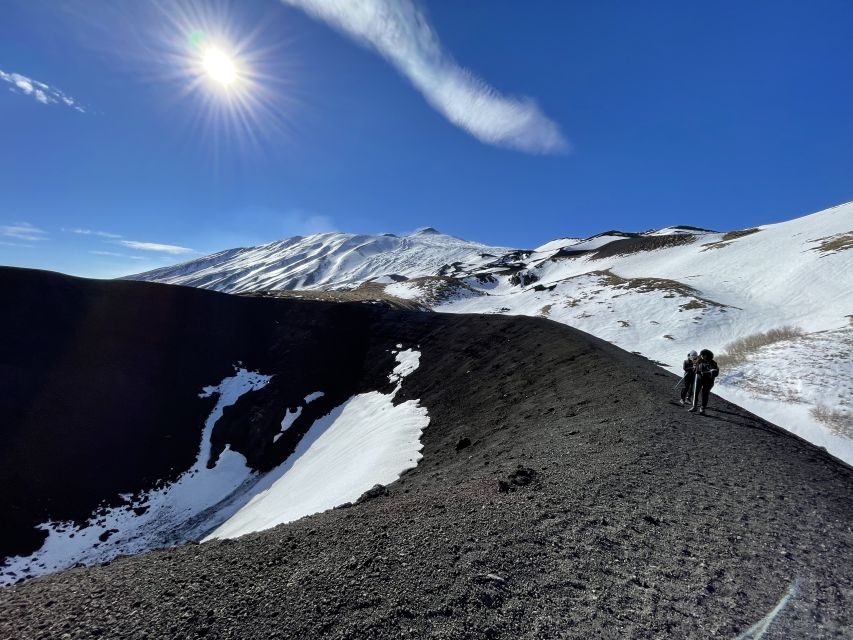
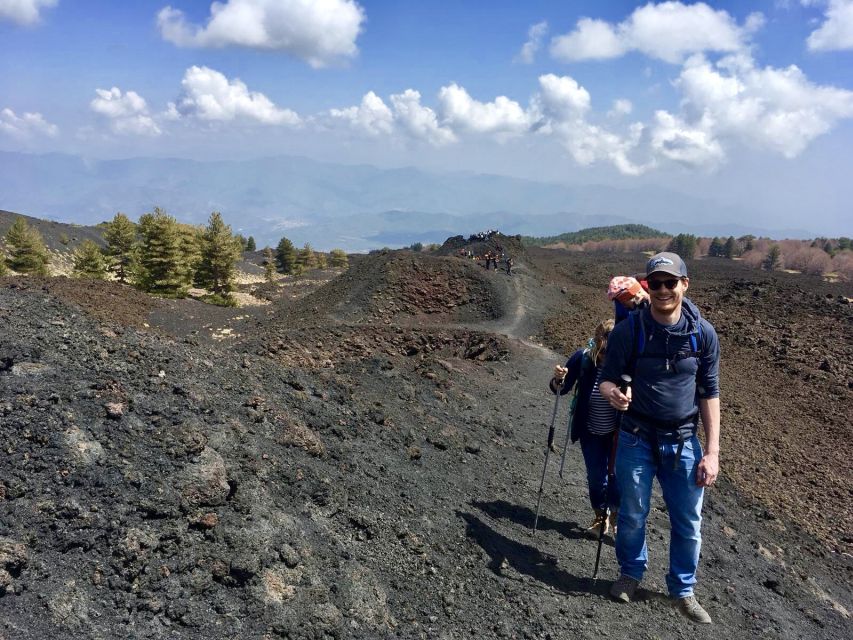
Mount Etna’s north side feels raw and recent, especially beside the huge 2002 craters and the lava that swallowed Piano Provenzana. You’ll walk through forest, black ash, old eruption cones, and the remains of the Hotel dell Betulle, then look across the eruptive theater toward the Calabrian Coast.
I like the small-scale feel away from the busiest tourist routes, and I like that the guides explain what you are seeing instead of treating the volcano as a photo stop. Guides such as Davide, Daniele, Vincenzo, and Niko have been praised for mixing clear science with humor. The catch is the uneven ground and uphill walking, which can feel strenuous despite the short three-hour duration.
Key points to know before you book
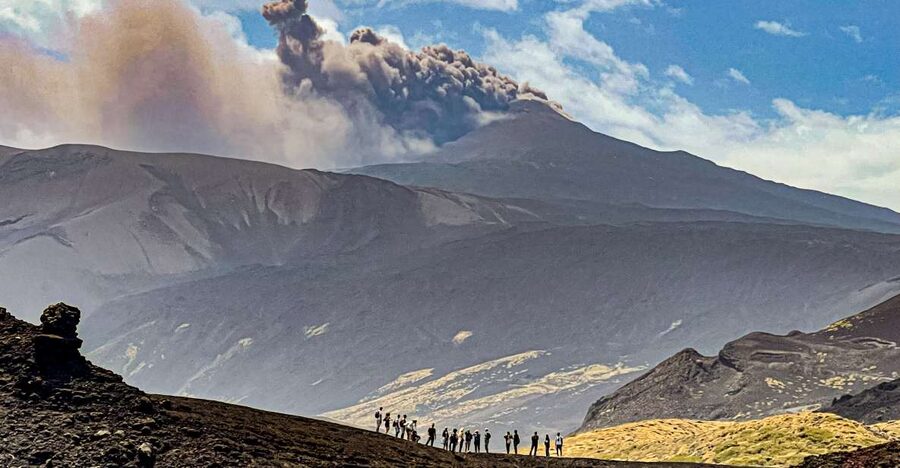
- The 2002 lava flow is the main event: See the only visible remains of the Hotel dell Betulle, partly surrounded by solidified lava.
- You get several volcanic features in one walk: The route includes the Bottoniera del 1911, hornitos, cinder cones, eruptive fractures, and the 2002 fire belt.
- Guiding is the real value: Your official volcano guide explains how Etna’s flank eruptions shaped the north side and threatened Linguaglossa.
- The walk is short but not effortless: Plan for about three hours of climbing, crater-edge walking, loose volcanic soil, and possible dizziness from height.
- Weather can change the outing: Wind, snow, rain, or volcanic conditions can alter or stop the route at the guide’s discretion.
- Bring proper gear: Hiking shoes, water, a windbreaker, sun protection, and warm layers matter more here than the modest price suggests.
Why Etna’s north side is worth your morning
Many Mount Etna outings focus on transport, summit access, or a quick look at black volcanic ground. This trek gives you time to read the volcano from the side, where the evidence of past eruptions is spread across the slopes.
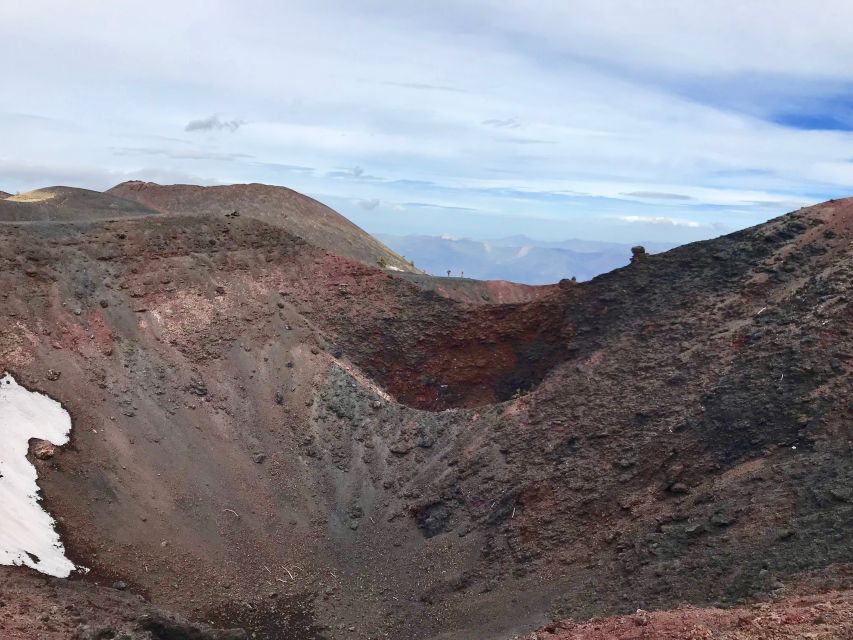
The north side near Piano Provenzana was heavily affected by the 2002 eruption. Lava streams, fractures, cones, and collapsed structures show how quickly Etna can change its surroundings. You are not simply walking toward a viewpoint. You are following the path of a real event and seeing how lava moved through forest and developed into new volcanic forms.
I especially like the scale of the setting. The craters are not museum pieces behind a barrier. You walk around their edges, enter a sandy channel, and cross surfaces that can feel loose underfoot. That makes the outing more physical and more immediate, but it also means you need to pay attention.
The three-hour length works well if you have limited time in Sicily or want a shorter outing before another activity. It is also a sensible choice if a full-day Etna hike sounds too demanding. Still, do not read short as easy. The route includes ascent, crater edges, cinder cones, and unstable volcanic soil.
More Volcano Treks in Italy
- Mount Etna: Trek to 3000m with cable car and 4×4
★ 4.6 · 3,823 reviews - Mount Etna: Summit Crater Trek with Cable Car
★ 4.8 · 1,875 reviews - Etna: summit craters trekking with volcano guide 3350mt
★ 4.7 · 1,712 reviews
Meeting at Piano Provenzana
Your meeting point is the Chiosco Bar Mareneve di Ferraro Giuseppa, near the winter chairlift. It is described as the second house among the four buildings in the parking area.
Take care here. The meeting point is not the Chiosco Bar Etna Nord in the lower parking lot. That distinction matters because the two names are easy to confuse, especially if you arrive by car and see the lower building first.
The official volcano guides begin with a safety briefing of about 15 minutes. This is useful rather than ceremonial. You need to understand how to walk on loose ash, where to keep your feet near crater edges, and why the guide may change the route if wind, weather, or volcanic conditions shift.
Parking information is inconsistent in the supplied details. One section gives a fee of €5 for a weekday and €8 on Sundays and public holidays, while another says €3 is paid after the excursion. I would confirm the current charge with the operator before setting off. The activity does not include transport from your accommodation, so you must arrange your own way to Piano Provenzana.
The buried Hotel dell Betulle
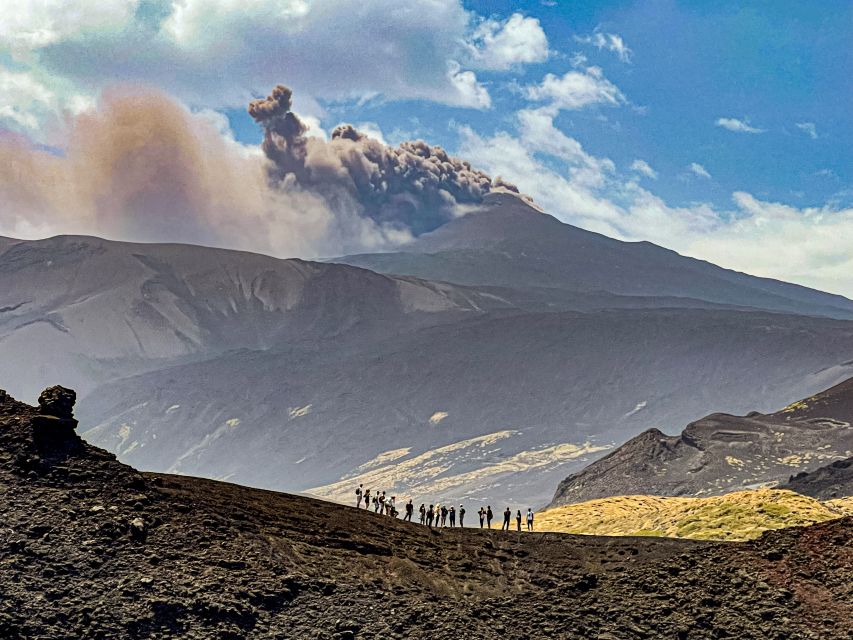
The first notable stop is the Hotel dell Betulle, the only visible structure connected with the lava flow that struck Piano Provenzana in 2002. Much of the building was buried by lava, leaving a stark reminder of what the eruption did to the area.
You get about ten minutes here for a break, photos, and explanation. That may sound brief, but the stop has real impact. A volcanic flow can look like a frozen river of dark stone from a distance. Beside a building it becomes easier to understand its force and depth.
This is also a good place to listen closely to the guide. The outing is built around volcanic interpretation, and the best part is learning why a flow followed certain paths, how eruptive fractures formed, and how the north-side eruptions affected nearby communities.
The 2002 eruption was especially serious for the area because it threatened Linguaglossa. Your guide connects the visible rock to that wider story, so the experience is not just a walk over old lava. It gives you a practical sense of how Etna’s flank eruptions can affect people below.
The 1911 Bottoniera and its line of cones
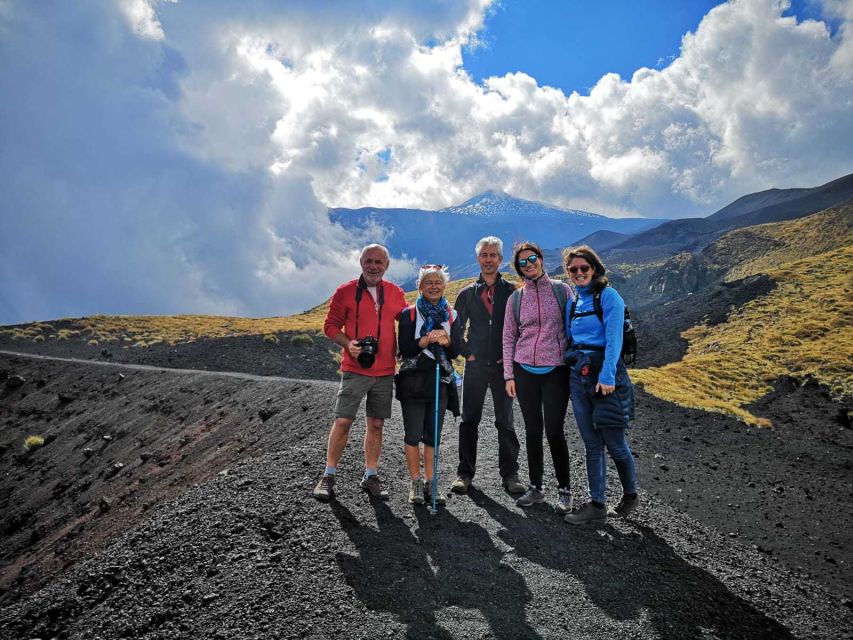
The next stop is the Bottoniera del 1911, a group of volcanic openings and cones linked to an earlier eruption. You have around 25 minutes here for photos, walking, and a closer look at the volcanic forms.
This is where the guide’s skill makes a difference. Etna can appear to be a jumble of black ridges and red-brown ash if you do not know what to look for. A good explanation helps you separate a cinder cone from an eruptive fracture and understand how a chain of openings developed.
You may also see hornitos along the route. The name means little ovens, a fitting description for the small volcanic structures that form around vents and cracks. They are smaller than the main craters, but they help show that an eruption is not always one dramatic opening. Lava can rise through a series of connected fractures and build several shapes along the way.
The Bottoniera stop includes some free time, but this is not a long picnic break. The ground can be rough, and you will likely spend much of the stop walking between features or listening to the guide. Wear shoes with a solid grip rather than casual trainers with smooth soles.
Same trailhead, a different route:
- Catania: Mount Etna Trekking Tour Beyond the Tourist Trails
★ 4.9 · 1,596 reviews - Mount Etna: Guided Trek 3,000 Meters to the Summit
★ 4.8 · 1,407 reviews - Stromboli: Sunset Trekking at Sciara del Fuoco
★ 4.6 · 1,372 reviews - Etna Sunset Tour: Volcano trek, Cave & tasting from Catania
★ 4.8 · 1,290 reviews
The 2002 Fire Belt and eruptive theater
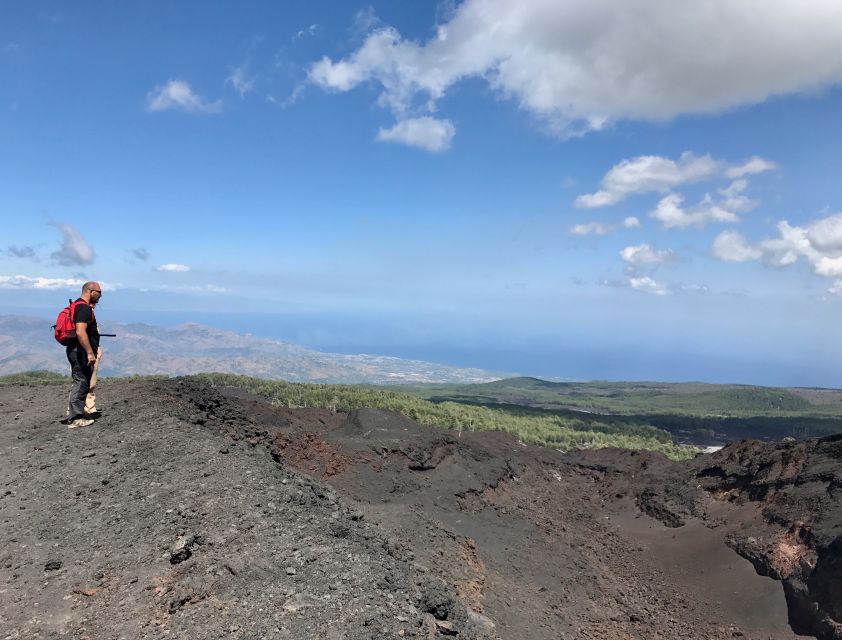
The longest part of the experience is the 2002 section, known as the Cerniera di Fuoco 2002. You spend roughly an hour and a half here, with time for walking, photos, explanations, and views across the eruption zone.
This is the heart of the trek. You move along lava streams and eruptive fractures, then climb around cinder cones toward the larger craters. The route shows the different faces of the eruption: channels where lava flowed, cracks where material emerged, and loose ash that makes the slopes feel less stable.
I like this section because it gives you room to slow down. You are not rushed through a single viewpoint. The guide can point out volcanic forms as they appear, and you can stop to take in the contrast between the dark eruption zone, the surrounding forest, and the distant Calabrian Coast.
The views are one of the strongest reasons to choose the north side. The elevated position gives you a broad look over the eruptive theater and across the water toward Calabria when conditions are clear. Wind can be strong, though, and clouds may cut the view. One participant specifically found the wind unpleasant in April, so bring a proper windbreaker even in warmer months.
At the higher point, you look over the crater edges before returning through a sandy channel. Walking beside a crater can cause dizziness, especially if you are sensitive to heights or uneven slopes. Keep your attention on the guide and the ground, not only on your camera.
How demanding is this three-hour hike?
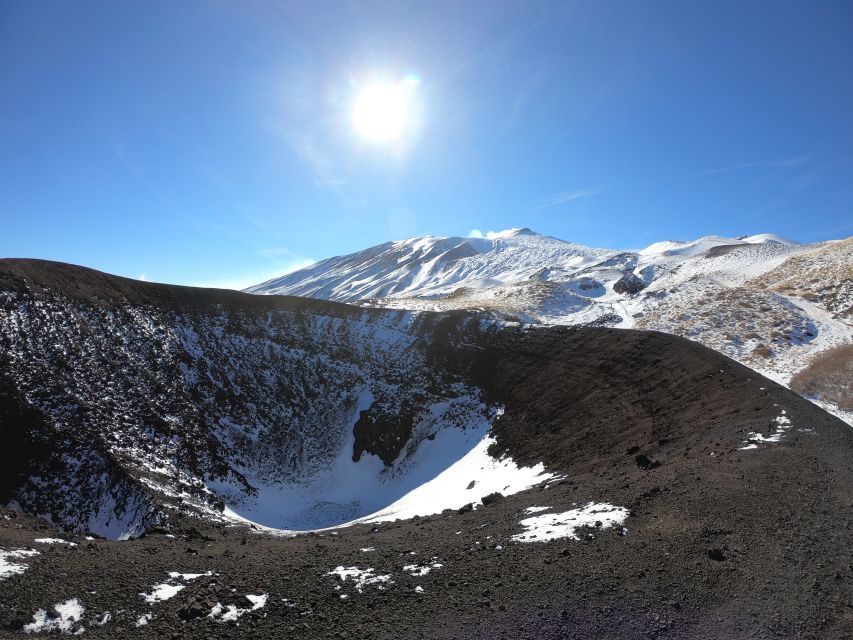
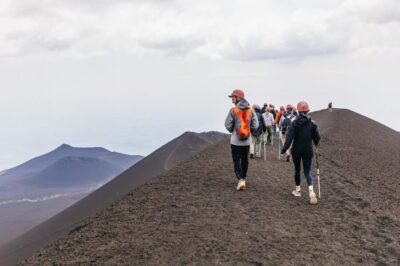
The activity is intended for hikers with medium training. That wording deserves attention. You do not need to be an expert mountaineer, but you should be comfortable with uphill walking and loose ground for several hours.
The route includes:
- An ascent from Piano Provenzana
- Walking along crater edges
- Cinder cones and sandy channels
- Uneven, sometimes unstable volcanic soil
- Exposure to wind and changing mountain weather
- A return walk to the starting point
People in their late 60s have completed it but found the effort considerable. Another account describes the walk as slow and manageable, while a separate experience included children and older adults. Conditions, pace, footwear, and fitness will make a big difference, so do not use one person’s easy outing as a promise that the route will feel easy for you.
Walking poles are worth using. They help with balance on loose ash and reduce strain on descents. Trekking sticks are not included, so bring your own or ask locally about availability.
The route is not suitable for children under six, pregnant women, people with mobility or heart problems, serious back problems, respiratory issues, epilepsy, vertigo, or a strong fear of heights. The stated safety guidance also notes that you are not covered by insurance without adequate shoes. That is a serious reason to skip sandals, flip-flops, slippers, and smooth-soled footwear.
What to wear and carry
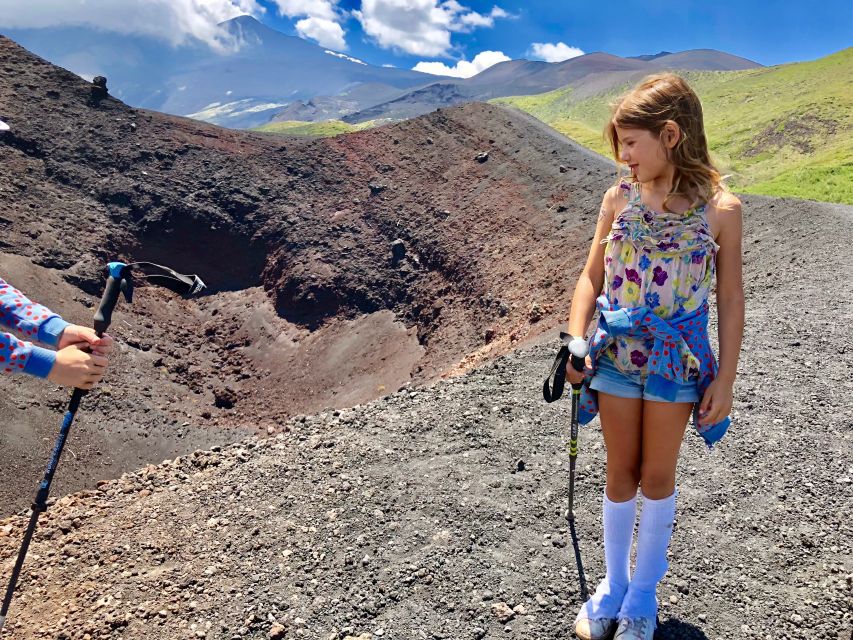
Etna’s weather can feel very different from the coast. I would dress in layers and carry more protection than you expect to need.
Bring hiking shoes, water, snacks, sunglasses, sunscreen, a windbreaker, a jacket, and a small daypack. Comfortable clothes are fine, but your clothing should suit the forecast rather than the temperature at your hotel.
In winter, spring, and autumn, pack gloves and a hat. They are not supplied. Snow may require snowshoes during December, January, February, and March, with on-site rental listed at €12 per person. Trekking shoes and windbreakers can also be rented from authorized local outlets for about €5 each, but I would treat rental as a backup rather than a plan. Proper shoes make the walk safer and more comfortable.
Large luggage, baby strollers, skirts, high heels, sandals, and flip-flops are not allowed. A small daypack is the right choice.
The guide is the main reason to pay for a tour
At $42 per person, the price is fair if you want the volcano explained rather than simply photographed. You receive an official volcano guide and accident insurance, while transport, food, footwear, clothing, and parking cost extra.
The guides have been praised for several useful qualities. Davide is described as mixing humor with strong explanations. Daniele is noted for being friendly, careful with the group, and helpful with questions. Vincenzo has led the route in French and used photos and videos from actual eruptions to make the geology easier to understand. Niko is described as having broad experience with Etna and volcanoes in general.
The important point is not the name of one guide. It is the format. You get a person who can explain why a crater looks the way it does, what a hornito is, and how the 2002 eruption changed the north side. That adds value you would not get from walking the dirt road alone.
Guiding is offered in Italian, French, and English. The minimum group size is four participants, so the activity may not run if that number is not reached. The total walking time can also depend on the pace of the group.
How this compares with a longer Etna outing
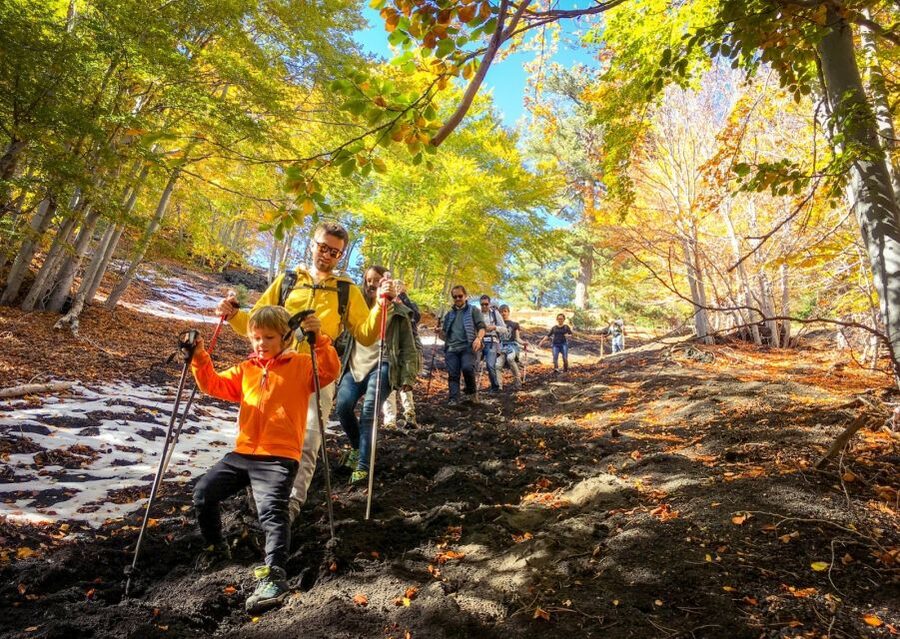
This is a good middle ground. You get more than a quick roadside stop, but you do not commit to a full-day mountain hike.
Choose it if you want to see recent eruption features, prefer a three-hour outing, or have limited time near Etna. It also suits you if you want a slower walk with regular explanations and breaks.
Choose something else if you want a high-altitude summit attempt, a long wilderness route, or a highly predictable schedule. The guide can alter or stop the excursion because of weather, environmental conditions, or volcanic activity. That flexibility is necessary on an active volcano, but it means you should not build a tightly packed day around a guaranteed finish time.
Cost, cancellation, and practical value
The $42 price is reasonable for an official guided walk on Etna. The included accident insurance and specialist guide matter, especially on loose volcanic ground. You should budget extra for parking, snacks, water, rental shoes, a windbreaker, or snowshoes if conditions require them.
You can cancel up to 24 hours before the activity for a full refund, and reserve now while paying later. Those terms help if your Sicily plans depend on weather, though they do not remove the need to check the forecast before you leave.
The best value comes when you arrive prepared. Paying a modest fee for the walk but then renting several pieces of gear can push up the total. Bring your own hiking shoes and clothing if possible.
Should you book the 2002 crater trek?
I would book this tour if you want a focused, educational look at Etna’s north side rather than a long summit adventure. The buried hotel, 1911 crater chain, hornitos, lava channels, and 2002 crater theater give you a strong variety of volcanic features in three hours.
I would not book it if you avoid uneven ground, feel uneasy near crater edges, or do not take part in regular physical activity. The route is manageable for many reasonably fit people, but it is not a flat nature walk.
For the best chance of enjoying it, arrive at the correct Chiosco Bar Mareneve meeting point, wear proper hiking shoes, carry water and layers, and allow for wind or a route change. If those conditions suit you, this is a well-priced way to see where Etna’s recent eruptions reshaped the mountain.
FAQ
How long does the Mount Etna crater trek last?
The activity lasts about three hours, including the guided walk, stops, explanations, and return to the starting point. The exact timing can depend on the group’s pace.
Where is the meeting point?
Meet at the Chiosco Bar Mareneve di Ferraro Giuseppa near the winter chairlift. It is the second house of the four buildings in the parking area.
Is the meeting point the Chiosco Bar Etna Nord?
No. The meeting point is Chiosco Bar Mareneve, not Chiosco Bar Etna Nord in the lower parking lot.
What language is the guide service offered in?
The live guide service is available in Italian, French, and English.
What does the price include?
The price includes an official volcano guide and accident insurance. Transport, parking, food, water, clothing, trekking shoes, trekking sticks, gloves, hats, and snowshoes are not included.
Do I need hiking shoes?
Yes. Proper hiking shoes are required for safety and insurance coverage. Without adequate shoes, you are not covered by the stated insurance.
Can I do the trek in winter?
Yes, but snow may require snowshoes during December, January, February, and March. Snowshoes are rented on-site for €12 per person. You should also bring gloves and a hat because they are not included.
Is the trek suitable for children?
Children under six are not permitted. The activity is also not recommended for people who do not take part in regular physical activity, and the route can be demanding on uneven volcanic ground.
Can the route change or be cancelled during the walk?
Yes. The guides may change or interrupt the excursion because of environmental, climatic, or volcanic conditions. The route may also be affected by wind, snow, or other mountain conditions.
Just added around Italy
- Wild Walk – Discovering the hidden paths★ 5.0 · 31 reviews
- Wine Hiking Sip & Trek★ 5.0 · 3 reviews
- Innerkofler-De Luca via ferrata to Monte Paterno★ 4.0 · 4 reviews
- Dolomites Trekking Experience★ 4.5 · 3 reviews
- Trekking an Island of Palmaria★ 4.5 · 6 reviews
- BarCa Winery Cinqueterre Trekking & Wine Tasting & Pesto Class★ 5.0 · 48 reviews
- Mount Etna Advanced Trekking: Private Full-Day Tour from Catania★ 5.0 · 21 reviews
- Trekking in the morning on Mount Etna★ 5.0 · 2 reviews
Volcano Treks, compared.
Mount Etna: Trek to 3000m with cable car and 4×4
Read our review →
Mount Etna: Summit Crater Trek with Cable Car
Read our review →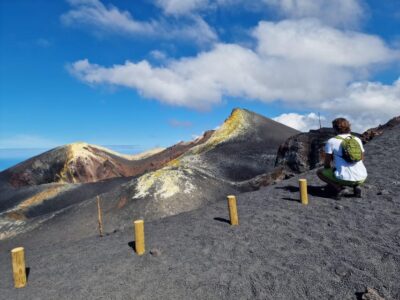
Etna: summit craters trekking with volcano guide 3350mt
Read our review →
Mount Etna Trekking Tour Beyond the Tourist Trails
Read our review →
Mount Etna: Guided Trek 3,000 Meters to the Summit
Read our review →
Etna Sunset Tour: Volcano trek, Cave & tasting from Catania
Read our review →
Browse the lists this trek appears in