
Review · MARRAKECH
Marrakech: 2-Day Atlas Mountains Trek with Village Stay
The best part of this trip is the sharp change from Marrakech’s crowded medina to the quiet trails of the High Atlas Mountains. Within a few hours, you are walking above valleys, passing Amazigh villages, and looking toward Mount Toubkal, North Africa’s highest peak.
I like two things in particular: the local village stay, which gives the trip more meaning than a quick mountain photo stop, and the capable guides. Guides such as Kamal, Mustafa, Hassan, Hussain, and Mourad are repeatedly praised for setting a patient pace and changing routes when snow or steep ground makes that wise.
The main catch is that this is a real mountain walk, not a gentle sightseeing outing. Expect rocky paths, steep sections, altitude, and around four to six hours of hiking per day. The simple lodging can also become very cold after sunset, especially in winter.
What makes this trek worth two days
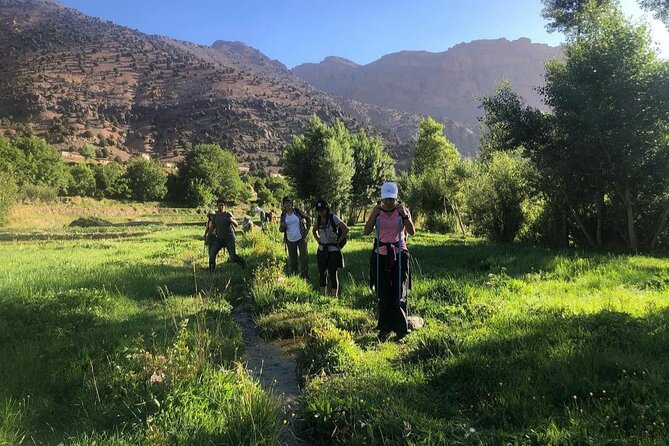
- The route crosses Tizi Mzik Pass, with wide views into Azzaden Valley and across nearby Atlas peaks.
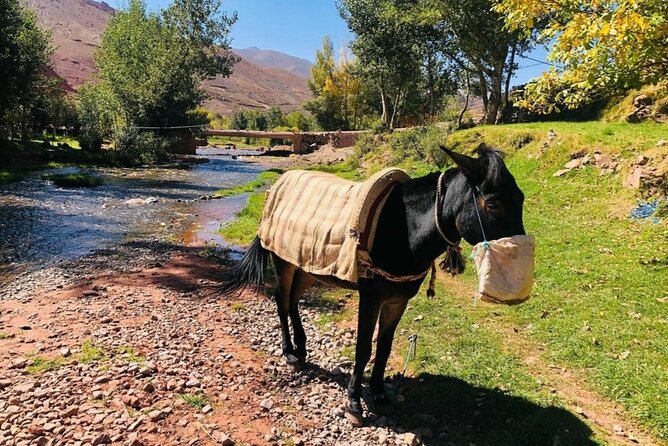
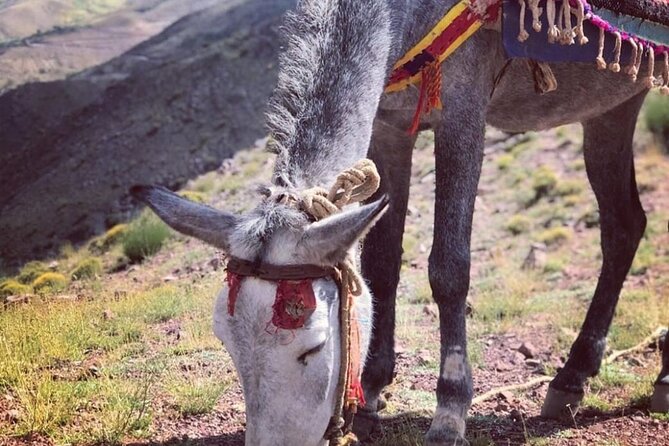
- Mules carry extra luggage, so you can hike with a lighter daypack rather than hauling your full bag uphill.
- The overnight stop is simple and local, with mountain lodging, Moroccan meals, and a chance to meet people in the villages.
- The food is a major part of the value, with lunch, dinner, breakfast, tea, and coffee included.
- The group is limited to 14 people, though many departures are smaller, which helps the guide adjust the pace.
- Winter brings snow and cold, while clear days can feel warm in the sun, so layers matter in every season.
Leaving Marrakech for Imlil and the High Atlas
Pickup begins at your Marrakech hotel, followed by a drive toward the mountains through Tahnnaout, Oued Ghighaya, and Asni. The road gives you an early look at changing scenery, from the city edge to valleys dotted with villages and mountain slopes.
Driving time varies with pickup order, but one family reported that the trip into the mountains took about an hour from the final pickup point. If you are collected first, the ride can take closer to two hours. That is worth knowing if you have an evening plan in Marrakech.
Imlil is the practical starting point for the walk. Here you meet the guide, cook, muleteers, and the rest of your group before setting out. A glass of mint tea helps you shift gears from road travel to walking pace.
This is also the point where you should sort your luggage. Keep water, sunscreen, a jacket, and anything you need during the day in your own pack. The mules carry clothing and other overnight items, but you should not assume they will carry every personal belonging.
More Atlas Mountains Treks in Marrakesh:
- Marrakesh: 2-Day Mt. Toubkal Trek with 1-Night Stay & Meals
★ 4.7 · 795 reviews - From Marrakech: 3-Day Mount Toubkal Climbing Trek
★ 4.7 · 597 reviews - From Marrakesh: 2-Day Mount Toubkal Trek
★ 4.7 · 591 reviews
Day one: Tizi Mzik Pass and Azzaden Valley
The first major climb heads toward Tizi Mzik Pass. The trail is a mixture of wider tracks and rougher mountain paths. Several people found the route manageable, but the first uphill section can feel demanding if you do not hike often.
The exact walking time depends on the group, weather, and route. Some departures have taken around three hours on day one, while others have walked closer to four or five. The advertised figure of five to six hours is best treated as a full active day rather than a fixed stopwatch time.
At the pass, stop for lunch and take in the views over Azzaden Valley. This is one of the trip’s strongest moments because the meal comes in the middle of the mountains, not at a roadside restaurant. On clear winter days, snow can cover the higher peaks and make the view feel almost alpine.
Do not rush the pass. The combination of altitude, sun, and uphill walking can catch you out. Drink often, use sunscreen, and take the short breaks offered by the guide. A steady pace is more useful here than trying to stay ahead of the group.
From Tizi Mzik, the trail descends through juniper forest toward Tizi Oussem. Downhill walking may sound easier, but loose gravel and uneven stone can be hard on knees and ankles. Proper hiking shoes with good grip are a better choice than trainers.
The guides often help with steep sections by showing you how to place your feet and where to slow down. Kamal was singled out for helping people down rocky slopes, while other guides lent walking sticks when needed. That practical support matters more than a fast pace.
A village night with tagine and cold mountain air
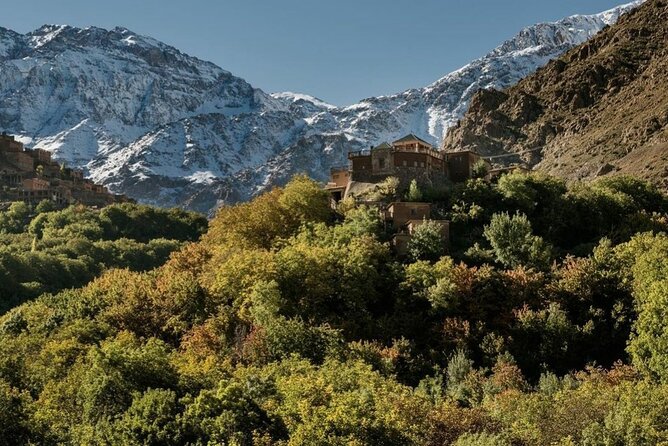
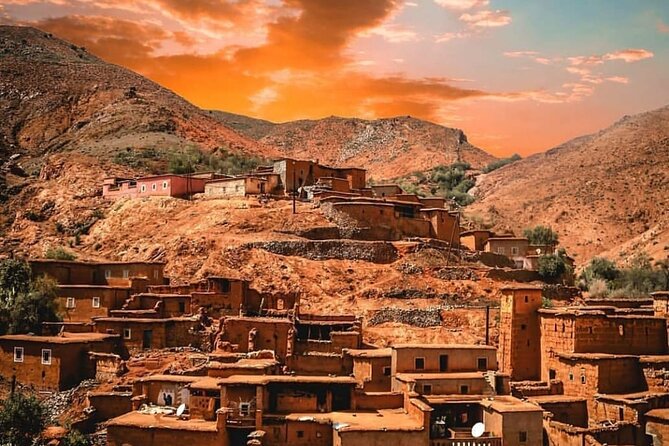
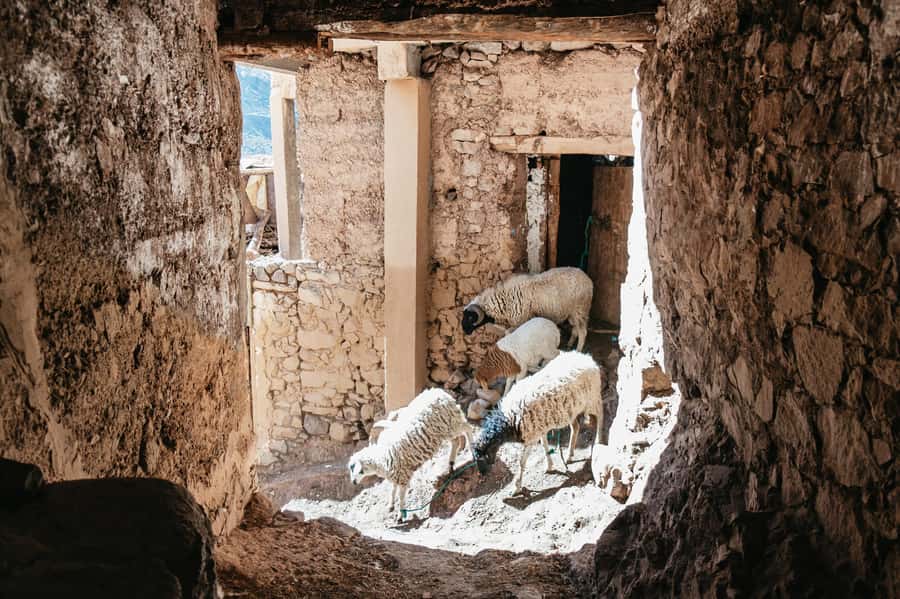
The overnight stay is the part that gives this trip its character. You spend the night in or near a traditional mountain village, with reports naming places such as Tizi Oussem, Tamguist, and Riad Imnane Lodge. The exact lodging can vary, but you should expect a simple mountain guesthouse rather than a city hotel.
Some rooms are twin or triple rooms, and some departures have had en suite facilities. Other groups have shared bathrooms. The accommodation has been described as clean and comfortable, but also basic, with hard mattresses or simple bedding possible.
The biggest issue is temperature. Several winter departures found the rooms close to freezing after dark, with no heating source. Blankets and sleeping bags are supplied, but you should still bring warm layers, thick socks, gloves, and a sleeping bag liner if you have one.
In warmer months, the overnight stop may feel much easier. Even then, take a light jacket because mountain temperatures fall quickly once the sun disappears. A small towel is also sensible, since one group did not receive towels.
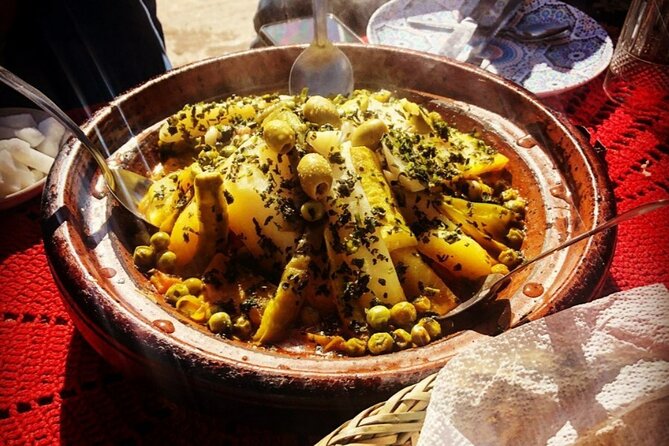
Dinner is usually a generous Moroccan meal, with tagine as the central dish. The cook travels with the group and prepares the food along the route. Ibrahim and Omar received special praise for large, flavorful meals and for handling dietary needs, including vegetarian and gluten-free requests.
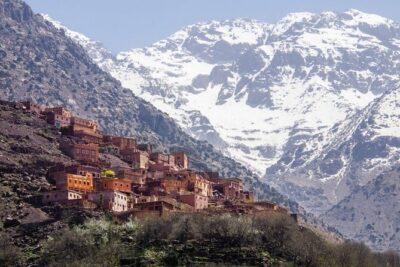
You also get time to talk. Guides explain Amazigh culture, local village life, and the area around you. Some have welcomed people into a family home, while others have kept the evening simple with tea and conversation at the lodge. This is not a staged cultural show. The value comes from being in a working mountain community and having time to ask questions.
Day two: Id Issa, Tizi Oujdid, and the walnut grove
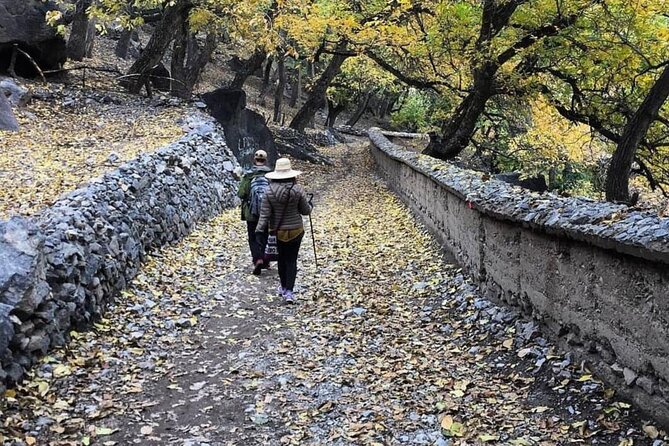
After breakfast, you walk toward Id Issa village. Morning light reaches the valley and the colors change as the sun rises over the slopes. The route gives you another chance to see how the villages fit into the mountain terrain rather than appearing as isolated photo stops.
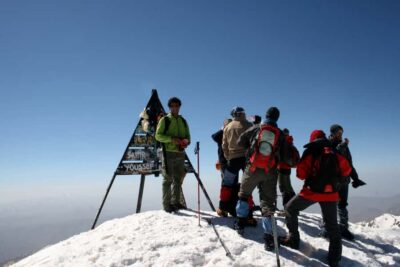
The second day includes the Tizi Oujdid Pass and the settlement of Matat. It is not a summit day, and you are not climbing Mount Toubkal. You may see Toubkal and other high peaks from the route, but this experience is designed as a village trek rather than a summit expedition.
Walking times again vary. Some groups have completed about three to four hours, while others have walked around four to five. One common estimate is roughly 10 kilometers per day, though elevation and terrain are more useful measures than distance alone.
The route includes an uphill section followed by a long descent. One account described roughly 300 meters of ascent and 800 meters of descent on the second day. That downhill can be tiring, especially on rocky ground, so trekking poles are useful if you have them.
Lunch at a walnut grove beside the river is a fine finish to the mountain walking. It offers a quieter break than a café and lets you rest before the final transfer. The setting is simple, but that is the point: food, shade, running water, and time to look around after a morning on foot.
The return drive brings you back to Marrakech in the late afternoon, often around 5 p.m. A delay in the return vehicle has happened, so do not schedule an important evening booking too tightly. Drop-off is made at your hotel, with some flexibility in where people are left.
A few more treks around Marrakesh worth a look
- Marrakech: 2-Day Atlas Villages Trekking Tour
★ 4.5 · 76 reviews - 2 Days Mount Toubkal ascent trek via Ait Mizane Valley
★ 4.3 · 45 reviews - From Marrakech:Trekking in Atlas mountains 2 days
★ 4.9 · 40 reviews - From Marrakesh: 2-Day Trek to Ait-Benhaddou and Ouarzazate
★ 4.6 · 36 reviews
How hard is the walk?
This trek suits a person with basic fitness and a positive attitude, but the word accessible should not be confused with easy. You do not need to be a mountaineer, yet you should be comfortable walking for several hours on uneven ground.
The route includes rocky paths, gravel, steep climbs, and steep drops in places. If you are uneasy with heights, ask the guide about the day’s trail before setting out. One beginner group found the pace and distance ideal, while a more experienced group wanted a longer and harder trek.
Your guide controls much of the experience. The better guides check water levels, slow the pace for uphill sections, and offer alternatives when conditions change. Snow has blocked planned routes on some winter departures, and guides such as Kamal and Mourad adapted without turning the change into a crisis.
Bring hiking boots or sturdy waterproof shoes with good grip. Add hiking poles if you use them at home. Trainers may be acceptable on dry, easy sections, but they are a poor bet for loose stones, wet paths, or snow.
The altitude is another factor. You are not reaching Toubkal’s summit, but the walking takes place high enough for the air and climbs to affect you. Go slowly at first, breathe steadily, and tell the guide if you need a pause.
Food, luggage, and what you actually carry
The price includes the guide, cook, muleteers, mules, meals, tea, coffee, one night of lodging, pickup, drop-off, and sleeping bags. That is a strong package for $96 per person, especially because transport and a support team are included.
You still need to buy or refill water. Bottled water may be available at the lodge or along the route, but water is not listed as included. Carry enough for the walking day and keep some small change for purchases.
The mules are there to carry overnight bags and clothing. Pack a small daypack with:
- Water and a snack
- Sunscreen, sunglasses, and a sun hat
- Waterproof hiking shoes
- Warm layers, gloves, and a raincoat
- Camera and phone
- Toilet paper and any personal medication
- A small towel and sleeping bag liner for extra comfort
The supplied sleeping bags and blankets help, but do not treat them as a guarantee of warmth in winter. The most useful clothing system is several thin layers. The sun can feel intense during the climb, then the mountain air can turn cold as soon as clouds arrive.
The guides make the difference
The strongest part of this operation is its guiding. Names vary by departure, but Kamal, Mustafa, Hassan, Hussain, Mourad, Mohamed, and Mustapha are among the guides who have been praised for patience, humor, route knowledge, and care.
That does not mean every departure will feel identical. Still, the guide’s role is more than pointing out the path. A good guide explains Amazigh culture, helps with steep ground, checks that everyone is coping, and changes the route when snow or weather makes the original plan less sensible.
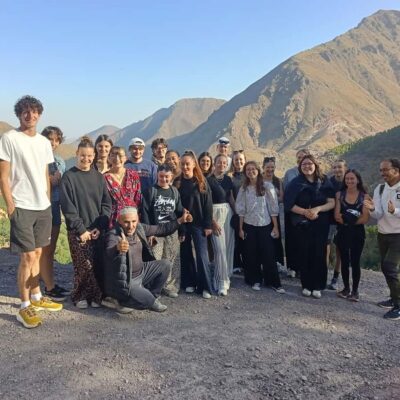
The small-group limit of 14 helps. Several departures have had only a handful of people, including solo visitors paired with one guide or a very small group. Larger groups can still work well, but the pace will usually be set for the slowest person.
If you are booking as a solo visitor, this is a good format for meeting people without being trapped in a large coach group. The walking creates easy conversation, and the shared evening meal gives everyone a natural chance to connect.
Best seasons and the winter warning
Spring, summer, and autumn offer different versions of the same trek. In warm weather, you can focus on village life, views, and the river-side lunch without worrying as much about freezing nights. July can still bring strong sun, so a hat, sunscreen, and plenty of water are essential.
Winter can be beautiful, with snow-covered mountains and dramatic views. It is also the season that demands the most preparation. Bring gloves, a warm hat, thick socks, a sleeping bag liner, a buff, and waterproof footwear. A spare pair of socks is useful if snow or rain gets into your shoes.
Weather can change quickly. A raincoat is worth packing even when Marrakech is sunny. The guides have rerouted groups around snow, but no guide can make a cold lodge warm or dry shoes instantly.
Pregnancy is listed as a reason not to take this activity. If you have an injury, major mobility concern, or serious worry about altitude and steep ground, this is not the place to test yourself casually.
Is $96 good value?
Yes, for the right kind of trip. At $96, you receive two days of guided walking, Marrakech transport, meals, a cook, mule support, lodging, sleeping equipment, and a small group. Arranging those pieces separately would likely cost more and would require far more planning.
The value is not in luxury. The accommodation is basic, bathrooms may be shared, and waiting for transport can occasionally eat into the schedule. You are paying for access to mountain routes, local support, food, and a practical way to see villages that would be difficult to reach on a day trip.
Free cancellation up to 24 hours before departure and the option to reserve before paying add useful flexibility. The available guiding languages include Arabic, English, French, Spanish, and German, though the exact guide depends on the departure.
Should you book this Atlas Mountains trek?
Book it if you want a genuine mountain walking experience without committing to a Toubkal summit. It is especially good for you if you want village contact, strong scenery, plentiful Moroccan food, and a guide who can manage a mixed-ability group.
Think twice if you want polished hotel comfort, a fixed walking schedule, or an easy stroll. The route is moderate in good conditions and can feel strenuous on steep, rocky sections. For winter departures, warm clothing is not optional.
My practical call is simple: book this for a rewarding two-day break from Marrakech, but pack like a hiker, not like a city visitor. If you bring good shoes, layers, water, and realistic expectations about the lodging, the trip offers excellent value and a much more personal view of the High Atlas than a quick mountain drive.
FAQ
How long is the Marrakech Atlas Mountains trek?
The activity lasts two days. Walking commonly takes about four to six hours per day, though some departures have completed the route in roughly three to four hours depending on pace, weather, and trail conditions.
Is Mount Toubkal climbed during this trip?
No. The trek provides views of Mount Toubkal and nearby Atlas peaks, but it is a village and mountain-pass route rather than a Toubkal summit climb.
What meals are included?
Lunch and dinner are provided on the first day, followed by breakfast and lunch on the second day. Coffee and tea are also included.
Do mules carry luggage?
Yes. Muleteers and mules carry luggage for the overnight stay, allowing you to walk with a smaller daypack. You should still carry your own water and daytime essentials.
What is the overnight accommodation like?
Accommodation is in simple mountain lodging or a village guesthouse. Rooms may be twin or triple, and bathroom arrangements can be en suite or shared. Heating is not guaranteed, and winter nights can be very cold.
What should I bring?
Bring comfortable hiking shoes with good grip, sunglasses, a sun hat, sunscreen, a camera, water, warm layers, gloves, and a raincoat. Hiking poles, thick socks, a sleeping bag liner, and a small towel are useful additions.
Is the trek suitable for beginners?
It can suit beginners with basic fitness, but the route includes steep climbs, rocky paths, and some steep drops. The trek is not suitable for pregnant women, and you should be comfortable walking for several hours each day.
Just added around Marrakesh
- Mount Toubkal Trek 2 Days & 1 Night★ 4.5 · 26 reviews
- Marrakech: Mount Toubkal 2-Day trek from Marrakech★ 5.0 · 2 reviews
- Marrakech: High Atlas Tedali Summit Guided Day Trek★ 5.0 · 4 reviews
- Marrakech: 2 Day Toubkal Trek & 1 Nights with Hotel Pick up★ 5.0 · 2 reviews
- Marrakech: 3-Day Atlas Mountains Berber Villages Trek★ 4.5 · 41 reviews
- Marrakech: 2 Day Trek Atlas Mountains & Taoudja Summit 2724M★ 5.0 · 2 reviews
- Marrakech: Guided 2-Day Trek to Imlil and Imnan Valleys★ 4.6 · 14 reviews
- From Marrakech: Taoudja Summit Hike in the Atlas Mountain★ 5.0 · 5 reviews
Atlas Mountains Treks, compared.
Mt Toubkal Ascent Express Trek 2 Days 1 Nights
Read our review →
2-Day Mt. Toubkal Trek with 1-Night Stay & Meals
Read our review →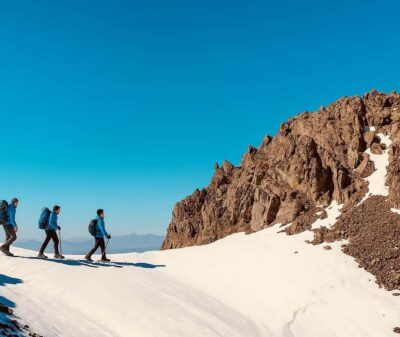
Summiting and Hiking the Atlas Mountains Day Trek from Marrakech
Read our review →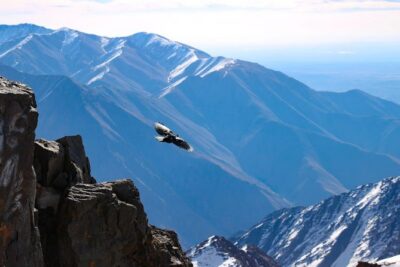
Browse the lists this trek appears in