
Review · POKHARA
Pokhara: 3-Day Trek
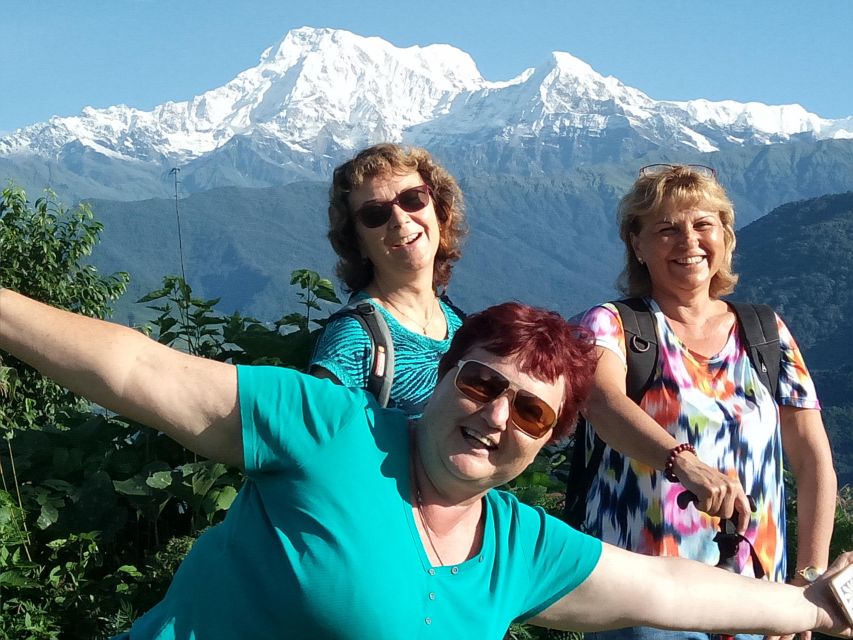
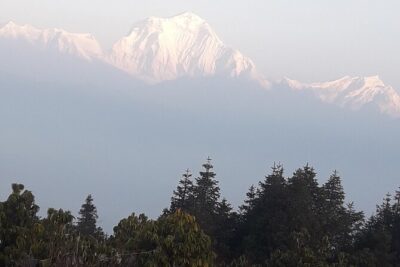
Pokhara’s best short trek trades city streets for forest paths, hillside villages, and a sunrise over the Annapurna Range. You climb from Naudanda toward Dhampus, sleep at Australian Camp, then follow a ridge to Astam, with Mount Fishtail and the high Himalayas often in view. It gives you a real taste of Nepalese trekking without a long, punishing route.
I like the private pace and the comfort of two lodges with attached bathrooms and hot showers. I also like the blend of scenery and daily life: terraces, jungle, village paths, and the eco-friendly farm at Astam. The main drawback is that meals are not included, and pickup from hotels away from Lakeside costs extra.
Key points at a glance
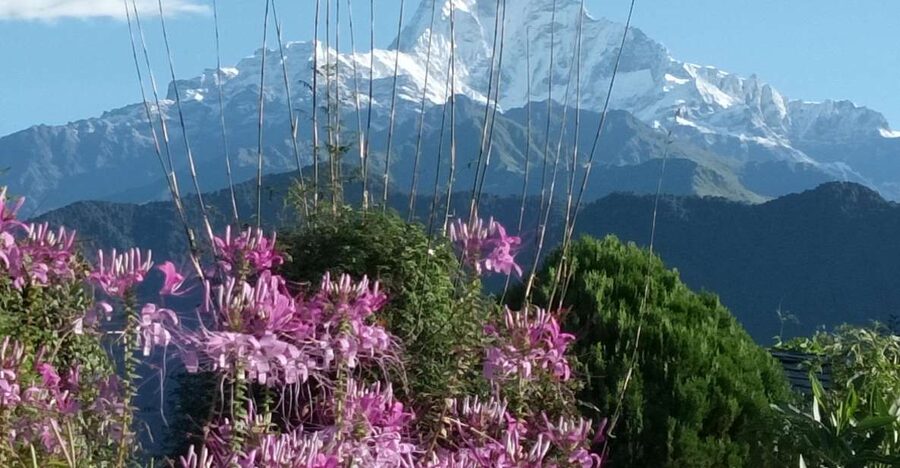
- Australian Camp sunrise: Spend your first night above Dhampus in a small teahouse settlement with broad Himalayan views.
- A gentle three-day route: The walking is manageable for many reasonably fit people, with options to shorten the route by driving farther uphill.
- Astam’s eco-village stay: Sleep at Annapurna Eco Village Resort, where rainwater collection, water reuse, and organic farming shape the visit.
- Private guide and porter: Your English-speaking guide sets the walking speed, while porters carry luggage between stops.
- Comfort in the hills: Both overnight stays are described as having attached toilets and bathrooms, with hot showers at Australian Camp.
- A useful Pokhara escape: You leave the city quickly and return after only two nights away, making this a good add-on to a Nepal itinerary.
Why this short trek works so well from Pokhara
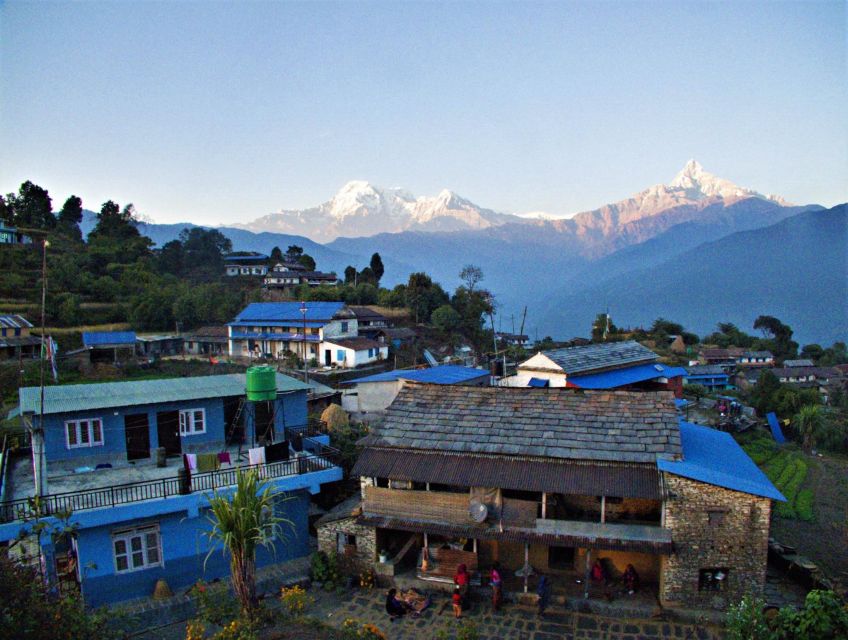
Pokhara is famous for its lake and mountain views, but the city itself can only show you so much of Nepal. This three-day route gets you onto footpaths above the western valley, where the sound of traffic gives way to village life, forest, and open ridges.
The route sits roughly 30 kilometers northwest of Pokhara, closer to Mount Fishtail and the Annapurna Himalayas. You are not heading into the high-altitude trekking country of the Annapurna Circuit. That is the point. This is a lower, shorter route that lets you enjoy mountain views and village walking without committing to a week or more in remote country.
I see this as a good bridge between sightseeing and serious trekking. You still walk for several hours on two days, and the route includes gradual climbs and descents. But you sleep in established lodges, have road access at several points, and can ask for a shorter version based on your fitness and interest.
The price is $250 per person. For a private three-day trip, that includes transport to and from the trail, two nights of lodge accommodation, a licensed guide, and a porter. Meals are extra, so you need to budget for breakfast, lunch, and dinner at the teahouses. The total value depends on how much you want personal attention and convenience. If you prefer to arrange every detail yourself, it may feel expensive. If you want a guide, porter, private transport, and simple lodge comfort handled together, it is a fair package.
A few more treks around Pokhara worth a look
- Poon hill Trek 3 days
★ 5.0 · 176 reviews - From Pokhara: 3-Day Ghorepani Poon Hill Trek with Guide
★ 4.9 · 68 reviews - Pokhara: 3-Day Ghorephani and Poon Hill Private Trek
★ 5.0 · 58 reviews
Day one: Naudanda, Dhampus, Pothana, and Australian Camp
The tour begins with pickup from your hotel in the Lakeside area of Pokhara. The drive to Naudanda takes about half an hour, placing you at the western rim of the Pokhara valley. The walk then gradually drops toward a stream before climbing to Dhampus.
The Dhampus section takes about two hours. This is where the route begins to feel like a proper Himalayan trek. You move through village country rather than staying on a city road, and the climb gives you a first sense of the ridges and valleys around Pokhara.
After Dhampus, you continue for about an hour to Pothana, where you stop for lunch. Meals are not covered in the tour price, but the teahouses serve simple international food that you order and pay for directly. Keeping meals separate gives you some choice, but it also means you should carry enough Nepali rupees for food and drinks.
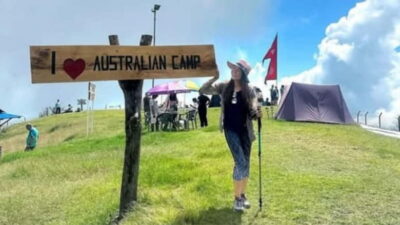
The final walk to Australian Camp takes around 30 minutes after lunch. This is a short finish to the day, though the earlier climb from Naudanda means you will still want proper walking shoes. Australian Camp is a small teahouse settlement in rhododendron forest above Dhampus. The setting is the main reward. You are high enough for open views toward the Annapurna Range while still staying in a well-established lodge area.
The accommodation is basic but more comfortable than the word teahouse might suggest. The property used for this stay is described as having attached toilet and bathroom facilities and hot showers. That matters after a day on the trail, especially if you are new to lodge trekking and do not want a very rough first night.
The sunrise is one of the strongest reasons to stay here rather than simply pass through. Set an alarm before dawn, step outside with a warm layer, and watch the first light reach the mountain peaks. One of the most repeated positive details about this trek is the early mountain view from camp. Weather controls the result, of course, but the location gives you a strong chance at a memorable morning.
Day two: the ridge walk to Annapurna Eco Village
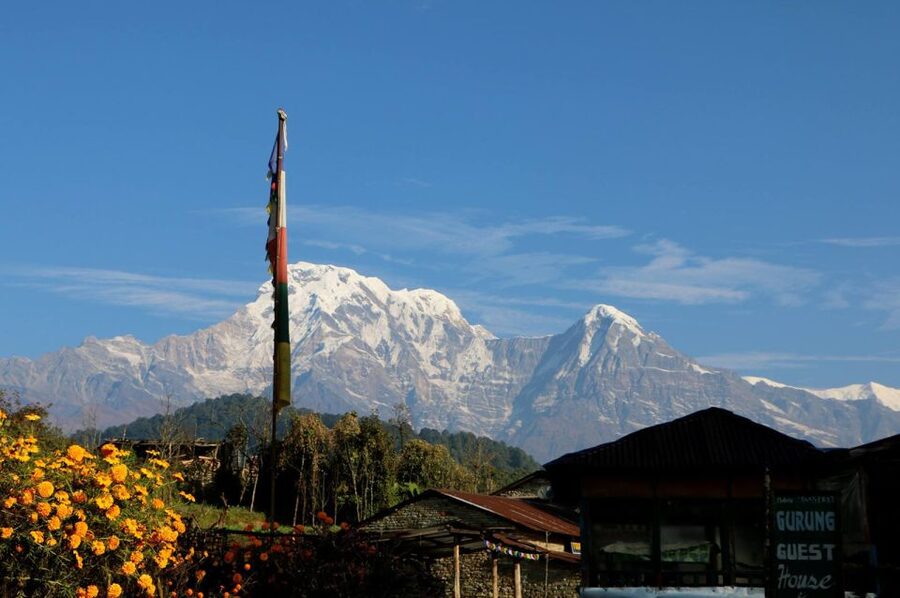
Day two begins with breakfast and a mountain view. After that, the trail follows the ridge toward Astam for about four hours. Compared with day one, this is less about reaching a single famous viewpoint and more about the steady variety of the walk.
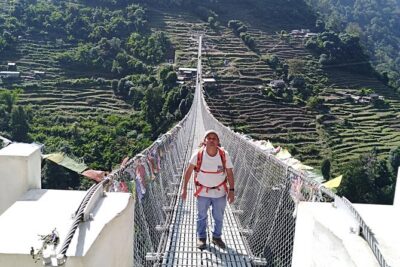
You pass through traditional villages and along slopes with terraces. Seasonal crops can make the fields glisten, while sections of forest bring shade and a more enclosed feel. The route also includes jungle walking, so you should expect changing ground rather than one smooth path from start to finish.
This is a good day to use the guide well. The guides on this route have been praised for explaining Nepalese culture, mountain stories, plants, and local life. Past guides have included Jit, Prabin, Dansay, and Basanta, although your assigned guide may be different. The useful point is that this is not simply a person walking ahead of you. A good guide can explain what you are seeing and adjust the rhythm when the path or weather changes.
Astam is the second overnight stop. You stay at Annapurna Eco Village Resort, a hilltop property with simple rooms and attached bathrooms and toilets. The resort uses measures such as water reuse and rainwater harvesting, and it has an organic farm. You can learn about those systems and see how a village stay can connect lodging with local food and resource use.
The eco-village is likely to be the high point for anyone who wants more than mountain photographs. You get time to notice how people live on the hillsides, how food is grown, and how a small resort tries to limit its use of water. The rooms are not presented as luxury accommodation, but they are intended to be clean and comfortable, with the essentials in your room.
Past visitors have especially praised the rooms, food, and setting at Astam. Since food is paid for separately, you should confirm the meal arrangement with your guide when you arrive. One previous booking had confusion about included food, so it is sensible to ask clearly what you are ordering and what you will pay before settling in.
Day three: a short descent and the road back to Pokhara
The final day is the easiest on paper. You walk downhill for about two hours to the highway, then take a vehicle back to Pokhara. This gives you a relaxed finish rather than another full day on the ridge.
Downhill walking can still be tiring on knees and ankles, especially after two days on uneven paths. Trekking poles are not listed as required equipment, so you should not assume they are supplied. If you often find descents uncomfortable, ask the operator in advance what transport options are possible.
The short final walk also makes this route useful for people with limited time. You are not spending a long fourth day returning from a distant trail. After reaching the road, private transportation brings you back toward Pokhara, and the package includes transport from the trailhead.
Same trailhead, a different route:
- Trekking in Annapurna/Langtang/Everest/Upper Mustang regions
★ 5.0 · 161 reviews - Pokhara: 4-Day Ghorepani, Poonhill & Ghandruk Mountain Trek
★ 5.0 · 132 reviews - Ghorepani – Poon Hill Trek 3N-4D
★ 5.0 · 125 reviews - Pokhara: Annapurna Foothills Day Hike with Transfers
★ 5.0 · 100 reviews
What the lodges are really like
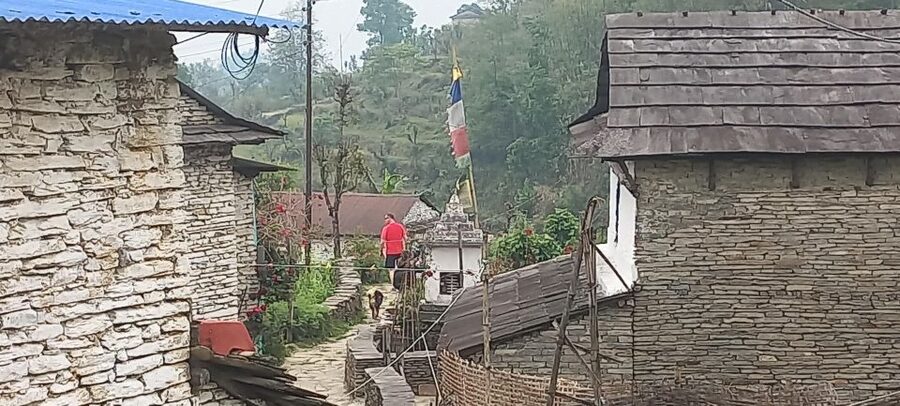
This is a lodge-based trek, not a camping trip. That removes the need to carry a tent, sleeping mat, cooking gear, or several days of supplies. Your porter carries luggage to each destination, while you walk with only what you need for the day.
The accommodation is comfortable by short-trek standards, but you should keep expectations in check. Australian Camp and Astam offer simple rooms, not city-hotel facilities. The attached bathroom and hot shower are valuable features, yet availability of hot water can depend on the lodge and the day. A small personal towel and basic toiletries are sensible additions.
The food is also simple rather than elaborate. Teahouses serve international dishes, and the eco-village offers organic meals. You pay directly, so the final cost will vary with what you order. Bring snacks if you like to eat between meals, though the supplied information does not specify what is available along the route.
The guide, porter, and private format
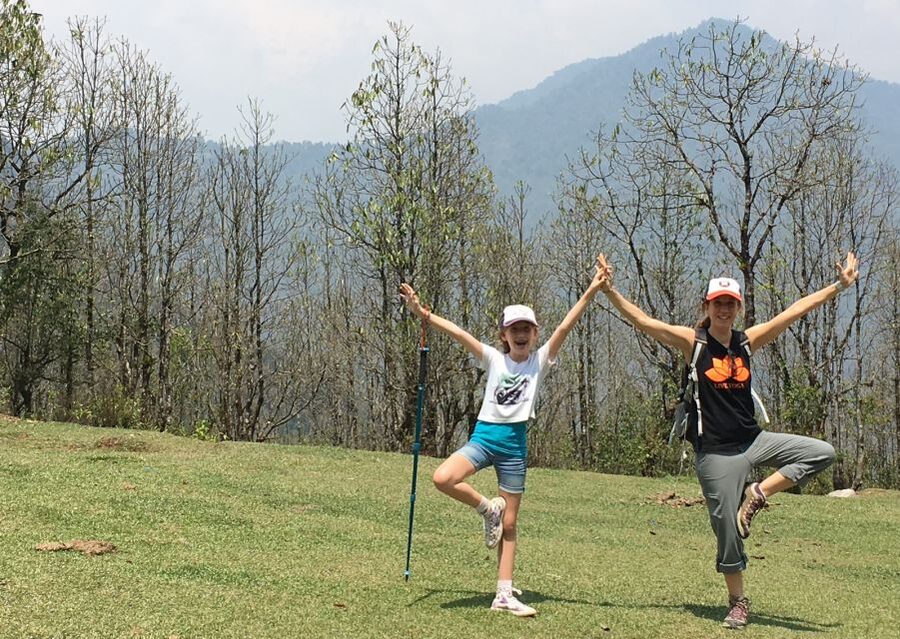
A licensed English-speaking trekking guide leads the walk. This is important on a route that crosses forest, village paths, ridges, and road sections. Even on an easy trek, the guide handles directions, timing, communication at the lodges, and practical decisions if you want to shorten the day.
The private setup is one of the better features of the trip. You are not tied to a large group moving at one fixed speed. The route can be adjusted to suit your walking interest, including driving to a higher point to reduce the amount of walking.
Porters carry luggage between the day’s destinations. Pack a small day bag with water, sun protection, a warm layer, and anything you need during the walk. You should not need to carry your main luggage, but you should confirm any baggage limit directly with the operator before departure.
The guide names connected with past departures include Jit, Prabin, Dansay, and Basanta. The individual guide matters more than the name on the booking page, so use the briefing to ask about pace, meals, weather, and the next day’s walking time.
Who will enjoy this route most
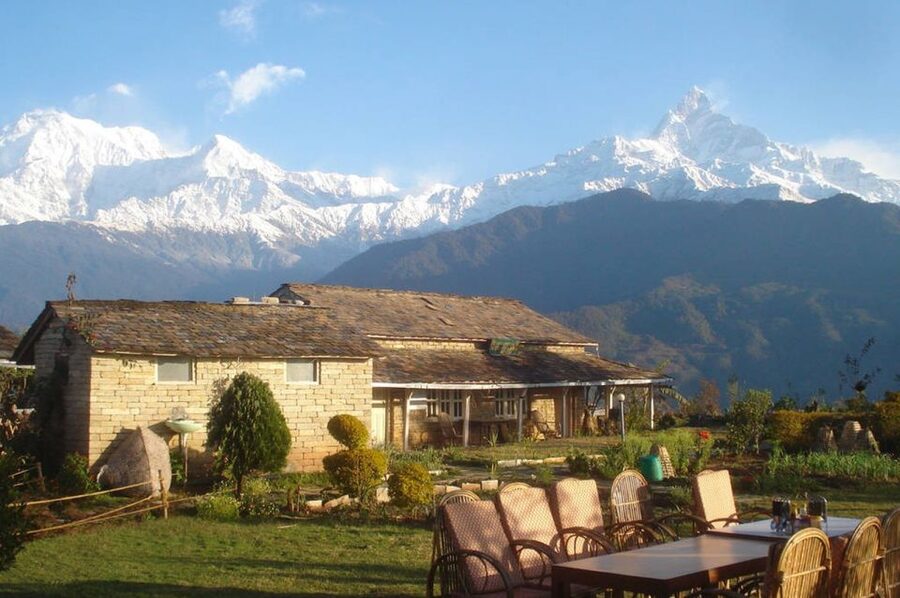
I would recommend this trek to you if you want Himalayan scenery but do not want a demanding high-altitude itinerary. It suits first-time trekkers, couples, solo visitors who value a private guide, and people adding a short outdoor trip to a wider Nepal holiday.
It is also a good fit if comfortable sleeping arrangements matter. The attached bathrooms and hot showers make this easier than a rougher lodge trek, while the two nights still give you a clear sense of staying in the hills.
You should be reasonably comfortable walking uphill and downhill for several hours. The route is described as accessible and not especially difficult, but it is not a flat stroll. Pregnant women and people with mobility impairments should not book this activity.
The route may be less suitable if you want remote wilderness, long mountain passes, or a serious physical challenge. You will see villages, roads, lodges, and cultivated hills rather than a multi-week backcountry route. For many people, that is an advantage. You get the feel of trekking without giving up too much time or comfort.
What to pack and what to clarify
Bring comfortable walking shoes and sunglasses. I would also add sun cream, insect repellent, a light jacket, a reusable water bottle, and a small daypack. One person who completed the route specifically found sun cream and mosquito spray useful.
Ask about meals before setting off. The written package excludes food, and one past departure involved confusion over what was included. Also confirm the hotel pickup point. Pickup is included for hotels in the Lakeside area near Phewa Lake, while hotels farther away may require an extra charge.
The operator meets you at your hotel one day before departure for a briefing and to set the departure time. On the trekking morning, the guide arrives by car. This early meeting is useful, so use it to ask about the weather, luggage, food payments, walking pace, and the exact pickup time.
You can cancel up to 24 hours before the activity for a full refund, and you can reserve now and pay later. Starting times depend on availability, so check the date and departure details before committing.
Should you book this Pokhara trek?
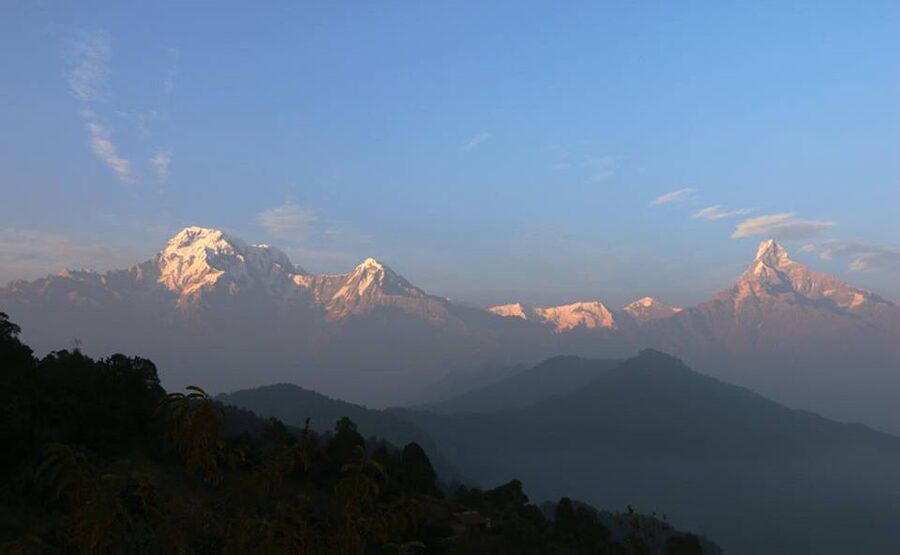
Book it if you want a short, private introduction to Nepalese trekking with strong mountain views, village paths, and comfortable lodge nights. The sunrise at Australian Camp, the ridge walk to Astam, and the eco-friendly resort give the three days a clear shape. The guide and porter support also make it easier for first-time trekkers.
Think twice if you want meals included, a very cheap independent walk, or a tougher Himalayan challenge. At $250 per person, the price makes most sense when you value private transport, personal guiding, porter service, and en-suite accommodation. For a compact escape from Pokhara, that combination is practical and well judged.
FAQ
How long is the Pokhara trek?
The activity lasts three days and includes two nights in mountain lodges.
Where does the trek go?
The route begins at Naudanda, continues through Dhampus and Pothana to Australian Camp, then follows a ridge to Astam before descending to the highway and returning to Pokhara.
Where do I sleep?
You spend the first night at Australian Camp and the second night at Annapurna Eco Village Resort in Astam. Both accommodations are described as having attached bathrooms and toilets.
Are meals included?
No. You order meals at the teahouses and pay directly. The teahouses serve simple international food, and the Astam resort offers organic meals.
Is transportation included?
Private transportation to and from the trekking trailhead is included. Hotel pickup is included for hotels in the Lakeside area of Pokhara. Pickup from hotels farther from Phewa Lakeside may cost extra.
Is the trek suitable for beginners?
The route is described as short and easy compared with longer Himalayan treks, but it still includes uphill and downhill walking for several hours. The walking pace and route can be adjusted for a private group.
What language does the guide speak?
The live guide service is provided in English.
What should I bring?
Bring comfortable shoes and sunglasses. Sun cream and mosquito spray are also useful additions for this route.
Just added around Pokhara
- Pokhara: Sarangkot Sunrise & Panoramic Annapurna View Tour★ 4.8 · 10 reviews
- Pokhara: Majestic Mardi Base Camp Guided Trek with HotSpring★ 5.0 · 6 reviews
- Pokhara: Bungee Jumping Experience Near Annapurna★ 5.0 · 9 reviews
- Pokhara: Annapurna Day Hike with Panoramic Views★ 4.3 · 7 reviews
- Pokhara: 9-Day Annapurna Base Camp Trek with Poon Hill★ 5.0 · 6 reviews
- Pokhara: 7-Day Annapurna Base Camp Trek & Hot Spring★ 4.0 · 3 reviews
- Pokhara: 5-Day Ghorepani and Poon Hill Private Trek★ 5.0 · 4 reviews
- Pokhara: 5-Day Trek to Annapurna Base Camp and Hot Springs★ 5.0 · 4 reviews
Pokhara Trekking Tours, compared.
Trekking in Annapurna/Langtang/Everest/Upper Mustang regions
Read our review →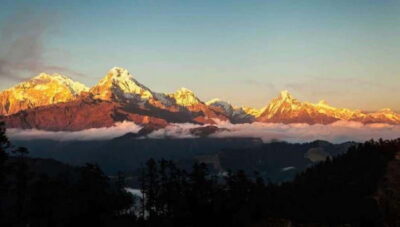
4-Day Ghorepani, Poonhill & Ghandruk Mountain Trek
Read our review →
Kathmandu/Pokhara: 5-Day Annapurna Base Camp (ABC) Trek
Read our review →
Browse the lists this trek appears in