
Review · INDONESIA
Mount Rinjani Trekking 3Days/2nights Summit Lake Hotspring
Mount Rinjani saves its hardest test for the middle of the trip. You climb from Sembalun to the 3,726-meter summit before sunrise, then descend to Segara Anak Lake and its hot springs in the same long day. It is a big physical challenge, but the route gives you three very different sides of the mountain.
I like the clever route: you start in open grassland at Sembalun and finish through Senaru’s rainforest, so the scenery keeps changing. I also like the practical support, with a guide, porters, tents, sleeping bags, mattresses, cooking gear, meals, and three liters of water per person each day included.
The main caution is Day 2. It begins around 2:00 a.m., includes the summit climb, a long descent to the lake, a climb to Senaru Crater Rim, and can run until about 6:00 p.m. One guest found the guide quiet and less engaging than expected, so communication may vary.
Key points to know before you book
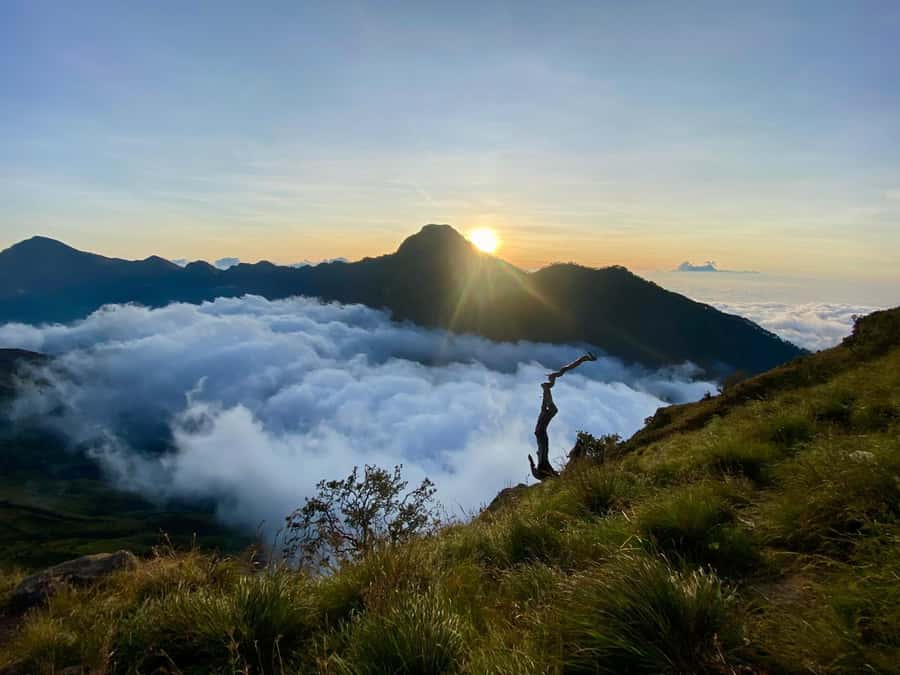
- The summit push begins at 3:00 a.m. The final climb over loose volcanic scree is steep and tiring.
- Day 2 is the toughest day by far. You combine the summit, lake, hot springs, and Senaru Crater Rim in one long stretch.
- You camp at two crater rims. Sembalun offers sunrise and sunset views, while Senaru faces Mount Agung in Bali.
- Porters carry the camping and cooking equipment. This makes the trek possible, but you still need to carry your personal essentials.
- The route crosses the island. You start at Sembalun and descend to Senaru, rather than retracing the same trail.
- The price is $169 per person, before the national park permit. The permit costs IDR 250,000 per person, per day, and transport and hotel pickup are separate.
What this three-day Rinjani route really asks of you
This is not a gentle mountain walk with a summit added for decoration. It is a serious trekking program with an early summit attempt, steep climbs, high-altitude camping, and a long second day.
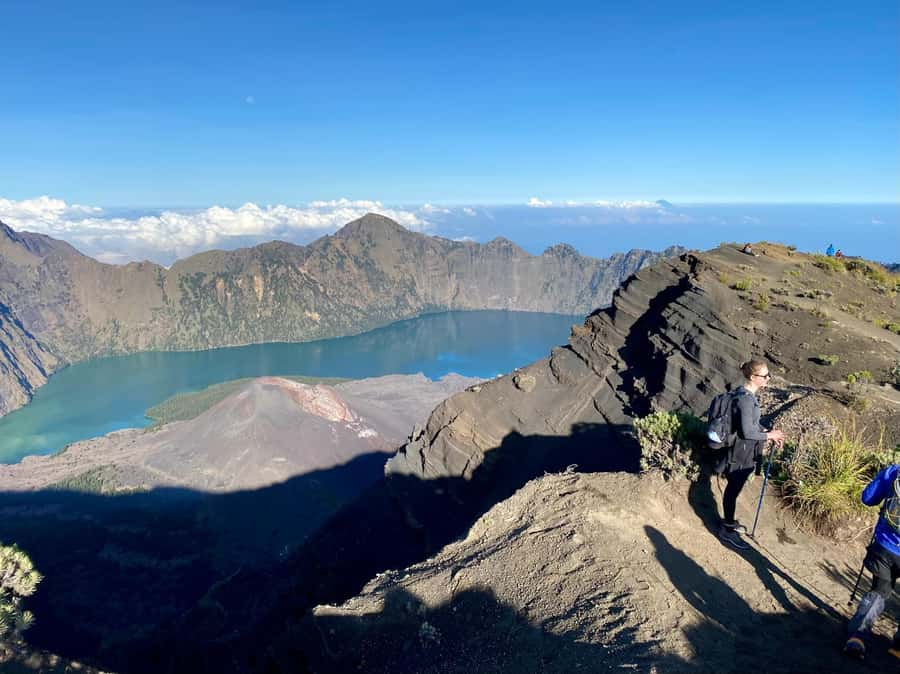
You gain a lot from the route. The mountain gives you broad views from the crater rims, the drama of an active volcanic area, and the chance to rest beside Segara Anak Lake. The hot springs are a welcome reward, especially after the descent from the summit.
You should be comfortable walking for several hours at a time and sleeping in a tent. The itinerary gives approximate times, but weather, trail conditions, and the group’s pace can affect the day. A small group of no more than eight people should make it easier to keep the trek together than a large commercial group.
The experience provider is Evsi Rinjani. An English-speaking guide leads the group, while porters handle the tent, cooking equipment, food, water, sleeping bags, and mattresses. Guide quality matters on a route like this, since a quiet guide can leave you with less explanation and encouragement during the harder climbs.
More Mount Rinjani Treks in Indonesia:
- Mount Rinjani Trek 3D-2N To Summit – Lake – Hotspring
★ 4.7 · 111 reviews - Rinjani trekking 2D 1N RIM
★ 5.0 · 94 reviews - Mount Rinjani 2-Day Trek to Senaru Crater Rim
★ 4.8 · 89 reviews
Day 1: Sembalun’s open slopes to a 2,639-meter campsite
Your morning begins at 6:00 a.m. with breakfast, followed by transport to Sembalun Village at roughly 1,100 meters. You check in at the Rinjani National Park office before beginning the walk at around 8:00 a.m.
The first part is a good warm-up. The trail crosses open meadow, and the climb is gentle enough to let you settle into your pace. After about two hours, you reach Pos 1 at 1,300 meters. From there, another 40 minutes brings you to Pos 2 at 1,500 meters.
The progress can feel slow, but that is useful on a mountain trek. Do not spend your energy trying to race through the first section. The summit morning will demand far more from your legs, so Day 1 is the time to walk steadily, drink water, and learn how your body responds to the altitude.
You continue toward Pos 3 at 1,800 meters, where lunch is served. The included meals are a real advantage here. You do not need to plan a full food supply for three days, and the porters prepare breakfast, lunch, and dinner along with fruit and fried banana.
After lunch and a rest, the trail becomes much more serious. The climb to Sembalun Crater Rim at 2,639 meters takes about three hours and includes a prolonged steep section. This is where the route begins to feel like a mountain ascent rather than a countryside walk.
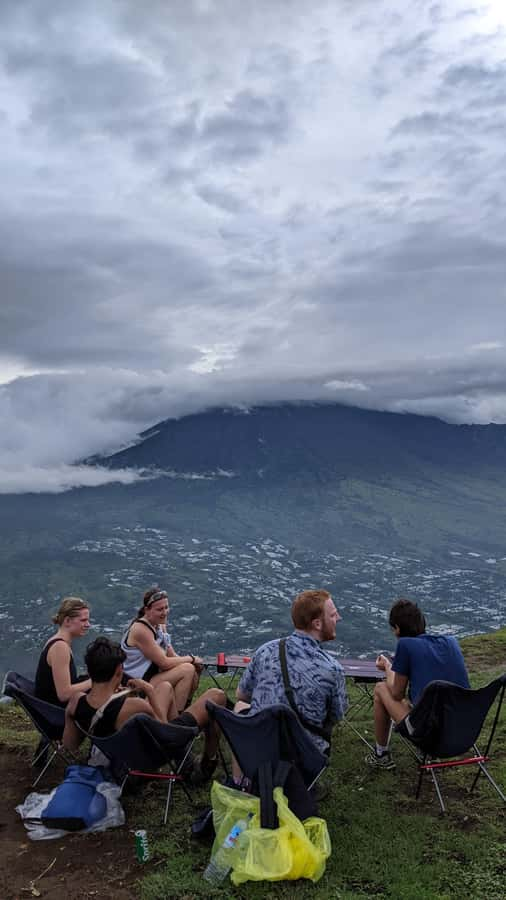
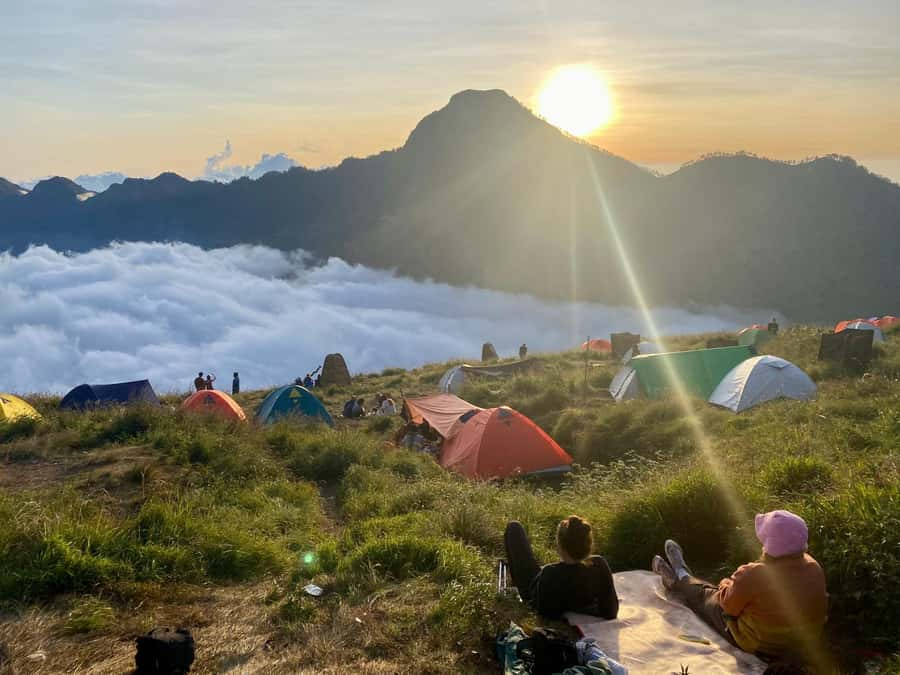
Your first campsite is on Sembalun Crater Rim. The setting gives you two excellent rewards for the afternoon effort: sunset and sunrise views. The description promises views from the rim, but you should also remember that mountain weather can affect visibility. Clear conditions will make this a memorable camp; clouds can soften the views.
Sleep is scheduled early because the summit attempt starts before dawn. A tent, sleeping bag, and mattress are supplied, along with a toilet tent. That keeps the packing list manageable, but camping at altitude is still basic. You should expect function rather than comfort.
Day 2: The 3,726-meter summit before breakfast
The alarm comes at about 2:00 a.m. You get a hot drink and a light breakfast, then start walking toward the summit at 3:00 a.m.
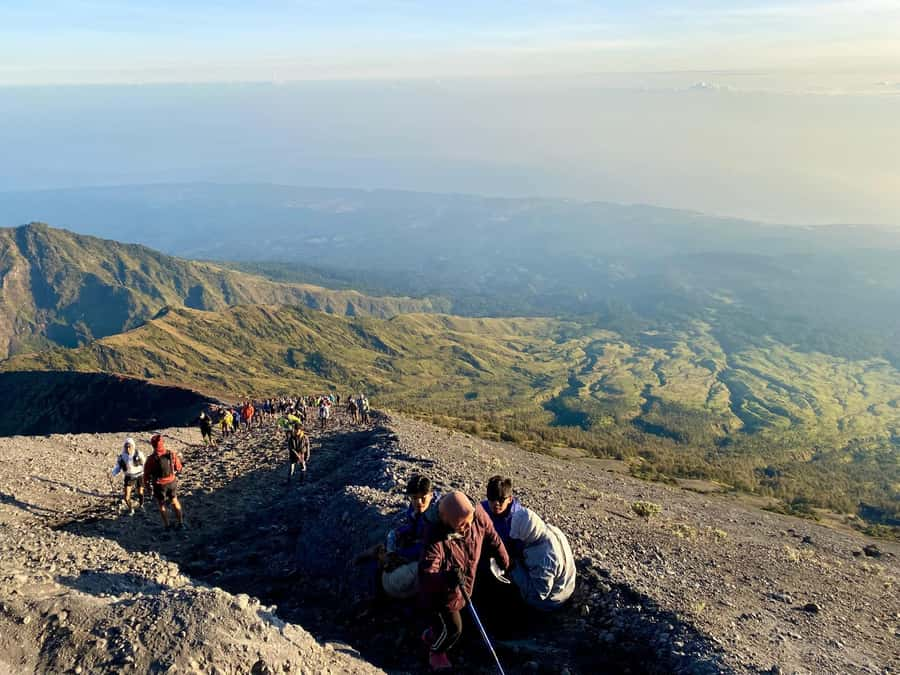
The first section is moderate, followed by a longer stretch that is described as fairly easy. The final approach is the real test. You climb steep, loose volcanic scree, where each step can slide slightly backward. This is the part that makes the summit attempt difficult, not just the altitude or the darkness.
You should bring a headlamp, although the provided information does not list one among the included items. Wear shoes with reliable grip, and keep your pace slow. The aim is not to reach the top first. It is to save enough strength to finish the climb safely.
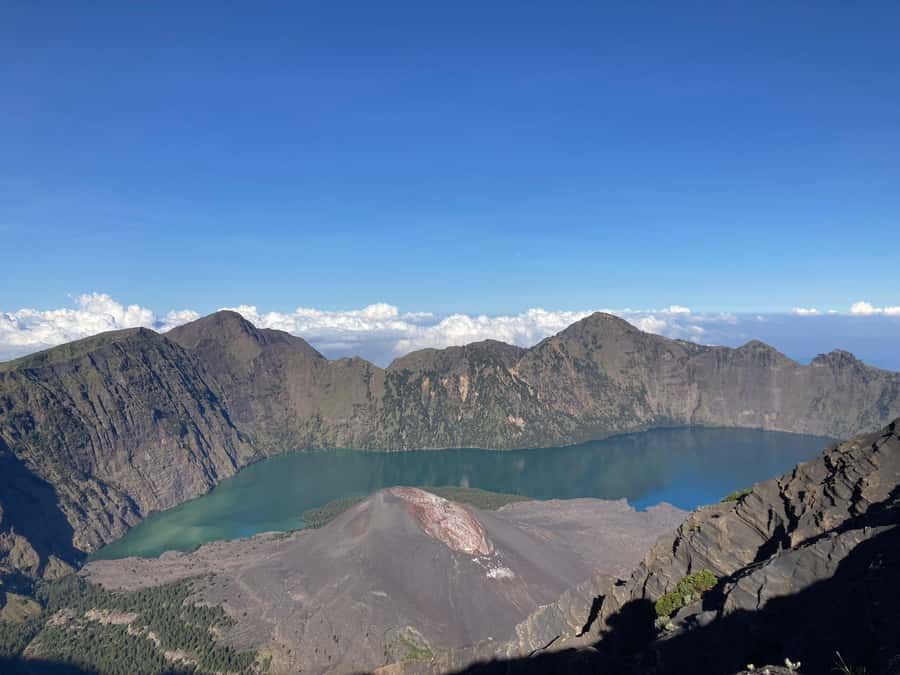
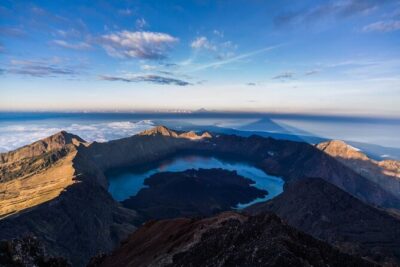
The planned summit arrival is around 6:00 a.m. At 3,726 meters, the reward is a sunrise with wide views across Lombok, Bali, Sumbawa, and Segara Anak Lake. The summit is likely to feel exposed and cold compared with the lower trail, so keep a warm layer close at hand.
After time at the summit, you descend to Sembalun Crater Rim in about two hours for breakfast. This return is easier than the ascent in one sense, but loose ground can still be hard on your knees. Trekking poles would be useful, though they are not listed as included equipment.
Then comes the section many people underestimate: the three-hour descent to Segara Anak Lake. A downhill trail is not necessarily easy. Your legs have already worked through the summit climb, and the long drop can leave your knees and feet sore.
At the lake, you get time to rest and enjoy the water. Swimming is included in the plan, and the hot water is described as a way to soothe aches after the journey. This stop changes the rhythm of the day. Instead of pushing straight through, you can pause beside the lake, eat lunch prepared by the porters, and recover before the next climb.
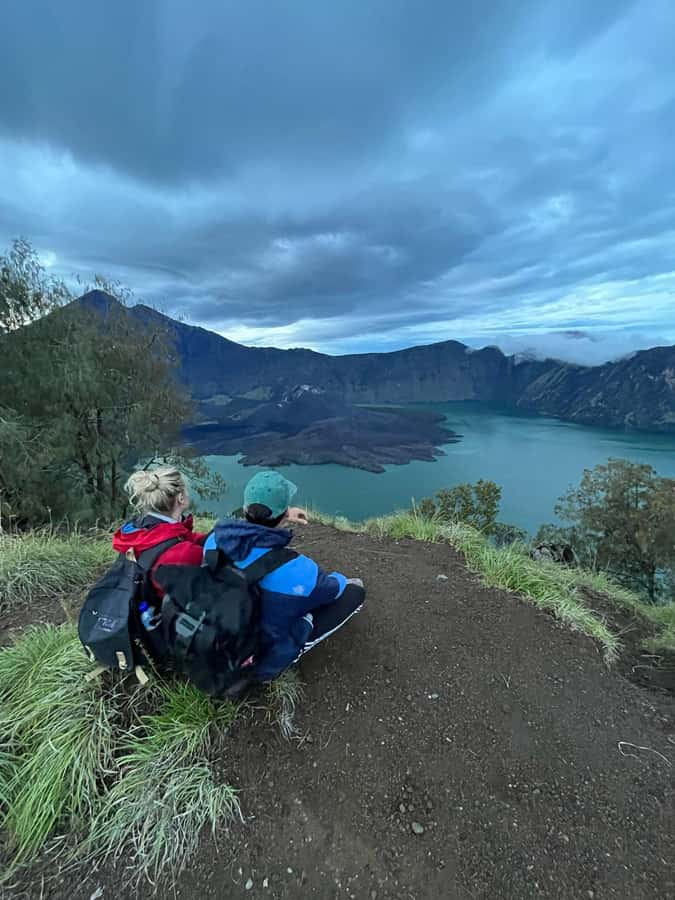
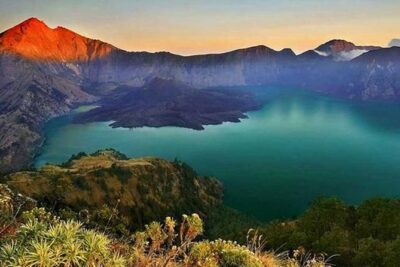
The lake is also valuable because it gives you a close view of the volcanic setting. You are no longer looking across the crater from a rim. You are down beside Segara Anak, with the new volcano on the lake’s edge visible in the distance.
The day is not finished after the hot springs. You climb from the lake to Senaru Crater Rim at 2,641 meters, which becomes your second campsite. This final ascent is why the itinerary should be treated as a demanding trek, not a sightseeing walk with occasional uphill sections.
Senaru Crater Rim is described as offering the most spectacular view of the route. From camp, you can watch the sunset over Mount Agung in Bali and see smoke rising from the new volcano near the lake. After a 2:00 a.m. wake-up and many hours on your feet, that view may feel especially well earned.
One guest described the second day as a long day of walking that lasted until about 6:00 p.m. That is useful planning information. Do not arrange an evening commitment for this day, and do not assume the summit means the hardest work is over.
Day 3: Five hours through Senaru rainforest
The final morning begins with breakfast and sunrise at Senaru Crater Rim. The route then descends to Senaru Village through rainforest.
The descent takes about five hours, with lunch along the way. Compared with the summit day, it is described as light, but five hours downhill is still a proper walk. After two nights in a tent and one very long day, your feet may be tired.
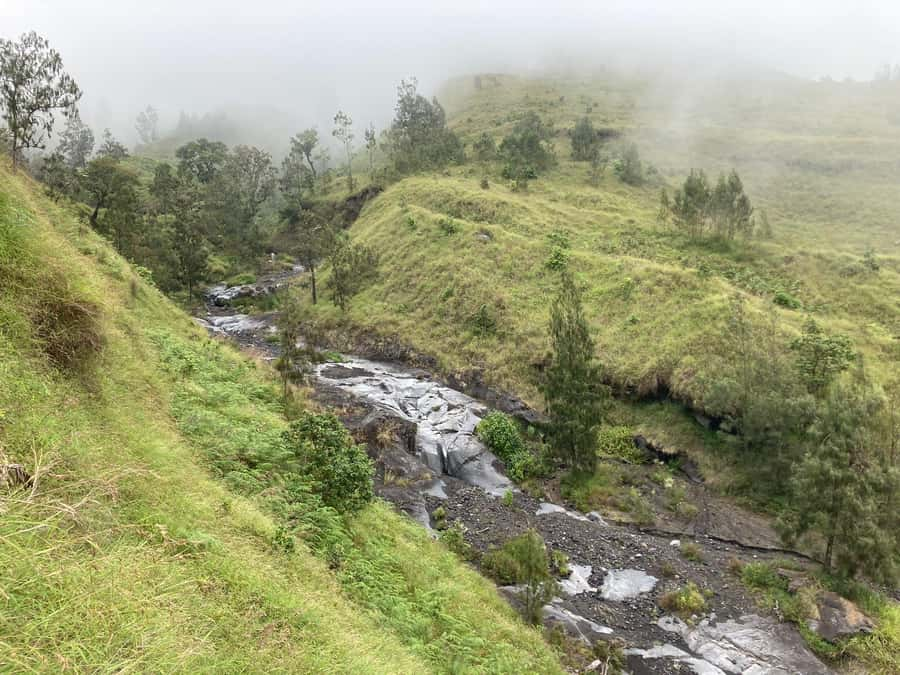
The rainforest gives you a different setting from Sembalun’s open meadow and the stark crater slopes. If you are lucky, you may see a rare black monkey. Wildlife is never guaranteed, so treat this as a possible bonus rather than a promised sight.
You arrive at Senaru Village at about 601 meters. A car then takes you to your next destination, but the onward transport itself is not included in the $169 price. Hotel pickup is also not included. You should tell the operator the name of your hotel in Senaru as the meeting point information requests, and confirm how the transfer to your next destination will work.
A few more treks around Indonesia worth a look
- 3-Day Ethical Orangutan Jungle Trek | Bukit Lawang, Sumatra
★ 5.0 · 401 reviews - Monkey Business 3 days – 2 nights Jungle trekking (including rafting)
★ 5.0 · 294 reviews - Rinjani Trekking 3D2N Summit
★ 4.5 · 85 reviews - Rinjani Trekking 3 Days 2 Nights (Sembalun – Senaru)
★ 5.0 · 84 reviews
What the $169 price includes
At $169 per person, the package offers solid practical value for a three-day mountain trek, especially because porter support and meals are included. You are not only paying for a walking route. You are paying for a small group, a guide, porters, camping equipment, food preparation, and water carrying.
Included items are:
- Professional guide and porter
- Tent and toilet tent
- Sleeping bag and mattress
- Cooking equipment
- Three liters of water per person per day
- Breakfast, lunch, and dinner
- Fried banana as an appetizer
- Fruit for dessert
The national park permit is extra at IDR 250,000 per person, per day. For three days, that amounts to IDR 750,000 per person if charged for each stated trekking day. Hotel pickup and transport are also not included, so add those costs before comparing this trek with other Rinjani programs.
The porter support deserves special attention. Porters carry the equipment needed for camp and cooking, which allows you to focus on walking with a lighter personal load. That work is physically demanding, and a fair tip is worth planning for even though it is not listed in the price.
The small-group limit of eight is another plus. You are less likely to feel lost in a crowd, and it should be easier for the guide to keep track of everyone. The tradeoff is that small-group trips can feel more dependent on the guide’s style. One guide may talk often and explain the mountain; another may focus mainly on getting the group along the trail.
Food, water, and camp comfort
You receive three liters of water per day, which is important in a hot, strenuous environment. Drink regularly rather than waiting until you feel thirsty. The water allowance is stated clearly, but you should still confirm how it is supplied and whether you need a refill bottle or hydration system.
Meals are cooked by the porters and include the three main meals, fruit, and fried banana. The information does not give a menu, so do not book this expecting a specific diet or a choice of dishes. If you have food allergies or dietary needs, ask the operator before paying.
The tent, sleeping bag, mattress, and toilet tent cover the basic camping needs. You will still want personal toiletries, warm clothing, a rain layer, sun protection, a headlamp, and any medication you require. These items are not listed as supplied.
Camping at two different crater rims is one of the strongest parts of the trip. You get sunrise and sunset at high points instead of returning to a village each evening. The cost is a basic night outdoors, with the benefit of being close to the views.
Who should book this trek?
I would choose this route if you want the full Rinjani experience in a compact three-day format. It suits people who want the summit, lake, hot springs, two crater camps, and a cross-mountain route rather than a short viewpoint walk.
You should also be ready for the physical demands. The summit’s loose scree, the long descent to the lake, and the climb to Senaru Crater Rim all arrive in one day. You do not need to be an elite athlete based on the information provided, but you should be comfortable with sustained uphill and downhill walking.
This is less suitable if you want relaxed sightseeing, a late start each morning, or a comfortable hotel each night. It may also frustrate you if you expect a guide to provide constant conversation and detailed commentary. The guide is English-speaking, but the amount of explanation can vary.
The flexible booking terms help if your plans are still moving. You can cancel up to 24 hours before the activity for a full refund, and you can reserve now and pay later. Availability and starting times still need to be checked for your dates.
My take: a strong route for fit hikers
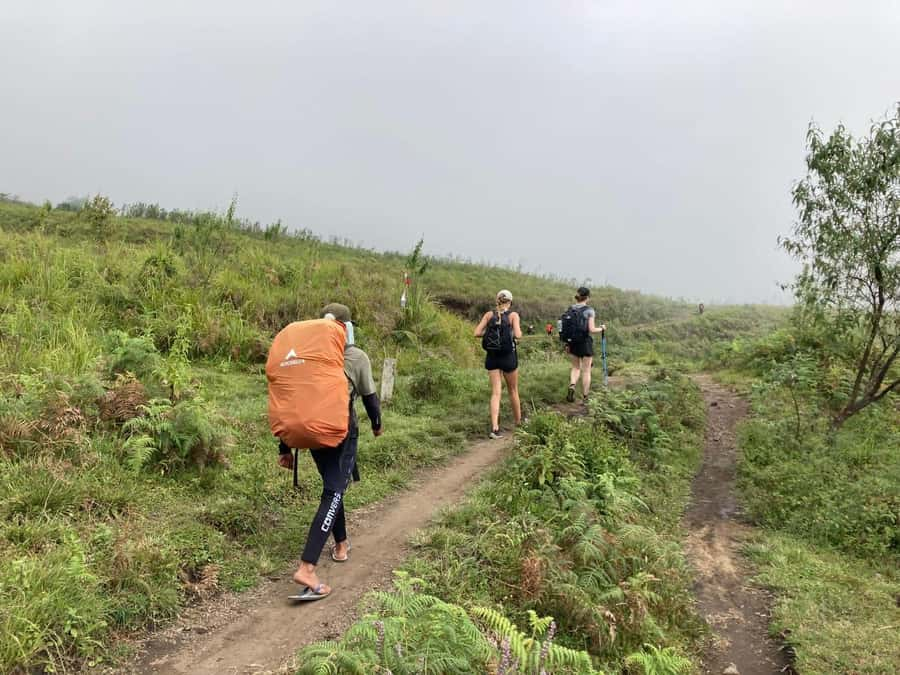
I would book this trek if the summit is your main goal and you also want the lake and hot springs without repeating the same trail. The route has a satisfying shape: open Sembalun meadows, a sunrise summit, volcanic crater views, Segara Anak, and rainforest down to Senaru.
I would not book it casually. Day 2 is the key question. If you can accept a 2:00 a.m. wake-up, a steep scree climb, and a walking day that may last until evening, the $169 base price offers a useful package. If that schedule sounds punishing, choose a slower plan or ask for a clear breakdown of alternatives.
Confirm the permit cost, hotel pickup, onward transport, food needs, and guide arrangements before you go. With those details settled, this is a demanding but rewarding way to see Mount Rinjani from several angles.
FAQ
How long is the Mount Rinjani trek?
The trek lasts three days and two nights.
Where does the trek start?
The trek starts in Sembalun Village at about 1,100 meters, after registration at the Rinjani National Park office.
Where does the trek finish?
The route finishes at Senaru Village, at about 601 meters, after a descent through rainforest.
Does the trek reach Mount Rinjani’s summit?
Yes. The summit is at 3,726 meters, with the planned arrival around 6:00 a.m. on Day 2.
What time does the summit climb begin?
You wake around 2:00 a.m. for a hot drink and light breakfast, then begin walking toward the summit at about 3:00 a.m.
Is the national park permit included?
No. The permit costs IDR 250,000 per person, per day.
Are meals and drinking water included?
Yes. Breakfast, lunch, dinner, fruit, fried banana, cooking equipment, and three liters of water per person per day are included.
Are tents and sleeping equipment provided?
Yes. The package includes a tent, toilet tent, sleeping bag, and mattress.
Is hotel pickup included?
No. Hotel pickup and transport are not included. You should provide the name of your hotel in Senaru for the meeting point details.
Just added around Indonesia
- Mount Batur Trekking & Hot Spring in Kintamani★ 5.0 · 23 reviews
- Rinjani Trekking 2D1N Senaru crater rim★ 5.0 · 6 reviews
- Ijen Blue Fire Trekking★ 5.0 · 44 reviews
- Sunrise Trekking At Sunan Ibu Kawah Putih★ 5.0 · 2 reviews
- Mount Agung Sunrise Trekking Private Tours★ 5.0 · 11 reviews
- volcano hike and jungle trekking adventure★ 5.0 · 36 reviews
- Sidemen rice terraces trek and local village walk★ 5.0 · 41 reviews
- Trekking Mount Rinjani 2D/1N To Second Summit★ 5.0 · 2 reviews
Mount Rinjani Treks, compared.
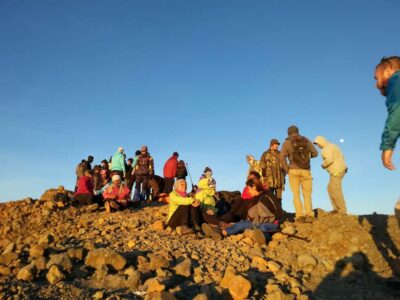
Mount Rinjani Trek 3D-2N To Summit – Lake – Hotspring
Read our review →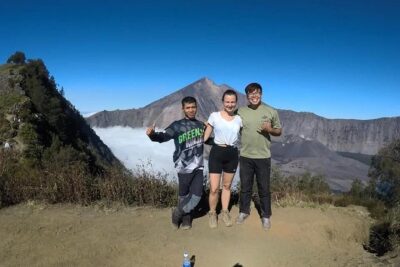
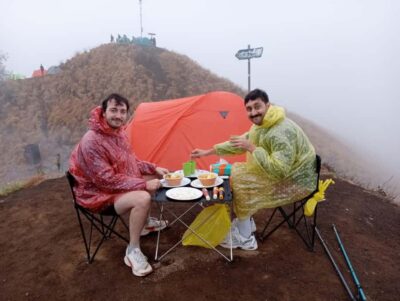
3D/2N Rinjani trekking summit,lake and hot springs.
Read our review →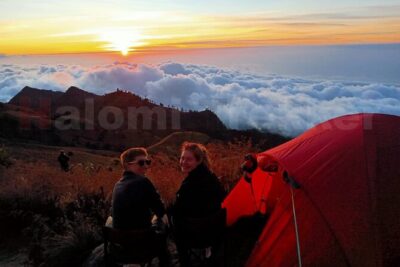
Mt Rinjani Trekking 2 Days 1 Night (Senaru Crater Rim)
Read our review →
Rinjani Trekking 3 Days 2 Nights (Sembalun – Senaru)
Read our review →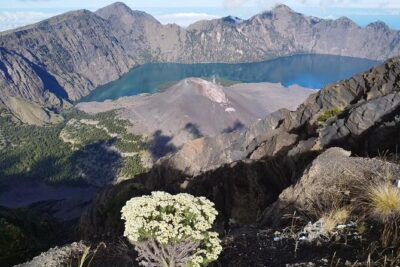
Rinjani Trekking Three Days Two Night Summit Lake
Read our review →Browse the lists this trek appears in