
Review · INDONESIA
Mount Rinjani Trek 3D-2N To Summit – Lake – Hotspring
Mount Rinjani gives you the full volcano story in three hard-working days: a sunrise summit, a turquoise crater lake with a smaller volcano inside it, and a night on Senaru Crater Rim facing Bali. The route begins in Sembalun and finishes in Senaru, so you see far more than you would on a simple up-and-down climb.
I like the small groups, capped at eight, and the strong support from guides and porters. Guides such as Sun, Awan, Ringo, San, Jojo, and Rengga are praised for staying with slower hikers, explaining the mountain, and keeping meals hot. I also like the practical extras: tents, sleeping gear, headlamps, gloves, food, water, and transport after the trek.
The catch is simple: this is a very hard hike. Day two demands a summit attempt, a long descent to the lake, and another climb to Senaru Crater Rim. If your idea of a mountain walk is a gentle stroll, choose another outing or allow more training time.
Key points before you book
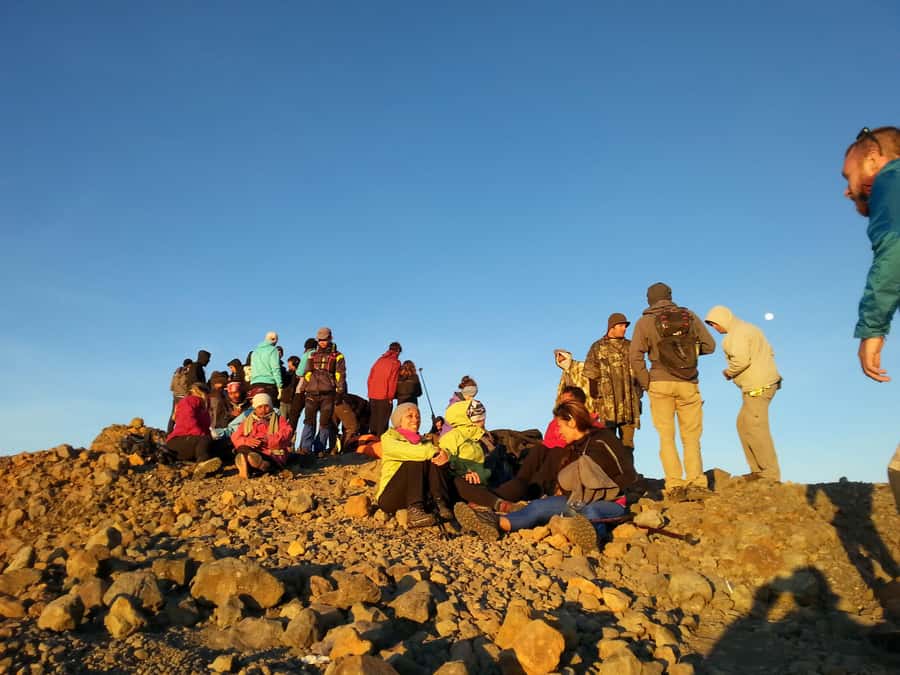
- The summit attempt begins at 3:00 a.m., after a 2:00 a.m. wake-up, so expect cold, darkness, loose volcanic gravel, and a slow final climb.
- The route crosses the mountain, starting in Sembalun and ending in Senaru rather than retracing the same trail.
- Segara Anak Lake and the hot springs provide a welcome rest after the summit descent, though you still have a major climb afterward.
- Senaru Crater Rim is the scenic reward of night two, with sunset views toward Mount Agung in Bali and the lake’s small volcanic cone.
- The guides and porters are a major part of the value, carrying equipment, preparing generous meals, and helping hikers manage the toughest sections.
- Weather and government safety rules can change the plan, including summit access, so the full itinerary is not guaranteed on every departure.
Why this Rinjani route is worth the effort
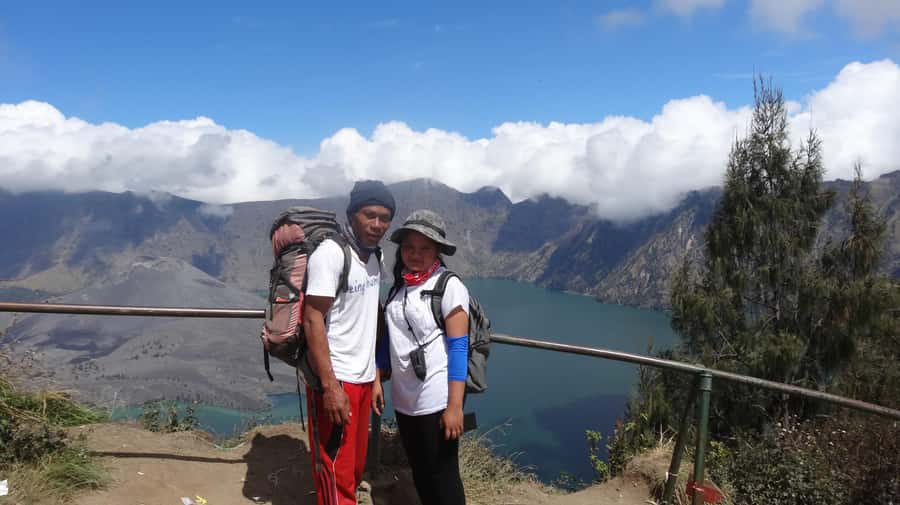
At 3,726 meters, Mount Rinjani is Indonesia’s second-highest volcano. The appeal is not only reaching the top. You pass through open grassland, steep volcanic slopes, crater rims, rainforest, and a lake that looks almost unreal from above.
I like the route because each day feels different. The Sembalun side is open and exposed, with broad views and long uphill sections. The crater interior brings the lake, hot springs, and the small active cone. The Senaru side is greener and shaded, with a rainforest descent.
At $237 per person, the price is good if you use most of what is included. The package covers the national park entrance fee, guides, porters, tents, toilet tent, sleeping bags, mattresses, cooking equipment, three meals a day, snacks, fruit, drinking water, trekking insurance, headlamps, gloves, luggage storage, and transport after finishing to Bangsal, Senggigi, or Mataram.
That is a lot of mountain logistics for one fee. The porters carry shared camping and cooking equipment, while the guides manage the pace and route. You are still responsible for your personal clothing, footwear, camera, and some food or water needs, but the package removes much of the work that makes independent volcano trekking complicated.
More Mount Rinjani Treks in Indonesia:
- Rinjani trekking 2D 1N RIM
★ 5.0 · 94 reviews - Mount Rinjani 2-Day Trek to Senaru Crater Rim
★ 4.8 · 89 reviews - Rinjani Trekking 3D2N Summit
★ 4.5 · 85 reviews
Meeting in Senaru before the climb
You meet at the Cakrawala Rinjani Trekking office in Senaru. This is where the next part of the trip is explained, and luggage storage is available.
The transfer to Sembalun is included if you are staying in the Senaru area. That matters because the route begins on the opposite side of the mountain. You should arrive with your equipment sorted and ask clear questions about water, clothing, and the day three supply.
One useful point came up repeatedly in the practical details: water is provided on the mountain, including spring water, but you should not assume every stretch is covered in the same way. One participant found it unclear that water for the last day needed attention. I would bring a reusable bottle and confirm the drinking water plan before departure.
The group limit of eight is a real advantage. A smaller group is easier to keep together on narrow or steep sections, and your guide can give more attention to a slower hiker. It also creates less waiting at campsites and meals than a large organized climb.
Day one: Sembalun’s open slopes to the crater rim
The first morning begins around 6:00 a.m. with breakfast. You then drive to Sembalun, at about 1,100 meters, register at the Rinjani information center, and begin walking around 8:00 a.m.
The opening trail crosses open meadow and savanna. The first section is not highly technical, but it is exposed. Sun and heat can make the gradual climb feel longer than the distance suggests, so use sunscreen, cover your head, and keep drinking.
After roughly two hours, you reach Pos 1 at 1,300 meters. Another 40 minutes brings you to Pos 2 at 1,500 meters. The trail continues to Pos 3 at about 1,800 meters, where lunch is prepared.
This is a good place to judge your pace. You still have the main climb to Sembalun Crater Rim, at 2,639 meters. The final uphill section takes around three hours and includes a long, steep push. The path is not described as technical climbing, but your legs will know the difference between a steady incline and a sustained mountain ascent.
You camp on the crater rim. This is the first big scenic payoff, especially near sunset. The open position gives you views across the volcano and surrounding islands when the weather is clear. It also leaves you exposed to cold and wind, so keep your warm layers inside the tent rather than buried in your pack.
The first night is short. You need to rest early because the summit wake-up comes at 2:00 a.m.
Day two: the 3:00 a.m. summit push
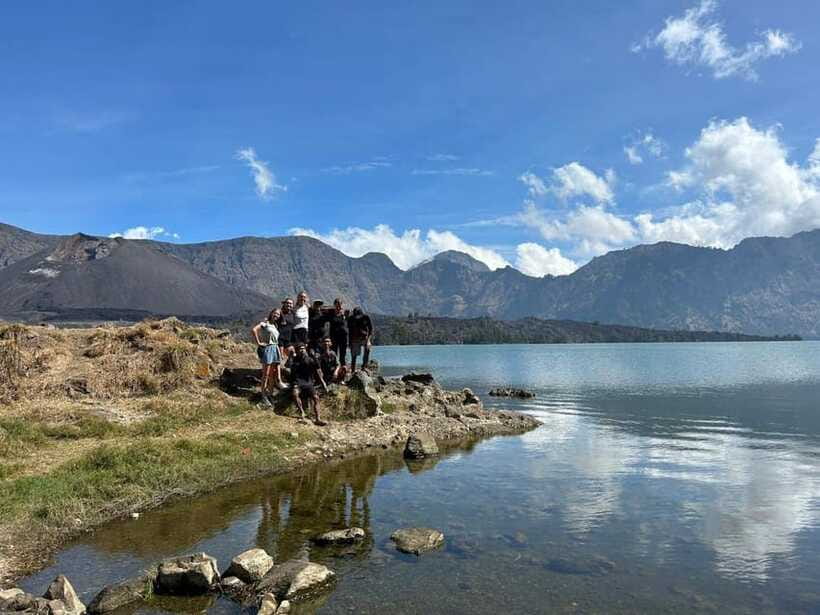
Day two is the reason this trek is not for casual walkers. You wake at about 2:00 a.m. for a hot drink and light breakfast, then start toward the summit at 3:00 a.m.
The first part is a moderate climb, followed by a longer and easier stretch. The final approach is the famous hard section: steep volcanic scree that shifts under your feet. You take one step forward and sometimes slide slightly back. Trekking poles are useful here, and one experienced participant specifically advised asking for them before setting off.
Progress can feel frustrating. Do not race. Keep a steady rhythm, let the guide set a sensible pace, and save energy for the final slope. The guides are used to helping people who move at different speeds. Sun, in particular, was praised for staying with a slower hiker and helping them continue safely.
Around 6:00 a.m., you aim to reach the summit at 3,726 meters. Sunrise can reveal Lombok, Bali, Sumbawa, and Segara Anak Lake below. The summit is cold, windy, and exposed, so carry a warm layer where you can reach it quickly. Gloves are included, but you should still bring suitable warm clothing.
The summit is not guaranteed on every departure. Government safety restrictions have temporarily closed the upper section during some trips. In those cases, the team has used an alternate sunrise hike to a second-highest point, shortened the trek, or offered other activities such as local waterfalls. Ask about current conditions before you leave. This is not a minor detail, since summit access determines the main goal of the trip.
A few more treks around Indonesia worth a look
- Bali: Mount Batur Sunrise Trek With Guide and Breakfast
★ 4.8 · 3,461 reviews - Mount Batur Sunrise Trekking Private All Inclusive
★ 5.0 · 906 reviews - Mount Batur Sunrise Trekking Private Tour with Breakfast and Hotel Transfer
★ 5.0 · 885 reviews - Private Mount Batur Sunrise Trekking Tour
★ 5.0 · 634 reviews
Descending to Segara Anak Lake
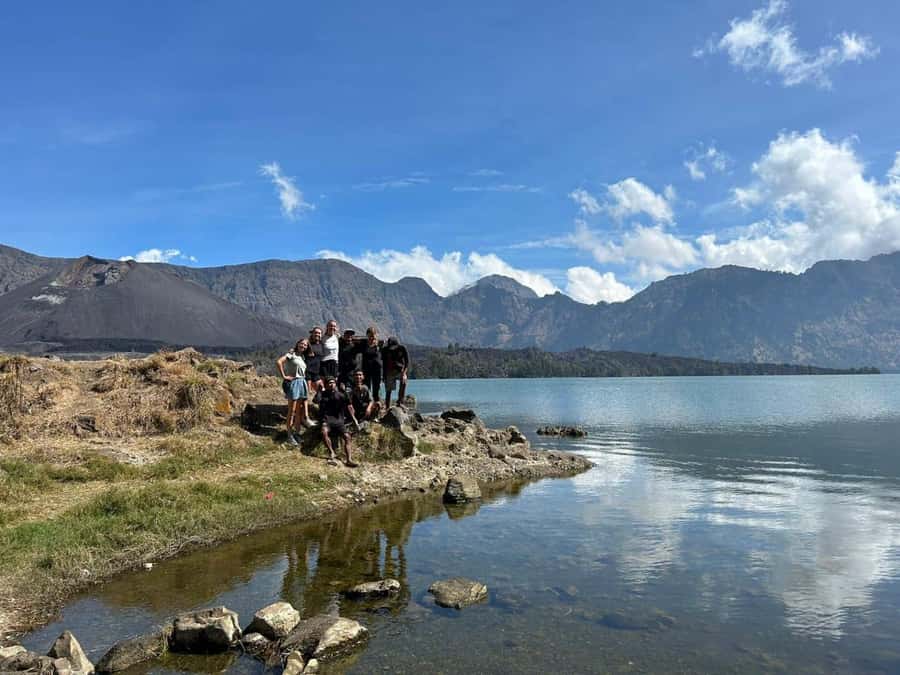
After the summit, you return to Sembalun Crater Rim in about two hours for breakfast. The descent is easier than the climb in one sense, but loose ground can punish your knees and ankles. This is where poles and good hiking shoes earn their keep.
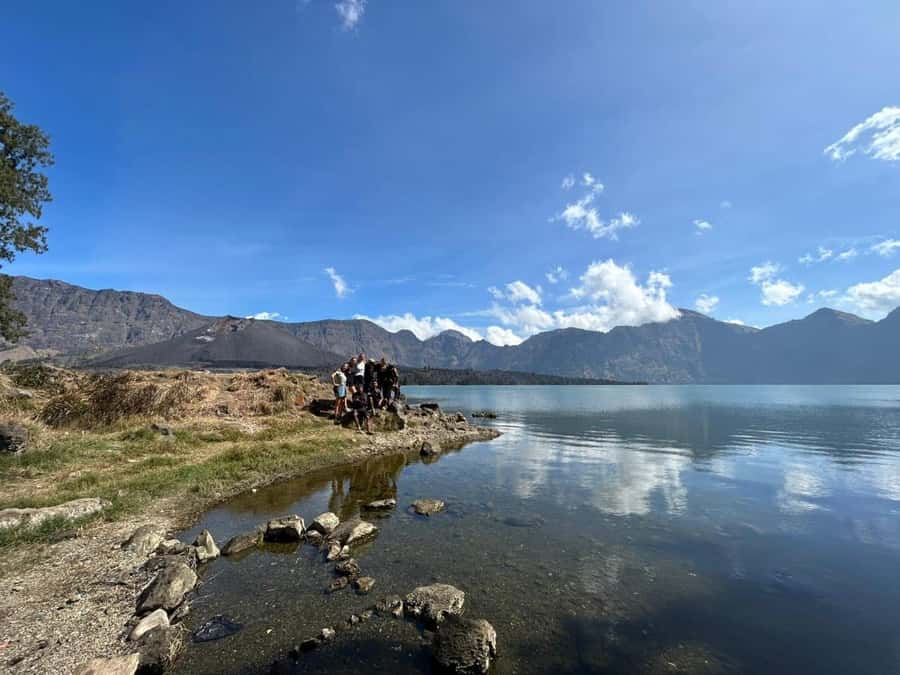
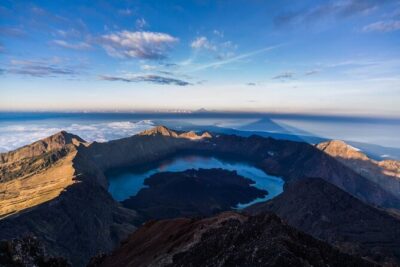
From the rim, you descend for around three hours to Segara Anak Lake. The route shifts from the exposed summit world to the crater interior. The lake is one of Rinjani’s defining sights, with a smaller volcano rising from the crater area and a wide sweep of water below the surrounding walls.
You stop beside the lake to rest and eat. There is time for swimming, though the water may feel cool after the demanding descent. The nearby hot springs are the real treat. Soaking there helps loosen tired legs, and the timing is excellent after the summit and long downhill section.
Do not mistake the lake stop for the end of the hard work. After lunch, you leave the crater and climb to Senaru Crater Rim at about 2,641 meters. This is another major ascent on already tired legs. That is the central difficulty of the 3-day route: you get more scenery and the hot springs, but you also add a second crater-rim climb after the summit.
Sunset at Senaru Crater Rim
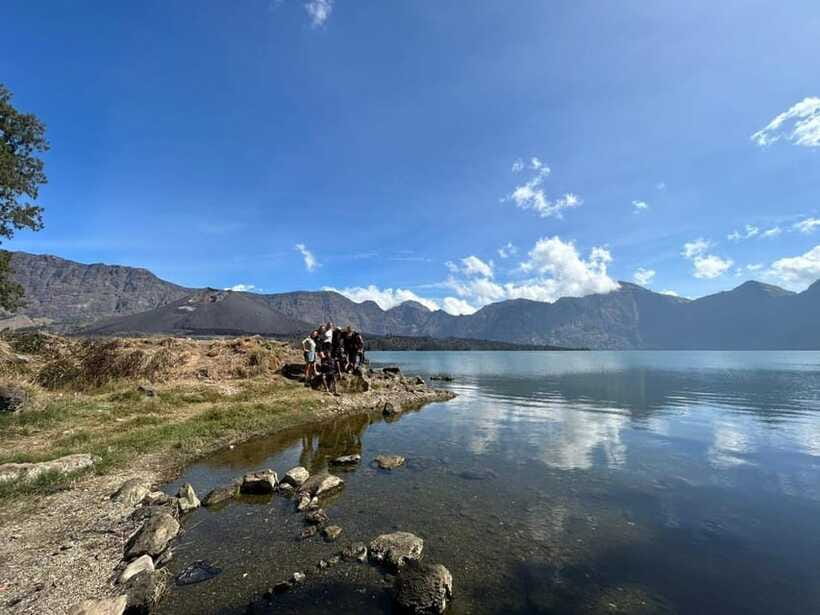
The night two camp at Senaru Crater Rim is one of the best parts of the trip. From here, you can look across the crater toward the lake and the small volcano. The view also reaches Mount Agung in Bali, often especially striking around sunset.
The mountain’s newer volcanic cone may send smoke above the lake area. It is a reminder that Rinjani is an active volcanic system, not just a scenic backdrop.
Your guide and porters prepare dinner at camp. Food is one of the strongest features of this package. Meals include breakfast, lunch, and dinner, with fried banana as an appetizer and fruit for dessert. The team also prepares hot food in difficult conditions, and portions are described as generous. Sweet snacks are useful on steep sections, especially when you need quick energy but do not want a full meal.
Camping remains basic. You have a tent, sleeping bag, mattress, and toilet tent, but no hotel-style comfort. Wind can be extreme on the crater rim, and the temperature drops after dark. Keep your phone and spare clothes protected from cold and moisture.
Day three: rainforest and the descent to Senaru
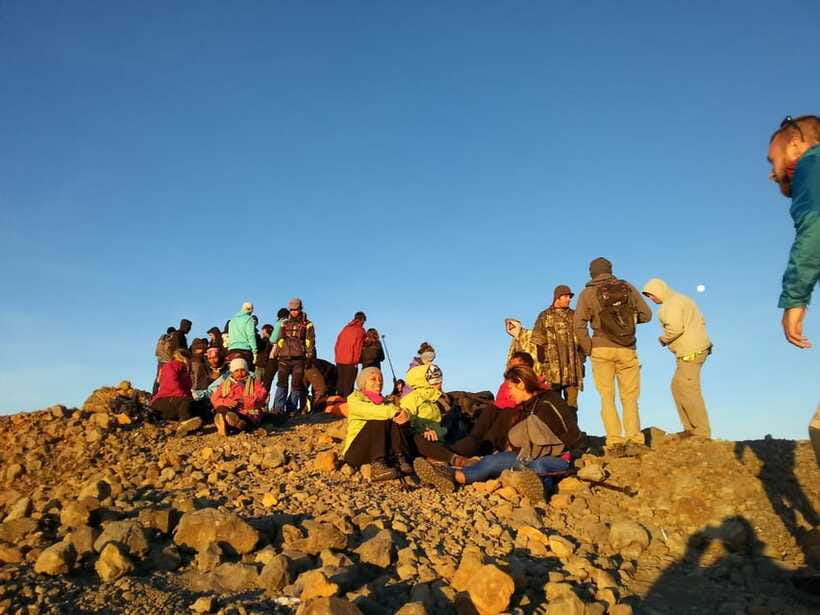
After breakfast and a sunrise at the crater rim, you begin the descent to Senaru village. The trail takes about five hours and passes through rainforest.
This final section offers a sharp change from the open slopes and volcanic scree. Shade makes the walking more pleasant, though a long downhill can still be tough on tired knees. There is a chance of seeing a rare black monkey, but wildlife sightings are not promised.
Lunch is taken along the way. You eventually reach Senaru village at about 601 meters, where a vehicle takes you to your next destination. Transport after the trek is included to Bangsal, Senggigi, and Mataram. If you are continuing elsewhere, confirm the exact transfer arrangement before the climb.
The finish feels satisfying because you have crossed the mountain rather than simply returned to your starting point. You also end at a lower elevation, surrounded by rainforest instead of the bare upper slopes.
What the guides and porters add
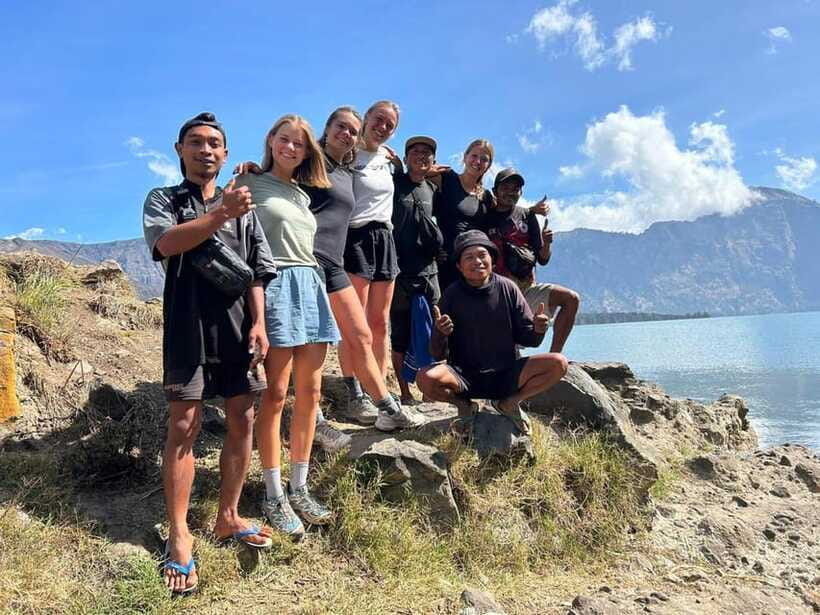
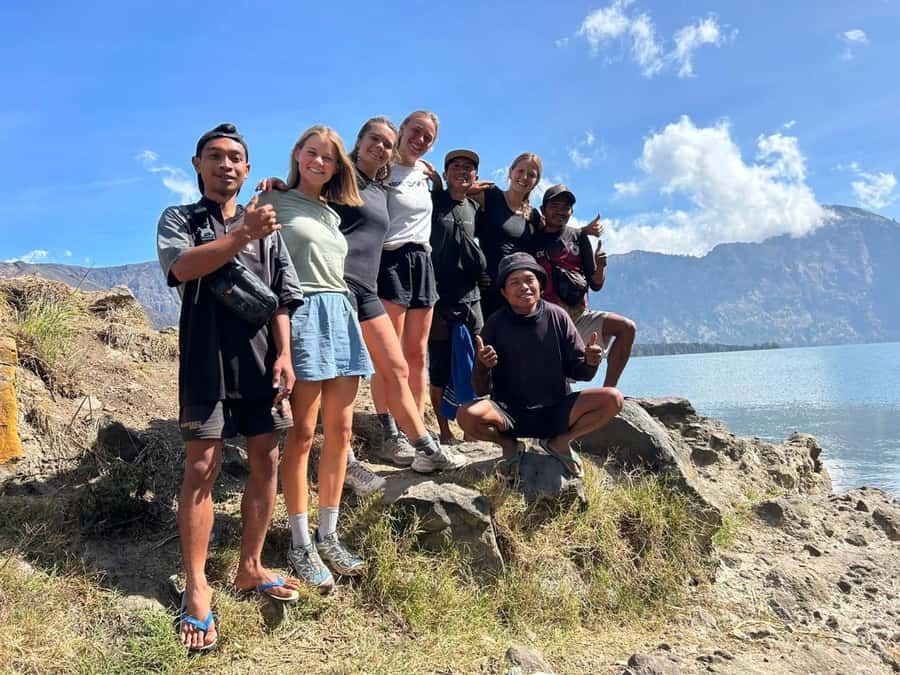
The human support is a major reason this tour earns its price. Guides help with pacing, safety, translation, and route decisions. Several named guides, including Ringo, San, Awan, Sun, Jo, Patdi, Sam, and Rengga, received strong praise for being attentive and good-humored.
Porters carry tents, food, cooking equipment, and other shared gear. They also prepare meals on the mountain. That support changes the trip from a self-supported expedition into a guided physical challenge. You still work hard, but you do not need to carry the full camping operation.
Guides also help create a friendly camp atmosphere. Awan was noted for explaining the volcano and its stories, while other guides taught bits of Bahasa or offered small personal touches such as a completion key ring. Those details are not the main reason to book, but they make a demanding trip feel more personal.
Fitness, equipment, and honest preparation
You should be comfortable walking uphill for hours and handling long descents. The hardest day combines the summit, a descent to the lake, and a climb to the second crater rim. People with solid hiking experience found it manageable, but even fit hikers described the route as exhausting.
Bring:
- Comfortable hiking shoes with good grip
- Warm clothing and gloves
- A headlamp, although one is provided
- Water bottle and personal snacks
- Camera
- Trekking poles if you use them
- Personal trekking gear and sun protection
The operator provides headlamps and gloves, but do not treat included equipment as a reason to pack lightly. Warm layers, dry socks, and reliable footwear matter more than having a large bag of extras.
The tour includes trekking insurance, but that does not remove the need to take the mountain seriously. Loose rock, steep slopes, wind, darkness, and fatigue all add risk. Follow your guide’s instructions and accept that safety restrictions may change the route.
Should you book the $237 trek?
Book it if you want the fullest version of Mount Rinjani: summit sunrise, crater lake, hot springs, two different crater rims, and a rainforest finish. The price is strong for the amount of food, equipment, staffing, park access, and transport included.
Choose the 3-day route if you enjoy long mountain days and want time for the lake and hot springs. Some strong hikers preferred a shorter option because this itinerary includes a lot of extra climbing. If your priority is simply reaching the summit, ask about the shorter route. If you want the mountain’s full variety and can handle a demanding second day, this is the better choice.
I would recommend it to fit hikers who accept discomfort as part of the deal. I would not recommend it as a first-ever mountain trek without serious preparation. Check summit conditions, confirm the water plan, request trekking poles, and arrive ready for cold nights and steep ground. Do that, and Cakrawala Rinjani gives you a well-supported way to see one of Lombok’s great natural spectacles.
FAQ
Where does the Mount Rinjani trek start?
The trek starts in Sembalun Village, at about 1,100 meters. You register at the Rinjani information center before walking.
Where does the trek finish?
The route finishes in Senaru Village, at about 601 meters, after a descent through rainforest.
How long is the activity?
The trek lasts three days and two nights.
What time does the summit hike begin?
You wake at about 2:00 a.m. and begin walking toward the summit around 3:00 a.m.
How high is Mount Rinjani?
Mount Rinjani reaches 3,726 meters and is Indonesia’s second-highest volcano.
Is the summit always included?
The planned route includes the summit, but government safety restrictions can close the upper section. An alternate sunrise hike may be offered when access is restricted.
Are meals included?
Yes. Breakfast, lunch, and dinner are included, along with fried banana, fruit, and snacks.
Is camping equipment provided?
Yes. A tent, toilet tent, sleeping bag, mattress, and cooking equipment are included.
Is transport included?
Pickup from hotels in the Senaru area to the starting point is included. Transport after the trek is included to Bangsal, Senggigi, and Mataram.
What language does the guide speak?
The live guide service is in English.
Just added around Indonesia
- Mount Batur Trekking & Hot Spring in Kintamani★ 5.0 · 23 reviews
- Rinjani Trekking 2D1N Senaru crater rim★ 5.0 · 6 reviews
- Ijen Blue Fire Trekking★ 5.0 · 44 reviews
- Sunrise Trekking At Sunan Ibu Kawah Putih★ 5.0 · 2 reviews
- Mount Agung Sunrise Trekking Private Tours★ 5.0 · 11 reviews
- volcano hike and jungle trekking adventure★ 5.0 · 36 reviews
- Sidemen rice terraces trek and local village walk★ 5.0 · 41 reviews
- Trekking Mount Rinjani 2D/1N To Second Summit★ 5.0 · 2 reviews
Mount Rinjani Treks, compared.
3D/2N Rinjani trekking summit,lake and hot springs.
Read our review →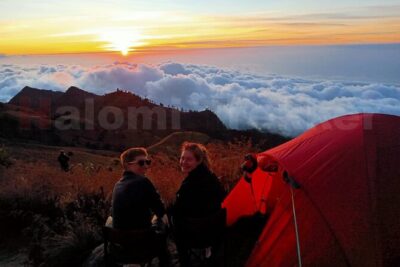
Mt Rinjani Trekking 2 Days 1 Night (Senaru Crater Rim)
Read our review →
Rinjani Trekking 3 Days 2 Nights (Sembalun – Senaru)
Read our review →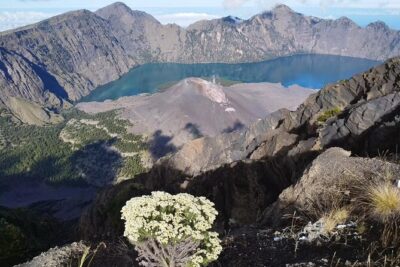
Rinjani Trekking Three Days Two Night Summit Lake
Read our review →
Mount Rinjani Trekking 2D/1N Summit Sunrise & Sunset Views
Read our review →Browse the lists this trek appears in