
Review · CHIANG MAI
Chiang Mai: 2-Days Chiang Mai Amazing Trek
This two-day trip gives you a much fuller taste of northern Thailand than a quick temple visit. You move from Doi Suthep’s mountain views to Wat Pha Lat, forest paths, terraced fields, a waterfall, and a Karen village homestay. I like the mix of sacred places and rural life, and I like that the trek includes real time in the countryside rather than only a photo stop.
The bamboo raft is another strong point: slow, quiet, and a fine way to finish two days of walking. The main caution is comfort. The village lodging is basic, the trek includes moderate mountain walking, and you should bring proper shoes, insect repellent, and a few personal supplies for the night.
Key points at a glance
- Two very different Chiang Mai temples: See the famous Doi Suthep and the peaceful forest setting of Wat Pha Lat.
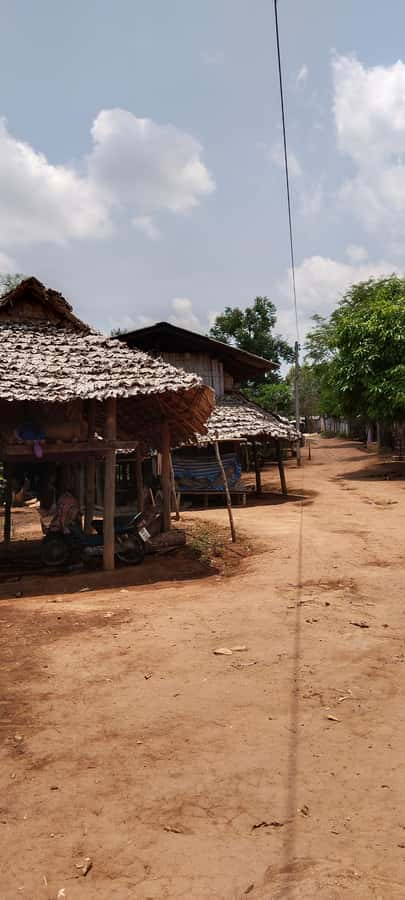
- A real village overnight: Stay with a Karen host family, eat home-cooked dinner and breakfast, and spend the night in simple accommodation.
- Forest walking with purpose: Learn about native plants, local herbal medicine, farming, and the area’s wildlife as you walk.
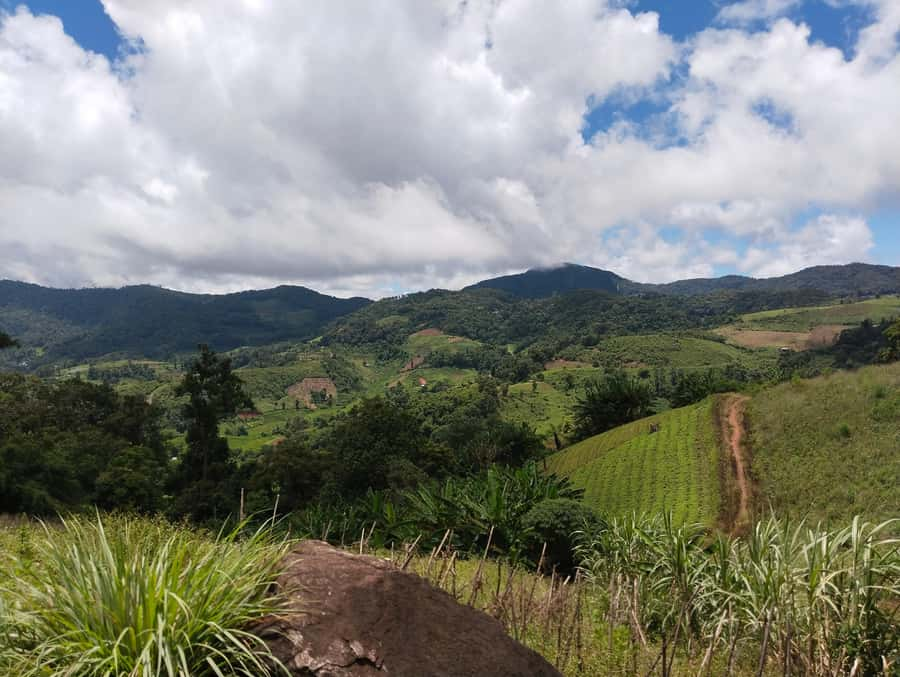
- Waterfalls and terraced farms: The route includes riverside trails, small streams, jungle waterfalls, and hillside farmland.
- Bamboo rafting finale: Float downriver through quiet jungle scenery after lunch on the second day.
- Good value at $108: Transport, guide, four meals, lodging, trekking, temples, and rafting are included, though personal expenses are not.
Why this two-day route works so well
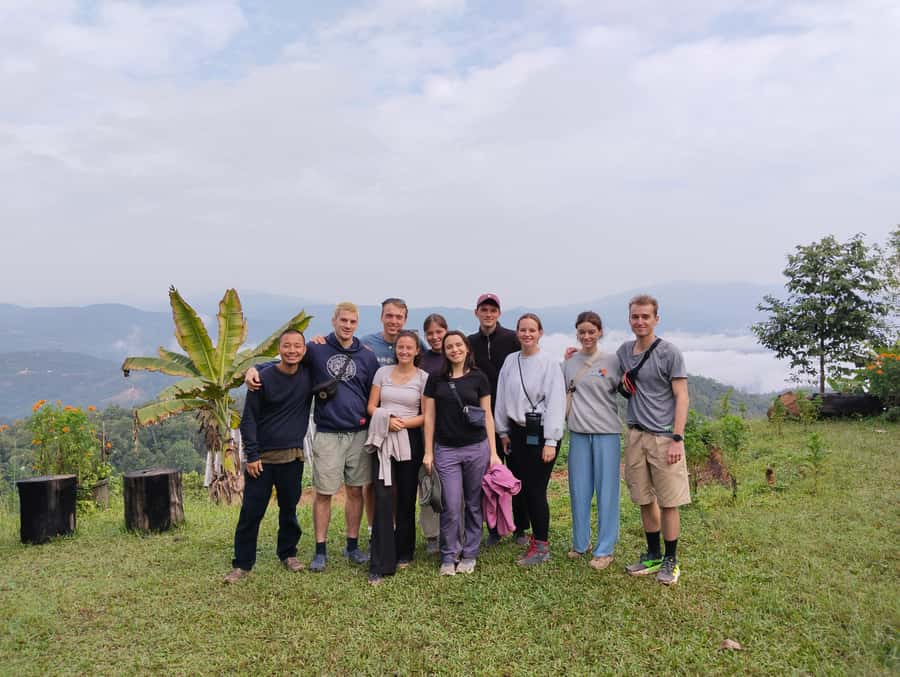
Chiang Mai has plenty of short excursions, but many barely leave the city. This one changes pace several times. You begin with major religious sites, continue into forest and farmland, spend the night in a mountain village, and end on the river.
That variety is the reason I would choose this trip over a standard one-day temple and elephant-style outing. You are not simply checking off sights. You get a sense of how northern Thailand connects religion, farming, forests, and village life.
The route also has a useful rhythm. Day one gives you temples and a longer introduction to the countryside. Day two keeps you on forest trails before offering an easygoing finish on a bamboo raft. It is active, but it is not built around extreme hiking or technical adventure.
You should still take the word moderate seriously. The paths are mountain trails, and you may cross small streams and walk on uneven ground. One guest described the route as manageable for a healthy person without major technical difficulty, but stressed the importance of good footwear. That is sound advice.
A few more treks around Chiang Mai worth a look
- Chiang Mai: 2-Day Jungle Trek with Elephant Farm & Raft Ride
★ 4.7 · 881 reviews - Chiang Mai: 2-Days Jungle Trek, Waterfalls and Karen Village
★ 4.8 · 103 reviews - Chiang Mai 2-Day: Trekking, Tubing & Elephant Observation
★ 4.9 · 95 reviews
Doi Suthep and Wat Pha Lat set the tone
The first temple stop is Doi Suthep, Chiang Mai’s best-known mountain temple. Its high position gives you broad views over the city and surrounding area, and its Lanna-style design provides an early look at the religious art and architecture of northern Thailand.
Doi Suthep can feel busy and formal, especially compared with the forest temple that follows. That contrast is useful. Here, you see the major landmark and the wide views. At Wat Pha Lat, the mood changes completely.
Wat Pha Lat sits in the forest, away from the visual noise of the city. The setting is its main appeal: trees, quiet paths, and a sacred place that feels tied to the surrounding hills. You can take time to notice the way the temple fits into the natural setting rather than treating it as another quick stop.
I especially like having both temples on the same morning. Doi Suthep explains why the mountain matters to Chiang Mai’s spiritual life, while Wat Pha Lat offers a calmer, more personal pause. Bring a camera, but do not spend the whole visit looking through it. The peaceful atmosphere is part of the experience.
A local market and a proper start to rural life
After the temples, the group heads to a countryside market. This is a small but valuable part of the schedule because it gives you a look at everyday local commerce before the forest walk begins.
You can sample a traditional Thai snack and see seasonal ingredients and local life in action. The supplied details do not specify the market’s name or exact food, so you should treat this as a chance to try what is available rather than expect a fixed tasting menu.
Lunch follows at a local restaurant, with fresh seasonal food. It is a practical stop, but an important one. You need a solid meal before the walking portion, and a local restaurant gives you a more grounded break than a packaged meal carried from the city.
The tour includes lunch on both days, plus dinner on the first night and breakfast on the second. That makes the $108 price easier to justify. You are paying for a full two-day outing with food, transport, guiding, accommodation, and rafting, not just access to a trail.
Forest paths, waterfalls, and terraced farmland

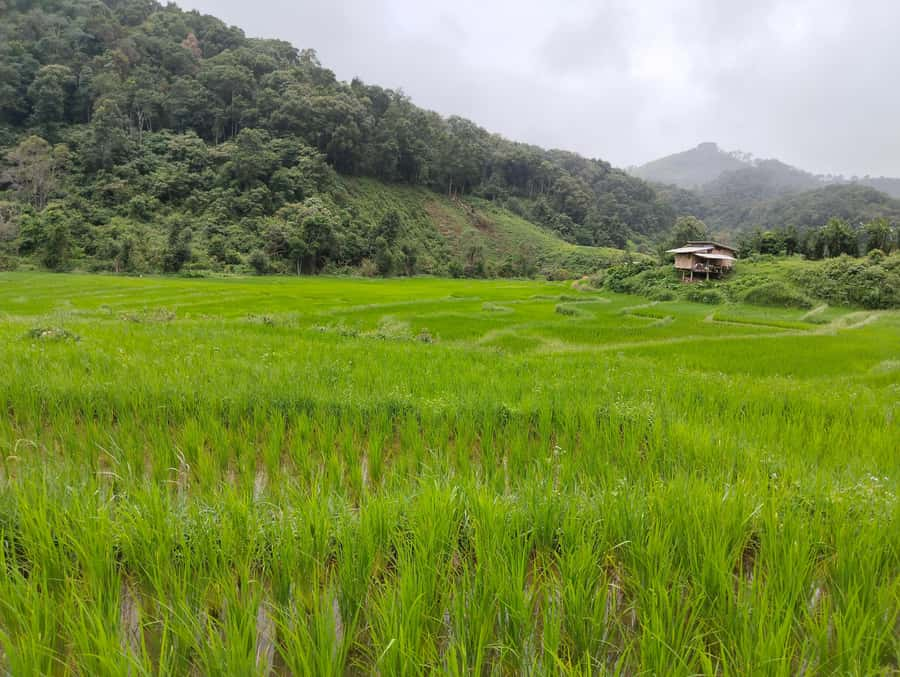
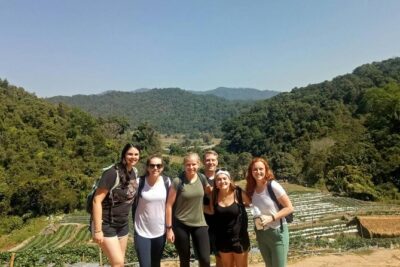
The first trek follows forest trails and a riverside route toward a jungle waterfall. You will also pass scenic terraced farmland, where the guide explains native plants, sustainable farming methods, and local ecosystems.
This is where the tour earns its eco-trekking label. The walk is not only about getting from one attraction to another. You have a chance to understand how people use the land and how plant life fits into the local environment.
Terraced fields also give the route a different look from the thick forest. You may find yourself moving from shaded paths into open farmland, then back toward water and trees. The changing scenery keeps the walk interesting, especially for anyone who enjoys seeing how rural communities work.
The waterfall stops are useful breaks, too. One family found the route suitable for children because the waterfall pauses helped divide the walk into manageable sections. That does not mean the trek is effortless or designed specifically for young children, but it suggests that a family with healthy, active children may find the pace workable.
Wear shoes with a firm grip. Sandals and smooth-soled casual shoes are poor choices for mountain paths, wet ground, or stream crossings. Pack water, sunscreen, a hat, and insect repellent. Weather can change, so light clothing that dries fairly quickly is sensible.
Same trailhead, a different route:
- 3-in-1: Doi Inthanon Tour, Elephant Sanctuary, and Trekking Trail
★ 5.0 · 1,087 reviews - Chiang Mai: Doi Inthanon Trip with Pha Dok Siew Guided Trek
★ 4.6 · 910 reviews - Chiang Mai: Doi Inthanon Park and Pha Dok Siew Trail Trek
★ 4.6 · 752 reviews - Doi Inthanon Private Tour with Trek & Lunch from Chiang Mai
★ 5.0 · 622 reviews
A Karen village night with simple comforts
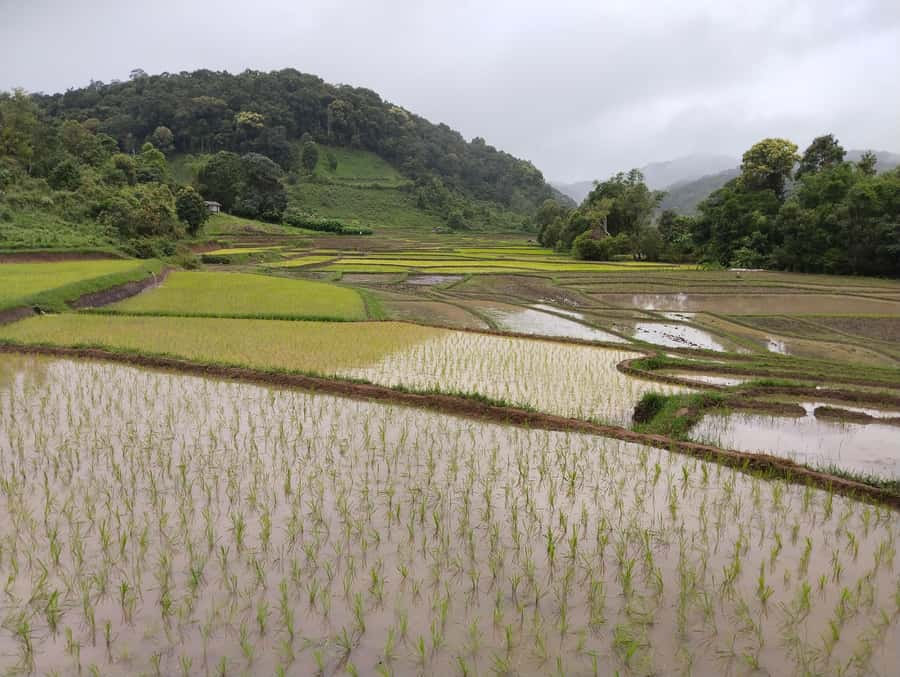
By evening, you reach a Karen hill tribe village surrounded by mountains. The overnight stay is one of the most meaningful parts of the trip because it gives you time with a host family instead of sending you straight back to Chiang Mai.
Dinner is cooked by the host family, and breakfast comes from the same household the next morning. The food is Thai and home-cooked, with one guest noting that there was plenty of choice and that the meals were excellent. You should expect a local family meal, not restaurant service or a special international menu.
The accommodation is basic. One description compares it more to a refuge or simple lodge than a polished hotel, while another describes a private small house with a bathroom and mosquito net. Conditions can vary, but the consistent message is clear: this is a village stay, not a resort.
Bring soap, a towel, toilet paper, and whatever small items you need for personal comfort. A mosquito net is available, but insects are part of the setting. That is not a flaw so much as a fact of sleeping in a mountain village near forest.
The overnight stay suits you if you value contact with local life more than hotel comforts. You can meet people, share a meal, and see a little of village life after the day’s walking. If you need air conditioning, a full range of toiletries, or a predictable hotel room, this part may feel too basic.
The guide helps make the village visit work. Pun is named as one of the guides, and Top also leads part of the experience. Their role goes beyond navigation. You can ask about plants, history, farming, and local customs while walking, and the available feedback describes them as friendly and good at keeping the educational side light.
Day two adds more forest and herbal knowledge
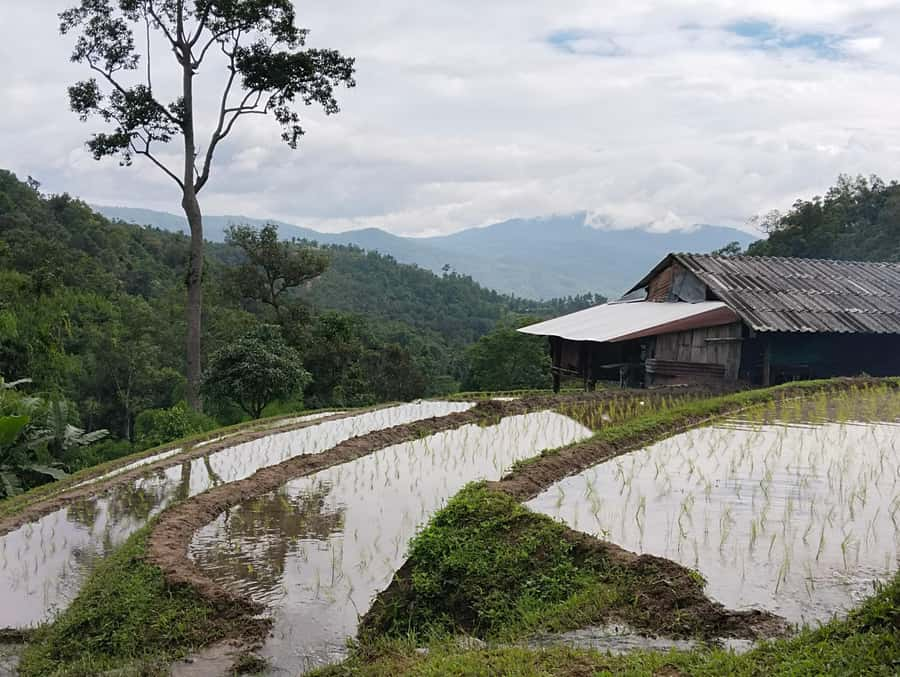
The second morning starts with breakfast at the homestay. After that, you continue through the forest on winding trails, crossing small streams and stopping at more waterfalls.
The second day focuses more on nature than on major sights. You learn about local herbal medicine and the biodiversity of the region, which adds useful context to the plants around the trail. Rather than viewing the forest as a green wall, you begin to notice what people use, what grows there, and how the local ecosystem supports village life.
This is also the day when you should pay attention to your energy level. A second walking day can feel more demanding than the first, especially after sleeping in basic accommodation. The program includes a Thai lunch before rafting, giving you a chance to rest and refuel.
The trip information does not give an exact distance, walking time, group size, or age requirement. I would not book it based on a promise of a gentle stroll. Plan for moderate activity on uneven mountain trails and ask the operator for current route details if those points matter to you.
Bamboo rafting is the right finish
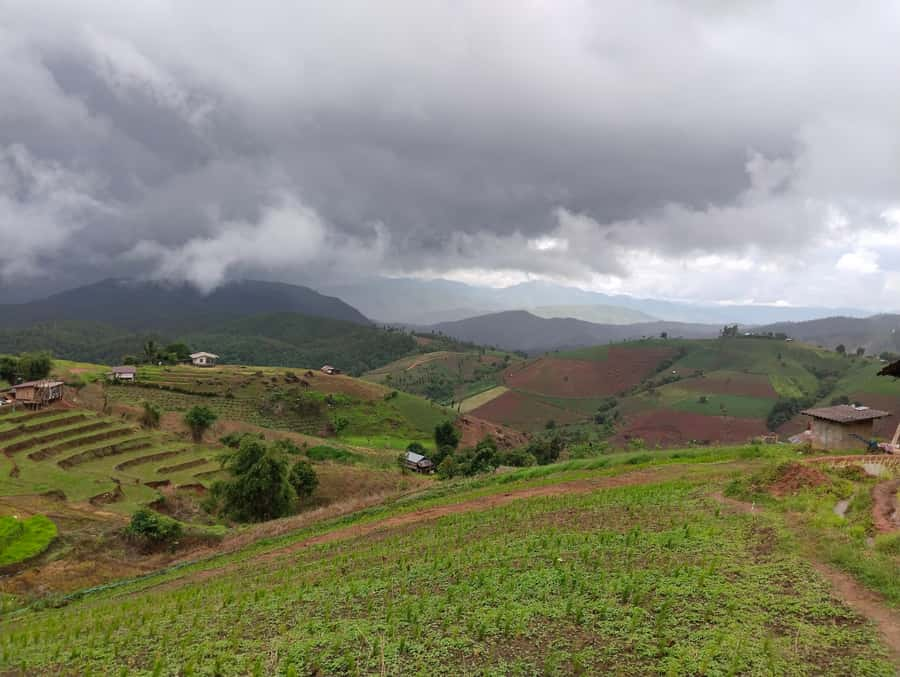
After lunch, you board a traditional bamboo raft and float downriver through jungle scenery. This is not presented as a whitewater thrill ride. It is a quiet, slow section that lets you rest your legs and watch the forest from the water.
That change in pace matters. After two days of walking, a peaceful river ride feels like a natural ending rather than one more demanding activity. You might spot local wildlife along the river, though no particular species is guaranteed.
Bamboo rafting also feels connected to the region’s traditional ways of moving through the countryside. The experience is simple, and that is its appeal. Do not expect a large commercial rafting setup or a high-speed adventure. Expect a calm float and time to take in the jungle around you.
A drive returns you to Chiang Mai after the rafting. Hotel pickup and drop-off are included, which adds real value, particularly if you are staying in the city and do not want to arrange transport to a remote trailhead.
What the $108 price really covers
At $108 per person, this is a fair price for a two-day package with a live English-speaking guide. The included services cover:
- Hotel pickup and drop-off
- Temple visits at Doi Suthep and Wat Pha Lat
- Local market visit
- Eco trekking over two days
- Lunch on both days
- Dinner on day one
- Breakfast on day two
- Karen village homestay
- Bamboo rafting
The value is strongest if you would otherwise book transport, a guide, meals, a rural overnight stay, and rafting separately. The package also removes the hassle of connecting those pieces yourself.
It is less attractive if you mainly want temples. In that case, a shorter Chiang Mai temple tour would cost you less time and likely less money. This price makes sense because of the overnight stay and the amount of included food and transport.
Personal expenses are not included. The information does not specify extra fees or shopping stops, so bring money for anything personal you may want during the trip. Reserve now and pay later is available, and cancellation up to 24 hours before the start brings a full refund, which gives you some flexibility.
Who should book this trek
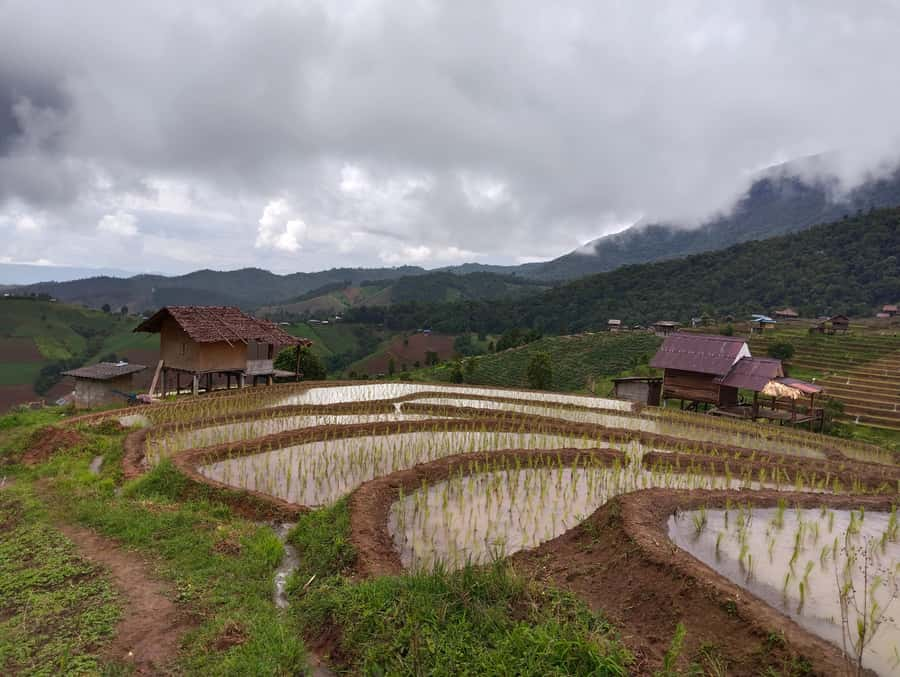
I would recommend it to you if you want several sides of Chiang Mai in one compact trip. It suits active adults, couples, families with children who can manage moderate walking, and anyone who prefers a village stay to another night in the city.
It is also a good fit if you enjoy learning while walking. The guide’s explanations about plants, herbal medicine, farming, birds, and local history give the route more meaning than a simple nature hike.
You may want a different tour if your main priority is comfort, nightlife, or a fixed luxury standard. The homestay is basic, insects are likely, and the weather can be unpredictable. You should be comfortable with modest facilities and a little uncertainty in the trail conditions.
Pack light, but include comfortable walking shoes, a hat, sunscreen, water, insect repellent, a camera, and clothes suitable for changing weather. Add soap, a towel, toilet paper, and personal toiletries for the village night.
Should you book the 2-day Chiang Mai Amazing Trek?
Book it if you want more than a temple checklist. The strongest parts are the contrast between Doi Suthep and Wat Pha Lat, the forest and terraced-farm walking, the home-cooked village stay, and the restful bamboo raft ride.
The trip asks you to trade hotel comfort for a closer look at rural northern Thailand. At $108, that is a sensible exchange if you are healthy enough for moderate walking and happy with basic lodging. Choose it for scenery, local contact, and variety. Skip it only if your priority is a soft bed, a short itinerary, or a purely city-based Chiang Mai experience.
FAQ
How long is the Chiang Mai Amazing Trek?
The experience lasts two days and includes an overnight stay in a Karen hill tribe village.
What temples are included?
You visit Doi Suthep Temple and Wat Pha Lat, a quieter temple set in a forest environment.
Is the trek physically difficult?
The trek involves moderate physical activity on mountain paths, including forest trails, stream crossings, and routes near waterfalls. Good walking shoes are important.
Where do you sleep?
You spend the night in basic accommodation at a Karen hill tribe village, staying with a host family. A mosquito net is available, and facilities may be simple.
What meals are included?
Lunch is included on both days. Dinner on day one and breakfast on day two are prepared by the host family at the village homestay.
Is bamboo rafting included?
Yes. Bamboo rafting takes place on the second day after lunch, during a calm float through jungle scenery.
What language does the guide speak?
The tour is conducted in English, with a live tour guide. Guides named in the available information include Pun and Top.
Just added around Chiang Mai
- Trek to a Jungle Waterfall★ 5.0 · 14 reviews
- Trekking at the Monk Trail and Doi Suthep Temple Private Tour★ 5.0 · 3 reviews
- Small Group : Trekking Trip in Chiang Mai (Doi Suthep Area) with Market Tour★ 5.0 · 4 reviews
- Full-Day Trekking and Sightseeing Tour in Mae Kampong★ 5.0 · 46 reviews
- 11km Scred Mountain Hike★ 5.0 · 2 reviews
- One day Doi Inthanon National Park & Trekking on Kew Mae Pan★ 5.0 · 12 reviews
- Private Tour 2 Difference Trails Trekking at Doi Inthanon National Park★ 5.0 · 19 reviews
- 8KM White Water Rafting and 3HRS Jungle Trekking Adventure★ 5.0 · 9 reviews
Chiang Mai Trekking Tours, compared.
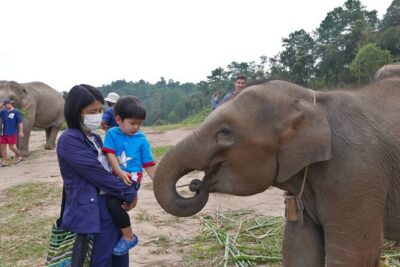
3-in-1: Doi Inthanon Tour, Elephant Sanctuary, and Trekking Trail
Read our review →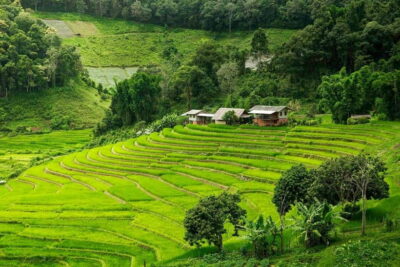
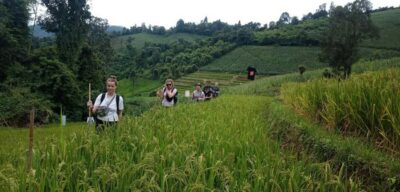
2-Day Jungle Trek with Elephant Farm & Raft Ride
Read our review →
Doi Inthanon Private Tour with Trek & Lunch from Chiang Mai
Read our review →
Doi Inthanon National Park and Pha Dok Siew Trek
Read our review →
Gibbons, Trekking & Mae Kampong Small Group Tour
Read our review →
Doi inthanon National Park + 2Hour Fantastic Trekking with Lunch
Read our review →Browse the lists this trek appears in