
Review · POKHARA
From Pokhara: Australian Camp & Dhampus 1, or 2-Day Trek
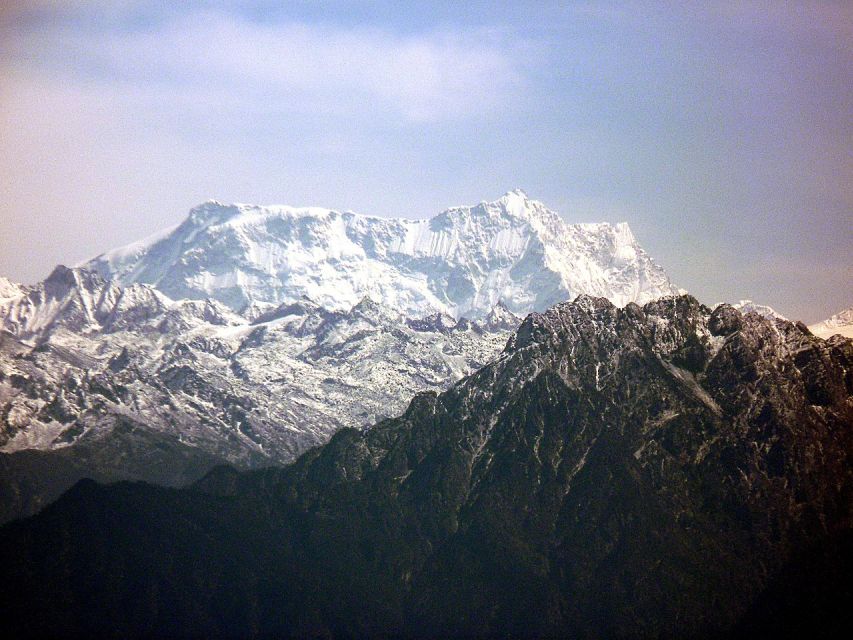
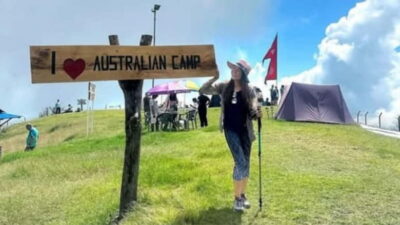
Australian Camp gives you a remarkable mountain payoff without committing to a long Himalayan trek. From a grassy viewpoint at 2,060 meters, you can look across to Annapurna South, Hiunchuli, and Machhapuchhre, then walk through Dhampus and other hillside villages.
I like the high effort-to-view ratio and the choice between a quick day out and a slower overnight stay. I also like the personal guiding: Raju, Prakash, and Pratip are named in the feedback, with practical help ranging from taking photos to encouraging first-time hikers.
The main thing to consider is that the mountain lodge is basic. One visitor found the room perfectly adequate but had no toilet paper or towels, so pack your own. The route is moderate, but it still involves steady uphill steps and a descent that can take about two hours.
Key points to know before you book
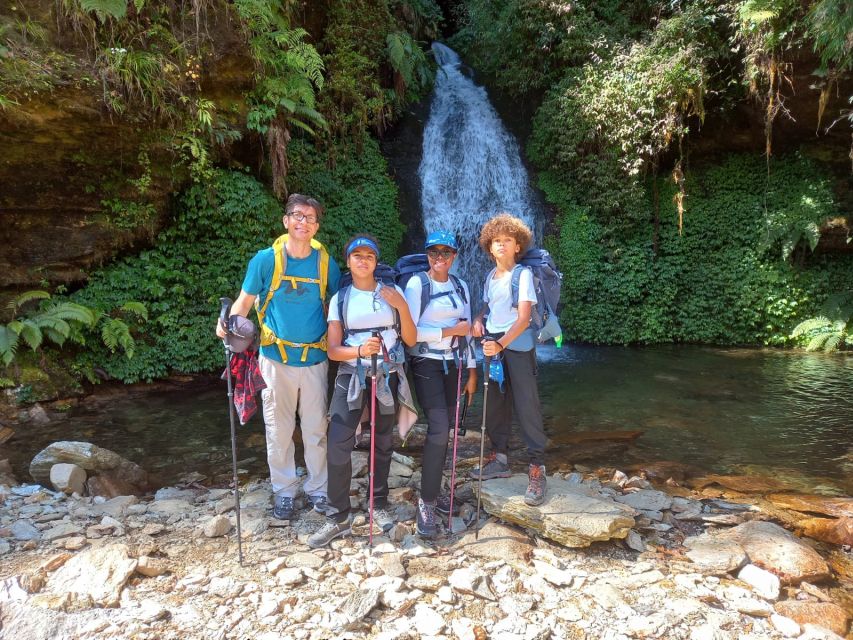
- Australian Camp sits at 2,060 meters, with broad views toward Annapurna South, Hiunchuli, and Fishtail.
- The one-day route takes about seven hours, including transport, walking, lunch, and the return to Pokhara.
- The overnight option adds sunset and sunrise, but the lodge is simple rather than polished.
- Dhampus offers a real village setting, with Gurung homes, terraced fields, and local hillside life.
- The route suits beginners and families, though children still need to manage uphill steps and a two-hour descent.
- Private guiding adds flexibility, with English-speaking guides and hotel pickup in a private vehicle.
Why this short trek works so well from Pokhara
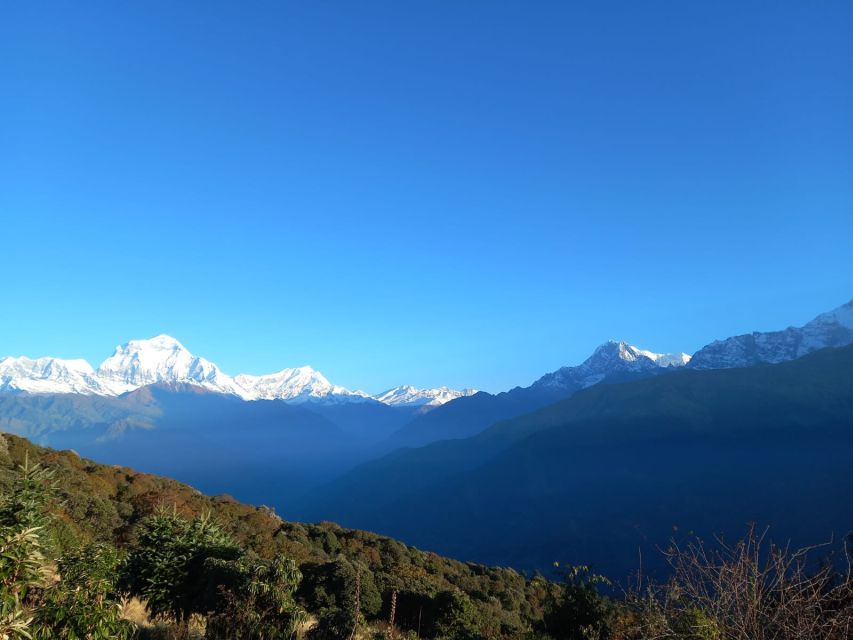
Pokhara is a fine place for lakeside meals and easy days, but it can also become a holding pen if you have come to Nepal for mountains. This trek gives you a quick change of scene. Within a short drive, you leave the city behind and walk into forest, terraced farmland, and Gurung villages.
The attraction is not a remote wilderness expedition. You will not spend a week carrying gear through high passes. Instead, you get a compact sample of Himalayan walking: a mountain road transfer, a forest trail, a lodge stay if you choose it, and a strong view at the end.
I see this as one of the better choices for first-time hikers, families, photographers, and anyone with limited time. It also works well near the start of a Nepal trip, when you want a gentle test of your legs before attempting a longer route.
A few more treks around Pokhara worth a look
- Pokhara: 2-Day Ghorephani and Poon Hill Private Trek
★ 4.6 · 50 reviews - From Pokhara: 2 Day 1 Night Ulleri,Ghorepani Poon Hill Trek
★ 4.9 · 33 reviews - Pokhara: 2-Day Ullerai, Ghorepani & Poon Hill – Sunrise Trek
★ 5.0 · 21 reviews
The one-day route from Kande to Australian Camp
The one-day plan starts with hotel pickup in Pokhara at about 8:00 AM. A private vehicle takes you to Kande, the trailhead for the main ascent. The drive is part of the transition from city to mountain, though the precise road time can vary.
From Kande, expect a moderate uphill walk of roughly two hours to Australian Camp. The supplied schedule allows for some variation, and one account describes the uphill section as closer to an hour. I would plan for two hours so you are not racing, especially if you stop for photographs or need regular breaks.
The trail leads through lush forest before opening onto the grassy plateau at Australian Camp. The walking is not technically difficult, but uphill steps are still uphill steps. Good hiking shoes matter more than expensive equipment, particularly on a descent when uneven ground can put extra strain on your knees.
At 2,060 meters, Australian Camp is high enough to feel like a mountain destination without presenting the altitude concerns of a much higher Himalayan route. The reward is a wide view rather than a single lookout. Annapurna South, Hiunchuli, and Machhapuchhre form the visual focus, with the open setting giving you room to sit, eat, and take photographs.
Lunch is planned around 11:30 AM, with the one-day package including one lunch. You will need to pay separately for hot, cold, or alcoholic drinks, as well as snacks. I would carry a small supply of water and snacks even though water purification tablets are available when required.
Dhampus and Pothana bring the walk back to village life
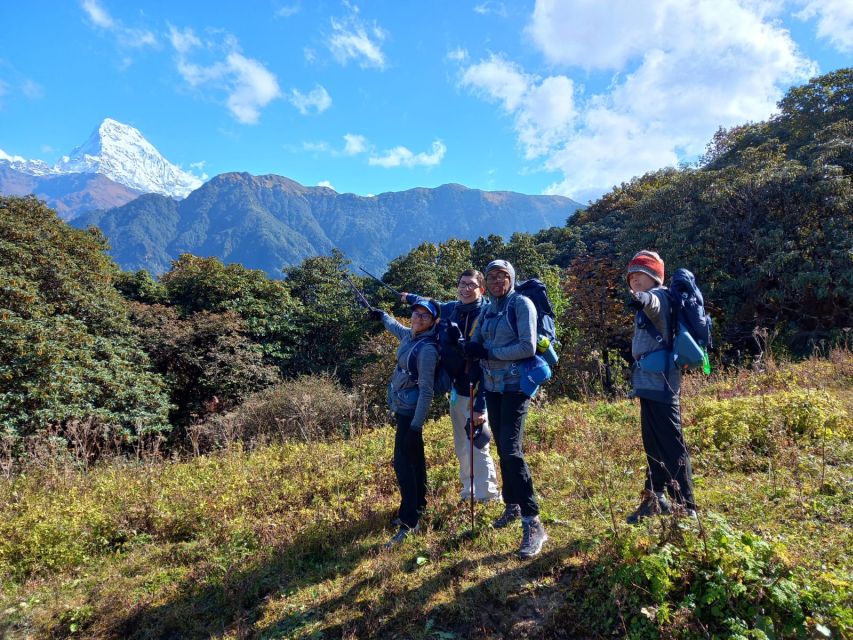
After time at Australian Camp, the one-day route descends toward Dhampus. This is not just a transfer between viewpoints. Dhampus is a traditional Gurung settlement, known here for slate-roofed homes and terraced fields. The village setting gives the trek a human scale that a viewpoint alone cannot provide.
The route continues toward Phedi, with a stop in Pothana for warm Himalayan tea. That pause matters. It breaks up the descent and gives you a chance to enjoy the slower pace of village life rather than treating the trek as a race from one transport point to another.
The schedule places you back in Phedi around 3:30 PM, followed by the drive to Pokhara and hotel drop-off at about 4:15 PM. In practice, walking speed, breaks, and road conditions can shift the timing. You should keep the rest of the evening fairly open.
The one-day option is efficient, but it has a clear tradeoff. You see the main viewpoint and villages, yet you do not get the golden evening light or the early morning mountain air. If sunrise photography is important to you, the overnight plan is the better choice.
The two-day route gives the mountains more time
The overnight route starts with pickup at about 8:00 AM, but the drive goes to Phedi rather than Kande. From there, you climb through Dhampus and continue to Australian Camp. This reverses the order of the one-day route, placing the village experience at the beginning and the mountain lodge at the end.
I prefer this version for the pace. You are not trying to fit the ascent, viewpoint, village descent, and return drive into one long day. You can stop when you want, ask questions, and let your guide set a comfortable rhythm.
The overnight stay is in a mountain lodge with a private bathroom. Do not picture a full-service hotel. The accommodation is basic, and one stay included neither toilet paper nor towels. Bring both, along with any personal items you rely on. The simple room is part of the setting, not a flaw if you arrive expecting a clean place to sleep rather than resort comfort.
Dinner is included on the two-day plan, along with breakfast and two lunches. Food in the lodge received especially warm praise, including from a family who found the meals delicious. You should still expect a straightforward mountain menu rather than a large restaurant selection.
The best part of the overnight stay is the timing. In the evening, you can watch the sun turn the Annapurna range golden. At dawn, you can step outside for sunrise without first taking a drive from Pokhara. Clouds can still block the view, as happened on one family visit, so sunrise is an opportunity rather than a guarantee.
The next morning includes a descent to Kande, scheduled at about 10:00 AM. You then drive back to Pokhara, arriving around 1:00 PM. This leaves you much of the afternoon for a meal, rest, or another Pokhara activity.
Same trailhead, a different route:
- Poon hill Trek 3 days
★ 5.0 · 176 reviews - Trekking in Annapurna/Langtang/Everest/Upper Mustang regions
★ 5.0 · 161 reviews - Pokhara: 4-Day Ghorepani, Poonhill & Ghandruk Mountain Trek
★ 5.0 · 132 reviews - Ghorepani – Poon Hill Trek 3N-4D
★ 5.0 · 125 reviews
What the views are really worth
The phrase 180-degree Himalayan view is justified by the setting. Australian Camp is a broad grassy plateau, so you are not peering through a narrow gap in the trees. The appeal is the sense of space and the direct relationship between the trail, the village hills, and the snow-covered peaks.
Machhapuchhre, also called Fishtail, is especially memorable because of its distinctive double-peaked profile. Annapurna South and Hiunchuli add a broader wall of mountain scenery. The view is most rewarding when the air is clear, so the two-day route gives you more chances to catch a good window.
Photographers should think about light, not just visibility. The one-day schedule reaches the camp around late morning, when the sun can be bright and harsh. The overnight plan places you there for sunset and sunrise, when the peaks can take on softer color.
You will want a camera, but do not forget the ordinary details. A village path, a slate roof, a terraced field, or a guide helping a child along the trail can tell as much of the story as a wide mountain photograph.
A guide makes this beginner-friendly
This is a private group experience with an English-speaking guide, which makes a practical difference on a short trek. You are not locked into the pace of a large group, and you can ask for explanations about the villages, farming, or Gurung culture as you walk.
The named guides in the feedback offer a useful picture of what to expect. Raju encouraged a reluctant hiker and explained things along the way. Prakash answered questions, took photographs, and kept a close eye on his client. Pratip was praised for friendly service and strong local knowledge.
I would still tell you to be clear about your preferred pace at the start. The route is marketed as moderate, but fitness varies. If you are new to hiking, ask for regular pauses and do not feel pressure to keep moving simply because the schedule lists a time.
Families can handle the route. A family with children aged 12 and 8 enjoyed the walk, the guide, and the food. That does not mean every child will find the steps easy. Parents should judge their children’s comfort with a sustained climb and a descent of up to two hours.
What is included, and what you still need to bring
The package covers hotel pickup and drop-off, private vehicle transfers, a trekking guide, permits, paperwork, government taxes, and service charges. The two-day option includes a one-night lodge stay, full-board meals, and a private bathroom.
Borrowed equipment is available when needed, including a down jacket, trekking poles, and sleeping bag. A duffel bag is included if you choose the porter option. A porter is not part of the standard package, but you can add one.
You are responsible for personal expenses, extra snacks, and drinks. Alcohol is not included, and alcohol and drugs are not allowed. The essentials to pack are simple:
- Hiking shoes with a secure sole
- Camera and spare battery or charging plan
- Passport
- Toilet paper and a small personal towel for the overnight stay
- Light layers for changing temperatures
- Water and optional snacks
The supplied information does not give a tour price, so I cannot call it a bargain or an expensive choice based on a figure. I can assess the value of the inclusions. A private vehicle, guide, permits, meals on the overnight plan, equipment loans, and hotel transfers reduce the number of costs you must arrange separately.
The one-day version offers the better time value. The two-day version offers the better experience value if sunset, sunrise, and a slower pace matter to you.
The small drawbacks worth planning around
The main weakness is the basic lodge. The private bathroom is helpful, but you should not expect towels or even toilet paper to be provided. Pack your own and treat the room as a functional mountain base.
The second issue is timing. The itinerary is fairly precise, but mountain walking does not always follow a clock. The uphill section may take about an hour for a fit hiker or closer to two hours with stops. The descent can take around two hours, and the drive back to Pokhara may also vary.
The third is weather. The mountains can disappear behind cloud, even when the route itself is pleasant. The family who missed sunrise still enjoyed the scenery, but you should book the overnight option for the full setting, not a guaranteed photograph.
Finally, this is not the right choice if you want a demanding multi-day trek. It is a short introduction to the Himalayas, with comfort and access built into the plan. That is its strength, not a limitation to hide.
Should you choose one day or two?
Choose the one-day route if you have only a spare day, want a moderate hike, and mainly care about the Australian Camp viewpoint and village walk. It gives you a full mountain outing from Pokhara and gets you back by late afternoon.
Choose two days if you want the most complete version of the experience. The overnight stay gives you time in the village, a sunset attempt, a sunrise attempt, and a less hurried connection with the mountain setting.
I would recommend the two-day plan for photographers, couples, and anyone who has never stayed in a Himalayan lodge. I would recommend the one-day plan for families with tight schedules, first-time hikers testing their comfort, and people who want mountain views without giving up a night in Pokhara.
Book this experience if your ideal Nepal outing combines strong mountain views, manageable walking, and local village life. Skip it if you need luxury accommodation or a serious high-altitude challenge. For most visitors with one or two days available, Australian Camp and Dhampus offer a sensible, memorable introduction to the hills above Pokhara.
FAQ
How long is the Australian Camp and Dhampus experience?
You can choose a one-day express trip of about seven hours or a two-day trek with one overnight stay at Australian Camp.
What elevation does Australian Camp reach?
Australian Camp is at 2,060 meters above sea level.
Where does the one-day trek begin?
The one-day route drives from Pokhara to Kande, where you begin the hike to Australian Camp.
Where does the two-day trek begin?
The two-day route drives from Pokhara to Phedi, then continues on foot through Dhampus to Australian Camp.
Is accommodation included on the two-day option?
Yes. The two-day option includes one night in a mountain guest house with a private bathroom.
Are meals included?
The one-day option includes one lunch. The two-day option includes one breakfast, two lunches, and one dinner.
Is a guide included?
Yes. The experience includes a live English-speaking trekking guide and operates as a private group.
What should I bring?
Bring your passport, camera, and hiking shoes. For the overnight stay, bringing toilet paper and a small towel is wise because these may not be supplied.
Just added around Pokhara
- Pokhara: Sarangkot Sunrise & Panoramic Annapurna View Tour★ 4.8 · 10 reviews
- Pokhara: Majestic Mardi Base Camp Guided Trek with HotSpring★ 5.0 · 6 reviews
- Pokhara: Bungee Jumping Experience Near Annapurna★ 5.0 · 9 reviews
- Pokhara: Annapurna Day Hike with Panoramic Views★ 4.3 · 7 reviews
- Pokhara: 9-Day Annapurna Base Camp Trek with Poon Hill★ 5.0 · 6 reviews
- Pokhara: 7-Day Annapurna Base Camp Trek & Hot Spring★ 4.0 · 3 reviews
- Pokhara: 5-Day Ghorepani and Poon Hill Private Trek★ 5.0 · 4 reviews
- Pokhara: 5-Day Trek to Annapurna Base Camp and Hot Springs★ 5.0 · 4 reviews
Pokhara Trekking Tours, compared.
Trekking in Annapurna/Langtang/Everest/Upper Mustang regions
Read our review →
4-Day Ghorepani, Poonhill & Ghandruk Mountain Trek
Read our review →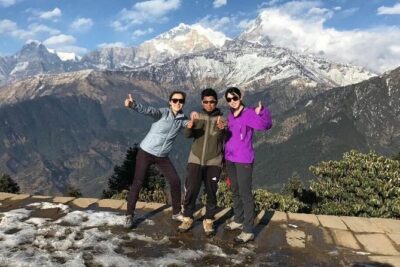
Kathmandu/Pokhara: 5-Day Annapurna Base Camp (ABC) Trek
Read our review →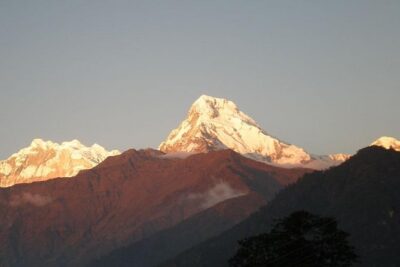
Browse the lists this trek appears in