
Review · INDONESIA
Selogriyo Temple and Trekking Java Rice Terraces, hidden waterfall -Nature Java
Selogriyo Temple and Kedung Kayang Waterfall offer a fine escape from Yogyakarta’s crowded monuments. The day moves through quiet farming country, where rice paddies, coffee plants, village gardens, and volcanic hills matter just as much as the two headline sights. The rice-terrace walk is the real star.
I like the calm pace and the chance to meet local people along the trail. I also like that guides such as Arma, Didik, Sigit, and Maksi have helped visitors understand the area, find good coffee, choose a local lunch, and take photos. The main drawback is the long road time from Yogyakarta, and the waterfall route can be wet and tiring.
Key points to know before you book
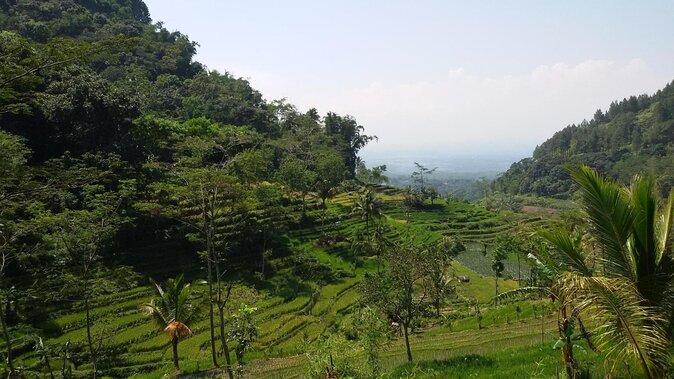
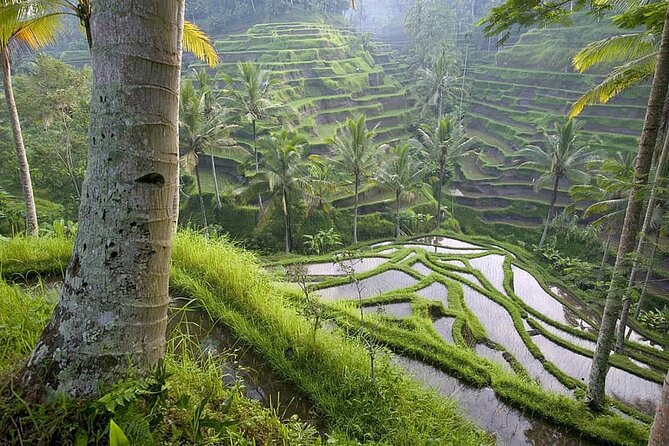
- Quiet rice-terrace walking: Follow paths through fields growing rice, beans, corn, vegetables, fruit, and coffee.
- A small Hindu temple: Selogriyo is a peaceful 9th-century site with gardens and mountain views, not a grand monument on the scale of Borobudur.
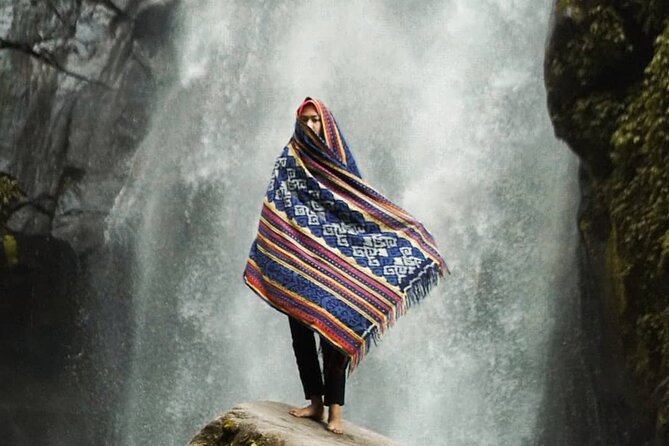
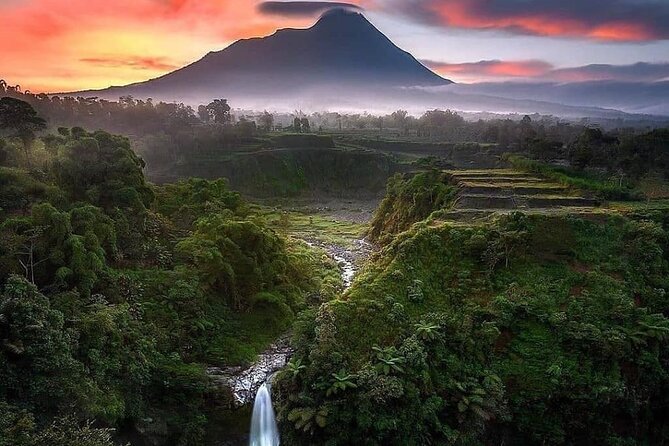
- A dramatic waterfall stop: Kedung Kayang sits below Mount Merapi and offers strong photo views from above and near the water.
- Helpful local guides: Arma, Didik, Sigit, Maksi, Dani, Thomas, and others have been praised for friendly conversation, local knowledge, and photography.
- Good value at $55: Transport, entrance fees, taxes, and an air-conditioned vehicle are included, while lunch and drinks cost extra.
- A full active day: Plan on roughly 10 hours, with walking, steps, possible stream crossings, and a long return drive.
Why this day trip feels different from Yogyakarta’s famous temples
Yogyakarta is rightly known for Borobudur and Prambanan, but those sites can make your day feel like a procession from gate to gate. This excursion gives you something slower and more rural. You spend time watching farmers work, walking between fields, and seeing how Central Java looks away from the city.
The tour reaches the Magelang area, near the base of Mount Sumbing and between the Giyanti and Condong ridges. That setting matters. Selogriyo is not surrounded by souvenir stalls or large crowds. It sits among cultivated hills, so the walk to the temple becomes part of the visit rather than a short transfer to a monument.
I would choose this trip if you want to understand a little of Central Java’s daily life. It is less about checking off a famous sight and more about the space between sights: coffee plants flowering beside the path, village homes, small gardens, and views that change as you climb.
More Rice Terrace Treks in Indonesia
- Yogyakarta: Selogriyo Temple Tour & Java Rice Terrace Trek
★ 5.0 · 175 reviews - Ubud: Rice Terrace, Holy Water Temple & Waterfalls Trek Tour
★ 4.9 · 115 reviews - Mount Batur Sunrise Trekking and Rice Terrace Adventure
★ 5.0 · 111 reviews
The walk to Selogriyo Temple through working farmland
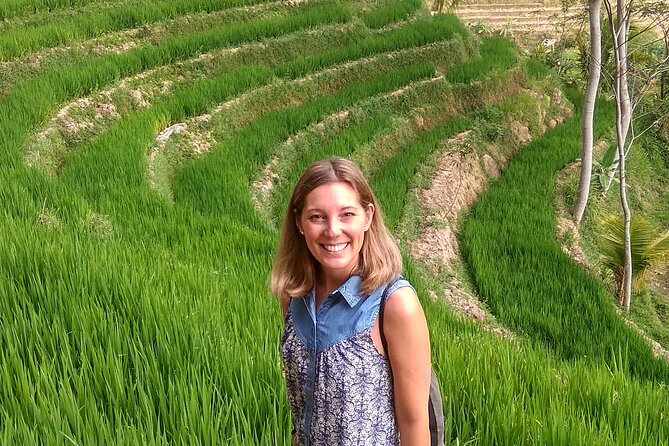
The first main section takes you along rice terraces and farm paths toward Selogriyo Temple. The fields are used for more than rice. Depending on the season, you may see beans, corn, vegetables, cassava, banana, papaya, and coffee. The mix gives the walk a useful sense of how local families use these steep hillsides.
The route is generally steady and manageable, but it is not a flat stroll. Most of the path is described as well maintained, with the steeper part coming in the final steps toward the temple. You should still bring sturdy footwear, especially if rain has made the ground slippery.
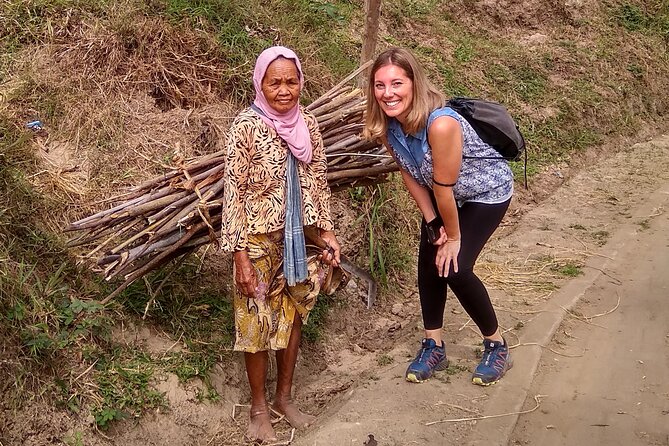
The best part is the quiet. You may pass local people tending crops or preparing for a village celebration. Guides can explain the farming and point out plants along the way. Arma and Didik have been especially praised for making the walk feel personal rather than scripted, while Sigit has been noted for his friendly explanations and easy conversation.
Allow yourself time to look around. The views are not one single postcard scene. They shift between close-up details of plants and irrigation, broad views over the terraces, and mountain backdrops that may or may not be clear. Mount Merapi can appear in the distance when clouds cooperate, though you should not book this day expecting a guaranteed volcano view.
Sun protection is important here. Bring a hat, sunglasses, and sunscreen. Much of the appeal is being outside in open farmland, which also means there may be little shade.
Selogriyo Temple, a modest site with a peaceful setting
Selogriyo Temple is a 9th-century Hindu temple in a quiet hillside setting. Its structure is distinctive, but it is modest compared with Borobudur or the Prambanan Temple Complex. That is part of its appeal, though it also explains why some visitors find the temple itself less impressive than the surrounding scenery.
You will have space to look at the stonework, gardens, and hillside views without the scale and noise of a major monument. The setting encourages a slower visit. You can pause, ask questions, and notice how the temple relates to the surrounding countryside.
I would set your expectations correctly: come for the combination of temple, farmland, and solitude, not for a huge architectural spectacle. The experience works because the temple is reached on foot through the terraces. If you removed the walk, the shrine alone would make a much shorter and less memorable stop.
The area also offers a chance to meet local people. The guides can help you understand stories connected with the place and the farming community. This human contact is one of the day’s strongest features, especially if you prefer a lived-in cultural experience to a quick photo stop.
Coffee at Selogriyo, with a view worth the pause
After visiting the temple, the route can include a coffee stop at a local café near Selogriyo. The coffee is made from beans grown in the hills behind the temple, and the café offers views over the fields.
This is a useful break after the uphill walk. It also adds something you would not get from a standard sightseeing circuit: a taste of the local agricultural economy. Coffee is not simply a drink here. It connects the café to the same hills and farms you have just walked through.
Fried banana has also been part of the stop for some visitors. Lunch is not included, so this is a good point to ask your guide about food and timing. Didik has recommended kupat tahu, a Magelang dish made with tofu and rice cakes in a savory coconut-sugar sauce. Since the tour provider does not include lunch, budget separately for the meal and any drinks.
More Waterfall Treks in Indonesia
- Bali: Munduk Waterfalls Trek, Twin Lakes and Temple Tour
★ 4.8 · 545 reviews - Banyumala Waterfall Trek, Bedugul and Lake Beratan Tour
★ 4.7 · 85 reviews - Munduk: Banyu Wana and Sekumpul Waterfall Trekking Tour
★ 4.8 · 80 reviews - All Inclusive Sekumpul Waterfall Trekking , Handara Gate & Temple
★ 5.0 · 64 reviews
Kedung Kayang Waterfall beneath Mount Merapi
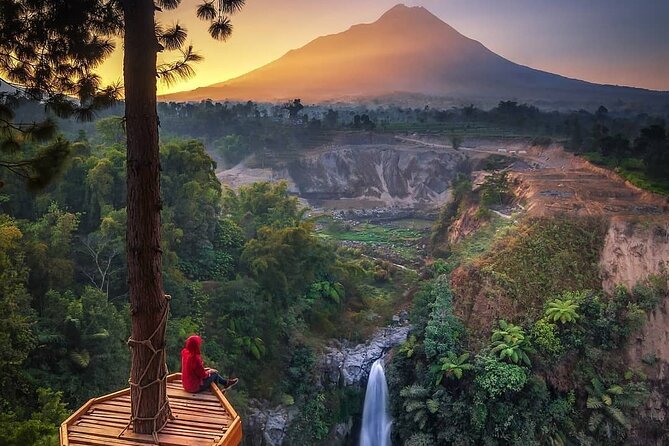
The second major stop is Kedung Kayang Waterfall, below Mount Merapi. The setting is dramatic: rushing water, forested slopes, fresh air, and viewpoints that can place the waterfall in front of the volcano.
You can see the waterfall from above, but going closer gives you a stronger sense of its power. The route down includes steps and a wet or muddy section. Some people have crossed shallow streams to reach the lower area, so water sandals, flip-flops, or shoes that can get wet are sensible. A small towel and spare clothing would also make the stop more comfortable.
The return climb is the part that demands the most effort. You can enjoy the upper viewpoint without going all the way down, but the lower area is the better choice if you want to feel close to the falls. If your knees or stamina are limited, tell your guide before setting off. Several guides have been praised for adjusting the pace and making sure people are comfortable.
The waterfall can be busier than Selogriyo, especially during local holidays. You may also find litter near popular photo areas, so carry your rubbish out. That small practical point matters because the place feels far more attractive when the natural setting is treated with care.
Guides often help with photos here. Thomas was praised for taking pictures, and Didik has also been noted for sending good photographs afterward. You should not assume every guide provides professional photography, but the staff clearly understand that the waterfall is one of the day’s main photo opportunities.
The long drives are part of the trade-off
Hotel pickup and drop-off in Yogyakarta make the day easy to arrange. You ride in an air-conditioned vehicle, and entrance fees and taxes are included. The group can be as large as 10 people, though some departures have been much smaller, even just two people.
The drive is the price of reaching quieter countryside. Traffic around Yogyakarta and the routes toward Magelang can be slow. One account described more than 1.5 hours between some sections, depending on the hotel location and road conditions. The tour is advertised at about 10 hours, and a full day from roughly 8 a.m. to 5 p.m. is a realistic shape for the outing.
This matters if you want to fit another major attraction into the same day. I would not pair this with Borobudur or Prambanan unless you have confirmed the timing directly and are comfortable with a rushed schedule. The point of this trip is to let the countryside unfold at an unhurried pace.
A good driver makes a real difference. Dani, Didik, and Arma have been praised for safe driving, punctual pickup, and thoughtful stops. Communication about pickup time and location may take place by WhatsApp the day before, so keep an eye on your messages.
What $55 includes, and what it does not
At $55 per person, this is strong value for a full-day outing. You receive hotel transfers, an air-conditioned vehicle, entrance fees, and taxes. You also get a guide who can manage the route and help connect the sights into a coherent day.
You pay separately for lunch, coffee, drinks, and any snacks. That is not a serious weakness, since it lets you choose how much or how little to spend. Still, carry some Indonesian rupiah for food and small purchases. The food options near Selogriyo can be limited, so lunch is usually better handled later along the route.
The group discount and maximum group size of 10 keep the price reasonable while preserving some personal attention. A small group also makes it easier to walk at a comfortable pace and stop for photographs. If you are lucky, the departure may be even smaller.
The rating of 4.9 from 179 reviews and a 99 percent recommendation rate fit the main pattern of the experience: people value the scenery, guide service, relaxed pace, and rural setting. Still, one serious warning should not be ignored. A last-minute cancellation and delay were reported, so it is wise not to place an important same-evening flight or fixed reservation immediately after the tour.
Who should book this Java countryside trip
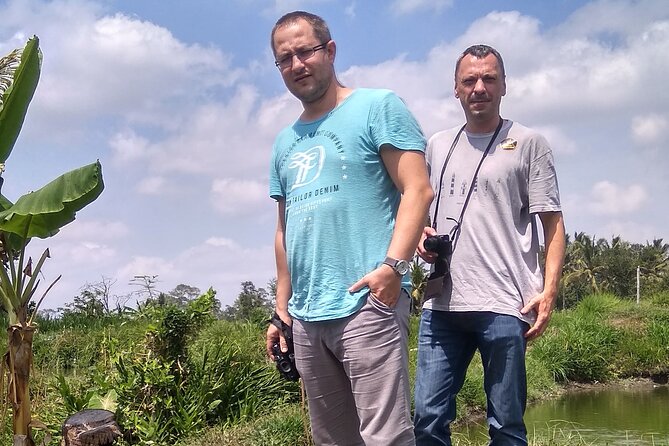
I recommend it most strongly to people who enjoy walking, village scenery, local food, and a day outside the city. It suits couples, solo visitors, and small groups who want a quieter alternative to the best-known temple routes.
You do not need to be a serious hiker, but you should be comfortable with a steady path, steps near the temple, and a possible climb back from the waterfall. Older visitors have completed the route, though some found parts challenging. A guide can help you slow down, but the terrain remains part of the experience.
Families with older children may enjoy it, while very young children may find the walking and long car rides tiring. It is also a good choice for photographers. You get terraces, village life, temple details, coffee views, rushing water, and possible views of Mount Merapi in one day.
I would skip it if you want a grand temple with extensive carvings, a short sightseeing day, or a guaranteed volcano view. Selogriyo is small, the drive is long, and weather can change the mountain scenery.
What to pack for the rice fields and waterfall
Bring sunscreen, a hat, sunglasses, comfortable walking shoes, and water. For Kedung Kayang, add sandals or footwear that can handle shallow water, plus a towel and dry clothes if you plan to approach the falls.
Carry money for lunch, coffee, fruit, and drinks. The tour includes admission, but it does not include food. A camera or phone with enough battery is worthwhile, since guides may help with photographs and the route offers many natural viewpoints.
The experience requires good weather. If conditions force cancellation, you are offered another date or a full refund. For a normal cancellation, you must cancel at least 24 hours before the start time to receive a full refund.
Should you book Selogriyo and Kedung Kayang?
Book it if you want a full, active day in Central Java that feels more local than the standard Yogyakarta circuit. The strongest reasons are the quiet rice terraces, the chance to stop for hill coffee, the volcanic setting, and the personal service often provided by guides such as Arma, Didik, Sigit, and Maksi.
Go in with realistic expectations. The temple is modest, the roads can take time, lunch costs extra, and the waterfall trail may be wet. For me, those are fair trade-offs for a day that shows you farms, village life, and open countryside rather than another crowded monument. At $55, with transport and entry fees covered, it is a sensible choice for anyone who wants to see a more peaceful side of Java.
FAQ
How long does the Selogriyo Temple and waterfall tour last?
The experience lasts approximately 10 hours, including the rice-terrace walk, temple visit, waterfall stop, meal break, and return transfer to your accommodation.
Is hotel pickup available in Yogyakarta?
Yes. Round-trip pickup and drop-off are offered from Yogyakarta city hotels in an air-conditioned vehicle.
What is included in the $55 price?
The price includes the air-conditioned vehicle, entrance fees, and all taxes. Lunch, coffee, drinks, and snacks are not included.
How large can the group be?
The maximum group size is 10 people. Some departures may be smaller.
Is the tour suitable for most people?
Most people can participate, but you should be comfortable walking through rice terraces, managing some steps, and possibly climbing back up from the waterfall. The trail can be wet or muddy near Kedung Kayang.
What happens if bad weather cancels the tour?
The experience requires good weather. If it is canceled because of poor weather, you can choose another date or receive a full refund. Free cancellation is available when you cancel at least 24 hours before the start time.
Just added around Indonesia
- Mount Batur Trekking & Hot Spring in Kintamani★ 5.0 · 23 reviews
- Rinjani Trekking 2D1N Senaru crater rim★ 5.0 · 6 reviews
- Ijen Blue Fire Trekking★ 5.0 · 44 reviews
- Sunrise Trekking At Sunan Ibu Kawah Putih★ 5.0 · 2 reviews
- Mount Agung Sunrise Trekking Private Tours★ 5.0 · 11 reviews
- volcano hike and jungle trekking adventure★ 5.0 · 36 reviews
- Sidemen rice terraces trek and local village walk★ 5.0 · 41 reviews
- Trekking Mount Rinjani 2D/1N To Second Summit★ 5.0 · 2 reviews
Rice Terrace Treks, compared.
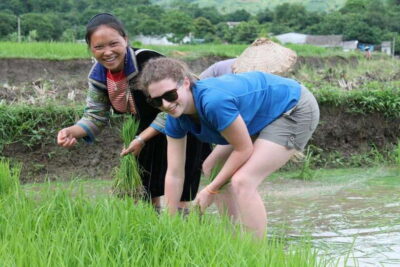
Muong Hoa Valley Trek and Local Ethnic Villages
Read our review →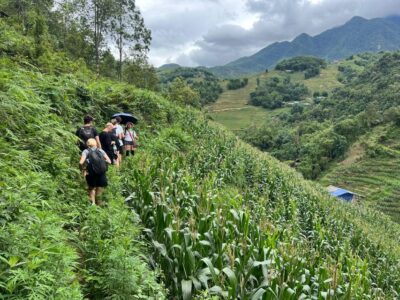
Explore Sapa by TrekkingAdventures, Mountain,Rice fields
Read our review →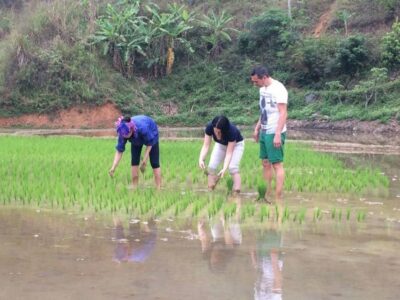
6-Hours Muong Hoa Valley Trek with Local Ethnic guide
Read our review →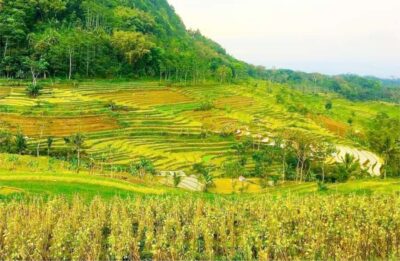
Yogyakarta: Selogriyo Temple Tour & Java Rice Terrace Trek
Read our review →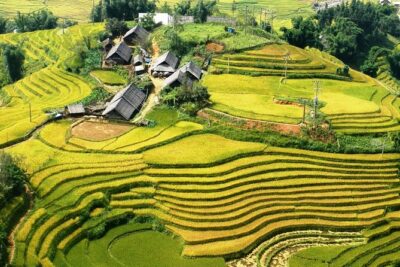
Sapa Muong Hoa Valley & Ta Van Eco Village Scenic Tour (No Trek)
Read our review →
Daily Tour: Sapa Trekking in Muong Hoa valley, Bamboo forest
Read our review →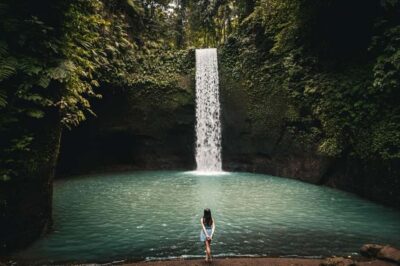
Rice Terrace, Holy Water Temple & Waterfalls Trek Tour
Read our review →
Mount Batur Sunrise Trekking and Rice Terrace Adventure
Read our review →Browse the lists this trek appears in