
Review · RISHIKESH
Har Ki dun Trek by Himalaya Shelter
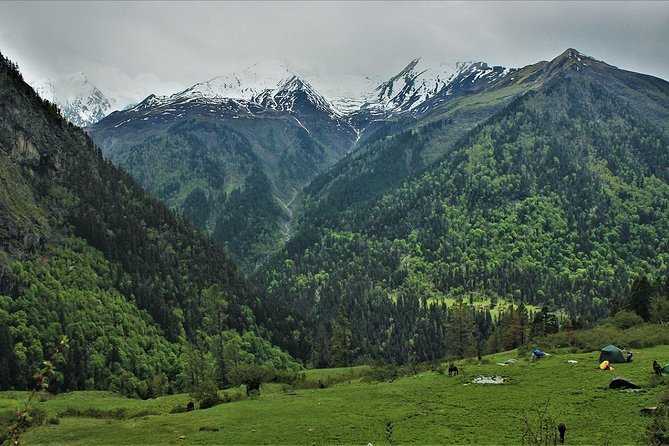
Har Ki Dun is the kind of Himalayan trek that rewards you slowly. The long drive from Dehradun gives way to remote villages, forest paths, snow-capped peaks, and the broad mountain valley around Har Ki Dun. You travel with a guide, cook, camping crew, and a small group rather than trying to piece together a route on your own.
I like the all-in-one setup, especially the included meals, tents, sleeping gear, forest fees, and transport between Dehradun and the trailhead. I also like the small-group limit and the strong guide presence, with names such as Surendra Rana, Sonu, Rocky Rana, and Sanju appearing in the experience team.
The main drawback is the travel time. Two days include roughly eight hours on the road, and the mountain walking reaches 3,794 meters at Marinda Tal. You need moderate fitness, patience for basic camp life, and a full day free at both ends.
Key points before you book
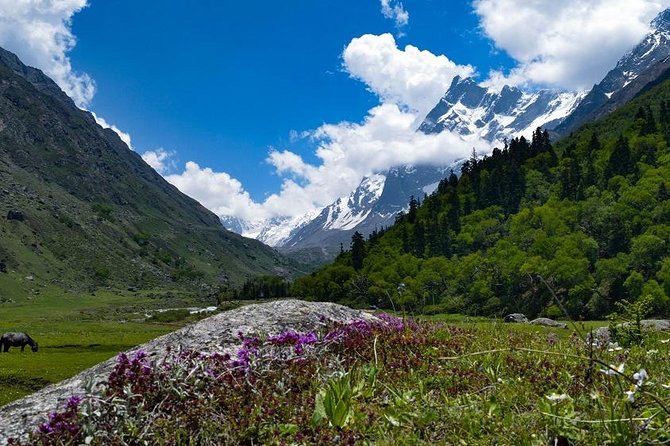
- Har Ki Dun at 3,510 meters: The main valley is reached on day four, with a possible climb to Marinda Tal at 3,794 meters.
- A real small-group trek: The advertised maximum is 11 people, giving the guide more room to monitor pace and comfort.
- Meals from day one dinner to day seven breakfast: This saves packing space and removes much of the food planning.
- Camping equipment is supplied: Tents and sleeping gear are rented as part of the package, including warm equipment praised by past participants.
- Dehradun transfers are included: Pickup starts at 6:30 a.m. near the Egg and Maggi stall on Saharanpur Road.
- A village and culture component: Osla brings you close to local mountain life, not just high-altitude scenery.
What the Har Ki Dun Trek feels like
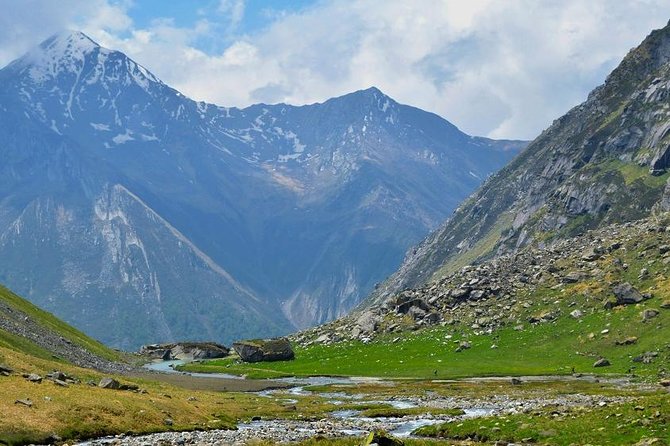
This is a seven-day mountain journey, but it is not seven straight days of hard walking. The first and last days are long road transfers. The walking days build gradually, with Osla used as a base for the route toward Kalkatidhar and Har Ki Dun.
That structure is useful for first-time Himalayan hikers. You gain altitude in stages instead of arriving at the highest point immediately. Still, this is not a casual village stroll. You will walk for several hours on uneven mountain paths, sleep in tents, and spend time far from ordinary city comforts.
The route is especially appealing if you want more than a summit photo. Osla provides contact with local village life, while Har Ki Dun gives you the wide mountain views that make the trek worth the effort. In winter, the valley can become much colder and the paths more demanding. The supplied information includes warm sleeping gear suitable for very cold conditions, but you still need to bring proper personal clothing.
A few more treks around India worth a look
- Half day trekking (munnar valley Trekking & Tours )
★ 5.0 · 310 reviews - Nag Tibba 2 Days Trek (Pantwari to Pantwari)
★ 5.0 · 274 reviews - Bhrigu Lake and Alpine Meadow Trek
★ 5.0 · 121 reviews
Day one: Dehradun to Sankri by eight-hour road journey
The trek starts early, at 6:30 a.m., from the meeting point near an Egg and Maggi stall on Saharanpur Road in Dehradun. This is a practical meeting place near public transportation, but you should allow extra time to find it in the morning.
The drive to Sankri takes about eight hours. That sounds like a lot because it is. The payoff is that transport support is handled from the beginning, so you do not need to negotiate a separate vehicle to the trailhead.
Sankri is the gateway settlement for the walking section. The first night helps you shift from city travel to mountain rhythm. The operation includes transport, meals, and a stay arrangement in Sankri, while camping equipment is supplied for the higher sections.
You receive dinner on day one. That detail matters. You do not need to arrive with a full meal plan after a long road journey, though personal snacks remain sensible.
Day two: Sankri to Osla at 2,700 meters
The second day combines about one hour of driving with five to six hours of trekking. Osla becomes the first major walking destination and an important cultural stop.
At 2,700 meters, Osla gives you your first real sense of high mountain living. The village setting is one of the route’s strongest features because the trek is not only about reaching a distant valley. You also pass through a place where daily life is shaped by altitude, weather, and limited road access.
This is a demanding first walking day, especially after the early start and road transfer. Set a steady pace rather than trying to race ahead. A small group helps here because the guide can keep an eye on different walking speeds.
The food is a notable part of the package. Past departures have included varied meals, snacks, and food that remained satisfying even above 10,000 feet. One couple also had a special diet request accommodated, though you should communicate dietary needs before departure rather than assume every request can be handled at the last minute.
Day three: Osla to Kalkatidhar at 3,300 meters
The walk from Osla to Kalkatidhar takes about three hours. Compared with day two, this is shorter, but the altitude increases to 3,300 meters.
That shorter schedule gives your body more time to adjust. It also leaves room to enjoy the route instead of treating every hour as a race toward camp. Kalkatidhar is the staging point for the main Har Ki Dun outing, so this night is important for rest and preparation.
Camping is part of the experience here. The supplied tents and sleeping equipment reduce the amount of bulky gear you need to carry or rent independently. Past participants specifically praised the warmth of the sleeping bags and the condition of the tents.
Do not confuse supplied equipment with luxury. You are still camping in a remote mountain setting. Weather can affect comfort, and personal layers, socks, gloves, and medication remain your responsibility. The package includes insurance for Indian citizens, but that is not the same as full coverage for every person or situation.
Same trailhead, a different route:
- Wild Elephant Anakulam & Waterfalls Tour(munnar valley Trekking)
★ 5.0 · 98 reviews - Friendship Peak Trek
★ 5.0 · 94 reviews - Half Day Hiking in Munnar Trekking Tour
★ 5.0 · 89 reviews - Singalila Trek from Darjeeling
★ 5.0 · 79 reviews
Day four: Har Ki Dun at 3,510 meters and Marinda Tal at 3,794 meters
Day four is the central day of the trek. You walk from Kalkatidhar to Har Ki Dun, reaching 3,510 meters, then have the option of continuing toward Marinda Tal at 3,794 meters before returning to Kalkatidhar.
This is the day that requires the most attention to your energy. The figures suggest a serious gain in height, and the route can feel harder than the clock suggests. Keep water close, walk at a controlled pace, and tell the guide early if you feel unwell.
Marinda Tal is an optional extension. That is a useful feature because not every person in a group will have the same energy or confidence at higher altitude. Past participants praised guide support on this section, but you should not treat the option as an obligation.
Har Ki Dun itself is the main reward: a remote Himalayan valley framed by high peaks and, depending on conditions, snow and glacier views. The appeal is the sense of distance from roads and towns. You are not simply visiting a viewpoint by vehicle. You reach the valley by walking through the mountain route.
The return to Kalkatidhar makes this a full day. Good food at camp matters here, and the included cook service removes the need to prepare dinner after a long outing. Sanju is among the cooks specifically praised for keeping meals enjoyable in difficult conditions.
Day five: Kalkatidhar back to Osla
The return from Kalkatidhar to Osla takes about three hours. Retracing part of the route may sound less exciting, but it gives you a different view of the same valley and a more relaxed pace after the high point.
This is also a useful buffer day. Mountain weather can change, and a sensible trekking plan needs room for adjustments. The supplied information notes that the team has altered arrangements based on weather when needed, an important sign that the schedule is not treated as more important than safety.
Osla is again the overnight point. You may have more time to notice village details that were easy to miss on the outward journey. The route’s connection with local culture is one reason this trek feels broader than a simple out-and-back mountain walk.
Day six: Osla to Sankri, then one hour by vehicle
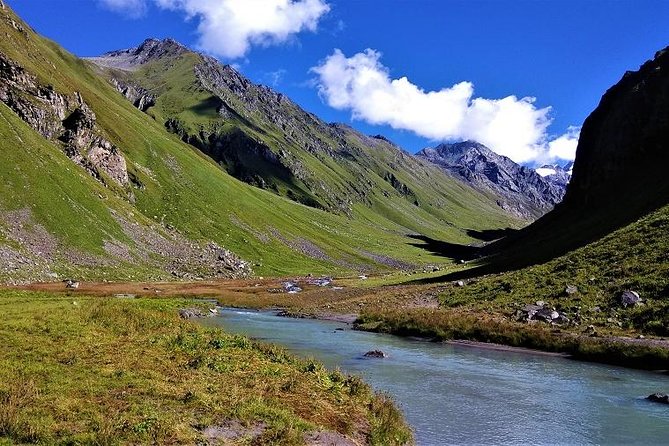
The sixth day includes four to five hours of trekking followed by about one hour of driving. You finish the walking section and return to Sankri.
After several days in tents, a night in Sankri can feel especially welcome. Past departures have described the stay there as comfortable and well located. The exact accommodation arrangement is not detailed in the supplied information, so you should confirm the room setup before booking if that matters to you.
The crew support is useful on this transition day. A guide such as Sonu, Surendra Rana, or Rocky Rana may be the person keeping the group together, managing timing, and helping with route decisions. The experience has received repeated praise for friendly guides and professional handling, but guide assignments can vary by departure.
Day seven: Sankri to Dehradun
The final day is another eight-hour drive back to Dehradun. The activity ends at the original meeting point, so plan onward travel with caution.
I would not schedule a tight flight or an important connection immediately afterward. Mountain roads and long driving days do not reward overconfident timing. If you need to continue to Rishikesh, Delhi, or another destination, leave a safety margin.
The package includes transport from the Dehradun pickup through the final drop-off. It does not include your journey to Dehradun, accommodation there, or transport during the trek beyond the stated support. Those costs should be added to your personal budget.
What the $231 price includes
At $231 per person, the package offers good value if you need a guided, organized trek rather than only a walking route. You receive transport from Dehradun, a guide, cook fees, meals from the first dinner through the final breakfast, camping equipment rental, forest entry charges, and insurance for Indian citizens.
The meals are a major saving in both money and planning effort. A cook prepares food at altitude, where carrying and preparing your own full menu would add weight and work. Past departures describe the food as varied, tasty, and sometimes better than expected at high elevation.
Camping gear is another meaningful inclusion. You do not need to buy a tent or sleeping bag for one trek. Warm equipment has been supplied in cold conditions, including reports of sleeping bags and tents handling temperatures around minus 10 degrees Celsius. Treat that as a report of past conditions, not a guarantee for every departure.
The price does not cover personal medicine, tips, phone calls, snacks, your travel to Dehradun, or accommodation in Dehradun. You should also check the insurance terms carefully because the inclusion is stated for Indian citizens only.
The guide and crew make the difference
A remote trek depends heavily on the people running it. The guide is responsible not only for route finding but also for pacing, weather decisions, and keeping the group moving together.
Names connected with past departures include Surendra Rana, Sonu, Rocky Rana, and Megha. Surendra has been praised for field experience, while Sonu and Rocky have been singled out for friendly and careful guidance. Sanju has received particular praise for cooking.
That said, service can vary between departures and individual staff members. One useful criticism concerns plastic waste left in the mountains. If you book, carry a small waste bag and ask the crew how rubbish is collected and brought out. Responsible trekking is a shared job, and the operator should be held to a high standard in a fragile mountain setting.
Who should book this trek
You should consider this trip if you want a guided introduction to the Har Ki Dun route and do not want to arrange vehicles, cooks, tents, forest permissions, and camp logistics separately.
It suits people with moderate fitness who can manage several hours of walking at altitude. It also suits first-time Himalayan hikers who want support, provided they understand that the route still demands effort and that tents are not hotels.
You may prefer a different trip if you dislike long road journeys, need private accommodation, want a very slow walking schedule, or are uncomfortable with cold nights and basic camp facilities. The maximum group size of 11 is modest, but it is not a private trek.
The route also works well for families or friends booking a closed group, as customized departures have been arranged. Confirm the exact schedule, group size, accommodation, and guide assignment before paying if those details are important.
Booking, meeting point, and cancellation details
You meet at 6:30 a.m. near the Egg and Maggi stall on Saharanpur Road in Lakkhi Bagh, Dehradun. The activity returns to the same meeting point on day seven, and confirmation is provided when you book.
The experience is available with a mobile ticket and is near public transportation. Free cancellation applies if you cancel at least 24 hours before the local start time. Cancellations or changes within 24 hours are not accepted for a refund.
Should you book the Har Ki Dun Trek by Himalaya Shelter?
I would book this trek if I wanted a practical route into the Himalayas with food, camping equipment, guides, and Dehradun transport already arranged. The strongest reasons are the small group, the steady altitude progression, the scenic valley, and the repeated praise for guides, food, sleeping gear, and safety decisions.
I would pause only if the eight-hour drives sound exhausting or if you need guaranteed comfort and private facilities. For a reasonably fit person who accepts mountain camping, $231 is a fair package price. Bring patience, warm personal clothing, and realistic expectations, and Har Ki Dun can give you a rewarding first taste of remote Himalayan trekking.
FAQ
Where does the Har Ki Dun trek start?
It starts at 6:30 a.m. near the Egg and Maggi stall on Saharanpur Road in Lakkhi Bagh, Dehradun, Uttarakhand.
Where does the trek finish?
The activity ends back at the same Dehradun meeting point after the return drive from Sankri.
How long is the Har Ki Dun Trek by Himalaya Shelter?
The trip lasts approximately seven days, including road transfers between Dehradun and Sankri.
What altitude does the trek reach?
Har Ki Dun is listed at 3,510 meters, while the optional Marinda Tal outing reaches 3,794 meters.
Are meals included?
Yes. Meals are included from dinner on day one through breakfast on day seven.
Is camping equipment provided?
Yes. The package includes rental camping equipment. Personal clothing, medicine, and other personal items are not included.
Is transport from Dehradun included?
Yes. Transport support runs from pickup on day one through drop-off on day seven. Your journey to Dehradun and accommodation there are not included.
How many people can join the group?
The maximum group size is 11 people.
Can I cancel for a full refund?
Yes, if you cancel at least 24 hours before the local start time. Cancellations or changes made within 24 hours are not eligible for a refund.
Just added around India
- Gokarna Beach Trek★ 5.0 · 9 reviews
- Jaipur Trekking and Hiking Tour with Guide★ 5.0 · 21 reviews
- Nagtibba Trek (Pantwari to Pantwari)★ 5.0 · 39 reviews
- Tirath Expedition: Trek to the Tirath Hans Kund & Saketi Top(4280m)★ 5.0 · 9 reviews
- Dayara Bugyal and Surya Top Trek★ 5.0 · 10 reviews
- 7-Day Kuari Pass Trek★ 5.0 · 3 reviews
- Snowline Trek★ 4.5 · 11 reviews
- Triund Trek & Snow Line Trek★ 4.5 · 9 reviews
Rishikesh Trekking Tours, compared.
Browse the lists this trek appears in