
Review · PERU
From Arequipa Trek : 2-Days of Hiking in the Colca Canyon
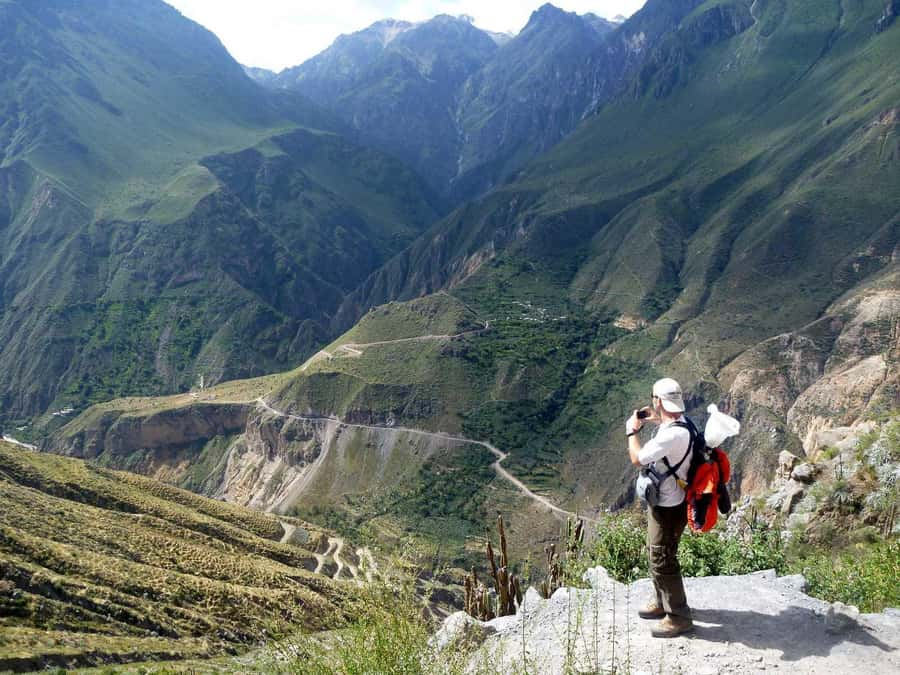
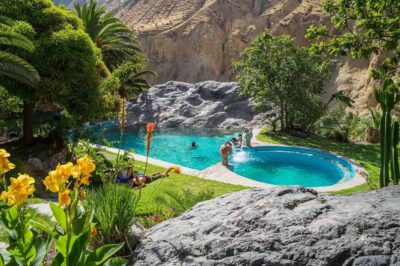
Colca Canyon is not a gentle sightseeing stop. This two-day trek takes you from the high rim at San Miguel to the canyon floor, down steep paths and back up before breakfast on the second day. You’ll see Andean terraces, pass through small communities, and sleep at Sangalle Oasis beside its pool.
I like the strong sense of place here: lunch at a local family’s home in San Juan de Chuccho, followed by a night in the warm, palm-lined Oasis of Sangalle. I also like the way the trip mixes hiking with the Cruz del Condor viewpoint and Chivay’s hot springs. The catch is simple: the climb out is hard, especially in heat, and the accommodation is basic.
Key points to know before you book
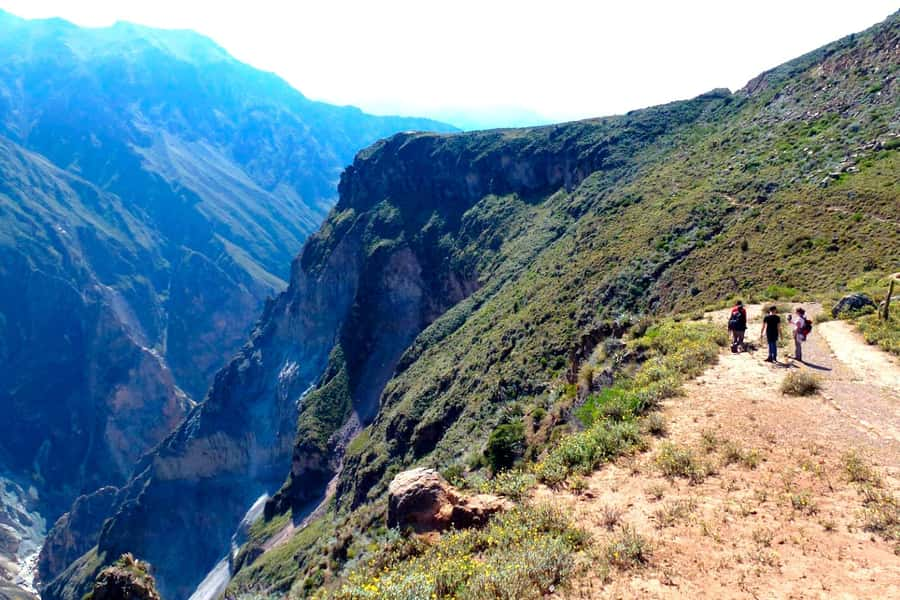
- The route drops from 3,200 meters to 1,900 meters, then climbs back to about 3,300 meters before breakfast.
- Day two begins in darkness, with a 3 to 4-hour uphill walk toward Cabanaconde and the first light over the canyon.
- Sangalle has pools, but the overnight lodging may have no private bathroom, shower, or electrical outlets in the room.
- The advertised $21 is not the full cost. You pay another $90 or 320 soles in cash for food, lodging, and the entrance ticket.
- Cruz del Condor comes first, so you may see Andean condors before starting the main hike.
- A small group of up to 18 people keeps the trip manageable, but the guide may need to balance different walking speeds and fitness levels.
Why this Colca Canyon trek is worth the effort
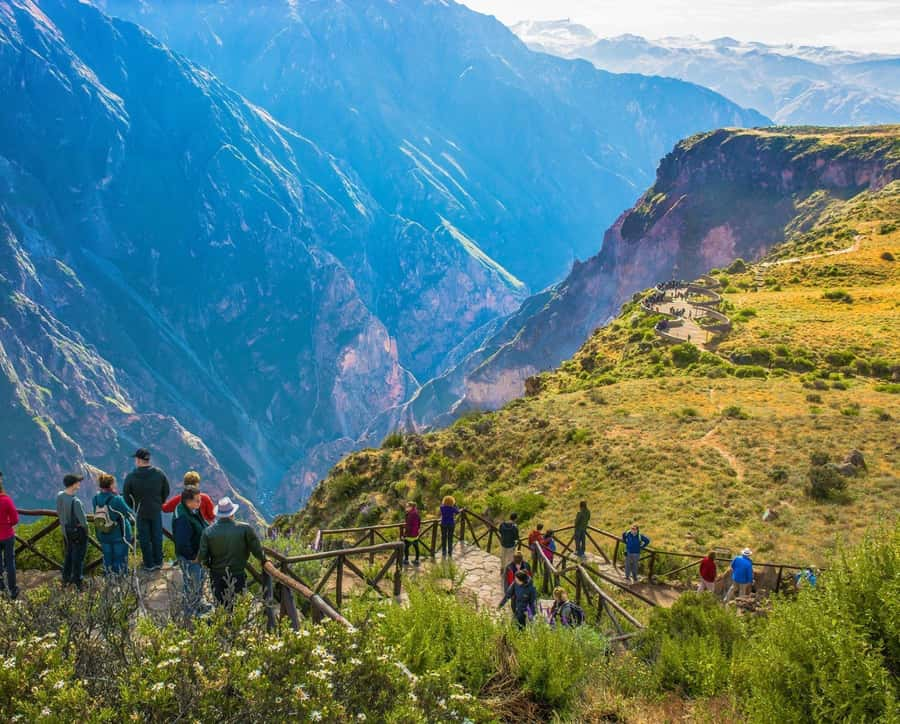
The Colca Canyon gives you a rare sense of scale. From the rim, the canyon looks vast and distant. On foot, you see the slopes change as you descend, with stone paths, dry hillsides, plants, wildlife, and cultivated terraces spread along the canyon walls.
The Collaguas built many of the terraces you see around Colca. These are not just attractive lines cut into the hills. They show how communities adapted farming to steep Andean ground long before modern roads and tour vans arrived. The Antahuilque viewpoint on the second day gives you one of the clearest views of these terraces.
The trek also has a good rhythm. You begin high, walk down into a warmer part of the canyon, spend the night in Sangalle, then return to the rim before the day becomes hot. After that hard climb, the hot springs near Chivay offer a useful reward rather than another sightseeing stop to rush through.
The main question is fitness. If you enjoy long hikes and can handle steep, uneven paths, this is a memorable way to experience Colca. If you rarely hike, the canyon views may not make the physical cost feel worthwhile. Several people with decent general fitness still found the route much harder than expected.
A few more treks around Peru worth a look
- Cusco: Machu Picchu 2-Day Inca Trail with Panoramic Train
★ 4.9 · 260 reviews - From Cusco: 2-Day Inca Trail to Machu Picchu
★ 4.2 · 244 reviews - From Arequipa: 2-Day Colca Canyon Trekking Tour
★ 4.8 · 243 reviews
The 3 a.m. departure from Arequipa
Your day begins at about 3 a.m. with pickup in Arequipa. That early start is necessary because the drive to the Colca area takes several hours, and the tour still needs to reach Cruz del Condor and the trailhead before the main descent.
The first vehicle ride takes roughly three and a half hours, with breakfast in Chivay after about three hours. This is a practical stop, not a slow morning meal. You’ll want to eat well and refill your water before continuing.
From Chivay, the van drives to Cruz del Condor, about 3,600 meters above sea level. You get around 40 to 50 minutes there for the viewpoint, photos, and a guided visit. The timing is useful because condors are often associated with the morning air currents, though sightings are never something any tour can guarantee.
Bring a camera, but do not spend the whole stop looking through a screen. The canyon opens below the viewpoint, and this is your first clear sense of the vertical scale you’ll soon enter on foot.
Cruz del Condor before the real hiking begins
Cruz del Condor works well as the opening stop because it lets you see Colca from above before you walk into it. The viewpoint sits high enough to make the canyon’s depth obvious, while the condors provide a strong wildlife moment early in the day.
You then continue by van toward San Miguel, around 3,200 meters above sea level. At Cabanaconde, you have about 20 minutes to finish arranging your backpack before setting out. Keep this short preparation stop organized. Put water, snacks, sunscreen, and anything you need during the first few hours where you can reach them.
The guide leads the group down from the San Miguel viewpoint. The path is steep and uneven, and some sections run beside exposed drops. That is why good trekking shoes matter. Lightweight casual shoes or worn-out sneakers make the descent less secure and the return climb much less pleasant.
Three hours down to San Juan de Chuccho
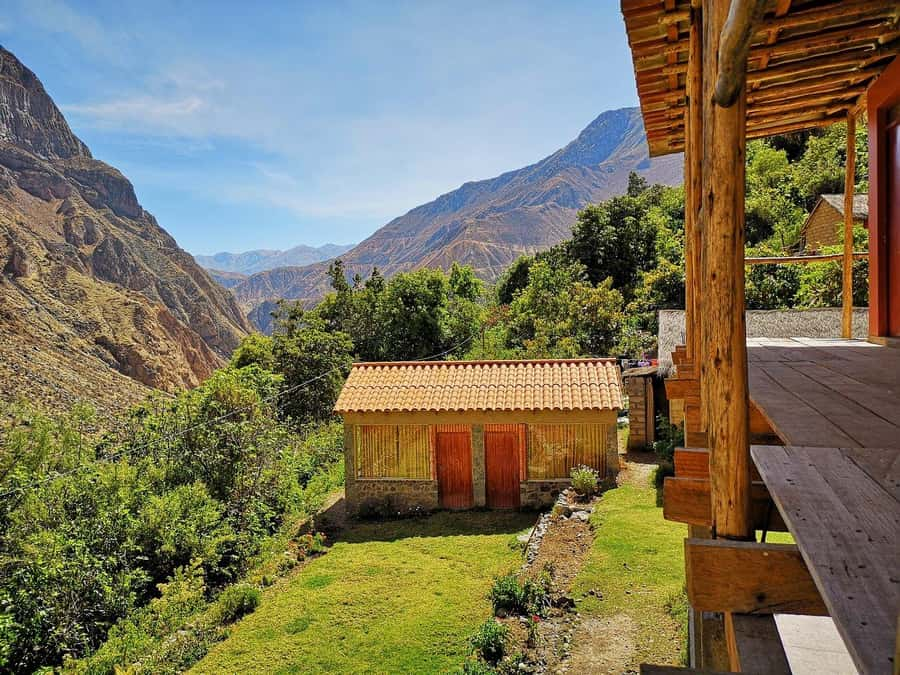
The first walking section takes about three hours. You lose a great deal of altitude, moving from the high rim toward San Juan de Chuccho at roughly 2,230 meters.
The descent may sound easier than an uphill walk, but steep downhill hiking works your knees and demands steady footing. Pace yourself from the beginning. A fast first hour can leave you tired before lunch, and there is still another three-hour walk to Sangalle.
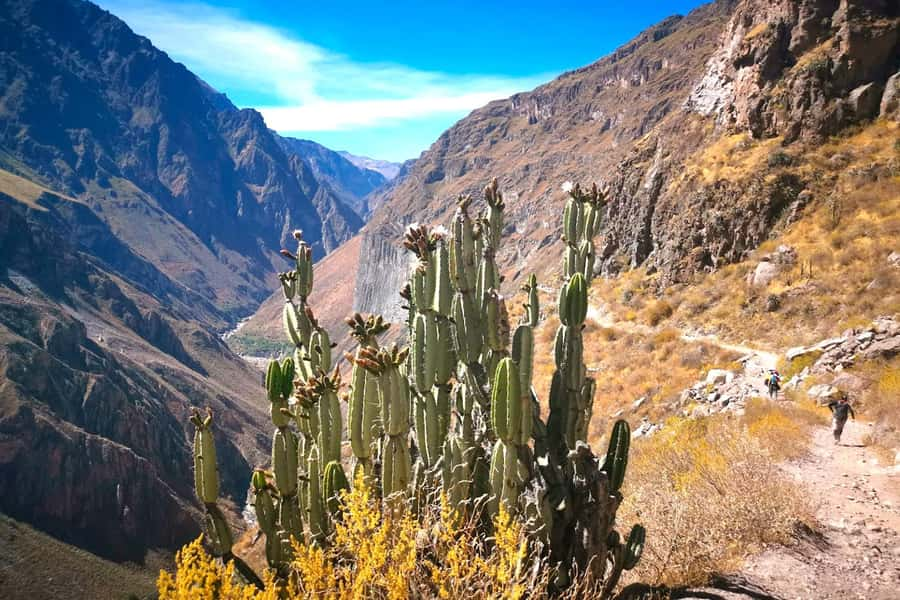
The canyon changes as you go lower. You’ll have views into its depth, along with local flora and fauna. The path itself becomes part of the experience, since you are not simply looking at Colca from a platform. You are moving through the space that seemed so far away at Cruz del Condor.
Take water regularly, even when you do not feel thirsty. The heat becomes more noticeable lower in the canyon, and the supplied advice to carry snacks is important. The next full meal is lunch in San Juan de Chuccho, but a small snack can help you keep a steady pace.
Same trailhead, a different route:
- From Arequipa: Sillar Route Trek
★ 4.2 · 461 reviews - Cusco: 4-Day Inca Trail to Machu Picchu with Accommodation
★ 4.8 · 432 reviews - From Cusco: 7 Lakes Ausangate Trek with Breakfast and Lunch
★ 4.8 · 360 reviews - Machu Picchu: Inca Trail 2-Day Overnight Guided Tour
★ 4.9 · 203 reviews
Lunch with a local family in San Juan de Chuccho
After crossing the bridge into San Juan de Chuccho, you stop for lunch at the home of a local family. You have about 50 minutes to eat and rest.
This is one of the more grounded parts of the trip. The meal stop connects the hike with daily life in the canyon, rather than keeping you on a sightseeing circuit made only for visitors. It also gives your legs a needed break before the second walking section.
Do not mistake lunch for the end of the hard part. You still have around three hours to Sangalle, and the route remains uneven. Use the pause to adjust your pack, apply sunscreen again, and check your water supply.
An afternoon arrival at Sangalle Oasis
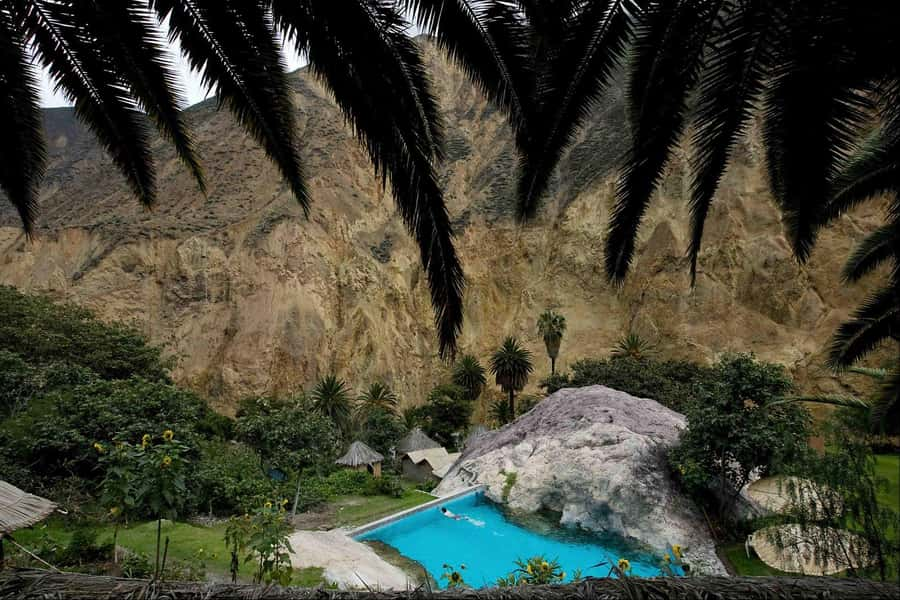
The trail continues downward toward Sangalle, at about 1,900 meters. This lower elevation is warmer, and the setting feels very different from the high canyon rim.
Sangalle is known as an oasis because of its greenery and pools at the bottom of the dry canyon. After six hours of hiking, the pool is an appealing place to cool off. You’ll have time to visit, rest, and enjoy the surroundings before dinner.
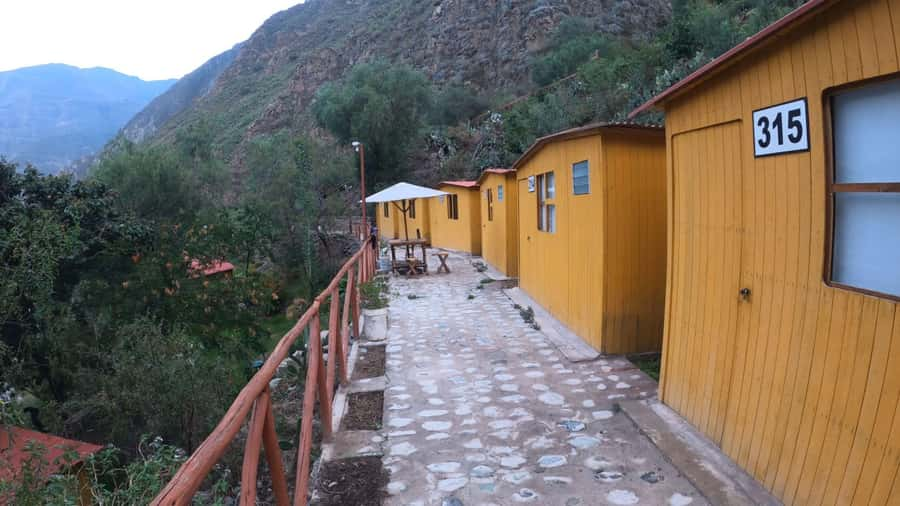
The overnight stop is functional rather than comfortable. The lodging may have no bathroom, shower, or electrical outlet in the room, so set your expectations accordingly. Pack a small overnight bag instead of carrying everything from Arequipa, and keep a headlamp or flashlight handy. One useful tip is to bring toilet paper, since it may not be available when you need it.
Dinner is scheduled in Sangalle, followed by about 10 hours of overnight time. The long rest window matters because the next morning starts before sunrise.
The sunrise climb to Cabanaconde
Day two is the physical test. You begin walking in darkness and climb for about three to four hours from Sangalle toward the canyon rim and Cabanaconde, at roughly 3,300 meters.
As daylight arrives, the canyon gradually appears around you. The sunrise is a natural reward, but do not let the scenery distract you from the footing. Use a headlamp, especially at the start, and keep your hands free for balance.
The climb is steep, and the combination of heat, altitude, and limited sleep can make it tougher than the first day. Some hikers may choose to use a mule for the ascent, but this possibility should not be the basis for booking the trek. You should be prepared to complete the climb on foot.
The tour reaches the highest part of the route before breakfast. That timing is important. You will have completed the major uphill section before eating, so carry snacks for the climb. Several useful choices are easy-to-pack foods that provide quick energy, but the tour data only specifically advises bringing snacks and enough water.
At Cabanaconde, you can finally sit down for breakfast. You’ll have time to recover before getting back into the van.
Terraces, viewpoints, and a hot spring near Chivay
After breakfast, transportation takes you toward the Colca viewpoints. The Antahuilque viewpoint is especially worthwhile for its view of the cultivation terraces. After the exertion of the morning, this is a quieter chance to see how people shaped the canyon for farming.
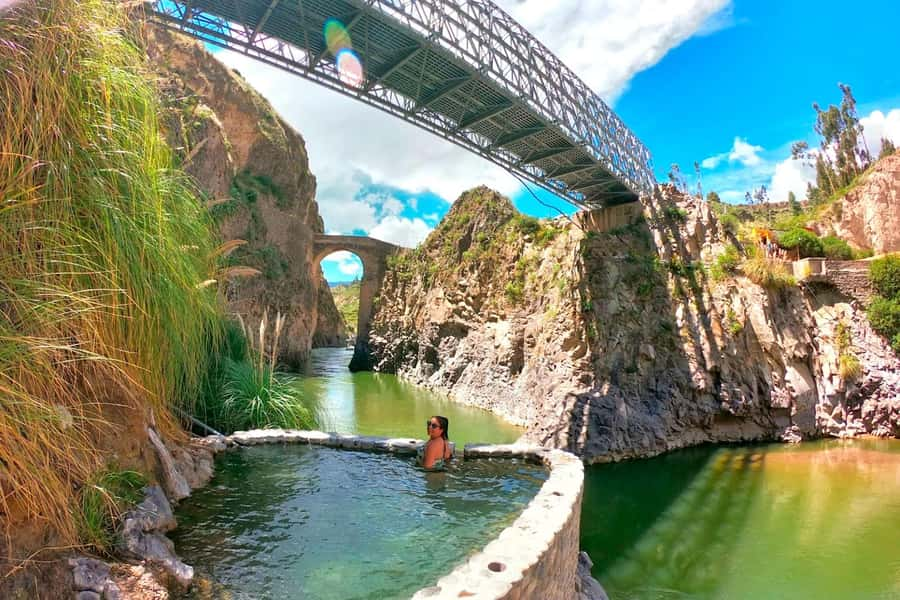
The tour then stops at thermal baths for about an hour. The hot spring entrance is optional and costs $5 or 15 soles. If your legs are sore, this is one extra expense that may feel worthwhile. Bring the practical items you need for changing and bathing, though the provided details do not specify what facilities are available.
The van continues to Chivay for lunch. This breaks up the return journey and gives you another chance to eat after the early climb.
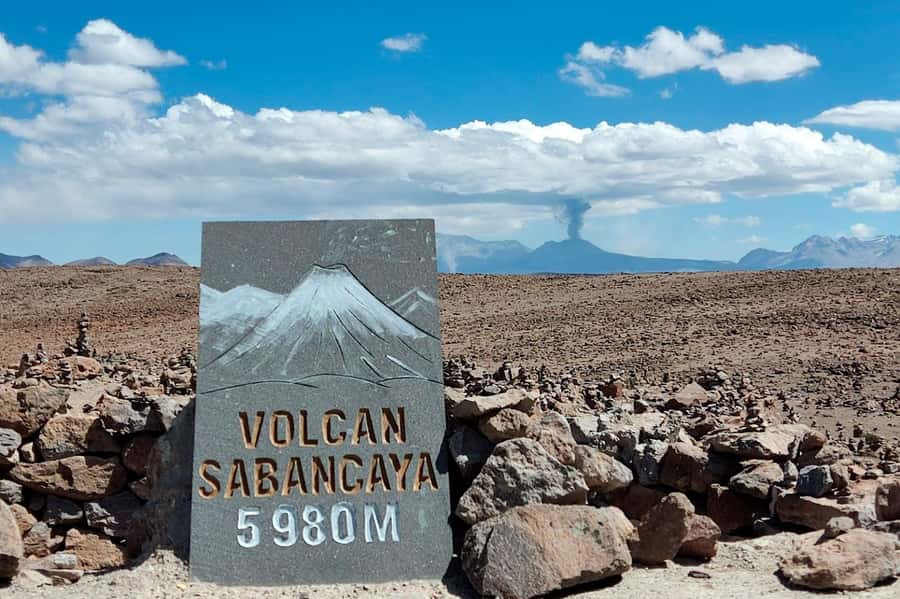
On the way back to Arequipa, the route stops at a volcano viewpoint around 4,190 meters. That high stop is a reminder that you are back in the thin air of the Andes, even after spending the night much lower in the canyon.
The schedule also includes a short stop at a traditional village before the final drive. The tour ends in central Arequipa around 5:30 p.m., at Av. La Marina.
What the $21 price really means
The advertised $21 price looks remarkably low for two days of transport, guiding, meals, lodging, and entry fees. It is not the total amount you should budget.
At the start, you must pay $90 or 320 soles in cash. That covers food, accommodation, and the entrance ticket. The hot spring ticket is separate at $5 or 15 soles if you choose to enter.
That brings the basic cost to about $111 before the optional hot spring, which is still a reasonable price for round-trip transport from Arequipa, an English or Spanish guide, two days of organized travel, meals, and one night in Sangalle. The value is strongest if you want the full route and do not want to arrange separate transport, lodging, and trail logistics.
The tradeoff is comfort. You are not paying for polished accommodation or a private trekking experience. You are paying for access to a demanding route with transport and a guide included.
Group size, guiding, and safety
Groups are limited to 18 people, described as small for this activity. That is better than a large bus group, but it is not an intimate private hike. Walking speeds can vary, particularly on the climb out.
Guiding quality can affect this trek. One guide named Fernando received criticism for not introducing himself early and for handling a bathroom request poorly, while other feedback describes guides as helpful and the organization as generally good. The practical lesson is to speak up early if you need a break, help, or a slower pace. Do not silently fall behind.
The path includes steep and uneven ground, and some sections may feel exposed. The trip is not suitable for people with mobility impairments, vertigo, back problems, or a low level of fitness. Acclimatization to altitude is recommended before attempting it.
The tour has a current rating of 4.5 out of 5 from 35 ratings, which fits the overall picture: strong scenery and a satisfying route, balanced by real physical demands and basic overnight conditions.
What to pack for the two days
Pack for changing conditions rather than assuming the canyon will be warm everywhere. You need comfortable trekking shoes, a hat, sunscreen, water, snacks, and a camera.
I would also add these practical items:
- A headlamp for the pre-dawn climb
- Toilet paper for the overnight stop
- A small overnight bag that keeps your load light
- Clothing suitable for both warm lower elevations and cold high viewpoints
- Cash in soles or dollars for the required payment and optional hot spring
Do not rely only on breakfast and lunch to fuel the hike. The hardest ascent comes before breakfast on day two, so snacks and water should be easy to reach.
Should you book this Colca Canyon trek?
Book it if you want to walk into the canyon, not just view it from the rim. You should be comfortable with six hours of hiking on day one, a steep three to four-hour climb before sunrise on day two, high-altitude conditions, and basic lodging.
Skip it if you are new to hiking, have vertigo or mobility problems, or want a relaxed Colca sightseeing tour. The condors, terraces, Sangalle pool, and hot springs are appealing, but the route demands real effort.
For fit hikers who accept the early starts and simple accommodation, this is a strong-value way to experience Colca Canyon. Just budget for the compulsory $90 payment, bring a headlamp and plenty of snacks, and treat the climb out as the main event rather than an afterthought.
FAQ
How long does the Colca Canyon trek last?
The activity lasts two days. Pickup is around 3 a.m. on day one, and the tour returns to central Arequipa around 5:30 p.m. on day two.
Where does the trek begin?
The walking route begins at the San Miguel viewpoint near Cabanaconde, at about 3,200 meters above sea level.
How far do you walk on the first day?
Day one covers about 15 kilometers and takes around seven hours of walking, including the descent to San Juan de Chuccho and the walk to Sangalle Oasis.
How difficult is the second day?
The second day includes a steep uphill walk of about three to four hours, beginning before sunrise and ending near Cabanaconde at about 3,300 meters.
Where do you sleep?
You spend the night at Sangalle Oasis. The accommodation is basic and may not have a bathroom, shower, or electrical outlets in the room.
Is food included?
Food, lodging, and the entrance ticket are covered by the required $90 or 320 soles cash payment made at the start of the tour.
Are the hot springs included?
No. Entry to the hot springs costs an optional $5 or 15 soles.
What languages does the guide speak?
The tour provides a live guide in English and Spanish.
Is the trek suitable for everyone?
No. It is not suitable for people with back problems, mobility impairments, vertigo, or a low level of fitness. Acclimatization to altitude is recommended.
Just added around Peru
- Classic Choquequirao Trek – 5 Days / 4 Nights★ 5.0 · 52 reviews
- Short Inca Trail 2 Day Hike to Machu Picchu with Permits & Train★ 5.0 · 51 reviews
- 2 Day Tour Throughout the Short Inca Trail to Machu Picchu★ 5.0 · 36 reviews
- Small Group: 4-Day Inca Trail Trek to Machu Picchu★ 5.0 · 33 reviews
- 5-Day: Salkantay Trek to Machupicchu and Humantay Lake★ 5.0 · 42 reviews
- 2 Day – Short Inca Trail to Machu Picchu – Group Service★ 5.0 · 30 reviews
- 5 Day – Salkantay trek to Machu Picchu – Group Service★ 4.5 · 27 reviews
- Salkantay Trek Standard 5D/4N★ 5.0 · 48 reviews
Peru Trekking Tours, compared.
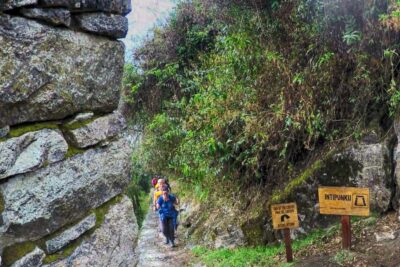
4-Day Inca Trail to Machu Picchu with Accommodation
Read our review →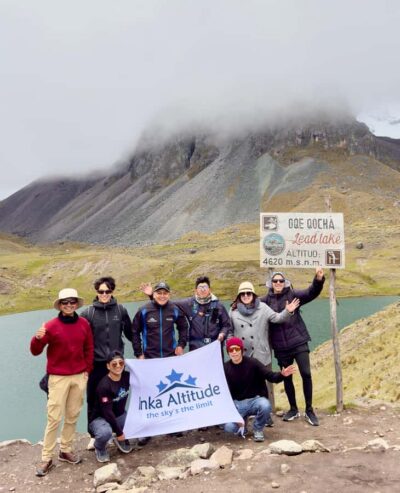
7 Lakes Ausangate Trek with Breakfast and Lunch
Read our review →
Machu Picchu 2-Day Inca Trail with Panoramic Train
Read our review →
Machu Picchu: Inca Trail 2-Day Overnight Guided Tour
Read our review →
Full-Day Rainbow Mountain & Red Valley Trekking Tour
Read our review →Browse the lists this trek appears in