
Review · INDONESIA
From Senaru: Mount Rinjani 2-Day Trek to Summit
Mount Rinjani saves its hardest work for the final few hours. This two-day summit trek takes you from Sembalun village to a crater-rim camp, then up loose volcanic gravel before sunrise to reach 3,672 meters. The reward is a wide view across Lombok, Bali, Mount Tambora, and Segara Anak Lake.
I like two practical things here: porters carry the camping gear, and the crew provides meals, drinking water, head lamps, poles, chairs, and a proper camp setup. I also like the small-group limit of 10, which makes it easier for a guide to match the pace of the group. The main caution is simple: this is a very hard hike, and cold wind at the summit can catch you unprepared.
Key points at a glance
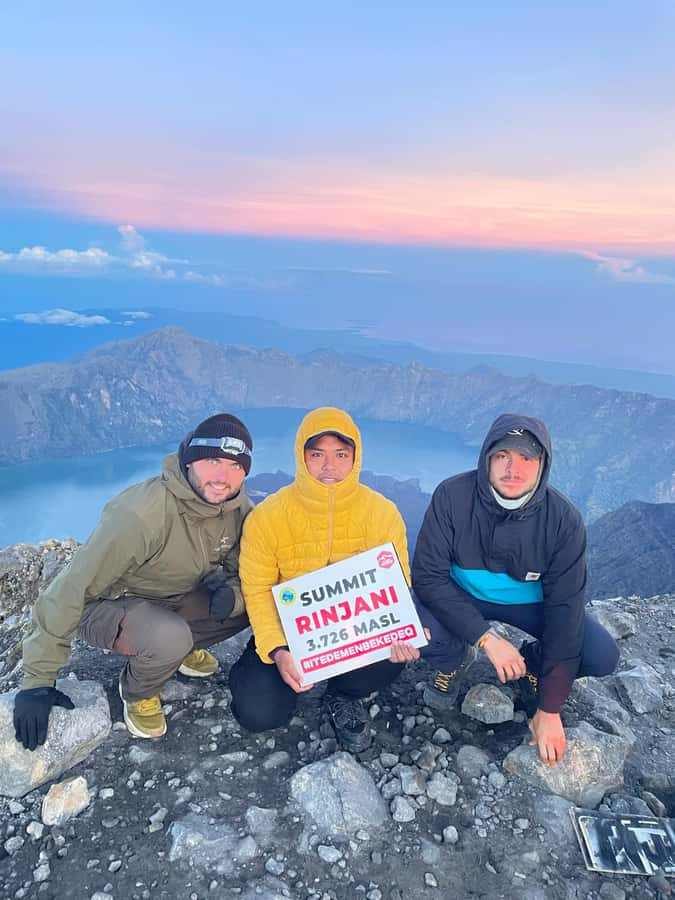
- A sunrise summit from Sembalun: Leave camp at about 3:00 am for the final climb to 3,672 meters.
- A crater-rim night at 2,639 meters: Sleep in a tent with views of Segara Anak Lake, Lombok, and the surrounding peaks.
- A demanding volcanic finish: The last hour is steep, loose, and slow, with two steps forward and one sliding back.
- Useful equipment included: Head lamps, trekking poles, sleeping bags, mattresses, pillows, chairs, and a toilet tent are supplied.
- Food is a real strength: Breakfast, lunch, dinner, hot drinks, and safe drinking water are included.
- Permit planning matters: Rinjani National Park allows only 240 permits per day, so register early through the eRinjani app or with local help.
What the two-day Rinjani route is really like
This trip is not a gentle introduction to hiking. You need a good level of fitness, the ability to walk long distances, and enough stamina for a steep summit push after only a few hours of sleep. The route is short in calendar time but big in effort.
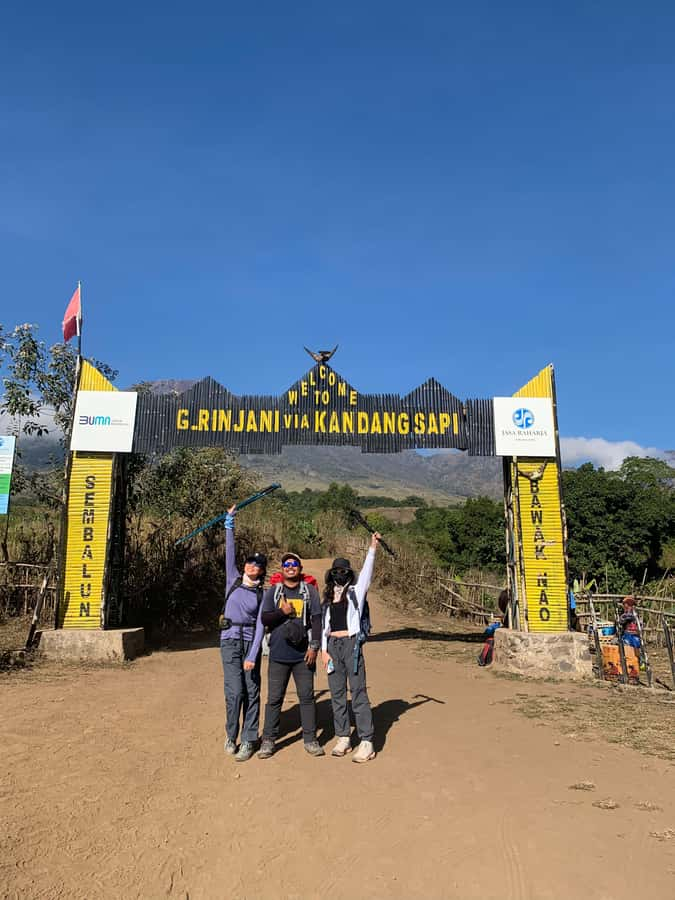
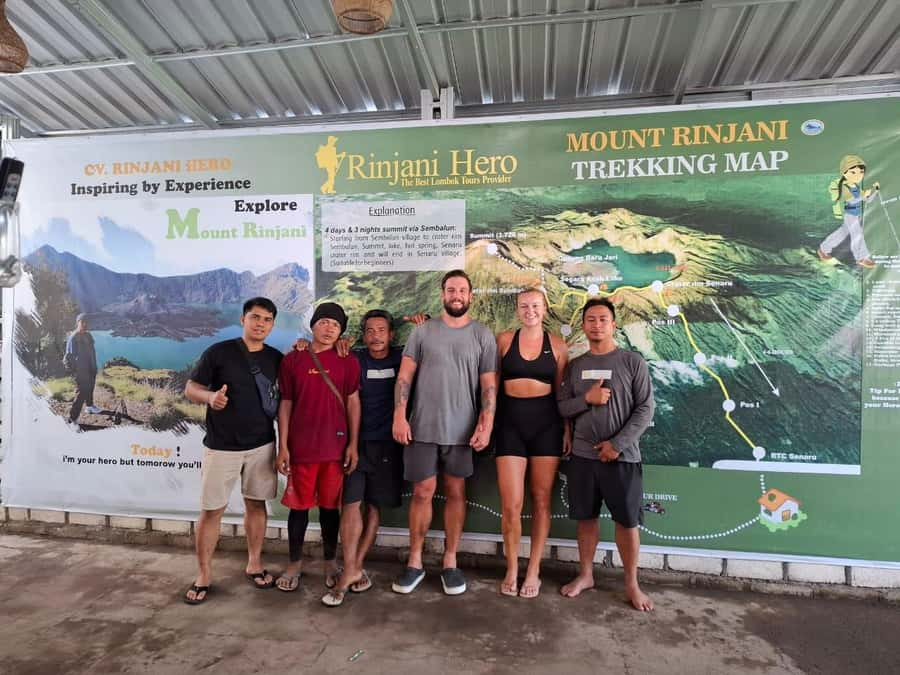
The tour begins from Senaru, with a transfer to Sembalun village in a mountain vehicle. The drive takes about 45 minutes to one hour, and the walking starts at the Rinjani Information Center at roughly 1,051 meters. From there, you climb steadily through several posts before reaching the crater rim.
The route is well structured, with regular breaks and meals. Still, the elevation gain is serious. Day one takes you from Sembalun to 2,639 meters, while day two adds the summit and then a long descent to the village. You should think of this as a compact endurance challenge, not a sightseeing walk.
More Mount Rinjani Treks in Indonesia:
- Mount Rinjani Trek 3D-2N To Summit – Lake – Hotspring
★ 4.7 · 111 reviews - Rinjani trekking 2D 1N RIM
★ 5.0 · 94 reviews - Mount Rinjani 2-Day Trek to Senaru Crater Rim
★ 4.8 · 89 reviews
Day one: Sembalun village to the crater rim
You are expected to reach Sembalun at about 8:00 am. The first section takes you from the Rinjani Information Center to Post 1, known as the Monitoring Post, at 1,300 meters. This takes about two hours.
The climb here is a useful test of your legs. You are gaining height from the start, but the route is still manageable if you set a steady pace. A short five to ten-minute rest at Post 1 gives you a chance to drink, adjust your pack, and make sure your footwear is comfortable.
From Post 1, you continue to Post 2, or Tengengean, at 1,500 meters. This takes about an hour, followed by another short rest. Then you hike for roughly an hour to Post 3, Pada Balong, at 1,800 meters.
Post 3 is the main midday stop. You get about two hours to rest while the guide and porters prepare lunch. Hot drinks can include tea, coffee, hot chocolate, or lemon tea. This pause matters because the hardest part of day one comes next.
After lunch, you climb toward Pelawangan Sembalun, the Sembalun Crater Rim, at 2,639 meters. Allow about three hours, including a long, steep section. The route becomes more tiring as the slope rises, and your pace will likely slow.
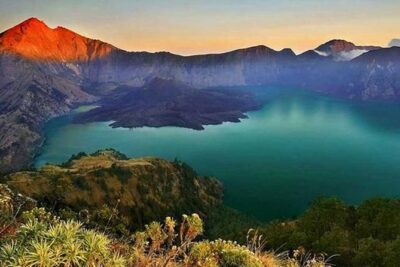
The crater rim is the night’s reward. From camp, you can look toward Segara Anak Lake, Sembalun village, and northern Lombok. Sunset is a major attraction, while sunrise the next morning gives you a preview of the summit views.
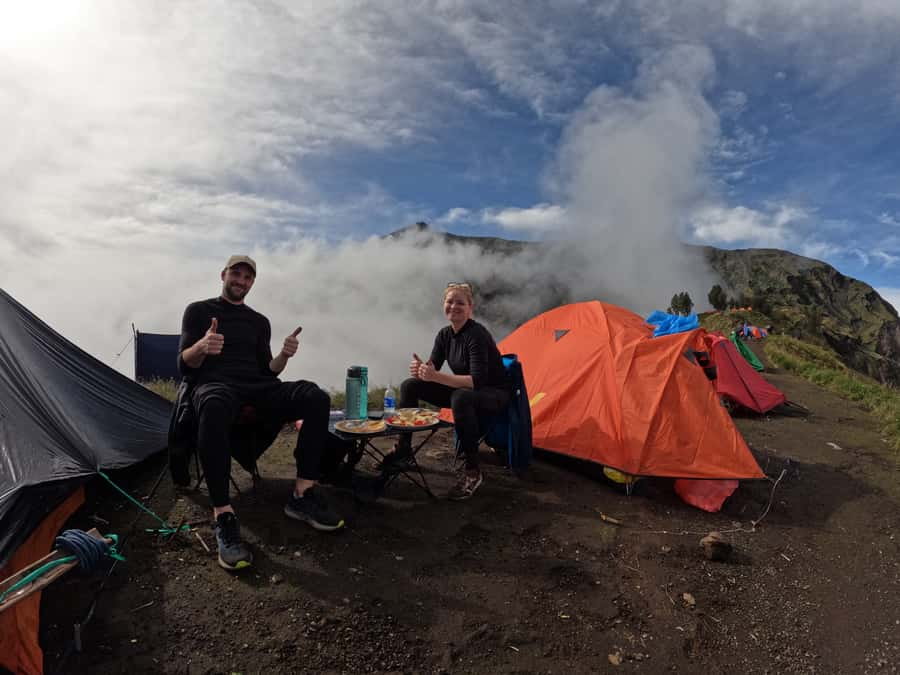
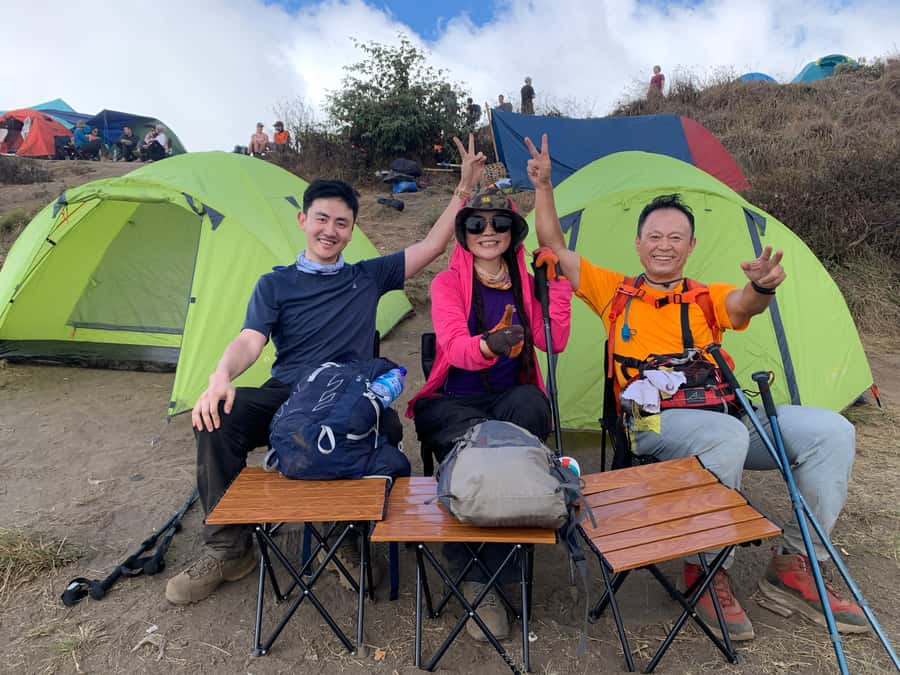
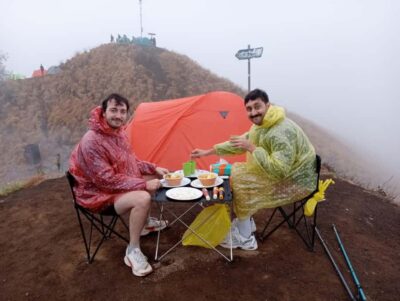
You sleep in a tent at the rim, under the stars when the weather allows. Camping gear includes a double-size tent, sleeping bags, pillows, mattresses, camp chairs, and a toilet tent. The sleeping setup is a welcome feature after the climb, though one practical point is worth noting: an included pillow may feel small if you prefer more support.
Why the crater-rim camp matters
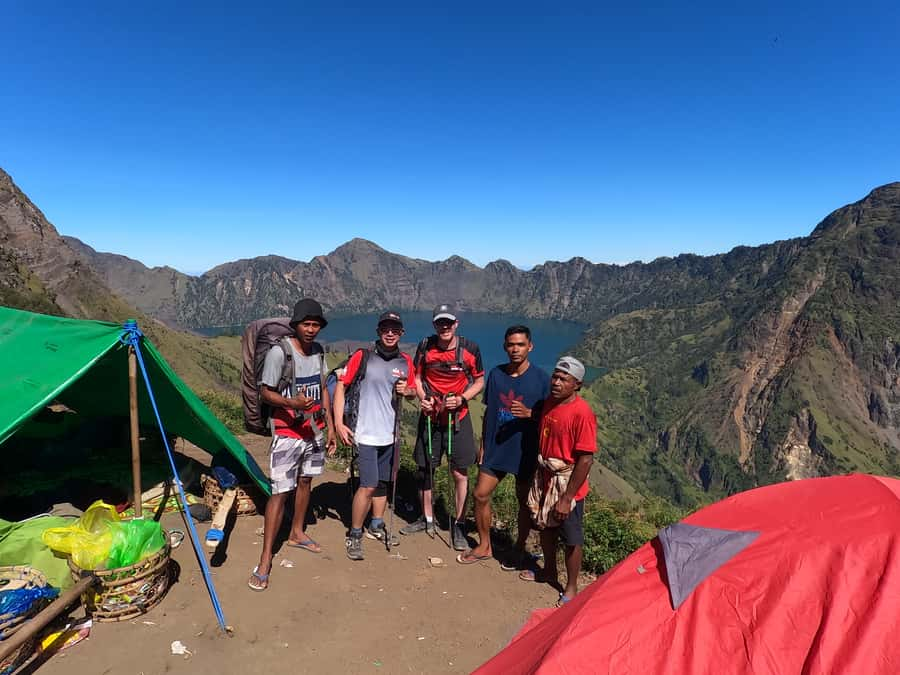
The camp is more than a place to spend the night. It breaks the summit trek into two manageable stages and puts you close enough to the peak for the early start.
You also avoid carrying a full load of camping equipment. Porters carry the tents and other camp supplies, while you keep a small day pack. The recommended limit for your personal pack is no more than five kilograms, with the option to add a porter for your own belongings when booking.
The camp facilities are basic but useful. A chair and dinner table are supplied, so you are not eating directly on the ground. That small comfort becomes important after a full day on your feet.
Temperatures can drop sharply at the crater rim, especially with wind. Pack a warm sleeping layer, a windproof jacket, gloves, and a hat. The supplied sleeping bag helps, but it does not replace proper clothing.
Day two: the 3:00 am summit push
Wake-up is planned for about 2:30 am, followed by a light breakfast. At around 3:00 am, you begin the climb toward the 3,672-meter summit.
The first two hours are described as a moderate climb. In the darkness, your head lamp becomes essential, and the trekking poles help with balance. The second section is easier in angle but long, so do not mistake the gentler slope for an easy finish.
The final hour is the rough part. It is very steep, with loose stones underfoot. You may take two steps forward and slide one step back. This section demands patience more than speed. A guide can help you manage your rhythm, but no equipment removes the physical challenge.
This is where warm clothing matters most. The wind can make the summit push bitterly cold, even after hours of climbing. Bring strong gloves, a large hat or balaclava, a heavy windproof jacket, and solid hiking shoes. Several people specifically wished the tour information had stressed this more clearly.
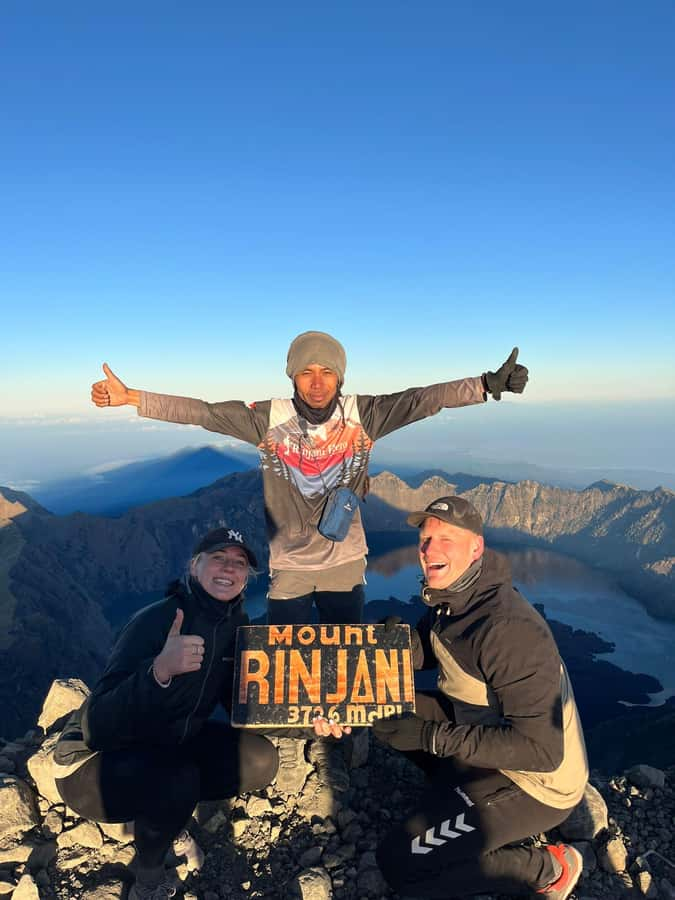
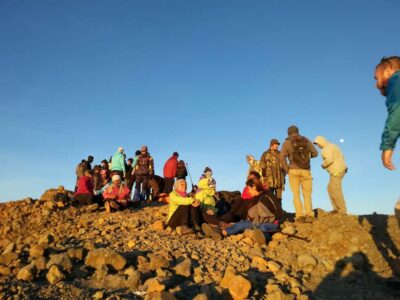
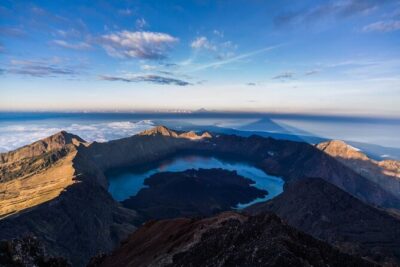
Once you reach the summit, you have time to take photographs and enjoy the sunrise. On a clear day, you can see across Lombok, toward Bali, Mount Tambora in Sumbawa, and down to Segara Anak Lake. Weather can affect visibility, so treat the views as a possibility rather than a promise.
After sunrise, you descend to the crater rim for breakfast and a rest. The return hike to Sembalun village takes about four to five hours. Lunch is served around Post 3 or Post 2, depending on the timing.
The descent is easier on your lungs but can be hard on your knees. Loose ground also requires care, particularly when fatigue sets in. Once you reach Sembalun at around 1,150 meters, a vehicle takes you back to Senaru.
A few more treks around Indonesia worth a look
- 2 Days and 1 Night Ethical Jungle Trek
★ 5.0 · 229 reviews - 2D1N Senaru Crater Rim Trekking
★ 5.0 · 178 reviews - 2 Days 1 Night Ethical Jungle Trekking
★ 5.0 · 153 reviews - ORANGUTAN TREK (2D/1N) by EcoTravel Bukit Lawang
★ 5.0 · 122 reviews
Food, water, and camp support
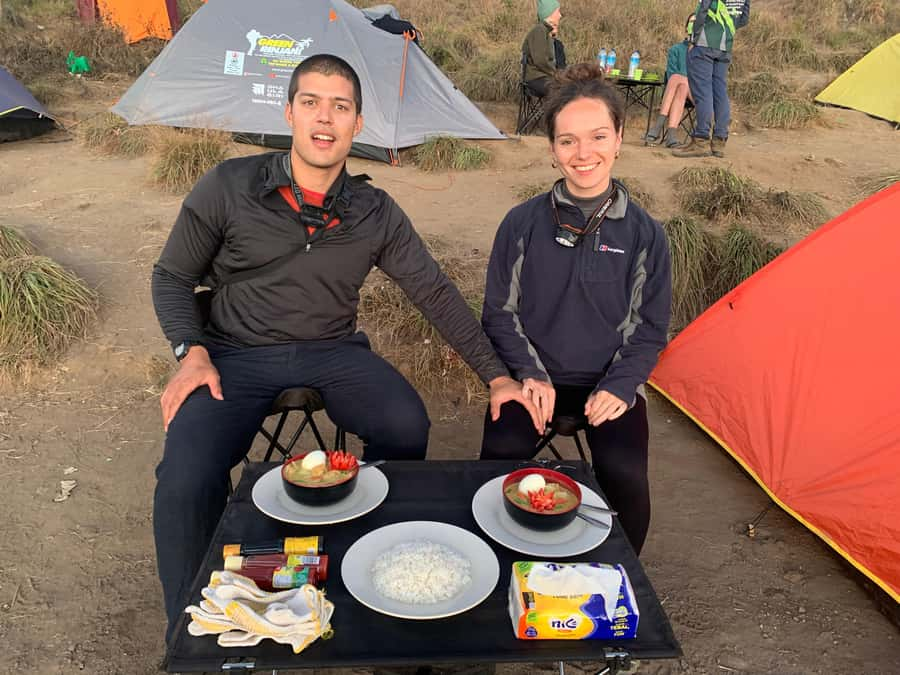
Food is one of the strongest parts of this trip. Breakfast, lunch, and dinner are included, along with hot drinks and safe drinking water. Portions are intended to be generous, which is useful because you burn a lot of energy on both days.
The guide and porters prepare the meals at camp and during the longer breaks. You should still bring small personal snacks if you have particular preferences, but the supplied food is meant to cover the main needs of the trek.
The equipment list is unusually helpful for a hard overnight hike. You receive:
- A trekking guide
- Porters for camping equipment
- A double-size tent
- Sleeping bags, pillows, and mattresses
- Camp chairs and a dinner table
- A toilet tent
- Head lamps
- Trekking poles and sticks
- A rain coat
- Safe drinking water
- Meals and hot drinks
- Insurance
You still need to bring a small backpack, personal medication, sunscreen, insect repellent, toiletries, a camera, a small towel, spare shirts, long trekking pants, shorts, sandals, swimwear, and a windproof jacket. Your larger luggage can be stored at the local operator’s office.
Guides, group size, and personal pace
The group is limited to 10 people, with English and Indonesian spoken by the guide team. That size is small enough for the guide to keep an eye on the group without making the trip feel private or expensive.
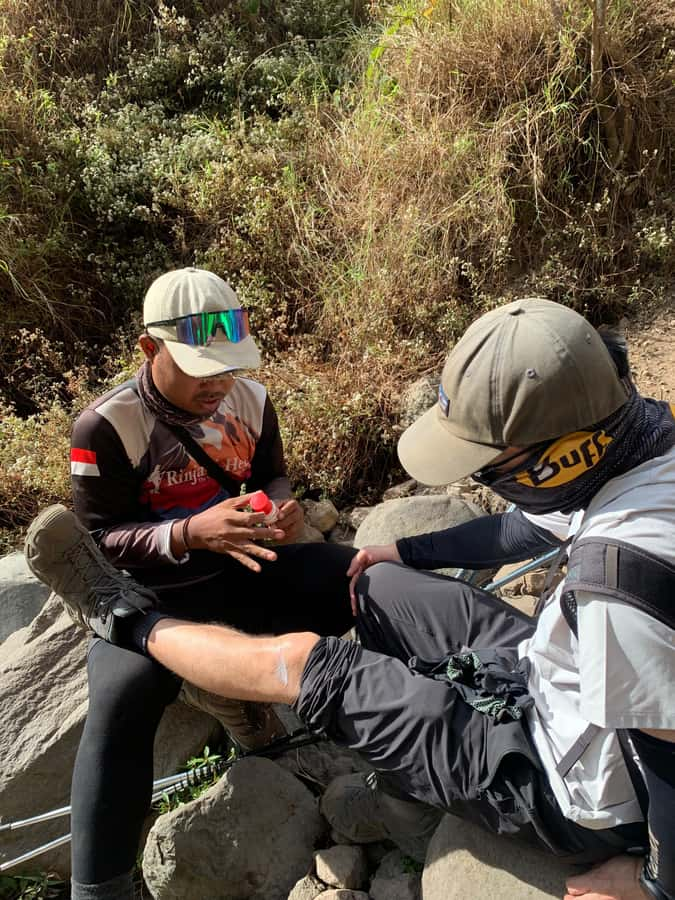
A guide named Joko has been praised for being patient, experienced, and willing to adapt to different walking speeds. Another guide, In, led a highly regarded trip with strong support from the porters. Names can change with scheduling, so you should confirm your guide before departure.
The support team is especially important on this route. The porters carry the bulky camp supplies, prepare food, and help create a functioning camp at altitude. You should remember that this is demanding physical work and pack respectfully, keeping your personal demands reasonable.
Transportation deserves a little care. Pickup can be arranged from places around Lombok to the meeting point in Senaru, which is useful if you are staying elsewhere on the island. One reported problem involved a fast driver and passengers riding unrestrained in the back of a pickup truck. If your vehicle feels unsafe, ask the driver to slow down and request proper seating where possible.
Permits are the first thing to arrange
Do not leave the national park permit until the last minute. Only 240 permits are available per day, and once they are gone, you cannot simply show up and hike. You will need to reschedule.
Registration can be completed through the eRinjani app. You need each participant’s passport number, full name, birthday, weight, height, and nationality. Payment is made directly to the Indonesian government account, with the stated fee at Rp250,000 per person per day.
The national park entrance fee is not included in the tour price. Since this is a two-day trek and the fee is charged per person per day, budget for the applicable two-day park charge, then confirm the current amount and payment instructions before you travel.
If the online registration feels difficult, a local guide can help arrange the permit. This is one place where booking support has real value, because a missed permit can disrupt your entire Lombok schedule.
Is $183 good value?
At $183 per person, the price covers a great deal: guide service, porters for camping gear, meals, drinking water, tents, sleeping equipment, camp furniture, head lamps, trekking poles, a rain coat, insurance, and transport back to Senaru.
You still pay the national park entrance fee separately, and you need to arrange or confirm your transport to the meeting point. You may also want to pay for an extra porter if you do not want to carry your own five-kilogram personal pack.
For a two-day climb with an overnight camp, this is a reasonable package if the logistics run smoothly. The value is strongest for people who want the summit experience without buying and carrying a full camping kit. It is less attractive if you already have your own equipment and prefer to hike independently, although the permit system still makes local support useful.
Free cancellation up to 24 hours before departure and reserve-now, pay-later booking terms also reduce financial risk. They do not remove the need to secure the national park permit early.
Who should book this climb?
You should consider this trip if you want a serious summit attempt, have regular hiking fitness, and are comfortable with a 2:30 am wake-up after camping at altitude. It suits people who value practical support, good meals, and a small group more than a relaxed schedule.
You should not book it if you have low fitness, no hiking experience, altitude sickness, a fear of heights, diabetes, heart problems, or a strong sensitivity to cold. The stated restrictions also exclude pregnant women, children under four, and people over 70.
The tour is not suitable for a casual holiday day out. The summit is steep, cold, loose underfoot, and physically demanding. Good shoes are essential, and gloves are not optional.
Should you book the Mount Rinjani summit trek?
Book it if reaching the summit is your priority and you want the hard parts organized for you. The crater-rim camp, generous meals, porters, head lamps, poles, and small group make a difficult route more manageable.
Before paying, confirm the permit, meeting point, pickup arrangements, guide assignment, and clothing advice. Pack for strong wind and cold, not just tropical Indonesia. If you accept the early start and steep volcanic climb, this tour offers a direct, well-supported way to experience Mount Rinjani at its most dramatic.
FAQ
How long does the Mount Rinjani summit trek take?
The trek lasts two days. Day one runs from Sembalun village to the Sembalun Crater Rim, and day two includes the summit attempt and descent to Sembalun before transport back to Senaru.
Where does the trek begin?
The walking begins at the Rinjani Information Center near Sembalun village, at about 1,051 meters. The tour starts with a transfer from Senaru to Sembalun.
What time does the summit climb begin?
You wake at about 2:30 am and begin walking toward the summit at around 3:00 am.
How high is Mount Rinjani’s summit?
The summit is 3,672 meters above sea level.
Is the national park entrance fee included?
No. The Rinjani National Park entrance fee is not included in the tour price. The stated permit fee is Rp250,000 per person per day.
How early should I arrange the permit?
Arrange it as early as possible. Only 240 permits are available per day, and the trek cannot proceed on a date when the permits are sold out.
What equipment does the tour provide?
The tour provides camping equipment, sleeping bags, pillows, mattresses, camp chairs, a toilet tent, head lamps, trekking poles, sticks, and a rain coat.
How much personal luggage can I carry?
Your personal items should fit in a small backpack of no more than five kilograms. You can add an extra porter for personal belongings when booking.
Is the trek suitable for beginners?
The information advises against joining if you have no experience or a low level of fitness. You need to walk long distances and handle a steep, loose final climb to the summit.
Just added around Indonesia
- Mount Batur Trekking & Hot Spring in Kintamani★ 5.0 · 23 reviews
- Rinjani Trekking 2D1N Senaru crater rim★ 5.0 · 6 reviews
- Ijen Blue Fire Trekking★ 5.0 · 44 reviews
- Sunrise Trekking At Sunan Ibu Kawah Putih★ 5.0 · 2 reviews
- Mount Agung Sunrise Trekking Private Tours★ 5.0 · 11 reviews
- volcano hike and jungle trekking adventure★ 5.0 · 36 reviews
- Sidemen rice terraces trek and local village walk★ 5.0 · 41 reviews
- Trekking Mount Rinjani 2D/1N To Second Summit★ 5.0 · 2 reviews
Mount Rinjani Treks, compared.
Mount Rinjani Trek 3D-2N To Summit – Lake – Hotspring
Read our review →
3D/2N Rinjani trekking summit,lake and hot springs.
Read our review →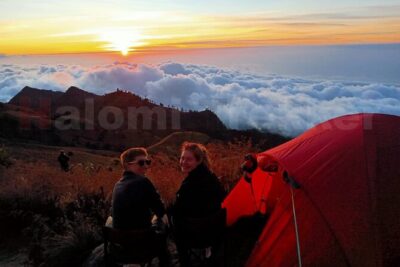
Mt Rinjani Trekking 2 Days 1 Night (Senaru Crater Rim)
Read our review →
Rinjani Trekking 3 Days 2 Nights (Sembalun – Senaru)
Read our review →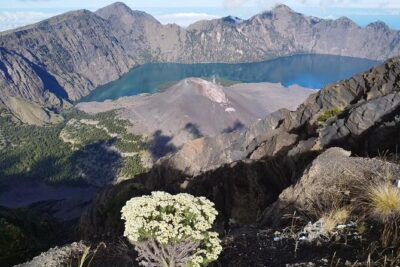
Rinjani Trekking Three Days Two Night Summit Lake
Read our review →Browse the lists this trek appears in