
Review · INDONESIA
Yogyakarta: Selogriyo Temple Tour & Java Rice Terrace Trek
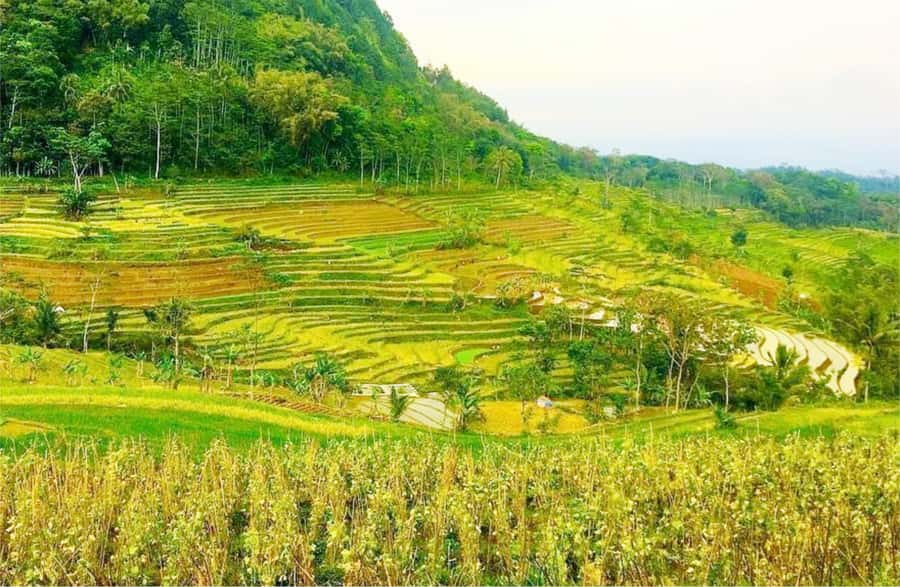
Selogriyo Temple is small, remote, and reached on foot through Java’s working rice terraces. That is the point. You trade the grand scale of Borobudur for quiet country paths, volcanic hills, and a closer look at how local farmers grow rice, beans, corn, ginger, coffee, and other crops.
I like the two-hour drive from Yogyakarta because it carries you well beyond the city, and I like the guides’ habit of turning a simple walk into a lesson about plants, farming, religion, and village life. The main caution is the walking: it is manageable for most active visitors, but the route includes hills, steps, and possibly mud.
Key points to know before booking
- Selogriyo Temple is small and peaceful, with far fewer people than Java’s major temple sites.
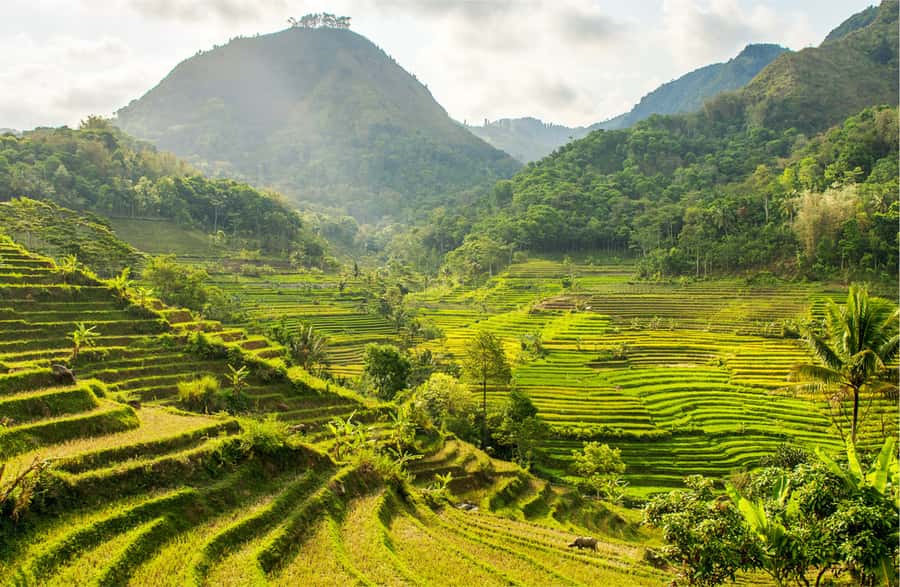
- The rice-terrace walk is the real star, with working fields, local crops, and broad views across the hills.
- Guides make a major difference, especially Yuni, Haidar, Atok, Arief, and Aulion, who are praised for their local knowledge and easy conversation.
- The drive takes about two hours from Yogyakarta and about one hour from the Borobudur area.
- The six-hour trip costs $55 per person, including transport, entrance, guide, parking, and donation fees.
- Bring cash and proper shoes. Muddy footwear is possible, and the trip involves a moderate amount of walking.
The long road from Yogyakarta to rural Java
The day begins with pickup at your accommodation in Yogyakarta, or in the Borobudur area if that is where you are staying. From central Yogyakarta, allow about two hours each way. From Borobudur, the drive is closer to one hour.
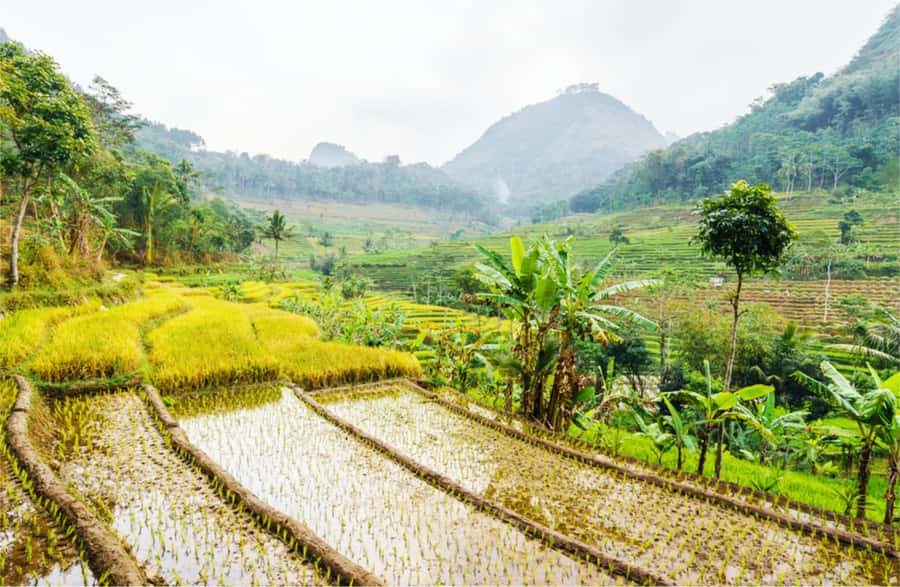
That travel time matters. This is not a quick temple stop squeezed between city attractions. You are going out into a quieter part of Central Java, where the road gradually gives way to villages, farmland, and wooded hills. A good guide can make the drive useful, and several guides on this tour are especially good at it.
Yuni is often praised for his stories about local life, childhood games, plants, and farming. Haidar is a strong choice if you want conversation about Indonesian culture, village customs, agriculture, and history. Atok is known for being cheerful, flexible, and a careful driver. Aulion has also been praised for his English and for adding food and local culture to the day.
The vehicle includes roundtrip transport, so you do not need to arrange a separate driver or negotiate a taxi into the countryside. That convenience is a large part of the $55 price. Parking, the entrance fee, a donation fee, and an English-speaking guide are included too.
The drive can be social if you want it to be. It can also be quiet. One guide adjusted the journey when a tired solo visitor wanted to sleep, which tells you something useful about the tone of the trip: it is generally personal rather than rigid.
More Rice Terrace Treks in Indonesia
- Selogriyo Temple and Trekking Java Rice Terraces, hidden waterfall -Nature Java
★ 5.0 · 179 reviews - Ubud: Rice Terrace, Holy Water Temple & Waterfalls Trek Tour
★ 4.9 · 115 reviews - Mount Batur Sunrise Trekking and Rice Terrace Adventure
★ 5.0 · 111 reviews
Walking through Selogriyo’s working rice terraces
The route to Selogriyo is more than a path to a temple. You walk through cultivated hills where farming is part of daily life, not a display arranged for visitors.
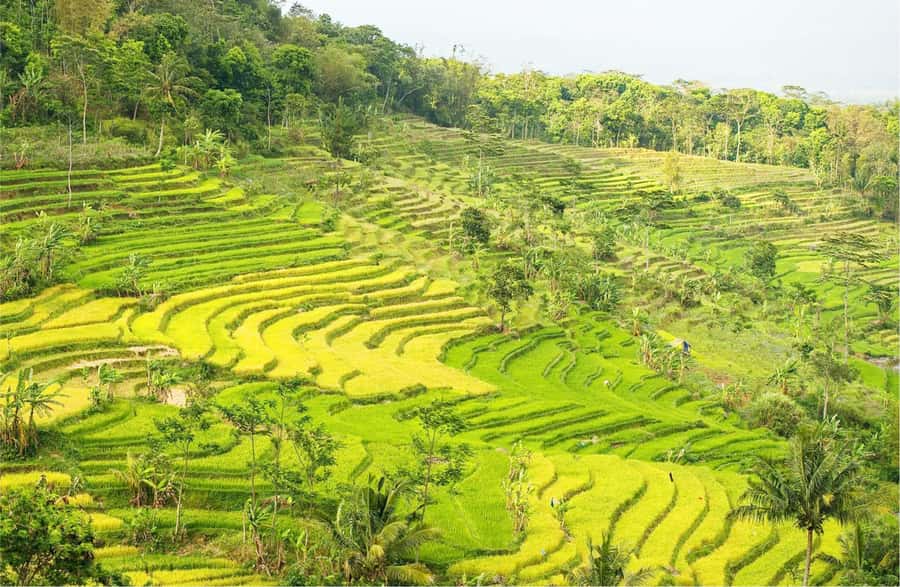
Depending on the route and your guide, you may see rice at different stages of growth, along with beans, corn, tobacco, papaya, ginger, coconut, coffee, and other plants. Guides such as Yuni and Haidar are especially good at pointing out crops and explaining how rice moves from seedling to harvest.
That information gives the walk a purpose. You are not simply looking at green terraces and taking pictures. You begin to understand how much work goes into the food on a Javanese table, how farmers use the land in different seasons, and how many useful plants grow around the rice fields.
The views are best appreciated slowly. Stop often. Look back down the terraces rather than only toward the temple. The changing height gives you views across the folds of the hills, and the route feels far removed from Yogyakarta’s traffic and busy streets.
The walk is described as moderate, and one guide called it easy. Both descriptions can be true. The route is not presented as a strenuous mountain hike, but you will be walking uphill and over uneven ground. Rain can make the path muddy. One useful practical detail: a visitor specifically advised being ready for muddy shoes.
Wear shoes with a solid grip, not smooth-soled city sneakers. Comfortable clothes, sunscreen, and water are sensible choices. Cash is also worth carrying for drinks, snacks, or any optional local stop.
If you want a little more adventure, ask your guide about the available path. Some guides offer a more direct route, while others may take you through the terraces. The exact route can vary, so communicate clearly about your fitness, the weather, and how much time you want for photographs.
Reaching the small Hindu temple
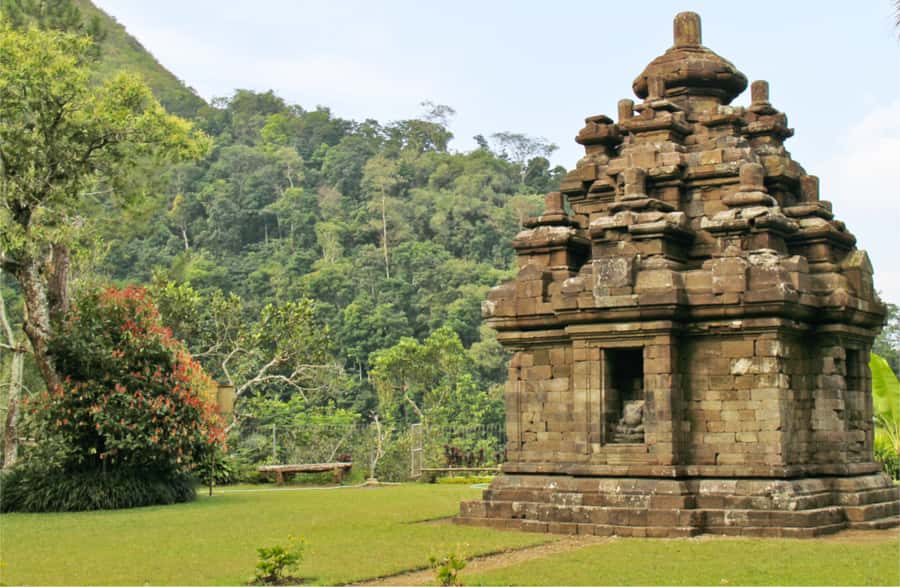
Selogriyo Temple, also called Candi Selogriyo, is modest compared with Borobudur or Prambanan. That is part of its appeal.
The temple sits in a quiet hilltop setting surrounded by plants and open countryside. Its structure and Hindu sculptures are worth a close look, but the setting does as much work as the monument itself. You reach it after walking through farmland, so the arrival feels earned rather than simply delivered by a vehicle.
Your guide can explain the temple’s design, religious details, and place in the area’s history. Guides have also explained the sculptures and the relationship between the shrine, the surrounding villages, and Java’s older Hindu traditions.
Do not book this trip expecting a vast complex with rows of monumental buildings. Selogriyo is small. If your main goal is to see grand architecture, Borobudur and Prambanan are stronger choices. If you want a quiet shrine in a striking rural setting, Selogriyo offers something those major sites cannot easily provide.
The peaceful atmosphere is a major advantage. The site can feel almost empty, which makes it easier to take photographs, look closely at the stonework, and listen to your guide without a crowd pressing behind you. That calm is also why this tour works well after a few busy days in Yogyakarta.
Local plants, farmers, and village stories
The best guides do not stop at a basic temple explanation. They connect what you see to everyday Java.
Yuni has been especially good at identifying plants and sharing stories from growing up in the area. Haidar has explained rice cultivation, local customs, and village life while walking. Atok has pointed out plants and animals, adjusted routes, and answered questions with a relaxed manner. Arief has also been praised for explaining the terraces and knowing local people.
That personal touch is important. You can ask about farming, food, family life, local politics, religion, or the meaning of a crop you do not recognize. Some guides even teach a few words of Bahasa Indonesia or Javanese.
The experience is strongest when you treat the guide as a bridge to the place, not just as someone who leads the way. Ask questions. Point to unfamiliar plants. Ask how rice cultivation changes through the year. You will get more from the walk than if you simply follow the path and wait for the temple.
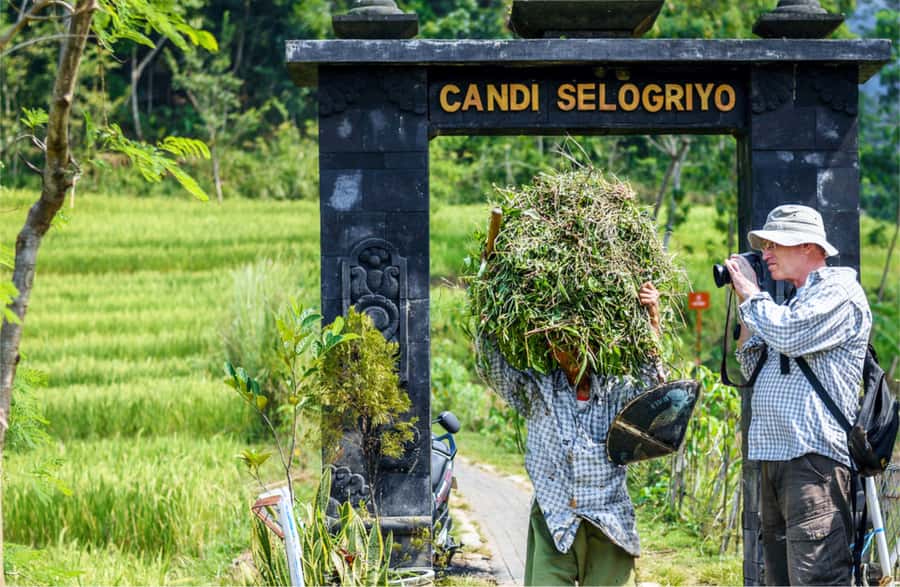
You may also meet local residents along the route. The contact is informal and friendly, but remember that the terraces are working farmland. Stay on the path your guide uses, avoid stepping on crops, and ask before photographing people closely.
Same trailhead, a different route:
- Bali: Mount Batur Sunrise Trek With Guide and Breakfast
★ 4.8 · 3,461 reviews - Mount Batur Sunrise Trekking Private All Inclusive
★ 5.0 · 906 reviews - Mount Batur Sunrise Trekking Private Tour with Breakfast and Hotel Transfer
★ 5.0 · 885 reviews - Private Mount Batur Sunrise Trekking Tour
★ 5.0 · 634 reviews
Coffee, tea, and possible local stops
Some tours finish the walk with a stop for coffee or tea in a small local setting. The exact stop is not listed as a guaranteed part of the experience, so treat it as a possible bonus rather than a promise.
Several guides have taken visitors to a nearby coffee place, where they tried local coffee, ginger tea, lemongrass tea, blue pea tea, or other drinks. Cassava snacks have also appeared on the day. One visitor was shown how to pour coffee, while another stopped at a local place for refreshments after the hike.
These stops are valuable because they slow the day down. You can sit, talk with the guide, and enjoy the setting instead of rushing straight back to the vehicle. They may also give you a chance to try local flavors that you would not find on a standard city sightseeing route.
Coffee and tea may cost extra, which is another reason to bring cash. You should also tell your guide if you have a specific interest in coffee, local food, or a short refreshment break.
Some visitors have added a local lunch, a waterfall, a nearby rice field, or a coffee tasting when time allowed. These additions are not part of the fixed six-hour description, so ask before counting on them. The same applies to combining the tour with Borobudur, Prambanan, or a Merapi jeep trip. Those can be separate arrangements, not automatic parts of this experience.
How much walking and effort should you expect?
The tour description calls for a moderate amount of walking. In practical terms, you should be comfortable walking uphill over uneven rural ground for part of the day.
The trek has several features that affect comfort:
- Hillside paths and steps
- Uneven surfaces
- Possible mud in wet weather
- Sun exposure in open fields
- Stops for photographs and explanations
- A pace that can usually be adjusted with your guide
One solo visitor described the climb as quite a hike, while another found the walk easy. Your experience will depend on the route, weather, fitness, and how often you stop. The guides are generally willing to slow down, explain the choices, and adapt the walk.
This is not a good pick if you want to stay beside the vehicle or avoid all slopes. It is a good fit if you enjoy a gentle countryside trek and do not mind getting dusty or muddy.
Comfortable shoes are the most important item. Add sunscreen, light clothing, and cash. The supplied information does not list a meal, so plan around your own breakfast and ask your provider about food if you need a full meal during the six-hour outing.
Small group value at $55 per person
At $55 per person, this is not the cheapest way to see rural Java. You are paying for time, transport, a guide, and the difficulty of reaching a remote site. The two-hour drive from Yogyakarta also means that much of the day is spent getting to and from the countryside.
Still, the price is fair if you value convenience and local interpretation. A private car, driver, entrance costs, parking, and an English-speaking guide would quickly add up if arranged separately. You also avoid the work of finding the temple, sorting out the walking route, and figuring out how to return to the city.
The advertised group size is limited to 15 people, but the outing may operate with fewer participants. Some departures have ended up private, especially in quieter periods. That can make the day more flexible, though you should not assume you will have a private tour unless the booking confirms it.
The transport receives a 97 percent perfect score, and that fits the practical appeal of the trip. Pickup and drop-off remove a major source of stress. You can enjoy the countryside without worrying about navigation or finding a ride back from a remote hill.
The provider also allows cancellation up to 24 hours before departure for a full refund, and you can reserve now and pay later. Those policies help if your Java schedule is still shifting.
Who should choose this experience?
I would recommend this tour to you if you want:
- A quiet alternative to Java’s major temple sites
- A look at everyday farming rather than only monuments
- A moderate rural walk with scenic views
- A small-group setting and hotel pickup
- A guide who can discuss plants, culture, and local life
- A calm day away from Yogyakarta’s traffic
It suits solo visitors particularly well because the guides are used to adjusting the pace and keeping conversation flowing. It also works for couples and families with older children who can manage the walking.
I would think twice if you have limited mobility, dislike uneven paths, or want a full day centered on grand architecture. The temple is small, and the long drive may not feel worthwhile if you are interested only in the shrine itself.
The most highly praised part of the experience is not a single monument. It is the combination of guide, countryside, and pace. Yuni, Haidar, Atok, Arief, Aulion, and other guides have been singled out for being friendly, careful, flexible, and good at explaining local plants and culture. Ask for a preferred guide if the operator allows it, but understand that availability can change.
Should you book the Selogriyo Temple tour?
Book it if you want to slow down and see a quieter side of Java. The temple is small, but the walk through the rice terraces, the hill views, the farming knowledge, and the chance to talk with a local guide give the day real substance.
For the best experience, start with comfortable shoes, keep your schedule flexible, and tell your guide whether you want an easy route or more time among the fields. If you are choosing between another crowded attraction and this peaceful countryside outing, Selogriyo is the better pick for local contact and breathing room.
Skip it if your time is very short, if two hours of driving each way feels excessive, or if you want a grand temple complex. For everyone else, this is a worthwhile $55 day trip that combines transport, culture, light exercise, and a part of Java that is easy to miss.
FAQ
How long does the Selogriyo Temple tour last?
The experience lasts about six hours, including pickup, transport, the rice-terrace walk, time at the temple, and the return journey.
How far is Selogriyo Temple from Yogyakarta?
The journey takes about two hours from Yogyakarta city. From the Borobudur area, the drive takes about one hour.
Is hotel pickup included?
Yes. Pickup and drop-off at your accommodation are included. Pickup is available in Yogyakarta, with arrangements also described for the Borobudur area.
What does the $55 price include?
The price includes hotel transport, the entrance fee, an English-speaking guide, parking, and a donation fee.
How large is the group?
The tour is described as a small-group experience with a maximum of 15 participants. Some departures may operate with fewer people or become private, but that is not guaranteed.
How difficult is the rice-terrace walk?
The walk involves a moderate amount of walking on hillside paths and may include uneven or muddy ground. Visitors describe it as manageable, but you should be comfortable walking uphill.
What should I bring?
Bring comfortable shoes, sunscreen, comfortable clothes, and cash. Muddy shoes are possible, especially in wet conditions.
Can I cancel the booking?
Yes. You can cancel up to 24 hours in advance for a full refund. The experience also offers a reserve-now-and-pay-later option.
Just added around Indonesia
- Mount Batur Trekking & Hot Spring in Kintamani★ 5.0 · 23 reviews
- Rinjani Trekking 2D1N Senaru crater rim★ 5.0 · 6 reviews
- Ijen Blue Fire Trekking★ 5.0 · 44 reviews
- Sunrise Trekking At Sunan Ibu Kawah Putih★ 5.0 · 2 reviews
- Mount Agung Sunrise Trekking Private Tours★ 5.0 · 11 reviews
- volcano hike and jungle trekking adventure★ 5.0 · 36 reviews
- Sidemen rice terraces trek and local village walk★ 5.0 · 41 reviews
- Trekking Mount Rinjani 2D/1N To Second Summit★ 5.0 · 2 reviews
Rice Terrace Treks, compared.
Muong Hoa Valley Trek and Local Ethnic Villages
Read our review →
Explore Sapa by TrekkingAdventures, Mountain,Rice fields
Read our review →
Selogriyo Temple and Trekking Java Rice Terraces, hidden waterfall -Nature Java
Read our review →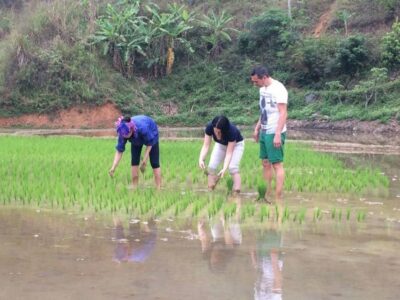
6-Hours Muong Hoa Valley Trek with Local Ethnic guide
Read our review →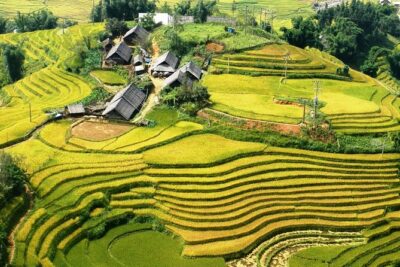
Sapa Muong Hoa Valley & Ta Van Eco Village Scenic Tour (No Trek)
Read our review →
Daily Tour: Sapa Trekking in Muong Hoa valley, Bamboo forest
Read our review →
Rice Terrace, Holy Water Temple & Waterfalls Trek Tour
Read our review →
Mount Batur Sunrise Trekking and Rice Terrace Adventure
Read our review →Browse the lists this trek appears in