
Review · VIETNAM
SAPA 2 Day trekking & 1 night Homestay with LOCAL PEOPLE
The heart of this trip is not a single viewpoint. It is the change in scenery and community from one day to the next: mountain views and Sapa town on day one, then rice fields, a bamboo forest, and a small waterfall on day two. You spend the night in Hau Thao with a local family, rather than returning to town.
I like the local scale of the experience and the chance to see daily work in Black Hmong villages. I also like that Do has about 10 years of guiding experience and speaks English, so you can ask about local customs as you walk. The main drawback is the trail itself: 21 kilometers over two days, with steep uphill and downhill sections that can become slippery in rain.
Key points at a glance
- A two-day route with two different moods: Day one brings Fansipan views, Sapa town, and mountain trails; day two focuses on rice fields, bamboo, and village paths.
- A night in Hau Thao: You stay with a local family, enjoy dinner and breakfast, and have time for a hot shower.
- Black Hmong and Red Dao communities: The route passes through Hang Da, Hau Thao, Giang Ta Chai, Ta Van, and Lao Chai.
- A useful local guide: Do speaks English and has around 10 years of experience guiding in the Sapa area.
- Good value at $56 per person: Meals, village tickets, the guide, homestay, and return transport are included.
- A real physical commitment: Expect six to seven hours of walking on day one and three to four hours on day two.
Why this Sapa trek feels different from a town-based outing
Sapa is easy to visit quickly. You can see the church, browse shops, and ride toward the high mountains. This route asks for more effort, but it gives you a closer look at the villages and countryside around town.
The experience begins in Sapa, either at your hotel or in front of the main church. After about one kilometer through town, you start uphill on a small trail. The first climb is not a gentle stroll, so you will want proper hiking shoes and a reasonable level of fitness.
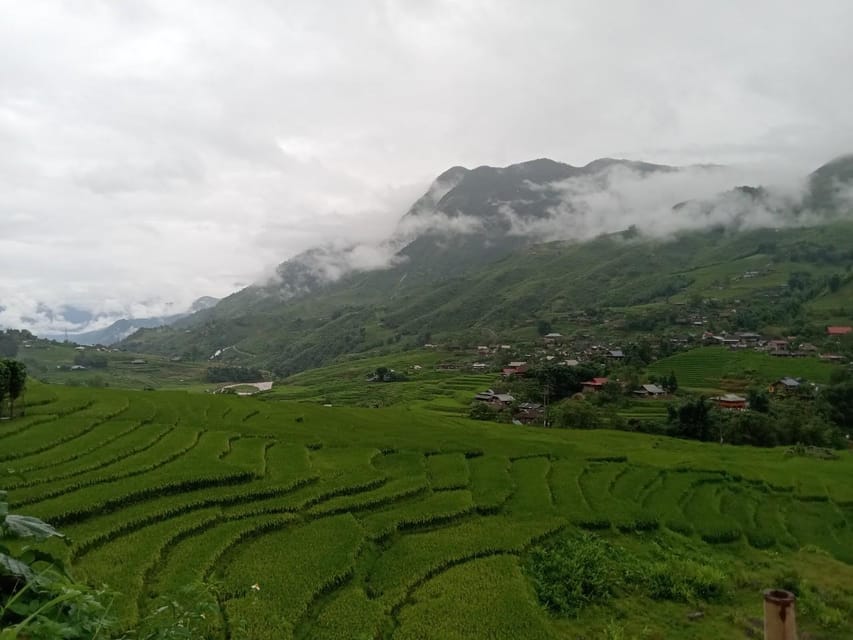
The reward comes early. From the mountain viewpoint, you can see Sapa town, Fansipan, and the rice terraces of Muong Hoa Valley. Fansipan reaches 3,143 meters, making it the highest mountain in Indochina. On a clear day, this is the grandest view of the two-day walk.
I particularly like the route design. You do not spend both days repeating the same kind of scenery. Day one gives you broad mountain views and village life. Day two moves through rice fields and forest paths, with a waterfall along the way.
More Homestay Treks in Vietnam:
- Hanoi – Sapa 2 Days 1 Night Overnight At Homestay
★ 5.0 · 899 reviews - From Hanoi: 2-Day Sapa Trekking Trip with Homestay & Meals
★ 4.8 · 704 reviews - Number one top rated ethical cultural trekking and homestay by ETHOS
★ 5.0 · 456 reviews
Day one: Fansipan views, Hang Da, and Hau Thao
The first day covers about 14 kilometers and takes roughly five to six hours of trekking. The distance is manageable for an active walker, but the terrain makes it more demanding than the numbers suggest.
You begin with a climb toward Dragon Mountain. This section leads to wide views over Sapa and the surrounding peaks. Muong Hoa Valley opens below, with its well-known rice terraces. The view is one of the best reasons to choose this trip, but weather matters. Clouds and mist are common in the mountains, and they can soften or hide the distant peaks.
After taking in the views, you follow a mountainside route down toward Hang Da, a Black Hmong village. The path is described as natural and small, rather than a paved road built for sightseeing. That makes the walk feel more connected to the countryside, though it also means uneven ground and less predictable footing.
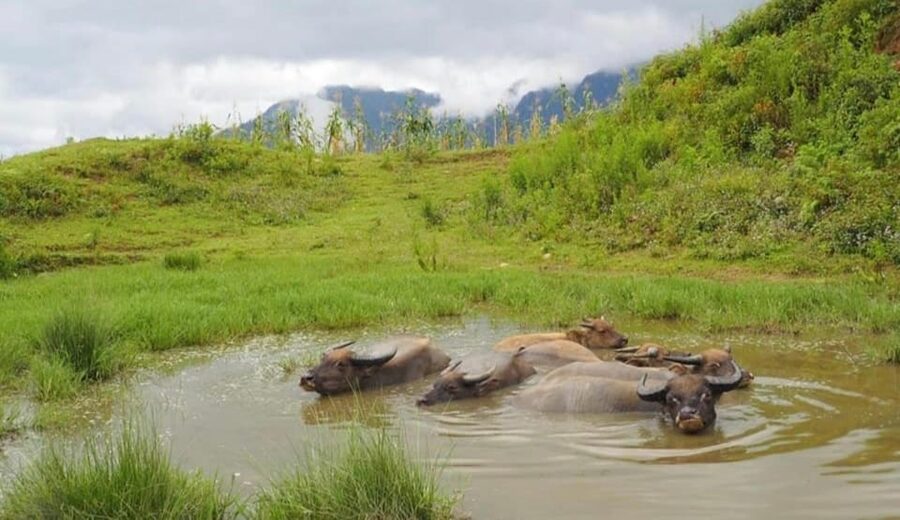
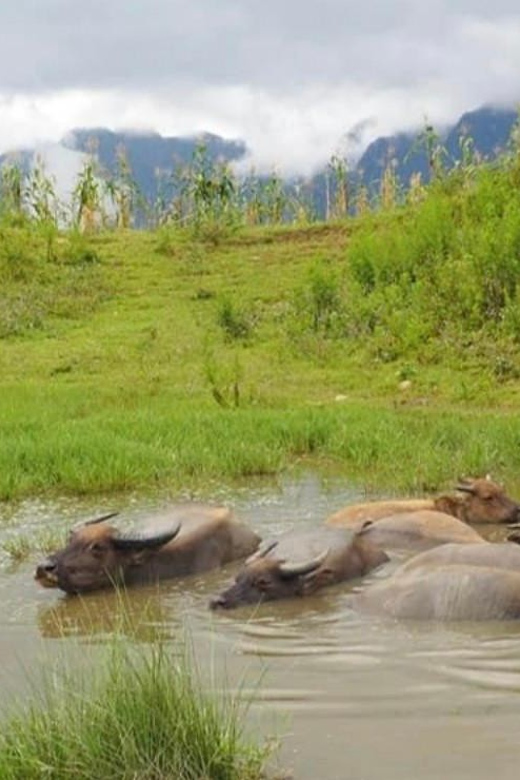
Along the way, you might see buffalo, cows, and pigs. These details matter because they show the village as a working place, not simply a photo stop. If your timing is right, you may also see local people planting or harvesting rice.
Lunch comes at a small restaurant run by a local family. The tour includes lunch on both trekking days, but the exact dishes are not specified. I would expect a simple local meal rather than a large restaurant spread, and it is sensible to carry a little extra water or a snack.
After lunch, the route continues toward Hau Thao, another Black Hmong village. This is where the overnight stay begins. The slower pace of a village evening is a key part of the experience. You have time to rest, take a hot shower, and wait for dinner instead of rushing back to Sapa.
Dinner is served with the family, and rice wine, often called happy water, may be part of the welcome. You can join in if you wish, but you do not need to treat it as a test of stamina. A small amount is enough, especially after a full day of walking.
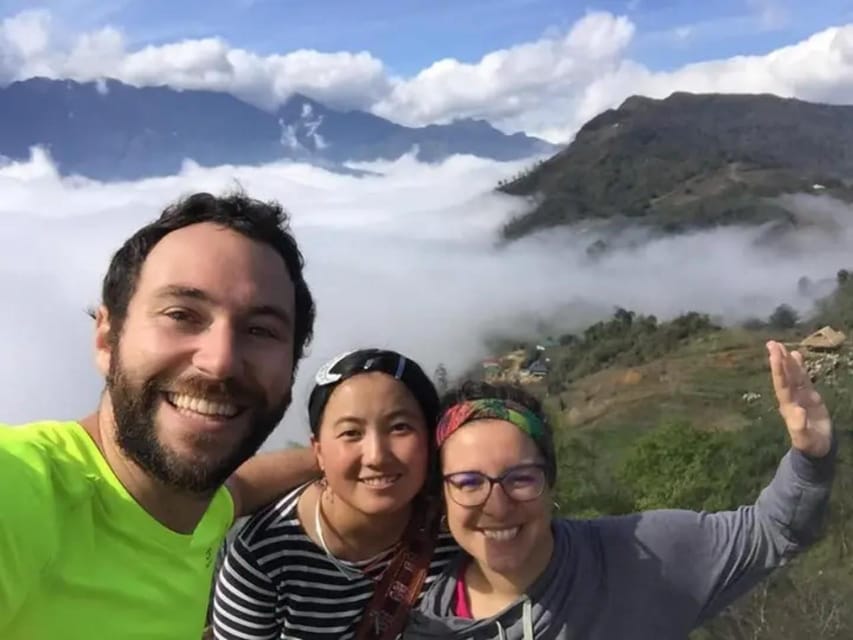
The strongest part of the overnight stay is the chance to meet the family beyond the trail. One account of this experience describes Do, her husband, and children welcoming the group as friends, with a birthday celebration taking place during the visit. That sort of moment cannot be scheduled, but it shows the personal side of a family homestay.
The Hau Thao homestay: simple, social, and part of the trip
The homestay is not just a place to sleep between walks. It changes how you experience the tour. You eat dinner with a family, have breakfast in the morning, and get a glimpse of life in Hau Thao after the day’s visitors have gone.
The accommodation is described as comfortable, clean, and pleasant in the available feedback. Exact sleeping arrangements are not provided, so you should ask Do about the setup if that is important to you. The supplied details do confirm a hot shower, family dinner, and breakfast on the second day.
I like this part of the trip because it adds warmth to a route that could otherwise become a sequence of viewpoints. You are not simply passing through Black Hmong villages with a camera. You are spending the night in one.
Still, a homestay requires flexibility. It will not offer the same privacy or hotel-style routine as a Sapa property. If you need a private room, a fixed bedtime, or familiar facilities, confirm the details before booking.
Day two: Giang Ta Chai waterfall and the bamboo forest
Breakfast is scheduled for 8:30 in the morning. Day two covers about seven kilometers and takes roughly three to four hours, so it is shorter than day one.
You leave Hau Thao for Giang Ta Chai, a village associated with the Red Dao people. This gives the second day a different cultural focus from the Black Hmong villages visited earlier. The walk then reaches a small waterfall and continues into a bamboo forest.
The waterfall is not presented as a huge natural attraction, and that is useful to know. Its value comes from its place in the route, not from being a major destination on its own. It adds water, shade, and a change in scenery during the walk.
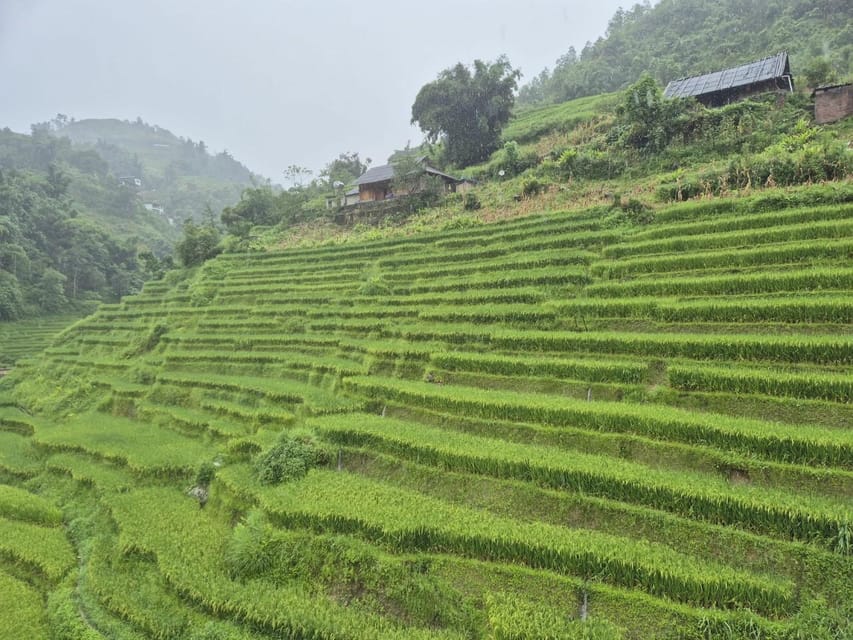
The bamboo forest and natural path are likely to be among the quieter parts of the trip. The route then continues toward Ta Van, with rice fields along the way. Rice terraces are the visual thread running through much of the Sapa region, but the appearance changes with the agricultural season. You might see green fields, harvested terraces, or people working, depending on when you visit.
Ta Van is followed by Lao Chai, where you stop for lunch. After lunch, a car or motorbike collects you and takes you back to Sapa. The tour ends at the starting point, or at least back in Sapa near the meeting location.
This return transport is a practical advantage. You do not have to retrace the seven-kilometer route on foot, and you finish the trek without adding another long walk at the end of the day.
A few more treks around Vietnam worth a look
- Sapa 3 Days 2 Nights Trekking Tour (1 Night In Ta Van Village, 1 Night In Hotel)
★ 5.0 · 699 reviews - Hanoi – Sapa 3 Day 2 Night Trekking With Hotel & Homestay
★ 5.0 · 389 reviews - Hanoi – Sapa 2 Days 1 Night Overnight At Local Homestay
★ 5.0 · 233 reviews - 2-Day Trekking Adventure of Sapa from Hanoi with Night Bus
★ 5.0 · 134 reviews
The cultural side: Black Hmong and Red Dao villages
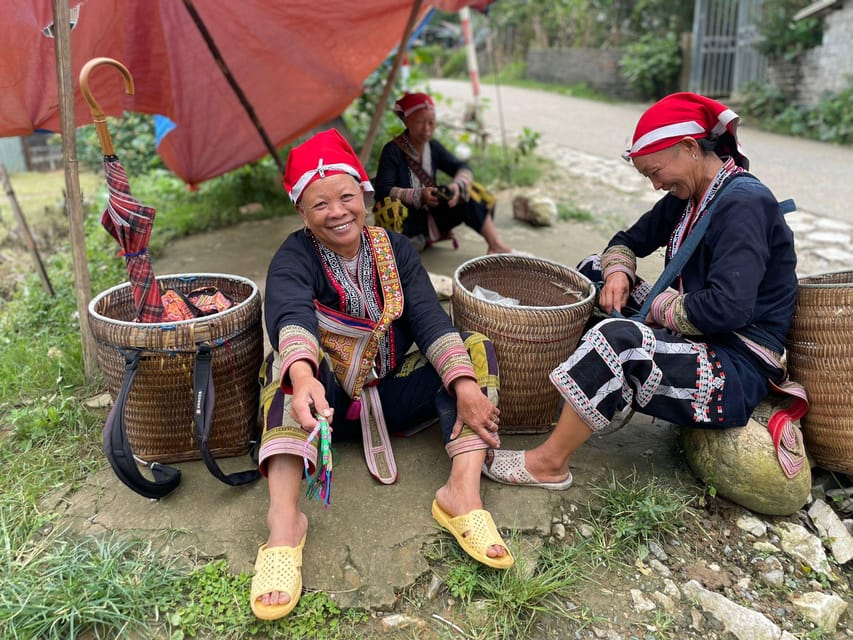
The route passes through several communities, including Hang Da and Hau Thao, where Black Hmong people live, and Giang Ta Chai, associated with the Red Dao. The villages are not treated as isolated museum displays. They are part of a living rural area where people farm, raise animals, and move between homes and fields.
That distinction matters. You will see ordinary activity rather than a performance designed for a tour group. If planting or harvesting is taking place, you may see people working in the fields. Do can help explain what you are seeing and answer questions in English.
The group is limited to 15 people. That is still large enough to feel like a group walk, but it is smaller than a mass coach excursion. A smaller group also makes conversation with the guide and host family easier.
The experience has received a top rating from three published reviews. The praise focuses on the authenticity of the village time, the family welcome, the food, and the guidance from Do and her sister Dinh. One account describes the family gathering as a privilege and calls the food delicious. Another highlights the chance to attend a birthday party with Do’s family.
Those details are worth emphasizing because they point to the tour’s real strength. The most memorable part may not be the biggest view. It may be dinner, a conversation, or a family event that happens naturally during your stay.
How hard is the route?
You should be healthy enough for uphill and downhill walking on small mountain trails. The first day is the demanding one, with about 14 kilometers and five to six hours on foot. Day two is shorter, but it still includes natural paths and uneven ground.
Rain changes the experience. Wet trails can become slippery, especially on descents. The tour information specifically warns about this, so bring hiking shoes with a firm grip rather than casual trainers.
Pack light, but bring enough for an overnight stay. Useful items include:
- Comfortable hiking shoes with good grip
- A change of clothes
- Sun protection and a hat
- Sunscreen
- Water beyond the included one bottle per person per day
- Motion sickness prevention if you are prone to discomfort on the return vehicle
The route is not suitable for people over 95, according to the activity information. That age limit does not replace a personal fitness decision. If steep paths, wet ground, or five hours of walking would be difficult for you, choose a shorter outing.
What the $56 price includes
At $56 per person, the package offers solid value for a two-day trip. The price includes the English-speaking local guide, one bottle of water per person per day, lunch on both trekking days, the family dinner, breakfast, village tickets, the overnight homestay, and transport back to Sapa.
That combination saves you from arranging separate meals and return transport. It also places the main cost in the hands of a local guide and family rather than a large outside operator.
You should budget for extra drinks during the walk. Bottled water and beer are not included. The tour also excludes personal travel insurance, so you need to arrange that yourself.
The price is especially fair if you value the overnight stay and cultural contact. If your main goal is only to see rice terraces, a shorter day walk may be enough. You are paying here for the second day, the family meal, the homestay, and a route that links several villages.
Practical booking details for Sapa
Do meets you at your hotel in Sapa or in front of Sapa’s main church. The tour starts and ends in Sapa, with the exact starting time confirmed through availability.
The group can include up to 15 people. Do is the live English-speaking guide, and the experience is operated by Do Sung Sapa Trekking and Homestay.
Cancellation is free up to 24 hours before the activity for a full refund. You can also reserve and pay later, which helps if your Sapa plans depend on weather or transport.
The route is weather-sensitive. If rain is forecast, ask about current trail conditions before setting out. The experience still may run, but slippery paths can make the walk slower and harder.
Who should choose this experience?
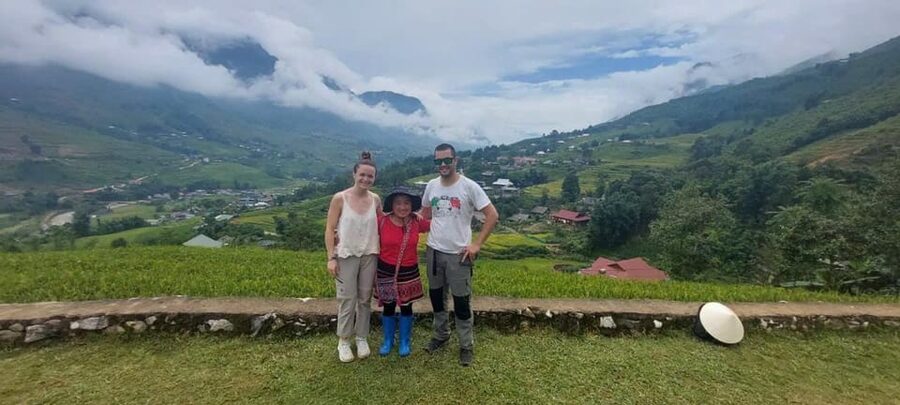
I would choose this trek if you want local contact, a physical walk, and a family homestay in one package. It suits you if you are happy with modest accommodation and would rather see village life than spend both nights in central Sapa.
It is also a good match if you want a guide who can explain the area while walking. Do’s long experience and English make the cultural side more useful than simply following a marked path.
You may want something else if you prefer a polished hotel overnight, a private itinerary, or a very easy trail. The route includes steep sections, and rain can make the footing tricky. You also should not expect every viewpoint to be clear, since mountain weather can change quickly.
Should you book the Sapa two-day homestay trek?
Book it if the idea of walking through Black Hmong and Red Dao villages, eating with a family, and sleeping in Hau Thao appeals to you more than a quick sightseeing loop. The best reasons to go are the varied route, the local guide, and the personal welcome described at the homestay.
Think twice if your fitness is limited or if you need hotel-level privacy. For an active visitor who wants a human connection to the Sapa area, $56 is a sensible price for the meals, guide, homestay, village access, and return transport included.
FAQ
Where does the trek start?
Your guide meets you at your hotel in Sapa or in front of Sapa’s main church.
Where does the experience end?
The activity ends back in Sapa at the meeting point area after return transport from Lao Chai.
How long is the first trekking day?
Day one takes about five to six hours and covers approximately 14 kilometers.
How long is the second trekking day?
Day two takes about three to four hours and covers approximately seven kilometers.
Which villages does the route visit?
The route includes Hang Da, Hau Thao, Giang Ta Chai, Ta Van, and Lao Chai.
What meals are included?
The package includes lunch on both trekking days, dinner with the homestay family, and breakfast on the second day.
Is transport back to Sapa included?
Yes. A car or motorbike collects you after lunch in Lao Chai and returns you to Sapa.
What should I bring?
Bring comfortable or hiking shoes, a sun hat, a change of clothes, sunscreen, and motion sickness prevention. Extra drinks are not included, so you should plan for those separately.
More 2-Day Experiences in Vietnam
- 2-Day Sa Pa Ethnic Homestay Tour & Trek with Limousine Bus
★ 4.8 · 440 reviews - From Hanoi: 2-Day Sapa Trek Tour – Luxury Limousine Transfer
★ 4.1 · 249 reviews - EXPLORE SAPA: 2D1N TREKKING & HMONG CULTURE WITH DINH
★ 4.9 · 191 reviews - Sa Pa: 2-Day Trekking Trip with Ethnic Minority Homestay
★ 4.7 · 145 reviews
Just added around Vietnam
- Bach Ma National Park Trekking Tour 1 Day From Hue city, Vietnam★ 5.0 · 54 reviews
- My Son sanctuary and mountain trekking★ 5.0 · 9 reviews
- Small Group – Bach Ma National Park Trekking Tour From Hue★ 4.5 · 18 reviews
- Bach Ma National Park Trekking and Camping 2 days Tour★ 5.0 · 9 reviews
- Explore Bach Ma National Park – Trekking with Small Group Tour★ 5.0 · 12 reviews
- UNESCO Listed Can Gio Mangrove and Monkey Island trek★ 5.0 · 11 reviews
- 2-Day Trekking & Biking Nam Cat Tien National Park from HCM City★ 5.0 · 12 reviews
- 8-Days Hanoi, Sapa Trekking And Halong Bay Cruise★ 5.0 · 8 reviews
Homestay & Village Treks, compared.
Number one top rated ethical cultural trekking and homestay by ETHOS
Read our review →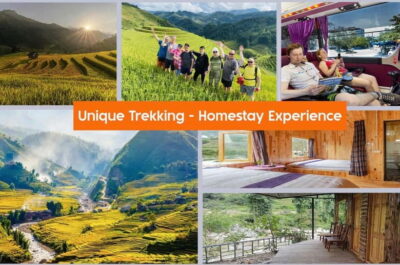
2-Day Sa Pa Ethnic Homestay Tour & Trek with Limousine Bus
Read our review →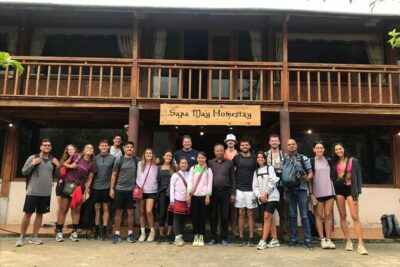
Sapa 3 Day 2 Night Trekking With Hotel & Homestay
Read our review →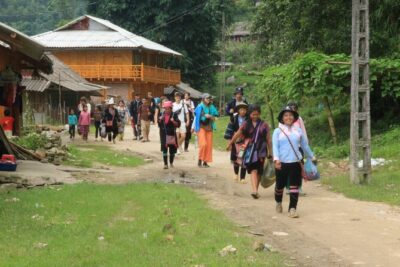
Sapa 2 Days 1 Night Overnight At Local Homestay
Read our review →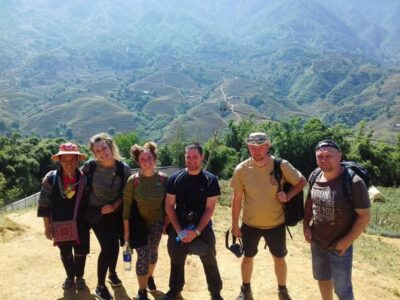
2-Day Trekking Trip with Ethnic Minority Homestay
Read our review →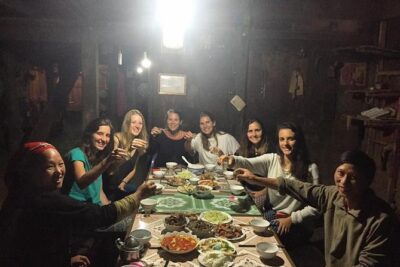
2-Day Trek & Heartwarming Homestay with an Ethnic Family
Read our review →Browse the lists this trek appears in