
Review · PERU
Arequipa: 2-day Colca Canyon Trekking, Ending in Puno
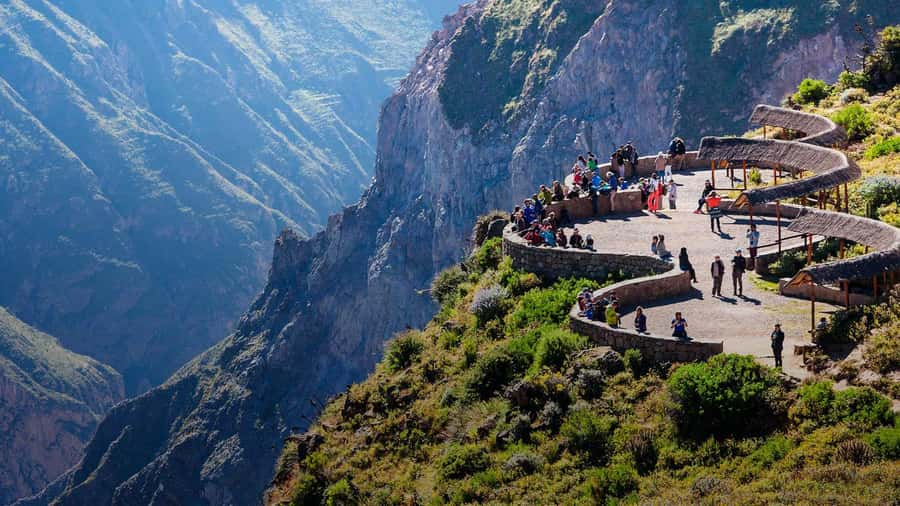
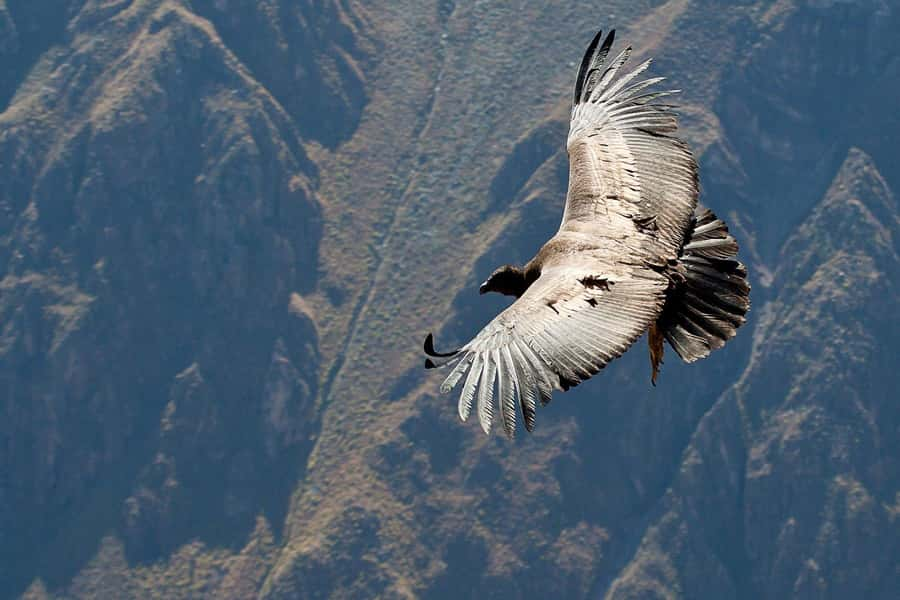
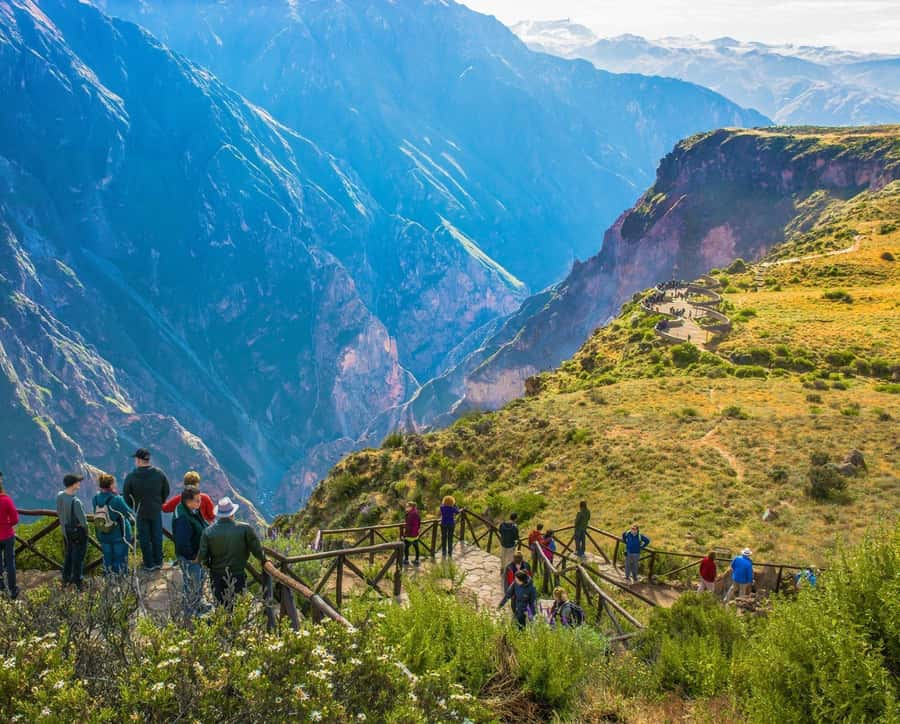
Colca Canyon gives you a rare kind of mountain day: you begin by looking down into one of the world’s deepest canyons, then spend hours walking into it. The Cruz del Cóndor stop adds a fine burst of drama, with condors riding the morning air above a canyon that drops more than 3,400 meters.
I like two things here. First, the trek ends at Sangalle Oasis, where palm trees, pools, and a private adobe bungalow soften the hard work. Second, the route continues to Puno instead of sending you back to Arequipa, making this a useful link between southern Peru’s two major stops.
The catch is simple: this is a strenuous hike, not a gentle sightseeing trip. You descend steeply for about three and a half hours on day one, then climb for about three hours before sunrise on day two. Bring walking poles and a headlamp, since those useful items are not clearly supplied.
Key points at a glance
- Cruz del Cóndor: Spend about 40 minutes watching for condors and taking in the canyon’s great depth.
- Steep canyon trek: Descend from Pampas de San Miguel to the river, then continue through San Juan de Chuccho, Cosñirhua, and Malata.
- Sangalle Oasis: Sleep in a private bungalow, use the pools, and enjoy dinner in a palm-filled setting.
- Early climb: Leave Sangalle at 4:30 a.m. for the three-hour uphill walk to Cabanaconde.
- Useful onward route: Continue from Chivay to Puno with stops for volcano views, llamas, and Lagunillas.
- Good package value: The $139 price includes transport, guide, overnight lodging, meals listed in the plan, and the Puno transfer, but not canyon fees, the second-day lunch, or hot springs.
Why this Colca Canyon route is worth your two days
This tour is built around a physical contrast. You start above the canyon, descend into its folds, sleep at a warm-looking oasis, then climb back to the rim in darkness. That shape gives you a better sense of Colca than a quick viewpoint visit, but it also demands honest preparation.
I like the way the route combines the canyon walk with practical transport. You do not need to arrange a separate ride from Colca to Puno after the trek. Once you reach Chivay on the second day, the tour handles the change of vehicle and continues toward Puno, arriving around 7:30 p.m. near the city’s main square.
The group is limited to 18 people, with guiding in English or Spanish. That is small enough to keep the walking group manageable, though it is not a private trek. A good guide matters here, and James is specifically praised for his humor and care. Another guide received praise for clear English and useful advice, so ask at booking or before departure which guide will lead your group.
At $139 per person, the package is strong value if you want the overnight canyon experience and the onward transfer. You receive tourist transport, a professional guide, a private room in a bungalow, two breakfasts, one lunch, one dinner, oasis pool entry, and transport from Chivay to Puno. Add the Colca entrance fee, an optional hot spring visit, and your second-day lunch to the real cost.
A few more treks around Peru worth a look
- Cusco: Machu Picchu 2-Day Inca Trail with Panoramic Train
★ 4.9 · 260 reviews - From Cusco: 2-Day Inca Trail to Machu Picchu
★ 4.2 · 244 reviews - From Arequipa: 2-Day Colca Canyon Trekking Tour
★ 4.8 · 243 reviews
The 3:00 a.m. pickup from Arequipa
The day begins early, usually between 3:00 and 3:30 a.m., with pickup from hotels near Arequipa’s historic center. The first road section takes roughly three hours to Chivay, where breakfast is served around 6:30 a.m.
That schedule is tough, but it serves a purpose. You reach Cruz del Cóndor in the morning, the best part of the day for the main wildlife stop, and you still have enough daylight for the long descent. If you sleep lightly, arrange your clothing and bag the night before. You will not want to search for a headlamp or hiking socks while the vehicle is waiting.
Pickup is limited to hotels near the historic center, so confirm that your lodging qualifies. If you are staying farther out, the meeting point may require extra planning, though the supplied details only confirm hotel pickup in the central area.
Cruz del Cóndor and the first look into the canyon
From Chivay, the vehicle continues for about an hour to Cruz del Cóndor. You have roughly 40 minutes here to watch for Andean condors and look into the canyon, which reaches a stated depth of more than 3,400 meters.
The stop is short, so use it well. Keep your attention on the air currents below and along the canyon walls. Condor sightings are the headline attraction, but the scale of the canyon is the real reason to linger at the railing. This is also your last easy chance to appreciate the canyon from above before your legs do the work.
Do not treat Cruz del Cóndor as the trek itself. It is a viewpoint visit followed by a demanding walk. Wear your hiking shoes from the start, keep water within reach, and avoid packing anything you will not want to carry for several hours.
The descent from Cabanaconde to San Juan de Chuccho
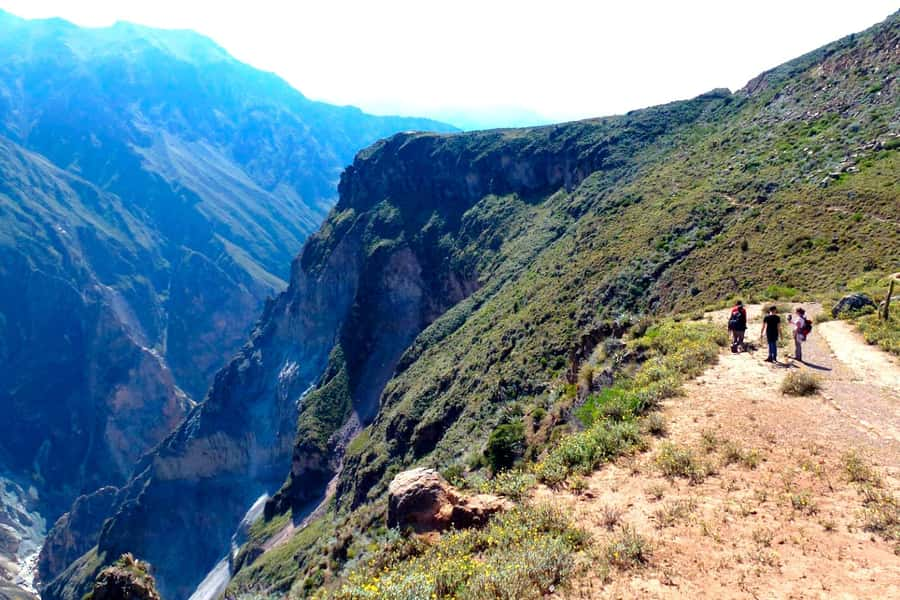
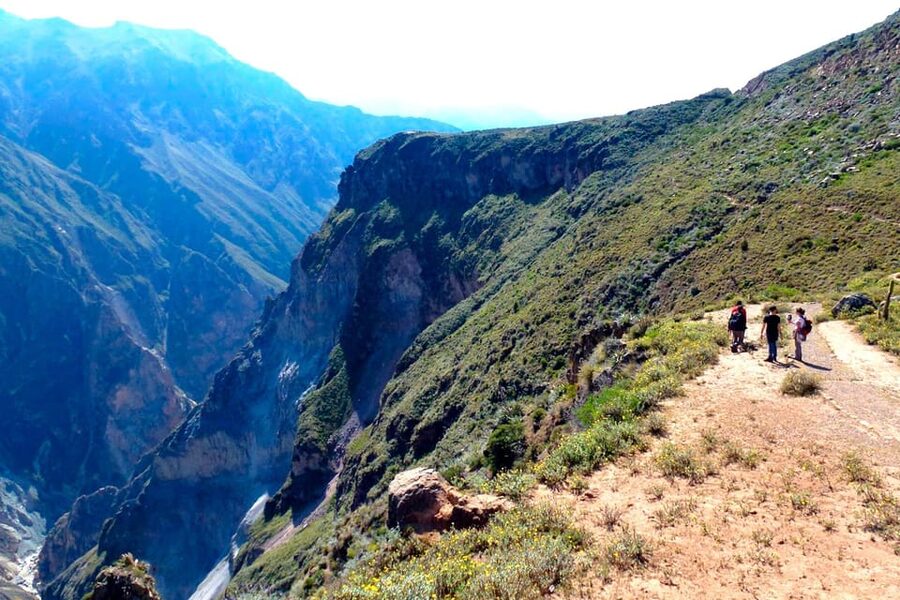
After Cruz del Cóndor, the group drives to Pampas de San Miguel in the town of Cabanaconde. Here the walking begins, with a descent of about three and a half hours toward the Colca River.
Downhill can sound easier than uphill, but a long steep descent can be hard on knees and balance. This section is a serious test of footwear and pacing. Use a walking pole if you have one. A review from a German participant specifically pointed out that walking poles would have been useful, and that advice makes sense for this route.
At the river, you get a rest before crossing the area’s first suspension bridge. The bridge adds a memorable change of rhythm after the descent, but anyone uneasy with heights should take it slowly and follow the guide’s instructions.
Lunch follows in San Juan de Chuccho. The included meal helps break up the first day, and the village gives you a chance to rest before the next section. This is not a short stroll after lunch. You still continue through the settlements of Cosñirhua and Malata before reaching Sangalle.
Same trailhead, a different route:
- From Arequipa: Sillar Route Trek
★ 4.2 · 461 reviews - Cusco: 4-Day Inca Trail to Machu Picchu with Accommodation
★ 4.8 · 432 reviews - From Cusco: 7 Lakes Ausangate Trek with Breakfast and Lunch
★ 4.8 · 360 reviews - Machu Picchu: Inca Trail 2-Day Overnight Guided Tour
★ 4.9 · 203 reviews
Cosñirhua, Malata, and the final walk to Sangalle
The trail continues through Cosñirhua and Malata, with the guide leading the group onward through the canyon. By about 5:00 p.m., you reach Sangalle Oasis.
This arrival is the emotional payoff of day one. After hours of descent and walking, the sight of palm trees and pools feels well timed. Pool access is included, so you can cool off before dinner. One important detail: the water for showers may be cold, so do not count on a hot rinse after the hike.
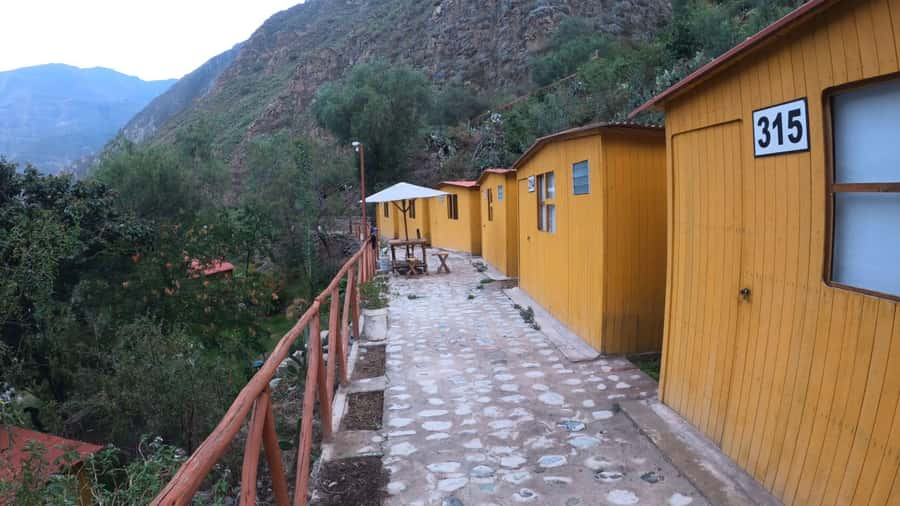
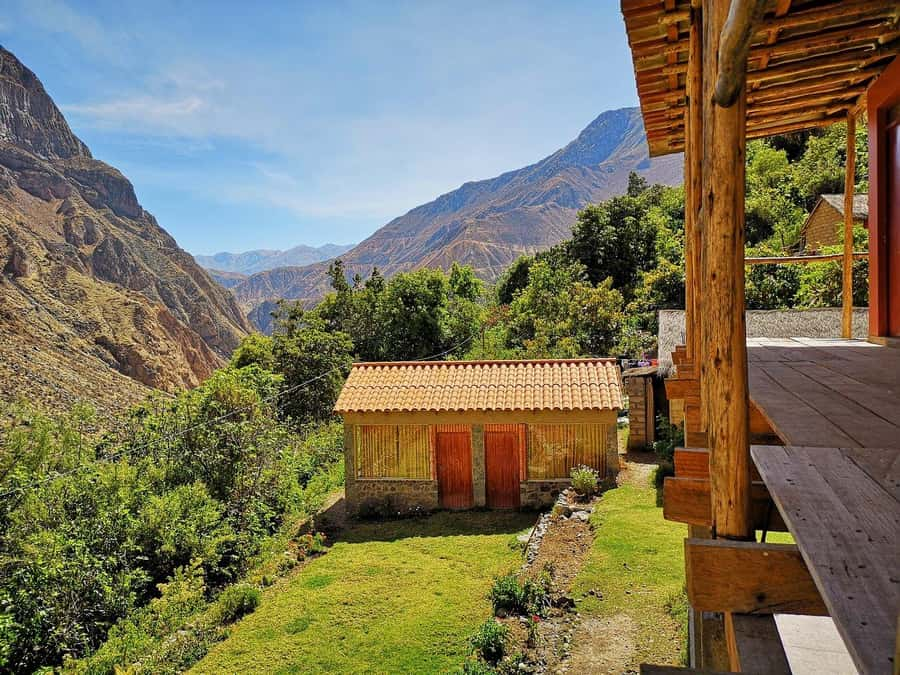
You sleep in a private room inside a typical adobe bungalow. The accommodation is basic rather than polished, but it fits the setting and gives you a proper place to recover. Wi-Fi has been available at the lodging, though you should not make the trip dependent on a strong connection.
The itinerary includes dinner and your first breakfast arrangements, along with the oasis pool entry. Keep your overnight bag light. You will appreciate having only the essentials available after the long descent.
The 4:30 a.m. climb out of Colca Canyon
Day two starts around 4:30 a.m. with a climb from Sangalle to Cabanaconde. The uphill section takes about three hours and is the hardest physical part for many people.
You will begin in darkness, which is why a headlamp is one of the most useful pieces of equipment for this tour. One participant specifically noted that the need for a headlamp was not explained clearly enough. Bring one, and carry spare batteries if you have them. A phone light is a poor substitute for a steep three-hour climb.
The early start also means breakfast comes later, in Cabanaconde. This is a good reason to keep a small snack in your day bag, though the supplied details do not state that snacks are provided. Pace yourself rather than trying to match the fastest person in the group. The goal is to reach Cabanaconde safely, not to turn the climb into a race.
Once there, you board the vehicle for the return toward Chivay. If your knees are tired, the seated transfer will feel welcome.
Maca, terraces, and the Chacapi hot springs option
On the way back to Chivay, the group stops at a natural viewpoint for views of pre-Inca terraces and visits the traditional village of Maca. These stops give you a slower look at the Colca Valley after the physical intensity of the trek.
The terraces are especially useful context. They show that the valley is not only a dramatic canyon but also a place shaped by long-term farming. At Maca, you get a brief visit to a traditional settlement before the route continues.
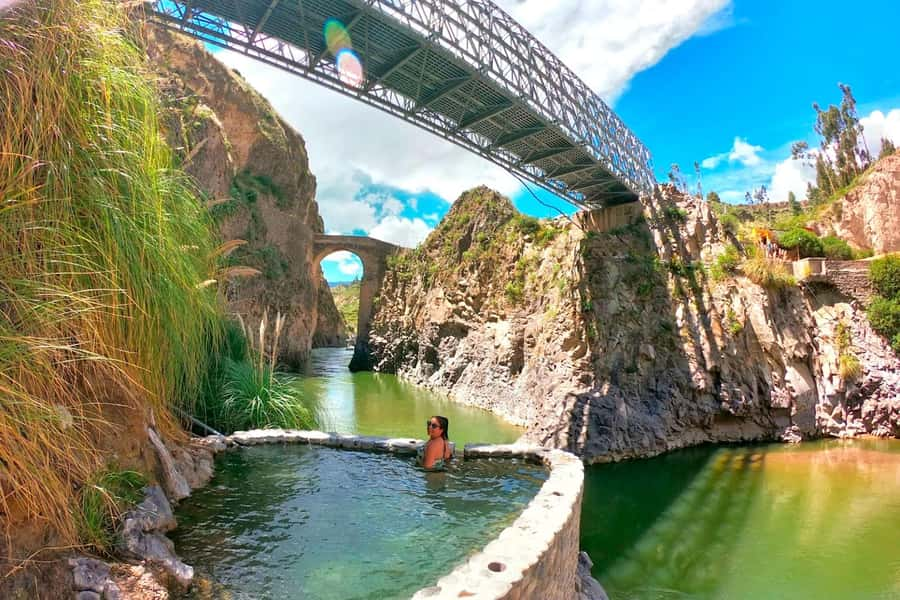
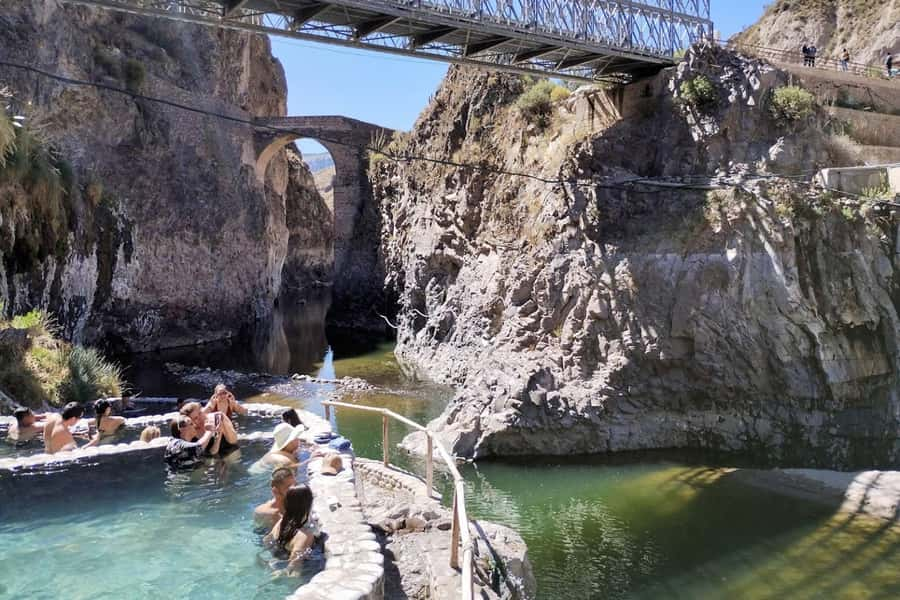
Around 11:00 a.m., there is an optional hot spring visit, generally at Yanque and sometimes at Chacapi. The visit lasts about an hour and costs 15 soles, not included in the tour price. After the cold shower possibility at the oasis and the early uphill walk, the hot springs can be a pleasant way to reset.
Because the hot spring stop is optional, you can skip it if you would rather rest or keep the day moving. Ask the guide which site is being used that day, since the details allow for either Yanque or Chacapi.
Chivay lunch and the long road to Puno
The vehicle reaches Chivay around noon. You have about an hour for lunch, with a buffet option available at a local restaurant for an extra charge. The second-day lunch is not included, so budget for it separately.
After lunch, the group changes transport for the journey to Puno. The guide coordinates the change, which is useful because the transfer is part of a separate road leg. You are not simply staying in the same vehicle all day.
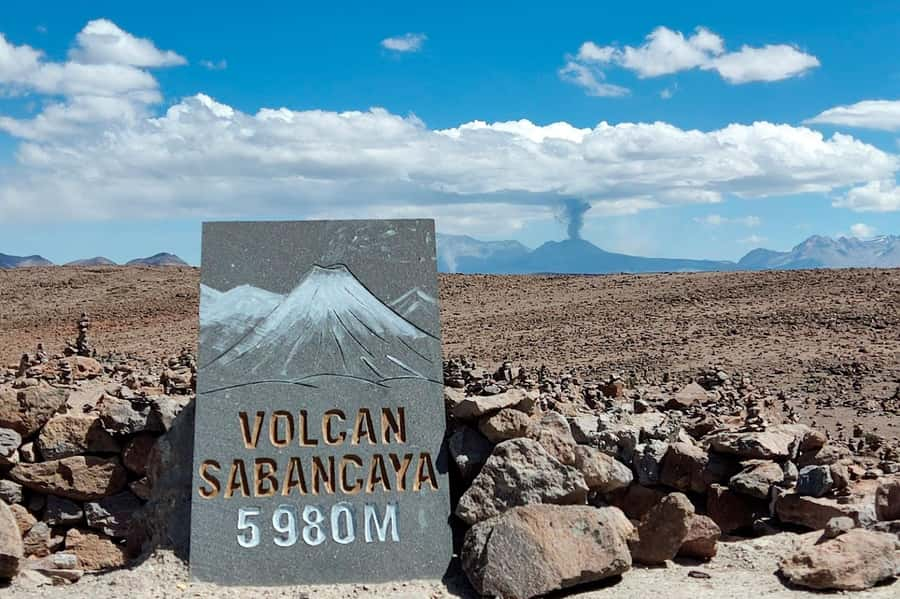
The ride to Puno includes three tourist stops. One is for volcano views, one presents different varieties of llamas, and the final stop is at Lagunillas, where you can see Andean birds and broad mountain scenery. These breaks help divide a long transfer and give you more than a straight bus ride.
You arrive in Puno around 7:30 p.m., usually one block from the Plaza de Armas. This is a practical finish if you are staying in central Puno, but the listed drop-off is near the main square rather than at every hotel. Plan your final short walk with your luggage in mind.
What the $139 price really covers
The price makes sense for a visitor who wants three services in one booking: a guided canyon trek, a night at Sangalle, and transport onward to Puno. Booking those pieces separately can require more coordination, especially the Chivay to Puno transfer after a tiring morning climb.
Included services are:
- Tourist transport during the route
- A professional English or Spanish guide
- One night in a private bungalow room at Sangalle
- Two breakfasts, one lunch, and one dinner
- Pickup near Arequipa’s historic center
- Entry to the oasis pools
- Transport from Chivay to Puno
The required Colca Canyon entrance fee is extra. The stated rates are 20 soles for Peruvians, 40 soles for South Americans, and 70 soles for other nationalities. The hot springs cost 15 soles if you choose to go, and you pay separately for the second-day lunch.
The value is best for people who actually want the hike. If you only want condors and valley viewpoints, a shorter Colca excursion may be more comfortable. Here, you are paying for the difficult walk and the logistical convenience of ending in Puno.
Who should book this trek
I would recommend this experience to a fit hiker who wants more than a roadside viewpoint. You should be comfortable with steep, sustained walking, an early start, basic lodging, and a long second day that ends with an evening arrival in Puno.
It suits people building a southern Peru route from Arequipa to Lake Titicaca. The transfer saves a separate travel day, and the stops between Chivay and Puno add variety to an otherwise lengthy ride.
I would think twice if you have knee problems, dislike steep descents, or need a relaxed schedule. The first day starts before dawn and finishes after several hours on foot. The second begins in darkness and climbs for three hours. This is a proper physical outing.
Pack sturdy walking shoes, a headlamp, water, sun protection, warm layers for the early hours, and walking poles if you use them. Keep your overnight items compact, and carry some cash for entrance fees, hot springs, and lunch.
Free cancellation is available up to 24 hours before departure, and you can reserve without paying immediately. Those terms help if your Arequipa plans are still shifting, but the more important decision is your fitness and equipment.
Should you book the Arequipa to Puno Colca trek?
Book it if you want the canyon under your feet, not only in your photographs. The condors, suspension bridge, oasis pools, adobe bungalow, and early climb make this a memorable two-day route, and the Puno transfer adds real practical value.
Skip it if you want a soft adventure or a leisurely trip between cities. The climb out of Sangalle is steep, the first day is long, and the basic lodging and cold shower may not suit everyone.
For the right person, $139 is a fair price for a demanding trek with guiding, meals, lodging, and onward transport bundled together. Bring a headlamp, use poles if helpful, and start with realistic expectations. Then the hardship becomes part of what makes Colca Canyon feel earned.
FAQ
How long is the Colca Canyon experience?
The activity lasts two days. Day one starts around 3:00 to 3:30 a.m. in Arequipa and ends at Sangalle Oasis. Day two ends in Puno at about 7:30 p.m.
How difficult is the hiking?
The trek is strenuous. You descend for about three and a half hours on the first day, then walk onward through several canyon settlements. On the second day, you climb from Sangalle to Cabanaconde for about three hours, starting around 4:30 a.m.
Is the Colca Canyon entrance fee included?
No. The mandatory fee is 20 soles for Peruvians, 40 soles for South Americans, and 70 soles for other nationalities.
Are the hot springs included?
No. The hot spring visit is optional and costs 15 soles. It generally takes place at Yanque, though Chacapi may be used, and the visit lasts about one hour.
What meals are included?
The package includes two breakfasts, one lunch, and one dinner. Lunch on the second day in Chivay is not included, though a buffet option is available.
Where does the tour finish in Puno?
The tour finishes near Puno’s main square, usually about one block from the Plaza de Armas, at approximately 7:30 p.m.
Just added around Peru
- Classic Choquequirao Trek – 5 Days / 4 Nights★ 5.0 · 52 reviews
- Short Inca Trail 2 Day Hike to Machu Picchu with Permits & Train★ 5.0 · 51 reviews
- 2 Day Tour Throughout the Short Inca Trail to Machu Picchu★ 5.0 · 36 reviews
- Small Group: 4-Day Inca Trail Trek to Machu Picchu★ 5.0 · 33 reviews
- 2 Day – Short Inca Trail to Machu Picchu – Group Service★ 5.0 · 30 reviews
- 5-Day: Salkantay Trek to Machupicchu and Humantay Lake★ 5.0 · 42 reviews
- 5 Day – Salkantay trek to Machu Picchu – Group Service★ 4.5 · 27 reviews
- Salkantay Trek Standard 5D/4N★ 5.0 · 48 reviews
Peru Trekking Tours, compared.
4-Day Inca Trail to Machu Picchu with Accommodation
Read our review →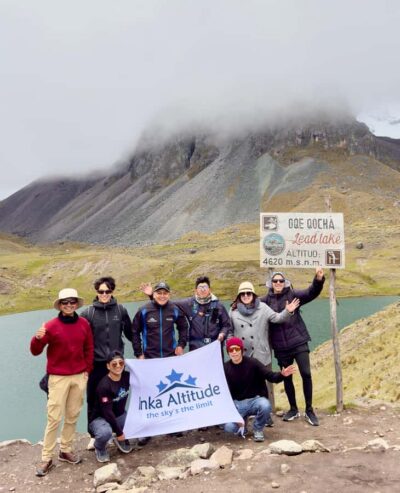
7 Lakes Ausangate Trek with Breakfast and Lunch
Read our review →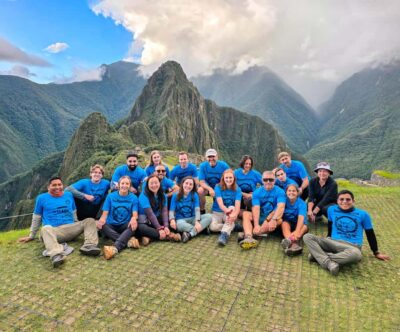
Machu Picchu 2-Day Inca Trail with Panoramic Train
Read our review →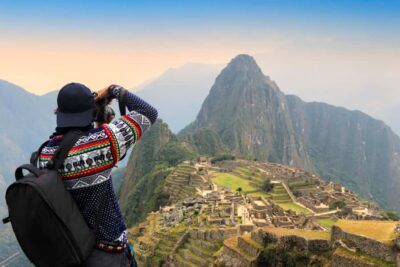
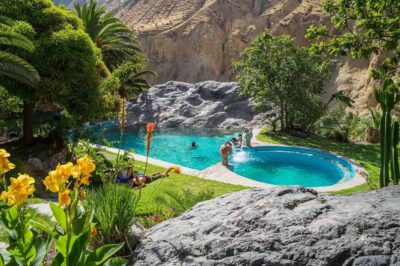
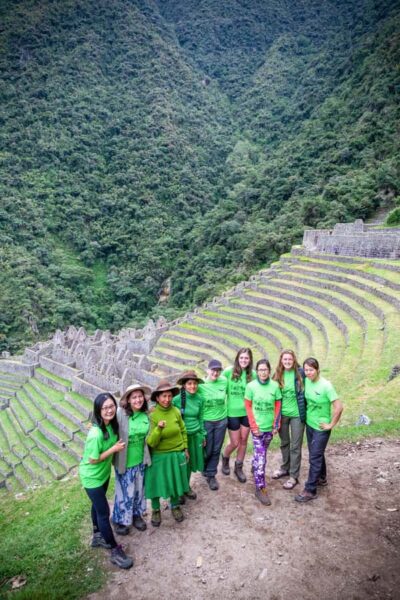
Machu Picchu: Inca Trail 2-Day Overnight Guided Tour
Read our review →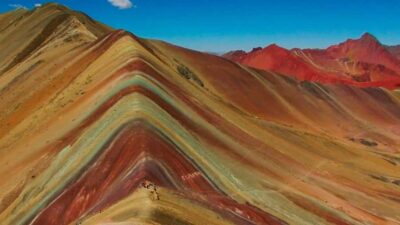
Full-Day Rainbow Mountain & Red Valley Trekking Tour
Read our review →Browse the lists this trek appears in