
Review · SAPA
From Sapa: Waterfalls, Trekking and Tribal Villages Tour
The best part of this Sapa outing comes after the waterfalls: a long mountain walk from Ban Khoan to Ta Phin through rice paddies, cornfields, bamboo, and villages where daily life matters more than souvenir stalls. You get scenery and a close look at Hmong and Red Dzao culture in one day.
I like the two waterfall stops, especially after rain, and I like the local picnic because it gives the day a human touch. Guides such as Lisa, Cu, Lan, A, and Sue have been praised for their stories, English, patience, and ability to adjust the route. The main caution is distance: this is not a gentle village stroll, and the advertised timing does not always match the effort involved.
Key points
- Two waterfalls before the hike: Visit Silver Waterfall and Love Waterfall, with Tram Ton Pass nearby.
- A 15-kilometer mountain trek: Expect steep and uneven sections, with reports of longer routes depending on the day.
- Remote village scenery: Walk through rice paddies, cornfields, bamboo forest, and Hmong and Red Dzao communities.
- A local picnic lunch: Stop for a meal in the countryside, with vegan food accommodated when requested.
- Strong guide-led cultural context: Guides including Lisa, Cu, Lan, A, and Sue have been praised for local stories and flexible pacing.
- Good value at $72: Private car transfers, entrance fees, guide, lunch, and water are included.
Waterfalls first, villages later
Your day begins with pickup at your hotel lobby in Sapa Town. A private car takes roughly 30 minutes toward the Hoang Lien National Park area, where you visit Silver Waterfall, Love Waterfall, and Tram Ton Pass.
Silver Waterfall is the more dramatic stop, with water dropping down the mountainside. Love Waterfall has a quieter setting and a different feel, though the exact impression depends on weather and water flow. After heavy rain, the falls can be especially powerful. On a foggy day, you may lose some of the wider mountain views, but the waterfalls can still make a strong impression.
The waterfall visits are not simply quick roadside photo stops. You should expect walking, including a longer approach to at least one of the falls and stairs or uneven ground. One account puts the walking around the two waterfalls at roughly 4 kilometers in total. That matters because this distance comes before the main trek.
Tram Ton Pass adds a high mountain viewpoint to the morning. The pass is known for changing conditions, so you may see clear ridges one moment and fog the next. Bring a raincoat even if Sapa begins bright and dry. Mountain weather can shift quickly, and the route is outdoors from start to finish.
More Waterfall Treks in Vietnam
- Sapa3D2N TrekkingAdventures,Valleys,Bambooforest,Waterfall
★ 4.8 · 24 reviews - Sapa Trekking – Waterfalls And H’mong Villages
★ 5.0 · 2 reviews - Trekking Tour to Hidden Waterfall & Sturgeon Farm for dog-lovers
★ 5.0 · 67 reviews
Ban Khoan begins the real walk
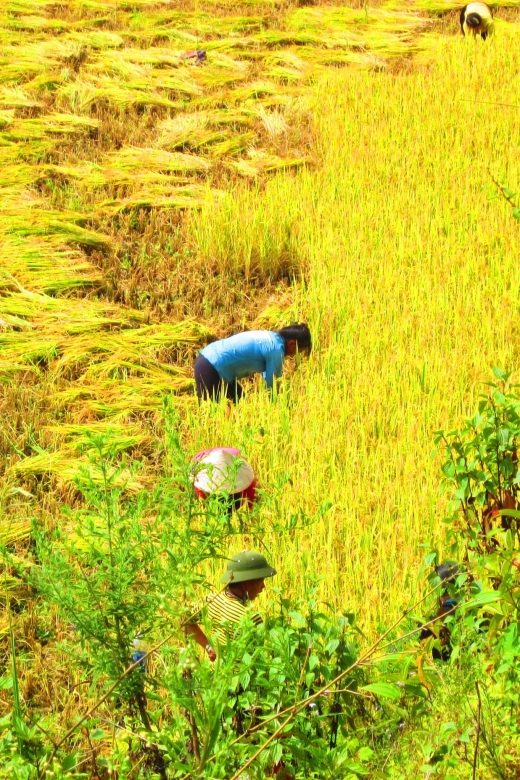
After the waterfalls, you leave the main road and head to Ban Khoan, a traditional village and the starting point for the longer trek. Here the day changes from sightseeing by car to walking through the countryside.
The planned trek is described as about four hours and 15 kilometers, with the route ending in Ta Phin Village. That is a serious walk, even if the pace is moderate. Some outings have taken around three hours on foot after the waterfall visits, while another account describes a much longer route with demanding climbs and a total trekking distance closer to 17 kilometers. The exact route seems to vary.
I would plan for a full, active half-day rather than trusting the five-hour label too closely. The tour may fit into five hours on a brisk day, but weather, trail conditions, stops, and group pace can change the schedule. If you need to catch a bus or train soon after returning to Sapa, leave plenty of extra time.
Rice paddies, cornfields, and bamboo forest
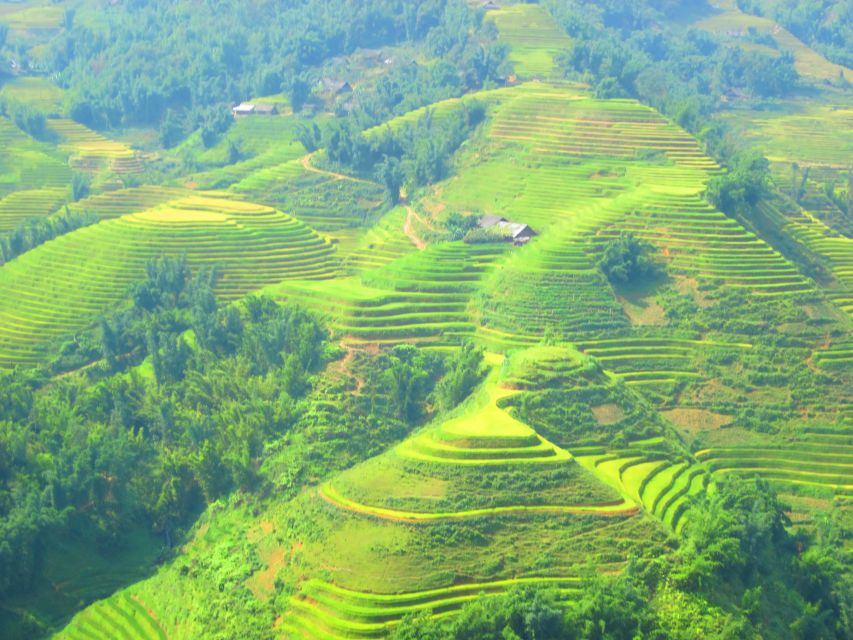
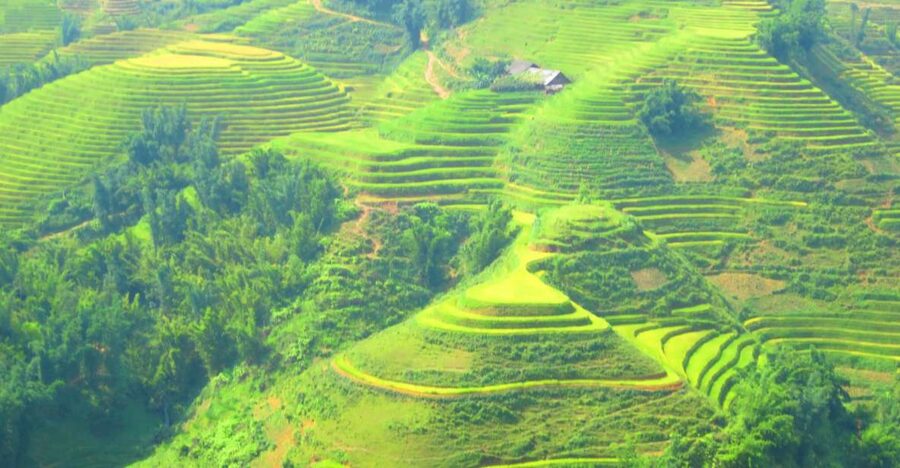
The appeal of this trek is the changing scenery. You walk along mountain paths with views across rice paddies, then pass through farm areas and village tracks. Cornfields and bamboo forest add variety, and the walk between the villages has been described as one of the prettiest parts of the route.
Rice terraces are strongly tied to the Sapa area, but the views are not guaranteed to be wide open. Fog can cover the hills and soften the views, particularly around the higher sections. That is not necessarily a wasted day. A good guide can still explain the area, point out details close by, and keep the walk interesting when distant views disappear.
The trail itself deserves respect. It is not presented as a paved path, and the reports of climbing up and down mountain sections mean you should expect uneven ground. Mud may be an issue after rain, although the exact condition changes with the season. Comfortable hiking shoes are essential. Trainers with poor grip are a gamble.
Meeting Hmong and Red Dzao communities
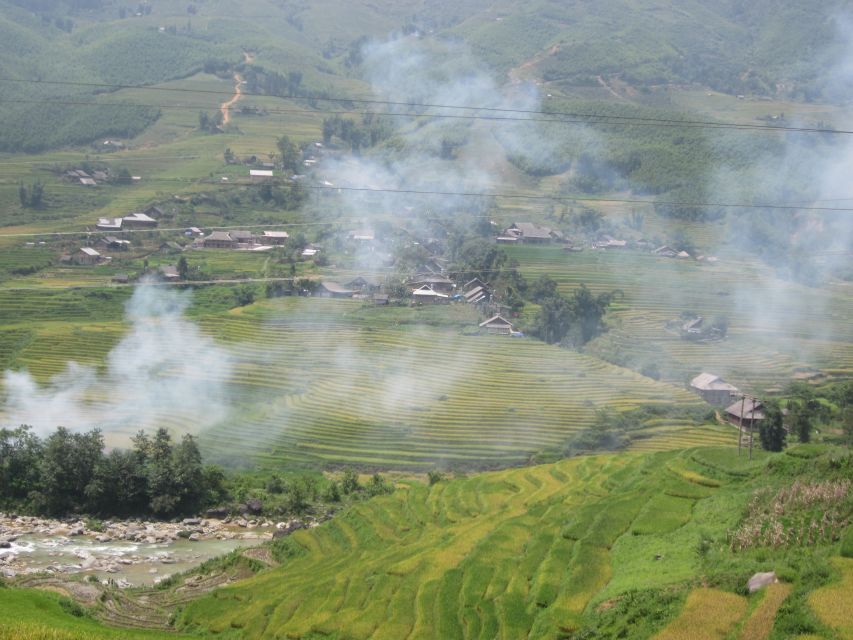
The cultural side of the tour works best when you treat it as a chance to listen, not as a staged performance. You pass through villages connected with Hmong and Red Dzao communities and learn about traditions, family life, textiles, and local customs from your guide.
One guide, Lisa, has been praised for explaining Hmong traditions and sharing stories passed down through generations. Other guides, including Cu, Lan, A, and Sue, have been described as friendly, clear, and flexible. Your guide is important here because the villages themselves do not come with museum labels. The guide helps you understand what you are seeing without turning every encounter into a sales stop.
You may see textile work and learn more about the way local people live. The tour information does not promise craft demonstrations or shopping, and one account specifically describes the village walk as relaxed, with lunch rather than organized activities. I see that as a plus if you want a countryside walk rather than a string of sales pitches.
Still, keep your expectations sensible. This is a guided visit through inhabited villages, not a formal cultural show. Ask before taking close-up photographs of people, homes, or personal work. A little courtesy makes the experience better for everyone.
More Waterfall Treks in Sa Pa:
- Reykjavik: Glacier Hike, Waterfalls and Black Sand Beach
★ 4.8 · 1,285 reviews - From Reykjavik: Glacier Hike, South Coast and Waterfalls Day Trip
★ 5.0 · 915 reviews - Glacier Hike, South Coast Waterfalls & Black Sand Beach
★ 5.0 · 705 reviews - Reykjavík: Iconic Glacier Hike, South Coast & Waterfalls
★ 4.9 · 605 reviews
Picnic lunch with a local family
The picnic lunch is included and is served along the route or in a village setting. It gives you a proper pause after the first stretch of walking and a chance to talk with your guide and local hosts.
The food has been described as a generous spread, and vegan meals have been arranged when requested. If you have dietary restrictions, tell the provider when booking and remind the guide at the start of the day. The supplied information confirms a picnic lunch, but it does not provide a fixed menu, so do not expect a particular dish.
Lunch also helps explain the value of the tour. You are not paying only for a car ride and two viewpoints. The price includes the guide, transport, park and attraction entrance fees, food, and two bottles of mineral water per person. At $72 per person, the package makes reasonable sense if you want a private vehicle and a guide for the cultural part of the route.
The value is less clear if you mainly want waterfalls. You could spend much of the day walking, and the trek is the reason to book. If you are not comfortable with a long mountain route, this is not the best use of your money.
What the physical effort feels like
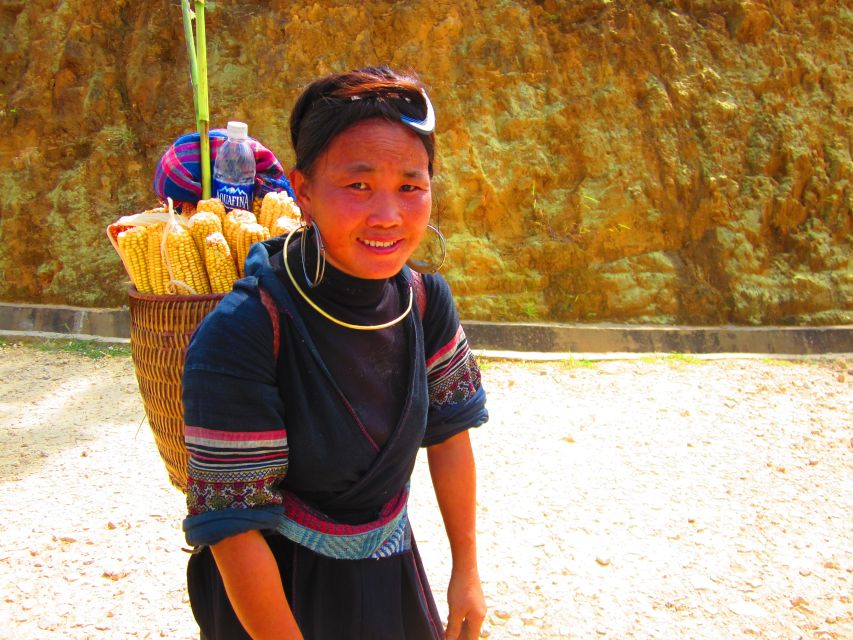
The tour description calls the trek moderate, but the distance makes that label worth questioning. A four-hour walk over mountain trails can be manageable for someone who hikes regularly, yet tiring for anyone expecting a relaxed excursion. The waterfall walking adds to the total effort.
You will climb and descend. You may cross damp or uneven sections. The route can feel harder in hot weather, while fog and rain can slow you down. In the cooler months from November through March, wear warm clothes, but avoid dressing as if you will remain cold all day. You may warm up quickly once the uphill walking begins.
Bring a small daypack with sunscreen, insect repellent, a raincoat, sun hat, and personal items. The tour provides two bottles of mineral water, but you should consider your own hydration needs for a long walk. Keep your bag light. There is no reason to carry more than you need.
The route is not a good fit if you have limited mobility or want a flat walk. The supplied information does not describe accessibility arrangements, so you should ask before booking if stairs, steep paths, or long-distance walking are a concern.
Guides make the difference
A good guide can turn a demanding walk into a rewarding day. The strongest guide feedback centers on warmth, clear English, local stories, good pacing, and a willingness to adjust the route. One guide allowed the group to choose between route options and add different scenery. That flexibility can help if weather changes or your energy is running low.
You may be led by Lisa, Cu, Lan, A, Sue, or another English-speaking guide. These names come from individual outings, so you should not assume a particular person will lead your departure. Still, the pattern is useful: the guide is not just there to point out the road. Ask questions about farming, textiles, village life, and the Hmong and Red Dzao traditions.
Organization has been less consistent than the guiding. One booking was not properly recognized by the local agency until the day before departure. I would keep your confirmation handy and contact the provider in advance to make sure pickup details are understood. That small check can prevent an avoidable start-of-day problem.
The maximum group size is 15. That is still a group, not a private walk, but it is small enough for a guide to speak with people and manage the pace. A private tour option has also been praised for its personal feel. If the booking page offers a private departure at a different price, it may suit you if you want more control over stops and speed.
How the $72 price holds up
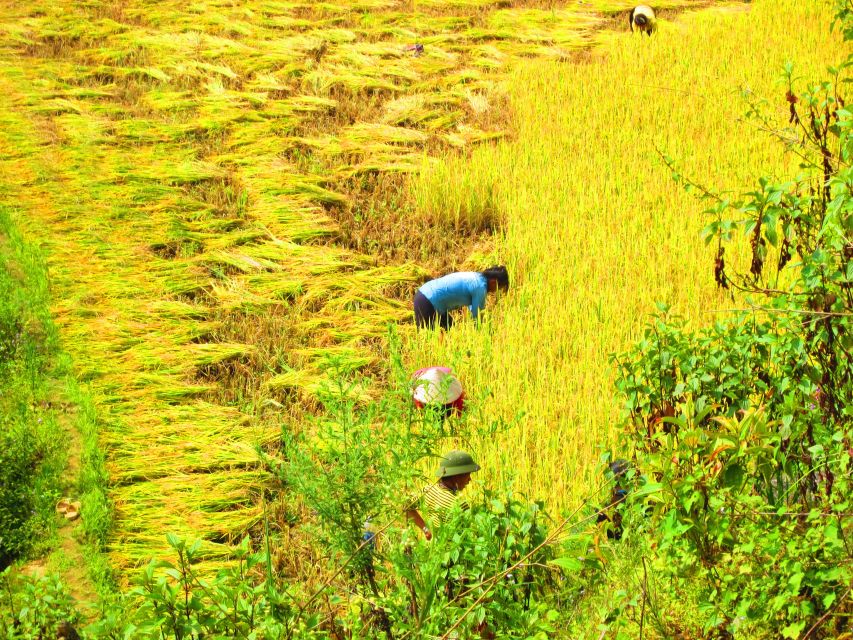
At $72 per person, this is priced above a basic Sapa transfer, but it covers more than transportation. You receive hotel pickup in Sapa Town, a private car transfer, an English-speaking guide, entrance fees, a picnic lunch, and two bottles of water.
The strongest value comes from combining three things in one outing: the waterfall circuit, a remote trail, and cultural interpretation. Organizing the same day independently would require arranging transport to the falls, finding the trail from Ban Khoan, and securing a safe return from Ta Phin. The guide removes that practical burden.
The price is less attractive for a person who does not want the full trek. There is no indication that the tour is designed as a short walk with an easy shortcut. Ask about route flexibility before paying if your main goal is the waterfalls.
Free cancellation up to 24 hours before departure and the option to reserve now and pay later make the booking less rigid. Starting times depend on availability, so check the pickup time carefully and avoid booking tight onward transport.
Who should book this Sapa day
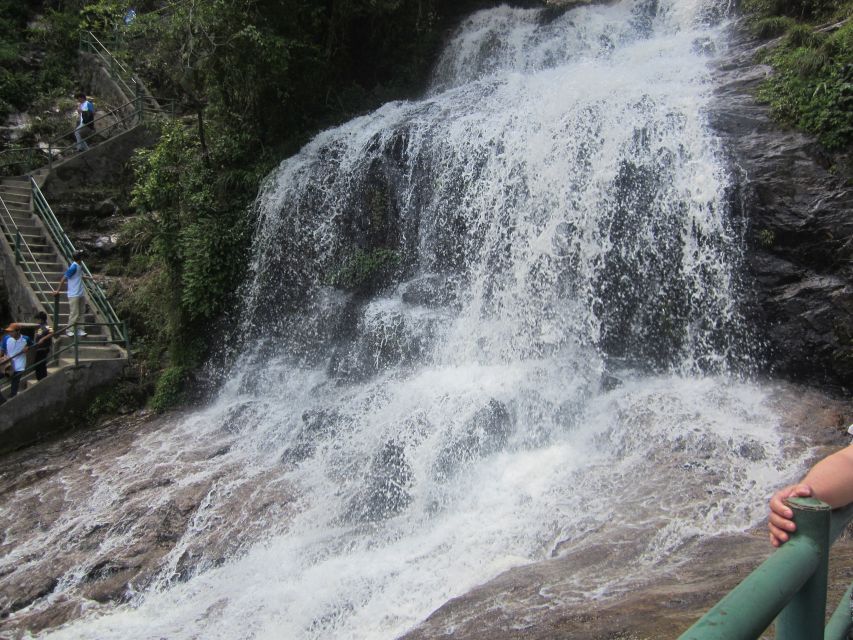
I would choose this tour if you want to see more than the central Sapa streets and you are comfortable spending several hours on mountain trails. It suits hikers who want scenery but also want someone to explain the communities and farming areas along the way.
It is also a good choice for visitors who prefer a small group and a planned car transfer. You do not need to work out separate transport between Sapa, the waterfalls, Ban Khoan, and Ta Phin.
I would hesitate if you want a slow, easy outing, have little hiking experience, or dislike uncertain weather. The route can be foggy, the schedule can stretch, and the total walking distance may be greater than the headline description suggests.
Families with older children may find it suitable if everyone is ready for the distance, but the supplied information does not set a minimum age or give family-specific guidance. Ask the provider if you are booking for children or anyone with health concerns.
Should you book it?
Book this tour if the idea of walking through rice country and village paths appeals more than simply ticking off two waterfalls. The strongest parts are the scenery after Ban Khoan, the local lunch, and the guide-led explanation of Hmong and Red Dzao life.
Skip it if you want a short sightseeing loop or need a firm five-hour schedule. Before booking, confirm the expected walking distance, ask about the day’s route, and tell the provider about dietary needs. With the right expectations and sturdy shoes, this is a useful way to connect Sapa’s famous mountain views with the people who live among them.
FAQ
How long does the tour last?
The stated duration is five hours, with starting times based on availability. The trek itself is described as about four hours and 15 kilometers, but actual timing can vary with the route, weather, stops, and group pace.
Where does pickup take place?
Pickup is included from your hotel lobby in Sapa Town.
What waterfalls are included?
The tour visits Silver Waterfall and Love Waterfall in the Hoang Lien National Park area. It also includes a stop at Tram Ton Pass.
How difficult is the trek?
The walk is described as moderate, but it includes mountain trails, climbs, descents, and roughly 15 kilometers of trekking. Some route accounts describe a longer distance, so wear proper hiking shoes and plan for a demanding walk.
Is lunch included?
Yes. A picnic lunch is included, and vegan food has been accommodated when requested. Tell the provider about dietary needs in advance.
What should I bring?
Bring comfortable outdoor clothing, hiking shoes, insect repellent, sunscreen, a raincoat, sun hat, and a small daypack. From November through March, add warm clothing.
Just added around Sa Pa
- Sapa: Private The Most Beautiful Terraced Fields Trekking★ 4.8 · 42 reviews
- Soob Sapa Trekking Tour★ 4.3 · 3 reviews
- Sapa Trekking – Waterfalls And H’mong Villages★ 5.0 · 2 reviews
- Sapa3D2N TrekkingAdventures,Valleys,Bambooforest,Waterfall★ 4.8 · 24 reviews
- Sapa: Trekking Through Terraced Rice Fields & Valley 1 Day★ 4.8 · 4 reviews
- Sapa: Trekking Sapa One Day With Group Tour★ 4.7 · 55 reviews
- Sapa Trekking Private Tour With Ethnic Female Tour Guide★ 4.9 · 24 reviews
- Sapa: Y Linh Ho – Lao Chai, and Ta Van Trekking Day Tour★ 5.0 · 25 reviews
Waterfall Treks, compared.

Glacier Hike, Waterfalls and Black Sand Beach
Read our review →

Glacier Hike, South Coast Waterfalls & Black Sand Beach
Read our review →
Reykjavík: Iconic Glacier Hike, South Coast & Waterfalls
Read our review →
Munduk Waterfalls Trek, Twin Lakes and Temple Tour
Read our review →
Khao Sok: Private Waterfalls and Wildlife Half-Day Trek
Read our review →
South Coast, Waterfalls & Glacier Hike Small-Group
Read our review →
Selogriyo Temple and Trekking Java Rice Terraces, hidden waterfall -Nature Java
Read our review →Browse the lists this trek appears in