
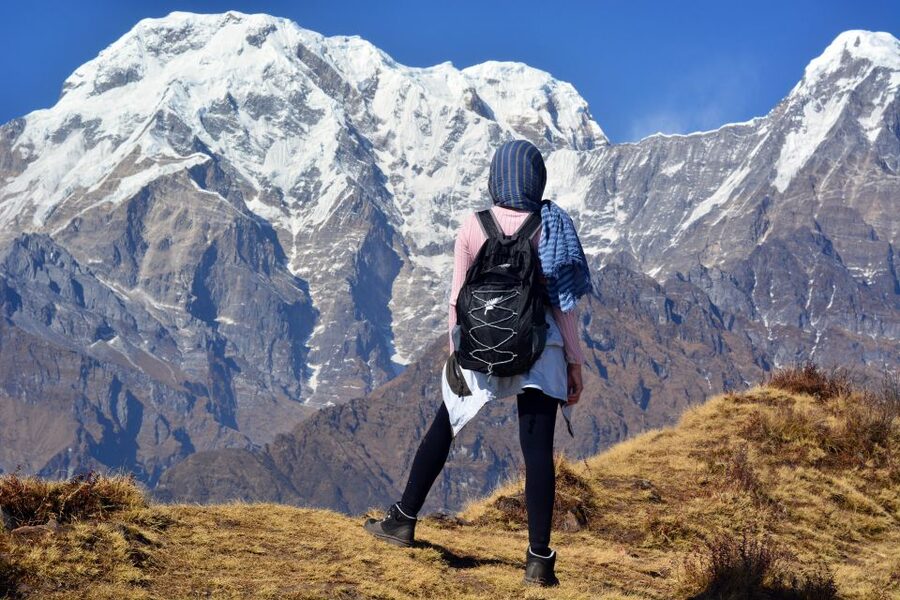
Review · POKHARA
Pokhara: Majestic Mardi Base Camp Guided Trek with HotSpring
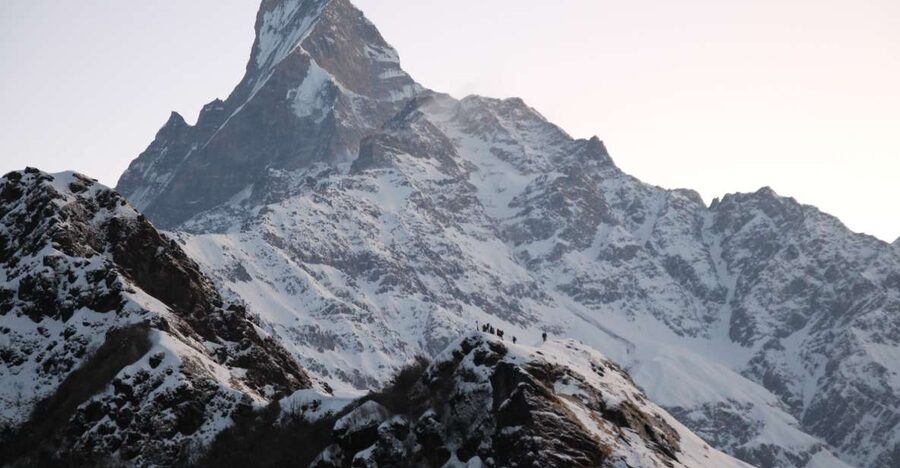
Mardi Himal gives you a lot in five days: quiet forest trails, high ridgelines, and close views of Machapuchare, the sharp mountain often called Fishtail. The best payoff comes early on Day 3, when a pre-dawn hike reaches a 4,300-meter viewpoint above High Camp.
I like two things especially. First, the route mixes mountain scenery with village life instead of keeping you on one high trail. Second, the Jhinu hot spring gives your tired legs a proper ending beside the Modi Khola River. The main catch is the altitude and the long uphill days, so this is not a casual walk.
Key points to know before you book
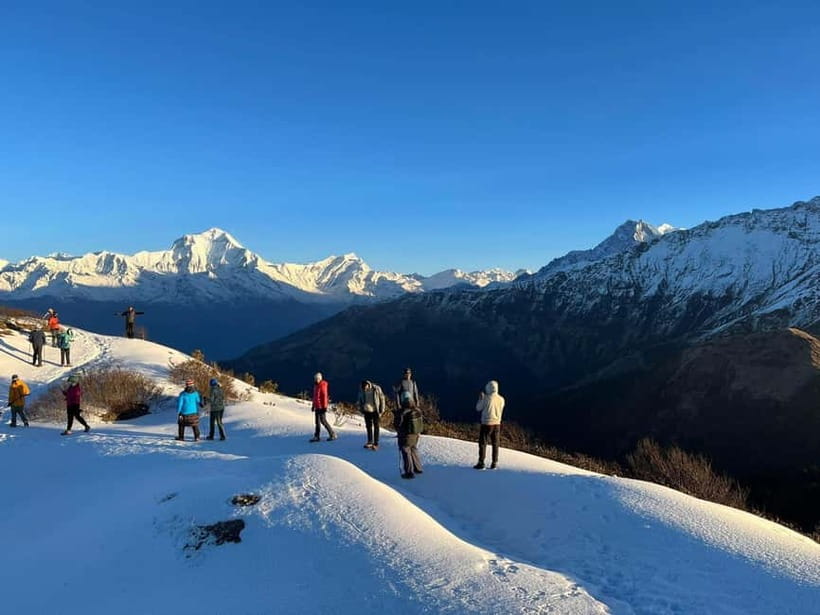
- 4,300-meter viewpoint: Rise around 4:00 a.m. for broad views of Annapurna, Machapuchare, and Hiunchuli.
- Forest Camp to High Camp: Expect about five hours through dense forest, with birds, wildlife, and changing mountain views.
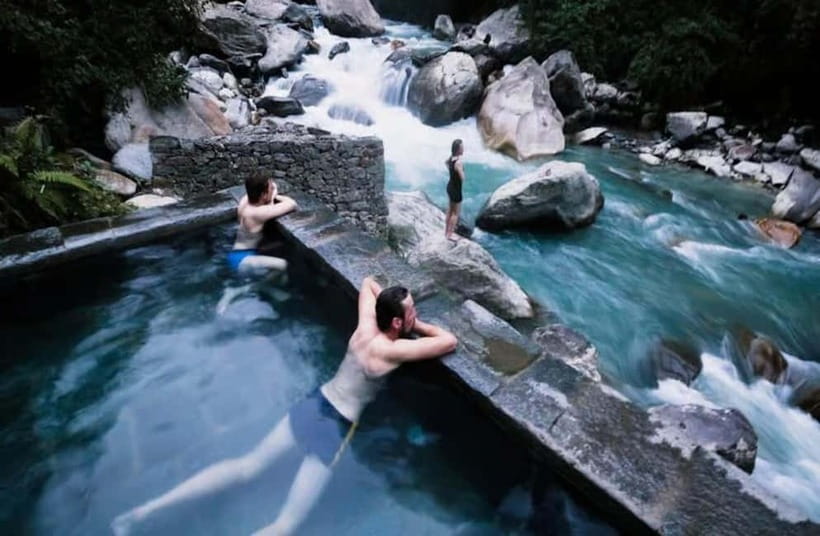
- Natural hot spring at Jhinu: Warm water beside the Modi River offers a memorable recovery stop after the descent.
- Private guided format: An English or Hindi-speaking guide leads the group, with pickup available around Pokhara.
- Strong guide support: Santosh, Prakash, and Jeet are named guides associated with particularly helpful, professional service.
- $183 value: Permits, paperwork, transport, accommodation, equipment, and staff costs are covered, while porters, drinks, insurance, and personal expenses cost extra.
Why this five-day route works so well
The Mardi Himal route is a good choice if you want a real Himalayan trek but have limited time. You move from Pokhara’s roads and green fields into rhododendron forest, then up to high meadows and exposed ridges. The scenery changes quickly, which keeps the walk interesting.
The route also has a satisfying shape. You climb for two days, reach the high point early on the third morning, then spend the rest of the trip walking downhill toward warmer forests and a hot spring. That rhythm is easier to appreciate than a route that keeps climbing until the final hour.
You should still treat this as a serious mountain outing. High Camp sits at about 4,000 meters, and the viewpoint reaches roughly 4,300 meters. The schedule includes several five-hour days and one seven-hour day, so comfortable boots, steady fitness, warm layers, and sensible pacing matter.
The private-group setup is useful here. You are not tied to a large party’s pace, and the guide can help with practical decisions along the trail. Guides Santosh and Prakash received especially strong personal praise for their care, local connections, and ability to arrange supplies when an urgent need arose at a higher camp. Jeet is also described as professional and attentive.
A few more treks around Pokhara worth a look
- From Pokhara: 3-Day Ghorepani Poon Hill Trek with Guide
★ 4.9 · 68 reviews - Pokhara: Guided Day Hike From Dampus To Australian Base Camp
★ 4.9 · 16 reviews - Pokhara: 4-Day Poon Hill and Ghandruk Guided Trek
★ 5.0 · 14 reviews
Day 1: Pokhara to Forest Camp through Kande
Your day begins with pickup at about 8:00 a.m. in Pokhara. Pickup is available from hotels in Lakeside, Pokhara Airport, and across the Pokhara Valley. The drive to Kande takes roughly an hour to an hour and a half, depending on the exact plan and road conditions.
The drive is part of the experience, not just a transfer. You pass green fields, forest, the Seti River, and mountain views before reaching the trailhead. It is a useful change of pace from Pokhara, where the journey starts in a busy tourist center and quickly becomes rural.
From Kande, you walk for about five hours to Forest Camp. The trail passes through woodland, with rhododendrons among the vegetation. This first stage is less about dramatic high peaks and more about getting your legs ready while the forest provides shade.
Lunch is planned at a tea house along the route. Tea houses offer basic comfort rather than polished hotel service, so bring patience and keep your expectations simple. You can expect village-style accommodation and local meals, with dal bhat available as a dependable source of energy.
Forest Camp sits at about 2,500 meters. That elevation gives you a first taste of mountain nights without taking you straight into the coldest part of the route. Since this is your first walking day, avoid racing ahead. A measured pace will help on the steeper second day.
Day 2: Five hours from Forest Camp to High Camp
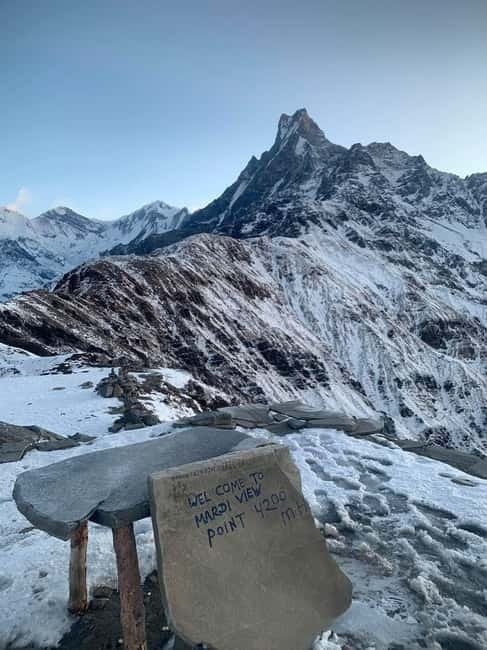
After breakfast, you continue uphill through dense forest toward High Camp at approximately 4,000 meters. The route takes about five hours, though your pace, breaks, and trail conditions will affect the timing.
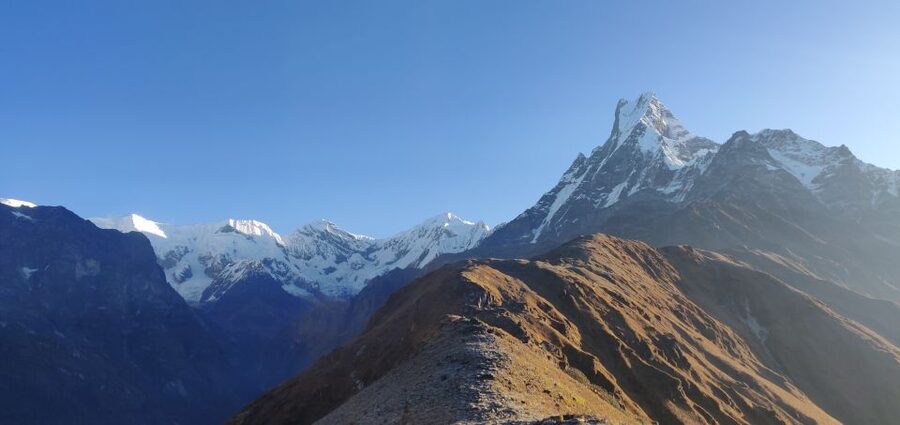
This is one of the most pleasant sections for people who like walking through nature rather than following a bare mountain path. The forest feels enclosed at first, and you may notice wild birds and other signs of wildlife. As you gain height, the trees thin and the views open toward the Annapurna range and Machapuchare.
High Camp is the turning point of the trip. You have left the lower forest behind, and the air is colder and thinner. Accommodation remains basic, and private rooms are included, but a tea house at this elevation should be judged by shelter, food, and warmth rather than luxury.
The evening is best kept quiet. Eat well, drink enough water, organize your warm clothing, and prepare your headlamp for the early start. The supplied packing advice is sensible: bring a jacket, long pants, hiking shoes, a reusable water bottle, sunglasses, sunscreen, and a hat. A sleeping bag and trekking poles are included among the available trekking gear, but confirm the exact equipment arrangement before departure.
Day 3: The 4,300-meter viewpoint and descent to Rest Camp
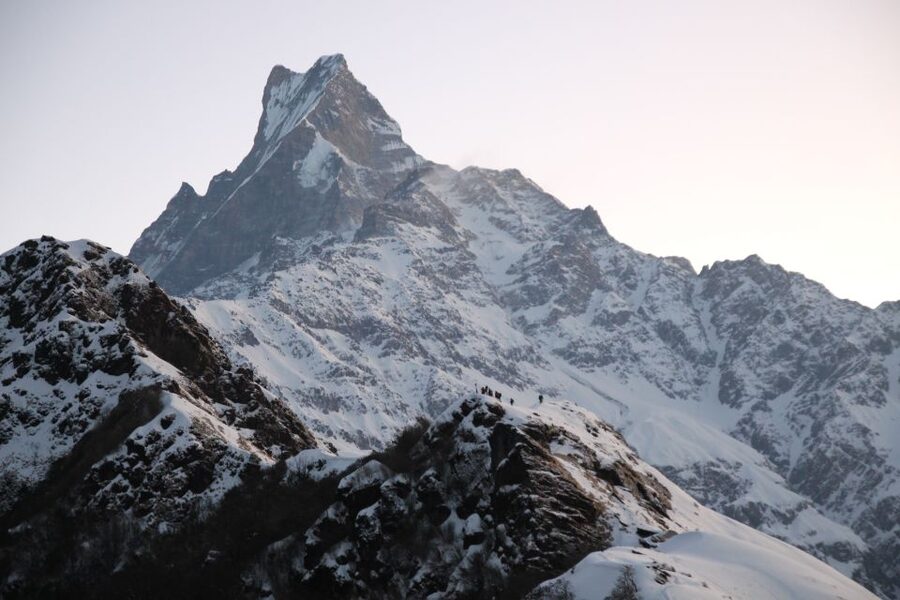
The hardest and most rewarding morning starts at about 4:00 a.m. You hike for up to two hours to reach the viewpoint at approximately 4,300 meters. The early start is designed to give you a chance at clear mountain views before clouds build later in the day.
From the viewpoint, you can see Machapuchare and a broad sweep of the Annapurna range. Annapurna South and Hiunchuli are among the named peaks associated with the route. This is the moment when the effort of the previous two days pays off, but the altitude can make even a short climb feel demanding.
Keep your pace slow and tell your guide if you feel unwell. The tour information emphasizes fitness, high-altitude insurance, and preparation for changing weather. Rain or snow can occur, even though conditions are often clear and sunny. Layers are far more useful than one heavy item.
You return toward High Camp for breakfast, then take a short rest before descending to Rest Camp at about 2,700 meters. The full walking day is listed at roughly seven hours. The descent is easier on your breathing but can be tiring on your knees, especially after the early morning climb.
This is the day to use trekking poles. They help on downhill sections and give you better balance on uneven ground. Carry a small first-aid kit, water, sunscreen, and a snack where you can reach them without unpacking your main bag.
Same trailhead, a different route:
- Poon hill Trek 3 days
★ 5.0 · 176 reviews - Trekking in Annapurna/Langtang/Everest/Upper Mustang regions
★ 5.0 · 161 reviews - Pokhara: 4-Day Ghorepani, Poonhill & Ghandruk Mountain Trek
★ 5.0 · 132 reviews - Ghorepani – Poon Hill Trek 3N-4D
★ 5.0 · 125 reviews
Day 4: Down through the forest to Jhinu hot spring
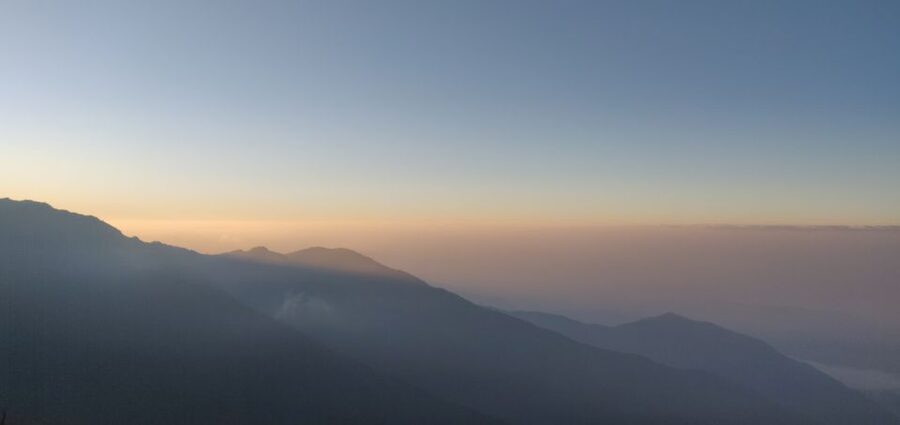
Day 4 changes the mood completely. After breakfast at Rest Camp, you descend for about four hours through lush forest toward Jhinu Village.
The trail brings you back into warmer, greener country. You also reach the Modi River, which flows from the Annapurna area. Crossing the suspension bridge adds a little drama to the route, though the bigger reward comes afterward at the natural hot spring.
The hot spring sits beside the river, with forest around it and open sky above. After several days of uphill walking and steep descents, the warm water is more than a pleasant extra. It gives you time to loosen your muscles and slow down before the final night.
You stay overnight in Jhinu Village. This is a good place to pay attention to local life rather than treating the village as a simple overnight stop. The route includes local hospitality, tea-house accommodation, and food such as dal bhat. You can expect basic facilities, not resort comforts.
Bring a towel and a change of clothes for the hot spring. The packing list includes both, and they will make the stop much more comfortable. Drinks, showers, phone use, laundry, battery charging, bottled or boiled water, and bar bills are personal costs, so keep some local cash available for extras.
Day 5: Jhinu Village to Samrung and back to Pokhara
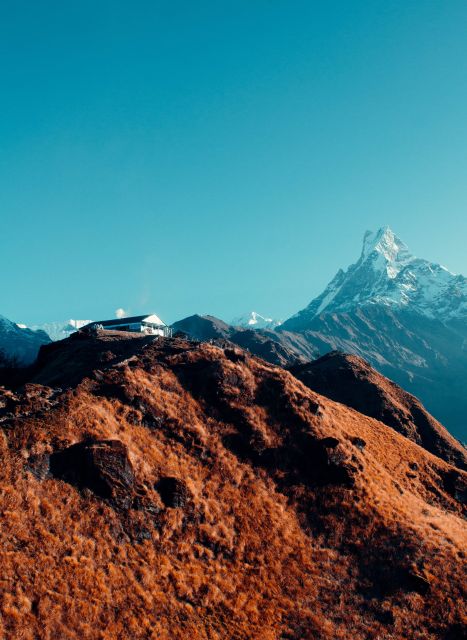
The final walking section is short, about 30 minutes from Jhinu Village to Samrung. From there, you travel by vehicle back to Pokhara, with the drive taking about two and a half hours.
This is not a sightseeing-heavy day. It is a useful, gentle finish after the high-altitude effort, giving you time to think back over the forests, peaks, river, villages, and hot spring. The return drive also makes this route practical for a five-day schedule.
You arrive back in Pokhara with the main trekking work behind you. If you have left luggage in storage, the included luggage facility should make the transition easier. Confirm the storage arrangement and collection details with the operator before leaving Pokhara.
What the $183 price covers
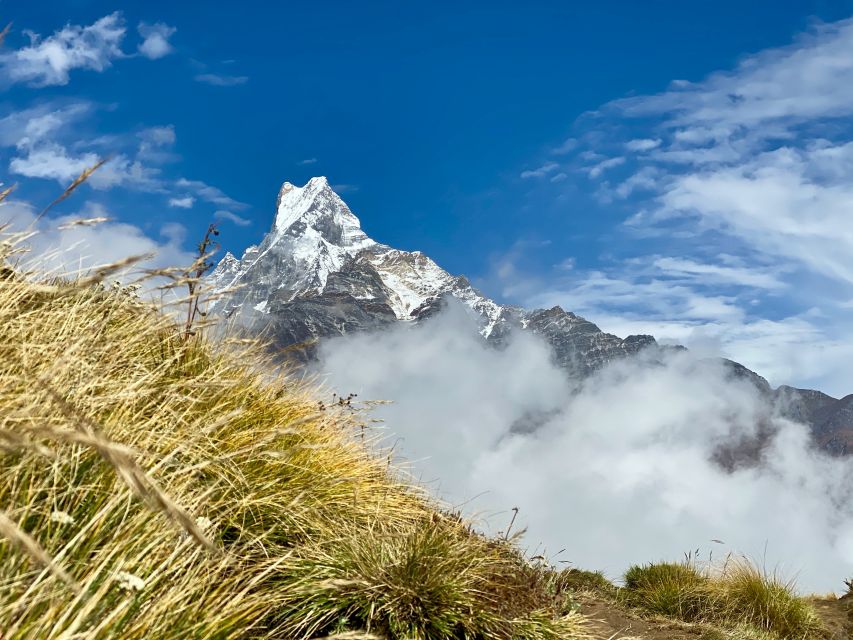
At $183 per person, this trek offers good value if you use the included services. The price covers hotel pickup and drop-off, a licensed English-speaking guide, permits, required paperwork, the Trekkers’ Information Management System fee, government taxes, private accommodation, and transport according to the group size and itinerary.
It also includes staff expenses, including meals, accommodation, salary, equipment, insurance, and transport. That matters because a guided trek’s real cost is not just the room and vehicle. Reliable staff support is especially useful when the route reaches 4,000 meters and weather or trail conditions change.
The package wording needs one careful check. All meals are included on the all-inclusive full package, so confirm that you are booking that version if you expect breakfast, lunch, and dinner throughout the trek. Soft drinks, hard drinks, bottled or boiled water, showers, laundry, phone calls, battery charging, and other personal expenses are not included.
Porters are also extra and can be arranged on request. If you do not want to carry your own main bag, ask about the porter price before departure. A porter can make the steep days easier, but you should also clarify baggage limits and what you personally need to carry during the day.
Travel and rescue insurance are not included. You should arrange insurance with high-altitude coverage before setting out. International flights, a Nepalese visa, and any excess baggage costs are also outside the tour price.
Guides, group size, and practical support
This is a private-group trek, which gives you more control over pace and breaks than a large shared departure. Pickup from Pokhara is included, while pickup from Kathmandu can be arranged for an additional cost.
The guide team is one of the experience’s strongest practical features. Santosh is associated with warm, attentive service, and Prakash can join when an additional licensed guide or porter arrangement is needed. Jeet is another named guide praised for handling the route professionally and taking care of details.
You should still ask who your assigned guide will be before leaving. Confirm the meeting time, vehicle, meal package, sleeping bag and duffle bag arrangements, and whether a porter is included or added separately. Clear questions at the start prevent small misunderstandings on the trail.
English and Hindi guiding are available. The operator is a registered trekking and tour agency, and all staff expenses are included in the stated package. That gives you a clearer idea of where the money goes, though it does not remove the need for insurance or personal emergency funds.
What to pack for changing mountain weather
The official packing advice is practical. Bring a passport or ID card, sunglasses, a hat, sunscreen, a towel, a reusable water bottle, hiking shoes, long pants, shorts, T-shirts, a jacket, a first-aid kit, and trekking equipment.
Add a headlamp to that list, especially because the viewpoint hike begins around 4:00 a.m. Warm clothes matter at High Camp, even if Pokhara feels mild when you leave. Mountain conditions can shift from clear and sunny to rain or snow.
Trekking poles, a sleeping bag, and a duffle bag are listed as available trekking gear. Confirm what is supplied and what you need to collect before the first morning. Pack light enough for the trail, but keep your warm layer, water, sun protection, and basic first aid easy to reach.
The route is not suitable for pregnant women. It also calls for a reasonable level of fitness, particularly for inclines, the 4,300-meter viewpoint, and the seven-hour third day.
Who should choose this Mardi Himal trek?
You should consider this trip if you want mountain views without committing to a much longer Himalayan route. It suits people who enjoy forest walking, basic tea-house stays, early starts, and a mix of physical effort and cultural contact.
The route is also a good match if you want a private guide rather than a large group. The short duration works well with time in Pokhara, and the hot spring gives the itinerary a distinctive finish.
You may want another option if you dislike basic accommodation, have little experience with long uphill walks, or are uncomfortable at high altitude. The route is short in calendar days, but it is not easy in effort. The 4,300-meter viewpoint and the early morning climb deserve respect.
The trek also requires flexibility. Weather can affect mountain views, and roads may take longer than planned. The guide can help with local arrangements, but no mountain itinerary can promise perfect visibility.
Should you book it?
Book this Mardi Himal trek if you want a compact, private Himalayan experience with a clear high point and a relaxing finish. The combination of Machapuchare views, rhododendron forest, village stays, and Jhinu’s hot spring gives the five days a pleasing variety.
At $183, the package is attractive when the full meal plan, permits, transport, guide, accommodation, and equipment are all confirmed. Before paying, ask about the exact meal version, porter cost, pickup timing, included gear, and your assigned guide.
I would choose it for a fit visitor who has five days, wants personal guide support, and accepts simple mountain accommodation. I would skip it if you want a gentle walk or polished hotels. For the right person, the early alarm and sore legs are a fair price for a high ridge, a huge mountain view, and a warm pool beside the Modi River.
FAQ
How long is the Mardi Himal trek?
The experience lasts five days. Walking times range from about 30 minutes on the final morning to roughly seven hours on the third day.
What is the highest point on the route?
The viewpoint reached on the early morning hike is approximately 4,300 meters. High Camp is around 4,000 meters.
Is hotel pickup included?
Yes. Pickup and drop-off are available from hotels in Lakeside, Pokhara Airport, and across the Pokhara Valley. Pickup from Kathmandu can be arranged for an additional cost.
Are meals included?
Breakfast, lunch, and dinner are included on the all-inclusive full package. Soft drinks, hard drinks, bottled or boiled water, and personal food or drink purchases are not included.
Is a porter included?
No. Porters can be arranged for an additional cost upon request.
What languages can the guide speak?
Guiding is available in English and Hindi.
Can I cancel the booking?
You can cancel up to 24 hours in advance for a full refund. The activity also offers reserve now and pay later booking.
Just added around Pokhara
- Pokhara: Sarangkot Sunrise & Panoramic Annapurna View Tour★ 4.8 · 10 reviews
- Pokhara: Bungee Jumping Experience Near Annapurna★ 5.0 · 9 reviews
- Pokhara: Annapurna Day Hike with Panoramic Views★ 4.3 · 7 reviews
- Pokhara: 9-Day Annapurna Base Camp Trek with Poon Hill★ 5.0 · 6 reviews
- Pokhara: 7-Day Annapurna Base Camp Trek & Hot Spring★ 4.0 · 3 reviews
- Pokhara: 5-Day Ghorepani and Poon Hill Private Trek★ 5.0 · 4 reviews
- Pokhara: 5-Day Trek to Annapurna Base Camp and Hot Springs★ 5.0 · 4 reviews
- Pokhara:4-Day Ghorepani Poon Hill Guided Trek via Ghandruk★ 5.0 · 3 reviews
Pokhara Trekking Tours, compared.
Trekking in Annapurna/Langtang/Everest/Upper Mustang regions
Read our review →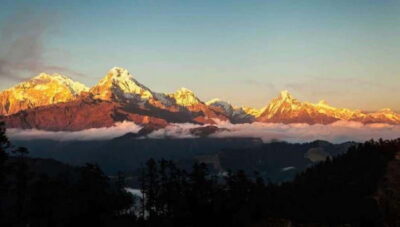
4-Day Ghorepani, Poonhill & Ghandruk Mountain Trek
Read our review →
Kathmandu/Pokhara: 5-Day Annapurna Base Camp (ABC) Trek
Read our review →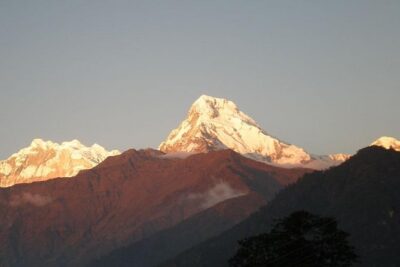
Browse the lists this trek appears in