
Review · PORTUGAL
Pico Mountain Climb: Your Path to Portugal’s Highest Point
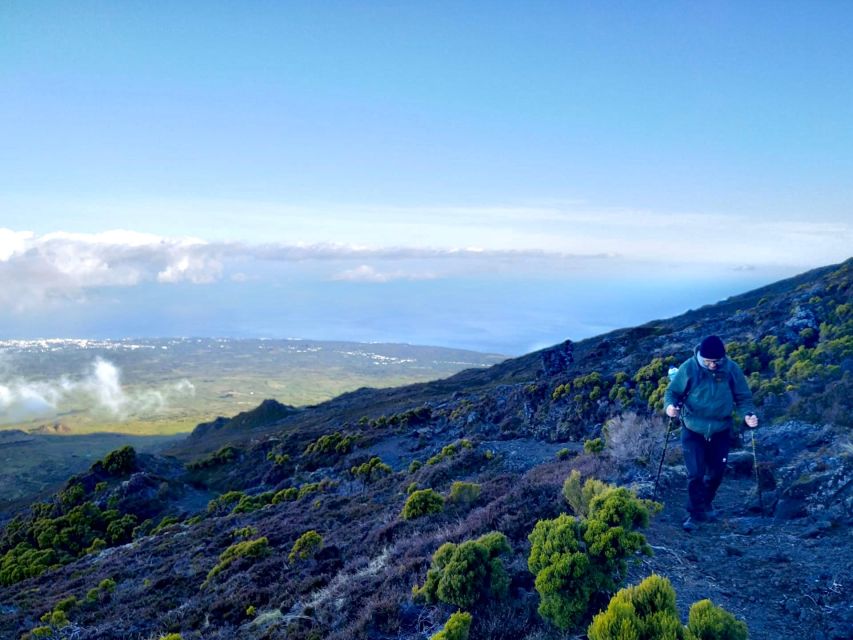
Mount Pico is not a gentle hill walk. It is a real volcanic climb to Portugal’s highest point, with 1,100 metres of ascent over mud, hard lava, loose rock, and sand. The final 15 minutes to Piquinho call for both hands and feet, and the way down can test your thighs and knees more than the climb up.
I like the careful pacing and the practical help from guides such as Steffi and Nilton, who break the route into manageable sections and show you where to place your feet. I also like the human touches: hot tea, homemade brownies, and clear advice about clothing and equipment. The catch is simple: this is not suitable for a sedentary person, and poor weather can cancel the climb at short notice.
Key points about climbing Mount Pico
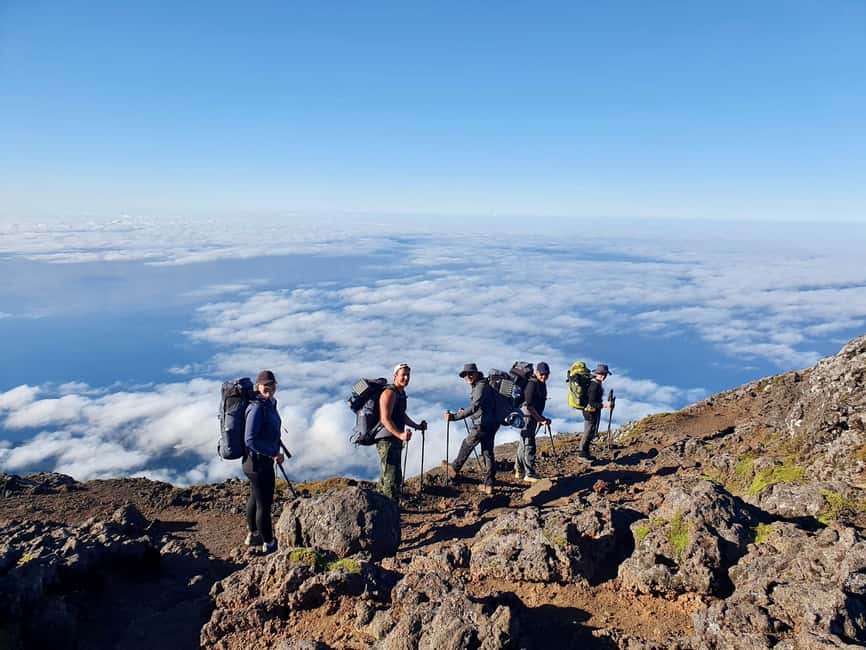
- Portugal’s highest summit: Reach 2,351 metres above sea level at Piquinho.
- A true volcanic climb: The route shifts from mud and soil to solid lava, loose rock, and sand.
- Eight hours on the mountain: Plan for about three hours up, a summit break, and three to four hours back down.
- Guide-led safety: Certified guides manage the pace, assess conditions, and offer footwork advice on steep ground.
- Views depend on weather: On a clear day, you may see the central Azores islands. Cloud can still make the summit worthwhile.
- Good boots are compulsory: The Natural Park can refuse access if your footwear lacks a proper grip.
Why Mount Pico is harder than its height suggests
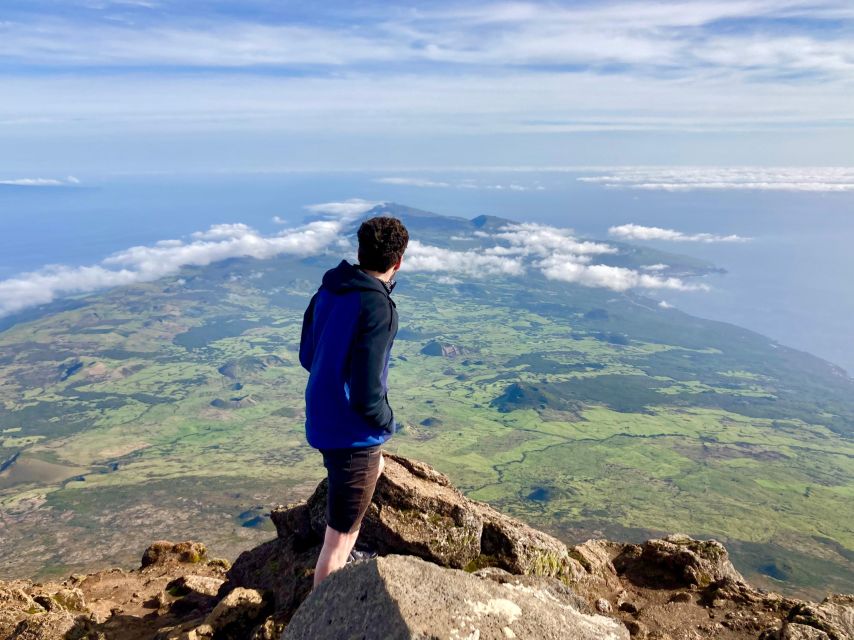
Pico rises to 2,351 metres, but the number alone does not explain the effort. The route covers about 8 kilometres, with 1,100 metres of ascent and the same amount of descent. You are not following a smooth mountain path for most of the day. You are climbing over volcanic ground that changes under your feet.
The first section begins at the Mountain House, at roughly 1,250 metres. This opening stretch acts as a useful fitness and balance check. If you struggle here, the guide may advise you to stop, not as a judgment, but to protect you and the group later on.
The slope grows steeper as you continue. Ground can shift from mud to firm lava, then to loose stones and volcanic sand. That loose surface takes extra energy because your feet slide back as you climb. It also makes the descent awkward, especially when your legs are tired.
The published physical effort level is 3, described as difficult. Technical difficulty is rated 2.5, or medium to difficult. That is a fair warning. You do not need specialist climbing skills, but you do need balance, stamina, and comfort on steep, uneven ground.
A few more treks around Portugal worth a look
- Pico Mountain Climb: Portugal’s Highest Point – 2351 meters
★ 4.9 · 161 reviews - Hiking and Trekking tours in Madeira
★ 5.0 · 22 reviews - Porto Santo: Pico Branco and Terra Cha Guided Mountain Hike
★ 5.0 · 12 reviews
Meeting your guide at the Mountain House
Your day starts inside the Mountain House, where the certified Pico Mountain guide gives a safety briefing of about 20 minutes. This is more than a quick formality. You receive advice on the route, the terrain, clothing, food, and the way the group will move up and down.
Guides including Steffi and Nilton have been praised for calm pacing and close attention to different fitness levels. Steffi is also known for explaining Pico’s geology, plants, and island setting as you climb. Nilton’s style is described as friendly and reassuring, with clear demonstrations of how to move over difficult sections.
The guide’s role matters most on the descent. On the way up, you can often focus on the next few metres. Coming down, you must choose each step while tired. A good guide can point out the firmer line, explain how to lower your body, and help you avoid rushing on loose rock.
The groups are described as small enough for guides to pay attention to individual participants, though the exact group size is not provided. The pace includes shorter breaks, with a longer rest near the summit. That structure helps, but it does not turn the climb into an easy walk.
Through Pico’s native plants and volcanic rock
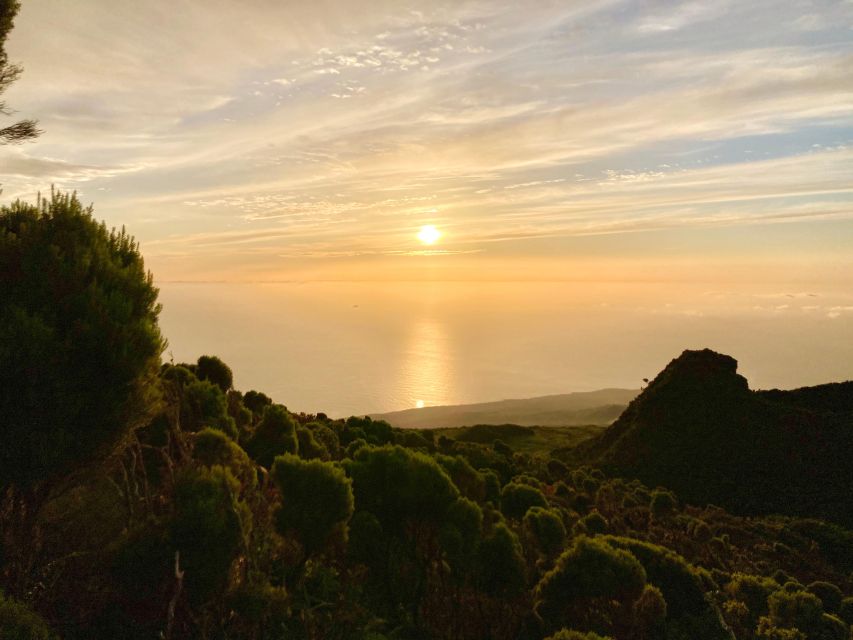
The lower part of the route passes through native vegetation before the plants thin out and the volcanic structures become the main feature. This change gives the climb a clear sense of progress. You start among living ground cover and gradually enter a harsher world of bare lava, rock, and sand.
Your guide can explain the flora and geology along the way. That makes the route more than a long physical effort. You begin to notice how the mountain changes as you gain height, and why footing varies so much from one section to the next.
The route does not offer a constant, well-defined trail. One participant described it as close to a direct climb over lava rocks, with few obvious paths. You should expect route finding across uneven volcanic ground rather than a broad, marked hiking track.
This is where hiking poles can help. A pair is included, and they offer extra balance on mud, rock, and loose surfaces. Still, poles are not a substitute for strong boots or careful foot placement. You may need both hands near the top.
The three-hour ascent to the crater
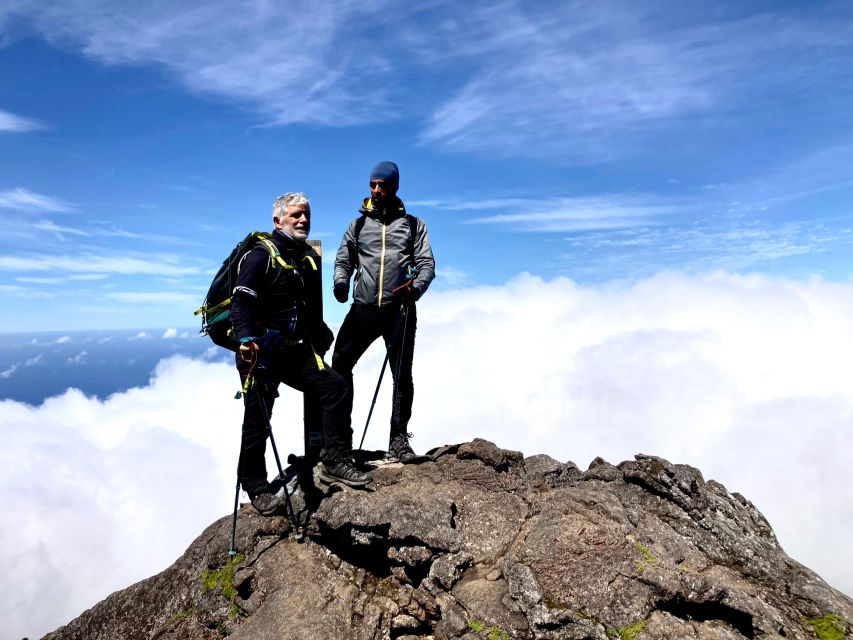
The climb to the crater takes about three hours, although your total time can vary with weather, rest stops, and the group’s pace. One outing took around seven and a half hours with breaks, while the full activity is scheduled for eight hours.
The first part gives the guide a chance to assess the group. You should use it to assess yourself, too. Pay attention to your breathing, balance, and legs. If the early climb feels unusually hard, the later sections will be much more demanding.
As the route steepens, short rest stops become important. Guides break the climb into sections so you can recover without losing the group. This is a sensible approach on a mountain where trying to rush can leave you drained before the summit.
Near the crater, the ground becomes rougher and looser. You may need to step across solid lava, scramble over rocks, and move carefully through sand. A steady pace is more useful than speed. Keep water and food easy to reach, since the day requires sustained effort.
Same trailhead, a different route:
- From Funchal: Madeira Peaks Mountain Walk
★ 4.8 · 380 reviews - Madeira Peaks – Mountain Walk
★ 5.0 · 293 reviews - Lisbon: Via Ferrata Setubal’s Arrábida Natural Park
★ 5.0 · 62 reviews - Madeira: Mountain Walk with Lagoon and Waterfalls
★ 3.9 · 28 reviews
The final 15 minutes to Piquinho
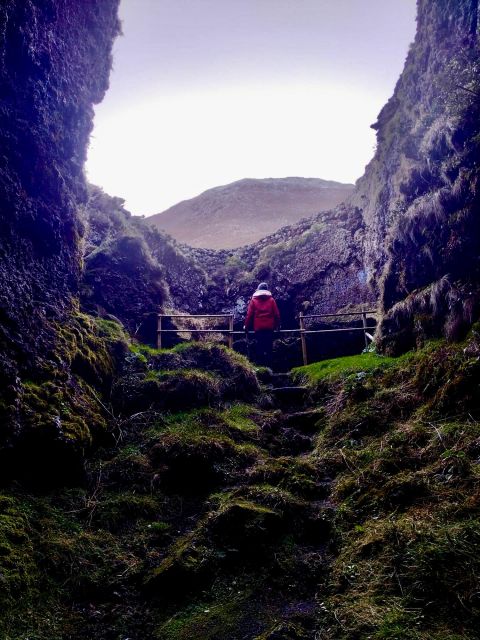
The final push to Piquinho is the most hands-on part. For roughly 15 minutes, you use your hands for stability as you climb the steep upper section. It is not described as a technical climb, but it demands coordination, balance, and confidence around steep ground.
People who are afraid of heights should not book this activity. The combination of steep slopes, exposed volcanic ground, and a long day can make the upper section uncomfortable if you are already nervous.
At 2,351 metres, the summit gives you the reward the climb has been building toward. In clear weather, you may see all the islands in the central Azores group. Cloud can limit the view, but standing above the surrounding terrain remains a significant achievement.
The summit stop is also your chance to eat, drink, and take in the scale of Pico. Guides have sometimes brought hot tea and homemade brownies, a welcome treat after the hardest part of the ascent. Food is not listed as included, so bring your own lunch and snacks. The tea and brownie detail should be treated as a pleasant guide-specific extra, not a promised part of every booking.
Why the descent deserves serious respect
Many first-time mountain climbers think the hard part ends at the summit. On Pico, that can be a costly assumption. The descent takes about three to four hours and follows the same route, but going down loose volcanic ground places different demands on your body.
Your thighs work to control every step. Your knees absorb the downhill movement. Loose stones can slide beneath your boots, and tired legs make balance harder. Several participants found the descent more demanding than the ascent, even when the climb up felt manageable.
Listen carefully to the guide’s advice here. Move slowly, keep your weight controlled, and use the poles for balance. You may need to lower yourself over rocks rather than simply walk down them. The best route up is not always the easiest line down, so follow the guide’s direction.
The descent is also why a decent level of fitness matters. You should be able to walk uphill for several hours and remain steady on your feet afterward. Recent surgery, back problems, heart problems, respiratory issues, pregnancy, or a low fitness level are listed reasons not to take this climb. The activity is also not suitable for children under 12 or people over 70.
What to wear and carry for an eight-hour climb
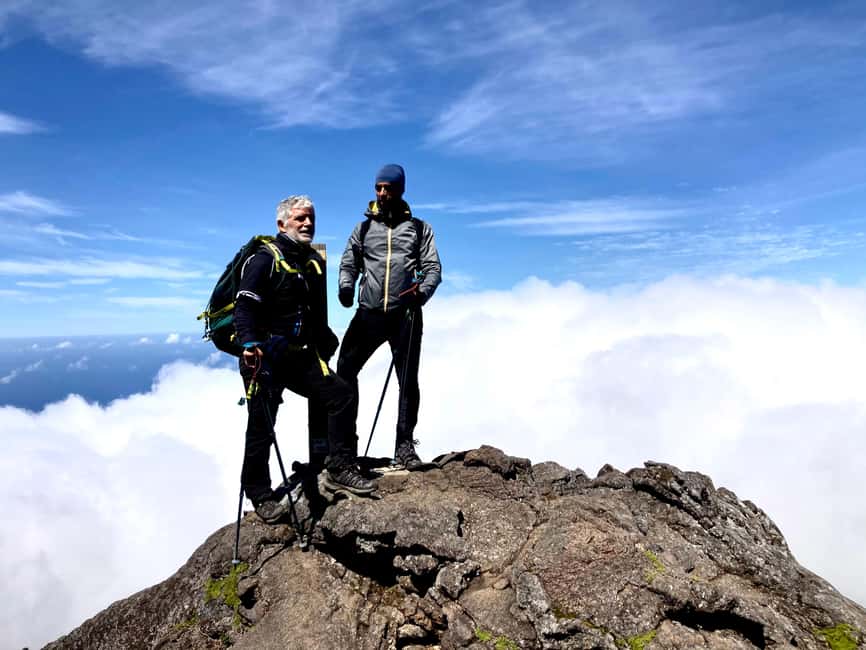
Footwear is the strictest rule. Wear hiking boots or hiking shoes with a good grip. Sports shoes are not allowed, and the Natural Park may refuse entry to anyone without suitable footwear. This is sensible on ground that includes mud, loose rock, and steep lava.
Pack for fast changes in mountain weather. At minimum, bring:
- Water and enough food for the day
- A daypack
- Sunscreen and sunglasses
- Weather-appropriate clothing
- Rain gear
- Proper hiking boots or hiking shoes
- Hiking poles, if you prefer your own, though poles are included
A raincoat is especially important. Heavy rain can arrive during the final part of the climb, even in a generally pleasant season. One October climb ended with about 90 minutes of heavy rain, turning a hard route into an even more serious one.
Do not count on conditions at the Mountain House to predict the summit. The activity can be cancelled just before it starts if the weather is unsafe. That may disrupt your plans, but it is the right call on exposed volcanic terrain.
If you plan to bring a drone, you must register it with ANAC, Portugal’s Civil Aviation Authority. Also provide your name, date of birth, and nationality when booking, since daily access to the mountain is limited and the guide needs to register you at the Mountain House.
Is the $100 price fair?
At $100 per person, this is not a cheap walk, but it offers more than simple route accompaniment. The price includes a certified Pico Mountain guide, access to the Mount Pico Natural Reserve, hiking poles, Allianz personal accident insurance, and a certificate.
The guide is the main value. You are paying for pacing, safety decisions, terrain advice, and help when the route becomes confusing or tiring. On a mountain with changing surfaces and a difficult descent, those services can make the difference between a controlled challenge and a miserable day.
The price also covers reserve access and accident insurance, which would otherwise need separate attention. The certificate is a small souvenir, but the practical inclusions matter more.
Older bookings have been priced at €80, so the cost can change. At the current stated price of $100, I would book it if reaching Pico’s summit is a major goal and you want support on the route. If you are already a strong hill walker and are considering going alone, remember that the guide still adds value through route judgment and help on the descent.
Free cancellation up to 24 hours before the activity and a reserve-now, pay-later option make planning easier. Weather can still cancel the climb close to the start, so avoid putting the ascent on the final possible day of your island visit.
Who should book this Pico climb?
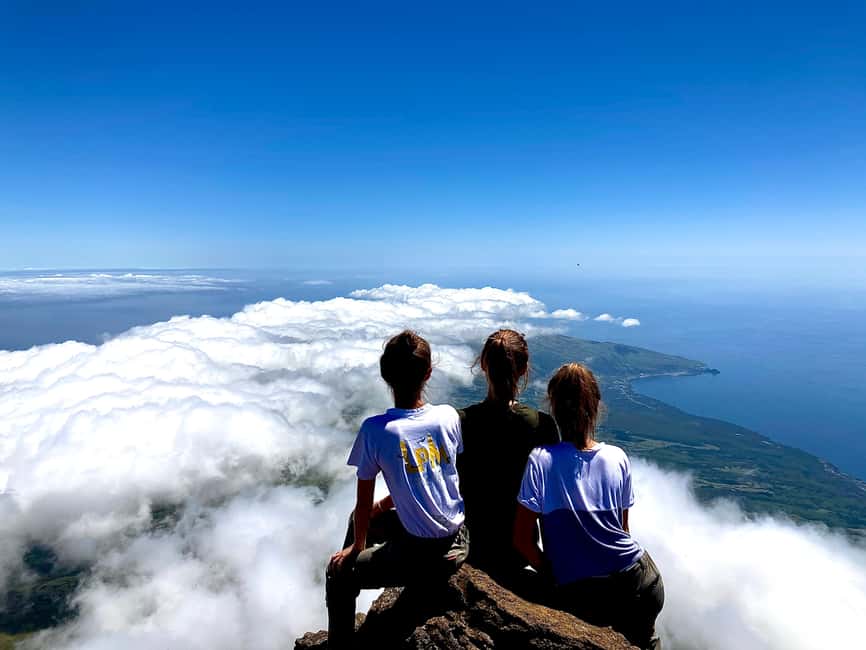
This is a good match for an active adult who enjoys steep hill walking, uneven ground, and a clear physical goal. You should be comfortable with several hours of effort and willing to use your hands near the summit.
You do not need to be an expert climber. The technical rating is medium to difficult rather than extreme, and guides teach you how to handle the route. But you should have recent experience with hills or long hikes, not just a general belief that you are reasonably fit.
I would not choose this activity for a relaxed holiday day, a first ever hike, or a group with widely different abilities unless everyone understands the demands. The route is long, weather can turn, and the way down is not an easy afterthought.
The language options are English, Dutch, and Portuguese. That gives you a better chance of receiving clear instructions and enjoying the explanation of Pico’s natural features.
Should you book the Mount Pico climb?
Book it if you want a serious Azores challenge, not a sightseeing shortcut. The summit views can be spectacular, but the real experience is the changing volcanic ground, the physical effort, and the satisfaction of reaching Piquinho under your own power.
I especially recommend the guided option for first-time Pico climbers and for anyone unsure about the descent. Steffi, Nilton, and other certified guides bring the calm pacing and practical footwork advice that this mountain demands.
Skip it if you have low fitness, medical concerns listed above, poor footwear, or little tolerance for steep and unstable ground. For a prepared hiker with good boots, rain gear, food, and a sensible attitude, this is one of the Azores’ most memorable active days.
FAQ
How long does the Pico Mountain climb take?
The activity lasts about eight hours. The ascent to the crater takes roughly three hours, while the descent takes about three to four hours. Breaks and the pace of the group affect the total time.
How high is Mount Pico?
The summit reaches 2,351 metres above sea level. The route starts at about 1,250 metres and includes approximately 1,100 metres of ascent and descent.
Is a guide included?
Yes. A certified Pico Mountain guide is included. Guides speak English, Dutch, and Portuguese.
What is included in the price?
The price includes the certified guide, Mount Pico Natural Reserve access, hiking poles, Allianz personal accident insurance, and a certificate.
Do I need hiking boots?
Yes. You must wear hiking boots or hiking shoes with a good grip. Sports shoes are not allowed, and the Natural Park can refuse access without suitable footwear.
What should I bring?
Bring water, food, a daypack, sunscreen, sunglasses, rain gear, weather-appropriate clothing, and hiking shoes or boots. Hiking poles are included, but you may bring your own if preferred.
Can children join the climb?
No. The activity is not suitable for children under 12 years old.
Can the climb be cancelled because of weather?
Yes. The activity depends on weather conditions and can be cancelled shortly before the start if conditions are unsafe.
Can I cancel my booking?
You can cancel up to 24 hours in advance for a full refund. A reserve-now, pay-later option is also available.
Just added around Portugal
- Pico Mountain Climbing private tour – with round trip from Faial★ 5.0 · 8 reviews
- Hiking and Trekking tours in Madeira★ 5.0 · 22 reviews
- Private Climbing Via Ferrata Roof of the World★ 5.0 · 6 reviews
- River Trekking/soft canyoning through wild lagoons and Waterfalls★ 5.0 · 8 reviews
- Tailored Trek: Your adventure, Your Way★ 5.0 · 2 reviews
- River Trekking in Arouca Geopark★ 5.0 · 3 reviews
- Porto Santo: Pico Branco and Terra Cha Guided Mountain Hike★ 5.0 · 12 reviews
- Madeira: Mountain Walk with Lagoon and Waterfalls★ 3.9 · 28 reviews
Portugal Trekking Tours, compared.
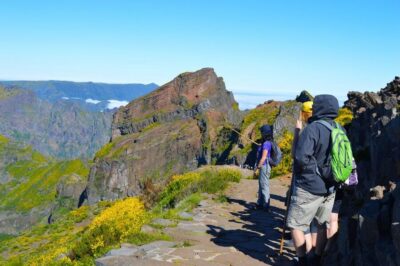
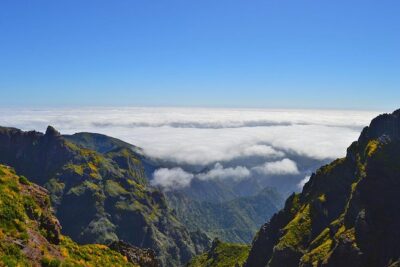
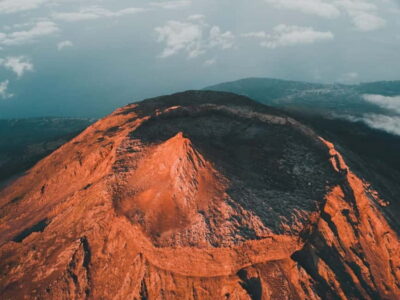
Pico Mountain Climb: Portugal’s Highest Point – 2351 meters
Read our review →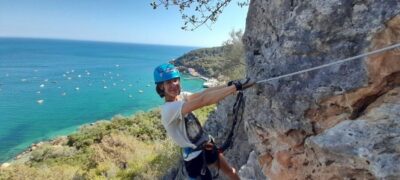
Lisbon: Via Ferrata Setubal’s Arrábida Natural Park
Read our review →
Madeira: Mountain Walk with Lagoon and Waterfalls
Read our review →
Porto Santo: Pico Branco and Terra Cha Guided Mountain Hike
Read our review →
From Ponta Delgada: Vista do Rei to Sete Cidades Guided Trek
Read our review →Browse the lists this trek appears in