
Review · PORTUGAL
Pico Mountain Climb: Portugal’s Highest Point – 2351 meters
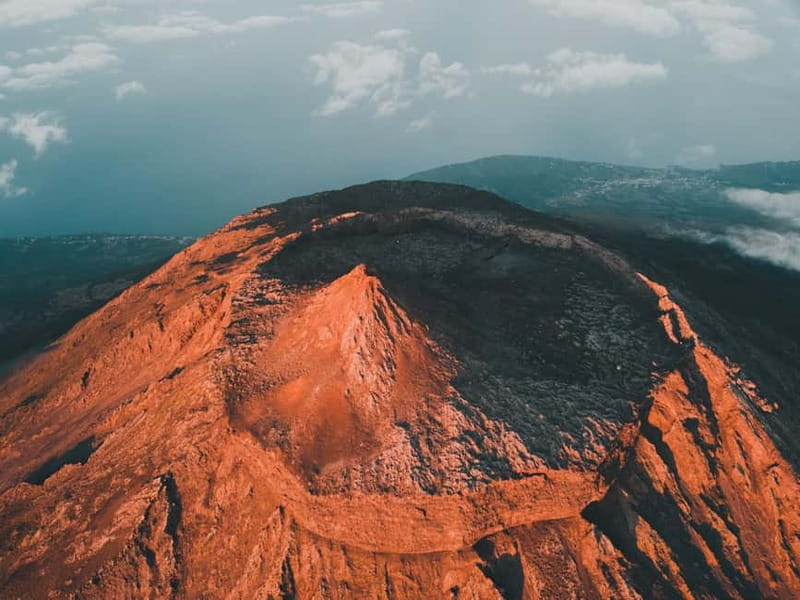
Mount Pico is not just a high point you can tick off with a quick walk. It is a 2,351-meter volcanic climb over loose rock, steep slopes, and an active-looking lava cone with permanent fumaroles near the summit. The reward is a real sense of achievement, plus wide views that can reach several Azorean islands on a clear day.
I like the careful guiding, especially on the descent when fog can make the route hard to follow. I also like the human touches: free coffee at the summit, walking sticks, and photos and videos taken by the guides. The main consideration is fitness. The way down can be harder than the way up, and this is not a gentle mountain stroll.
Key points before you book
- Portugal’s highest point: Reach Piquinho at 2,351 meters above sea level.
- A serious volcanic route: Cover about 8 kilometers on rock with an average slope of 30 percent.
- Guides make a real difference: Isabel, Raisa, Pedro, and Nuno have all been praised for pacing, safety, motivation, and local insight.
- Seven hours on the mountain: The route includes breaks, sightseeing, a picnic stop, and a longer descent.
- Useful extras are included: Walking sticks, personal accident insurance, photos, videos, and summit coffee.
- Best for fit hikers: The activity is not suitable for children under 12, people with low fitness, or anyone with mobility or back problems.
Why Mount Pico is worth the effort
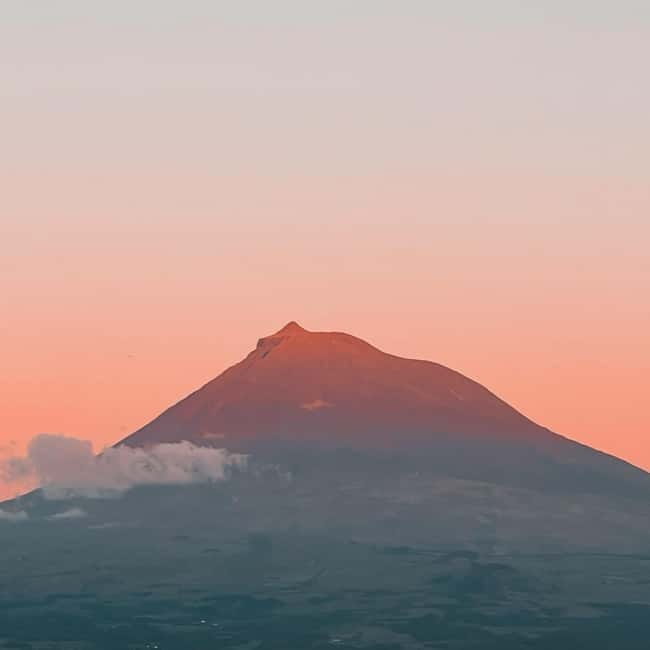
Pico is Portugal’s highest mountain, but its character is very different from a standard alpine peak. You are climbing a volcanic island, and much of the route is made from dark, uneven volcanic rock. Near the top, the mountain narrows into Piquinho, a lava cone with permanent fumaroles.
That setting gives the climb its force. You are not simply walking uphill through woodland. You are moving through the Mount Pico Natural Reserve, watching the ground become rougher and steeper as the summit gets closer. The views also change with the weather. On a clear day, you may see broad stretches of the island and several neighboring islands. In cloud or fog, the mood becomes more severe, and route-finding becomes much harder.
The price is $93 per person. I consider that fair for a seven-hour guided climb when you add accident insurance, walking sticks, photos, videos, and a guide who manages the pace and safety of the group. A self-guided outing may cost less, but it would not give you the same help on the rough upper route or in poor visibility.
The value depends on your reason for going. If you want a quick scenic walk, this is too long and demanding. If reaching Portugal’s highest point is one of your main Azores goals, the price is sensible, especially since the guides do more than point toward the summit. They explain the mountain, encourage tired hikers, and help people handle awkward sections safely.
A few more treks around Portugal worth a look
- Pico Mountain Climb: Your Path to Portugal’s Highest Point
★ 5.0 · 204 reviews - Hiking and Trekking tours in Madeira
★ 5.0 · 22 reviews - Porto Santo: Pico Branco and Terra Cha Guided Mountain Hike
★ 5.0 · 12 reviews
Starting at Casa da Montanha
You meet the guide at Casa da Montanha, also called Mountain House, in Madalena. This is where the staff check you in, explain the plan, and inspect your equipment.
The safety briefing takes about 10 minutes. Pay attention here. You will need to understand the footing, the pace, and how to use the walking sticks before the slope becomes serious. The guide also checks whether you have suitable shoes and clothing.
Bring hiking shoes, water, snacks, and warm clothing. Weather-appropriate layers matter because conditions can change quickly at high elevation. Open-toed shoes and high heels are not allowed, and sports shoes are also listed as unsuitable. A backpack and jacket are not supplied, so you need to bring your own personal hiking equipment.
The group then starts on the easier sections of the route. This gradual opening is helpful because it lets you warm up before the main climb begins. It also gives the guide time to judge the group’s pace and offer tips before the surface becomes more uneven.
The first viewpoints and the 8-kilometer trail
The full route is about 8 kilometers, with an average slope of 30 percent. Those numbers explain why the climb takes around seven hours even though the distance is not huge. Much of the work comes from the angle and the rock underfoot.
An early viewpoint provides a five-minute break for photos and sightseeing. Do not rush past these pauses. They divide the climb into manageable sections and let you look back at the ground already covered.
The first longer section through the Mount Pico Natural Reserve lasts about an hour and a half. The guide leads a steady hike rather than sending everyone off at their own speed. That matters because a wide range of fitness levels can make group climbs awkward. One strong hiker may want to race ahead, while another needs regular rests. The guides praised most often, including Isabel and Raisa, are good at keeping the group together and comfortable.
You may also get a short, less obvious stop after this opening section. It lasts about 10 minutes and works as both a rest and photo break. These small pauses are useful, but they do add up, so the day can feel long if you are not used to sustained uphill walking.
Volcanic rock gets tougher near the summit
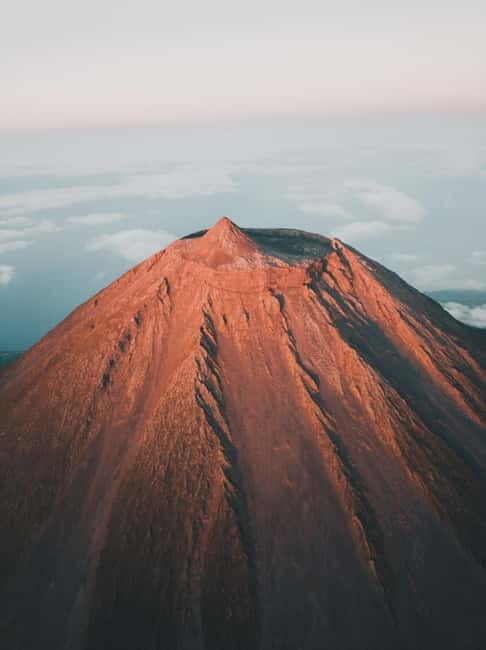
After the easier opening, the route becomes more demanding. The surface is made almost entirely of volcanic rock, with loose stones and uneven steps that need your full attention.
This is where walking sticks become useful. They help with balance and take some strain off your legs, particularly on the steeper parts. Keep your eyes on the ground instead of trying to walk while taking photos. The mountain rewards patience more than speed.
The next guided section lasts about two hours. For many people, this is the main test of the ascent. One hiker described the climb as manageable but compared the effort to using a stair machine for hours. That is a fair way to picture it. You make progress, but your legs keep working without much flat ground to reset.
Your guide will offer practical advice for the rock and keep the pace steady. Raisa has been praised for explaining the mountain’s geology, plants, fauna, and Azorean connections. Isabel has also been singled out for motivation, route tips, and careful attention to the group. The guide’s role is especially useful if you are unsure how to place your feet on the loose sections.
Same trailhead, a different route:
- From Funchal: Madeira Peaks Mountain Walk
★ 4.8 · 380 reviews - Madeira Peaks – Mountain Walk
★ 5.0 · 293 reviews - Lisbon: Via Ferrata Setubal’s Arrábida Natural Park
★ 5.0 · 62 reviews - Madeira: Mountain Walk with Lagoon and Waterfalls
★ 3.9 · 28 reviews
A longer summit break at the natural reserve
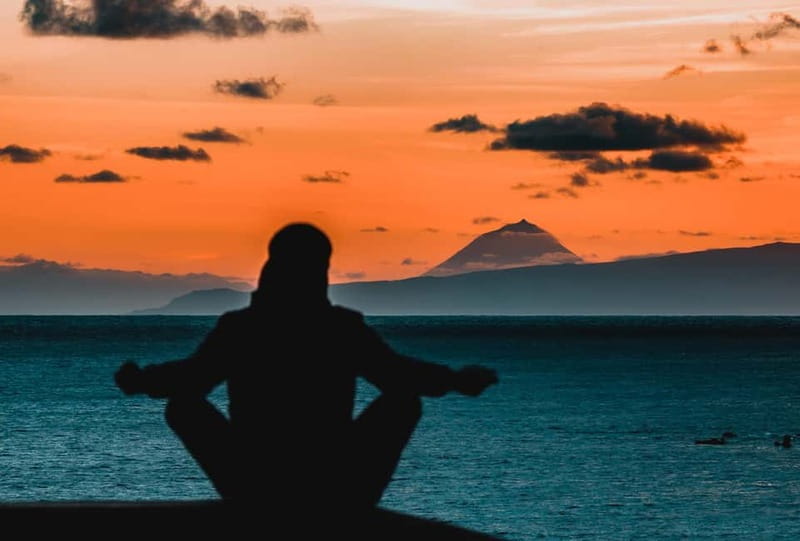
A 20-minute stop gives you time for a picnic, photos, and sightseeing. This is the best point to use the snacks you brought. Meals and drinks are not included, apart from the free coffee provided around the summit, so carry enough food and water for the whole outing.
The break also helps with the mental side of the climb. Mount Pico can feel repetitive when each step looks much like the last. A proper pause lets you eat, look around, and gather energy for the upper section.
You should not expect a soft trail or a broad, level picnic area. The route is volcanic and steep, so rest stops are practical rather than polished. That is part of the appeal, but it also means you need to be comfortable sitting or pausing on rough ground.
Piquinho and the final push
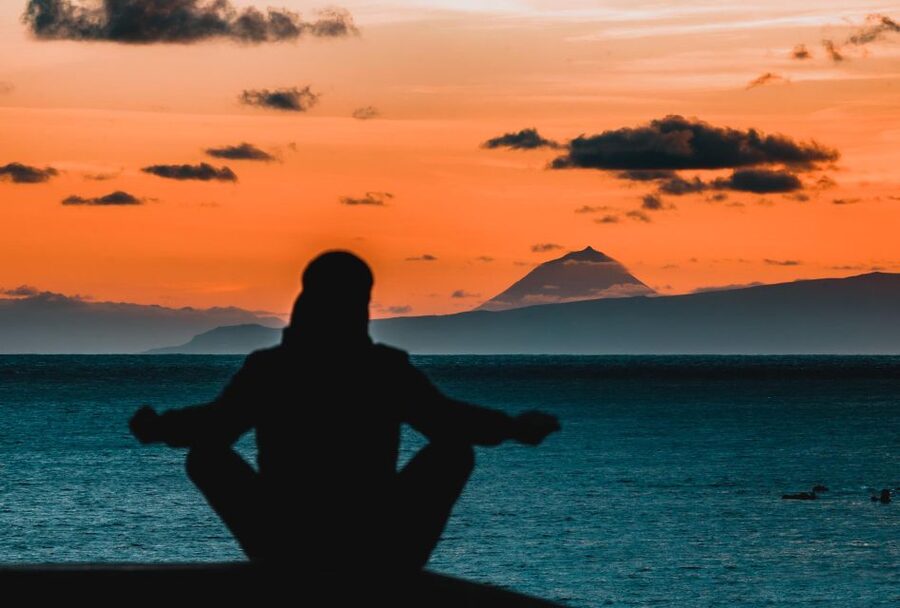
The route continues through the natural reserve for another hour and a half before a short viewpoint break. By now, the upper cone is the main goal.
Near the top, you rest in the volcano crater before making the final push. This is one of the most memorable parts of the climb. The crater gives you a close look at the mountain’s volcanic form, while the lava cone above it makes the last section feel distinct from the trail below.
The final cone has permanent fumaroles. They are a clear reminder that you are standing on a volcano, not simply a weathered mountain ridge. The last ascent requires care, and the guide stays on hand to show you the safest way over the rock.
Then comes Piquinho at 2,351 meters, the highest point in Portugal. The actual summit area is not about a large platform or an elaborate monument. It is about the feeling of reaching the top of a steep volcanic mountain after several hours of effort.
Summit views, coffee, and photos
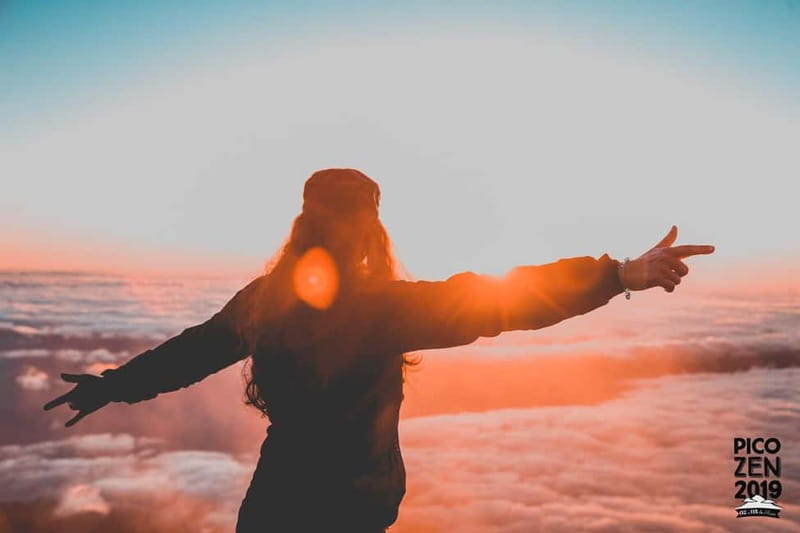
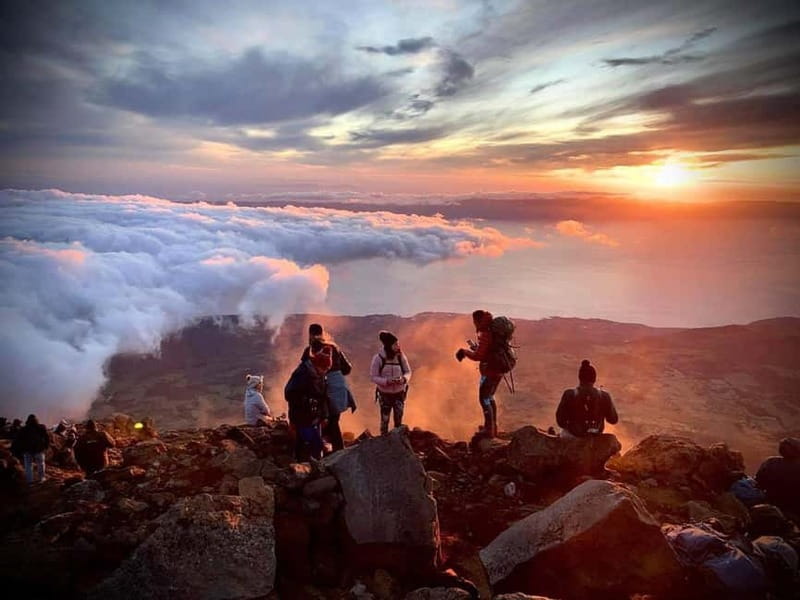
At the summit, take time to breathe and look around before focusing on your camera. On a clear day, the views can extend across Pico and toward four islands. On a cloudy day, you may see much less, but the summit still gives you the satisfaction of reaching Portugal’s highest point.
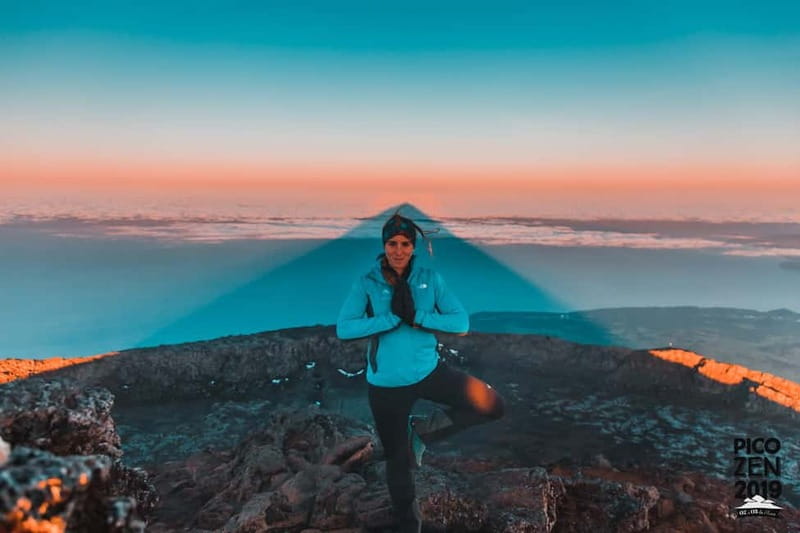
The free coffee is a small but welcome touch. After a long climb, a warm drink can feel like a proper reward. Guides also take photos and videos, so you can put away your phone for a while and enjoy the moment. This is valuable on a climb where your hands may be busy with balance and walking sticks.
Weather controls the view more than the season does. A summer date does not guarantee a clear summit, and a cooler month can bring excellent conditions. One late-November climb had clear weather and very few other people on the mountain, while another outing faced harsh weather. You need to accept that the mountain decides how much scenery you get.
The descent is the part to respect
The descent returns by the same general route, but the effort feels different. The schedule allows about an hour and a half for the final guided section, with fewer stops so your leg muscles stay active.
This does not mean the way down is easy. Several people found the descent harder than the ascent. Your legs are tired, your balance may be less reliable, and loose rock can make each step awkward. The steep slope also puts a different strain on your knees and thighs.
Fog is another concern. In low visibility, it can be easy to lose the route, which is one of the strongest reasons to book a guide rather than attempt the climb alone. A guide can keep the group on track and help you move through the rough sections with more confidence.
Do not treat the summit as the finish line. Save energy for the return to Casa da Montanha. Use the walking sticks, keep your pace controlled, and take the short viewpoint break when offered. The day ends back at Mountain House after the full seven-hour outing.
The guides are part of the experience
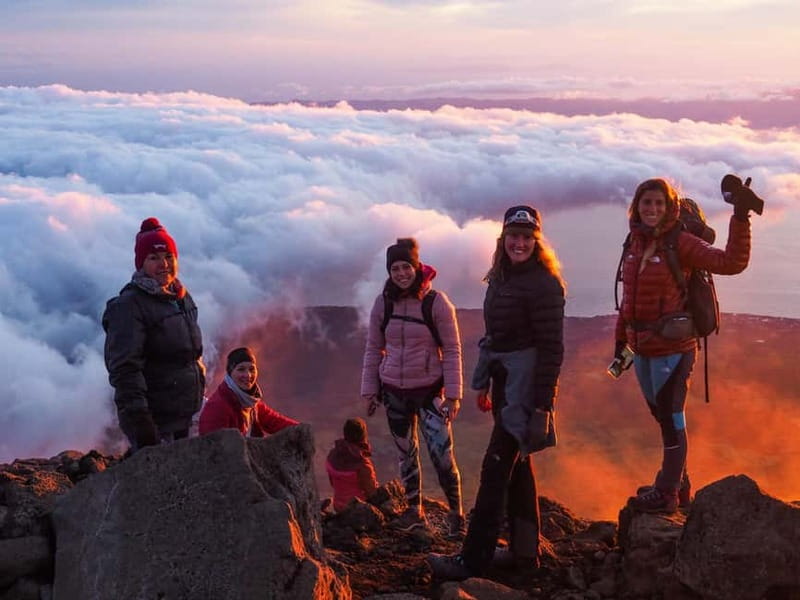
The guide can shape this climb more than any other single factor. Isabel has been praised for keeping people safe, explaining details clearly, and helping tired hikers continue. Raisa is known for warm encouragement, local information, and careful tips on the harder sections. Pedro has been praised for keeping the group on track, while Nuno helped make a challenging climb feel possible through guidance and mountain knowledge.
That does not mean the route becomes easy. Good guiding removes some of the uncertainty, not the uphill work. You still need to bring fitness, patience, and the right clothing.
The multilingual service is useful if you prefer to receive instructions in Portuguese, English, Italian, Spanish, or French. Clear instructions matter most on the rough descent, when you need to understand where to step and when to slow down.
Who should book this climb
I would recommend it to adults and older teenagers with solid hiking experience and a reasonable level of fitness. The activity excludes children under 12, pregnant women, people with back problems, people with mobility impairments, wheelchair users, people with low fitness, and people over 70.
Those limits are practical rather than fussy. This is a steep, uneven route with a long return walk. If you already know that sustained uphill work bothers your knees, ankles, back, or breathing, this is not the place to test yourself.
Solo hikers, couples, and families with suitable older children can all fit into the experience, but the key requirement is hiking ability. You do not need to be an elite climber. You do need to manage several hours of effort and stay focused on loose rock.
If you want a private experience, the standard group format may not suit you if your party has very different fitness levels. One person who found the day rewarding still felt that a private tour might have helped when hikers in the group moved at different speeds.
Booking details that affect your decision
The advertised price is $93 per person, and the activity lasts about seven hours. Starting times vary, so you need to check availability when booking.
Included are all applicable taxes and fees, personal accident insurance, an experienced professional guide, walking sticks, and photos and videos. Meals, drinks, boots, backpacks, jackets, and other personal equipment are not included.
Cancellation is flexible up to 24 hours before the activity for a full refund. You can also reserve now and pay later, which helps if your Azores plans depend on weather or changing island connections.
The climb is offered with live guiding in five languages: Portuguese, English, Italian, Spanish, and French. Meet at Casa da Montanha in Madalena, where staff and your guide handle the check-in and safety preparation.
Should you book the Mount Pico climb?
Book this tour if reaching Portugal’s highest point is a priority and you want experienced help on volcanic terrain. The guides add real value, especially in fog, on the descent, and when the group needs a steady pace. The summit coffee and photos are pleasant extras, but the main benefit is safer, calmer route management.
Skip it if you want an easy walk, dislike steep loose rock, or are not prepared to spend a full day on your feet. For fit hikers who accept the effort, this is one of the Azores experiences most likely to stay with you long after the sore legs fade.
FAQ
How high is Mount Pico?
The summit of Mount Pico reaches 2,351 meters, making it Portugal’s highest point. The final summit area is called Piquinho.
How long does the climb take?
The activity lasts about seven hours from Casa da Montanha and back. The route covers approximately 8 kilometers.
Where does the tour begin?
You meet the staff and guide at Casa da Montanha in Madalena, also referred to as Mountain House.
What equipment is provided?
Walking sticks are provided for comfort and safety. Personal equipment such as hiking shoes, a backpack, warm clothing, and a jacket is not included.
Is food included?
Meals and drinks are not included. You should bring snacks and water. Free coffee is available at the summit.
Which languages are available?
Live guiding is available in Portuguese, English, Italian, Spanish, and French.
Who should not take this activity?
The climb is not suitable for children under 12, pregnant women, people with back problems, mobility impairments, wheelchair users, low fitness levels, or people over 70. Open-toed shoes, high heels, and sports shoes are not allowed.
Just added around Portugal
- Pico Mountain Climbing private tour – with round trip from Faial★ 5.0 · 8 reviews
- Hiking and Trekking tours in Madeira★ 5.0 · 22 reviews
- Private Climbing Via Ferrata Roof of the World★ 5.0 · 6 reviews
- River Trekking/soft canyoning through wild lagoons and Waterfalls★ 5.0 · 8 reviews
- Tailored Trek: Your adventure, Your Way★ 5.0 · 2 reviews
- River Trekking in Arouca Geopark★ 5.0 · 3 reviews
- Porto Santo: Pico Branco and Terra Cha Guided Mountain Hike★ 5.0 · 12 reviews
- Madeira: Mountain Walk with Lagoon and Waterfalls★ 3.9 · 28 reviews
Portugal Trekking Tours, compared.
Pico Mountain Climb: Your Path to Portugal’s Highest Point
Read our review →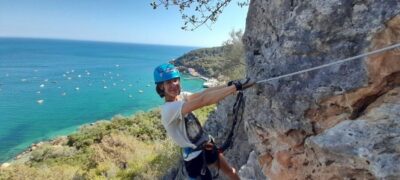
Lisbon: Via Ferrata Setubal’s Arrábida Natural Park
Read our review →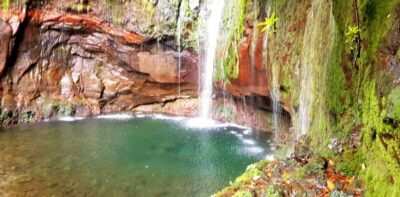
Madeira: Mountain Walk with Lagoon and Waterfalls
Read our review →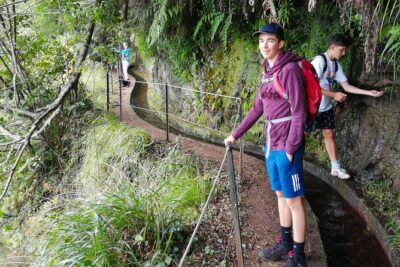
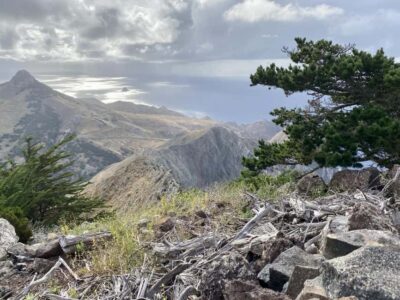
Porto Santo: Pico Branco and Terra Cha Guided Mountain Hike
Read our review →
From Ponta Delgada: Vista do Rei to Sete Cidades Guided Trek
Read our review →Browse the lists this trek appears in