
Review · SPAIN
Alicante: Via Ferrata del Ponoig Guided Trek and Climb
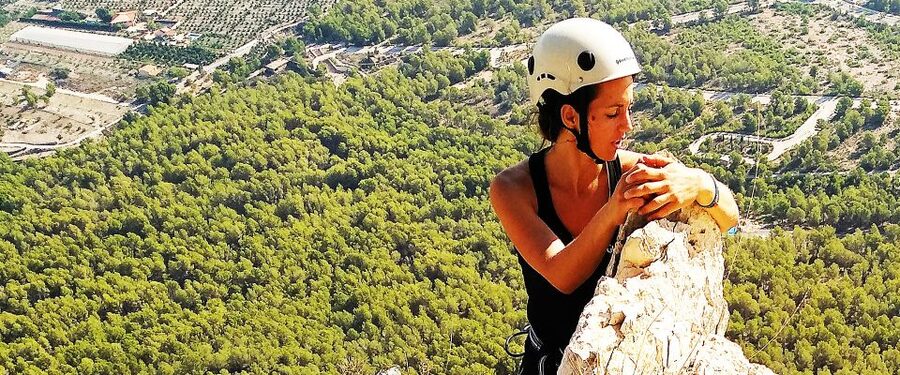
The real draw here is the near-vertical K4 climb up Via Ferrata del Ponoig, where metal staples lead you straight into wide views of the Mediterranean, Guadalest Valley, and the Sierras de Aixortá. You get a safety briefing and a short climbing practice before the serious ascent begins.
I like the careful setup, especially the chance to learn wall-climbing basics before committing to the route. I also like the small group limit of 10, plus the included photos, which let you concentrate on the climb instead of fumbling with a camera. The main catch is simple: this is a demanding activity, not a gentle mountain walk, and vertigo, limited mobility, or a dislike of heights can make it a poor fit.
Key points to know before booking
- K4 via ferrata: Expect a steep, aerial route with a security cable and metal staples fixed into the rock.
- Practice comes first: Your guide covers basic climbing skills before you start upward.
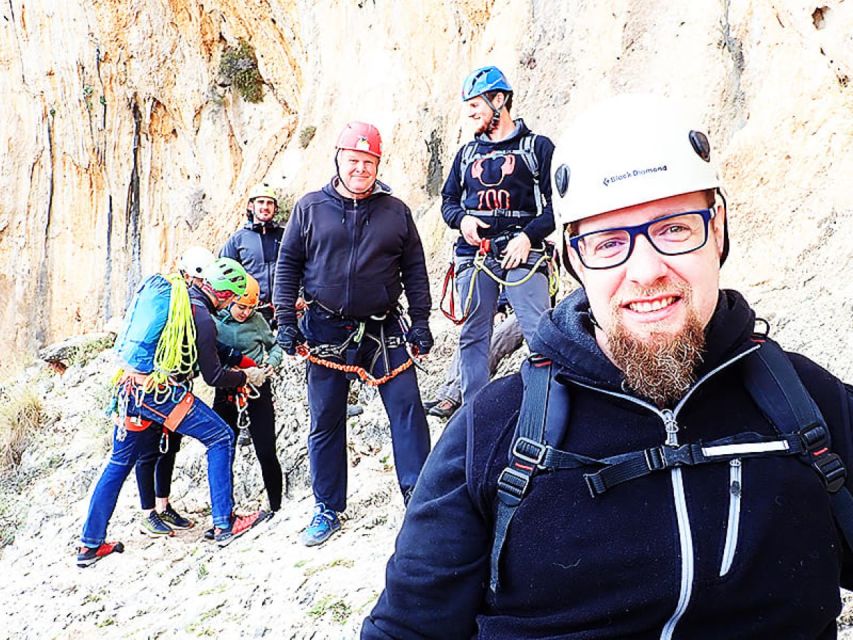
- Big views for the effort: Look across Guadalest Valley, the Sierras de Aixortá and Bernia, and the Mediterranean coast.
- Safety equipment included: You receive a harness, helmet, and Ferrata kit, but you must bring suitable hiking shoes.
- Small group setting: No more than 10 participants share the five-hour experience.
- Good guide support: Spanish and English are offered, with guides including Frank and Osmar praised for clear, patient instruction.
What the Ponoig route is really like
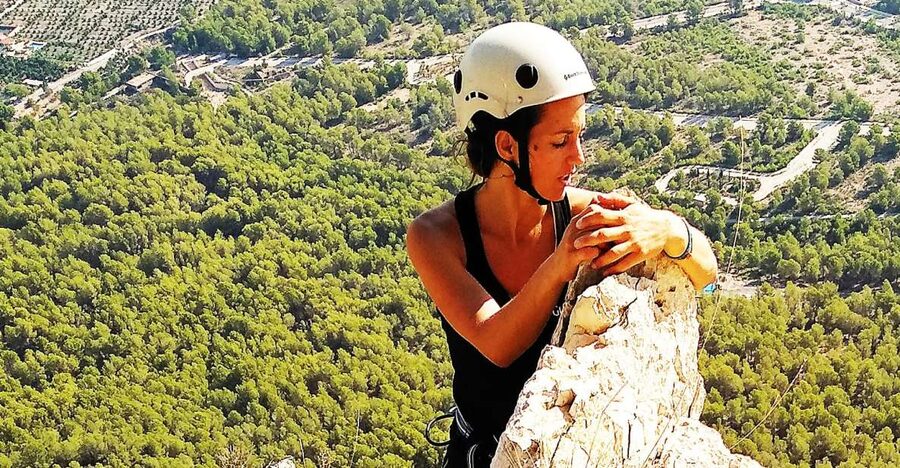
Via Ferrata del Ponoig is not a hike with a few cables added for interest. It is a climbing route with a nearly vertical section, and the K4 rating signals a serious physical challenge. You move upward using thick metal staples set into the rock while staying attached to a security cable.
That combination makes the route accessible to people who are not traditional rock climbers, but it does not make the climb easy. You still need strength, balance, confidence, and the ability to keep moving on steep rock. I would think of it as a guided climbing adventure rather than a sightseeing walk.
The payoff comes quickly as the ground drops away and the views widen. You can look toward the Valley of Guadalest, the Sierras de Aixortá and Bernia, and the Mediterranean coast. The scenery is not something you simply pass on the way to a viewpoint. You earn it one metal step at a time.
The supplied duration is five hours, with about four hours listed for the guided tour and safety briefing. That gives the guide room to explain the equipment, help the group get started, manage different climbing speeds, and bring everyone back to the parking area without turning the experience into a race.
More Via Ferrata Routes in Spain
- Sant Feliu de Guixols: Climb Via Ferrata Cala del Molí
★ 5.0 · 253 reviews - Gran Canaria: Guided Via Ferrata Excursion
★ 4.9 · 198 reviews - Via Ferrata in Gran Canaria. Vertical adventure park. Small groups
★ 5.0 · 183 reviews
Starting at Parking Vía Ferrata Ponoig
You meet at Parking Vía Ferrata Ponoig, where the guide holds a visible sign. This is useful because the meeting point is a practical parking area rather than a famous landmark, and a clear sign should help you identify the right person quickly.
From there, the group gets organized before climbing. You receive the required equipment, including a harness, helmet, and Ferrata kit. Shoes are not provided, so arrive in hiking shoes with secure footing. Water and weather-appropriate clothing are also your responsibility.
This is the moment to check your packing. You do not need to bring food or drinks as part of the booking, and none are included, so carry enough water for a physically active half-day. One past participant specifically recommended a small rucksack, plenty of water, sunscreen, and a few sweets for energy. That is sensible advice for a steep outdoor activity, though you should keep your bag compact so it does not interfere with the equipment or the rock.
The activity provider is Jose Francisco Carbonell Oltra. The tour is offered in Spanish and English, and guides associated with the experience include Frank and Osmar. Clear explanations matter here, since you will need to understand how to use the safety system before leaving the ground.
Learning the basics before the first serious climb
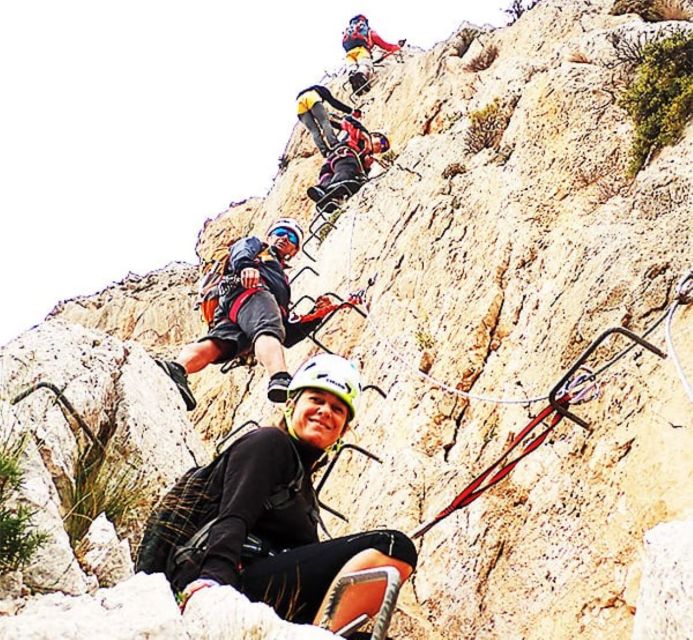
The guide does not simply hand you a harness and point at the cliff. You first practice climbing on a rock wall and go through the basic technique. That short training section is one of the most useful parts of the day.
You learn how to move with the metal staples, how to work with the security cable, and how to approach the rock. A beginner may not become a climber in a few minutes, but the practice gives you a chance to understand the equipment while your feet are still on manageable ground.
This preparation also helps the guide judge the group. Some people will move confidently from the start, while others need more time to get comfortable with the height and the rhythm of the route. A small group makes that easier to manage than a large crowd.
The instructions are especially important because the route requires more than pulling with your arms. You need to place your feet carefully, keep a steady pace, and use the rock and staples efficiently. If you rush, you will tire sooner. If you freeze, the guide can help you reset and continue safely.
Guides Frank and Osmar have been associated with patient, clear explanations, and Frank has been noted for communicating well in English. That kind of calm instruction is valuable when the route feels exposed. You want a guide who can explain the next move without making the situation feel dramatic.
Tackling the metal staples and security cable
Once you begin the main route, the character of the day changes. You climb straight up the rock face using thick metal staples fixed into the cliff. A new security cable provides the attachment point for your Ferrata kit as you move upward.
You should expect a physical climb rather than a scenic stroll. Your legs work constantly, and your arms help with balance and pulling. The nearly vertical sections can make your heart beat faster, especially when you look down and see how much ground you have gained.
The safety system is there to reduce the consequences of a slip, not to remove the need for care. You still have to handle the equipment correctly and listen closely to the guide. The introductory briefing is therefore not a formality. Pay attention to every instruction about moving along the cable and changing position.
The K4 classification is worth taking seriously. This route is not suitable for children under 18, pregnant women, people with mobility impairments, or people with vertigo. The activity also involves significant physical effort, so you should be honest about your fitness and comfort with heights before booking.
At the same time, the guided format gives you useful support. You are not expected to figure out the route alone, and the guide can adjust the pace to the group. A past booking praised the way the guide adapted to different speeds, which is exactly what you want when several people are sharing a demanding climb.
Same trailhead, a different route:
- La Palma: Tajogaite Volcano Guided Trek
★ 4.8 · 1,810 reviews - From Barcelona: Montserrat Monastery & Scenic Mountain Hike
★ 4.9 · 978 reviews - Lanzarote: Timanfaya Natural Park Trekking Tour
★ 4.8 · 766 reviews - Volcano Trekking Tour (Timanfaya eruptions)
★ 5.0 · 339 reviews
The views from Ponoig and Guadalest Valley
The view is the reward, but it develops gradually rather than arriving as one single lookout. As you climb, the Valley of Guadalest opens below you, with the Sierras de Aixortá and Bernia adding layers beyond it. On clear days, the Mediterranean coast provides the broadest horizon.
This is one reason the route feels different from an indoor climbing wall. You are not repeating a fixed movement in a gym. You are attached to a real rock face, with open air around you and a changing view each time you gain height.
Still, the views do not make the activity gentle. You may have to pause on a narrow or steep section to take them in, and the most exposed moments may not be ideal for photography. The included photos are a useful touch because you can keep both hands focused on climbing and let the guide handle the picture-taking.
Use those pauses wisely. Take a breath, look out across the valley, and check your footing before moving on. The best part of a via ferrata is the contrast between concentration and sudden open views. You work through a steep section, then discover that the sea and mountain ranges have become much larger below you.
Weather will affect how enjoyable those views are, so bring clothing suited to the conditions. The supplied information does not promise a particular forecast or visibility, and the activity is outdoors. Sunscreen is a practical addition, particularly on exposed rock.
How the five-hour schedule feels
The total duration is five hours, with the main guided route and safety briefing taking about four hours before returning to Parking Vía Ferrata Ponoig. That is a substantial half-day commitment, so avoid planning another fixed activity immediately afterward.
The schedule includes several stages:
- Meeting the guide at the parking area
- Putting on the harness, helmet, and Ferrata kit
- Learning basic wall-climbing skills
- Starting the steep route on the metal staples
- Climbing with the security cable while taking in the views
- Returning to the original parking area
The exact time spent on each stage can change with group pace and conditions. A group with several first-time climbers may move more slowly than a group of experienced participants. That is not a flaw. It is part of choosing a guided small-group route.
The experience is sold as five hours, not as a quick thrill squeezed into an afternoon. You have time to learn, climb, pause, and return. For a first via ferrata, that slower structure is more useful than a rushed outing.
Is the $65 price good value?
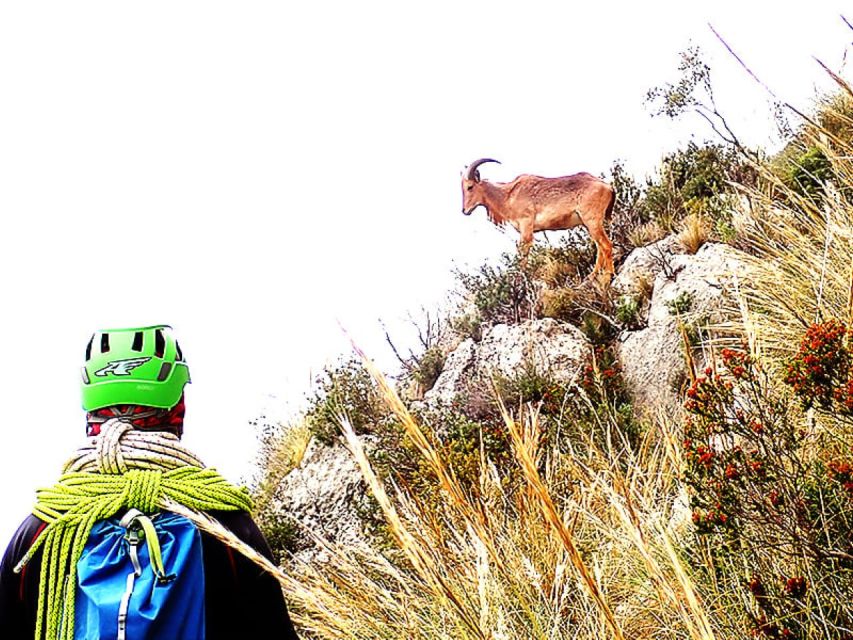
At $65 per person, the price is reasonable for a five-hour guided mountain activity with safety equipment and photos included. You are paying for a guide, a harness, helmet, and Ferrata kit, as well as route management and instruction. Those are meaningful inclusions for a climb where using the system correctly matters.
The small group limit improves the value. With no more than 10 participants, the guide has a realistic chance to explain the equipment, observe technique, and help people who need extra confidence. A cheaper activity with a very large group might not offer the same level of attention.
You should budget for the things left out. Shoes are not included, and neither are food or drinks. You need hiking shoes, water, and weather-appropriate clothing. If you need to buy suitable footwear just for this outing, the real cost of the day will be higher.
The included photos also matter. On a route involving a harness and both hands, taking your own pictures can be awkward or unsafe. Photos give you a record of the climb without making photography another task.
The flexible booking terms add practical value. You can cancel up to 24 hours before the activity for a full refund, and you can reserve now and pay later. Those conditions are useful when your schedule or outdoor plans may change.
Who should book this climb?
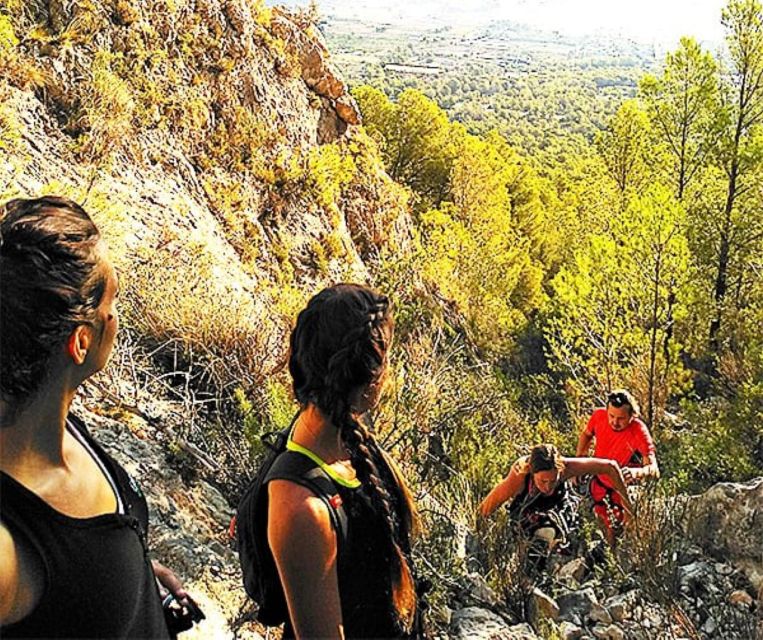
I would recommend it to an adult who wants a proper physical challenge, enjoys heights, and likes the idea of climbing outdoors without arranging a full private climbing expedition. It can suit a beginner because instruction and equipment are included, but beginner-friendly does not mean easy.
You should be comfortable with a nearly vertical ascent and significant physical activity. If you already enjoy hiking, climbing walls, or other height-based activities, the route may be a natural next step. The guide’s instruction gives you structure, while the cable and metal staples let you tackle a rock face with support.
I would not book it as a casual family outing. Children under 18 are not permitted, and the activity is unsuitable for pregnant women, people with mobility impairments, and people with vertigo. You also need to be willing to wear the safety equipment for the full activity and follow instructions carefully.
Language should be manageable for many international visitors, since the guide can conduct the experience in Spanish or English. If you are not confident in either language, ask before booking because understanding the safety briefing is essential.
Practical preparation for a better day
Wear hiking shoes, not casual sneakers with weak grip. The provided information specifically asks you to bring hiking shoes, and the route includes steep rock and metal footholds. You should also bring water, sunscreen, and clothing suited to the weather.
A small rucksack is useful for water and simple snacks. Do not overpack. You want your hands free and your body unencumbered while climbing. Food and drinks are not supplied, so plan for your own needs before meeting the guide.
Arrive ready to identify the guide at the parking area. Look for the visible sign at Parking Vía Ferrata Ponoig. The clearer and more organized you are at the start, the more time the group can spend on the actual route.
Most important, assess your response to height honestly. A little nervousness is normal. Vertigo is specifically listed as a reason not to take part, and this route includes aerial, steep sections. You should not book hoping the height will somehow feel different once you are on the rock.
My recommendation: book it if you want a real climb
Book Via Ferrata del Ponoig if you want a guided, physical adventure with broad mountain and sea views, and if a nearly vertical route sounds exciting rather than alarming. The practice session, safety gear, small group, bilingual guiding, and included photos make the $65 price fair.
Skip it if you are looking for an easy walk, dislike exposed heights, or need an accessible activity. For the right person, this is a memorable way to see the Guadalest Valley and Mediterranean coast from above. Just bring proper shoes, plenty of water, sunscreen, and the willingness to climb instead of simply admire the mountain.
FAQ
Where does the Via Ferrata del Ponoig experience meet?
Meet your guide at Parking Vía Ferrata Ponoig. The guide will be holding a visible sign.
How long does the activity last?
The experience lasts five hours. The guided tour and safety briefing are listed as taking about four hours, followed by the return to the parking area.
What languages are available?
The live guide can conduct the activity in Spanish or English.
What equipment is included?
A climbing guide, harness, helmet, Ferrata kit, and photos are included.
What should I bring?
Bring hiking shoes, water, and clothing suitable for the weather. Food and drinks are not included.
Is the route difficult?
The route is categorized as K4 and includes a significant physical effort with a nearly vertical climb, steep aerial sections, metal staples, and a security cable.
Who should not take part?
The activity is not suitable for pregnant women, people with mobility impairments, people with vertigo, or children under 18.
Can I cancel or pay later?
You can cancel up to 24 hours in advance for a full refund. You can also reserve your place and pay later.
Just added around Spain
- Via Ferrata John Hogbin with Photos★ 5.0 · 4 reviews
- Half-Day Adventure and Climbing Via Ferrata in Gran Canaria★ 5.0 · 25 reviews
- The Roque Nublo Base Camp Experience: Hiking, Picnic and Climbing★ 5.0 · 11 reviews
- Private Climbing Experience Via ferrata Senda do Santo★ 5.0 · 8 reviews
- Via Ferrata Cala del Molí★ 4.0 · 4 reviews
- Via ferrata Cala del Molí in Sant Feliu de Guíxols★ 5.0 · 2 reviews
- Via ferrata de Sant feliu de guíxols – Via ferrata cala del molí★ 5.0 · 47 reviews
- Via Ferrata Adventure in Madrid with Transport★ 5.0 · 4 reviews
Via Ferrata Routes, compared.
Banff: Mount Norquay 2.5 or 4-Hour Guided Via Ferrata Climb
Read our review →
Sant Feliu de Guixols: Climb Via Ferrata Cala del Molí
Read our review →
Small-Group Guided Via Ferrata Climbing with Banff’s Best Views
Read our review →
Via Ferrata in Gran Canaria. Vertical adventure park. Small groups
Read our review →Browse the lists this trek appears in