
Review · CANADA
Banff: Mount Norquay 2.5 or 4-Hour Guided Via Ferrata Climb
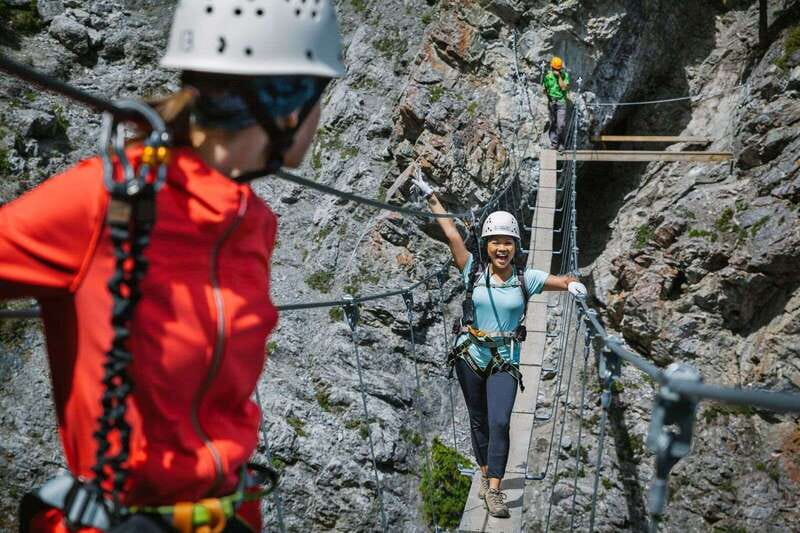
Mount Norquay’s via ferrata lets you climb real mountain cliffs without needing traditional climbing experience. You clip your harness to a fixed steel cable, use metal steps and ladders bolted into the rock, cross a 30-meter suspension bridge, and work your way toward high views above Banff.
I like the small groups of up to eight and the careful coaching from guides such as Amanda, Katsu, Ben, Jordan, and Lucy. I also like that the chairlift ride is part of the outing, giving you a scenic start and finish without wasting your legs on a long approach. The main consideration is simple: this is still a real physical climb, and the exposure can feel intense if you are uneasy with heights.
Key points to know before you climb
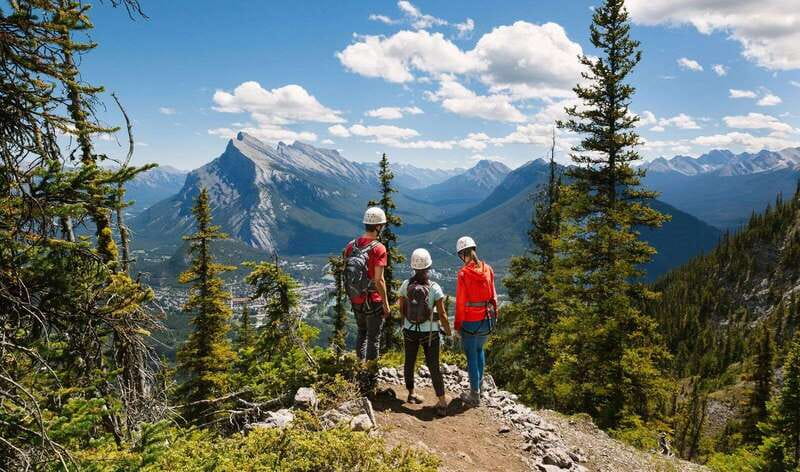
- Two routes, two levels of commitment: Choose the 2.5-hour Explorer Route for a first taste, or the 3.5 to 4-hour Ridgewalker Route for a longer climb and summit ridge.
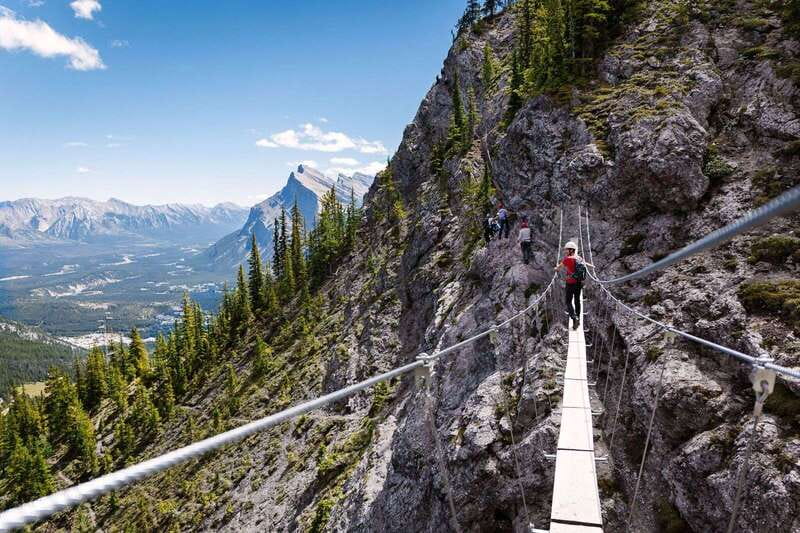
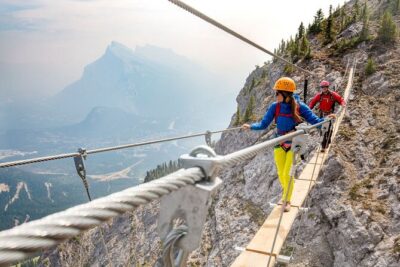
- The suspension bridge is part of the thrill: You cross a 30-meter bridge high on the route, with open air and mountain views around you.
- No previous climbing experience is needed: Your guide provides training, checks your equipment, and coaches you through each section.
- The Ridgewalker Route reaches 2,300 meters: The longer route gains 260 meters and includes the Memorial, Sunrise, and Vista buttresses.
- The setting is close to Banff: Mount Norquay is about 10 minutes from town, with free shuttle transport available from downtown.
- Plan for mountain weather: Bring water, snacks, hiking shoes, and rain gear. Conditions can change quickly, and haze from wildfire smoke may reduce the views.
What a Mount Norquay via ferrata actually feels like
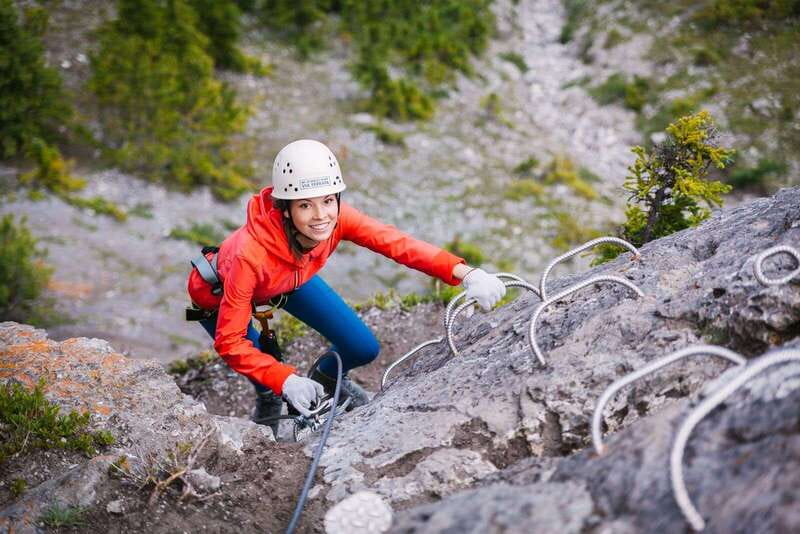
Via ferrata is Italian for iron way. Instead of relying only on natural handholds, you climb a route fitted with steel cables, rungs, ladders, and other fixed aids. You wear a harness with two lanyards, clipping and unclipping around anchors as you move upward.
That system gives you security, but it does not turn the climb into a walk. You still pull yourself up steep rock, search for solid footholds, and use your legs for balance. The fixed cable protects you from a long fall, while the guide helps you move efficiently and calmly.
The appeal is that you can reach positions normally reserved for experienced climbers without bringing your own technical equipment or arranging a private climbing lesson. You get a genuine taste of mountain climbing, but with a set route, safety briefing, and guide at your side.
The setting adds much of the magic. You are not simply climbing an indoor wall or a short practice course. You are moving along Mount Norquay’s cliffs with Banff’s peaks and valleys opening below you. The climb gives you a different view of the national park than a roadside lookout or ordinary hiking trail.
More Via Ferrata Routes in Canada:
- Small-Group Guided Via Ferrata Climbing with Banff’s Best Views
★ 5.0 · 195 reviews - Whistler Via Ferrata Tour
★ 5.0 · 133 reviews - Squamish Via Ferrata Adventure
★ 5.0 · 71 reviews
Checking in at Mount Norquay
Mount Norquay is about 10 minutes from Banff, so this is one of the easier adventure outings to fit into a Banff stay. Free shuttle transportation from downtown is included, though your exact meeting point depends on the option you book.
Arrive at least 30 minutes before departure. Check-in includes signing a liability waiver, meeting your guide, and getting fitted with the required equipment. The operator supplies your helmet, harness, and lanyards. Complimentary hiking boots and rainwear may also be available, but boot sizes cannot be guaranteed, so bring suitable hiking shoes if you have them.
The small group size matters here. With one guide for up to eight people, the guide can watch how each person is handling the rock and offer direct help. Several guides, including Amanda, Katsu, and Jordan, have been praised for a calm, patient approach, especially when someone is nervous or moving slowly.
Your guide explains how to clip safely, how to use the cable, and how to approach the metal steps. You also get an equipment check and practice time before the main route. This training is not filler. It is the part that turns a confusing collection of carabiners into a system you can use without constant worry.
The chairlift ride to the starting point
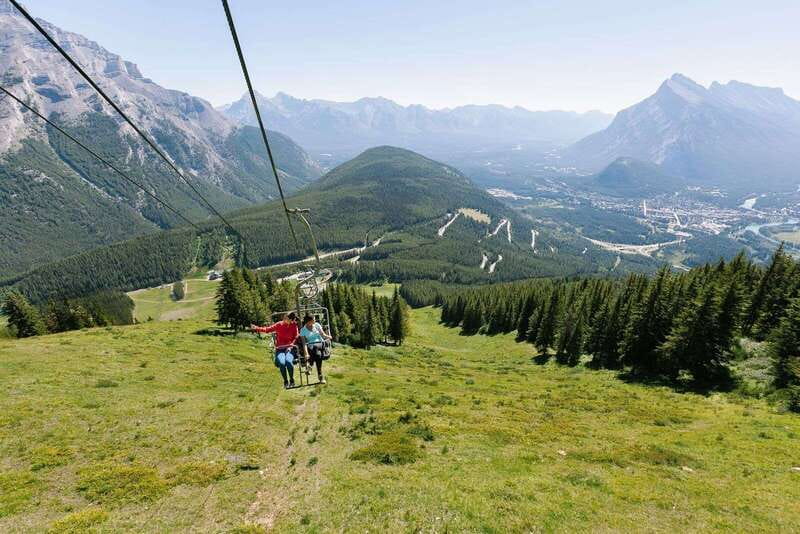
The sightseeing chairlift carries you toward the via ferrata starting point. It gives you a chance to look over Banff and Mount Norquay before the climbing begins, and it is also a pleasant reward after the descent.
For some people, the lift is more than transport. It is the first scenic part of the outing, with open views and a gradual change in height. If you are already nervous about exposure, the ride also gives you a preview of the steep setting. You can use that time to settle your nerves and pay attention to the guide’s instructions.
After leaving the lift, you walk for about five minutes to the first via ferrata buttress. That approach is short, but you should still wear proper hiking footwear. Once you reach the rock, the group pauses for final checks before starting the route.
The 2.5-hour Explorer Route
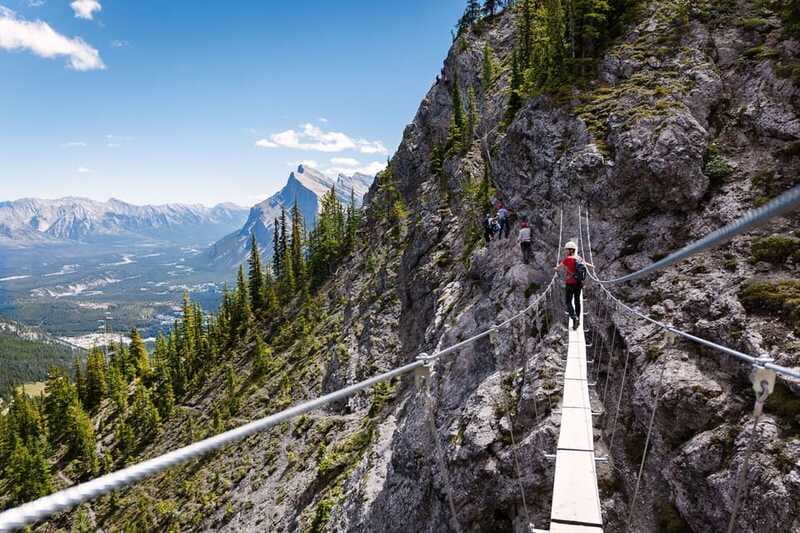
The Explorer Route covers about 1 kilometer and gains 145 meters. It reaches 2,235 meters, or 7,332 feet, above sea level. The climbing portion usually takes about two to two and a half hours.
This is the sensible choice if you want an introduction to via ferrata, have limited time, or are unsure how you will react to heights. You still get a proper climb, several pitches, and the suspension bridge. The route gives you enough variety to understand the sport without committing to the longer ridge outing.
Expect a gradual introduction. You learn to move from cable section to cable section, using strategically placed steel ladder holds and rock features. The guide can suggest where to place your feet and how to keep your body close to the rock. That advice makes a real difference for beginners, since many first-timers use too much arm strength at the start.
The suspension bridge is one of the route’s memorable moments. At 30 meters long, it is not a quick footbridge across a stream. You cross above open space, clipped into the safety system, with the bridge moving slightly as you walk. It is thrilling, but the guide controls the pace and helps you focus on each step.
The Explorer Route does not reach the Ridgewalker summit, so you give up some height and climbing time compared with the longer option. Still, it is not a watered-down sightseeing trip. You climb actual buttresses, gain a strong sense of achievement, and get the key elements that make the Mount Norquay via ferrata special.
A few more treks around Canada worth a look
- Guided Glacier Hike on The Athabasca with IceWalks
★ 5.0 · 334 reviews - Columbia Icefield: Guided Glacier Hike
★ 4.9 · 65 reviews - Full Day Guided Glacier Hike on The Athabasca with IceWalks
★ 5.0 · 30 reviews - Half-Day Guided Via Ferrata Climbing Tour in Banff
★ 5.0 · 30 reviews
The 4-hour Ridgewalker Route
The Ridgewalker Route is the fuller outing. It takes about three and a half to four hours, covers 1.4 kilometers, and gains 260 meters. The high point is 2,300 meters, or 7,545 feet.
You begin with a practice wall, then continue along the Norquay cliffs. The route includes the Memorial, Sunrise, and Vista buttresses before heading toward the Ridgewalker Summit. You still cross the suspension bridge, but the longer itinerary gives you more time on the rock and more changes in angle, height, and scenery.
This route suits you if you want the main event rather than a short sample. The extra time is not simply a longer version of the same climb. You get more pitches, more exposure, and a stronger sense of moving through the mountain. At the top, you can pause for photos and take in the views before descending to the starting area.
The Ridgewalker climb is described as moderately difficult, not technically advanced. That distinction matters. You do not need previous climbing experience, but you should expect sustained effort. Several people found the steep sections more demanding than the basic description suggested, especially when using their arms too much or moving at altitude.
The route can also take longer than the advertised four hours if the group moves slowly. That is not necessarily a problem. Guides may adjust the pace to suit the group, and rain or changing conditions can affect timing. One outing took close to five hours for a slower group. Plan your day with breathing room rather than booking a tight dinner reservation immediately afterward.
How difficult is the climb?
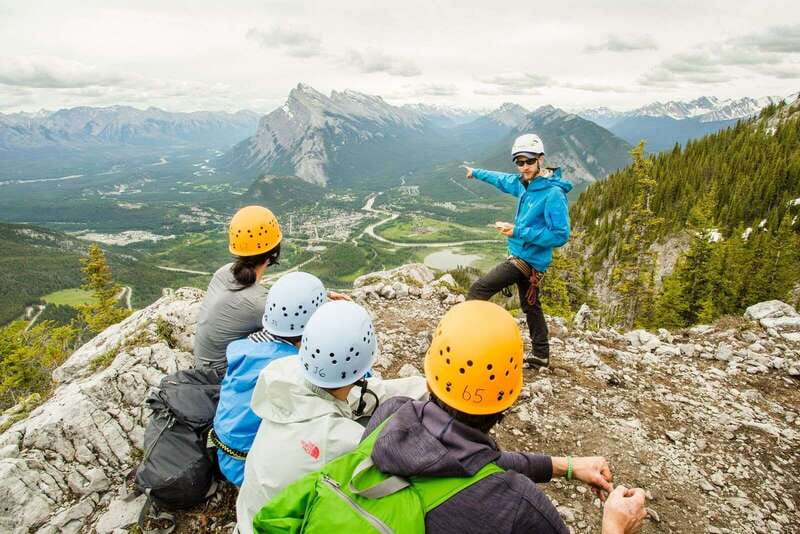
The best description is accessible but physical. You do not need to be a climber, but you should be comfortable walking uphill, using your hands for support, and spending several hours outdoors.
The fixed cable gives you protection, not a free ride. You must climb each section under your own power. The route includes steep moves, steel ladder holds, and exposed positions. A person who is reasonably active can manage it with a steady pace, but the climb may feel tiring near the end.
Your body position helps. Keep your weight over your feet instead of hanging from your arms. Take small steps, use the rests when offered, and listen to your guide’s instructions. Guides such as Albin, Alex, and Carmanah have been praised for building confidence while keeping the group moving safely.
Height is a separate issue from fitness. You can be strong enough for the route and still find the exposure stressful. The guides are used to this. Lucy, for example, helped a participant who was afraid of heights by talking through the difficult sections and keeping attention on the next move.
If heights make you panic, this may not be the right activity. If you are simply nervous but curious, tell the guide at the start. The harness and cable provide reassurance, but you still need to look down at times and move through exposed terrain.
The guides make the difference
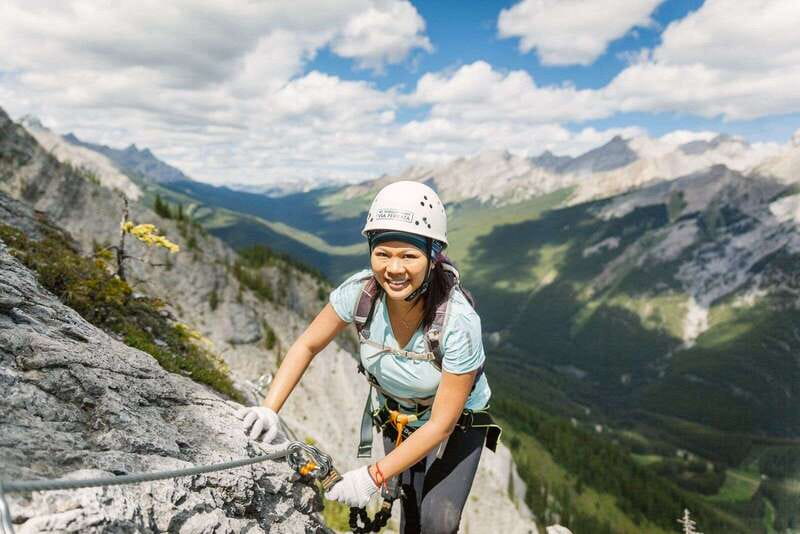
A good guide is central to this outing. The guide is not only there to explain the cable system. They set the pace, watch your technique, answer questions, help you through awkward moves, and keep the group calm.
The strongest pattern from the guide feedback is patience paired with humor. Guides such as Katsu, Amanda, Ben, Matt, Jordan, and Celine have been praised for making first-time climbers feel safe without removing the adventure. Several guides also take photos during the climb, which is useful because you will not always want to handle your phone while attached to the route.
Groups may include people with different ability levels. Staff can place people with similar skills together when possible, which helps the outing feel less rushed. Still, you should expect to wait occasionally for another person at a pitch, particularly on a busy day.
The guide also provides local context. One guide explained regional geology during the outing, giving the climb more meaning than a sequence of metal ladders. Ask questions when there is a natural pause. You will get more from the mountain if you treat the guide as a coach and interpreter, not just a safety monitor.
Views, weather, and the best time to go
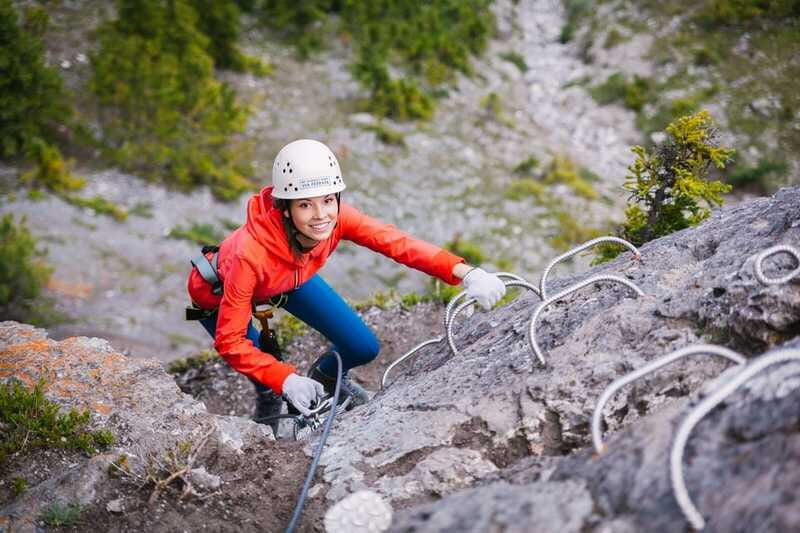
The views are a major reason to choose the Ridgewalker Route. From the cliffs and summit ridge, you look across Banff National Park from a height that ordinary walks rarely provide. The chairlift adds another broad view before and after the climb.
Weather can change the experience. Rain may make the rock feel more demanding and can shorten or alter the outing. Wildfire haze can also reduce visibility, even when the climb itself continues. If clear views are your top priority, keep some flexibility in your schedule rather than treating one fixed departure as your only chance.
Bring water, snacks, and rain gear. Food and drinks are not included, but the Cliffhouse Bistro sells refreshments after the tour. That makes it a useful place to rest after the climb, especially if your legs feel heavy on the way back down.
Wear hiking shoes that staff can approve. Complimentary boots may be available, but the right size is not guaranteed. Avoid treating this as a casual sightseeing trip in sneakers or loose footwear. Good grip and secure fit matter on the metal steps and rock.
Is $145 a fair price?
At $145 per person, the price is reasonable for a guided mountain activity that includes the guide, safety equipment, chairlift access, and downtown shuttle transportation. You are also paying for instruction and route management, not simply entry to a cliff course.
The Explorer Route offers the better value if your schedule is tight or you want to test your reaction to heights. You get the core experience, including the suspension bridge, without spending four hours on the mountain.
The Ridgewalker Route gives better value if you enjoy active outings and want a full half-day adventure. You spend more time climbing, reach the higher summit ridge, and gain a greater feeling of achievement. If you are already making room in your Banff trip for a special activity, the longer route is the one I would favor, provided you have the stamina and interest.
Food is extra, and you should budget time for your own snacks and drinks. The included shuttle and chairlift help keep the total cost easier to understand, since you are not arranging separate transport or paying an additional lift fee.
Who should book this activity?
This suits first-time climbers, active families with older children, couples looking for a shared challenge, and anyone who wants mountain views from a more unusual position. The minimum age is 12, and the small group format works well for people who want personal coaching.
It is also a good choice for older adults who are fit and comfortable with physical activity. A 70-year-old participant completed the climb and described it as moderately difficult, with the guides adjusting for ability. That does not mean the route is easy for everyone. It means age alone is not the deciding factor.
The activity is not suitable for children under 12, people with mobility impairments, people under 40 kilograms or 88 pounds, or people over 140 kilograms or 308 pounds. The published limit is 140 kilograms, so do not rely on a rounded figure above that when checking eligibility.
Guided tours are offered in English, Japanese, and French. Cancellation is free up to two days in advance for a full refund, which gives you some protection if weather or plans change.
Should you book the Mount Norquay via ferrata?
Book it if you want more than a view from a gondola or a standard Banff hike. The combination of real climbing, fixed safety cables, a suspension bridge, a chairlift, and expert coaching makes this a memorable way to meet the mountains.
Choose Explorer if you want a first taste, have limited time, or feel unsure about heights. Choose Ridgewalker if you want the summit ridge, more climbing, and a stronger physical challenge.
I would not book it if you dislike exposed heights, need a completely gentle outing, or have mobility limits that make ladder sections difficult. For everyone else, especially first-time climbers who are curious but cautious, this is one of the clearest ways to step into alpine climbing without needing years of preparation.
FAQ
Do I need previous climbing experience?
No. The activity is designed for people with no previous via ferrata or climbing experience. Your guide provides equipment training, a safety briefing, and practice before the main route.
What is the difference between the Explorer and Ridgewalker routes?
The Explorer Route takes about two to two and a half hours, covers 1 kilometer, gains 145 meters, and reaches 2,235 meters. The Ridgewalker Route takes about three and a half to four hours, covers 1.4 kilometers, gains 260 meters, and reaches 2,300 meters.
Is the suspension bridge included?
Yes. Both routes include a crossing of the 30-meter suspension bridge.
What equipment is provided?
The tour includes a harness, helmet, lanyards, and the sightseeing chairlift ride. Complimentary hiking boots and rainwear may be available, but boot sizing cannot be guaranteed.
How old do you need to be?
The minimum age is 12.
What should I bring?
Bring water, snacks, hiking shoes, and rain gear. Food and drinks are not included, though they are available for purchase at the Cliffhouse Bistro after the tour.
How large are the groups?
Groups are limited to eight participants, with one guide for every eight people.
Is transportation from Banff included?
Free shuttle bus transportation from downtown Banff is included. The exact meeting point may vary depending on the option you book.
Just added around Canada
- Full Day Guided Glacier Hike on The Athabasca with IceWalks★ 5.0 · 30 reviews
- Small Group Banff Skyline Via Ferrata 5-hour Tour★ 5.0 · 15 reviews
- Sulphur Mountain Highline Trek in Banff★ 5.0 · 12 reviews
- Half-Day Guided Via Ferrata Climbing Tour in Banff★ 5.0 · 30 reviews
- Squamish: Via Ferrata Climbing Adventure★ 5.0 · 25 reviews
- Tyroparc: Via Ferrata and Hiking in the Laurentians★ 5.0 · 5 reviews
- Columbia Icefield: Guided Glacier Hike★ 4.9 · 65 reviews
- Squamish Via Ferrata Adventure★ 5.0 · 71 reviews
Via Ferrata Routes, compared.
Sant Feliu de Guixols: Climb Via Ferrata Cala del Molí
Read our review →
Small-Group Guided Via Ferrata Climbing with Banff’s Best Views
Read our review →
Via Ferrata in Gran Canaria. Vertical adventure park. Small groups
Read our review →
Gran Canaria: Cliff Climbing Via Ferrata Trip by Maspalomas
Read our review →Browse the lists this trek appears in