
Review · SPAIN
From Oviedo: Half-Day Camino de Santiago Hike
The Camino Primitivo begins in Oviedo, and this five-hour hike gives you a real taste of the oldest Camino route without asking you to commit to a week or more on foot. You start beside the Cathedral, pass through the city and its outskirts, then follow a hilly path into the Asturian countryside.
I like the official pilgrim passport, which turns a pleasant hike into a small pilgrimage with a purpose. I also like the small group size, capped at eight, since it gives your guide room to explain the route, help with navigation, and adjust the pace. The main drawback is clear: 12 kilometers on a hilly route is a serious half-day walk, not a gentle city outing.
Key points
- Start at Oviedo Cathedral: Learn why Oviedo and its medieval kings are tied to the origins of the Camino.
- Walk 12 kilometers of the Camino Primitivo: Follow the original, hilly route through city edges, villages, and open Asturian countryside.
- Travel in a group of no more than eight: Expect a more personal outing, with time for questions and quiet walking.
- Use an official pilgrim passport: Collect stamps at chapels and bars along the way.
- Taste two local snacks: Asturian food is part of the route, not just an afterthought.
- Plan your return: Transport back costs about 3 to 6 euros per person and is not included.
Why Oviedo Is the Right Place to Start
The Camino de Santiago has several routes, but the Camino Primitivo has an especially strong connection to Oviedo. It is known as the oldest Camino, and the tour begins at the Cathedral, where pilgrims have long gathered before setting out toward Santiago de Compostela.
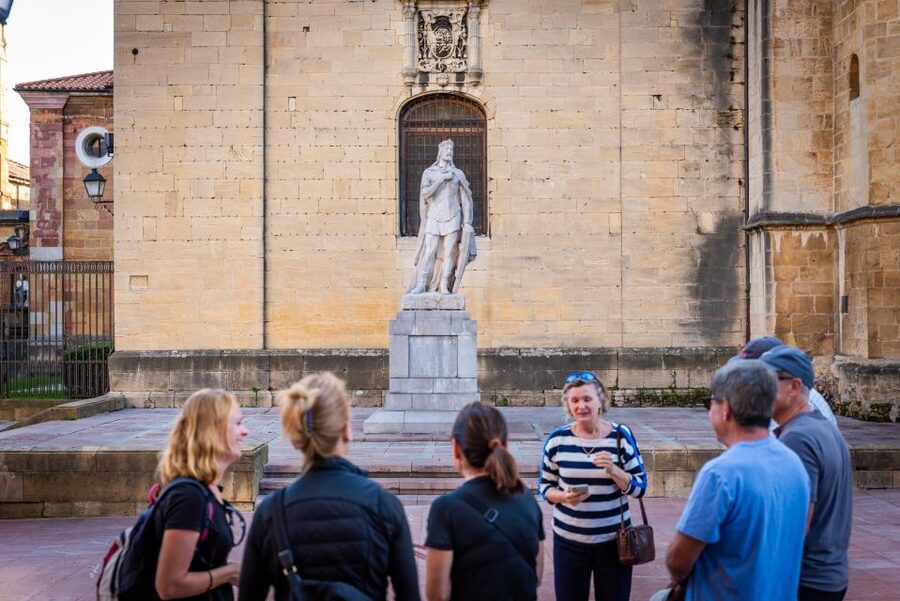
Your meeting point is in front of the statue of King Alfonso II, on the left side of the Cathedral when you face the entrance. That detail matters because the king is closely linked to the early history of the route. Your guide uses this first stop to explain the role of Oviedo, Asturias, and its medieval rulers in the development of the pilgrimage.
I like beginning here rather than joining the route somewhere outside town. You get the story first, then see how the pilgrimage grows out of the city. The Cathedral is not simply a meeting place. It gives the walk a clear starting point and helps you understand why this northern route exists.
The opening section takes you through central Oviedo and its outskirts. It is not countryside from the first minute, so set your expectations properly. You will spend part of the walk in an urban setting before the route opens into smaller settlements and rural views.
A few more treks around Spain worth a look
- Half-Day Adventure and Climbing Via Ferrata in Gran Canaria
★ 5.0 · 25 reviews - Half-Day Climbing Experience on Via Ferrata del Ponoig
★ 5.0 · 12 reviews - Barcelona: Half-Day Montserrat Monastery and Mountain Hike
★ 4.9 · 5 reviews
From City Streets to Asturian Countryside
The first part of the walk introduces you to Oviedo’s edges and to local culture. The guide explains aspects of Asturian life and gastronomy as the route moves away from the center.
That gradual change is one of the useful parts of the outing. You see how the Camino is not a single scenic trail cut off from daily life. It passes through places where people live, work, eat, and move about. The transition from city streets to small villages gives you a better sense of the route as a working path rather than a marked attraction built only for walkers.
The route is hilly, and the full distance is about 12 kilometers. One recent participant described the hike as undemanding, but that should not be read as effortless. Fitness levels vary, and five hours on your feet can feel long if you are not used to walking. The hills, rather than speed, are the main point to consider.
Your guide leads the group, points out route markers, and explains where you can rest or spend the night if you later decide to walk more of the Camino. That makes this useful preparation for a longer pilgrimage from Oviedo to Santiago. You are not just walking for scenery. You are learning how the route works.
Chapels, Bars, and the Pilgrim Passport
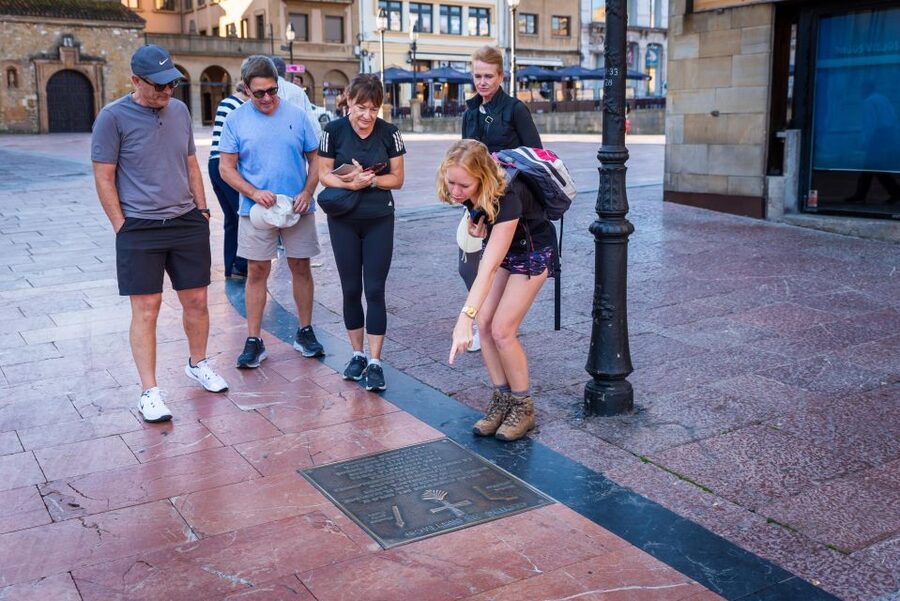
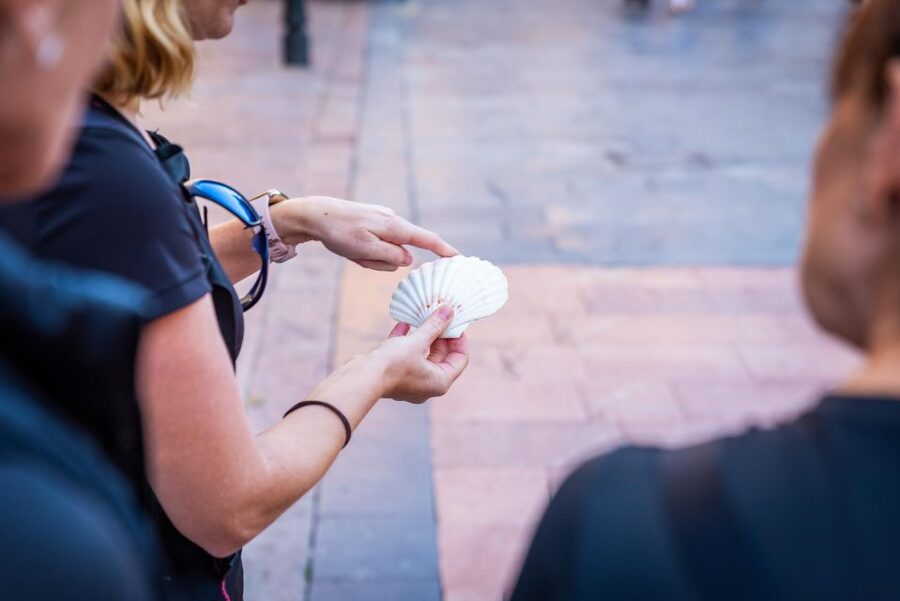
At the beginning of the hike, you receive an official pilgrim passport. This small document gives the walk a practical structure. Along the route, you can have it stamped at chapels and bars.
The stamps are more than souvenirs. On a longer Camino, a passport records your progress and connects each day’s walk to the wider pilgrimage. On this short outing, it lets you take part in one of the route’s familiar customs without walking for weeks.
You may also find the passport helpful if you plan to continue the Camino later. The guide can point out navigation aids, resting places, and overnight options, giving you information that is hard to absorb from a map alone. One participant who hoped to complete the full route from Oviedo to Santiago found this introduction especially useful for that reason.
Keep the passport somewhere dry and easy to reach. You will want it available at stamping points, and rain gear is recommended because northern Spain can change weather quickly.
Small Villages and the Original Route
After leaving the city, the walk follows roads and paths through small villages. The route is described as the original, hilly way used by large numbers of pilgrims over the centuries.
Do not expect a single uninterrupted trail through the wilderness. The Camino Primitivo is a lived-in route, and its character comes from the mix of village roads, rural stretches, chapels, and everyday places where pilgrims pause. You follow the same broad route while learning how past and present pilgrims use it.
The hilly profile gives the walk some work, but it also helps explain why preparation matters. A 12-kilometer section may look modest on paper. Add uneven ground, slopes, weather, and stops, and it becomes a proper walking day.
The guide can adapt to the abilities of the group. That was an important part of one participant’s experience, and it is a good reason to choose a small group instead of a large coach-style outing. Still, adaptation does not remove the physical demand. You should be comfortable walking several hours before booking.
Same trailhead, a different route:
- La Palma: Tajogaite Volcano Guided Trek
★ 4.8 · 1,810 reviews - From Barcelona: Montserrat Monastery & Scenic Mountain Hike
★ 4.9 · 978 reviews - Lanzarote: Timanfaya Natural Park Trekking Tour
★ 4.8 · 766 reviews - Volcano Trekking Tour (Timanfaya eruptions)
★ 5.0 · 339 reviews
Two Asturian Snacks Along the Way
Two local snacks are included, along with bottled water. The food stop adds a useful taste of Asturias to the walk, especially since the tour also introduces you to local gastronomy.
This is not a full lunch, so do not arrive expecting a meal that will carry you through the entire afternoon. Additional snacks and drinks are your responsibility. If you usually need regular food during a long walk, bring something extra.
The included snacks are valuable because they connect the route to local culture without turning the experience into a separate food tour. You get a pause, a taste of the region, and a chance to talk with the guide and other walkers.
One participant noted that lunch and transport were provided on their outing, but the formal inclusions for this experience are two local snacks and bottled water. Treat any additional food or transport arrangement as something to confirm before you set out, not something to count on automatically.
Quiet Walking and Conversation
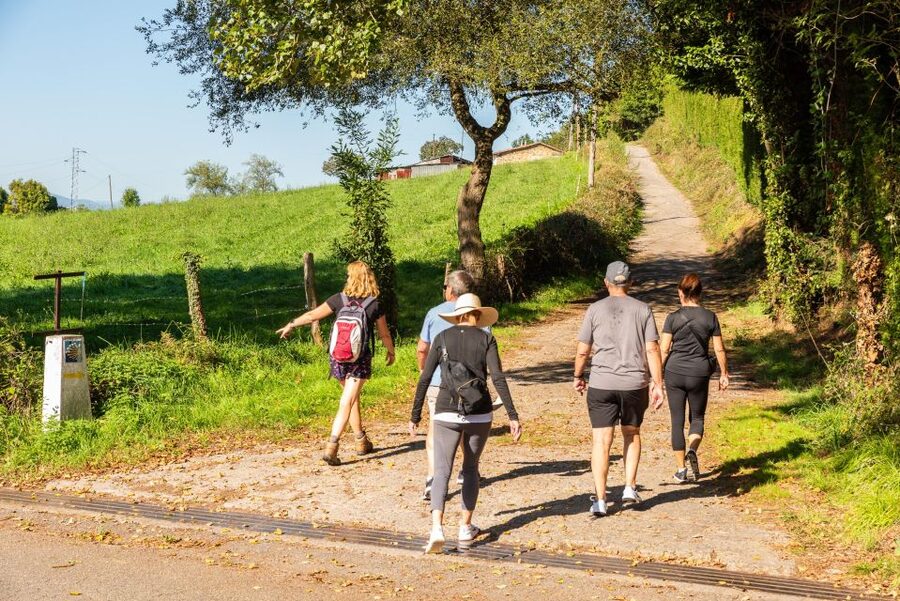
The guide explains the Camino and Asturias, but the tour is not nonstop talking. There is room to enjoy the countryside in silence and to meet fellow pilgrims along the route.
That balance is important. A walking tour can become tiring when every minute is filled with commentary. Here, you get context at useful points, then time to notice the route for yourself.
The small group limit of eight should help keep conversation manageable. It also makes it easier to ask about navigation, future stages, overnight stops, or the differences between Camino routes. English and Dutch are offered, and guides such as Deborah have led the experience.
The group may include people who are simply curious and others who are planning a longer pilgrimage. That mix can make the walk more interesting, but you should not assume everyone will have the same pace or goal. The guide’s ability to adjust to the group becomes important on a five-hour outing.
What the 100 Dollar Price Includes
At about $100 per person, this is not the cheapest way to walk a few miles in Asturias. The price makes more sense if you value the guide, the route planning, the pilgrim passport, and the cultural explanation.
You are paying for five hours with a live guide, a small group, two local snacks, bottled water, and an organized introduction to a route that can be confusing if you do it alone. The guide also helps you recognize navigation aids and practical stops, which is useful if this is your first Camino walk.
The official passport adds modest physical value but significant meaning. More important is the time saved in understanding the route. You can walk the section without arranging your own starting point, researching every turn, or figuring out where to pause.
Return transportation is not included and costs about 3 to 6 euros per person. Build that into your budget. The tour is described as finishing after the 12-kilometer section, so you should be prepared to use local transport back rather than expect a guided return walk.
For someone already comfortable with Camino routes and happy to organize everything independently, $100 may feel high. For a first introduction, especially if you want history and practical advice, the price is easier to justify.
Shoes, Weather, and Fitness
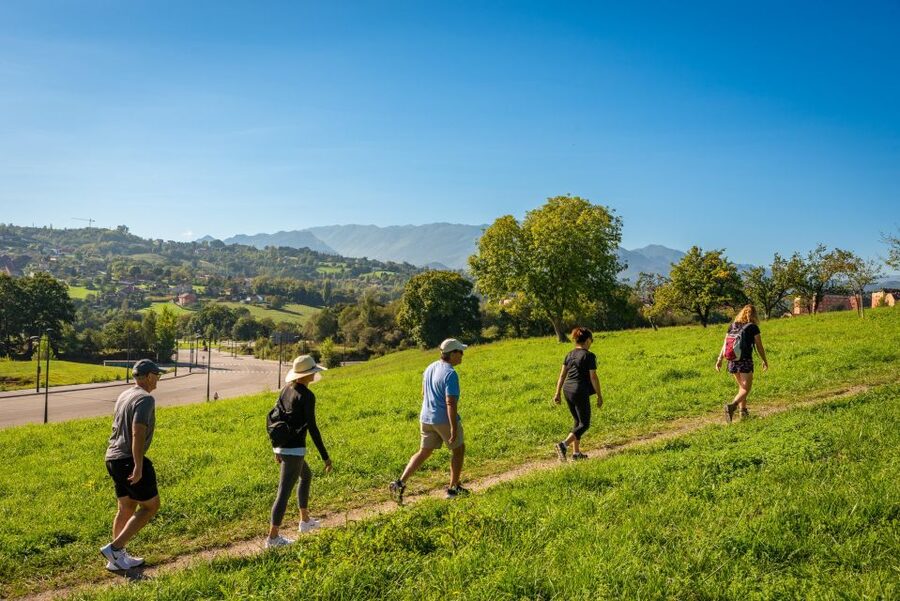
Wear comfortable shoes, and hiking shoes are recommended. Sunglasses, a sun hat, sunscreen, and rain gear are also on the suggested packing list.
Take the rain gear seriously. You are walking in northern Spain, and the route includes open countryside and exposed sections. Even on a dry morning, conditions can change during five hours outside.
The basic fitness requirement is the key booking question. You need to manage 12 kilometers on a hilly route. This is not suitable for children under eight, and younger children should not be brought along simply because the walk is labeled half-day.
I would also avoid treating the included bottled water as your entire hydration plan. The tour supplies water, but additional drinks are not included. If you know you drink heavily while walking, carry what you need.
Who Will Get the Most From This Hike?
This tour suits you best if you want a short but serious introduction to the Camino Primitivo. It is especially useful if you are considering a longer pilgrimage from Oviedo to Santiago and want to test your legs, learn the route’s customs, and understand the practical side before committing.
It also works well if you have only half a day in Oviedo and want to experience more than the city center. You get the Cathedral, the royal and pilgrimage background, local food, small villages, and rural walking in one outing.
The tour is less suitable if you want a relaxed sightseeing trip with little exertion. It is also not ideal if you need a guaranteed flat route, dislike walking on roads or through populated areas, or prefer to set your own pace without a group.
The guide can adapt to the group, but this is still a guided hike, not a private walk where every stop and speed is set around you.
Booking Details That Matter
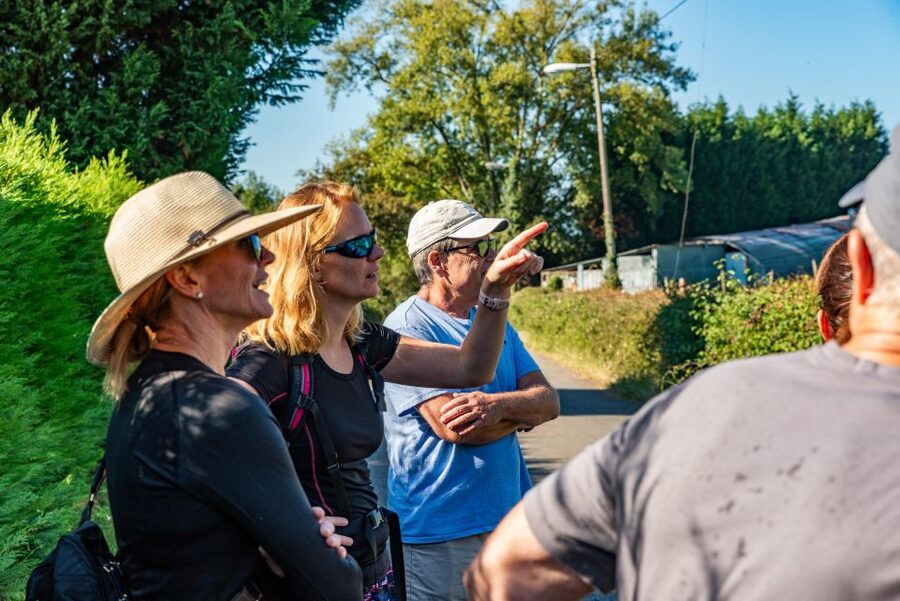
The experience lasts five hours, with starting times based on availability. English and Dutch are available, and the group is limited to eight people.
You can cancel up to 24 hours ahead for a full refund, and reserve now while paying later. Those terms are useful if your northern Spain plans are still changing.
Arrive at the statue of King Alfonso II beside Oviedo Cathedral, not simply somewhere in the Cathedral square. Look to the left side of the Cathedral when facing the entrance. Bring your passport only if you want it for personal identification, since the official pilgrim passport is supplied at the start.
Plan your return before you leave. Transport costs about 3 to 6 euros per person and is not included. Also allow for extra food and drinks if two snacks will not be enough for you.
Should You Book the Camino Primitivo Hike?
Book it if you want a genuine sample of the Camino rather than a short photo stop. The strongest reasons are the small group, the practical route advice, the official passport, and the chance to connect Oviedo’s Cathedral and royal past with the countryside beyond the city.
I would especially recommend it to anyone weighing a longer Camino from Oviedo to Santiago. You can learn how the route is marked, see what a hilly walking day feels like, and ask useful questions before making a larger commitment.
Skip it if 12 kilometers sounds uncomfortable or if you want a purely urban tour. This is a proper walk with hills, changing weather, and a separate transport cost at the end. For fit walkers who want history, food, and a first taste of pilgrimage in one morning or afternoon, it offers a well-shaped introduction to Asturias.
FAQ
Where does the Camino Primitivo hike begin?
The meeting point is in front of the statue of King Alfonso II, on the left side of Oviedo Cathedral when you face the Cathedral entrance.
How long is the hike?
The route covers about 12 kilometers and the full activity lasts five hours.
Is the route difficult?
The hike follows a hilly route and requires a basic level of physical fitness. Comfortable shoes or hiking shoes are recommended.
What languages does the guide speak?
The tour is available with a live guide in English or Dutch.
What is included in the price?
The price includes an official pilgrim passport, two local snacks, and bottled water.
Is transportation back included?
No. Return transportation is not included and costs about 3 to 6 euros per person.
Can children join the hike?
Children under eight are not permitted to join this activity.
Just added around Spain
- Via Ferrata John Hogbin with Photos★ 5.0 · 4 reviews
- Half-Day Adventure and Climbing Via Ferrata in Gran Canaria★ 5.0 · 25 reviews
- The Roque Nublo Base Camp Experience: Hiking, Picnic and Climbing★ 5.0 · 11 reviews
- Private Climbing Experience Via ferrata Senda do Santo★ 5.0 · 8 reviews
- Via ferrata de Sant feliu de guíxols – Via ferrata cala del molí★ 5.0 · 47 reviews
- Via Ferrata Cala del Molí★ 4.0 · 4 reviews
- Via ferrata Cala del Molí in Sant Feliu de Guíxols★ 5.0 · 2 reviews
- Via Ferrata Adventure in Madrid with Transport★ 5.0 · 4 reviews
Half-Day, compared.
Khao Sok: Private Waterfalls and Wildlife Half-Day Trek
Read our review →
Llama Trek (Half-day) – Kaikoura Bay, Beaches & Seal Colony
Read our review →
Half-Day Vatnajökull National Park Glacier Hike
Read our review →
Demanding Glacier Hike and Ice Cave Half-Day Tour from Skaftafell
Read our review →
Half-Day Guided Via Ferrata Climbing Tour in Banff
Read our review →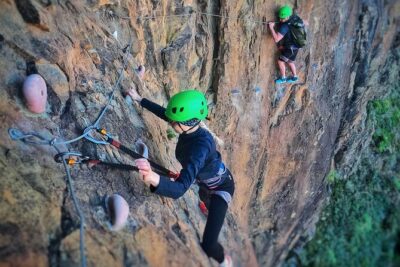
Half-Day Adventure and Climbing Via Ferrata in Gran Canaria
Read our review →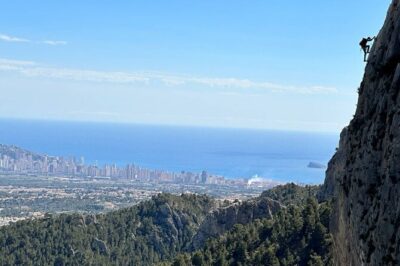
Half-Day Climbing Experience on Via Ferrata del Ponoig
Read our review →Browse the lists this trek appears in