
Review · CHIANG RAI
Chiang Rai Trek: 4 Hilltribes Villages & Waterfall Only Walk
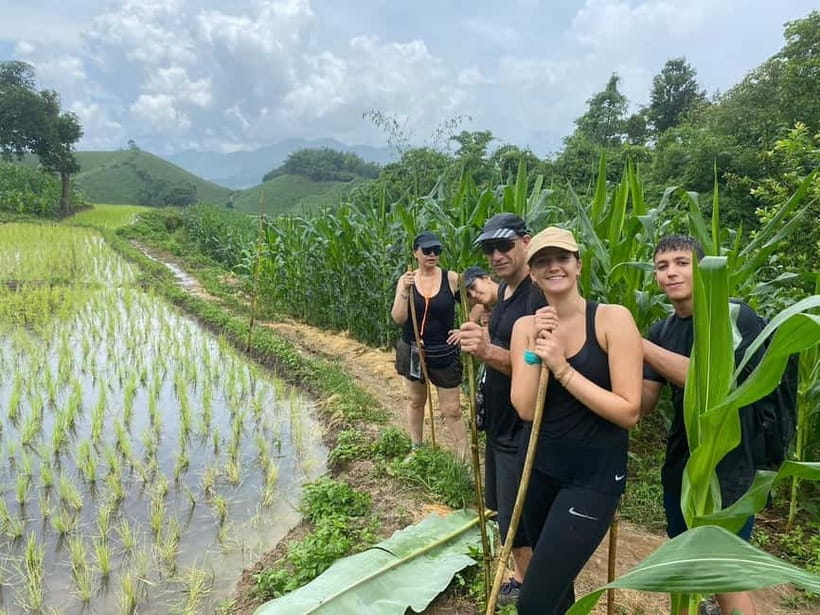
The best part of this Chiang Rai trek is the hands-on village lunch. You walk into the hills, gather around a bamboo hut kitchen, and cook over firewood instead of watching a polished cultural show. Along the way, you pass Lisu, Chinese, Akha, and Lahu communities, tea fields, farms, and forest.
I like the mix of real walking and local contact, plus the way the day ends with two good rewards: a swim at Huay Kaew Waterfall and a hot spring soak. The main caution is the effort. The walk covers about 10 kilometers, with steep uphill sections and few flat paths, so this is not a gentle sightseeing outing.
Key points at a glance
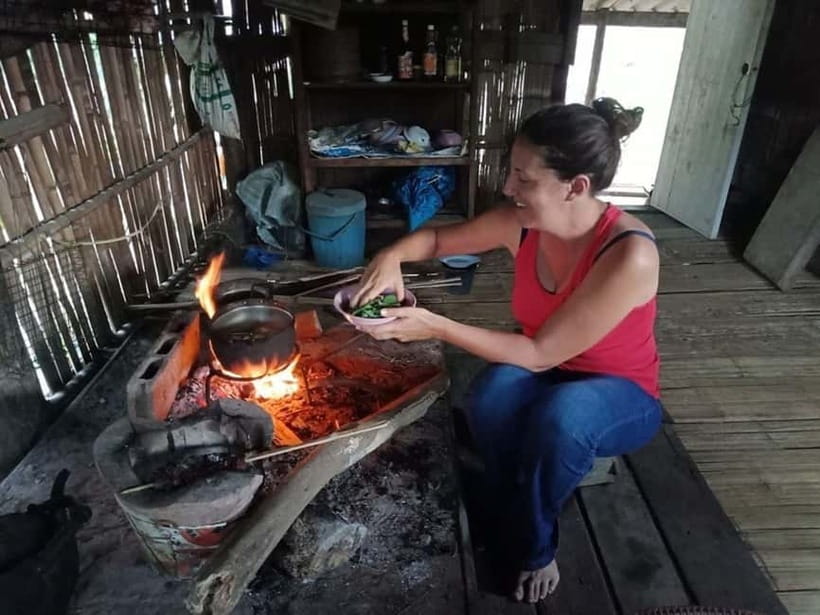
- Cook lunch over firewood in a Lisu village bamboo hut, using a traditional kitchen without LPG.
- Walk through four hilltribe communities, including Lisu, Chinese, Akha, and Lahu villages.
- Visit a Chinese village tea plantation and pass through pineapple, rice, coffee, and chocolate-growing areas.
- Swim at Huay Kaew Waterfall, described as the second largest waterfall in Chiang Rai.
- Finish with a mineral hot spring bath before returning to your Chiang Rai hotel.
- Plan for about five hours of walking, roughly 10 kilometers, with uphill sections and uneven ground.
A full day beyond Chiang Rai’s usual stops
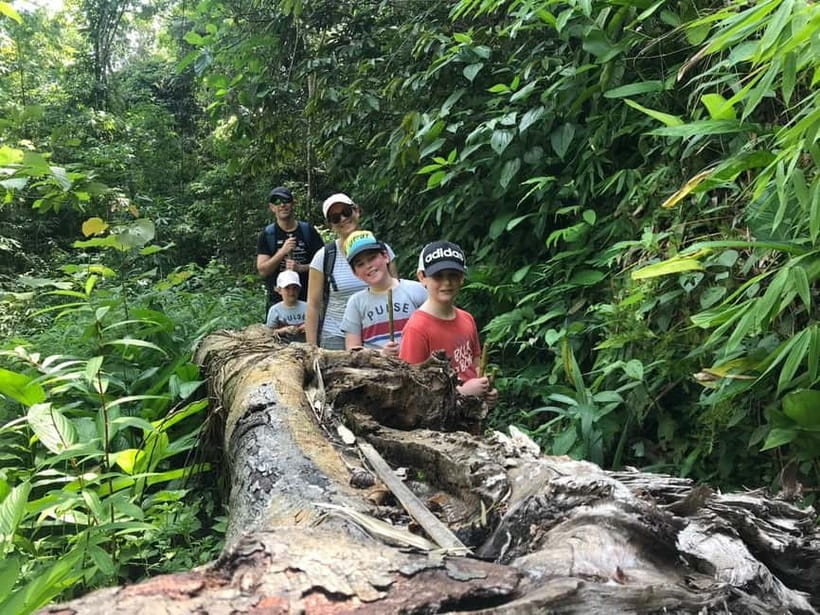
This is a long, active day in the countryside around Chiang Rai. You leave your hotel by car and head toward Lam Nam Kok National Park, where the walk begins at a hot spring. From there, the route threads through forest and bamboo groves before reaching the first village.
The tour is designed for a small group, which matters here. A quiet path, a village kitchen, and a conversation about plants work much better with a few people than with a large crowd. The English-speaking guide leads the walk and explains local plants, herbs, animals, customs, and daily life as you go.
The schedule runs about eight hours in total, though the walking portion is around five hours. That leaves time for lunch, swimming, the hot spring, and the drive back to Chiang Rai. It is a full day, not a quick half-day nature stop.
More Waterfall Treks in Thailand
- Chiang Rai: 2-Day Jungle Trek only walk with Waterfall
★ 4.8 · 17 reviews - Khao Sok: Private Waterfalls and Wildlife Half-Day Trek
★ 4.5 · 337 reviews - Trekking to Waterfall Adventure Tubing 45 mins. (Only Khao lak)
★ 5.0 · 111 reviews
From the hot spring to the Lisu village
The opening section begins at a hot spring and moves through forest and bamboo. This gives you a clear idea of the day ahead: you are walking through a living rural area, not following a paved park trail with signs at every turn.
The route can include plants and leaves that local people use or eat. The guide may point out herbs, spices, fruit, and other forest growth, and you may taste items gathered along the way. The value here depends heavily on your curiosity. If you like stopping to ask what a plant is used for, this part becomes far more interesting than simply walking from one village to the next.
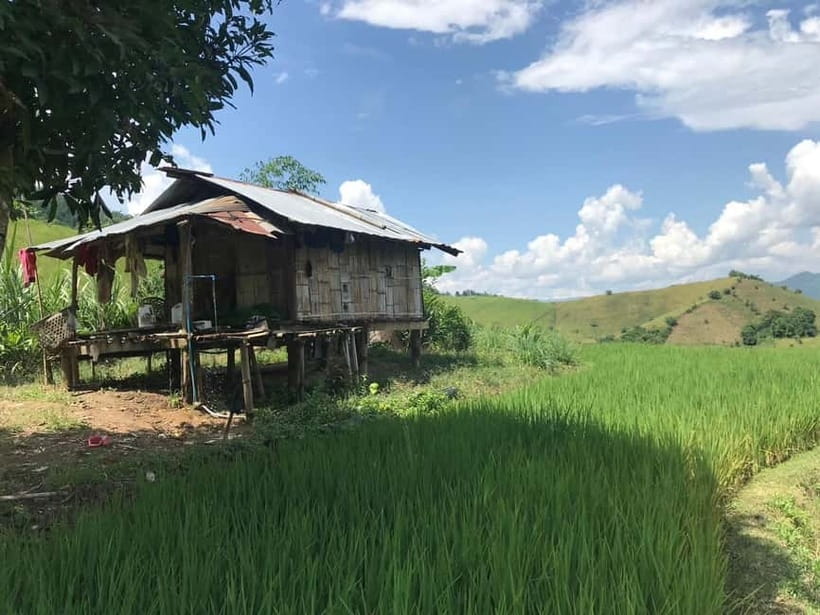
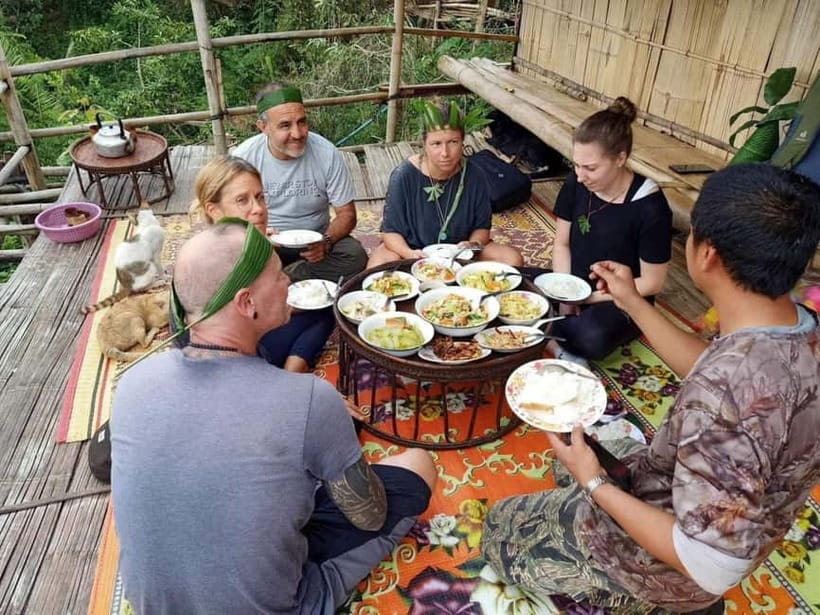
The first village is Lisu. The most memorable activity here is lunch preparation in a bamboo hut. You can help cook with firewood in a traditional kitchen, with no gas stove or LPG. That small detail changes the mood of the meal. You are not just handed a prepared plate. You see how the cooking works and get a closer look at the practical side of village life.
Lunch is one of the strongest reasons to choose this tour. It is both a meal and a cultural activity, and it gives you a natural setting in which to learn about food, work, and the local way of living. Expect simple surroundings rather than restaurant comfort.
Tea fields and the Chinese village
After lunch, the walk continues to a Chinese village and its tea plantation. Tea is not treated as a quick photo stop here. It forms part of the countryside you are walking through, along with farms and other crops.
The route can pass pineapple, rice, coffee, and chocolate fields. You may also try freshly picked pineapple, fruits, leaves, or spices with the guide explaining what you are tasting. This is a useful contrast to a standard plantation visit, where you might see a crop but learn little about how it fits into everyday life.
The scenery changes gradually as you move between forest, cultivated ground, and village paths. You should bring a hat and insect repellent, and wear shoes that can handle dirt, uneven ground, and uphill walking. The provided information does not promise a particular type of footwear, but ordinary comfortable walking shoes are a sensible choice for the terrain.
The Chinese village and tea plantation are also a good point to slow the pace. You have already done the first section of the walk and eaten lunch, so the tea fields provide a quieter stretch before the waterfall.
Huay Kaew Waterfall, the day’s best cooldown
The route continues to Huay Kaew Waterfall, described as the second largest waterfall in Chiang Rai. Swimming is allowed as part of the experience, so pack swimwear and a change of clothes.
This is more than a viewpoint stop. After several hours on foot, getting into the water gives the day a welcome reset. The waterfall has also been a particularly strong part of the outing because the small-group setting can make the stop feel peaceful rather than crowded. Still, conditions can vary, and you should follow the guide’s advice about where it is safe to swim.
Bring a towel if you have room, since the tour information specifically calls for swimwear and dry clothes but does not list towels among the included items. Drinking water is included, but carrying your own bottle is still wise for a five-hour walk.
The waterfall comes at a smart point in the route. It breaks up the physical effort before the final villages and farms, and it gives you something active to look forward to during the longer middle section.
More Waterfall Treks in Chiang Rai:
- Reykjavik: Glacier Hike, Waterfalls and Black Sand Beach
★ 4.8 · 1,285 reviews - From Reykjavik: Glacier Hike, South Coast and Waterfalls Day Trip
★ 5.0 · 915 reviews - Glacier Hike, South Coast Waterfalls & Black Sand Beach
★ 5.0 · 705 reviews - Reykjavík: Iconic Glacier Hike, South Coast & Waterfalls
★ 4.9 · 605 reviews
Akha farms and Lahu village life
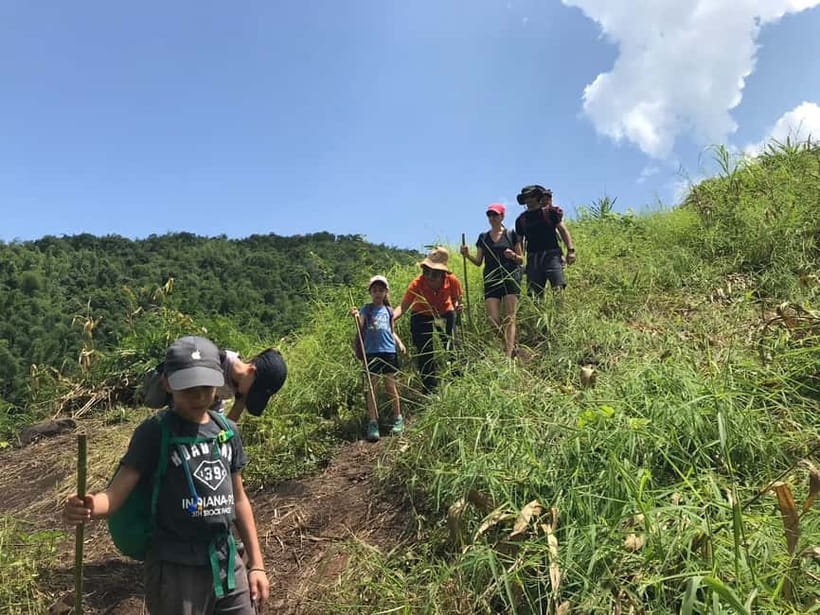
After the waterfall, the walk continues through Akha farmland and on to an Akha village, followed by a Lahu hilltribe village. This part offers a wider look at how communities use the land around them.
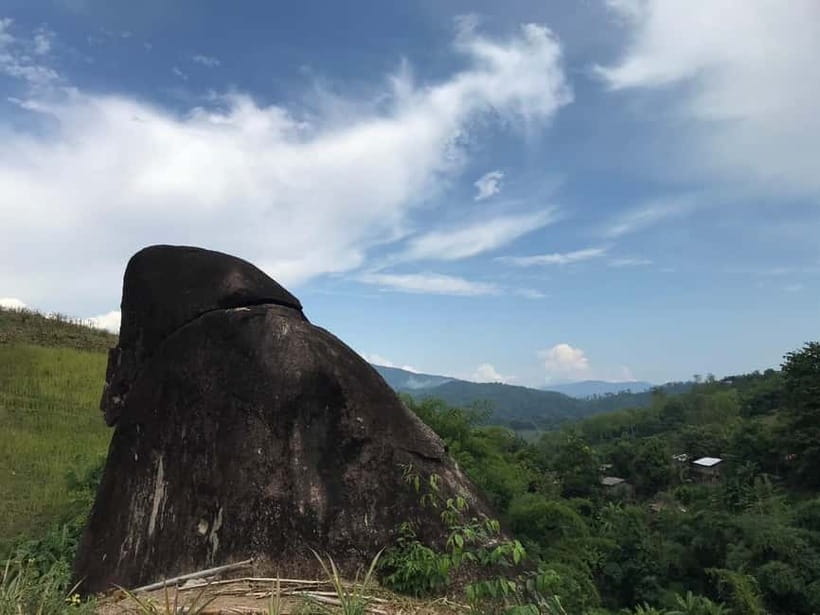
You walk through cultivated areas rather than seeing the villages from a vehicle. That makes the transition between forest and farm easier to understand. The route can include open views across the surrounding countryside, but the main appeal is the close view of working farmland and village surroundings.
The final villages are not presented as staged attractions. The guide explains customs and daily life, while you walk through the area respectfully. You should treat homes, people, and working farms as private community spaces. Ask before taking photographs, especially near houses or during daily activities.
This section also makes the walk feel varied. You are not spending five hours on one forest path. You move from bamboo and woodland to tea, crops, waterfall, farms, and village lanes. The changing ground is part of the interest, but it also means you need to be ready for uneven footing.
Ending with a mineral hot spring bath
The route returns to the hot spring area after the Lahu village. You can take a mineral bath before the car ride back to Chiang Rai.
The timing is practical. A hot spring soak is much more appealing after a full day of walking than at the beginning, and it gives you a chance to relax before sitting in the vehicle. It also provides a gentler ending than simply finishing at a roadside pickup point.
The exact facilities and bathing arrangements are not specified, so do not assume a spa-style setup. Think of it as a simple mineral hot bath included at the end of an outdoor day. Pack modest, practical clothing and keep your change of clothes accessible.
What the $82 price gives you
At $82 per person, this is not the cheapest way to see the countryside around Chiang Rai. The price includes transport, an English-speaking guide, lunch, drinking water, and travel insurance. You are also paying for a full day, a small-group format, and a route that combines walking, food preparation, village visits, a waterfall, and a hot spring.
The value is strongest if you would otherwise need to arrange several separate outings. A basic countryside drive might show you a village or tea field, but it would not necessarily include five hours of guided walking, cooking over firewood, swimming, and a hot spring stop.
It is less good value if you mainly want quick photo stops or a short nature walk. The physical effort takes up a large part of the day, and the tour only makes sense if you want to be active and spend time learning about plants and rural life.
Other expenses are not included, so budget for personal purchases or anything beyond the stated inclusions. The tour allows you to reserve and pay later, and cancellation is available up to 24 hours before departure for a full refund.
The walking difficulty and who should book
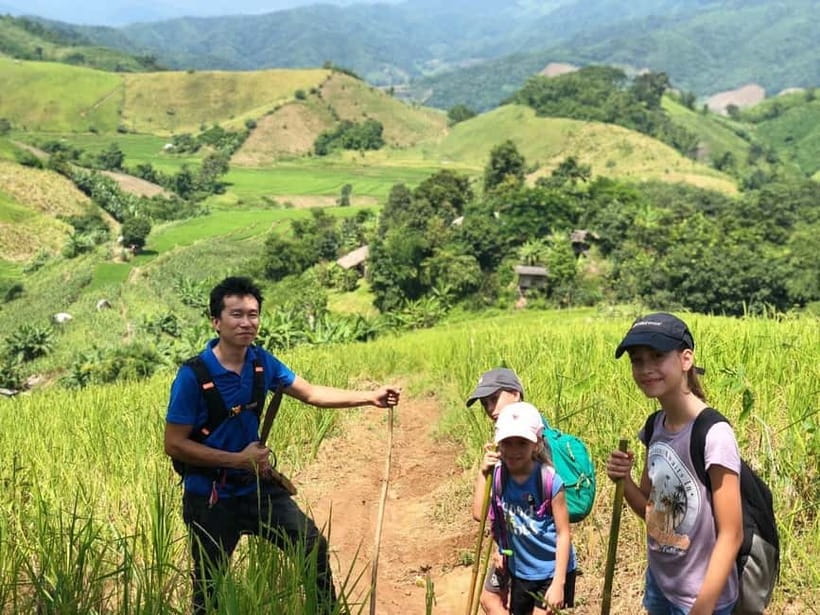
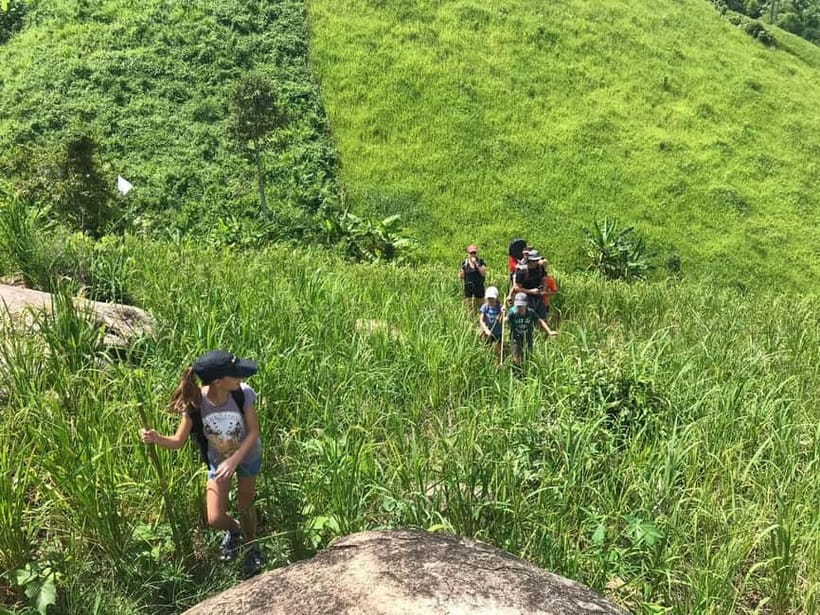
The most important practical detail is the distance. One account of the route puts it at about 10 kilometers, while the tour description estimates around five hours of walking. You should expect steep uphill sections, uneven ground, and very few flat stretches.
You do not need to be a top athlete, but you should be comfortable walking for much of a day. Active adults who enjoy countryside paths are the best fit. People who prefer easy roads, have mobility limits, or dislike heat and uneven trails should choose a shorter outing.
The tour is not suitable for children under 10, wheelchair users, or people over 70. Those limits are clear signals that the route is physically demanding, even if the pace is manageable for a reasonably fit person.
Bring:
- A hat
- Swimwear
- Dry clothes
- Water
- Insect repellent
- Comfortable walking shoes
- A small bag that leaves your hands free
Alcohol and drugs are not allowed, and pets cannot join the tour. Hotel pickup and return are included in the Chiang Rai area, but you should contact the provider if you are staying outside the pickup radius.
The guide makes the difference
This itinerary covers a lot, but the guide determines how much you get from it. The guide leads the cooking, explains plants and herbs, introduces the village way of life, and helps you understand what you are seeing rather than merely pointing out locations.
The guide has been especially useful with edible plants, local fruit, spices, and farming areas. That creates small discoveries throughout the day: a leaf, pineapple, or forest plant becomes part of the story of the place.
The English level is listed as English, and the guide is expected to explain nature, customs, and village life. If you enjoy asking questions, this is the kind of trip where speaking up improves the experience. Ask about the crops, cooking methods, village traditions, and how the plants are used.
One practical weakness is pickup timing. The stated pickup window can be broad, and a pickup has run later than expected, leaving people waiting outside for close to an hour. Be ready at the stated time, but allow some flexibility at the start of the day.
Small group, simple food, real effort
This tour works because the activities connect. Cooking gives you contact with village life. The plants and farms make the walk more than exercise. The waterfall provides a swim, and the hot spring gives you a calm finish.
The tradeoff is comfort. You are not moving between air-conditioned attractions, and the lunch setting is a bamboo hut rather than a polished restaurant. You will spend much of the day exposed to heat, insects, mud, and uneven ground.
That is precisely why the experience can feel more personal than a standard sightseeing circuit. You get time to walk, taste, ask questions, and notice the changes in the countryside. The small group also helps keep the day from feeling like a procession.
Should you book this Chiang Rai trek?
Book it if you want a physically active day with village cooking, forest walking, and real countryside contact. It is a particularly good choice for adults who enjoy plants, food, farming, and conversations about local life, and who would rather walk through a region than view it from a minibus.
Think twice if your priority is comfort, a short itinerary, or guaranteed punctual pickup. The 10-kilometer route, steep sections, and long day require preparation.
For the right person, $82 is a fair price for the combination of transport, guide, lunch, insurance, four communities, a tea plantation, waterfall swim, and hot spring bath. Bring proper shoes, swimwear, insect repellent, and patience at pickup. Then you can enjoy one of Chiang Rai’s more active and personal ways to see the hills.
FAQ
Where does the Chiang Rai trek start and finish?
The tour starts in Chiang Rai, travels to the trekking area near Lam Nam Kok National Park, and returns to Chiang Rai at the end of the day.
How long is the walking portion?
The walking portion is around five hours. The route is approximately 10 kilometers and includes some steep uphill sections and uneven paths.
Which hilltribe villages does the tour visit?
The route visits Lisu, Chinese, Akha, and Lahu hilltribe villages.
Is lunch included?
Yes. Lunch is included, and you cook it with the guide in a bamboo hut kitchen using firewood rather than LPG.
Can I swim during the tour?
Yes. You can swim at Huay Kaew Waterfall, described as the second largest waterfall in Chiang Rai. Bring swimwear and a change of clothes.
Is a hot spring visit included?
Yes. The route ends back at the hot spring area, where you can take a mineral hot bath before returning to your hotel.
What is included in the price?
Transportation, an English-speaking guide, lunch, drinking water, and travel insurance are included. Other expenses are not included.
Who should not book this tour?
The tour is not suitable for children under 10, wheelchair users, or people over 70. The route also may not suit anyone who is uncomfortable with long walks, steep sections, or uneven ground.
What happens if my hotel is outside the pickup area?
Pickup and return are arranged within the Chiang Rai area. Contact the provider directly if you are staying outside the stated pickup radius.
More Walking Tours in Chiang Rai
- 1 Day Trekking in Chiang Rai forest (walk only)
★ 4.9 · 95 reviews - Authentic trek only walk in Chiang Rai jungle
★ 5.0 · 90 reviews - Vatnajökull Glacier Walk from Hali
★ 5.0 · 479 reviews - From Funchal: Madeira Peaks Mountain Walk
★ 4.8 · 380 reviews
Just added around Chiang Rai
- Full Day Trekking & bamboo cooking Tour in Chiang Rai★ 5.0 · 7 reviews
- Trekking with Lunch cooked by Bamboo in the Chiang Rai jungle★ 5.0 · 12 reviews
- Akha private eco-trekking 2 days 1 night Chiang Rai★ 4.5 · 2 reviews
- One Day Trekking Chiang Rai Jungle Adventure and Bamboo Cooking★ 3.5 · 3 reviews
- 1 Day Trekking Group Tour With Bamboo Cooking / Chiang Rai★ 5.0 · 51 reviews
- Cultural trekking and boat trip★ 5.0 · 5 reviews
- Chiang Rai Trek:Jungle Hike, Bamboo-Cooked Lunch & Boat Ride★ 5.0 · 7 reviews
- Chiang Rai: The Adventure of Trekking & Bamboo Cooking★ 5.0 · 3 reviews
Waterfall Treks, compared.

Glacier Hike, Waterfalls and Black Sand Beach
Read our review →

Glacier Hike, South Coast Waterfalls & Black Sand Beach
Read our review →
Reykjavík: Iconic Glacier Hike, South Coast & Waterfalls
Read our review →
Munduk Waterfalls Trek, Twin Lakes and Temple Tour
Read our review →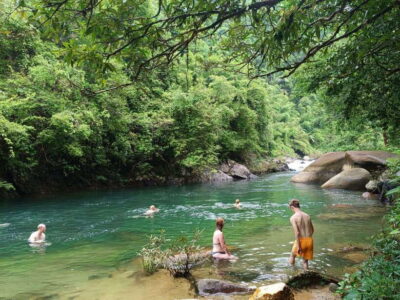
Khao Sok: Private Waterfalls and Wildlife Half-Day Trek
Read our review →
South Coast, Waterfalls & Glacier Hike Small-Group
Read our review →
Selogriyo Temple and Trekking Java Rice Terraces, hidden waterfall -Nature Java
Read our review →Browse the lists this trek appears in