
Review · ANCHORAGE
Alpine Classic Trek
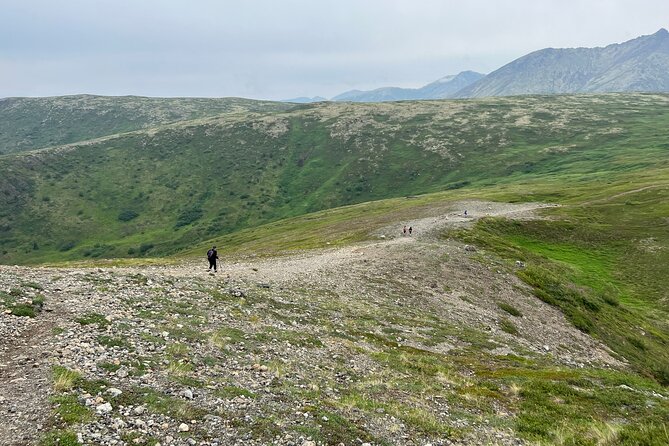
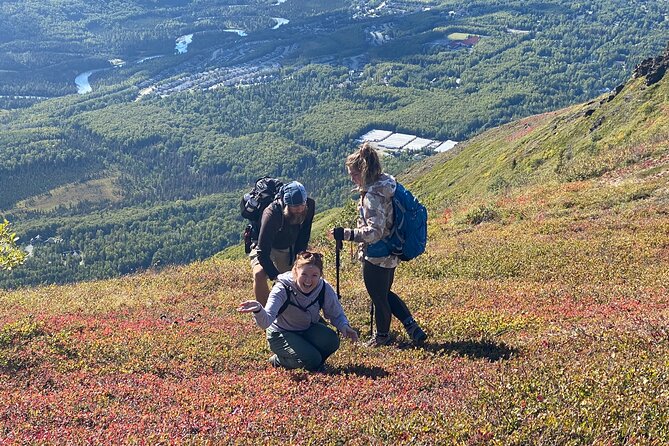
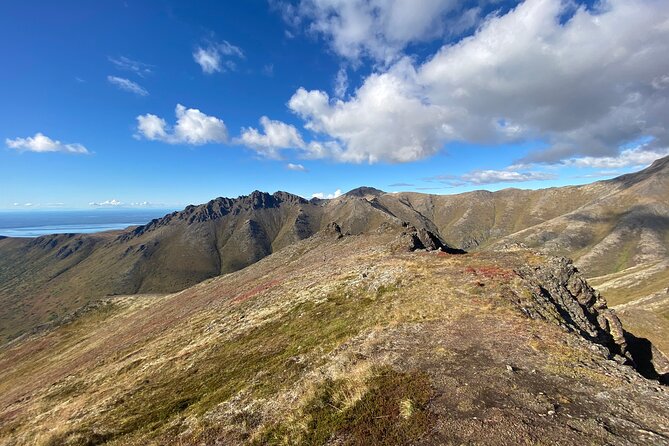
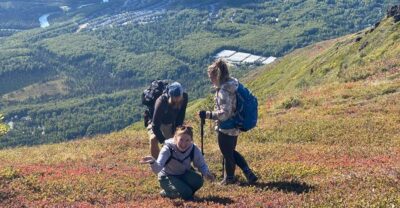
The best part of the Alpine Classic Trek is the payoff: after a hard climb, you reach an open ridgeline with 360-degree views over Anchorage, the Anchorage Bowl, and Knik Arm. On a clear day, you may even see Denali far away. I like the small maximum group of 12 and the chance to learn about alpine plants and wildlife from guides such as Britt, Gregg, Matt, Madison, Caleb, and Stefan. I also like that trekking poles, snacks, and micro-spikes are included.
This is not a casual walk in the park. The first 45 minutes can be the toughest part, with steep, uneven ground and a climb equal to roughly 150 flights of stairs over the hike. You need solid fitness, good shoes, and the patience to earn the view.
Key points to know before you go
- Two possible ridgelines: The route is chosen between Rendezvous and Mile High Ridgeline according to weather and group ability.
- Four hours on foot: The roughly five-hour outing includes about one hour of transportation and four hours of hiking.
- A real uphill workout: You should handle at least five miles of uneven rolling terrain and steep climbing over four hours.
- Wildlife is possible, not promised: Look for moose, bear, Dall sheep, mountain goats, marmots, arctic squirrels, eagles, jays, and other birds.
- Small groups help: The tour has a maximum of 12 people, giving the guide room to adjust pace and answer questions.
- Downtown meeting point: You meet at the William A. Egan Civic & Convention Center, with no hotel or vacation-rental pickup.
Chugach ridgelines with a real payoff
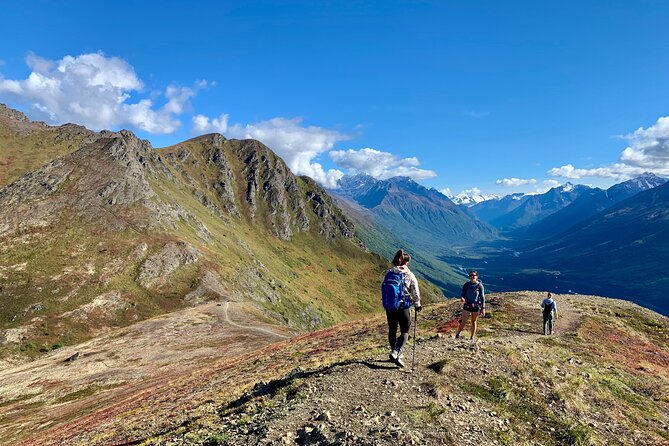
Anchorage makes it easy to reach wild country without leaving the city far behind. Chugach State Park rises along the edge of town, and this hike uses that advantage well. Instead of spending the day on a forest path with only occasional views, you climb toward open alpine ground where the scene keeps widening.
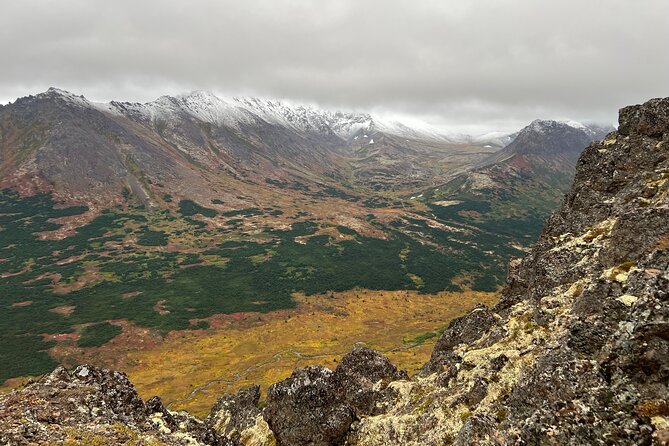
The route may use Rendezvous Mile High Ridgeline or another of the two named ridgelines, depending on weather and how the group is moving. That flexibility matters in Alaska. Wind, snow, rain, and trail conditions can change the best choice quickly, and a sensible guide needs room to adapt.
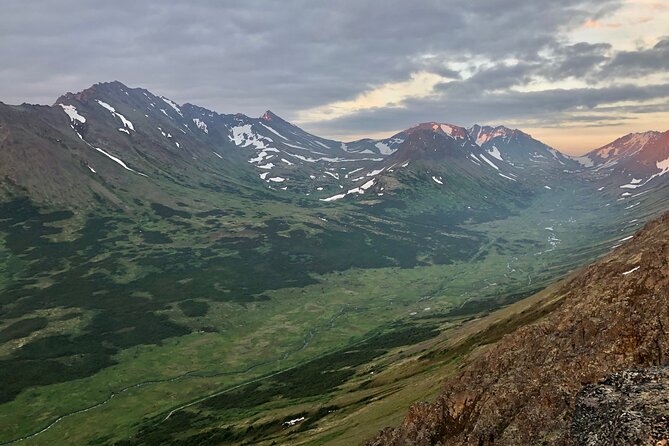
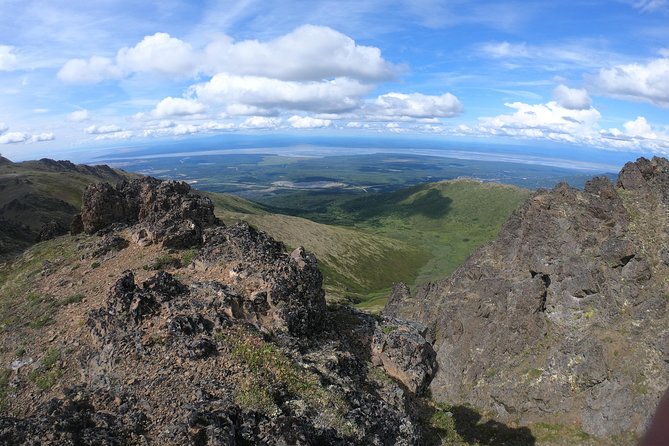
The reward comes near the top. Once the route reaches higher ground, parts of the terrain can become fairly flat, making it easier to walk and look around without fighting the trail every second. You can see across the Anchorage Bowl and toward Knik Arm. On a clear day, Denali may appear hundreds of miles away, though you should treat that as a lucky bonus rather than the main promise of the hike.
I like this format because the view feels earned. The climb gives the outing a clear shape: work hard at the start, settle into the high country, then take time to appreciate the scale around you.
A few more treks around the USA worth a look
- Orlando Tree Trek Adventure Park
★ 5.0 · 845 reviews - Glacier Hike on Matanuska Glacier – Best Vacation Value
★ 5.0 · 463 reviews - Matanuska Glacier Hike Day Tour
★ 5.0 · 396 reviews
What the five-hour schedule really means
The advertised duration is about five hours, but only around four hours are spent hiking. The remaining hour covers transportation, making this a half-day activity rather than a full-day wilderness trip.
You begin and end at the William A. Egan Civic & Convention Center at 555 West 5th Avenue in downtown Anchorage. You must get yourself to this meeting point, since hotel, bed-and-breakfast, and vacation-rental pickup is not included. The location is near public transportation, which helps if you are staying in central Anchorage.
From there, the group travels to the trail area. The exact ridgeline is selected on the day of the hike. That means you should not book this expecting one fixed summit or one identical view every time. It also means the guide can choose a route that makes better sense for the weather and the people in the group.
The trip ends back at the same meeting point. If you have dinner plans afterward, leave some breathing room. A past outing reached the top in rough weather and still returned in time for a dinner reservation, but you should not build your whole evening around that possibility. Mountain weather and group pace are never perfectly predictable.
The climb: demanding, but not technical
The biggest question is not whether the trail is scenic. It is whether your body is ready for the climb.
The operator gives a useful fitness test. You should be able to walk at least eight miles on flat pavement, or five miles over uneven rolling ground, during a four-hour period. You should also be comfortable climbing about 150 flights of stairs over the course of the hike.
That is a serious standard for a five-hour excursion. The trail is not described as technical mountaineering, but it includes steep and hilly sections that place more strain on your legs, knees, ankles, and breathing than a level city walk. The first 45 minutes are often the hardest, especially when the route is snowy or wet.
If you have not hiked in years, do not judge your readiness by how easily you walk around Anchorage. Uneven ground asks more of your stabilizing muscles, and the steady climb can expose weak knees or ankles quickly. The activity is not recommended for people with cardiac or respiratory illness, and severe joint problems may make it difficult.
The good news is that the pace can be managed. One recent outing gave a hiker room to slow down when needed, and that is exactly the kind of approach you want on a guided mountain walk. The goal is to reach the high point safely, not to race the guide.
What to wear and carry
Good footwear is the most important choice. Hiking boots are strongly advised, especially in the colder months or when snow remains on the trail. One early May outing still had snow on the ground and occasional flurries, and the hiker specifically recommended boots to reduce the risk of an ankle injury.
Bring warm gloves if you are hiking in spring or fall. Weather can shift quickly at higher elevations, and a sunny start does not guarantee a calm summit. Rain, snow, hail, and strong wind have all been part of past outings.
Trekking poles are provided, which is useful on steep climbs and uneven descents. Micro-spikes are also supplied if trail conditions call for them. These items reduce some of the risk, but they do not replace suitable clothing or footwear.
The included food is simple and practical: a granola bar, an apple, and a cheese stick. That is enough for a snack break, not a full meal. If you have dietary restrictions, tell the operator in advance so a different snack can be arranged.
Same trailhead, a different route:
- Via Ferrata / Rappel Adventure in East Zion
★ 5.0 · 224 reviews - Full-Day Matanuska Glacier Hike And Tour
★ 5.0 · 216 reviews - Telluride Via Ferrata – Private Trip
★ 5.0 · 214 reviews - The EDGE: Epic Sky Trek
★ 5.0 · 166 reviews
Wildlife and alpine plants
The route gives you plenty to watch for, but wildlife sightings are never guaranteed. Possible animals include moose, bear, Dall sheep, mountain goats, arctic squirrels, and marmots. Birds may include bald eagles, thrushes, chickadees, and jays.
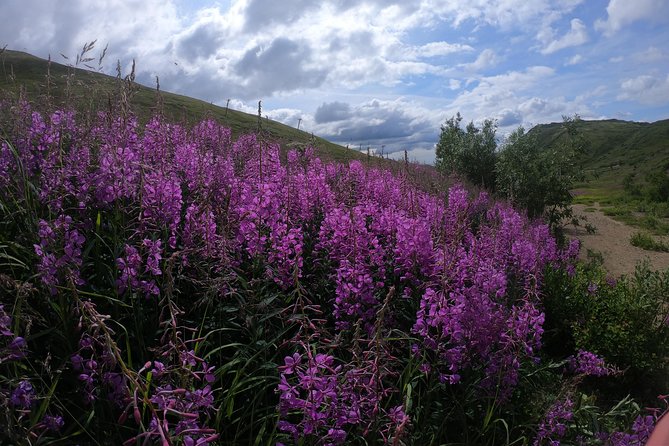
The open ridgeline can help with broad views, while the trail and alpine vegetation offer smaller discoveries. Guides have pointed out flowers, berries, mosses, and other plants along the way. In late summer, you might find blueberries, and the low alpine carpet of berries and small plants can be one of the hike’s quieter pleasures.
This is where a naturalist guide adds real value. A mountain view is easy to photograph, but learning why a plant grows at that elevation or noticing a bird you would have missed makes the outing more than a workout. Britt has been praised for explaining flowers and wildlife, while Madison shared information about local vegetation. Gregg has also been singled out for explaining the trails and the wider Anchorage area.
Keep your expectations sensible. This is not a dedicated bear-watching trip, and the chance to see wildlife should not be your sole reason for booking. You are going for the climb and the views, with animals and birds as possible additions.
Guides who shape the day
The guides are a major part of the experience. Names connected with past outings include Stefan, Britt, Matt, Caleb, Madison, and Gregg. Their roles go beyond leading from the front. They explain the area, adjust the pace, answer questions, take photos when appropriate, and help people decide how hard to push.
Matt has led winter outings and has been noted for patience and local suggestions, including places to eat and other things to do in Anchorage. Caleb once kept working with a group through wind, rain, snow, and hail, while also making sure the group descended in time for dinner. That shows the benefit of having someone who can read both the conditions and the people.
Gregg has been praised for making a demanding climb feel more manageable, particularly for someone returning to more intense hiking after several years. Britt has helped with photos and plant identification. These details matter because the experience changes a lot depending on how the guide handles a slow section, a nervous hiker, or a sudden weather shift.
With no more than 12 people, the guide should have a reasonable chance to keep the group together and offer personal help. It is still a group hike, not a private mountain guide service. If you want your own pace and route, a private outing may be a better fit, and private hikes have been available through the same company.
Is $179 a fair price?
At $179 per person, this is not the cheapest way to spend a morning in Anchorage. The value depends on what you would otherwise need to arrange.
The fee includes transportation during the outing, an English-speaking guide, trekking poles, a snack, and micro-spikes when conditions require them. You are also paying for route choice, local trail knowledge, safety judgment, and the convenience of reaching Chugach State Park without planning the hike yourself.
For a fit visitor who wants a strong half-day outing and does not have a car or hiking equipment, the price is reasonable. The small group adds value, since a maximum of 12 people is more personal than a large coach-based excursion. The included gear also means you do not need to bring poles or purchase traction equipment for one hike.
The value is weaker if you already have transportation, know the Chugach trails well, and own the equipment. You may prefer to hike independently. But independent hiking also leaves you responsible for route choices, weather decisions, navigation, and turning around when conditions change.
The included snack is modest, so do not treat it as lunch. Pack extra food if you normally eat more during a four-hour hike, provided it fits the operator’s requirements and your own needs.
Weather is part of the experience
Alaska does not promise perfect skies. The route is chosen with conditions in mind, and the activity requires suitable weather. If poor weather forces cancellation, you are offered another date or a full refund.
That policy is helpful, but you still need flexibility in your schedule. Do not place this hike on the last possible morning before a flight if you can avoid it. A weather change could remove your main chance to go.
Bad weather does not always mean a disappointing day. One outing included wind, rain, snow, and hail, yet still reached the high point. Still, you should understand the tradeoff. Rough conditions can make the climb slower, colder, and less comfortable, and clouds may hide the long views that make this trek special.
The best clothing strategy is to prepare for change rather than dress for the forecast at street level. Gloves, sturdy boots, and layers matter more than a warm downtown morning.
Who should book this trek?
I would choose the Alpine Classic Trek if you want a serious but manageable introduction to mountain hiking near Anchorage. It suits people who enjoy a challenge, want broad views, and prefer a guide who can explain plants, wildlife, and local geography along the way.
It is also a good first Alaska hike for an active visitor. One hiker found it useful preparation for longer outings later in the trip. You get a sense of the terrain, the weather, and your own fitness before committing to a more demanding day.
Families can take part if everyone meets the fitness standard. The fact that one guide described the route as suitable for families does not make it easy for children or less-active adults. The stair-climbing requirement is the better measure.
I would skip it if you want a gentle nature walk, dislike steep hills, have serious heart or breathing problems, or deal with severe joint trouble. I would also skip it if your main goal is guaranteed wildlife. The animals may appear, but the reliable feature is the climb and the high view.
Should you book the Alpine Classic Trek?
Book it if you can handle four hours of hiking, steep early climbing, uneven terrain, and the possibility of cold or wet conditions. The views over Anchorage and Knik Arm are the main prize, and the small group, local guides, included equipment, and flexible route make the day easier to manage.
Before booking, check your footwear, leave space in your schedule, and be honest about your fitness. If you can climb roughly 150 flights of stairs over several hours and still enjoy yourself, this is a strong way to see the Chugach from above. If that sounds excessive, choose a shorter or flatter outing instead.
FAQ
Where does the Alpine Classic Trek begin and end?
It begins and ends at the William A. Egan Civic & Convention Center at 555 West 5th Avenue in Anchorage.
How long is the experience?
The total duration is about five hours. Approximately one hour is transportation and four hours are spent hiking.
Which trail or ridgeline will I hike?
The route may use Rendezvous or Mile High Ridgeline. The guide chooses the location based on weather and the group’s ability on the day of the hike.
What equipment is included?
Trekking poles are included. Micro-spikes are also provided if trail conditions require them.
What level of fitness do I need?
You should be able to walk at least eight miles on flat pavement or five miles over uneven rolling terrain in four hours. You should also be able to climb about 150 flights of stairs during the hike.
Can I cancel for a refund?
You can cancel at least 24 hours before the start time for a full refund. Cancellations or changes made less than 24 hours before departure are not refunded or accepted.
Just added around the USA
- Norris Adventure: Seaplane, Paddle and Glacier Hike★ 5.0 · 12 reviews
- Rainforest & Waterfalls Trek★ 5.0 · 35 reviews
- Mount Blue Sky Via Ferrata Climbing Experience in Idaho Springs★ 5.0 · 19 reviews
- Grewingk Glacier Hike in Kachemak Bay★ 4.5 · 30 reviews
- Via Ferrata Adventure at Jackson Hole Mountain Resort★ 5.0 · 13 reviews
- Mountaineer’s Way Hike in the Smokies★ 5.0 · 7 reviews
- Standing Indian Mountain Hike plus Wine Tasting★ 3.0 · 2 reviews
- Full-Day Private Guided Scenic Colorado Mountain Hike★ 5.0 · 4 reviews
Anchorage Trekking Tours, compared.
Glacier Hike on Matanuska Glacier – Best Vacation Value
Read our review →
Browse the lists this trek appears in