
Review · INDIA
Friendship Peak Trek
Friendship Peak is a serious Himalayan objective, not a long weekend walk with a pretty campsite. From Manali, you climb through the Pir Panjal range toward a 17,348-foot summit, sleeping in tents and making an early summit attempt after acclimatization. The reward is a wide mountain view that can include Hanuman Tibba, Shitidhar, Indra Asan, Deo Tibba, the Dhauladhar range, and the greater Himalaya.
I like the camp chef and included meals, which remove one major burden on a demanding trek. I also like the amount of safety and mountain gear included, from snow boots and gaiters to ropes, harnesses, ice axes, and rescue equipment. The main drawback is clear: you must arrive fit and experienced, then carry your own personal bag throughout the trek.
Key points
- 17,348-foot summit: Friendship Peak requires prior high-altitude trekking experience and strong fitness.
- Eight days from Manali: Two hotel or guesthouse nights bookend several nights in mountain camps.
- Support without a porter for your bag: A guide, cook, helpers, and porters carry common supplies, but your personal luggage is your responsibility.
- Equipment is supplied: Tents, sleeping bags, mats, snow boots, helmets, gaiters, and ice axes are included.
- A real acclimatization plan: The load ferry to Camp 1 and the reserve day give the summit attempt some breathing room.
- Best timing: Plan for May to June or September to October, subject to suitable weather.
A high Himalayan climb above Manali
Friendship Peak gives you a taste of mountaineering without asking you to organize every moving part yourself. You still need to walk, climb, adjust to altitude, and carry your own kit, but the expedition team handles camps, food, common gear, and route support.
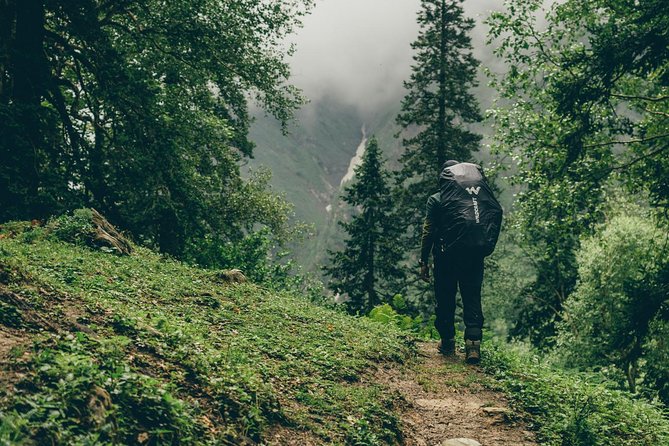
The route moves through the Pir Panjal range in Himachal Pradesh. Expect dense forest lower down, alpine meadows higher up, and frequent streams along the approach. Flora and fauna vary as you gain height, although the main focus here is the summit effort rather than wildlife watching.
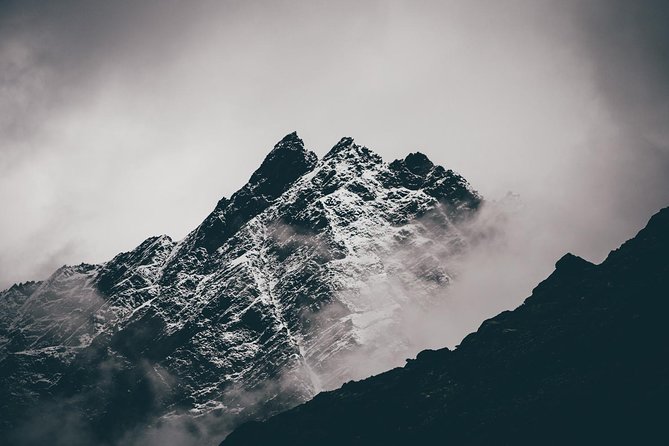
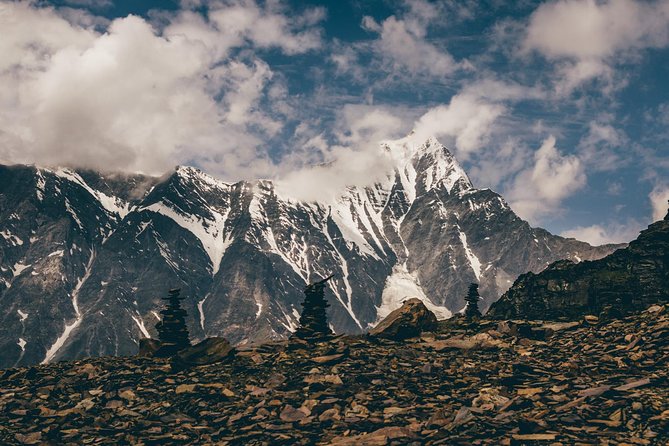
At the top, the setting is the payoff. On a clear day, you can see major peaks including Hanuman Tibba, Shitidhar, Indra Asan, and Deo Tibba, along with the Dhauladhar and greater Himalayan ranges. Mountain visibility depends on weather, of course, and summit success is never something a responsible operator can promise.
A few more treks around India worth a look
- Half day trekking (munnar valley Trekking & Tours )
★ 5.0 · 310 reviews - Nag Tibba 2 Days Trek (Pantwari to Pantwari)
★ 5.0 · 274 reviews - Bhrigu Lake and Alpine Meadow Trek
★ 5.0 · 121 reviews
What the $898.79 price really covers
At $898.79 per person, this is not a cheap walking holiday. It is priced as a supported high-altitude expedition, and the value comes from the amount of equipment, staff, food, permits, and logistics included.
You receive accommodation in Manali on the first and final nights, meals from lunch on Day 2 through dinner on the last day in Manali, twin-sharing tents, sleeping bags, sleeping mats, forest permits and camping charges where applicable, and IMF fees for foreign nationals.
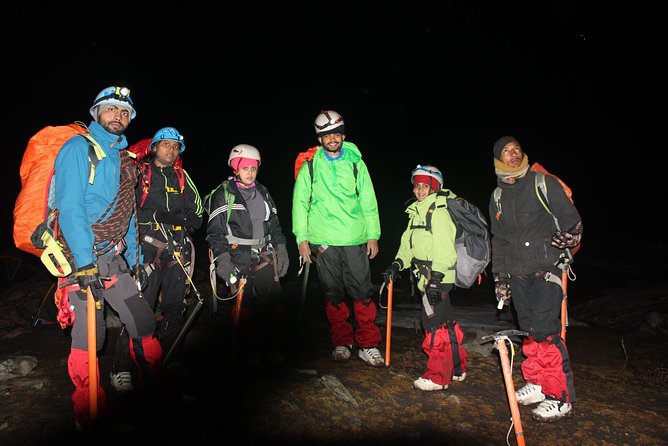
The equipment list is useful. Snow boots, a helmet, gaiters, and an ice axe are provided, along with static rescue rope, seat harnesses, carabiners, pulleys, snow stakes, and deadman or boy anchors. That is a substantial amount of specialist gear to rent or buy on your own.
The staff package also matters. A first-aid-certified expedition guide, cook, helpers, porters for common supplies, and a mountaineering-course-certified trek leader with first-aid and special rescue training are included. You are paying for a working mountain camp, not simply a walking guide.
The catch is personal baggage. Portage for your own bags is not included, so pack with restraint. You will need to carry what you bring, while the porters handle shared expedition supplies. Travel insurance is also separate, and the operator specifically excludes costs not named in the inclusion list.
Day 1: Manali gives you a useful starting point
The first day is an arrival and hotel or guesthouse night in Manali. This is more than a soft opening. It gives you a chance to meet the expedition staff, check equipment, and prepare for the change from town roads to mountain trails.
Manali is the practical base for the trek, with pickup offered and public transportation nearby. The available information does not give a fixed pickup hour, so confirm the meeting details before setting out.
Use this night to keep your luggage simple. Since you carry your personal bag, every extra shirt and unnecessary bottle becomes a small tax on your legs later.
Day 2: Solang to Bakarthatch
The expedition begins with a drive from Manali to Solang, followed by the trek toward Bakarthatch. The drive cuts out part of the approach and puts you closer to the mountain terrain.
This section introduces the route properly. You move through forest, meadows, and streams, with the surroundings changing as you gain height. Bakarthatch is a camping stop, so you trade your Manali room for a tent, sleeping bag, and camp routine.
Lunch begins the included trek meals on this day. A cook prepares the food, which is a real help when you are using energy all day. The food has earned particular praise in the supplied feedback, along with the timing of meals and snacks, but you should still bring any personal snacks or dietary items you specifically need, since no special menu is described.
The first camp can also reveal how your body handles the altitude. Do not treat a comfortable first day as proof that the summit will be easy. The upper mountain is a different test.
Same trailhead, a different route:
- Har Ki dun Trek by Himalaya Shelter
★ 5.0 · 102 reviews - Wild Elephant Anakulam & Waterfalls Tour(munnar valley Trekking)
★ 5.0 · 98 reviews - Half Day Hiking in Munnar Trekking Tour
★ 5.0 · 89 reviews - Singalila Trek from Darjeeling
★ 5.0 · 79 reviews
Day 3: Bakarthatch to Advance Base Camp
The route continues from Bakarthatch to Advance Base Camp, or ABC. This is where the expedition begins to feel more like a high-altitude climb than a mountain hike.
You continue across open alpine ground, with streams and mountain views along the way. The trail conditions can vary with snow and weather, especially during the shoulder periods around the recommended months. Your guide sets the pace, but you need to communicate early if you are struggling.
Advance Base Camp becomes the main staging point for the summit plan. You sleep in tents again, eat at camp, and prepare for the next day’s load ferry. There is no guesthouse comfort here, so expect basic camp living and a schedule shaped by weather, light, and altitude.
Day 4: The load ferry to Camp 1
Day 4 is a smart part of the schedule. You carry supplies to Camp 1, then return to ABC rather than sleeping there immediately. This load ferry helps the team place equipment higher on the mountain and gives you a taste of the upper route before the main move.
For you, the day is useful acclimatization and a practical test. You can learn how the snow boots, gaiters, helmet, and ice axe feel before summit day. It also exposes the less glamorous side of expedition trekking: carrying, sorting, returning, and doing the work that makes the final attempt possible.
Do not expect this to be a rest day. You are still walking at altitude, and the extra movement can be tiring. The benefit is that the route to Camp 1 should feel less unfamiliar when you move there for the summit push.
Day 5: Acclimatization and the move to Camp 1
The fifth day combines acclimatization with a move to Camp 1. This gradual increase in sleeping altitude is important on a peak rising to 17,348 feet.
The team can also use this stage to review equipment and safety procedures. Ropes, harnesses, carabiners, pulleys, snow stakes, and anchors are not decorative items. They form part of the expedition’s safety system, particularly on snow or exposed ground.
Your guide and trek leader handle the technical organization, but you remain responsible for your own effort. Keep your pack light, drink as directed by the staff, and report symptoms early. The supplied requirements make the fitness expectation plain: you should be able to jog or run 5 kilometers in 25 to 30 minutes, or walk 10 kilometers continuously on mostly level ground with only three or four short breaks.
That test is a baseline, not a guarantee. A high-altitude summit attempt asks more from you than a flat-ground fitness test.
Day 6: Summit attempt and return to base camp
Day 6 is the main event. From Camp 1, you attempt Friendship Peak, then return to Base Camp.
The summit day will likely be the toughest part of the trip because of altitude, cold, snow, fatigue, and the need to keep moving over difficult ground. The operator does not describe a fixed summit start time, route length, or guaranteed time on top, so treat the day as flexible and controlled by weather and mountain conditions.
This is also where the difference between a trek and an expedition becomes obvious. Your summit bid may be turned around for safety. A strong team will not push you upward simply because the calendar says it is summit day.
If conditions cooperate, the view from the top is the great prize. You may see across the Pir Panjal range toward the Dhauladhar and greater Himalayan ranges, with Hanuman Tibba, Shitidhar, Indra Asan, and Deo Tibba among the named peaks visible from the summit area.
The return matters just as much as the ascent. Tired legs and thinning air can make the descent demanding, so listen closely to the guide and keep your pace steady.
Day 7: Why the reserve day matters
Day 7 is held as a reserve day. This is one of the strongest features of the plan because Himalayan weather does not follow your booking schedule.
If cloud, snow, wind, or another mountain problem interrupts the summit attempt, the reserve day may provide another chance. If the summit goes ahead on Day 6, the day can serve as a cushion for delays or a slower return.
The policy is weather-sensitive. If the entire experience is canceled because of poor weather, you are offered a different date or a full refund. The stated booking terms are otherwise strict: the experience is non-refundable and cannot be changed for personal reasons after booking. That makes travel insurance worth serious thought, even though it is not included.
Day 8: Back to Solang and Manali
The final day takes you from Base Camp to Solang, followed by a drive to Manali. After several nights in tents, the return to town should feel welcome, even if your legs are tired.
You receive hotel or guesthouse accommodation in Manali on the last night, and dinner is included through the final day in Manali. This extra night is useful because it avoids forcing you straight onto a long onward journey after the trek.
The route closes the loop neatly. You finish with a staffed camp system behind you, a summit attempt completed or honestly abandoned for safety, and a final night to recover before leaving the region.
The support team and camp routine
The strongest practical feature is the level of support. A guide, trek leader, cook, helpers, and porters for common supplies travel with the expedition. The guide and trek leader are listed as first-aid trained, and the trek leader also has mountaineering-course and special rescue training.
The supplied feedback repeatedly praises the food, camp organization, and supportive staff. One specific Friendship Peak account highlights professional, friendly guides, good food, and solid end-to-end organization. Another describes a September Friendship Peak trip with positive comments about the trek leader and meals.
That does not make the mountain easy, but it does point to the parts of the experience that can make a hard trip manageable. A reliable meal schedule, clear route decisions, and patient encouragement matter when you are cold or tired.
The trek is private, meaning only your group participates. That gives you a more personal format than a large mixed departure, though group discounts are available. No guide names are supplied for this specific Friendship Peak departure, so do not assume that a guide named in feedback from another trek will lead your group.
Who should book this Friendship Peak Trek?
You should consider it if you already have at least two or three challenging treks behind you and around 20 to 25 total trekking days in the Himalayas or similar mountain ranges. Those are not casual suggestions. They describe the operator’s expected experience level.
You should also be comfortable with:
- Carrying your personal bag for the duration of the trek
- Sleeping in tents on twin-sharing arrangements
- Walking through forests, meadows, streams, and snow
- Coping with high altitude and cold conditions
- Following guide instructions around ropes and snow equipment
- Accepting that weather may change the summit plan
This is not the right choice for a first Himalayan trek. A lower-altitude route would be a better introduction before attempting a 17,348-foot summit.
What to pack and what to confirm
The supplied package covers major personal equipment, including snow boots, helmet, gaiters, and ice axe. It also includes sleeping bags and mats, so you do not need to build a complete expedition kit from scratch.
You still need to pack for your own comfort and carry your personal luggage. Bring only essential clothing, personal medicines, toiletries, and any preferred snacks. Since travel insurance is excluded, check that your policy covers high-altitude trekking and evacuation before you pay.
Also confirm the details that are not specified here: pickup time, exact daily walking hours, personal baggage limits, meal arrangements for special diets, and the final equipment sizing. These questions are especially important for a private departure.
My verdict: a serious trek with useful support
I would book the Friendship Peak Trek if I already had high-altitude experience, strong conditioning, and a real desire to attempt a Himalayan summit. The included technical gear, camp cook, trained staff, meals, reserve day, and two Manali nights give the $898.79 price reasonable value for a supported expedition.
I would not book it simply because the price includes snow boots and a guide. The summit is not for beginners, the physical demands are high, and you carry your own bag. Book it when you are ready for the mountain, not when you are hoping the staff will do the hard parts for you.
FAQ
How long is the Friendship Peak Trek?
The trek lasts approximately eight days, including arrival and departure days in Manali.
Where does the trek take place?
The trek begins in Manali and enters the Pir Panjal range in Himachal Pradesh, India.
How high is Friendship Peak?
Friendship Peak rises to 17,348 feet.
Is this trek suitable for beginners?
No. The summit is not intended for beginners. Participants should have prior high-altitude trekking experience.
How much trekking experience is expected?
You should have completed at least two or three challenging treks and around 20 to 25 total trekking days in the Himalayas or similar ranges.
What fitness level do I need?
You should be able to run or jog 5 kilometers in 25 to 30 minutes, or walk 10 kilometers continuously on mostly level ground with three or four short breaks.
Are meals included?
Yes. Meals are included from lunch on Day 2 through dinner on the last day in Manali.
Is camping equipment provided?
Yes. Twin-sharing tents, sleeping bags, sleeping mats, snow boots, helmets, gaiters, and ice axes are provided.
Do porters carry my personal bag?
No. Portage for personal bags is not included. Porters carry common expedition supplies, while you carry your own bag.
When is the best time to go?
The recommended months are May to June and September to October. The experience also requires suitable weather, and poor weather can cause a cancellation or date change.
Just added around India
- Gokarna Beach Trek★ 5.0 · 9 reviews
- Jaipur Trekking and Hiking Tour with Guide★ 5.0 · 21 reviews
- Nagtibba Trek (Pantwari to Pantwari)★ 5.0 · 39 reviews
- Tirath Expedition: Trek to the Tirath Hans Kund & Saketi Top(4280m)★ 5.0 · 9 reviews
- Dayara Bugyal and Surya Top Trek★ 5.0 · 10 reviews
- 7-Day Kuari Pass Trek★ 5.0 · 3 reviews
- Snowline Trek★ 4.5 · 11 reviews
- Triund Trek & Snow Line Trek★ 4.5 · 9 reviews
India Trekking Tours, compared.
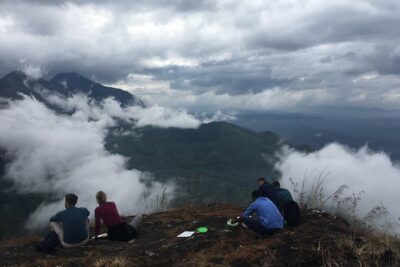
Half day trekking (munnar valley Trekking & Tours )
Read our review →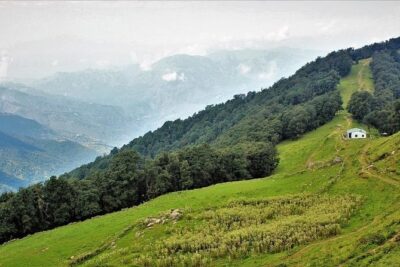
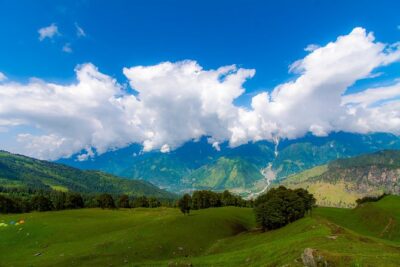
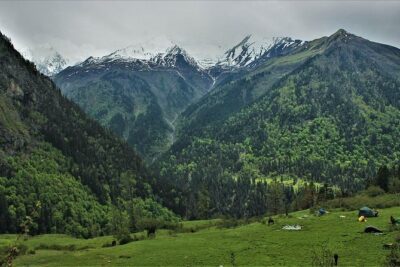
Wild Elephant Anakulam & Waterfalls Tour(munnar valley Trekking)
Read our review →
Browse the lists this trek appears in