
Review · DARJEELING
Singalila Ridge Trek, Darjeeling
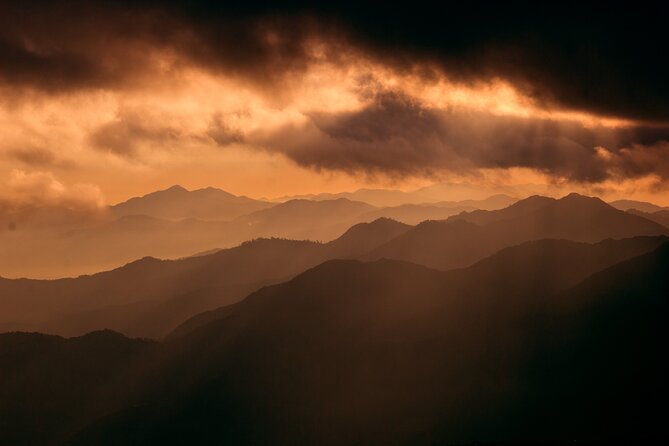
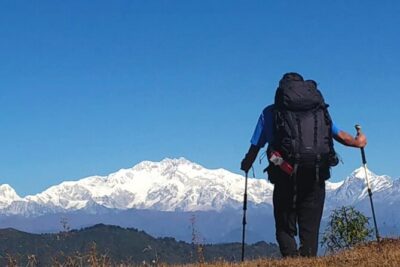
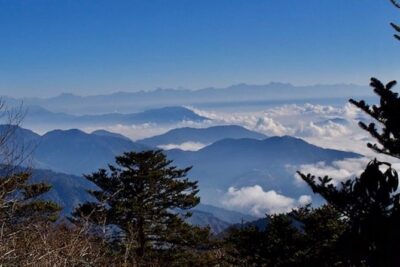
The main reason to choose the Singalila Ridge Trek is the view. From the high ridge, you can see Kanchenjunga, Everest, Makalu, and other Himalayan peaks in one sweeping panorama. Add red panda habitat, rhododendron woods, bamboo forest, small villages, and a trail that sometimes crosses between India and Nepal without a fence, and this becomes a far more varied trek than a simple mountain climb.
I like the warm village contact, especially the meal at a local home in Jaubari, and I like the changing trail: forest, meadow, ridge, river, and mountain hamlet in one trip. The drawback is the physical demand. Several days run for six to eight hours, the climb to Sandakphu is steep, and the 21-kilometer walk toward Phalut is a serious day on foot.
Key points to know before you book
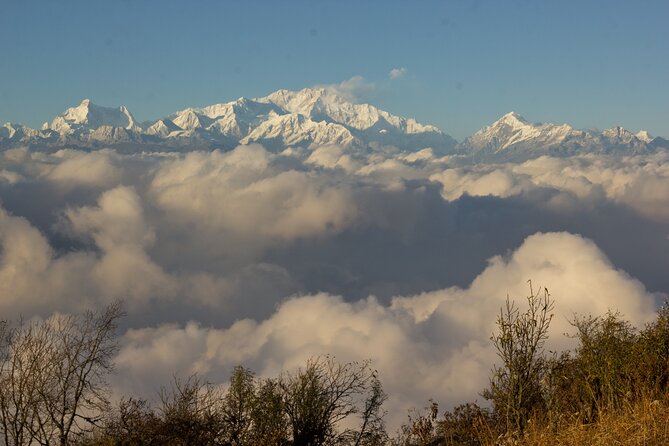
- Four major Himalayan peaks in one view: Clear mornings can reveal Kanchenjunga, Everest, Makalu, and more from the ridge.
- A border-crossing trail without fences: Between Mane Bhanjang and Lamaydhura, the path moves between India and Nepal, marked only by border pillars in places.
- Village life is part of the trip: You visit Jaubari, Samanden, Gorkhey, Rammam, and other small settlements rather than staying only in large trekking centers.
- Red panda country: The forest between Kaiyakata and Kalapokhri offers a chance of sighting one, though wildlife is never guaranteed.
- A demanding middle section: Sandakphu requires a steep final climb, followed by a 21-kilometer ridge walk toward Phalut.
- The price covers the essentials: At $550 per person, the package includes private transportation, accommodation, permits, a mountain guide, meals, and taxes.
Why the Singalila Ridge earns its place on your itinerary
The Singalila Ridge sits in the high country west of Darjeeling, along the India-Nepal border. Its great attraction is not one single summit. It is the long line of high ground, with repeated views across the eastern Himalayas.
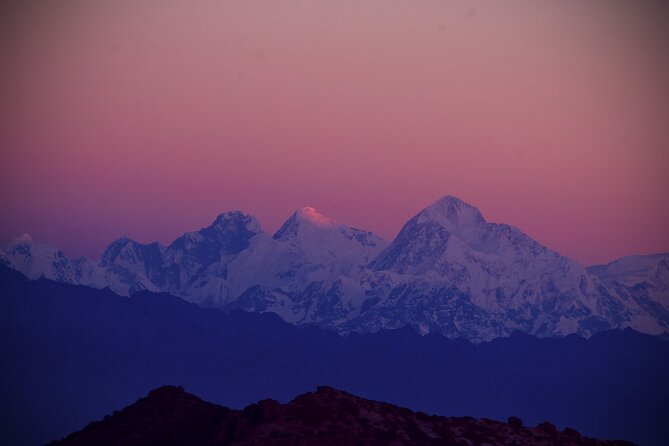
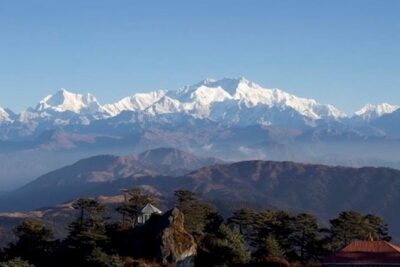
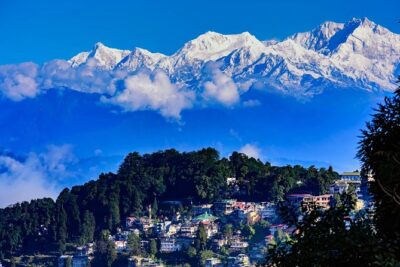
Kanchenjunga is the star. From several points, its peaks form the familiar Sleeping Buddha shape. On a clear morning at Sandakphu, the first light can also reach Everest, giving you a rare chance to see both the Kanchenjunga group and the world’s highest mountain from the same general viewpoint.
The trail also has a strong sense of place. You pass Buddhist prayer flags and a large chorten at Chitrey, walk through local bamboo called malingo, and stop in farming villages where daily life continues at a calm pace. The most meaningful part for me is the contrast between the huge mountains and the modest homes below them.
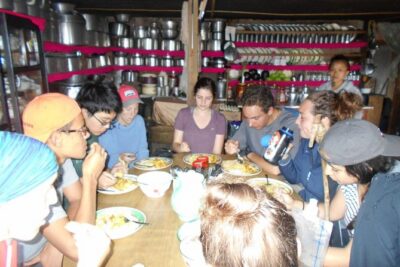
This is not a polished resort-style outing. The accommodation is included, but the trip is built around homestays and basic mountain lodgings. That is part of the appeal, though you should be ready for simple facilities and long walking days.
A few more treks around India worth a look
- Half day trekking (munnar valley Trekking & Tours )
★ 5.0 · 310 reviews - Nag Tibba 2 Days Trek (Pantwari to Pantwari)
★ 5.0 · 274 reviews - Bhrigu Lake and Alpine Meadow Trek
★ 5.0 · 121 reviews
Day 1: Tea gardens, Mirik, and the road to Mane Bhanjang
The opening day uses the road to introduce the Darjeeling hills. At Gopaldhara Tea Estate, you have about 30 minutes for a tea break and a look across one of the area’s prettiest gardens. It is a gentle start, and the stop gives you a visual sense of how much of the lower hills are shaped by tea cultivation.
At Simana View Point, allow about 20 minutes. On a clear day, you can see the Kanchenjunga massif in its Sleeping Buddha formation. Weather matters here. Mist can erase the peaks, so do not treat the first viewpoint as your only chance for mountain views.
The route also includes Mirik, a small Darjeeling district town known for Sumendu Lake. The supplied schedule does not give a fixed stop length for Mirik, so the exact timing may depend on the road journey and the group’s arrangements.
The trek meeting point is Mane Bhanjang. That detail matters: you should confirm how your pickup connects with the start point, since the package offers private transportation but the stated meeting point is in Mane Bhanjang rather than central Darjeeling.
Day 2: Mane Bhanjang and a close look at village life
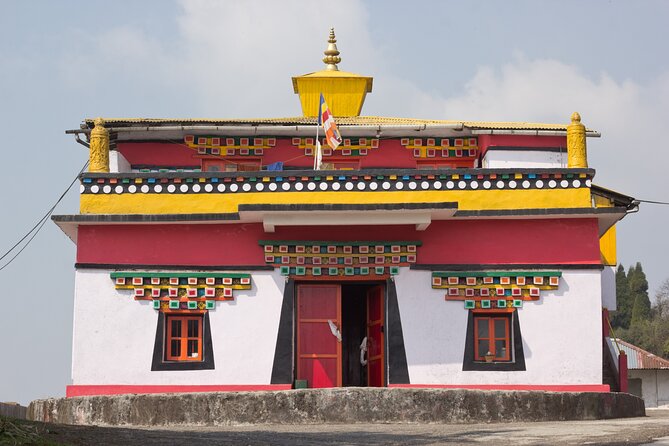
Day two is less about distance and more about getting used to the area. Mane Bhanjang is unusual because part of the village lies in India and part in Nepal. You visit a Buddhist stupa with a bird’s-eye view over the settlement, then walk through a small forest to Jaubari.
Jaubari is mainly a farming village. Lunch is served at a local home, giving you a chance to eat in a real village setting and speak with residents. This is one of the strongest parts of the program because it adds human detail before the higher trail begins.
The day lasts about six hours, but it is not described as one of the hardest walking days. You return to your homestay and have the rest of the afternoon at leisure. Use that time to organize your pack, check clothing, and rest your legs. The next days are much more demanding.
Day 3: Chitrey, Lamaydhura, and the first real trail day
After breakfast, the trek enters Singalila National Park. The first climb is steep, and after about 45 minutes you reach Chitrey, marked by prayer flags and a large chorten. This is your first strong mountain viewpoint on foot, with Kanchenjunga and another group of peaks visible when the air is clear.
From Chitrey, the route follows a smaller path into thick malingo forest toward Lamaydhura. The bamboo creates a narrow, shaded trail and gives this section a different character from the open ridge above. You may also cross from the Indian side into Nepal and back again. There is no continuous border fence, only occasional pillars marking the line.
After Lamaydhura, views of Kanchenjunga begin to open. The day runs about seven hours, so start with a steady pace rather than trying to gain time early. The trail description notes dense forest and steep climbing, making proper footwear and a manageable backpack especially important.
Same trailhead, a different route:
- Har Ki dun Trek by Himalaya Shelter
★ 5.0 · 102 reviews - Wild Elephant Anakulam & Waterfalls Tour(munnar valley Trekking)
★ 5.0 · 98 reviews - Friendship Peak Trek
★ 5.0 · 94 reviews - Half Day Hiking in Munnar Trekking Tour
★ 5.0 · 89 reviews
Day 4: Kalapokhri and the hard climb to Sandakphu
This is one of the key days. You first wake early for a sunrise view, then head toward Sandakphu after breakfast. The route drops to Gairibas, a small settlement on the India-Nepal border, before climbing again toward Kaiyakata.
From Kaiyakata to Kalapokhri, the path rises gradually through dense forest. This is one of the best sections for a possible red panda sighting, though you should treat that as luck rather than a promise. Keep your eyes open, but do not let wildlife hopes distract you from footing and pace.
Kalapokhri takes its name from a small pond at the entrance to the hamlet. After the pond, the first two kilometers toward Bikeybhanjan are a steady gradient walk. Then the final four kilometers to Sandakphu become steep.
The trek day is listed at about seven hours, and Sandakphu is the highest point in West Bengal. Reaching it is the day’s achievement, but the summit is not simply a box to tick. It gives you a huge view across the Himalayas, provided the weather cooperates.
Day 5: The 21-kilometer ridge walk to Phalut
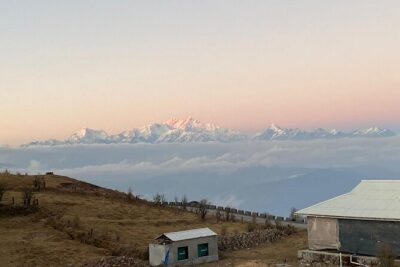
The sunrise from Sandakphu can be spectacular. Kanchenjunga catches the early light, while Everest may appear farther across the horizon. This is the best reason to keep your camera ready, though camera fees are not included in the package.
After breakfast, you walk toward Phalut. At 21 kilometers, this is the longest day of the trek. Much of it follows open meadow and ridge, so you spend long stretches walking with the mountains in view rather than enclosed by trees.
The route toward Thakung offers repeated views of Kanchenjunga, Everest, Makalu, and other peaks. That steady exposure is unusual. You are not waiting for one lookout point; the view keeps returning as the ridge bends and rises.
Later, the trail enters thick rhododendron forest and reaches Sabargram, where a forest check post marks the area. Spring is especially attractive when the rhododendrons bloom, but the day remains physically demanding in any season. The schedule allows about eight hours, and you should think of this as a full trekking day, not a casual scenic walk.
Day 6: Phalut sunrise and the forests above Gorkhey
Phalut Top is about 20 minutes from the overnight stay, so you leave early for sunrise and return for breakfast before continuing. The short morning walk is useful because it lets you see the summit area without adding a separate long detour.
The route to Gorkhey passes through thick malingo forest for much of the day. After the open ridge at Phalut, this wooded section feels quieter and more enclosed. It is also one of the prettiest changes in scenery on the trip.
Gorkhey is a picturesque village within the park. Here you first see two streams, Gorkhey Khola and Rammam Khola, and the sound of running water becomes part of the setting. The walking time is about six hours, leaving part of the afternoon for a village walk or a quiet rest beside one of the rivers.
This is a good place to slow down. The package moves at a brisk pace overall, and an afternoon in Gorkhey gives you a chance to appreciate the village rather than simply arrive, eat, and sleep.
Day 7: Samanden, Rammam, and the descent toward Srikhola
You wake to the sound of the two rivers before setting out for Sepi. The path passes through Samanden, another attractive mountain village, then descends to a stream and climbs to Rammam.
Rammam is described as one of the prettiest villages in the area. After it, the trail becomes flatter for a time before descending to Srikhola, a beautiful river in the vicinity. The day is listed at about six hours.
This section provides a useful change after the high ridge. Instead of chasing summit views, you spend more time among villages, streams, and wooded slopes. It also gives your body a gradual route down from the higher parts of the park.
The schedule repeats the same Singalila National Park description for part of this day, so confirm the exact overnight point and route with the operator before departure. The broad plan is clear, but the duplicated wording means the day’s details are not presented as cleanly as the main trail stages.
Day 8: Rimbik and the end of the trek
The final morning begins after breakfast with a walk toward Rimbik. After about 30 minutes, you cross a river bridge and reach the vehicle road. Rimbik is another hour on foot from there, making the walking portion about two hours.
The trek ends at Rimbik Bazaar, the largest village in the area. From here, onward transport can be arranged, and the supplied route also allows time in Darjeeling, known as the queen of the hills. The schedule mentions spending three easy nights there to explore local sights, but those nights are not listed as part of the eight-day trek package itself, so check what your booking includes.
What the $550 price really covers
At $550 per person, the cost is reasonable if you want a supported trek rather than arranging every detail yourself. Private transportation, accommodation, permits, taxes, an experienced mountain guide, seven lunches, seven breakfasts, and eight dinners are included.
That removes several costs that can add up quickly in the hills. You are not separately arranging park access, daily meals, or lodging at each stop. The included transport also helps at the beginning and end, when the trail starts at Mane Bhanjang and finishes at Rimbik.
The price does not cover personal trekking gear, travel insurance, camera fees, or extra porter hire. You also pay your own personal expenses. Since the longest days reach 21 kilometers and include steep climbs, decide in advance how much you want to carry.
The group can have up to 20 people. That is still workable for a mountain trek, but it is not a private walk for two or four people. If group size matters to you, ask for the expected number before paying.
One payment warning deserves attention. A complaint about a lost deposit was answered by the operator with a clear statement that the complaint concerned another company, not Smile Panda Tours. A separate account praised Chayan from Smile Panda Tours for handling a safe Sikkim trip, but that was a different itinerary. Use the official booking channel, keep payment records, and confirm the exact company details before sending a deposit.
Who should book this trek
You should consider it if you want mountain views plus village contact, rather than a summit-only challenge. The trip suits someone with moderate physical fitness who can handle repeated six to eight-hour days, steep sections, forest paths, and a long ridge walk.
It is also a good match if you value included meals and a guide, and if simple accommodation feels like part of the experience rather than a problem. The village stays and home lunch in Jaubari add something that a road tour around Darjeeling cannot provide.
You should think twice if you dislike basic lodging, want a fixed luxury standard, or prefer short walks with plenty of free time. Weather can cancel or change the experience, and cloud may hide the peaks that justify much of the effort.
The cancellation rule is fairly tight: cancel at least three full days before the local start time for a full refund. Later cancellations and changes are not accepted, but if poor weather forces the operator to cancel, you are offered another date or a full refund.
Should you book it?
Book this trek if your priority is the combination of big Himalayan views and local mountain life. The route gives you Kanchenjunga, Everest, and Makalu, but it also gives you farming villages, forest paths, rivers, Buddhist sites, and a trail that crosses an international border in an unusually informal way.
Before paying, confirm the pickup plan from Darjeeling, the exact accommodation at each stop, the expected group size, and what personal gear you need to bring. If you are fit enough for Sandakphu, Phalut, and the 21-kilometer ridge day, the $550 package offers a practical way to experience one of eastern India’s most scenic treks.
FAQ
How long is the Singalila Ridge Trek?
The trek lasts approximately eight days, beginning at Mane Bhanjang and ending at Rimbik Bazaar.
Where does the trek begin?
The stated meeting point is Mane Bhanjang, West Bengal, India.
Where does the trek end?
The trek ends at Rimbik Bazaar. onward transport can be arranged from there.
Is transportation included?
Yes. Private transportation is included in the package.
Is accommodation included?
Yes. Accommodation is included throughout the package.
Are meals included?
Yes. The package includes seven breakfasts, seven lunches, and eight dinners.
What level of fitness is required?
A moderate level of physical fitness is required. Several days last six to eight hours, and the route includes steep sections and a 21-kilometer day.
Can the trek be canceled because of weather?
Yes. The experience requires good weather. If it is canceled because of poor weather, you are offered a different date or a full refund.
Just added around India
- Gokarna Beach Trek★ 5.0 · 9 reviews
- Jaipur Trekking and Hiking Tour with Guide★ 5.0 · 21 reviews
- Nagtibba Trek (Pantwari to Pantwari)★ 5.0 · 39 reviews
- Tirath Expedition: Trek to the Tirath Hans Kund & Saketi Top(4280m)★ 5.0 · 9 reviews
- Dayara Bugyal and Surya Top Trek★ 5.0 · 10 reviews
- 7-Day Kuari Pass Trek★ 5.0 · 3 reviews
- Snowline Trek★ 4.5 · 11 reviews
- Triund Trek & Snow Line Trek★ 4.5 · 9 reviews
Darjeeling Trekking Tours, compared.

Tiger Hill Darjeeling Nature Walk (3 Hours Guided Trekking Experience)
Read our review →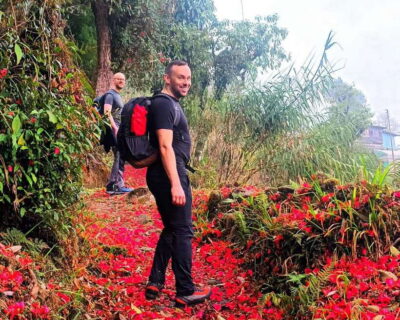
Browse the lists this trek appears in