
Review · VIK
Sólheimajökull Ice Climb and Glacier Hike
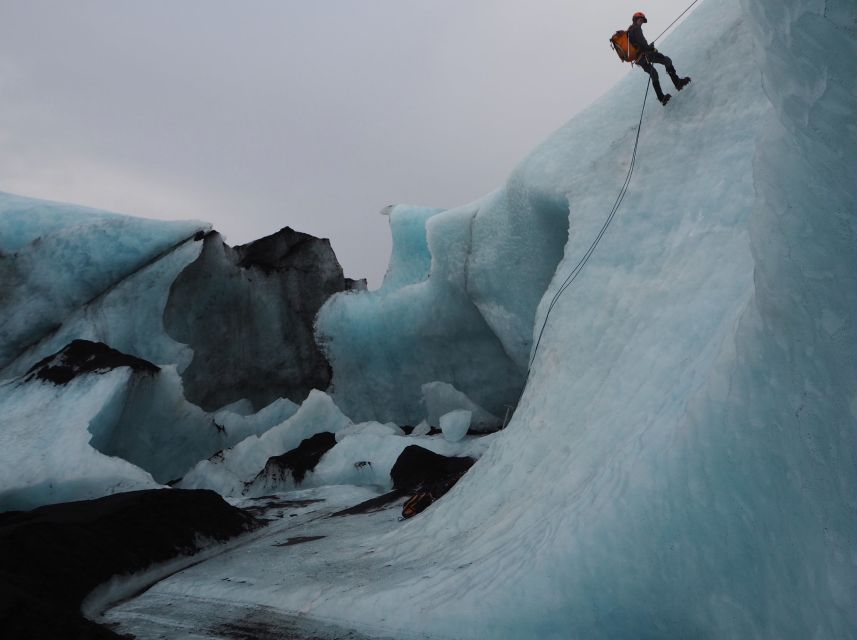
Sólheimajökull is not just a place to look at from a parking lot. You strap on crampons, carry an ice axe, and walk onto dense, shifting ice before climbing a frozen wall under a guide’s rope system. It is a proper hands-on glacier day, not a scenic stroll with a few icy photo stops.
I like the small group of six because a guide can give real attention to your footwork and climbing technique. I also like that the day includes both glacier travel and ice climbing, with views into crevasses, tunnels, and other formations. Guides such as Maria, Adam, Nate, Kevin, Hang, and Helki have been praised for patience and careful safety work.
The main drawback is physical effort. You need warm clothes, rain gear, gloves, and sturdy hiking shoes, and you must be at least 12 years old. If you want a gentle outing, this is not the right glacier trip.
Key points at a glance
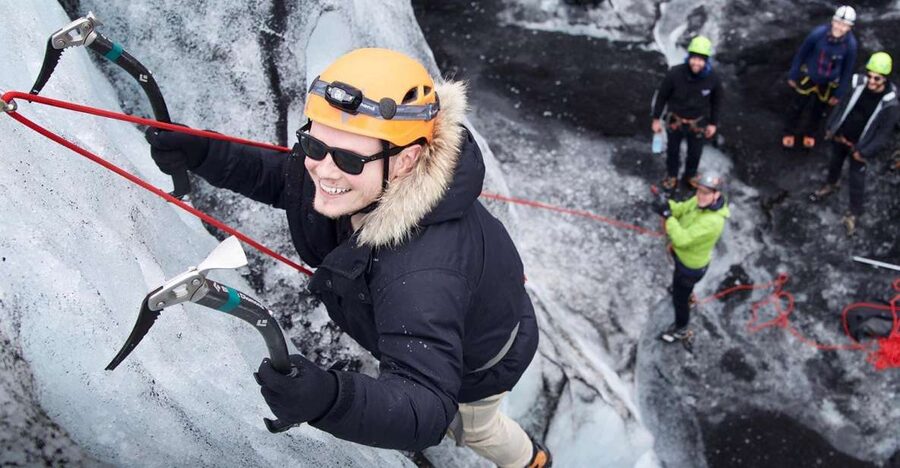
- A real ice-climbing session: You learn basic technique and climb an ice wall with ropes, a harness, crampons, and an ice axe.
- Four hours on and around the glacier: Allow time for the walk from the meeting point, safety briefing, glacier hike, climbing, and return.
- Limited to six people: The small group helps the guide watch your technique and answer questions.
- Beginner-friendly, but still demanding: You do not need advanced climbing experience, yet the terrain calls for balance, strength, and confidence.
- A guide-led look at living ice: You see crevasses, tunnels, and changing formations while learning how the glacier forms and shifts.
- Useful extras included: Climbing boots, helmet, harness, crampons, ice axe, ropes, coffee, and chocolates are provided.
What makes Sólheimajökull ice climbing different
Sólheimajökull is an outlet glacier in southern Iceland, and the setting gives you two activities in one. First, you learn how to move safely across glacial ice. Then you use that same equipment to climb vertically.
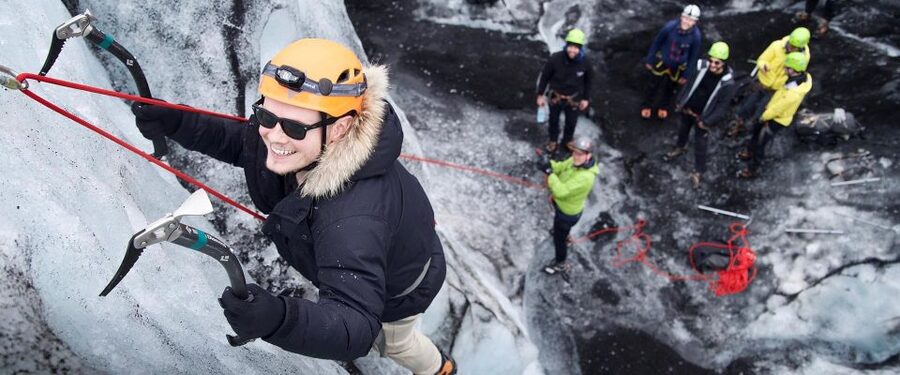
That combination matters. A standard glacier hike can give you fine views and a taste of crampon walking, but the ice climb asks more of you. You must kick the front points of your crampons into the ice, swing the axe with control, and trust the rope system while moving upward. The reward is not simply reaching the top. It is learning how a blank-looking ice wall becomes a route.
The glacier was featured in Chasing Ice, the award-winning documentary about climate change. That connection adds useful context, though the real value is seeing an active, changing glacier at close range. Ice formations shift, crevasses open, and tunnels may appear or disappear. Your guide explains the glacier’s formation and changes while directing you across it.
Do not expect a polished attraction with fixed scenery. The glacier is always changing, and the exact climbing location depends on conditions. That is part of the point, but it also means your day will not be identical to someone else’s.
More Glacier Hikes in Iceland
- Skaftafell: Ice Cave Tour and Glacier Hike
★ 4.5 · 1,746 reviews - Reykjavik: Glacier Hike, Waterfalls and Black Sand Beach
★ 4.8 · 1,285 reviews - Sólheimajökull: Blue Ice Glacier Hike near Vík (Easy)
★ 4.7 · 1,260 reviews
Meeting your guide at the parking lot
You meet at the Sólheimajökull Glacier parking lot, at the Tröll Expeditions Sólheimajökull base. There is no included transfer listed, so plan your route to the parking lot yourself.
The day begins with equipment collection. You receive climbing boots and glacier gear, including a helmet, harness, crampons, ice axe, and ropes. You still need to bring warm clothing, hiking shoes, rain gear, and gloves. Gloves are particularly important because the ice axe and climbing hardware can be rough on bare hands.
The group is limited to six participants. That is a useful size for an activity where the guide needs to check crampon fit, explain foot placement, and watch each person climb. A larger group could mean more waiting and less personal coaching. Here, the guide has a better chance to help if you are nervous or new to climbing.
Guides have received especially strong praise for patience and safety. Maria helped a first-time climber who had plenty of hiking experience but no ice-climbing background. Adam was noted for careful instruction, while one nervous climber with a fear of heights credited her guide’s reassurance with helping her reach the top. Those details tell you more than a simple claim that the guides are friendly: expect active coaching, calm corrections, and close attention to safe movement.
The 30-minute walk toward the ice
From the parking lot, you walk toward the outlet glacier for about 30 minutes. This approach is part of the outing, not wasted time. It gives you a chance to get used to the boots, take in the scale of the ice, and hear the first explanations from your guide.
The walk also sets expectations. You are not stepping straight from a vehicle onto a prepared climbing wall. You need to walk across uneven ground before reaching the glacier, so comfortable hiking shoes matter before the climbing boots go on or while you approach the ice.
Keep your clothing practical rather than fashionable. Southern Iceland can be wet and windy, and rain gear helps protect you before the climbing begins. Layers are the smart choice because you may warm up while walking and working on the ice, then cool down during pauses.
The safety briefing and first crampon steps
At the glacier, the guide gives a safety briefing lasting about 30 minutes. This is an important part of the trip, not a formality to rush through.
You learn how to place your feet, how to use the crampons, and how to handle the ice axe. The guide also explains how to move as a group and how the climbing system works. If you have never used crampons, the first steps can feel awkward. Your feet need to stay wide enough that the metal points do not catch on the opposite boot or trouser leg.
The equipment may look intimidating when it is laid out, but the instruction is designed for beginners. Several people with little or no climbing experience managed the activity with help from patient guides. You should still take the briefing seriously. A glacier is not a place for improvising, showing off, or wandering away for a photograph.
The guide chooses safe spots for pictures, according to one especially reassuring account. That is worth noting. You get chances for photographs, but you are not expected to trade safety for a dramatic angle.
Same trailhead, a different route:
- Skaftafell: Blue Ice Glacier Hike on Vatnajökull
★ 4.7 · 1,045 reviews - From Reykjavik: Glacier Hike, South Coast and Waterfalls Day Trip
★ 5.0 · 915 reviews - Glacier Hike and South Coast Small-Group Tour from Reykjavik
★ 5.0 · 827 reviews - Sólheimajökull Glacier Hike – Adventure in a Small Group
★ 5.0 · 799 reviews
One hour of glacier hiking
The main glacier hike lasts about one hour. Once you are moving, you see the ice from a different angle than you would from the edge.
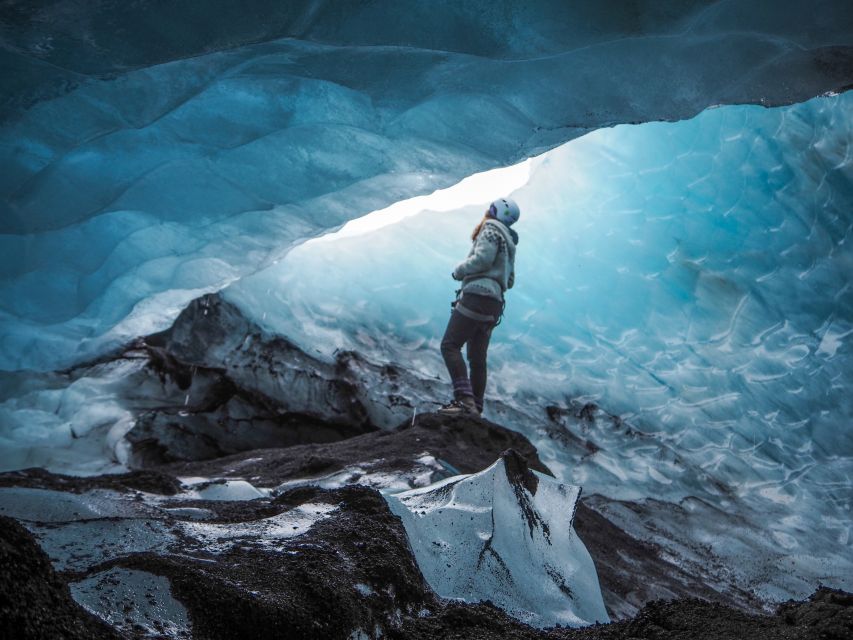
The surface can include blue ice, rough sections, crevasses, and tunnels. The exact formations vary because Sólheimajökull is changing all the time. Your guide explains how the glacier formed and points out features that are easy to miss when you are focused on your feet.
This is where the outing earns its price beyond the climbing session. You are not simply being hauled to a wall, climbing for a few minutes, and returning. You spend meaningful time learning to move across a glacier and seeing the structure of the ice up close.
The hike is still work. Crampons help, but they do not make the glacier flat or effortless. You will need to lift your feet more than usual and pay attention to each step. If you are reasonably active, the challenge should feel rewarding. If you are unfit, you may find the hike and the climb tiring, especially in cold or wet weather.
The glacier also rewards patience. Pause when the guide pauses. Look into the ice rather than rushing toward the next stage. Coffee and chocolates are included, a small but welcome touch during a cold, active morning or afternoon.
The ice wall and your first climb
After the glacier hike, the guide finds a suitable climbing location and sets up the ice-climbing system. You wear a harness, helmet, crampons, and climbing boots, then climb under the guide’s supervision.
The basic method is physical but understandable. Your crampons provide footholds, while the ice axe gives you balance and an anchor point. You learn to kick into the wall, place your feet securely, and pull yourself upward in controlled movements. It is not rock climbing with a thin layer of frost. You are working with dense ice, and every foothold is made by your own movement.
This is the moment when the small group matters most. The guide can watch each attempt, offer corrections, and give you time to try again. The strongest praise for the outing has focused on this patient instruction. First-time climbers, people with little rock-climbing experience, and one participant who feared heights all received enough support to make progress.
Do not assume you must race to the top. Your personal challenge may be taking the first few steps, learning to trust your crampons, or making it higher than expected. A good guide treats the climb as instruction, not a test of worth.
You should also expect the wall, route, and difficulty to depend on glacier conditions. The provided information does not promise a particular height or number of climbs. The safe climbing location comes first, so the exact vertical challenge can vary.
Returning across the glacier
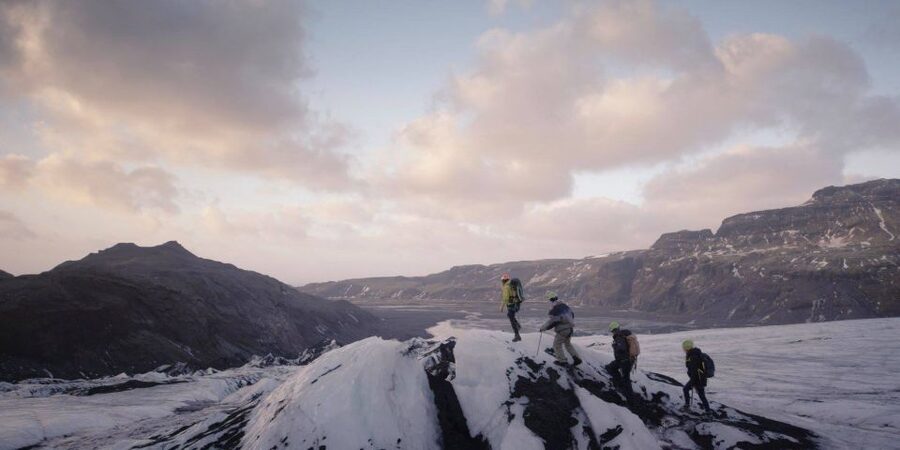
The return involves roughly 30 minutes of walking on foot and another 30 minutes toward the starting point. By then, you will likely feel the outing in your legs and shoulders.
This final section is less dramatic than the climb, but it gives you time to absorb what you have done. You return your equipment at the Tröll Expeditions base and finish back at the same Sólheimajökull parking area.
Build your wider day around that four-hour duration. Do not schedule a rushed appointment immediately afterward. The listed stages account for about three hours of walking, briefing, and glacier time, with the overall activity lasting four hours. Equipment fitting, movement between areas, and the climbing setup fill out the rest.
Is $241 a fair price?
At $241 per person, this is an expensive half-day by ordinary sightseeing standards. It becomes easier to justify when you count what is included: a certified glacier guide, climbing boots, helmet, harness, crampons, ice axe, ropes, and a small group capped at six.
You are paying for specialist equipment and supervision in an environment where mistakes matter. The guide does more than lead a walk. The guide checks your gear, explains glacier movement, selects a suitable climbing site, builds the rope system, and watches your technique.
The price makes less sense if you mainly want a quick view of a glacier. A simpler glacier walk would better suit that goal. This outing is aimed at someone who wants to learn a skill and accept a more active day.
Coffee and chocolates are modest additions, but they are useful in Iceland’s cold conditions. The larger value comes from the combination of hiking and climbing, plus the close instruction made possible by the six-person limit.
Who should book this outing?
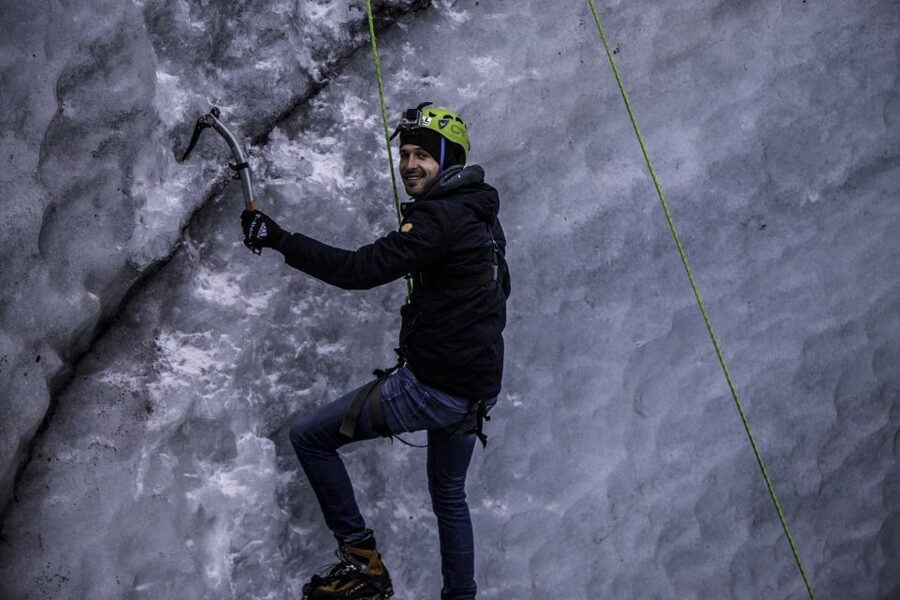
I would point this tour toward adults and children aged 12 or older who want an active introduction to ice climbing. You do not need to arrive as an experienced climber. The strongest experiences here came from people trying ice climbing for the first time, including someone with very little rock-climbing experience.
You should be comfortable with:
- Walking for several hours in cold and wet conditions
- Wearing crampons and climbing boots
- Using an ice axe
- Moving across uneven glacier ice
- Climbing a secured ice wall under instruction
A hiking background helps, but it is not the same as climbing fitness. One person described herself as unfit and nervous about heights, yet managed the climb with patient guidance. That suggests the activity can suit a cautious beginner, provided you are willing to work and listen.
I would not choose it for young children, anyone seeking a relaxed photo stop, or anyone unwilling to wear the required equipment. Gloves are necessary, and warm clothing and rain gear are not optional extras.
Practical preparation for a better day
Wear layers that let you move your arms and legs freely. Bring warm clothing, rain gear, gloves, and hiking shoes. The provider supplies climbing boots, but you still need suitable footwear for the approach to the glacier.
Arrive ready for weather to shape the day. Ice, wind, and rain are part of the setting, not a minor inconvenience. Keep your phone and camera protected from water, and use the guide’s advice about where to take photographs.
Listen closely during the safety briefing. Your guide will show you how to place your feet and use your axe, and those small details make the climb safer and less tiring. Do not worry if your first crampon steps feel clumsy. Give yourself time to find a steady rhythm.
The outing is conducted in English. If you need detailed instruction in another language, this is not the right choice based on the information available.
Should you book the Sólheimajökull ice climb?
Book it if you want more than a glacier viewpoint and like the idea of learning a real mountain skill. The combination of glacier hiking, close views of ice formations, and a guided climb gives you a fuller day than a simple walk. The small group and repeated praise for patient, safety-conscious guides are strong reasons to choose it.
Think twice if you dislike cold weather, physical effort, heights, or tightly scheduled instruction. At $241, you should want the climbing element, not merely tolerate it.
For a first ice-climbing attempt in Iceland, this is a strong choice. Bring gloves, dress for rain, leave room in your schedule, and judge success by learning the technique rather than reaching a certain height.
FAQ
Where does the Sólheimajökull ice-climbing tour meet?
You meet at the Sólheimajökull Glacier parking lot, at the Tröll Expeditions Sólheimajökull location.
How long does the activity last?
The activity lasts four hours. It includes the walk toward the glacier, a safety briefing, glacier hiking, ice climbing, and the return to the starting point.
Is the tour conducted in English?
Yes. The tour has a live English-speaking guide.
How large is the group?
The group is limited to six participants.
What equipment is included?
The tour includes climbing boots, a helmet, harness, crampons, ice axe, and ropes. A certified glacier guide is also included.
What should I bring?
Bring warm clothing, hiking shoes, rain gear, and gloves. Gloves are necessary to protect your hands.
Is ice-climbing experience required?
The provided information does not require previous ice-climbing experience. The guide teaches basic ice-climbing techniques and supervises the climb.
Is the activity suitable for children?
The activity is not suitable for children under 12 years old.
Can I cancel for a full refund?
Yes. You can cancel up to 24 hours in advance for a full refund. You can also reserve now and pay later.
Just added around Iceland
- Glacier Hike: Summer Treasure – Glacier Discovery★ 5.0 · 4 reviews
- Glacier Combo Kayking at Glacier Lagoon and Glacier Hike★ 5.0 · 2 reviews
- 3 Hours Guided Breidamerkurjokull Glacier Hike from Jokulsarlon★ 5.0 · 3 reviews
- Arctic Glacier Hike away from the Crowds Vatnajokull Glacier★ 5.0 · 2 reviews
- Sólheimajökull: Glacier Hike and Ice Climbing Tour★ 5.0 · 6 reviews
- Sólheimajökull: Glacier Hike and Blue Ice Cave Tour★ 5.0 · 15 reviews
- Sólheimajökull: Glacier Hike and Ice Cave Tour★ 4.7 · 21 reviews
- Jökulsárlón: Glacier Hike, Ice Cave, and Photoshoot Package★ 5.0 · 4 reviews
Glacier Hikes & Ice Caves, compared.
Glacier Hike, Waterfalls and Black Sand Beach
Read our review →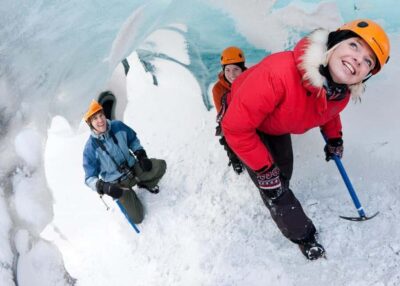
Sólheimajökull: Blue Ice Glacier Hike near Vík (Easy)
Read our review →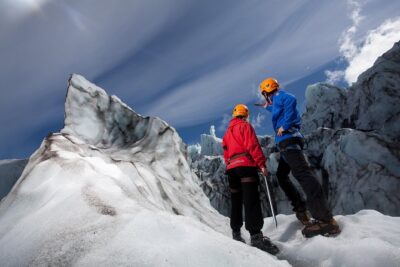
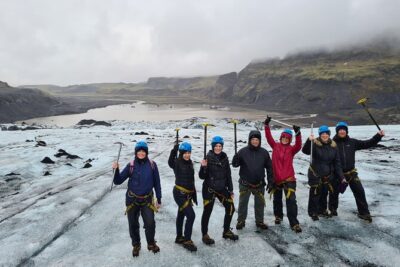
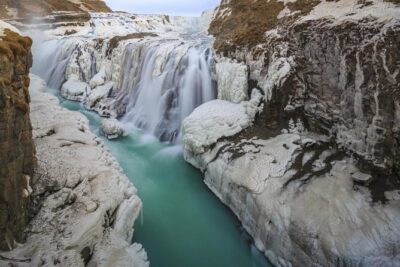
Glacier Hike and South Coast Small-Group Tour from Reykjavik
Read our review →
Perito Moreno Glacier Trekking Tour and Cruise
Read our review →
Sólheimajökull Glacier Hike – Adventure in a Small Group
Read our review →Browse the lists this trek appears in