
Review · JAPAN
3hours Primeval Forest and Stunning Views of Cliff Trekking Tour
Shiretoko’s most appealing walk leaves the busy viewpoints behind and follows animal tracks through an old forest toward sea cliffs more than 100 meters high and a waterfall. With a small group of up to eight, you get a closer look at bear country than a standard sightseeing stop allows.
I like the included rubber boots, rainwear, and binoculars, which save you from packing special gear. I also like the strong guiding team: Makoto, Yuki, Kato, Yusuke, Yuriko, Ako, and others have helped visitors understand the forest, spot deer and birds, and read signs left by wildlife.
The main caution is simple: this is a three-hour walk, not a quick photo stop. You need moderate fitness, and muddy ground or poor weather can affect the outing. The forest is the point, so expect nature rather than a polished path or guaranteed animal sightings.
Key points to know before booking
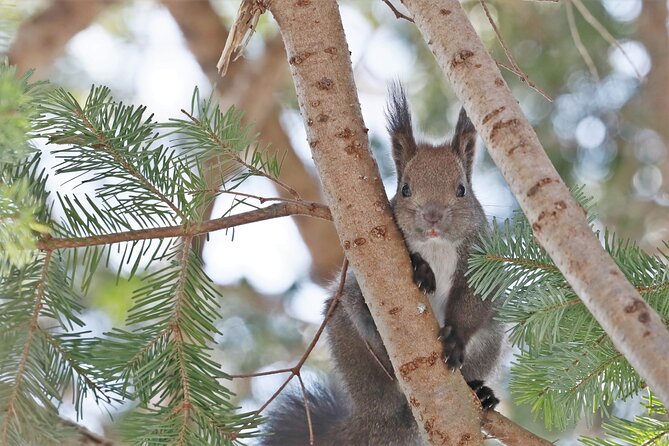
- Wildlife country: Follow animal tracks and look for deer, birds, bear signs, and other forest life.
- Cliff and waterfall views: The walk reaches dramatic cliffs rising more than 100 meters above the coast.
- Small-group guiding: The group is limited to eight people, allowing room for questions and careful wildlife watching.
- Gear included: Rainwear, rubber boots, and binoculars are supplied at no extra charge.
- Three hours on foot: Expect a moderate walk through uneven forest terrain.
- Flexible weather policy: Bad weather may lead to a new date or a full refund.
Why this Shiretoko forest walk is different
Shiretoko is one of the best places in Japan to see nature on a large scale, but the most famous sights can make it easy to stay on a viewing platform. This outing takes you into the forest itself, where the story is written in tracks, broken branches, feeding marks, bird calls, and distant movement.
You are not simply walking from one scenic point to another. The guide helps you notice details that are easy to miss on your own. A track in the mud may be more useful than a distant animal sighting, since it tells you what has recently passed through the area and how the forest is used.
The tour lasts about three and a half hours in total, with roughly three hours spent walking. It begins and ends at the Shiretoko National Park Nature Center at 531 Onnebetsumura, Shari, Hokkaido. Pickup is offered, but the listed meeting point is the Nature Center, so confirm the pickup arrangement when you book.
The current price is about $53.73 per person. That is a fair rate for a small-group outing that includes a professional nature guide, rainwear, boots, and binoculars. You are paying for interpretation and safe access to a wild setting, not just transportation to a viewpoint. If you already own suitable boots and outdoor clothing, the gear may matter less to you, but the guide remains the main value.
A few more treks around Japan worth a look
- Sawanobori River Trekking Tour
★ 5.0 · 30 reviews - Private Local Hiking to enjoy the nature and culture of Mt.Fuji
★ 5.0 · 22 reviews - Frozen fall trekking
★ 5.0 · 21 reviews
Starting at the Shiretoko National Park Nature Center
The Nature Center is the practical launch point for the walk. Here, you meet the guide, sort out the equipment, and prepare for several hours in the forest. Since the tour supplies rainwear and rubber boots, you do not need to arrive with specialist hiking equipment.
This is useful in Shiretoko, where conditions can change and wet ground is part of the experience. One person noted that boots may feel unnecessary after a dry spell, but that advice depends on recent weather. I would take the offered boots rather than gamble on ordinary walking shoes, especially if rain is in the forecast or the ground has been wet.
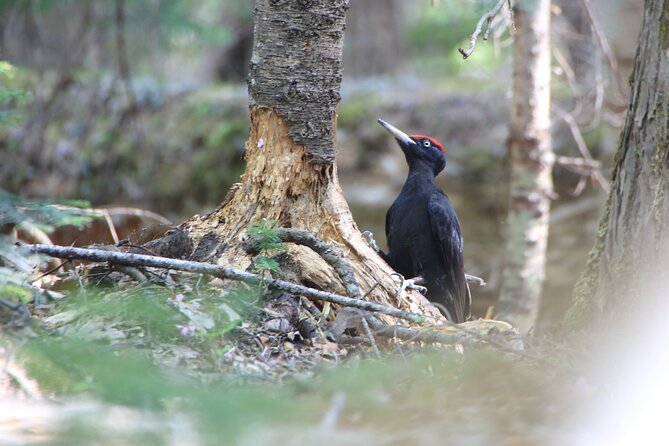
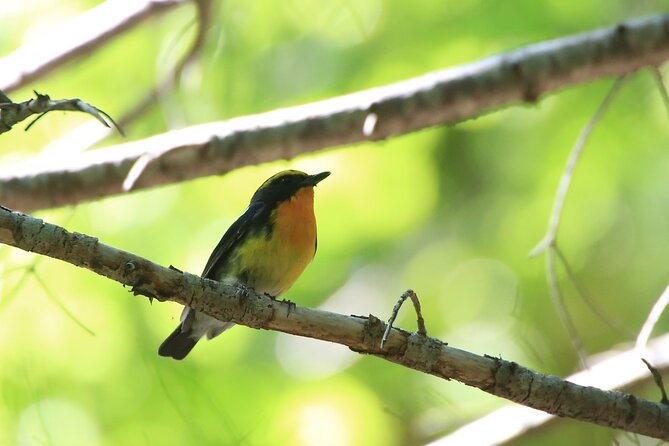
Binoculars are another small but useful touch. The forest is not only about large animals. Guides have helped people spot deer, eagles, birds, and a black woodpecker, along with signs of animals that stayed out of sight. Binoculars give you a better chance of appreciating movement in the trees or along the distant cliffs.
The group limit of eight matters here. A smaller party is easier to keep together, quieter around wildlife, and better for questions. Some departures may be smaller still, and one outing became a private walk when only one booking was made. Do not count on having the guide to yourself, but the limit keeps the tour personal.
Following animal tracks through the primeval forest
The central part of the outing is a three-hour walk through the primeval forest. The path follows routes used by native wildlife, though this is not presented as a marked city-style trail with a fixed parade of sights.
That distinction is important. You are entering a place where the forest sets the schedule. A good day may bring deer, birds, or clear bear tracks. Another may offer more quiet observation, plant life, and views than close animal encounters. The tour has a high chance of wildlife encounters, but no ethical wildlife walk can promise a particular animal.
Bears are part of the setting, and the guides treat that seriously. One outing included a bear sighting, with the guide quickly moving the group to safety. Other walks found many bear tracks in snow. These details make the guide more than a walking companion. In bear country, calm decisions and local knowledge are worth paying for.
You should not expect to approach wildlife or search recklessly for it. The point is to observe signs and behavior without disturbing the animals. A guide such as Makoto, Yuki, Kato, or Yusuke can explain what you are seeing and keep the group moving sensibly.
The forest also has a human story. Guides have discussed the area’s history, forest types, and wildlife ecology, helping you connect individual details to the wider park. The strongest part of the tour is not simply seeing a deer. It is learning why the deer is there, what the forest provides, and how bears and birds fit into the same system.
Reaching the cliffs and waterfall
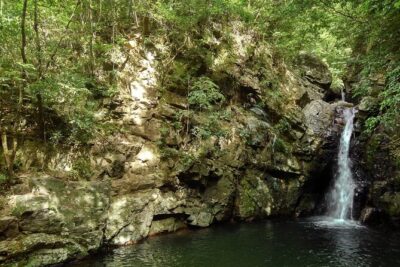
The walk also brings you to a major visual reward: cliffs rising more than 100 meters, with a waterfall adding another layer of drama. This is where the outing shifts from close forest detail to a broad coastal view.
The cliffs are especially valuable because they give the walk a clear destination. You begin among trees and animal tracks, then reach a place where the scale of Shiretoko opens up. On a clear day, the sea view should be the kind of scene that makes you stop talking for a moment.
Weather can change this part of the experience. Rain, mist, or low cloud may soften the view, but they can also make the forest feel more atmospheric. The operator has offered free changes or cancellation when conditions were poor, which is a sensible policy for an outing built around nature and open views.
Do not expect a long sightseeing break with facilities at the cliff area. The available information describes the view and waterfall, not restaurants, shelters, or extensive visitor services along the route. Bring a practical attitude and let the guide set the pace.
Same trailhead, a different route:
- Okinawa Jungle Trails & Waterfalls – Private Yanbaru Tour
★ 5.0 · 43 reviews - Mt. Inunaki Trekking and Goma Prayer Experience in Osaka
★ 5.0 · 8 reviews - Iriomote’s Adventure: Pinaisara Falls Canoe and Trekking Tour
★ 5.0 · 7 reviews - Shizuoka : Mt Fuji Secret Canyon River Trekking
★ 5.0 · 6 reviews
What the guides add to the walk
The guides are the strongest part of this experience. Makoto, also called Mark by some English-speaking visitors, is described as humorous, energetic, and comfortable explaining the area in English. He has guided people through bear country, pointed out wildlife, and sometimes extended the walk to cover more.
Yuki has guided walks in both rainy conditions and the colder April season. Her English is strong, and she has explained forest types, wildlife, and the wider area while taking care of the group. Ako has also shown flexibility, allowing a change to the next day when bad weather made the original departure less appealing.
Kato has been praised for an educational, energetic style, while Yusuke has been described as funny, animated, and fluent in English. Yuriko has offered clear explanations about animals and the forest, and guides such as Tomo have joined outings as a second guide.
You cannot select a particular guide from the information provided, so book for the quality of the guiding program rather than one individual. Still, the range of names and repeated descriptions suggest a team that can work well with international visitors. English ability appears to vary by individual, but several guides are specifically described as speaking English very well.
Wildlife sightings, from deer to bear tracks
Deer are among the more realistic animals to hope for. Several outings have seen them, along with various birds. Eagles and a black woodpecker have appeared on a winter walk, showing that the forest can be rewarding outside the summer season as well.
Bear signs may be easier to find than bears themselves. Tracks in snow or mud can reveal recent activity and give the guide a chance to explain how bears use the area. A bear sighting did occur on one outing, but you should treat that as a fortunate possibility, not the purpose of the walk.
The same rule applies to birds. Binoculars help, but wildlife is unpredictable. You may spend part of the walk listening, scanning, and learning rather than taking photographs. I consider that a strength for anyone who wants a genuine forest outing, but it may disappoint you if your main goal is a guaranteed animal encounter.
The safety side deserves attention. This is wild habitat, and the guide’s role includes watching conditions and responding to wildlife. Stay with the group, follow instructions, and avoid treating the forest like a self-guided photo hunt.
How hard is the three-hour walk?
The tour requires a moderate level of physical fitness. That wording usually means you should be comfortable walking for about three hours over natural ground, possibly with mud or uneven sections. The supplied information does not give an exact distance, elevation gain, or technical trail grade, so you should not book based on a precise mileage expectation.
Some people have described the walk as easy, but that will depend on weather, footing, and your own condition. Rubber boots can be heavier and less nimble than hiking shoes, though they are practical in wet ground. Rainwear can also feel warm if the day turns mild.
This is not the best choice if you want a short stroll with frequent seating. It suits you if you can keep walking at a steady pace and are comfortable outdoors for several hours. The small group makes it easier for the guide to monitor the pace, but it does not remove the physical demands.
Wear comfortable layers under the supplied rainwear. You should also expect the possibility of mud and damp conditions even if the forecast looks acceptable. The tour includes the major protective items, but it does not say that food or drinks are provided, so handle those needs before setting out.
Seasons, rain, and changing conditions
The outing has operated in several seasons. Spring can still be cold, as one April departure showed, even after the drift ice had gone. Winter brings snow, bear tracks, deer, eagles, and black woodpeckers, but also a very different walking surface and colder conditions.
Summer and early autumn may offer greener forest and easier access, but rain remains possible. One rainy walk still went ahead after the group chose to continue, while another departure was moved because of bad weather. This tells you two useful things: rain does not automatically ruin the experience, and the operator does take poor conditions seriously.
If the tour is canceled because of weather, you are offered a different date or a full refund. You can also cancel for a full refund up to 24 hours before the start time. Changes or cancellations inside that 24-hour window are not accepted for a refund.
For the best chance of enjoying the cliffs, check the forecast before you leave for the Nature Center. If the weather is marginal, ask about the conditions rather than assuming the tour will run exactly as planned.
Who should book this experience?
I would choose this walk if you want to understand Shiretoko rather than simply photograph it. It is a good match for nature-minded visitors, families with enough stamina for a moderate walk, and anyone who prefers a small group to a large coach outing.
It also suits repeat visitors who have already seen the better-known viewpoints around Furepe Waterfall or the Five Lakes. The forest route offers a different view of the park, with more focus on ecology, animal tracks, and the feeling of entering a less developed part of the area.
You may want another activity if your priority is guaranteed wildlife, a short accessible stroll, or a dry-weather-only plan. The tour cannot control what appears in the forest, and the exact trail conditions are not given. You need to accept some uncertainty in exchange for a more natural setting.
The price makes sense for visitors who would otherwise need to rent boots, rainwear, and binoculars separately. Even if you bring your own equipment, the local guide and bear-country awareness remain the main reasons to book.
My verdict: book it for the forest, not a guaranteed animal sighting
I would book this tour if I had three hours in Shiretoko and wanted more than a viewpoint. The combination of a small group, practical gear, strong English-speaking guides, wildlife signs, and cliffs over 100 meters high gives the outing real substance for about $53.73.
Go with realistic expectations. You may see deer, birds, or bear tracks, and you might be lucky enough to see a bear from a safe distance. You may also spend much of the walk studying the forest and listening to the guide. That is not a lesser result. It is the heart of the experience.
Choose it when the forecast is workable, your legs are ready for three hours, and you value local interpretation. Skip it if you need a fixed, easy route or guaranteed wildlife photographs.
FAQ
How long does the tour last?
The tour lasts approximately three hours and thirty minutes, including about three hours of walking.
Where does the tour begin?
It begins at the Shiretoko National Park Nature Center, 531 Onnebetsumura, Shari, Shari District, Hokkaido 099-4356, Japan.
Where does the tour finish?
The activity ends back at the meeting point at the Shiretoko National Park Nature Center.
Is pickup available?
Pickup is offered. The stated meeting point is the Shiretoko National Park Nature Center, so confirm the pickup details when booking.
What equipment is provided?
Complimentary rainwear, rubber boots, and binoculars are provided.
How large is the group?
The maximum group size is eight people.
How fit do I need to be?
You should have a moderate level of physical fitness because the outing includes about three hours of walking through the forest.
Can I cancel for a refund?
Yes. You can cancel at least 24 hours before the start time for a full refund. Cancellations or changes made less than 24 hours before the start time are not accepted for a refund.
What happens if bad weather cancels the tour?
If poor weather causes the activity to be canceled, you will be offered a different date or a full refund.
Just added around Japan
- Relax and refresh in Karuizawa Forest! Shinanoji down trekking around two people★ 4.0 · 2 reviews
- Kanazawa Day Tour: Shomyo Falls & Tateyama Mountain Walks★ 5.0 · 4 reviews
- Mt. Inunaki Trekking and Goma Prayer Experience in Osaka★ 5.0 · 8 reviews
- Mt. Inunaki Trekking and Hot Springs in Izumisano, Osaka★ 5.0 · 3 reviews
- Matt Canyon River Trekking Nishiwaga Town, Iwate Prefecture★ 5.0 · 4 reviews
- Trekking Tour to Faith, Ancient Paths and the Falls from Hitachi★ 5.0 · 2 reviews
- Iriomote’s Adventure: Pinaisara Falls Canoe and Trekking Tour★ 5.0 · 7 reviews
- Shizuoka : Mt Fuji Secret Canyon River Trekking★ 5.0 · 6 reviews
Japan Trekking Tours, compared.
Okinawa Jungle Trails & Waterfalls – Private Yanbaru Tour
Read our review →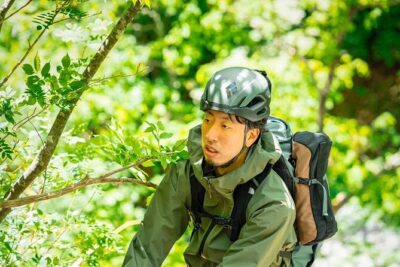

Private Local Hiking to enjoy the nature and culture of Mt.Fuji
Read our review →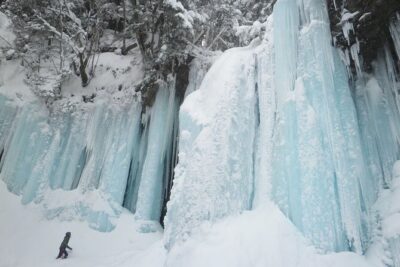
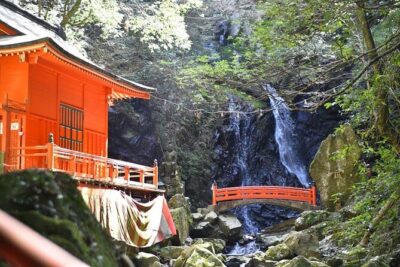
Mt. Inunaki Trekking and Goma Prayer Experience in Osaka
Read our review →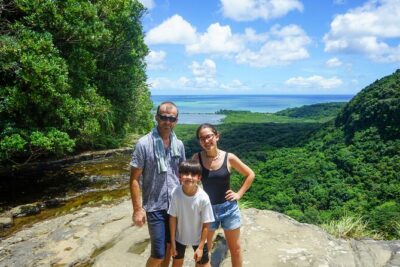
Iriomote’s Adventure: Pinaisara Falls Canoe and Trekking Tour
Read our review →

Kyoto: Arashiyama Bamboo Grove, Monkey Mountain Walking Tour
Read our review →Browse the lists this trek appears in